Understanding Why Traditional Solutions Fall Short
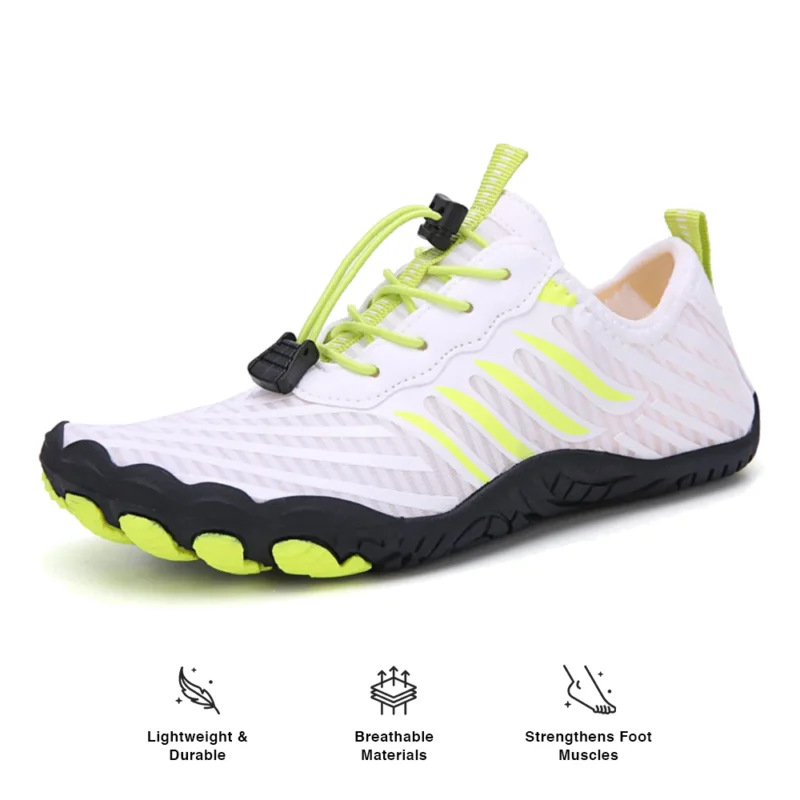
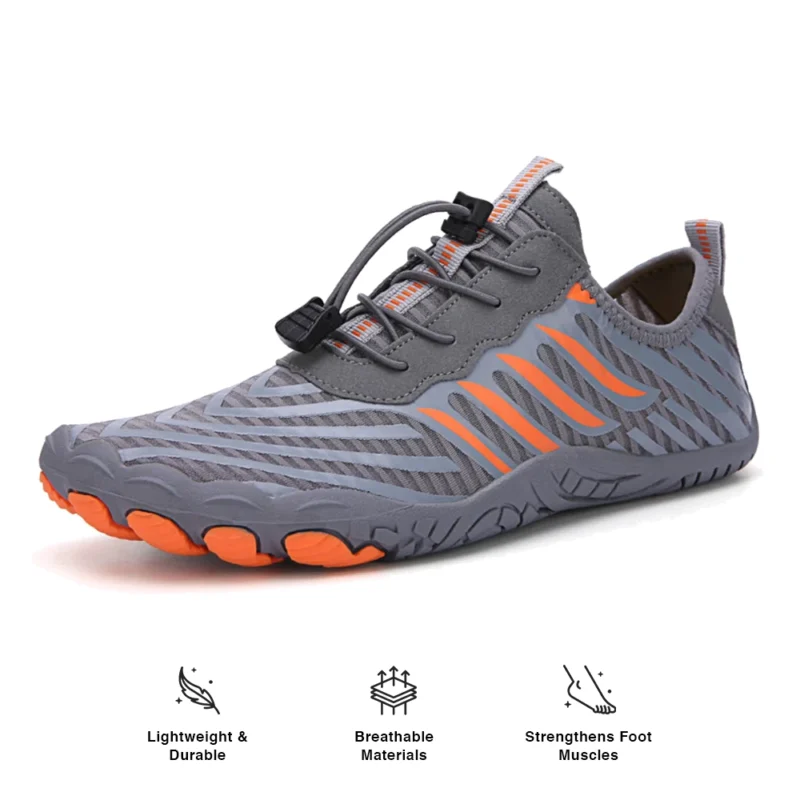
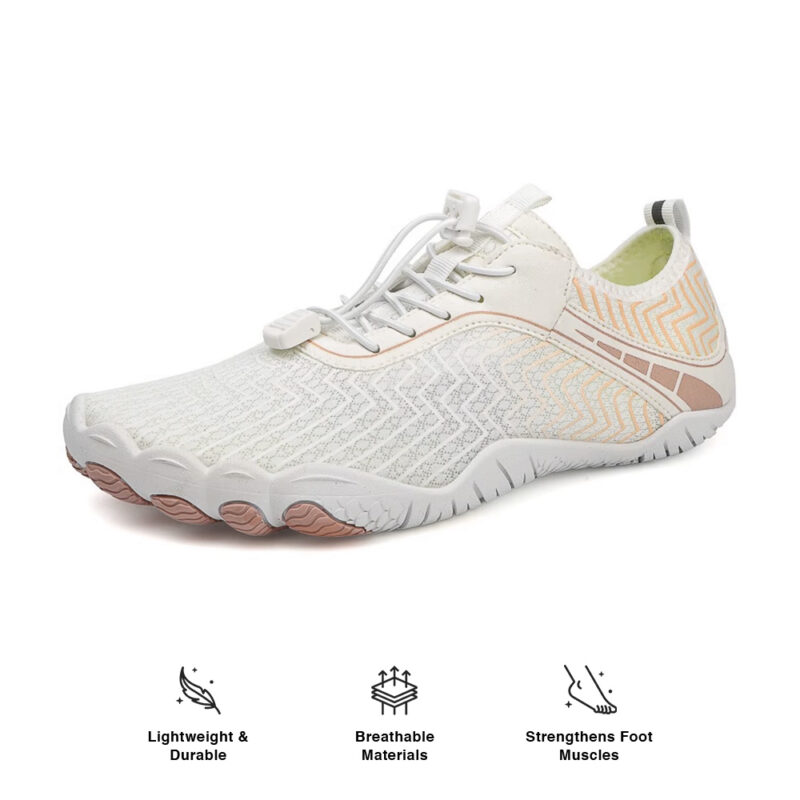
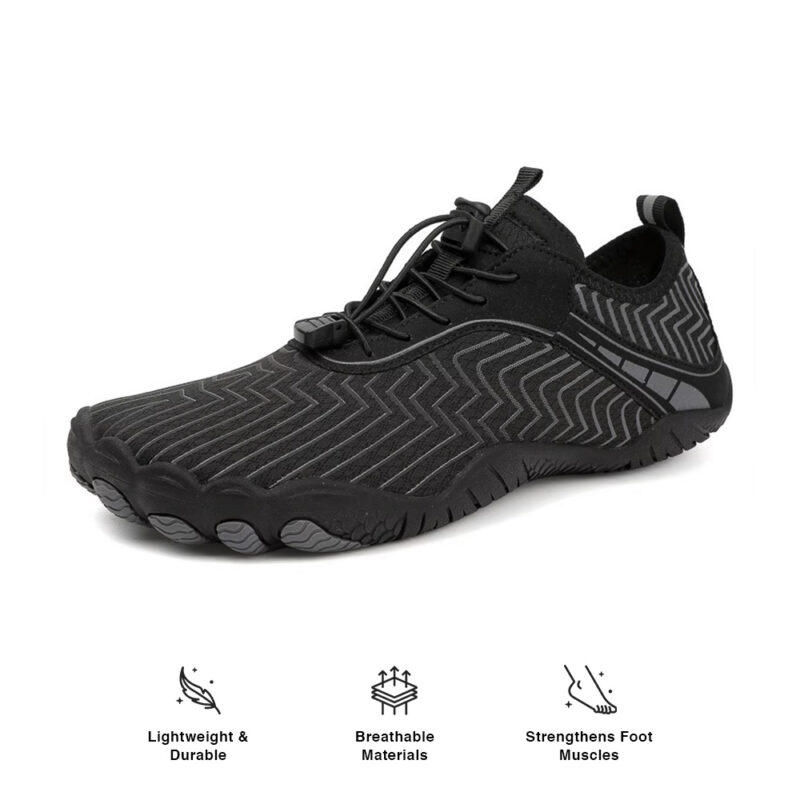
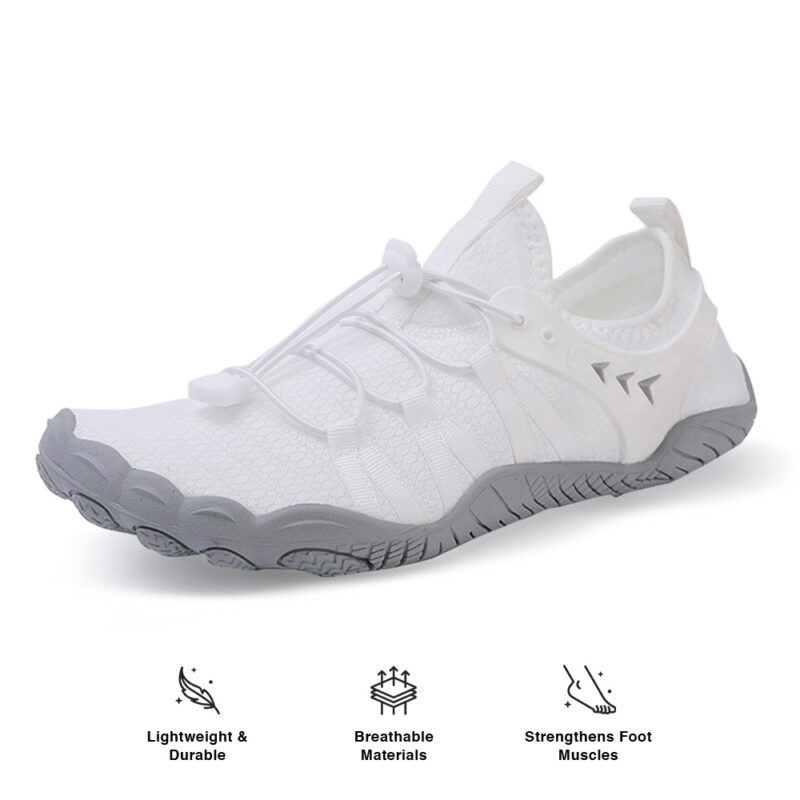
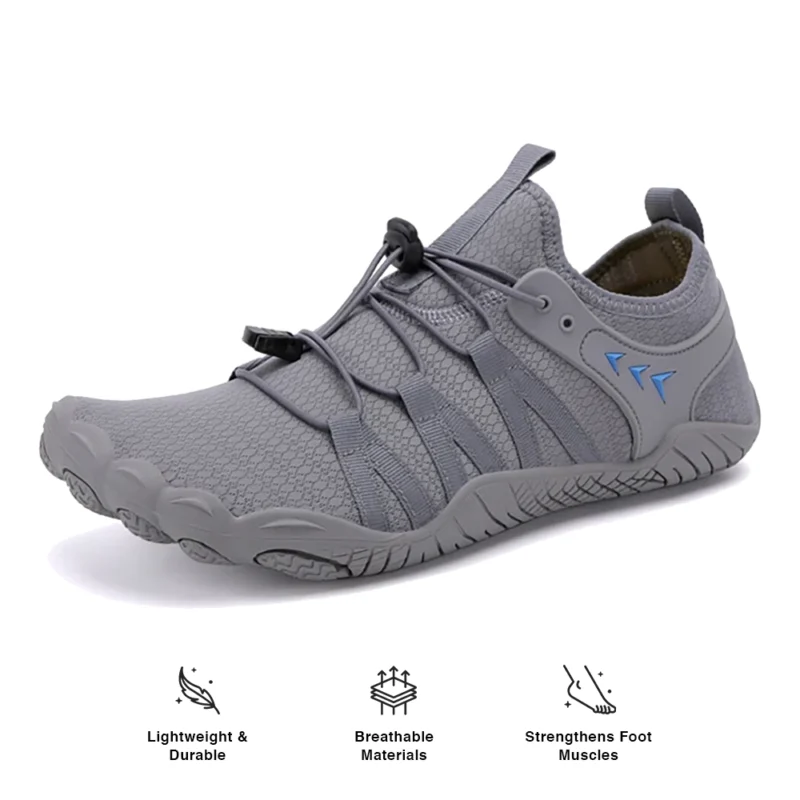
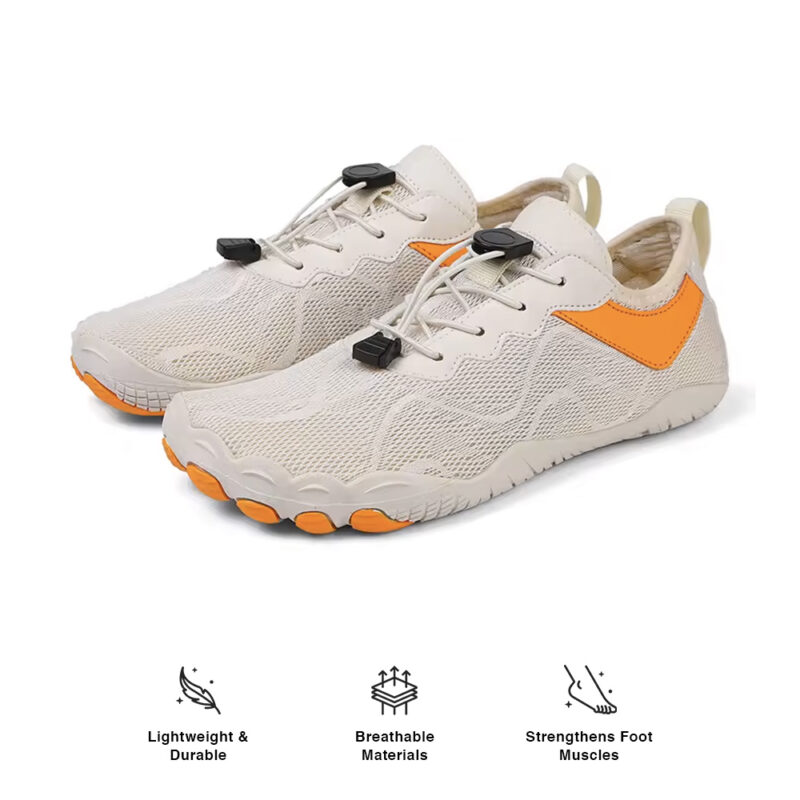
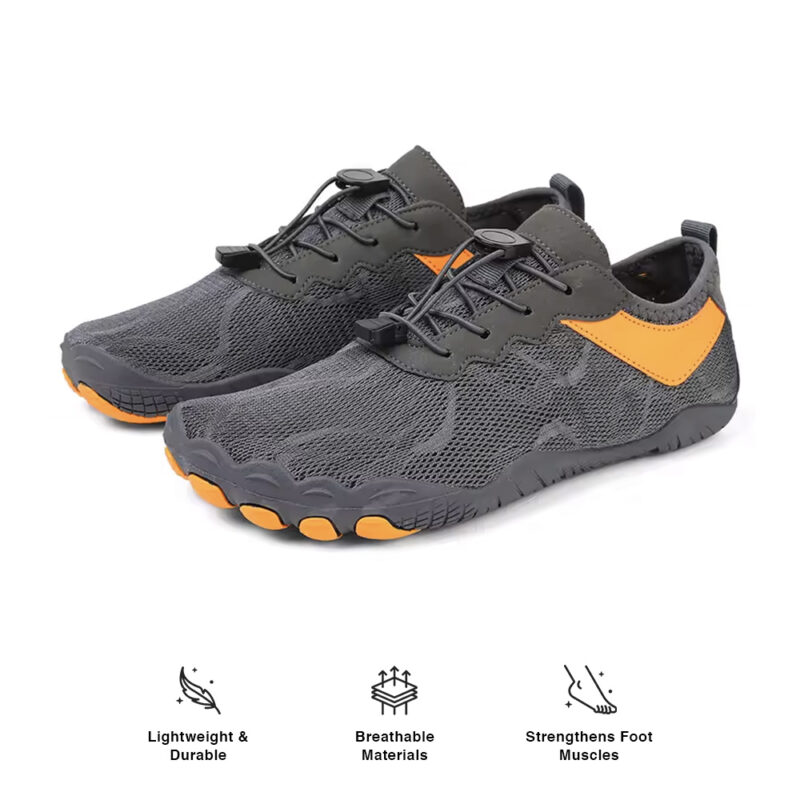
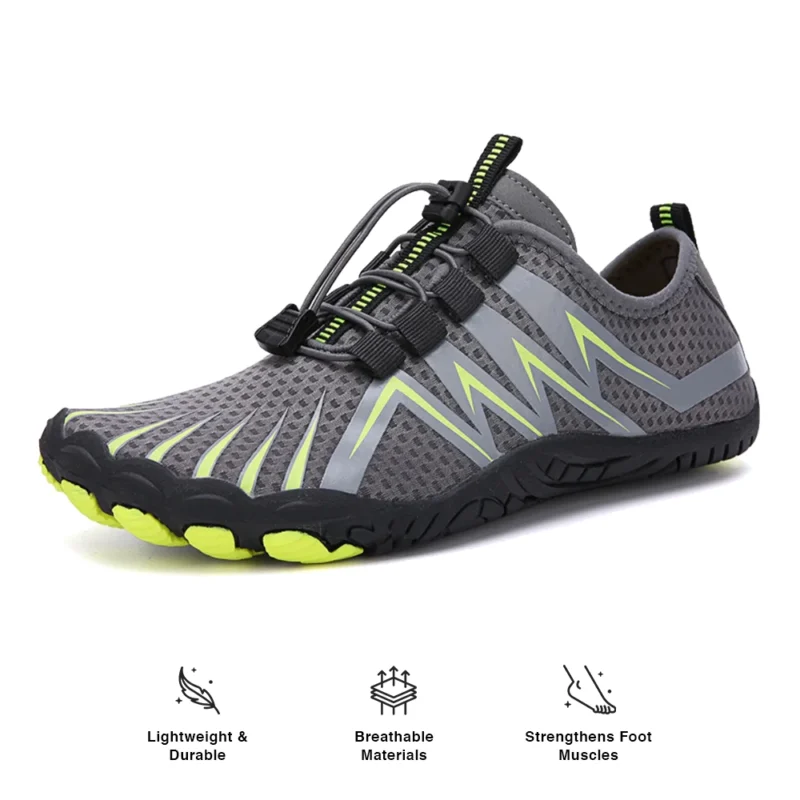
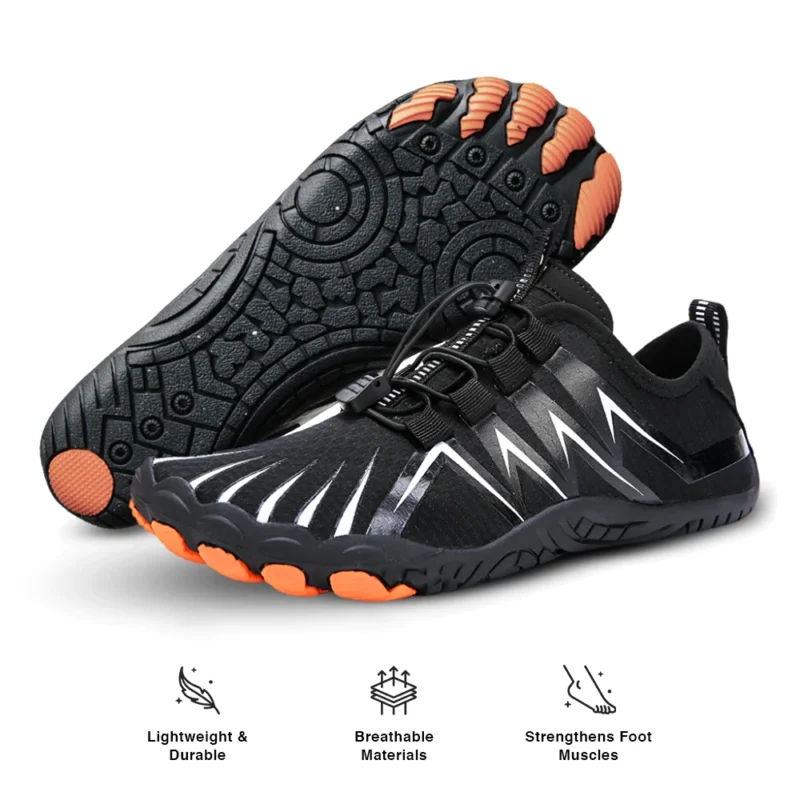
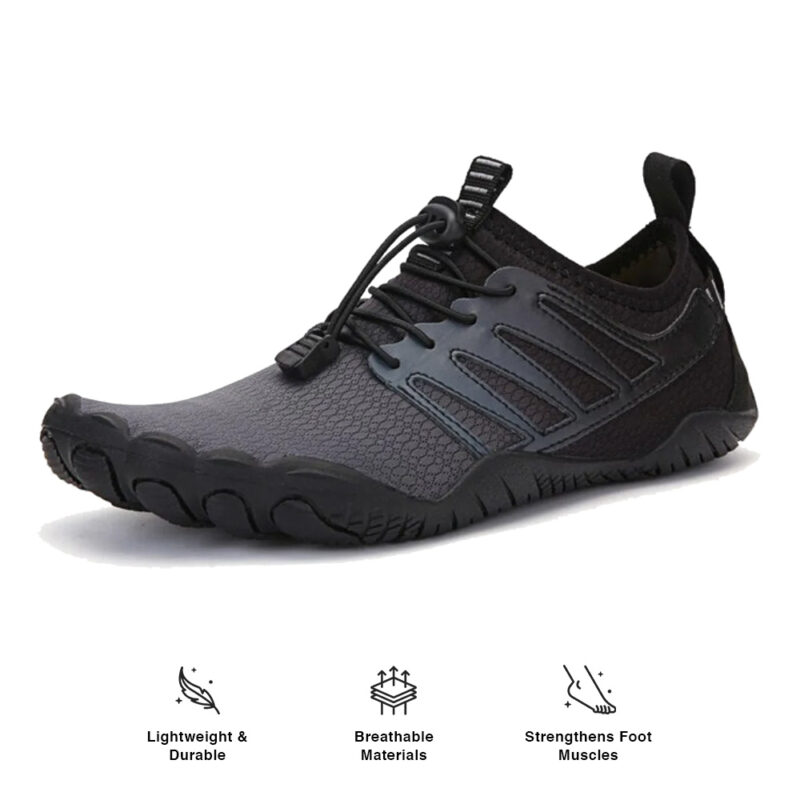
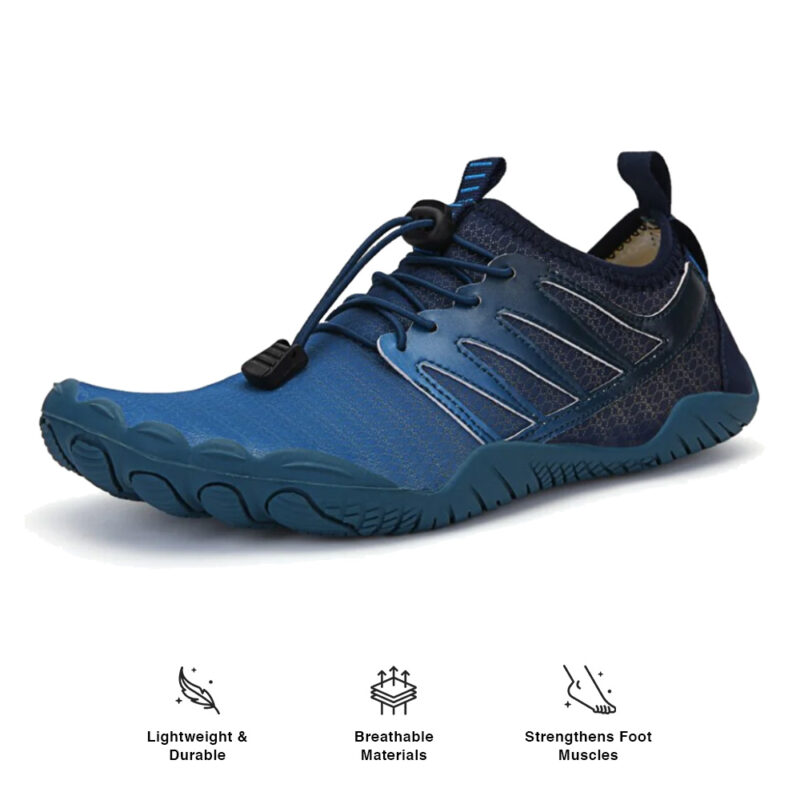
Many runners with hyperpronation feel trapped in a cycle of purchasing increasingly rigid shoes that promise stability but deliver diminishing returns. You've likely experienced that sinking feeling when a new pair of "motion control" shoes feels clunky and unnatural from the first step. The truth is that your feet possess an intricate network of muscles, tendons, and ligaments designed to provide natural stability, but traditional shoes with their thick midsoles and arch supports prevent these structures from functioning properly. When you choose minimalist footwear as your best running shoes for hyperpronation, you're giving these natural stabilizers the opportunity to strengthen and develop the coordination they need to support healthy movement patterns.
How Natural Movement Patterns Reduce Overpronation
Your hyperpronation often stems from weak intrinsic foot muscles that haven't been allowed to work properly in restrictive footwear. You need shoes that permit your feet to flex, grip, and respond to the ground beneath them, creating the sensory feedback that helps your body automatically adjust its movement patterns. Minimalist shoes with thin, flexible soles allow your feet to feel the ground and engage the small stabilizing muscles that traditional shoes keep dormant. As you transition to this style of footwear, focus on starting with shorter distances and paying attention to how your feet naturally want to move, allowing your body's wisdom to guide you toward more efficient mechanics.
Building Foot Strength Through Minimalist Design
The best running shoes for hyperpronation don't prop up your feet – they challenge them to become stronger. You've probably noticed that your feet feel tired or weak after long periods in heavily cushioned shoes, and that's because those shoes do all the work while your foot muscles atrophy. Minimalist designs with zero-drop construction and thin soles require your intrinsic foot muscles to engage with every step, gradually building the strength needed to maintain proper alignment. Start incorporating barefoot walking and toe exercises into your daily routine while your feet adapt to their new freedom, creating a foundation of strength that supports your running goals.
Improving Proprioception and Balance
Your body's ability to sense where it is in space plays a crucial role in preventing excessive pronation, but thick-soled shoes block much of this important sensory information. You need footwear that allows maximum ground contact and feedback, helping your nervous system make the micro-adjustments that keep your feet tracking properly. When looking for the best running shoes for hyperpronation, prioritize designs with thin, flexible soles that preserve your natural proprioception. Practice standing on one foot and performing balance exercises while wearing your minimalist shoes, allowing your body to develop the neural pathways that support stable, efficient movement.
Addressing the Transition Period Thoughtfully
Switching to minimalist footwear requires patience and gradual adaptation, especially when you've been relying on motion control features for years. You might experience some initial discomfort as your feet wake up and begin working in new ways, but this is a normal part of the strengthening process. The best running shoes for hyperpronation in the minimalist category often feature a slightly thicker sole than true barefoot shoes, providing a gentle bridge during your transition. Begin with short walks and easy runs, increasing your time in minimalist footwear by just 10-15 minutes per week while maintaining some of your regular training in your current shoes.
Finding the Right Minimalist Features for Your Needs
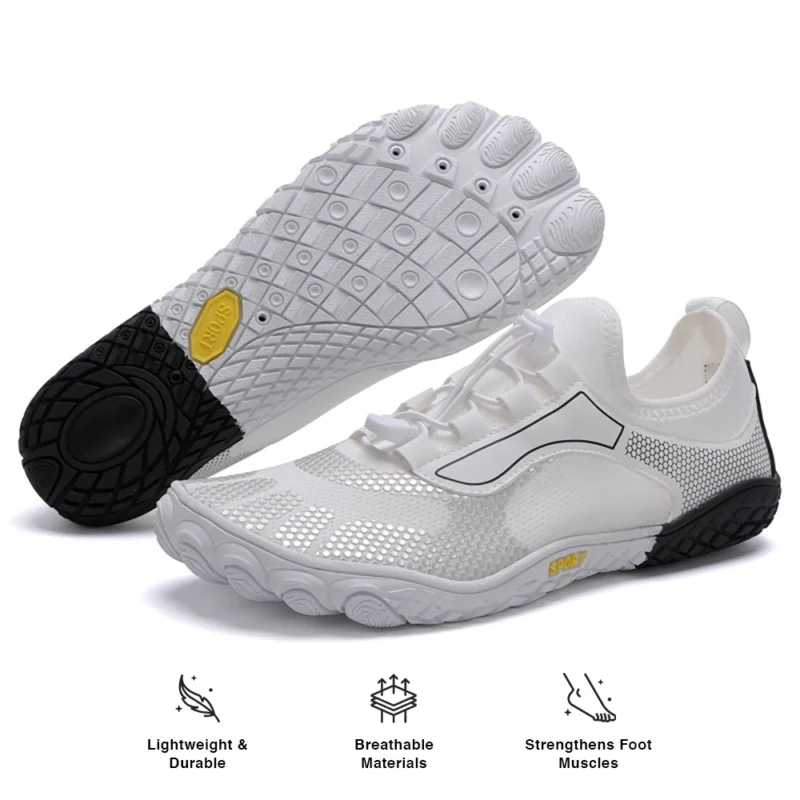
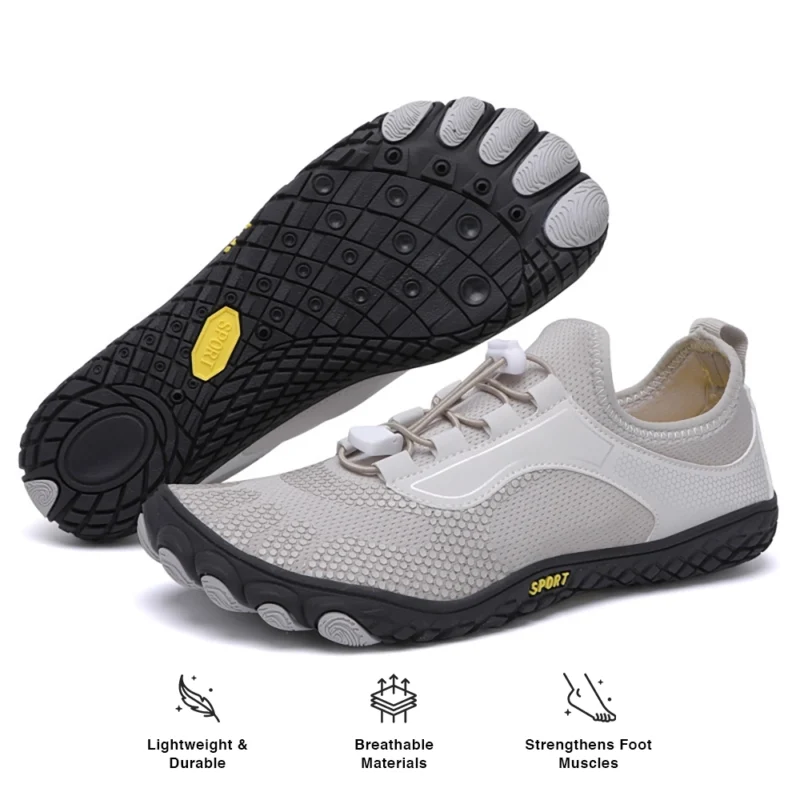
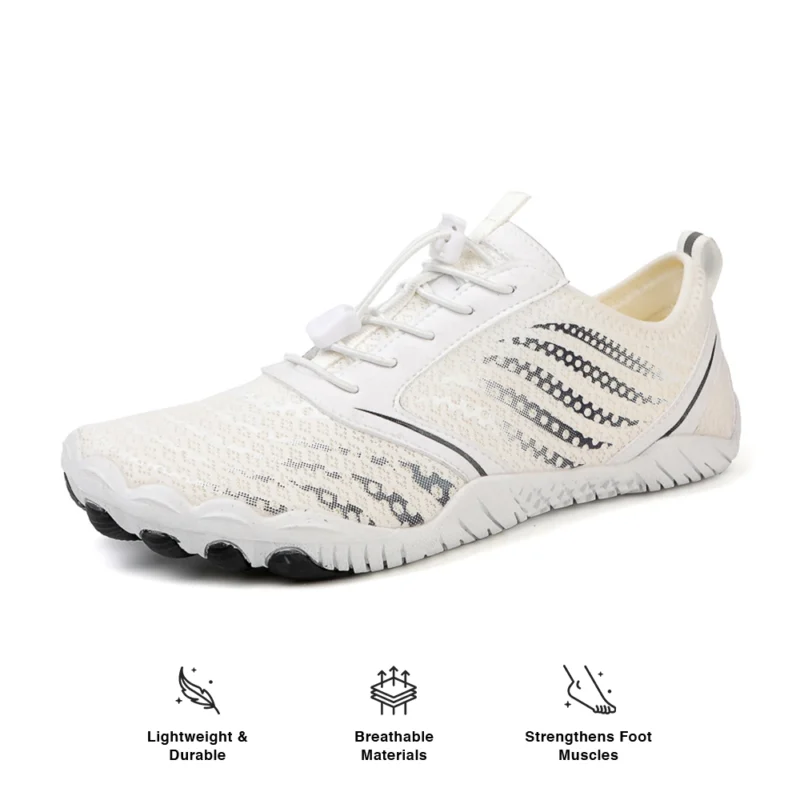
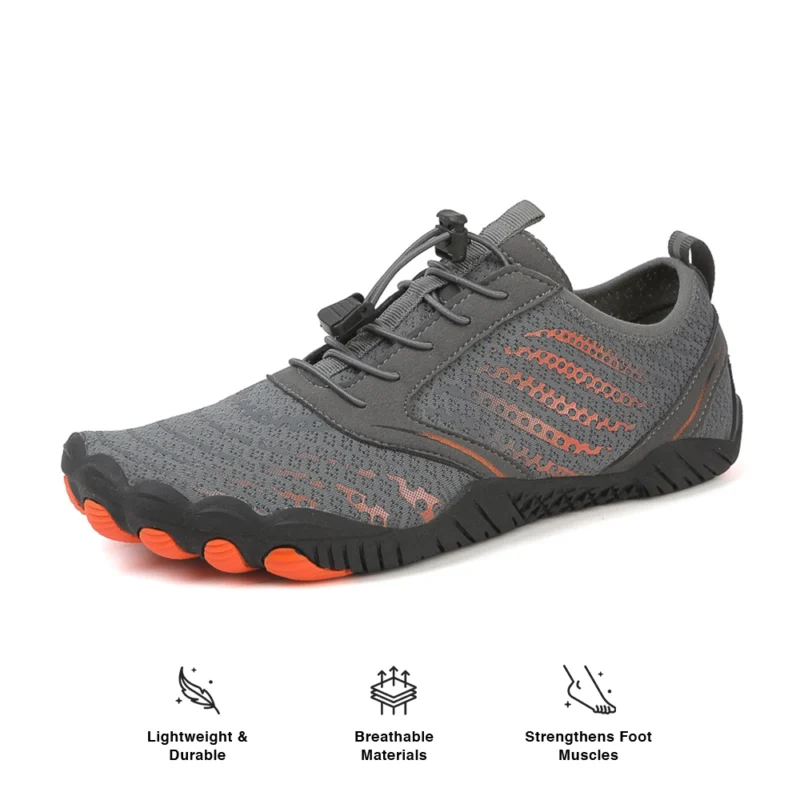
Not all minimalist shoes are created equal, and you need specific features that support your journey away from hyperpronation without overwhelming your feet. Look for shoes with wide toe boxes that allow your toes to spread naturally, flexible materials that move with your foot, and enough sole protection for your running surfaces while maintaining ground feel. The best running shoes for hyperpronation in this category will have zero heel-to-toe drop, encouraging a more natural midfoot or forefoot strike that reduces the forces that contribute to excessive pronation. Test different brands and styles to find the combination of flexibility, protection, and comfort that feels right for your individual foot shape and running style.
Creating Long-Term Success with Natural Movement
Your ultimate goal isn't just finding shoes that accommodate hyperpronation, but developing feet that are strong and stable enough to run efficiently in any reasonable footwear. This transformation takes time, typically six months to two years depending on your starting point and consistency with the transition. As you progress, you'll likely notice improvements not just in your foot mechanics, but in your overall running efficiency, injury resilience, and connection to your natural movement patterns. Remember that the best running shoes for hyperpronation are ultimately the ones that help your feet become their strongest, most capable selves, supporting a lifetime of healthy, joyful running.