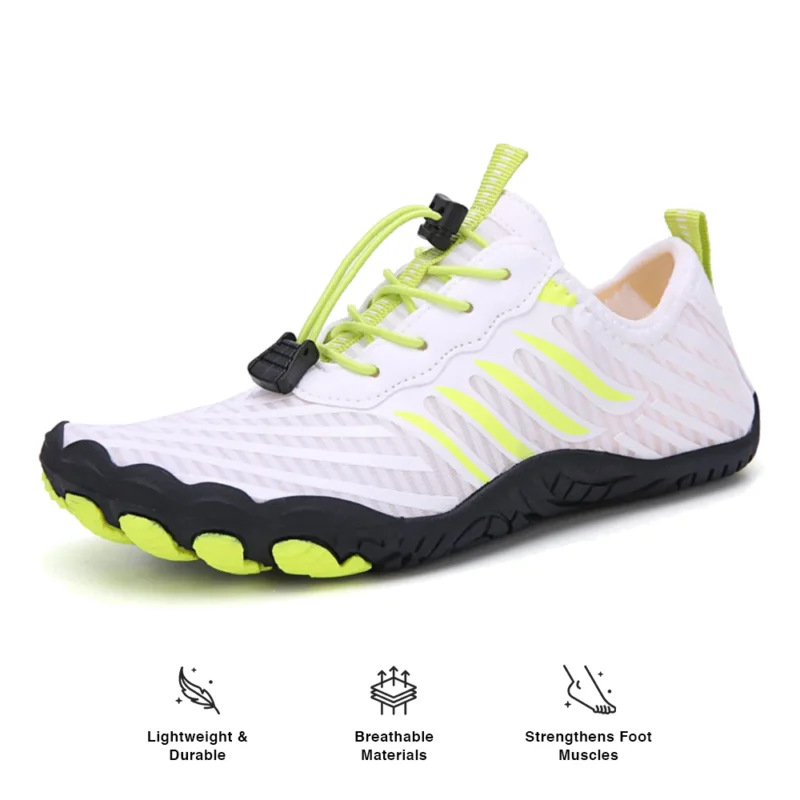
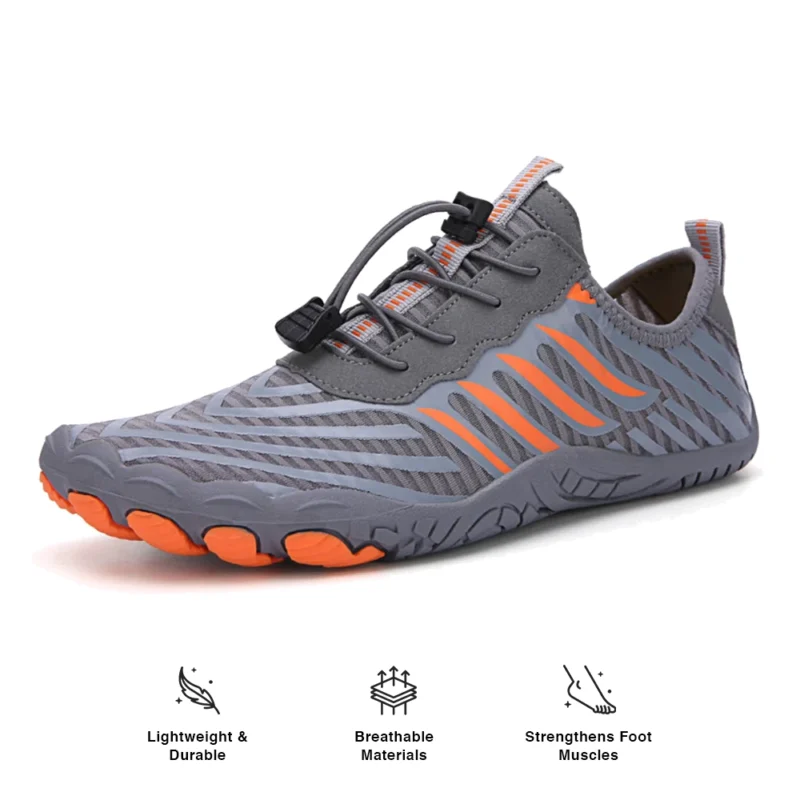
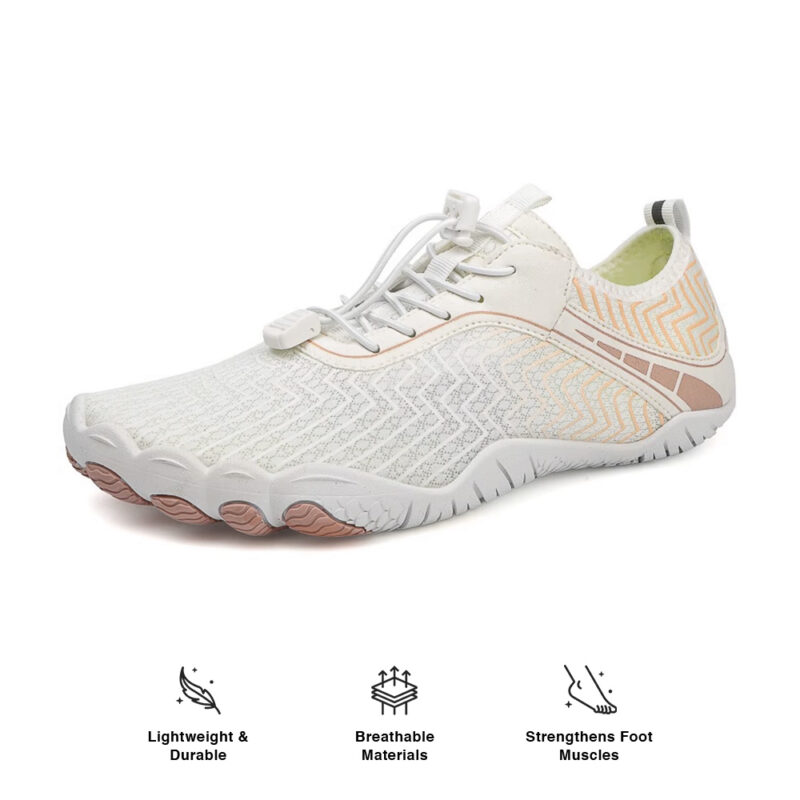
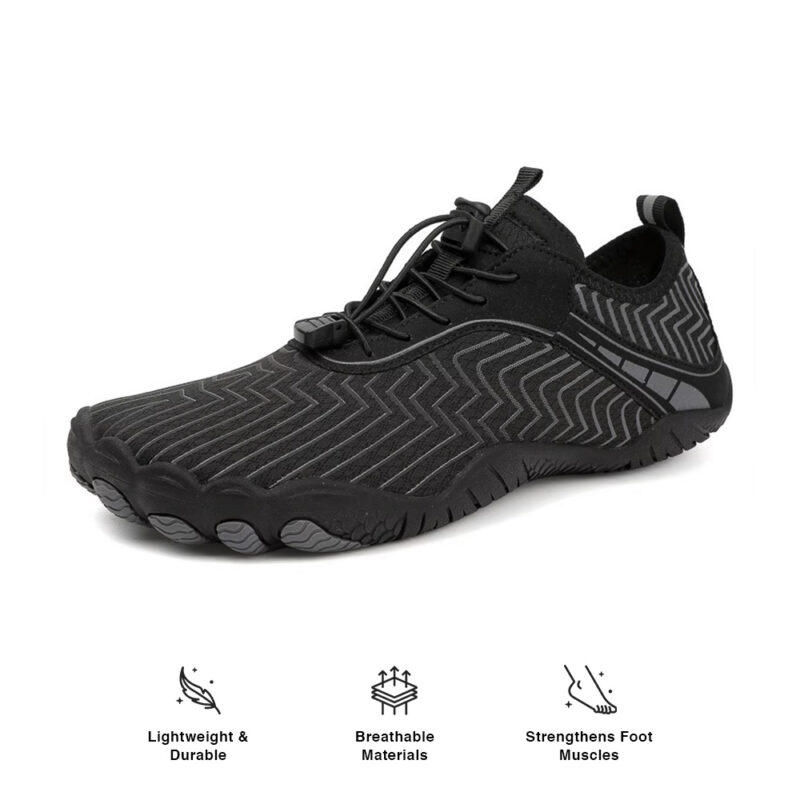
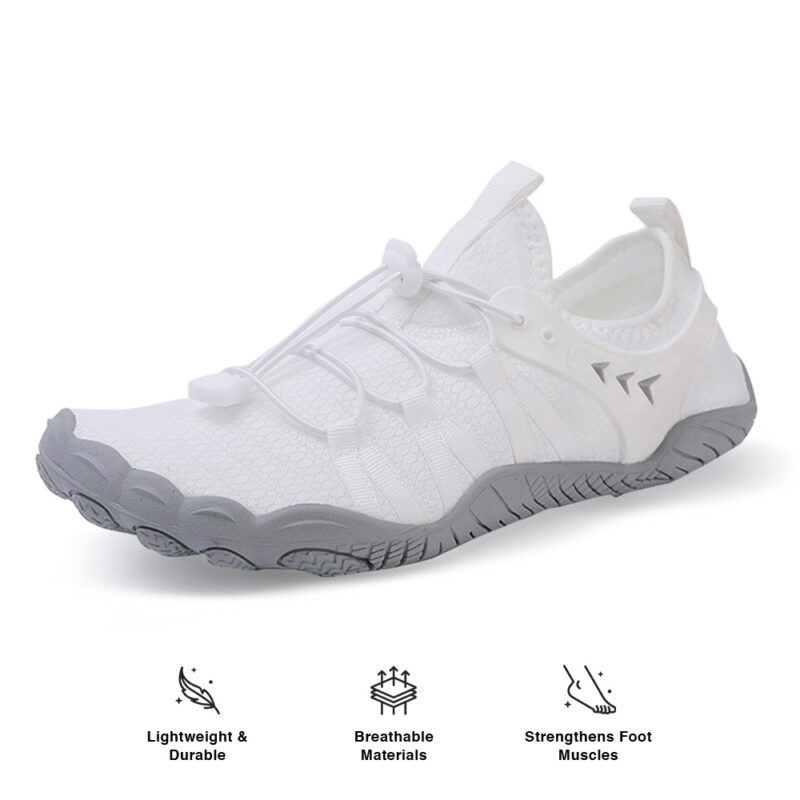
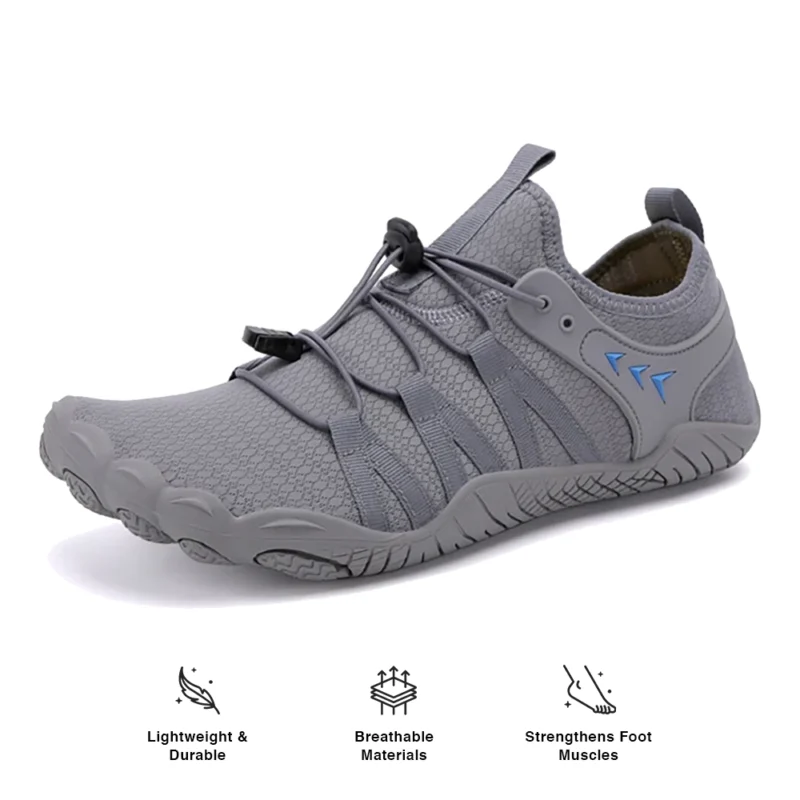
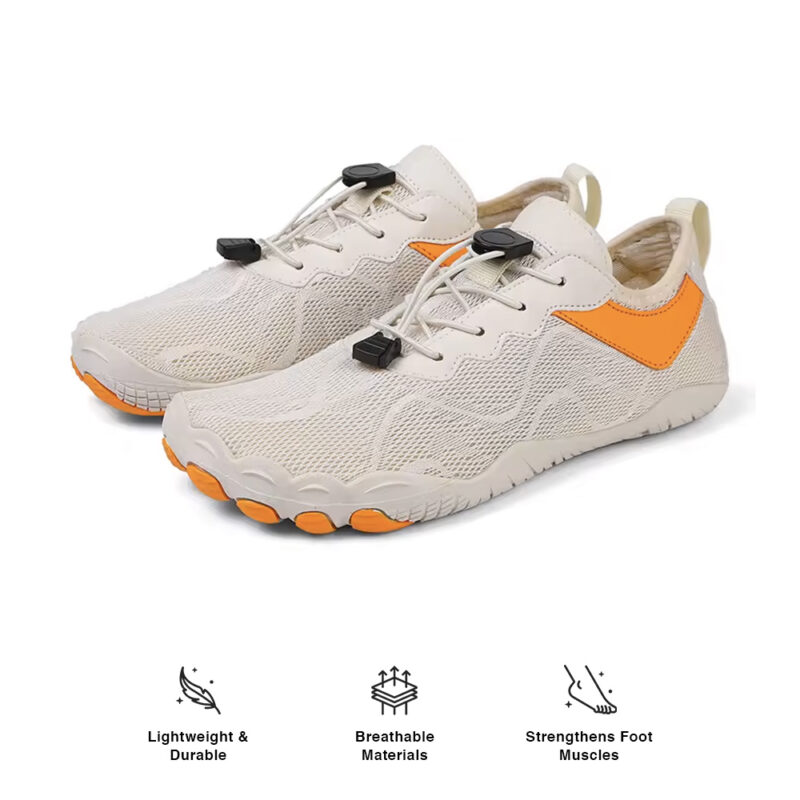
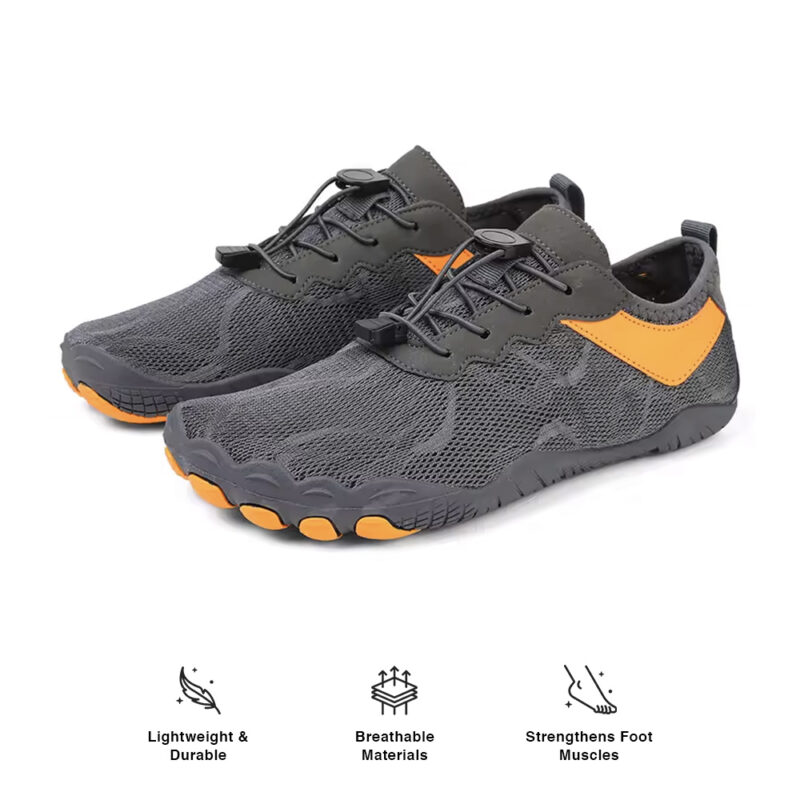
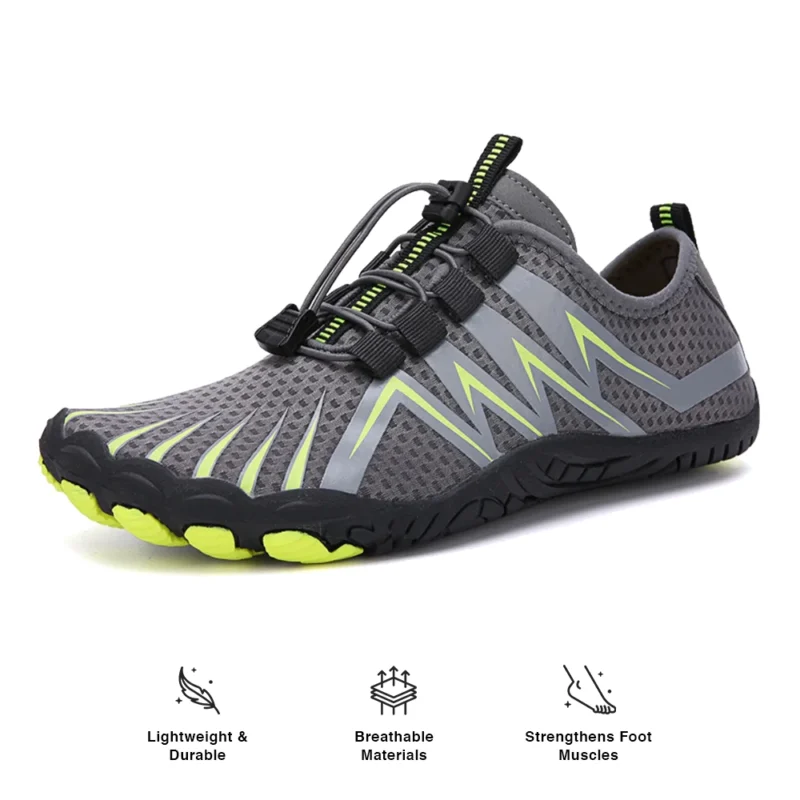
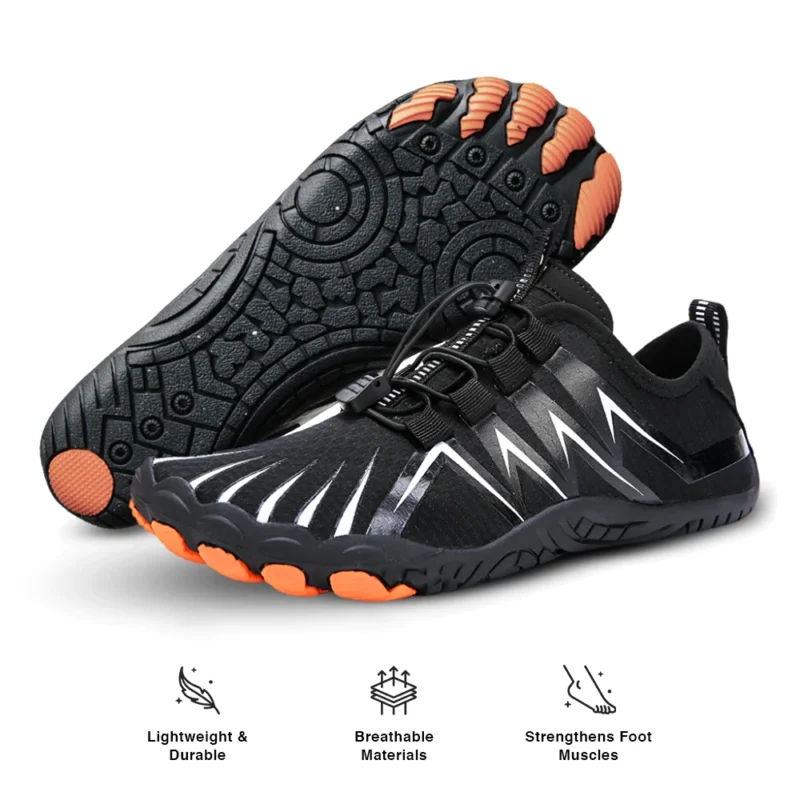
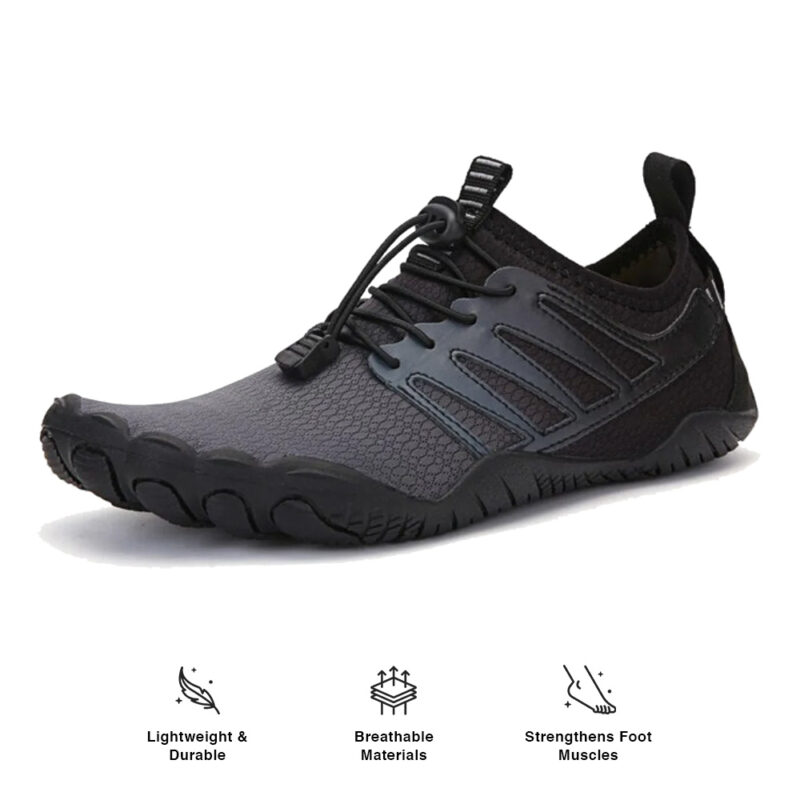
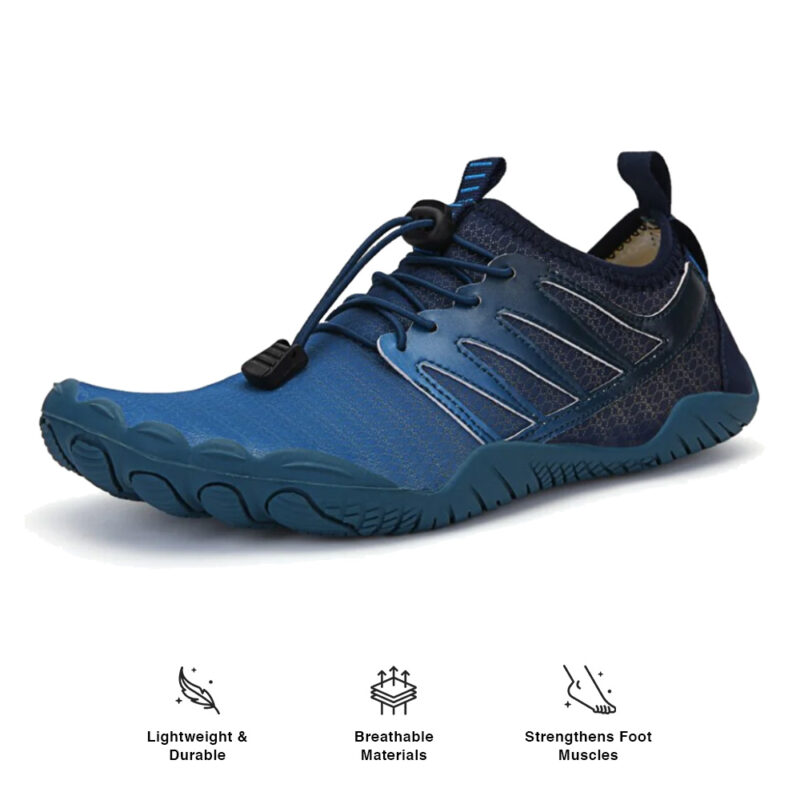
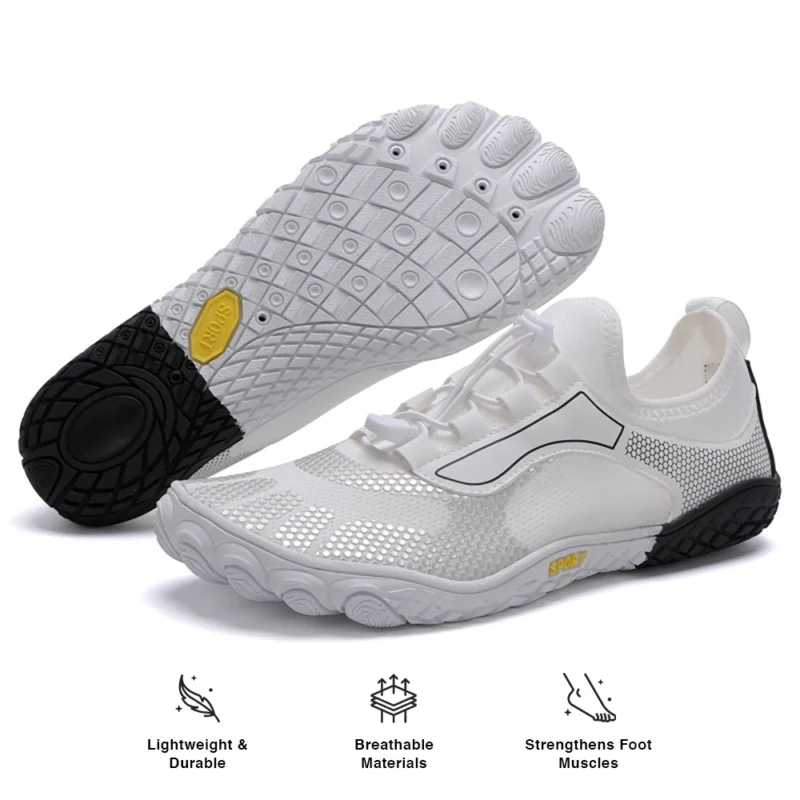
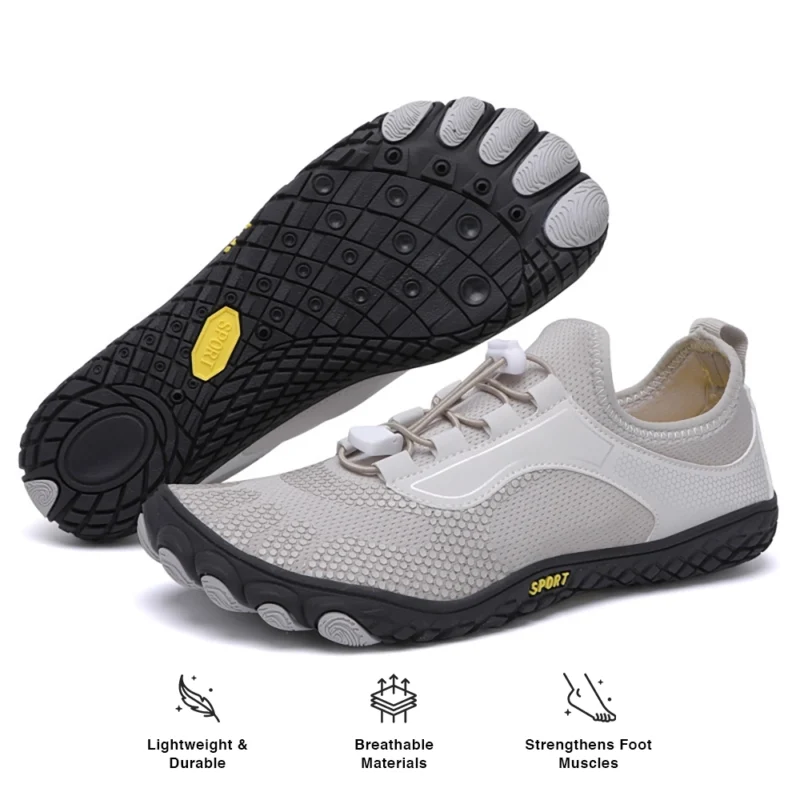
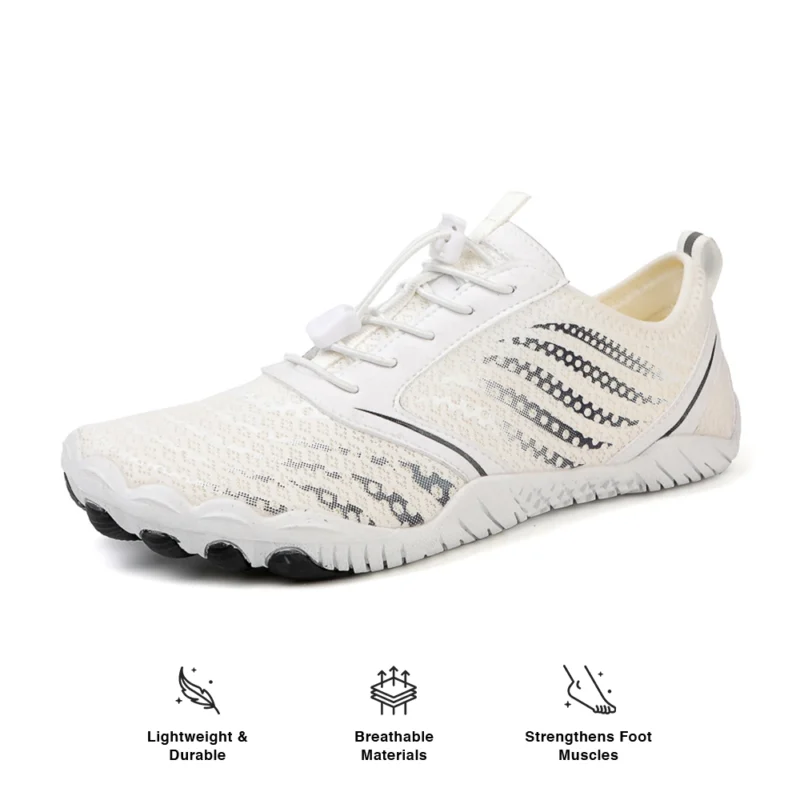
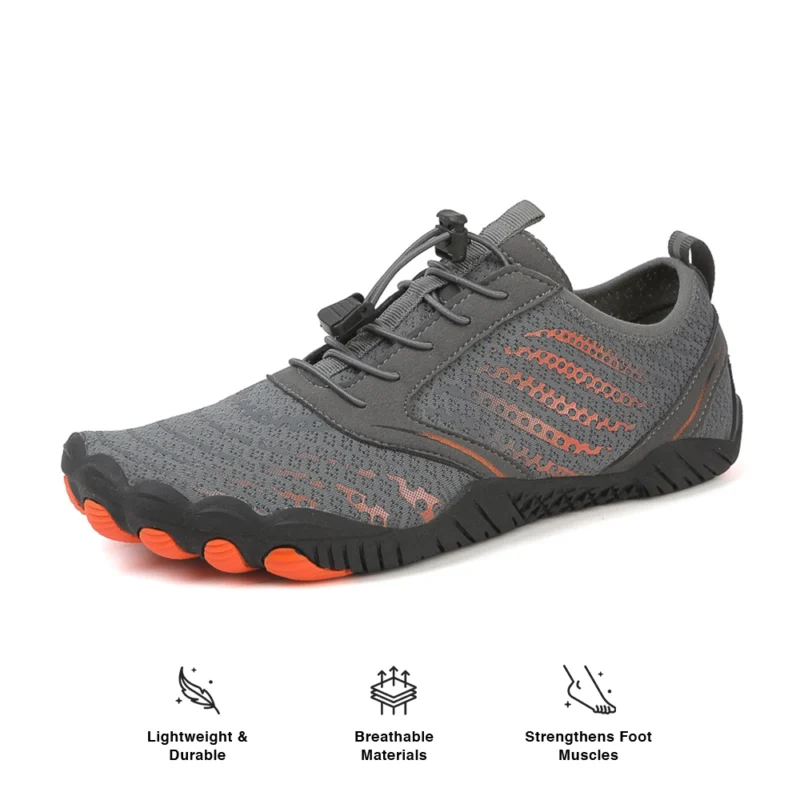
Why Traditional Running Shoes Fail Distance Runners
Distance runners often struggle with recurring injuries despite investing in expensive, heavily engineered footwear. The problem lies in shoes that interfere with your natural biomechanics rather than supporting them. What you need from the best running shoes for long distance track training is simplicity and function over complexity. Minimalist designs allow your feet to move naturally, engaging the small stabilizing muscles that traditional shoes weaken over time. Start your transition gradually by incorporating short runs in minimalist shoes to build foot strength progressively.
The Hidden Cost of Excessive Cushioning
That thick foam padding might feel comfortable initially, but it creates a disconnect between your feet and the track surface. This sensory deprivation leads to harder heel strikes and inefficient running mechanics. The best running shoes for long distance track work provide just enough protection while maintaining ground feel and proprioception. Barefoot-style shoes with thin, flexible soles allow you to receive crucial feedback from the ground, naturally encouraging a more efficient midfoot or forefoot strike pattern. Practice running drills barefoot on grass to rediscover your natural stride before transitioning to minimalist track shoes.
Building Foot Strength for Endurance Performance
Weak feet are often the root cause of running injuries that plague distance athletes. Traditional shoes with rigid structures and excessive support actually weaken your feet by doing the work your muscles should be doing. What serious runners need are the best running shoes for long distance track that challenge and strengthen foot muscles with every step. Minimalist designs force your feet to work harder, developing the intrinsic strength needed for injury-free distance running. Incorporate toe spreading exercises and calf raises into your daily routine to accelerate the strengthening process.
Natural Gait Mechanics on the Track
Your running gait is unique to your body's proportions and movement patterns, but traditional shoes often force you into unnatural stride patterns. The frustration of never quite finding your rhythm stems from footwear that restricts natural foot movement. The best running shoes for long distance track training should feel like an extension of your feet, not a barrier between you and optimal performance. Minimalist shoes with wide toe boxes allow your toes to spread naturally, improving balance and power transfer through each stride. Focus on landing under your center of gravity rather than overstriding when making the transition to more natural footwear.
Temperature Regulation During Long Training Sessions
Heat buildup and moisture retention in traditional running shoes can lead to blisters and discomfort during extended track sessions. Your feet need to breathe, especially during high-mileage training blocks. The best running shoes for long distance track running feature breathable, minimal materials that promote airflow and temperature regulation. Barefoot-style shoes with mesh uppers and minimal padding eliminate the hot, stuffy environment that breeds foot problems. Choose moisture-wicking socks made from merino wool or synthetic blends to further enhance temperature control.
Durability That Matches Your Training Volume
High-mileage runners burn through shoes quickly, making durability a crucial factor in footwear selection. The irony is that simpler construction often outlasts complex cushioning systems that compress and lose their properties over time. What you need are the best running shoes for long distance track training with robust, minimal designs that maintain their shape and function through hundreds of miles. Minimalist shoes with quality rubber outsoles and reinforced high-wear areas provide exceptional longevity without unnecessary bulk. Rotate between two pairs to extend the life of each shoe and allow materials to decompress between runs.
Making the Transition to Natural Running
Switching to minimalist footwear requires patience and a structured approach to avoid injury during the adaptation period. Your feet and lower legs need time to develop the strength required for natural running mechanics. The best running shoes for long distance track work should be introduced gradually, starting with short, easy runs on forgiving surfaces. Begin with 10-15 minute runs every other day, focusing on quick cadence and light footfalls rather than speed or distance. Listen to your body and increase duration by just 5-10% each week to allow proper adaptation.