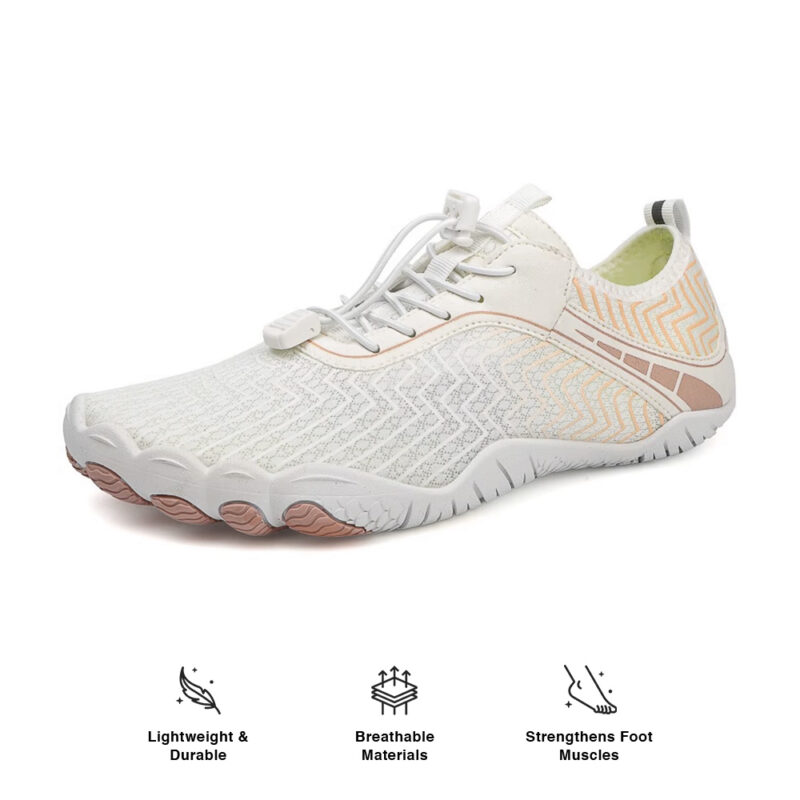
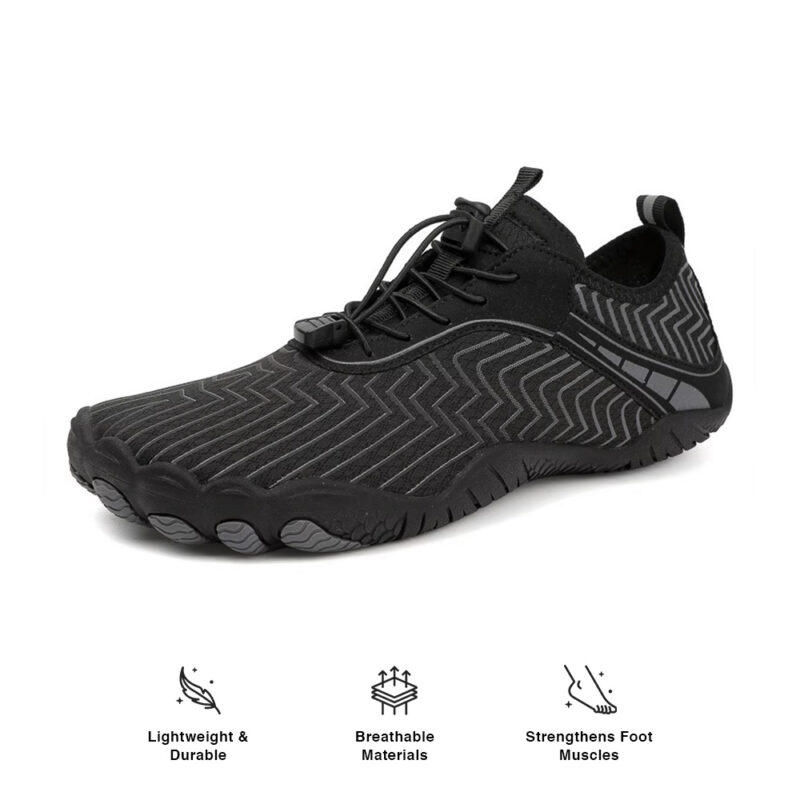
Your Feet Know Better Than Your Shoes
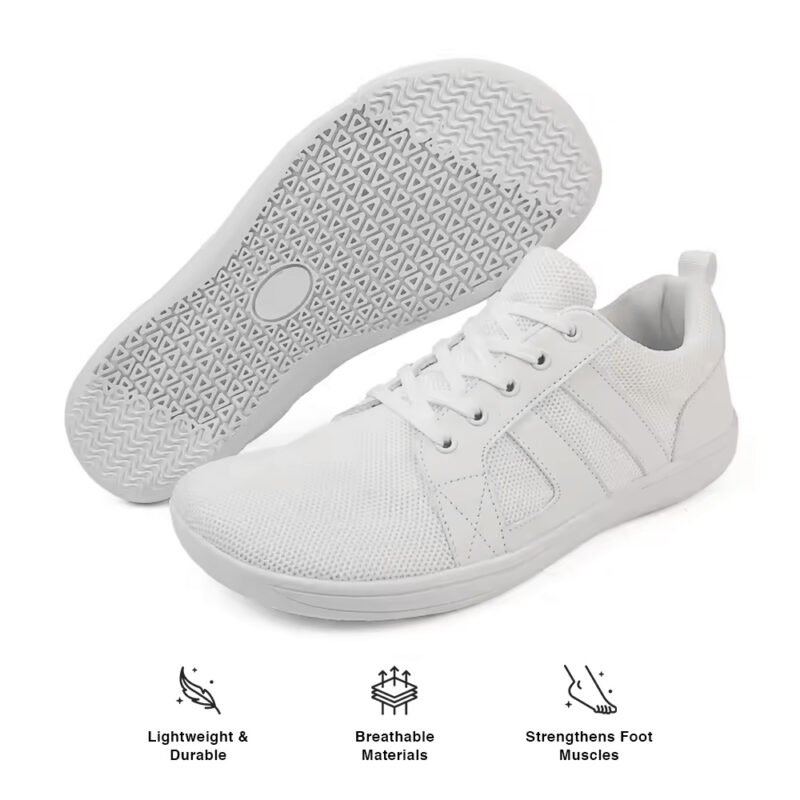
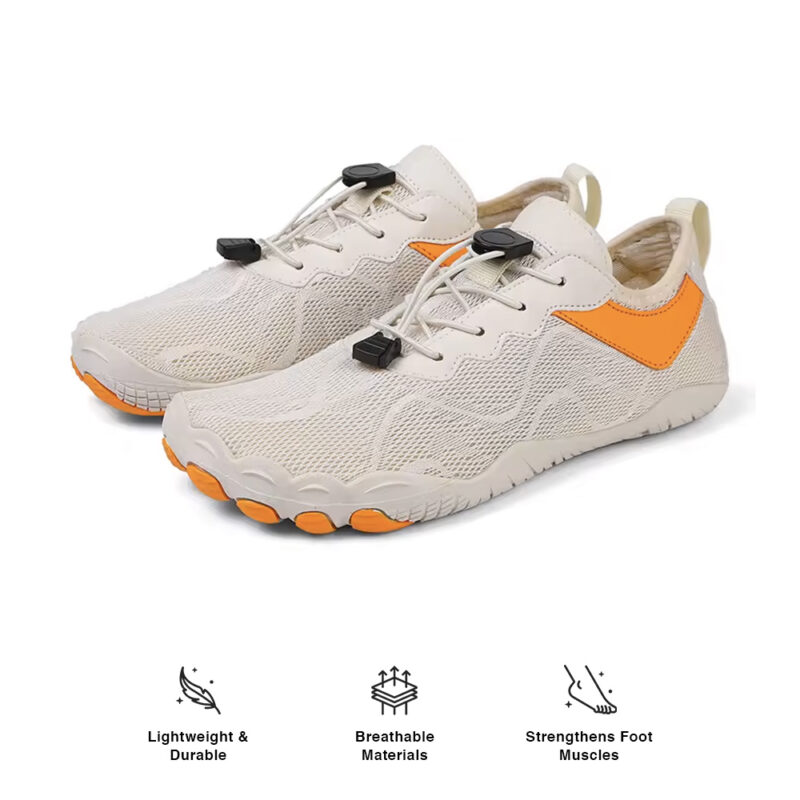
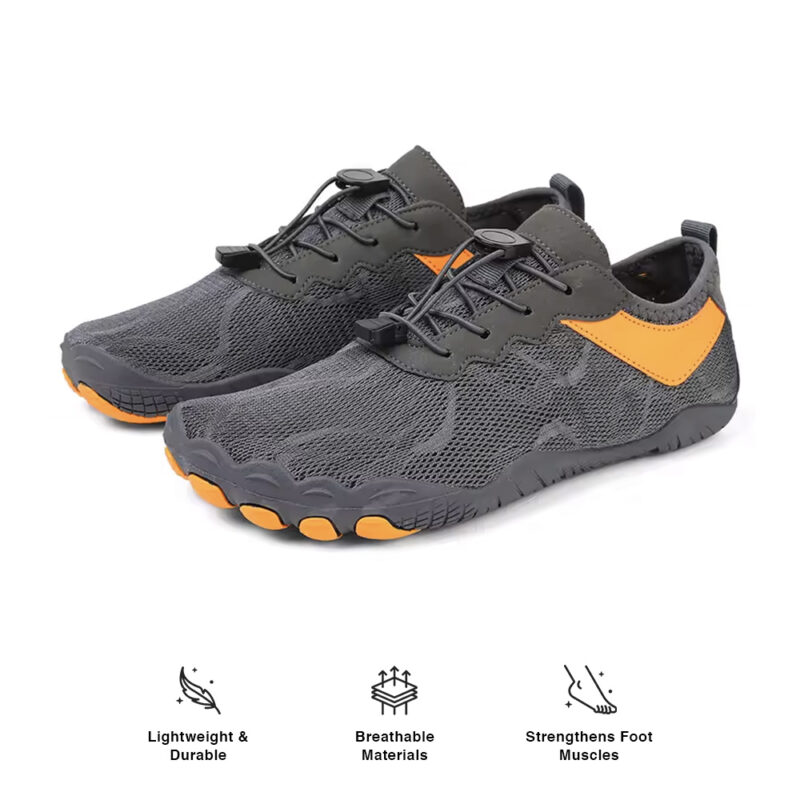
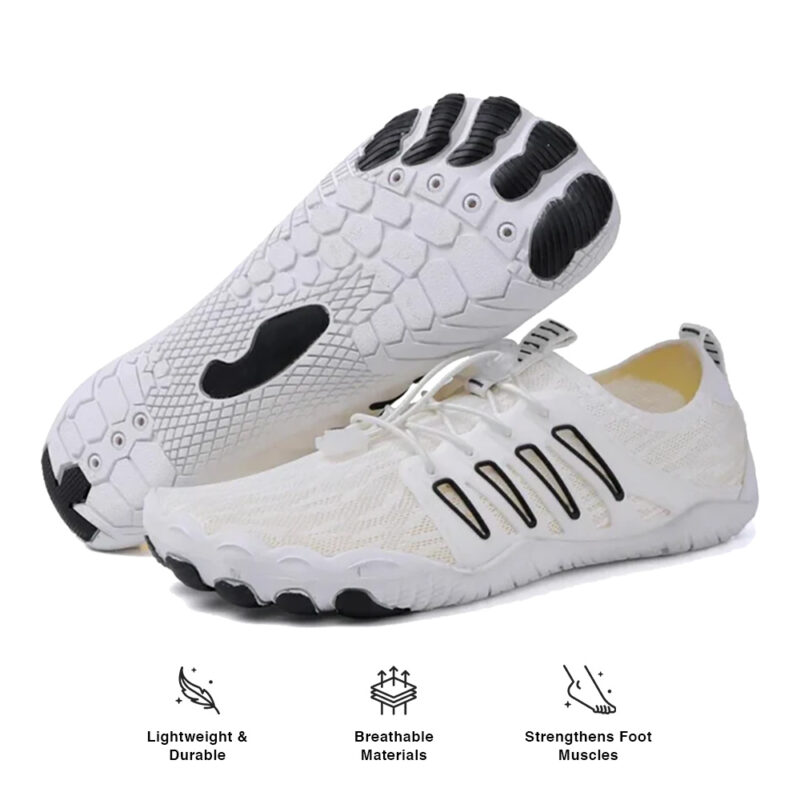
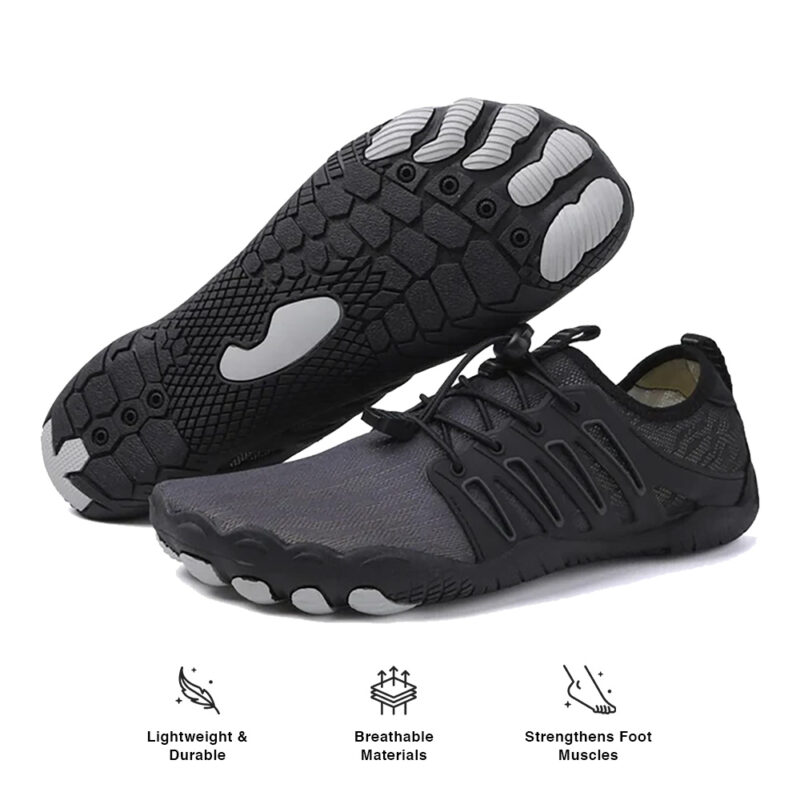
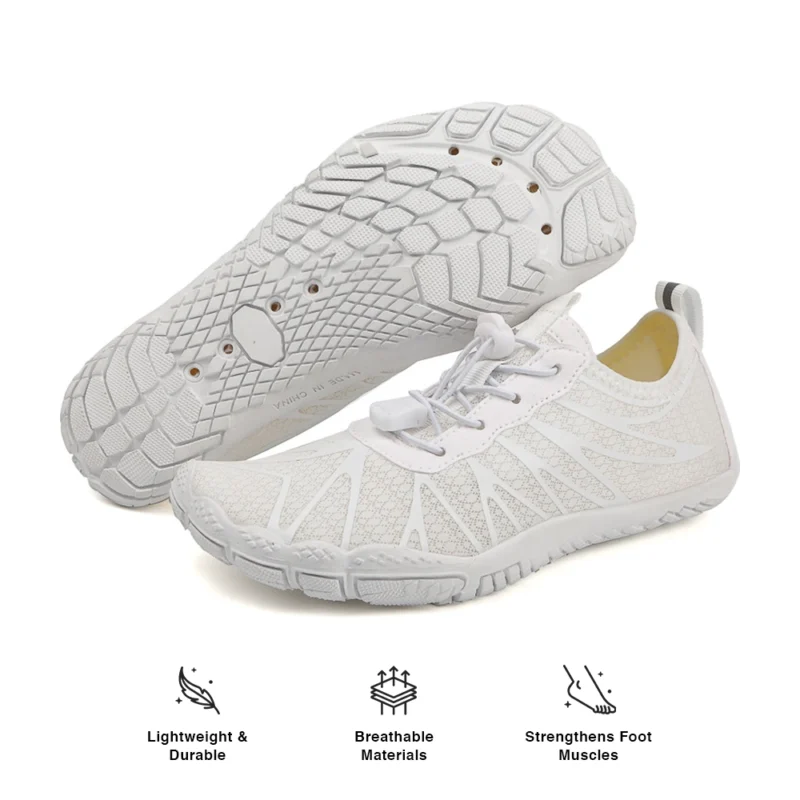
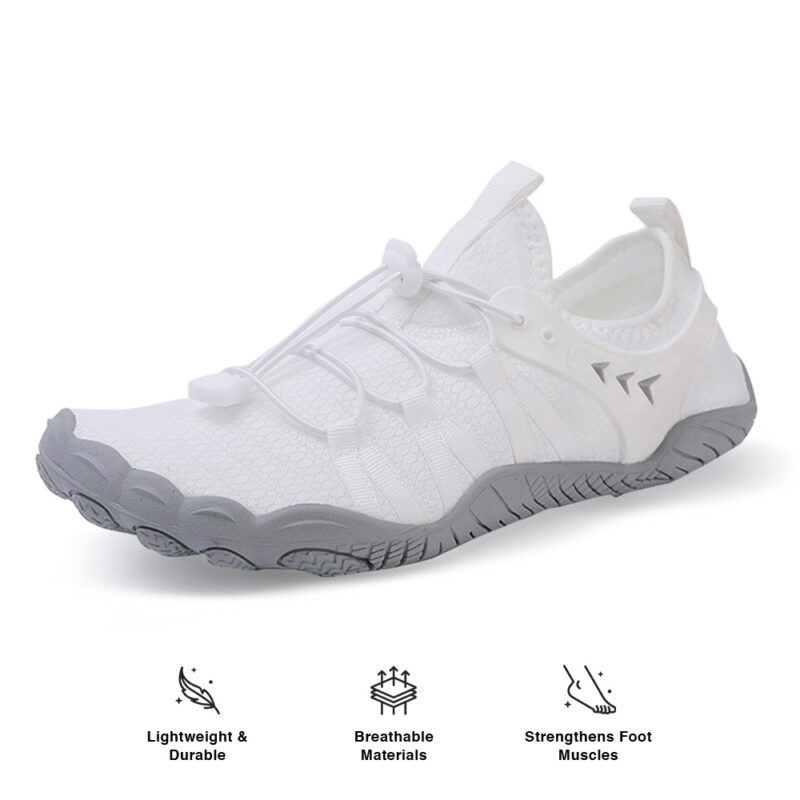
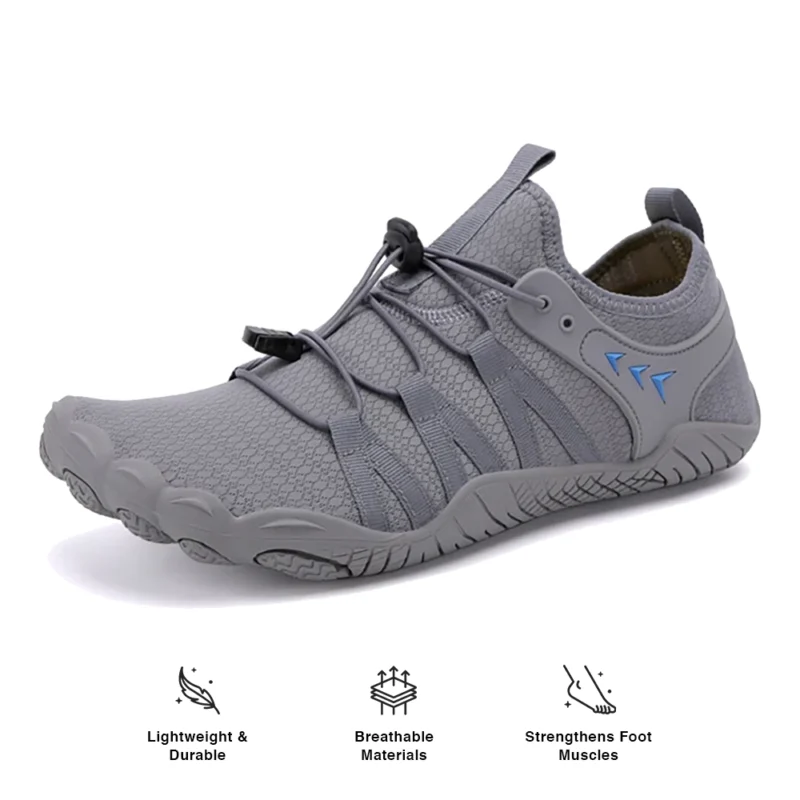
You've been told your feet can't be trusted, that they need guidance and correction with every step. This creates a cycle of dependency where your natural foot strength deteriorates while you rely increasingly on external support. What your body actually craves is the freedom to move and adapt naturally, using the complex network of muscles, tendons, and ligaments in your feet and lower legs. Minimalist running shoes honor this natural design by providing protection without interference, allowing your feet to strengthen and become more resilient with every run. Start your transition gradually, adding just 10-15 minutes of barefoot or minimalist running to your routine each week.
Breaking Free from Motion Control Prison
The heaviness and rigidity of motion control shoes often create more problems than they solve, leading to compensatory movements that stress other parts of your body. Your ideal footwear should feel like a natural extension of your foot, not a mechanical device strapped to it. Barefoot-inspired designs eliminate the bulky features that restrict natural movement, replacing them with flexible soles that bend and twist with your foot's natural motion. When searching for the best running shoes for overpronation, prioritize shoes that feel almost invisible on your feet—this lightness allows your natural gait to emerge without artificial constraints.
Rediscovering Your Natural Stride
Years of wearing restrictive footwear have likely altered your running form, creating the very issues you're trying to solve with more structured shoes. Your body has an innate wisdom about efficient movement patterns, but it needs the right conditions to express this wisdom. Zero-drop shoes (where heel and toe are at the same height) encourage a midfoot or forefoot strike pattern that naturally reduces the impact forces associated with overpronation. This natural landing pattern engages your feet, calves, and core muscles more effectively, creating a more efficient and comfortable running experience. Focus on landing with your feet directly under your body rather than reaching out in front.
Building Strength from the Ground Up
Weak feet are often the root cause of what appears to be overpronation, but traditional corrective shoes only mask this weakness rather than addressing it. Your feet contain over 100 muscles, tendons, and ligaments designed to work together as a sophisticated suspension system. Minimalist footwear allows these structures to activate and strengthen naturally, creating genuine stability from within rather than imposed stability from without. As you transition to less structured shoes, incorporate simple foot strengthening exercises like toe spreading, calf raises, and single-leg balance work to accelerate your progress and reduce injury risk.
Embracing Ground Feel and Proprioception
The thick, cushioned soles of traditional running shoes disconnect you from the ground, reducing your body's ability to make real-time adjustments to your gait. This sensory deprivation often leads to overstriding and heel striking, both of which contribute to the impact patterns associated with problematic pronation. Thin, flexible soles restore this crucial ground connection, allowing your nervous system to fine-tune your movement patterns with each step. When evaluating the best running shoes for overpronation, look for soles thin enough that you can feel texture and changes in terrain beneath your feet—this sensory feedback is essential for developing natural, efficient movement patterns.
The Freedom of Flexible Movement
Rigid shoes force your feet into predetermined movement patterns that may not match your unique anatomy and biomechanics. Every person's foot structure is different, and what looks like overpronation might simply be your body's natural and most efficient way of moving. Flexible, minimalist shoes adapt to your individual foot shape and movement patterns rather than forcing conformity to a generic ideal. This personalized fit and function often eliminates the discomfort and compensatory issues that led you to seek corrective footwear in the first place. Trust your body's movement patterns while providing the protection and freedom that quality minimalist footwear offers.
Sustainable Comfort Through Natural Design
The temporary relief offered by heavily structured shoes often comes at the cost of long-term foot health and natural function. True comfort comes from shoes that work in harmony with your body's design, supporting natural movement while protecting against environmental hazards. When you choose the best running shoes for overpronation based on natural principles rather than corrective technology, you're investing in sustainable comfort that improves over time rather than creating dependency. Your feet become stronger, more resilient, and more capable with each run, leading to the kind of lasting comfort that no amount of artificial support can provide.