Why Traditional Running Shoes Often Worsen Shin Splints
You've likely experienced the disappointment of buying expensive running shoes specifically marketed for shin splint relief, only to find your pain persists or even worsens. The truth is that heavily cushioned, motion-controlling shoes often contribute to the problem by weakening your feet and altering your natural gait. When shoes do all the work, your foot muscles atrophy, leaving your shins to absorb impact forces they weren't designed to handle alone. The best running shoes for shin splints instead allow your feet to function naturally, engaging the entire kinetic chain from your toes to your hips. Make the transition gradually, starting with just 10-15 minutes of walking or easy jogging in minimalist shoes to let your feet rediscover their strength.
How Natural Foot Movement Prevents Shin Stress
Your shin splints often stem from repetitive stress caused by heel-striking in rigid shoes that force an unnatural landing pattern. When you're constantly fighting against artificial arch support and thick heel cushioning, your body compensates with inefficient movement patterns that overload your shin muscles. Barefoot-style shoes encourage a more natural midfoot or forefoot landing, which activates your foot's natural shock absorption system and reduces the jarring impact that travels up your shins. This shift in landing mechanics distributes forces more evenly throughout your entire leg, giving your overworked shin muscles the relief they desperately need. Focus on landing with your feet beneath your center of gravity rather than reaching out with your heel, allowing your natural stride to emerge.
Building Foot Strength to Support Shin Recovery
Weak feet are often the hidden culprit behind persistent shin splints, yet most runners never address this fundamental issue. When your feet lack the strength to properly support your body weight and absorb impact, your shins must work overtime to compensate, leading to inflammation and pain. The best running shoes for shin splints feature flexible soles that allow your foot muscles to contract and release with each step, gradually building the strength that thick, rigid soles prevent. This natural strengthening process creates a stable foundation that supports your entire lower leg, reducing the strain on your shins while improving your overall running efficiency. Incorporate daily barefoot walking on varied terrain to accelerate this strengthening process and complement your minimalist shoe training.
Restoring Natural Balance and Proprioception
Years of wearing traditional running shoes have likely dulled your feet's natural ability to sense and respond to ground contact, a crucial skill called proprioception that helps prevent injury. When your feet can't properly "read" the terrain beneath them, your body struggles to make the micro-adjustments needed for efficient, injury-free running. Minimalist shoes restore this vital connection between your feet and the ground, allowing thousands of nerve endings to function as they're designed to. This enhanced ground awareness helps your body automatically adjust your stride, foot placement, and muscle activation patterns to minimize shin stress. Practice running on different surfaces like grass, dirt trails, and even sand to further develop this natural balance system.
The Role of Gradual Adaptation in Shin Splint Recovery
The biggest mistake runners make when transitioning to barefoot-style shoes is doing too much too soon, which can actually worsen shin splints in the short term. Your feet, calves, and shins need time to adapt to their new roles and develop the strength required for minimalist running. The best running shoes for shin splints support this transition by providing just enough protection while still allowing natural movement patterns to emerge. Start with short, easy runs on soft surfaces, gradually increasing duration and intensity as your body adapts. Listen to your body's signals and be patient with the process – building natural strength takes time, but the long-term benefits far outweigh the temporary adjustment period.
Long-Term Benefits Beyond Shin Splint Relief
While your immediate goal is shin splint recovery, choosing minimalist running shoes sets you up for a lifetime of healthier, more efficient running. As your feet grow stronger and your form improves, you'll likely notice improvements in other areas that traditional shoes often compromise: better posture, reduced knee and hip pain, and increased running efficiency. The best running shoes for shin splints don't just address your current symptoms – they help prevent future injuries by addressing the root cause rather than masking it with artificial support. Many runners report that after successfully transitioning to minimalist shoes, they experience fewer injuries overall and develop a deeper connection with their running that makes every step more enjoyable.
Choosing the Right Minimalist Shoe for Your Recovery
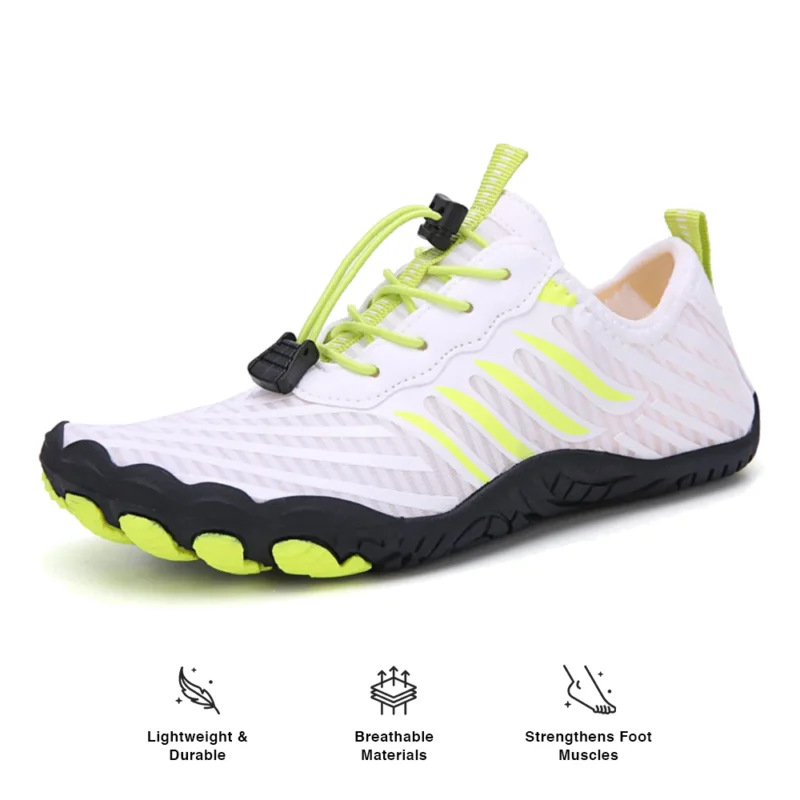
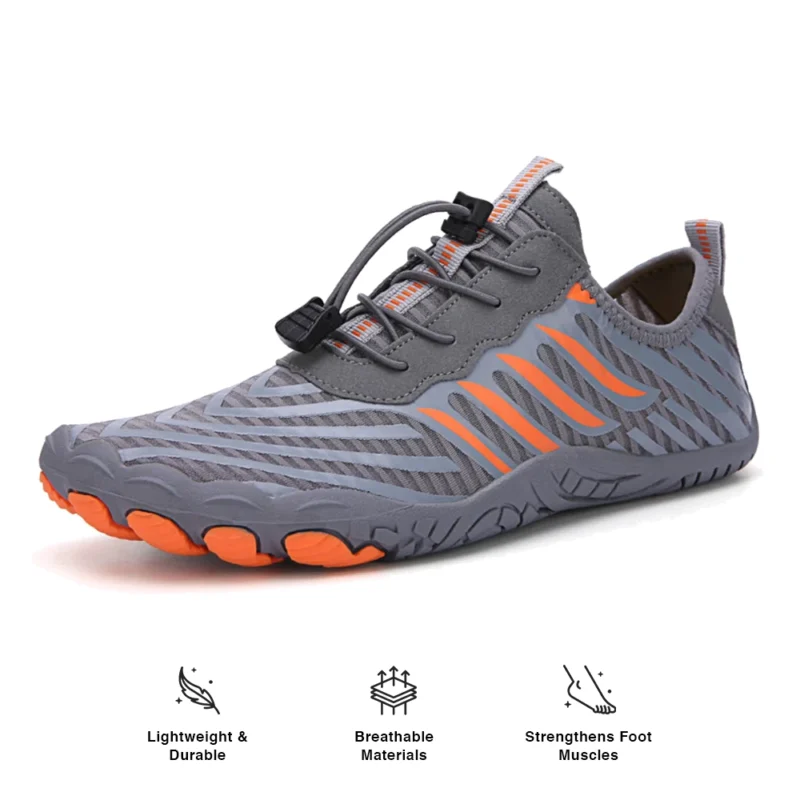
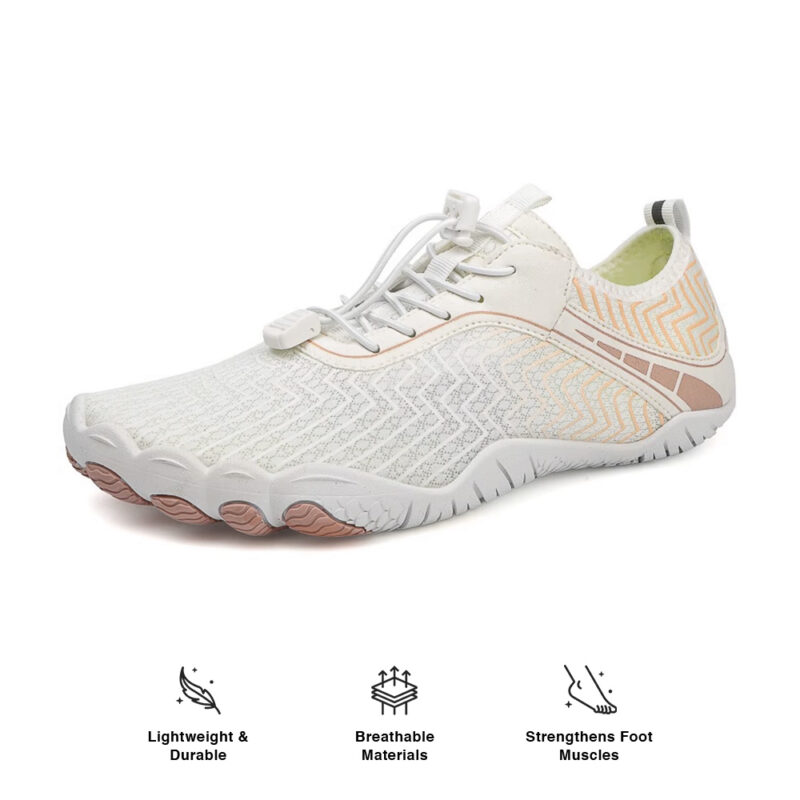
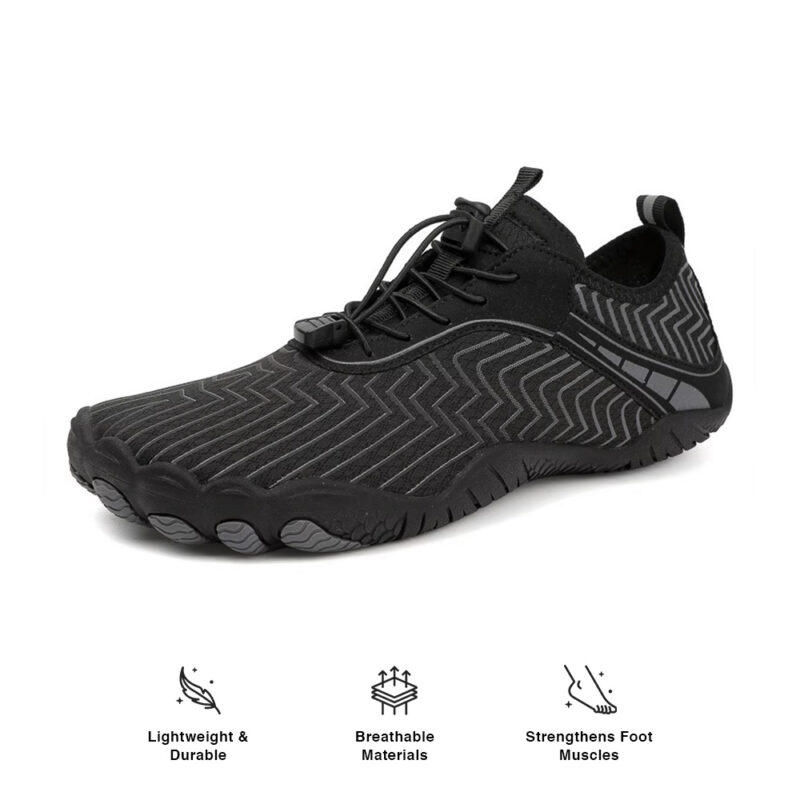
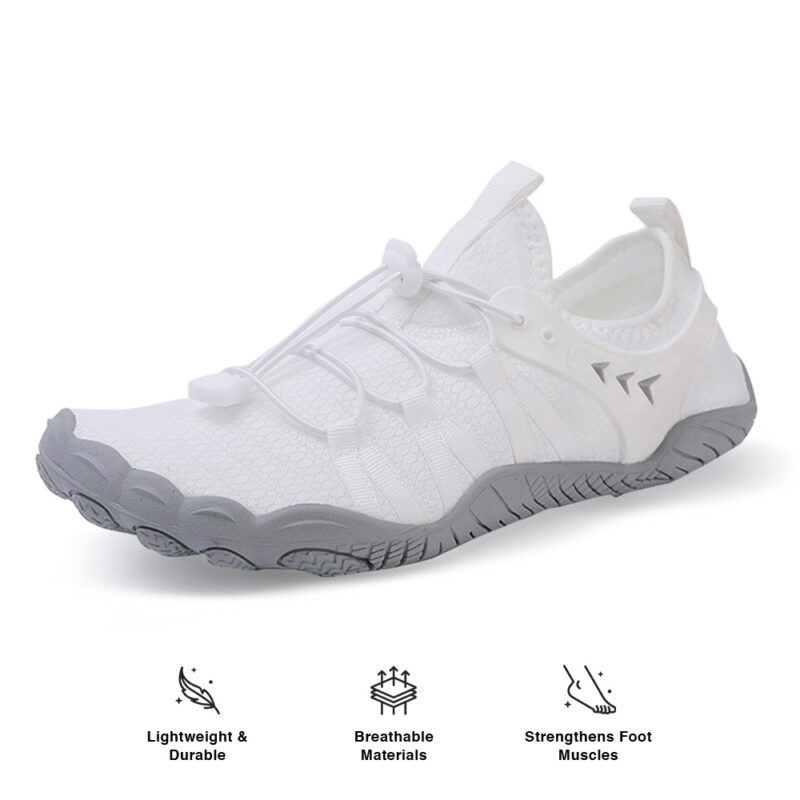
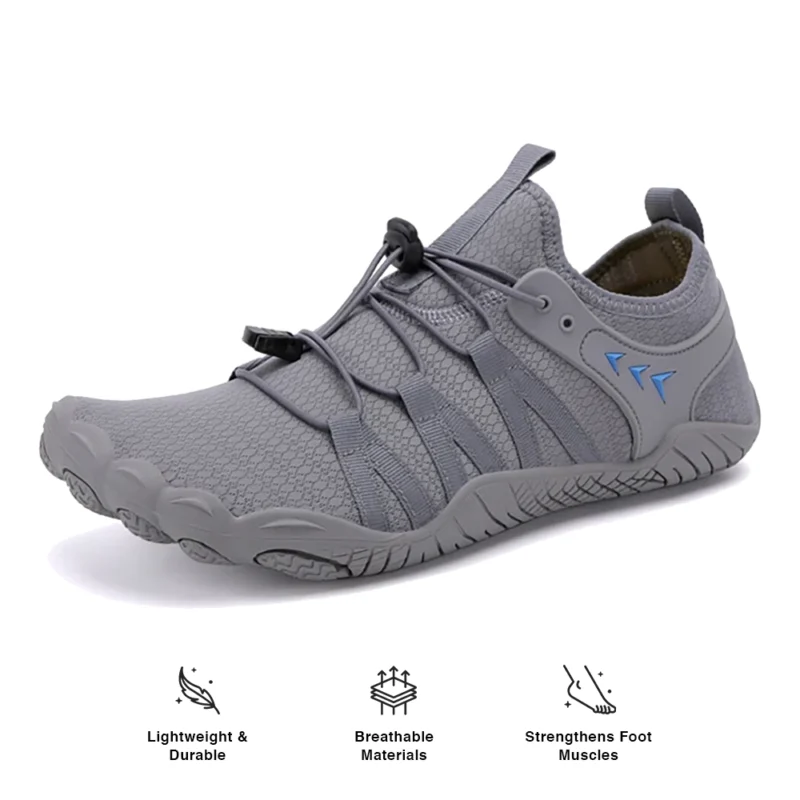
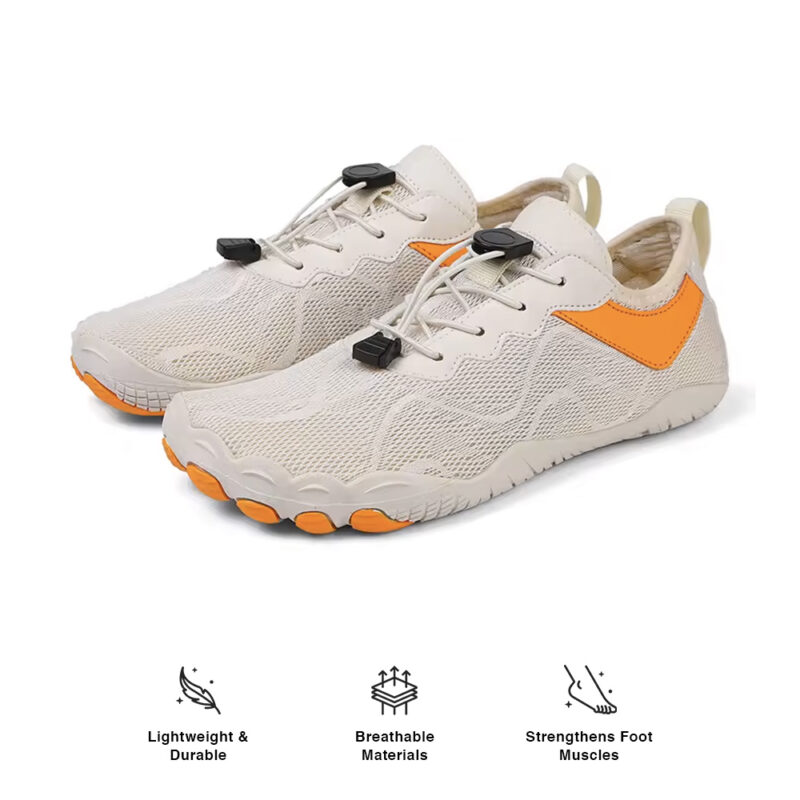
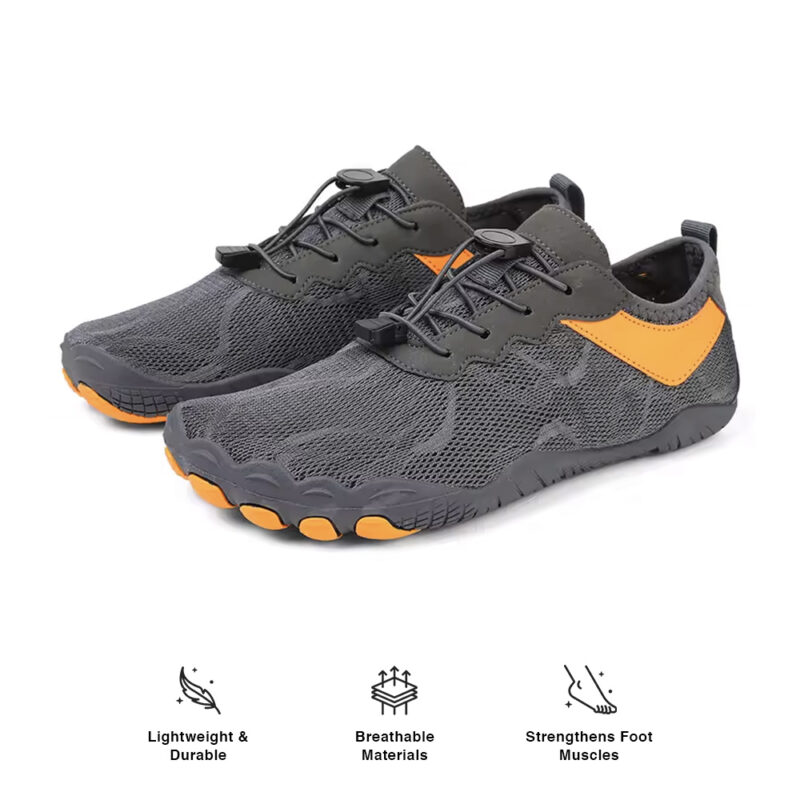
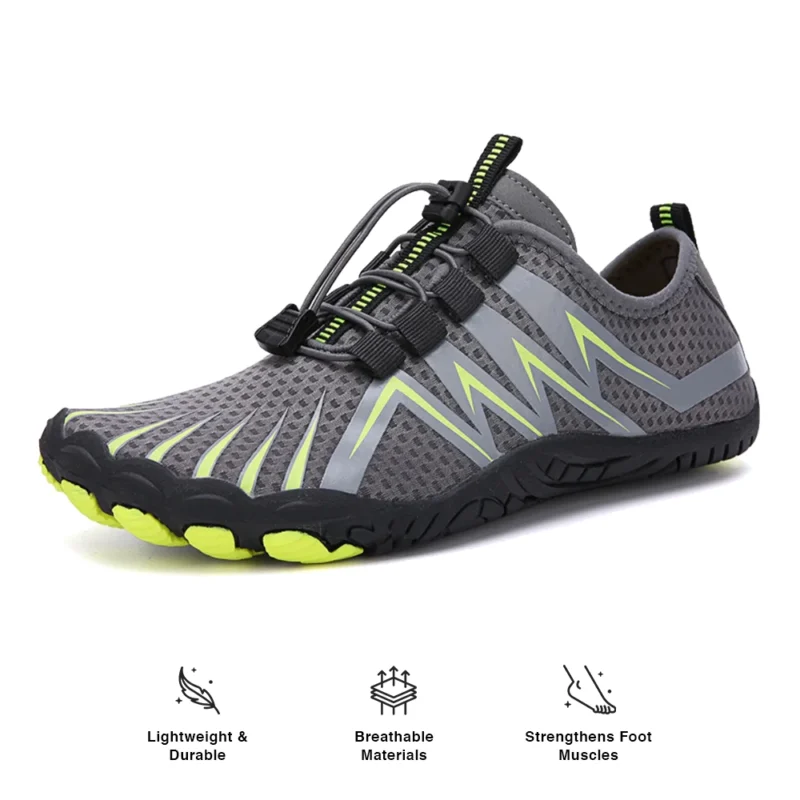
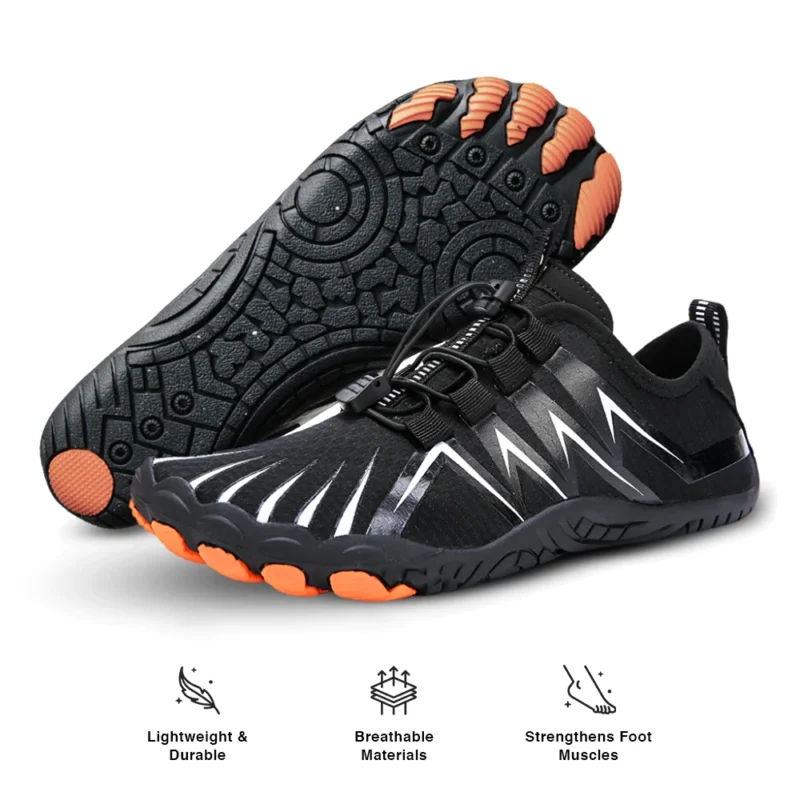
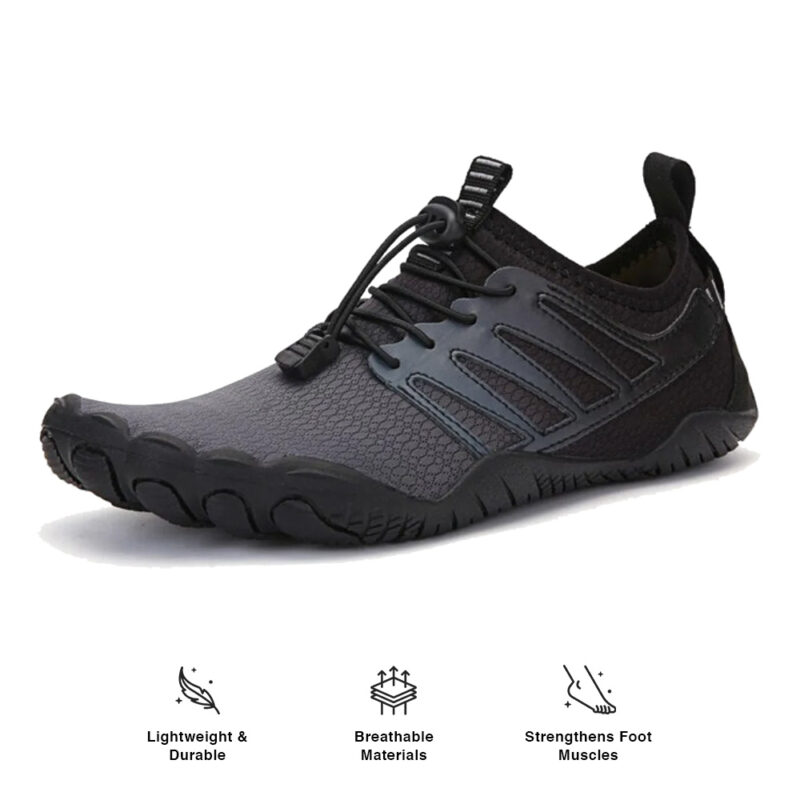
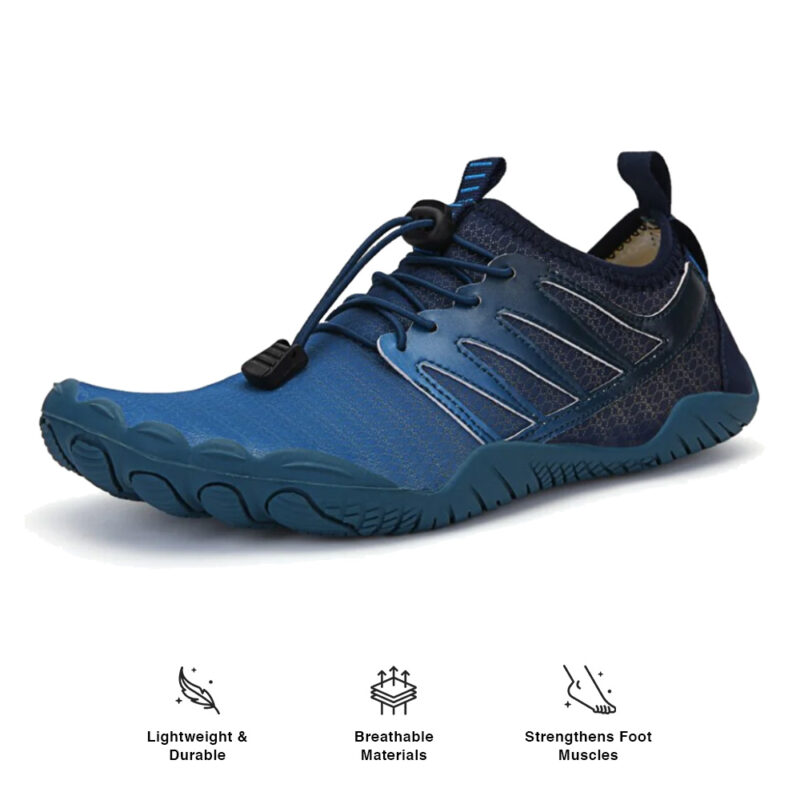
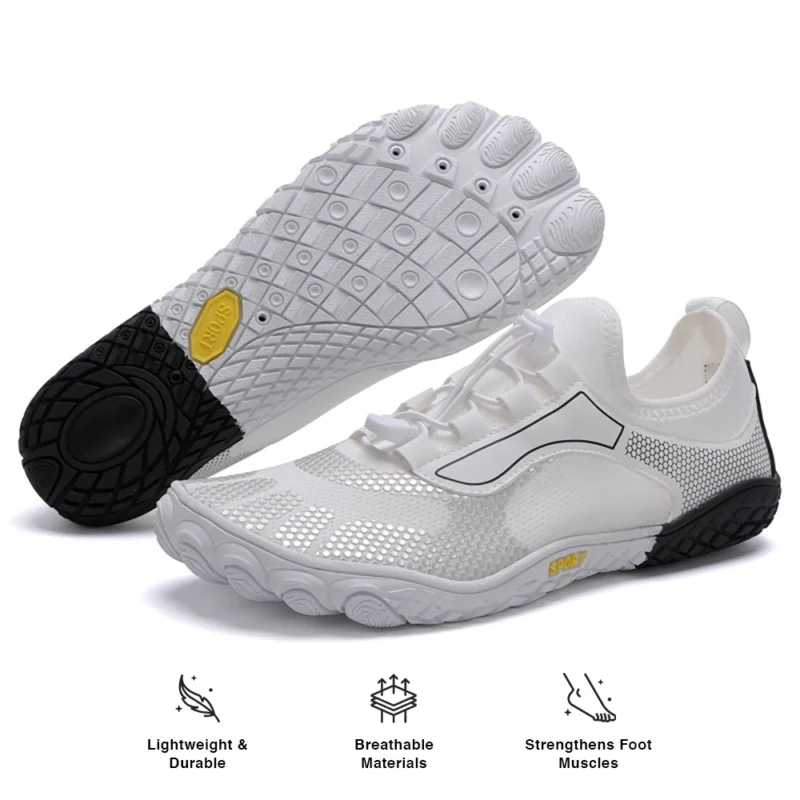
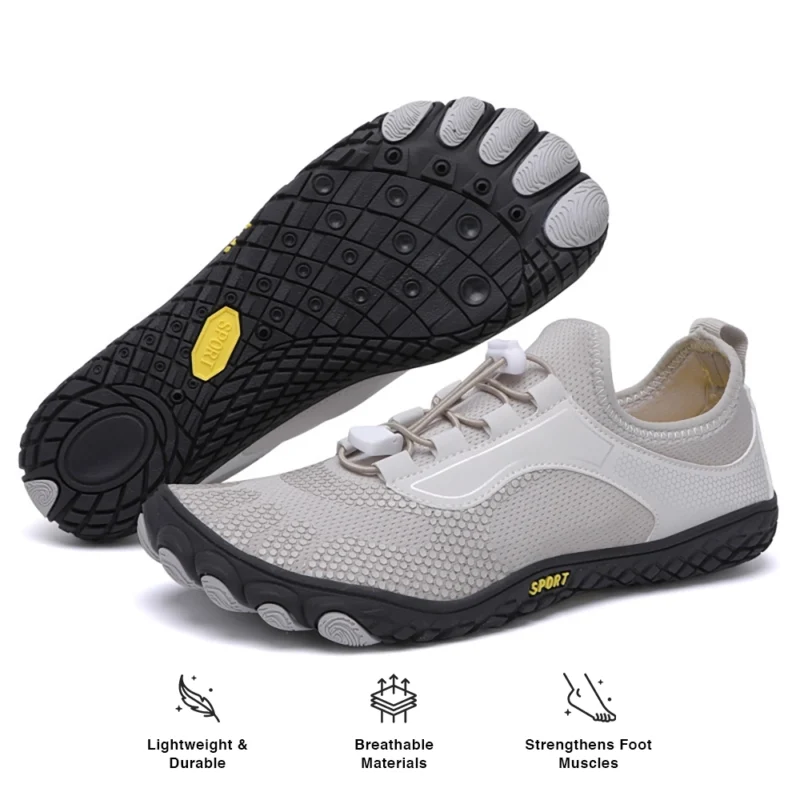
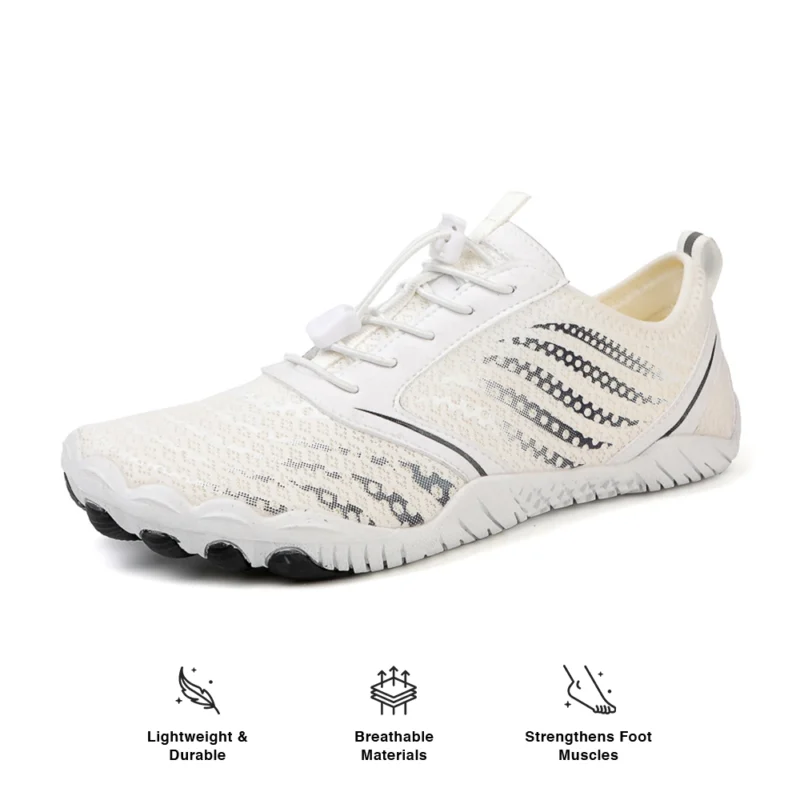
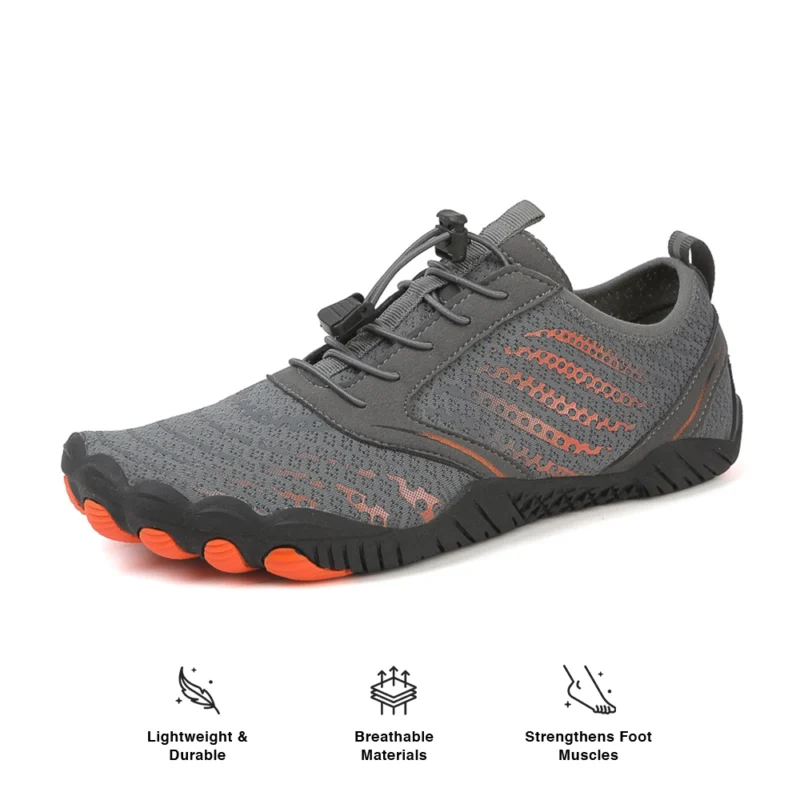
Not all minimalist shoes are created equal, and selecting the right pair for your shin splint recovery requires understanding your specific needs and current fitness level. Look for shoes with flexible, thin soles that still provide adequate protection for your running surfaces, along with a wide toe box that allows your feet to spread naturally. The best running shoes for shin splints offer a balance between ground feel and protection, giving your feet the feedback they need while still cushioning against sharp objects or rough terrain. Consider starting with a slightly more cushioned minimalist option if you're new to barefoot-style running, then gradually transitioning to thinner soles as your feet strengthen and adapt to their new role in your running mechanics.