Blog

Best Running Shoes for Supination

You're a dedicated runner who's noticed something frustrating about your stride. Your shoes wear down on the outside edges faster than anywhere else, and you've probably dealt with ankle rolls or that nagging feeling of instability during longer runs. You might have even been told you need motion control shoes, but they feel clunky and unnatural.

The truth is, your feet are designed to move naturally, and supination isn't necessarily a problem that needs to be "fixed" with heavy, restrictive footwear. What you really need are the best running shoes for supination that work with your body's natural mechanics, not against them.

Traditional running shoes often create more problems than they solve. Thick cushioning and rigid support systems can actually weaken your feet over time, making you more dependent on artificial stability. Your feet contain 26 bones, 33 joints, and over 100 muscles and tendons – they're incredibly sophisticated shock absorbers when allowed to function properly.

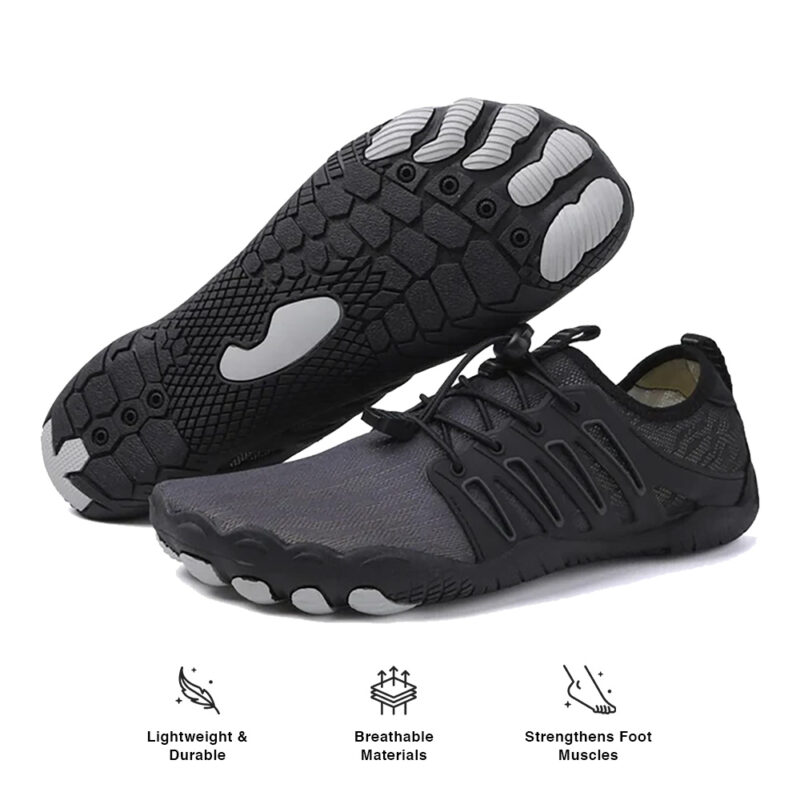
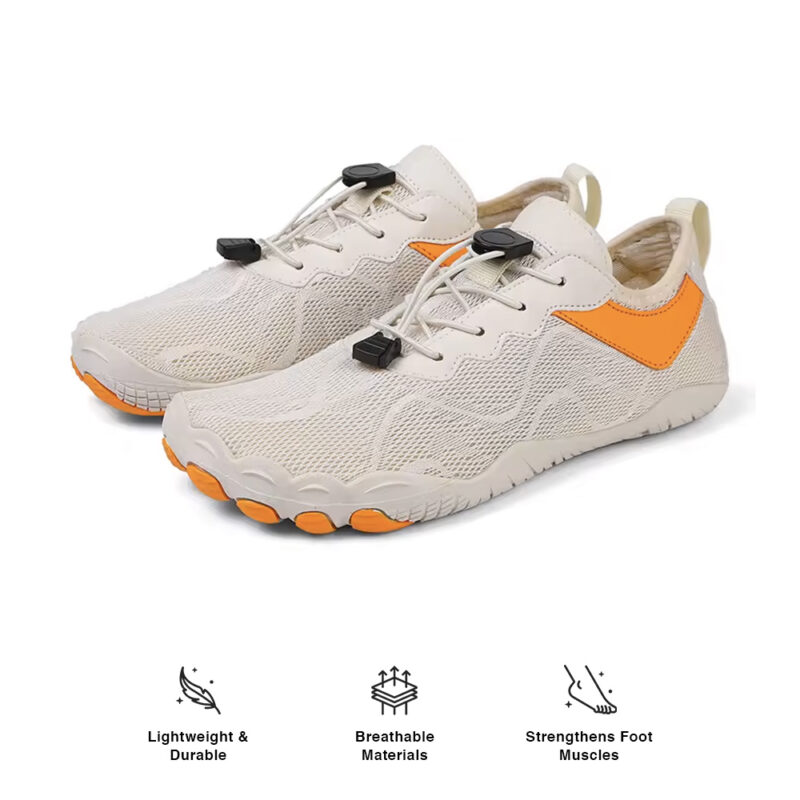
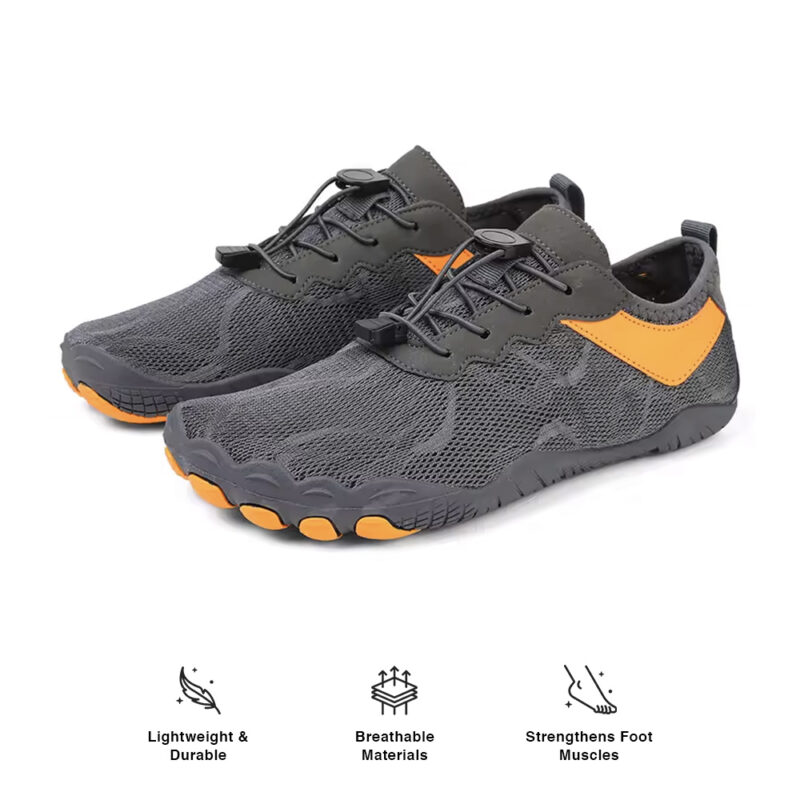
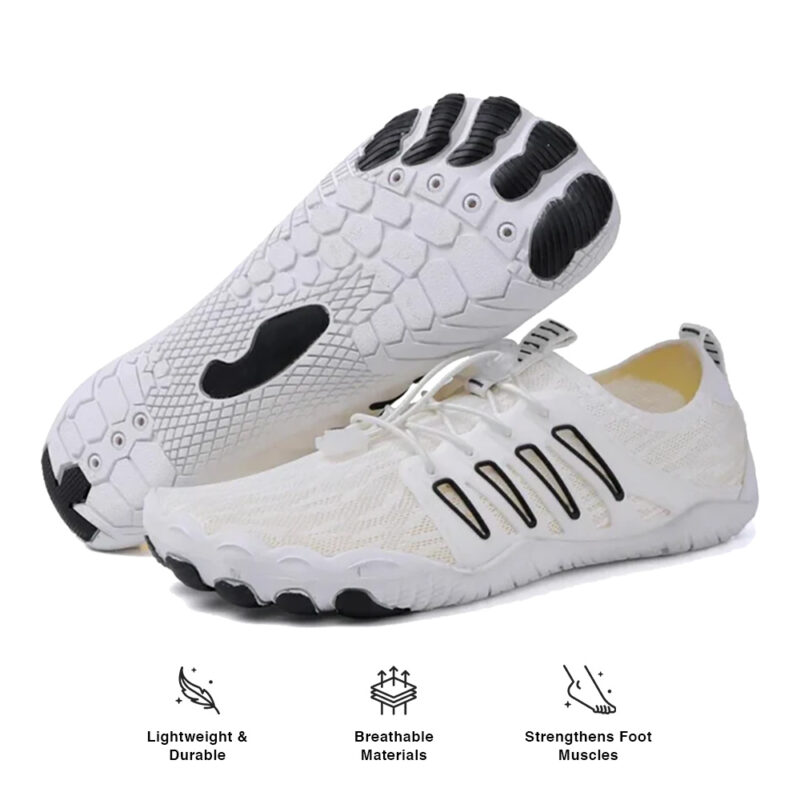
Barefoot and minimalist running shoes for supination offer a different approach. They strengthen your intrinsic foot muscles, improve proprioception, and allow your feet to adapt naturally to different surfaces. This leads to better balance, stronger ankles, and a more efficient running stride that works with your body's design.

When you choose the best running shoes for supination that prioritize natural movement, you're not just buying footwear – you're investing in long-term foot health and running performance.

Here's to stronger, more confident strides ahead!

Top Picks for Best Running Shoes for Supination
Original price was: $133.98.Current price is: $56.98.
Select options This product has multiple variants. The options may be chosen on the product page
Original price was: $129.95.Current price is: $68.95.
Select options This product has multiple variants. The options may be chosen on the product page
Original price was: $129.95.Current price is: $59.95.
Select options This product has multiple variants. The options may be chosen on the product page
Original price was: $133.50.Current price is: $58.98.
Select options This product has multiple variants. The options may be chosen on the product page
Original price was: $133.50.Current price is: $59.95.
Select options This product has multiple variants. The options may be chosen on the product page
Original price was: $149.99.Current price is: $74.99.
Select options This product has multiple variants. The options may be chosen on the product page
Original price was: $129.98.Current price is: $58.95.
Select options This product has multiple variants. The options may be chosen on the product page
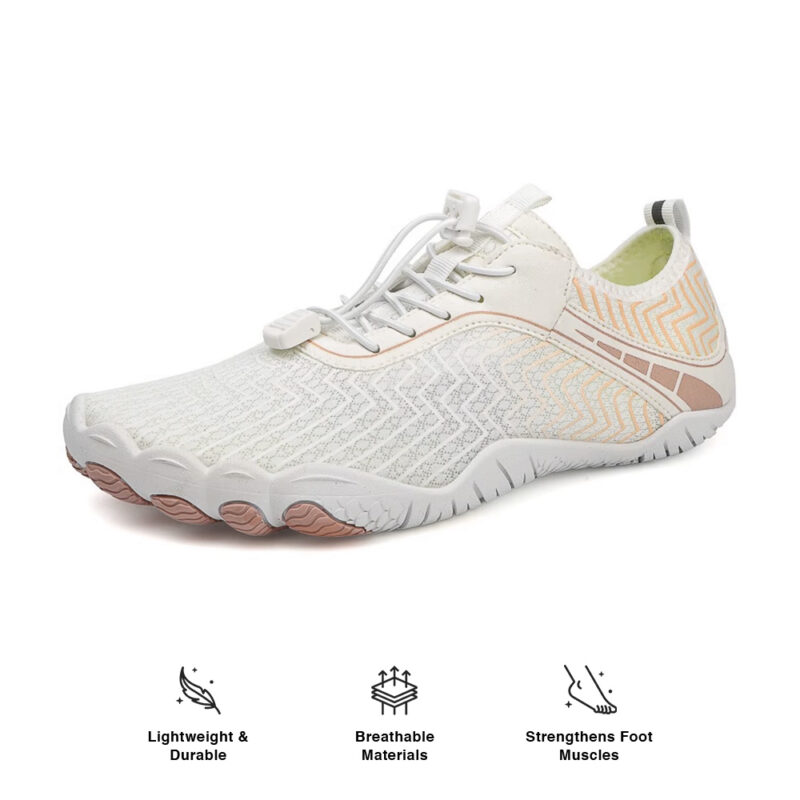
Original price was: $129.95.Current price is: $64.95.
Select options This product has multiple variants. The options may be chosen on the product page
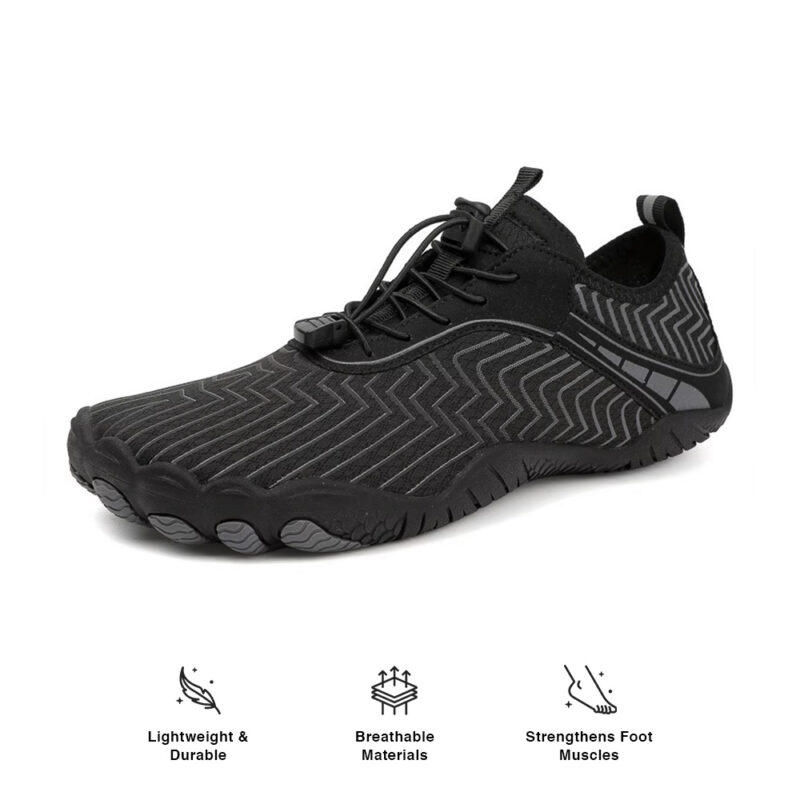
Why Your Feet Need Freedom to Handle Supination Naturally

You've probably been told that supination requires controlling your foot's movement, but this approach often backfires. Your feet naturally want to absorb impact and adapt to surfaces, and when shoes restrict this ability, your ankles, knees, and hips have to compensate. The best running shoes for supination allow your foot's natural shock absorption system to function properly. When you choose minimalist footwear, your feet gradually strengthen their intrinsic muscles, improving your natural stability from the ground up. Start by wearing barefoot shoes for short walks before transitioning to running.

How Thin Soles Transform Your Ground Connection and Balance

Thick, cushioned soles disconnect you from the ground, making it harder to sense subtle changes in terrain that could trigger a supination-related stumble. Your proprioceptors – tiny sensors in your feet – need direct feedback from the surface to make split-second balance adjustments. The best running shoes for supination feature thin, flexible soles that preserve this crucial ground connection while still protecting your feet from debris. This enhanced sensory input helps your brain coordinate better muscle responses, reducing the likelihood of ankle rolls and improving your overall stability. Practice running on grass or soft trails initially to help your feet adapt to increased ground feedback.

Building Ankle Strength Through Natural Movement Patterns

Traditional shoes with excessive heel elevation and rigid structures prevent your ankles from moving through their full range of motion during each stride. This limited movement gradually weakens the stabilizing muscles around your ankle joint, making supination-related injuries more likely. Minimalist designs encourage natural ankle flexion and extension, systematically strengthening these often-neglected muscles. The best running shoes for supination have zero or minimal heel-to-toe drop, allowing your Achilles tendon and calf muscles to work optimally with each step. Incorporate calf raises and single-leg balance exercises while wearing your minimalist shoes to accelerate strength gains.

Developing Your Natural Shock Absorption System

Your feet contain multiple arches that work together as sophisticated springs, but heavy cushioning prevents these structures from doing their job effectively. When traditional shoes absorb all the impact, your foot's natural shock absorption system becomes lazy and weak. The best running shoes for supination allow these arches to engage fully with each footstrike, gradually building strength and resilience. This natural cushioning system is far more effective than foam because it adapts instantly to different surfaces and impact forces. Begin with shorter runs on softer surfaces to give your feet time to redevelop their natural cushioning abilities.

Improving Your Stride Efficiency and Reducing Injury Risk

Supination often becomes problematic when combined with overstriding and heel striking – patterns that traditional running shoes inadvertently encourage. When you wear minimalist footwear, your body naturally adjusts to a more efficient midfoot or forefoot strike pattern. This change reduces the jarring forces that travel up your leg and can exacerbate supination-related issues. The best running shoes for supination promote this natural running form by eliminating the elevated heel that encourages overstriding. Focus on increasing your cadence to around 180 steps per minute, which naturally shortens your stride and reduces impact forces.

Strengthening Your Foundation for Long-Term Running Health

Most runners with supination focus only on their feet, but true stability comes from strengthening your entire kinetic chain from the ground up. Minimalist shoes engage not just your feet, but also your calves, glutes, and core muscles more actively with each step. This comprehensive strengthening approach addresses the root causes of supination-related problems rather than masking them with artificial support. The best running shoes for supination serve as tools for building this foundation of strength rather than crutches that create dependency. Add hip strengthening exercises and single-leg stability work to your routine to maximize the benefits of natural movement.

Making the Transition Safely and Effectively

Moving to minimalist running shoes requires patience and a gradual approach, especially if you've been wearing traditional shoes for years. Your feet need time to adapt to the new demands, and rushing the process can lead to overuse injuries. Start by wearing barefoot shoes for daily activities before introducing them to your running routine. When you do begin running in the best running shoes for supination, limit yourself to 10-15 minute sessions on soft surfaces initially. Listen to your feet and increase duration and intensity slowly, allowing several weeks for adaptation. This methodical approach ensures you gain all the benefits of natural movement without setbacks.