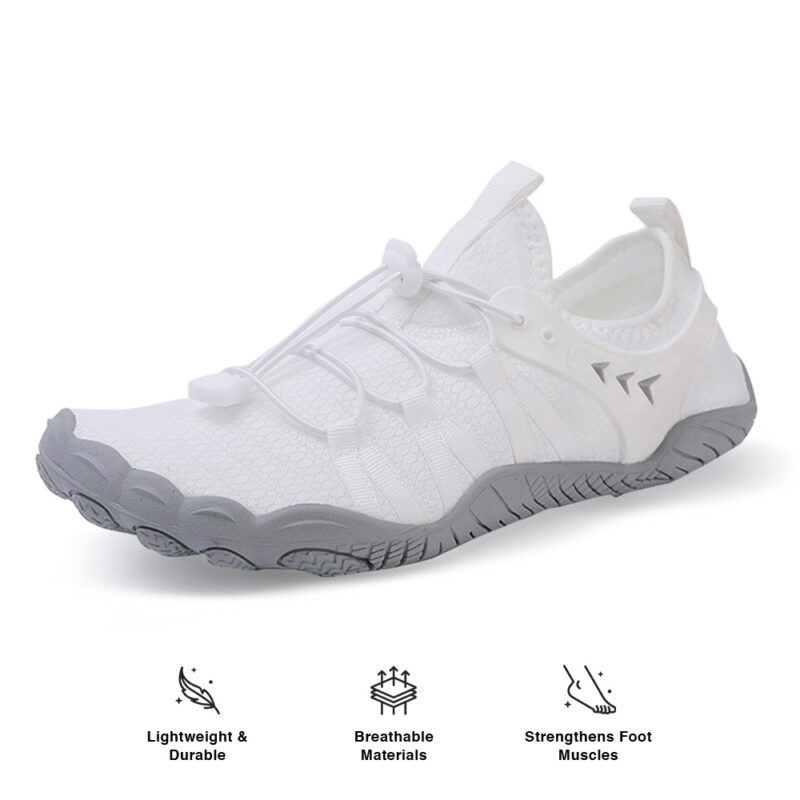
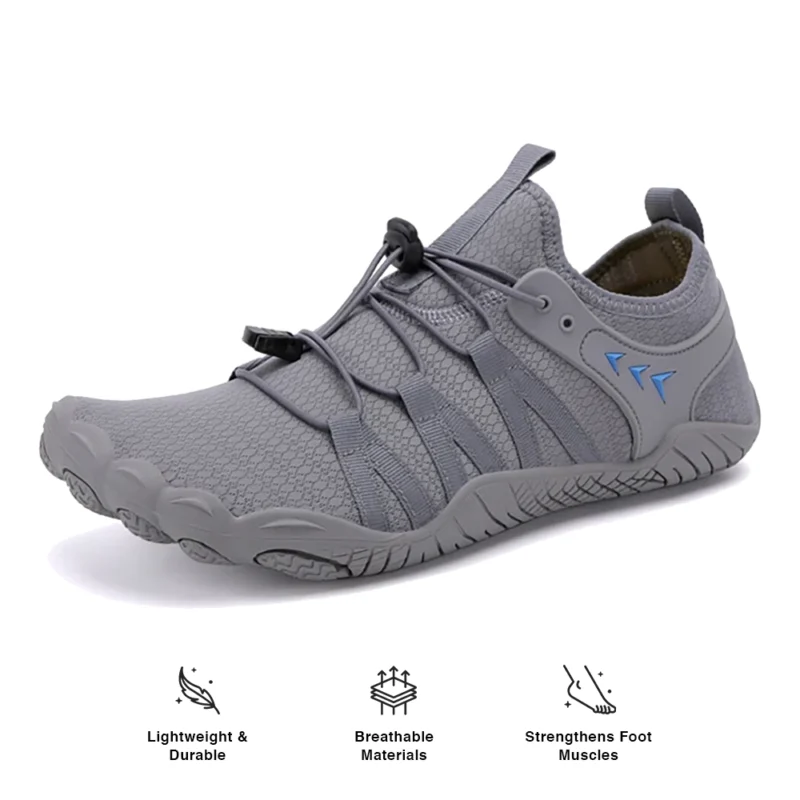
Why Your Feet Feel Trapped in Traditional Walking Shoes
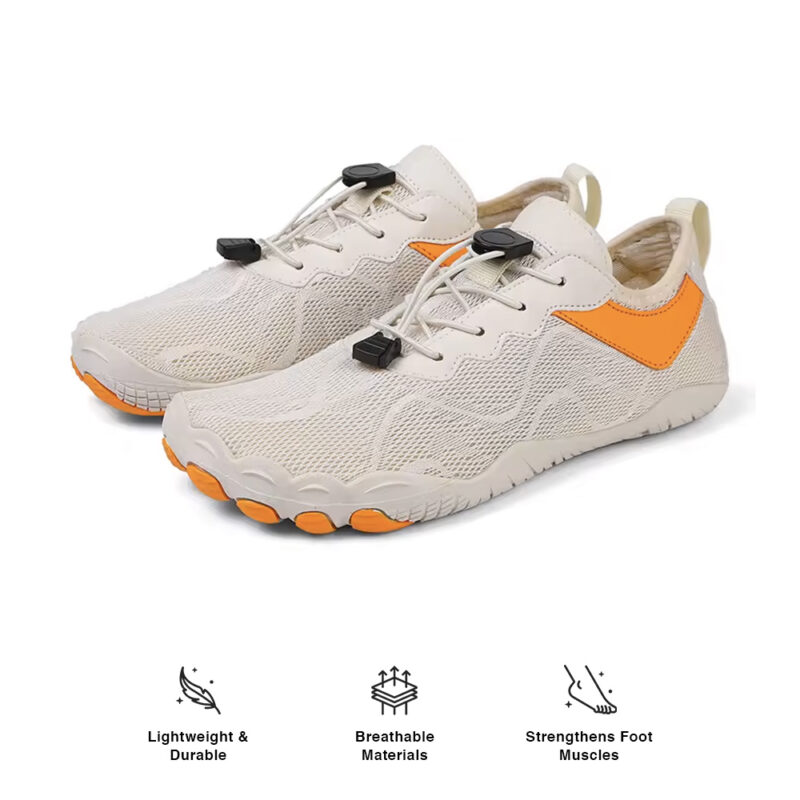
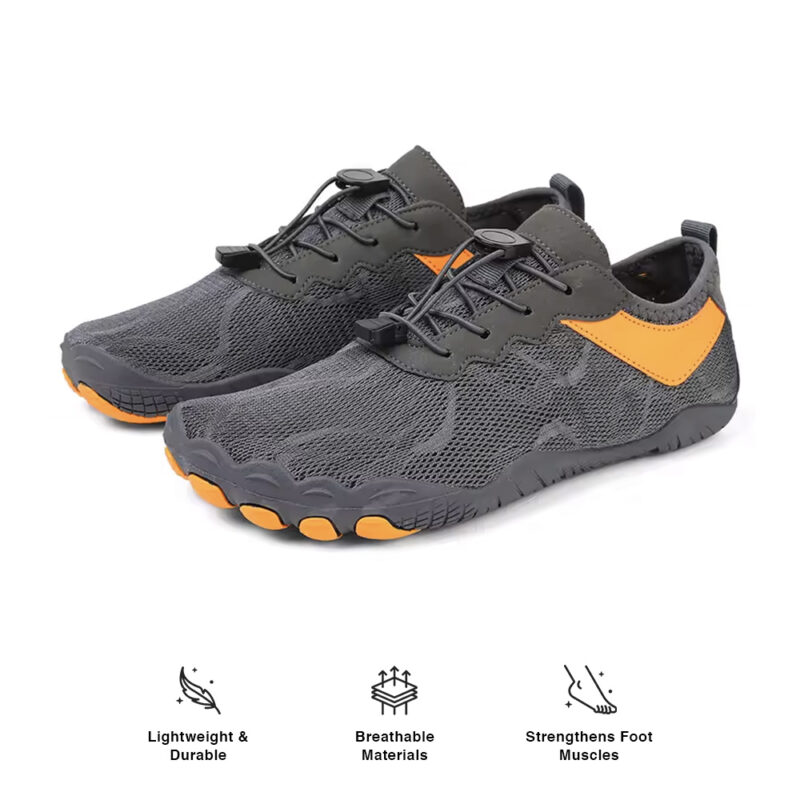
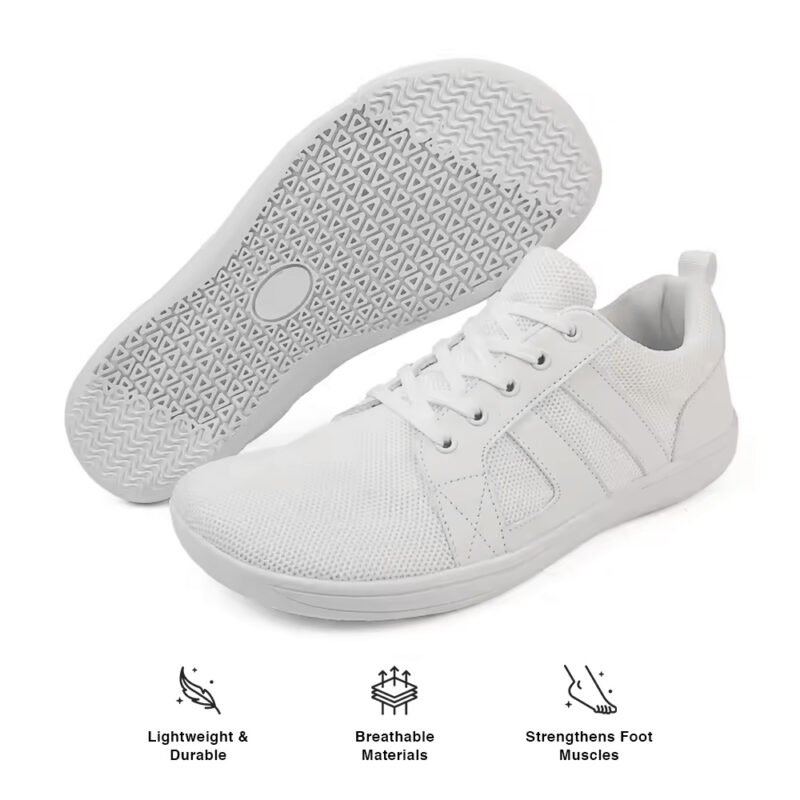
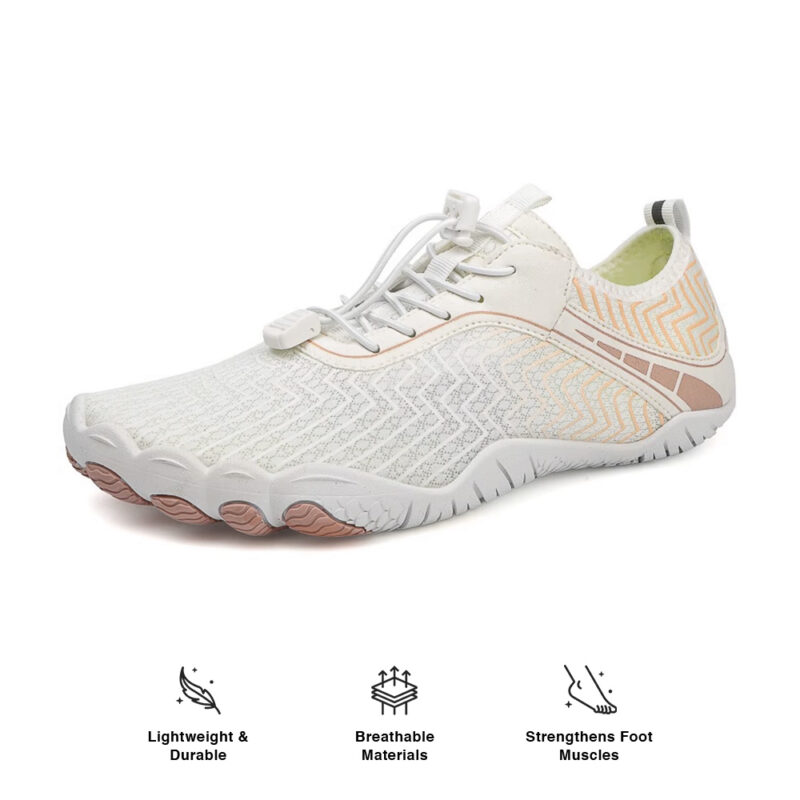
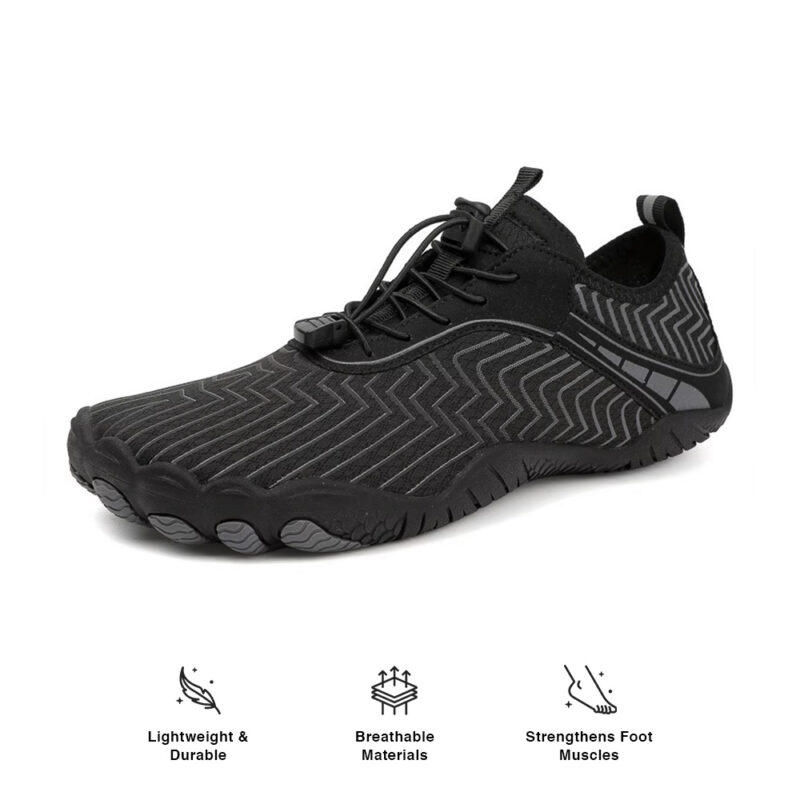
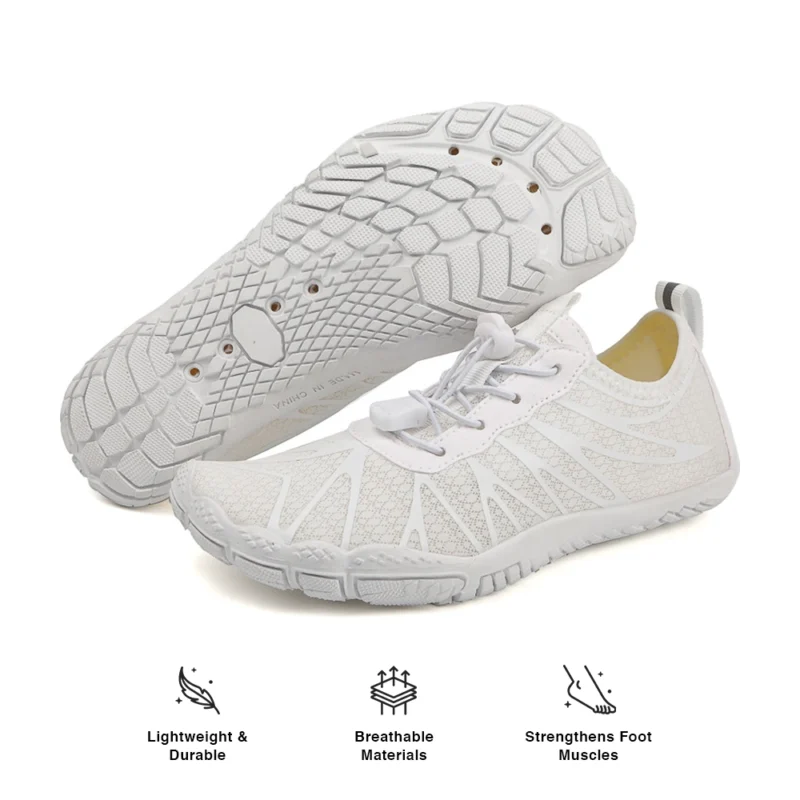
You've probably experienced that suffocating feeling when your toes are crammed together in narrow shoe boxes. Your feet weren't designed to be squeezed into rigid containers that force your toes into unnatural positions. The best shoe for walking features a wide, anatomical toe box that allows your toes to spread naturally with each step. This natural toe splay improves your balance, reduces pressure points, and lets your feet function as the complex, adaptive structures they are. Start your next shoe search by wiggling your toes – if you can't move them freely, keep looking.
Ground Connection Beats Thick Cushioning Every Time
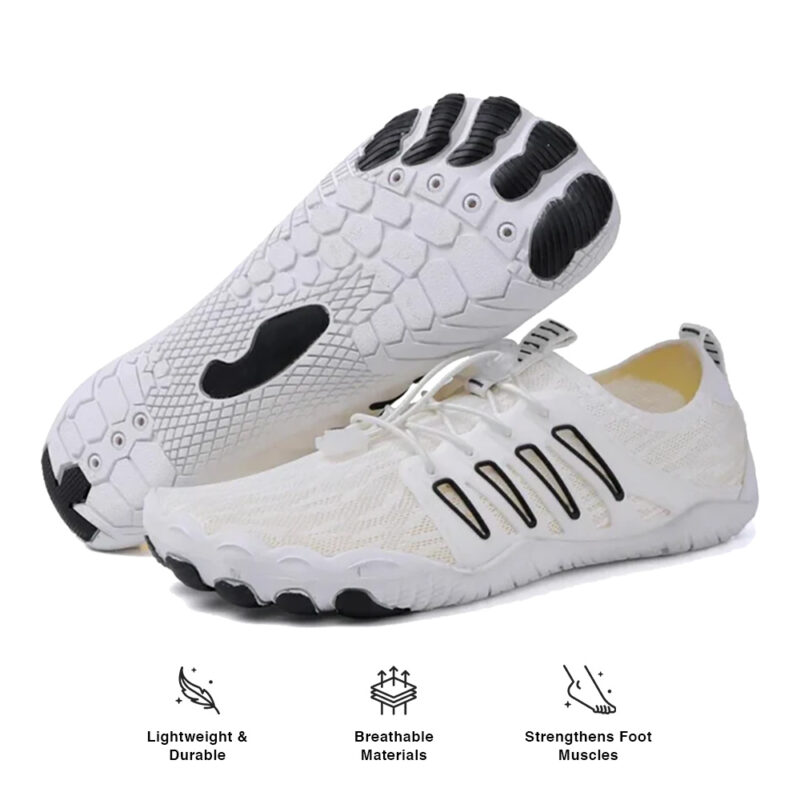
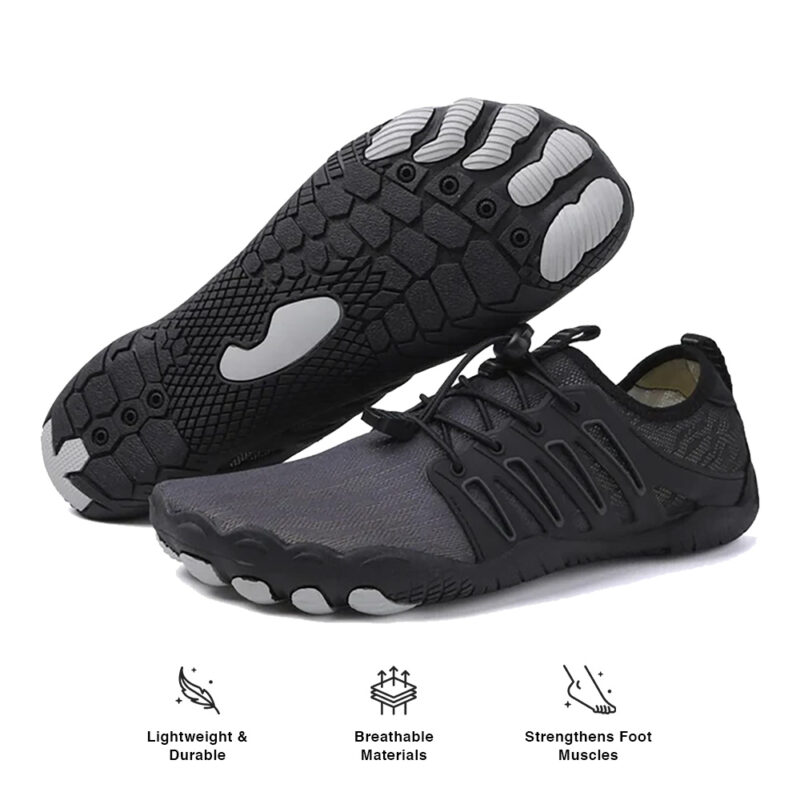
Traditional walking shoes pile on layers of foam and gel, disconnecting you from the ground beneath your feet. This sensory deprivation forces your brain to guess where your feet are positioned, leading to clumsy steps and increased fall risk. When searching for the best shoe for walking, prioritize thin, flexible soles that maintain ground feel while still protecting your feet from sharp objects. This enhanced proprioception improves your natural balance and makes every step more confident and precise. Practice walking barefoot on safe surfaces to rediscover what natural ground connection feels like.
How Rigid Soles Sabotage Your Natural Walking Pattern
Your foot contains 26 bones and 33 joints designed to flex, adapt, and absorb impact naturally. Rigid walking shoes with thick, inflexible soles prevent this natural motion, forcing your knees, hips, and back to compensate for your feet's lost mobility. The best shoe for walking features flexible soles that bend and twist with your foot's natural movement patterns. This flexibility allows your feet to strengthen with use rather than weaken from disuse. Test shoe flexibility by bending the sole with your hands – it should flex easily at the ball of the foot.
Why Heavy Shoes Make Walking Feel Like Work
Every extra ounce on your feet requires additional energy to lift with each step. Heavy walking shoes with thick midsoles and rigid construction turn effortless walking into a workout before you've even reached your destination. Lightweight minimalist shoes that qualify as the best shoe for walking reduce fatigue and make longer distances feel achievable. Your legs stay fresher, your stride remains natural, and walking becomes the joyful, energizing activity it should be. Choose shoes that feel almost weightless on your feet for the most natural walking experience.
The Hidden Problem with Heel-to-Toe Drop
Most conventional walking shoes feature elevated heels that tilt your body forward, forcing you to work against gravity with every step. This unnatural positioning strains your calves, disrupts your posture, and creates the heel-strike pattern that sends shock waves up your legs. Zero-drop shoes that represent the best shoe for walking keep your heel and forefoot at the same level, encouraging a natural midfoot landing that distributes impact forces more evenly. This alignment reduces joint stress and allows for the efficient, comfortable walking gait your body naturally wants to use.
Building Foot Strength Through Minimalist Design
Years of wearing heavily supportive shoes can leave your feet weak and dependent on artificial aids. The intrinsic muscles of your feet need regular use to maintain their strength and function. Minimalist shoes that deserve the title of best shoe for walking provide protection without interference, allowing your feet to work as they're designed to. This natural strengthening process happens gradually as you walk, building resilient feet that become more comfortable and capable over time. Start with shorter walks in minimalist shoes and gradually increase distance as your feet adapt and strengthen.
Temperature Regulation and Breathability Matter More Than You Think
Traditional walking shoes often trap heat and moisture, creating an uncomfortable environment that can lead to blisters and fungal issues. Quality minimalist walking shoes use breathable materials and designs that promote airflow around your feet. This temperature regulation keeps your feet comfortable during longer walks and reduces the risk of moisture-related problems. Look for shoes with mesh panels or perforated uppers that allow air circulation while maintaining durability for regular walking activities.