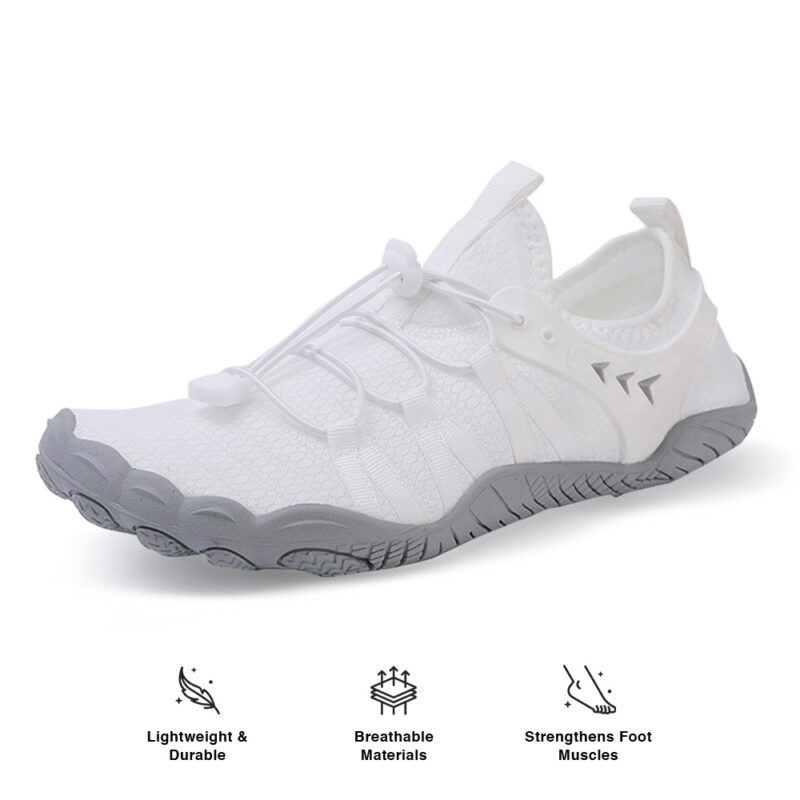
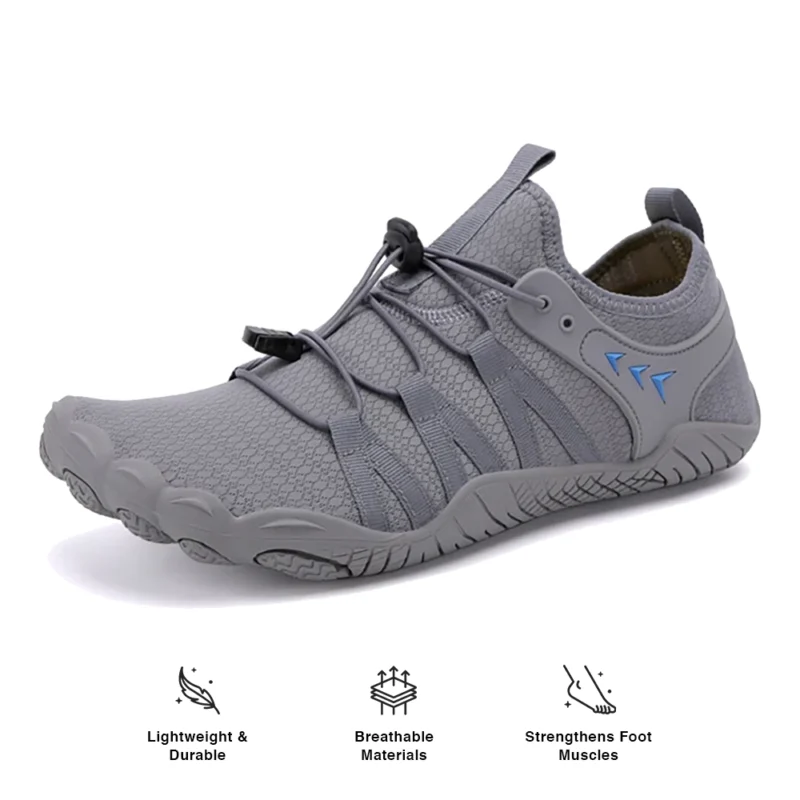
Morning Stiffness Doesn't Have to Control Your Day
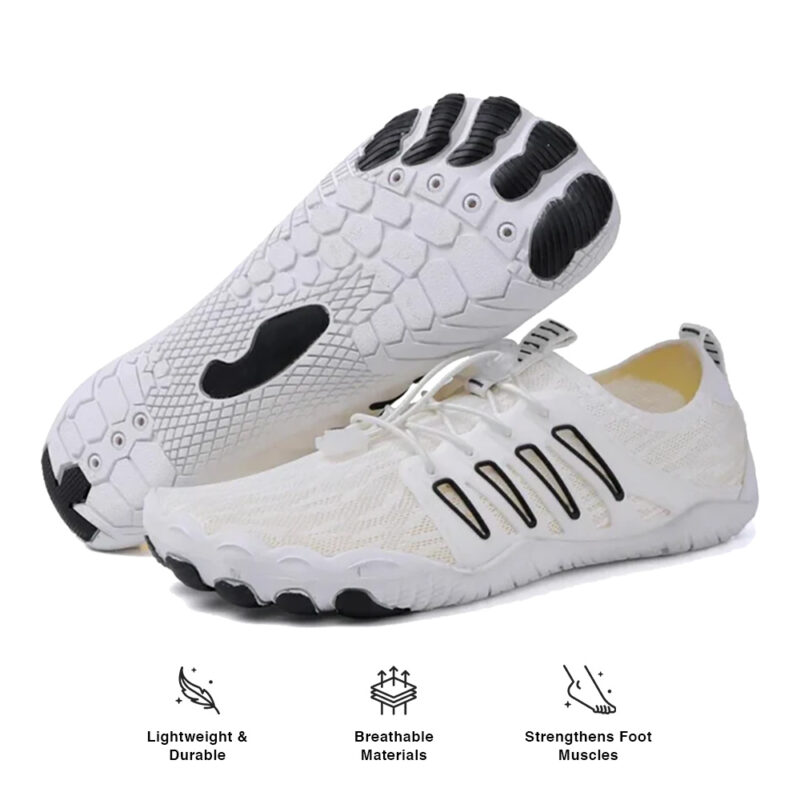
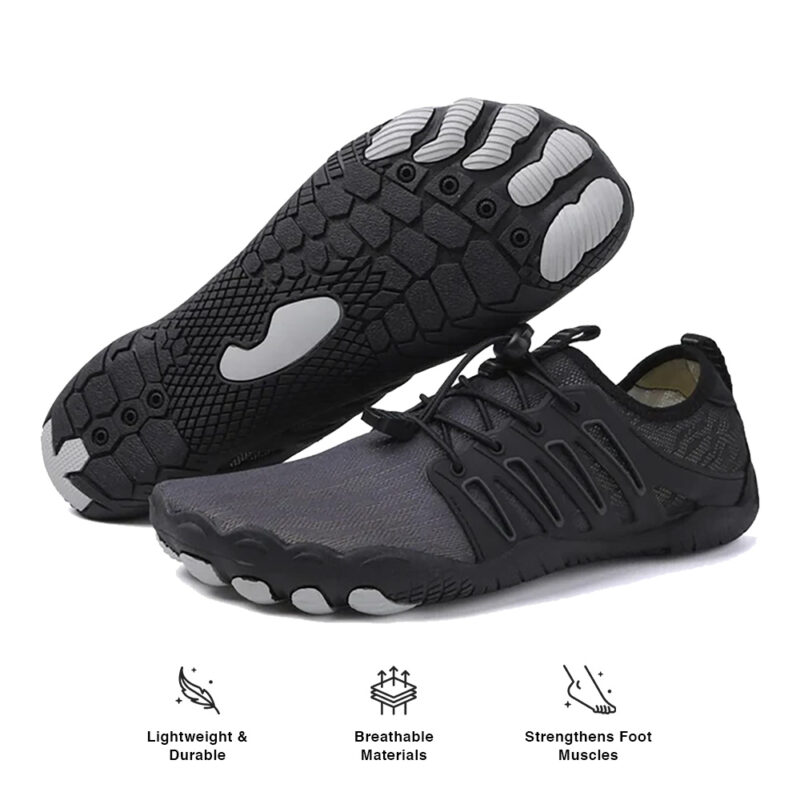
That familiar morning struggle of forcing swollen, stiff feet into rigid shoes can set a painful tone for your entire day. What you need in footwear is the ability to slip shoes on easily while accommodating natural swelling patterns throughout the day. Minimalist shoes with flexible uppers and roomy toe boxes allow your feet to expand and contract naturally, while the thin, flexible soles let you feel the ground connection that helps activate circulation from your very first steps. Start your morning routine by gently flexing your feet and ankles before putting on shoes, letting natural movement begin the process of reducing stiffness.
When Swelling Makes Every Shoe Feel Wrong
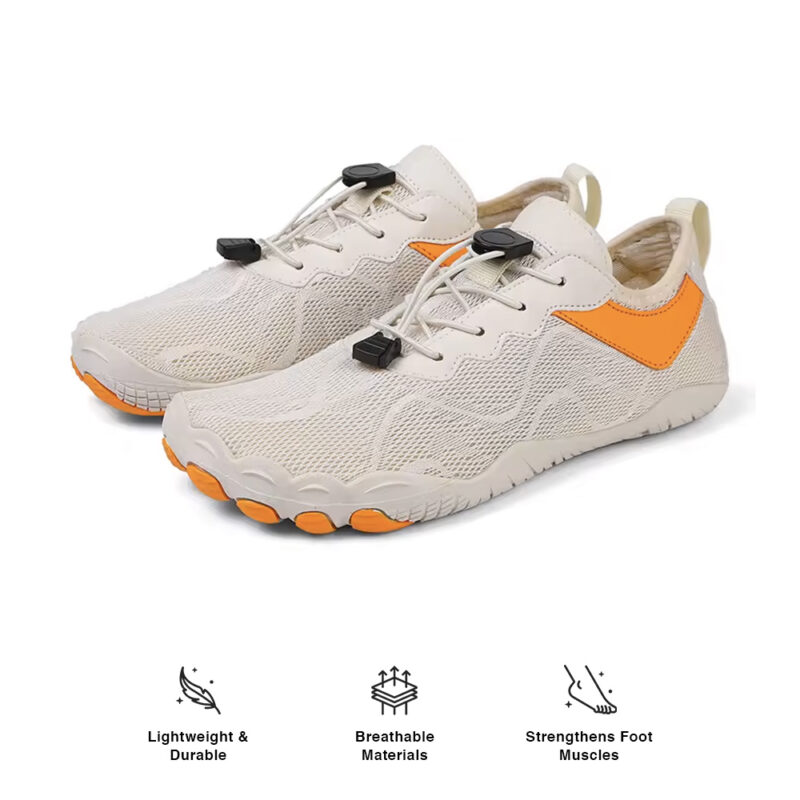
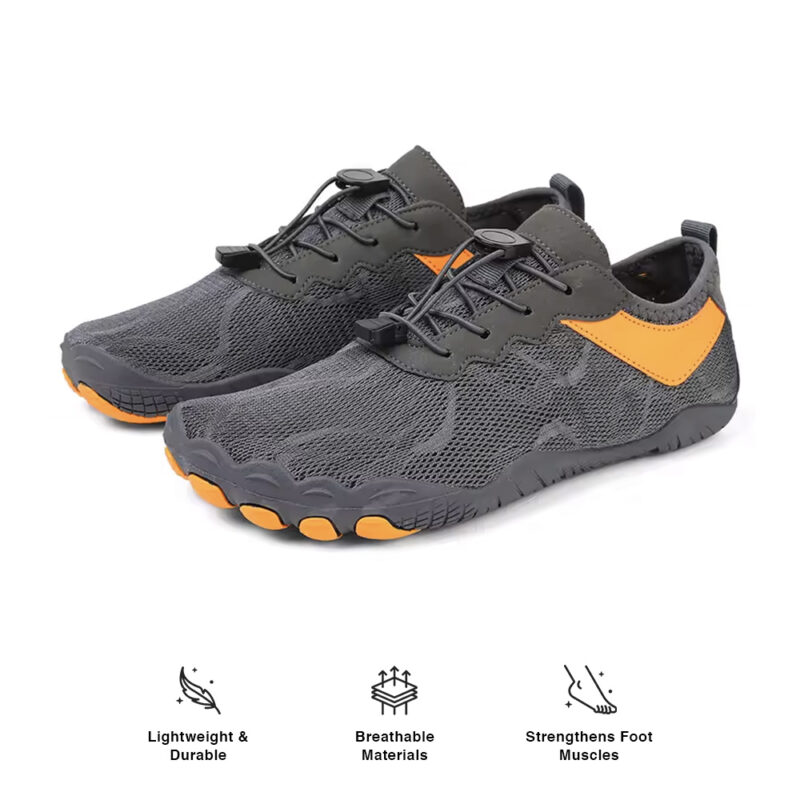
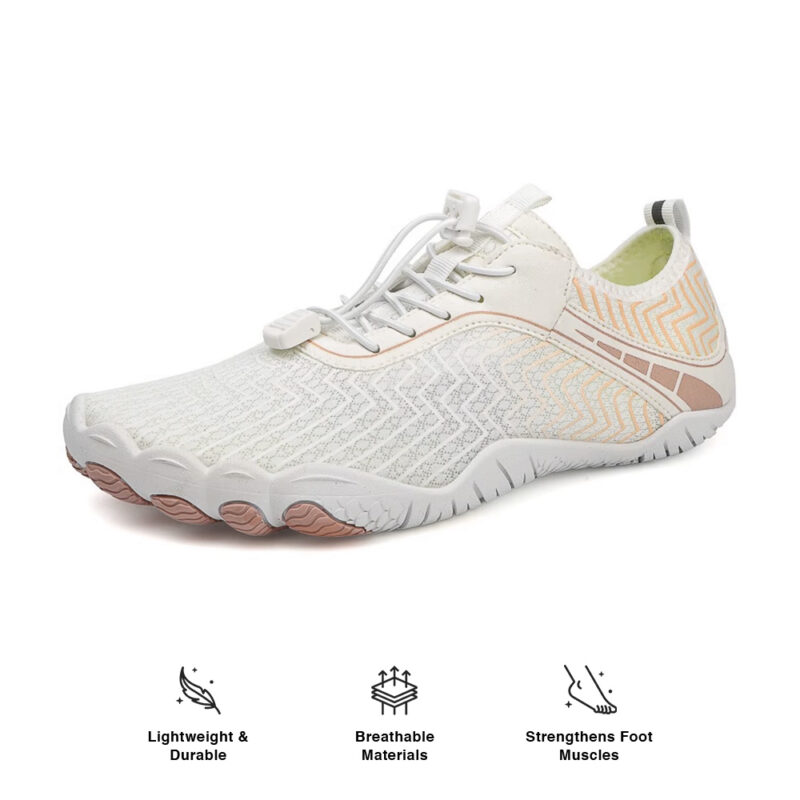
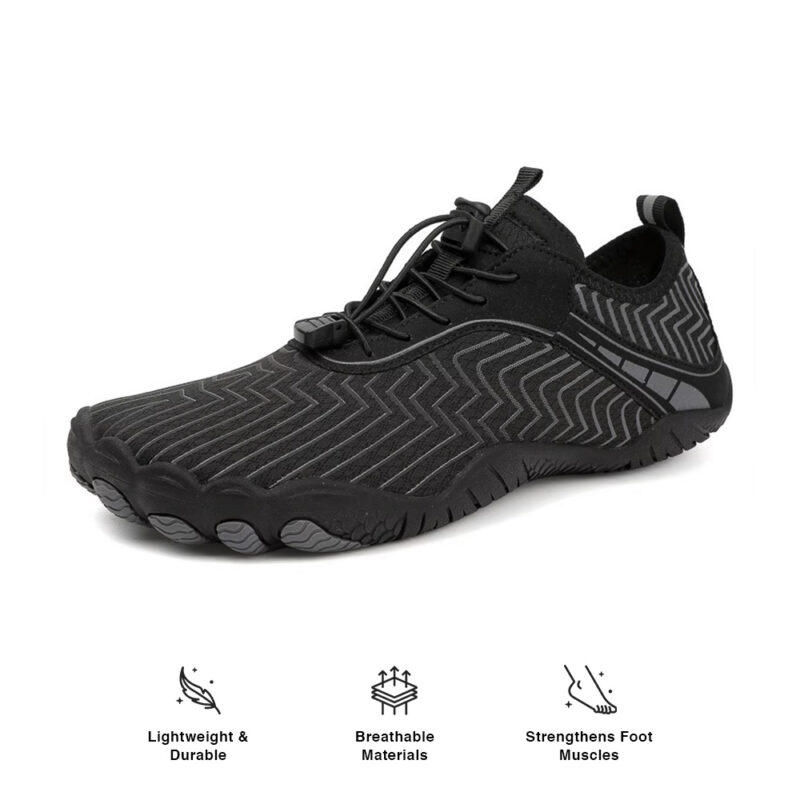
The unpredictable nature of joint swelling means traditional shoes either feel too tight when inflammation flares or too loose when swelling subsides, creating instability and compensatory movement patterns. Your ideal footwear needs to accommodate these natural fluctuations without compromising fit or function. The best shoes for arthritic feet feature stretch materials and adjustable closures that move with your body's changing needs, while the wide toe boxes prevent pressure on sensitive joints during swollen periods. Choose shoes with elastic laces or hook-and-loop closures that you can adjust throughout the day as your comfort needs change.
Breaking Free from the Dependency Cycle
Years of wearing heavily cushioned, motion-control shoes often create a cycle where your feet become weaker and more dependent on artificial support, leading to increased joint instability over time. What your arthritic feet actually need is gentle strengthening through natural movement patterns that improve joint mobility and muscle coordination. Transitioning to best shoes for arthritic feet with minimal interference allows the small intrinsic muscles to reactivate, providing better natural shock absorption and joint stability than any external support system. Begin this transition gradually by wearing flexible shoes for short periods and progressively increasing the duration as your feet adapt and strengthen.
Ground Connection Reduces Pain Through Better Movement
The disconnect from ground feel that comes with thick, cushioned soles often leads to altered gait patterns that increase stress on arthritic joints throughout your body. Your feet contain thousands of nerve endings that provide crucial feedback for optimal movement and balance, and accessing this information helps reduce compensatory stress on painful joints. Shoes designed as the best shoes for arthritic feet feature thin, flexible soles that restore this essential sensory connection while still providing protection from rough surfaces. Practice standing barefoot on different textures for a few minutes daily to help retrain your proprioceptive awareness.
Natural Toe Spread Improves Overall Joint Function
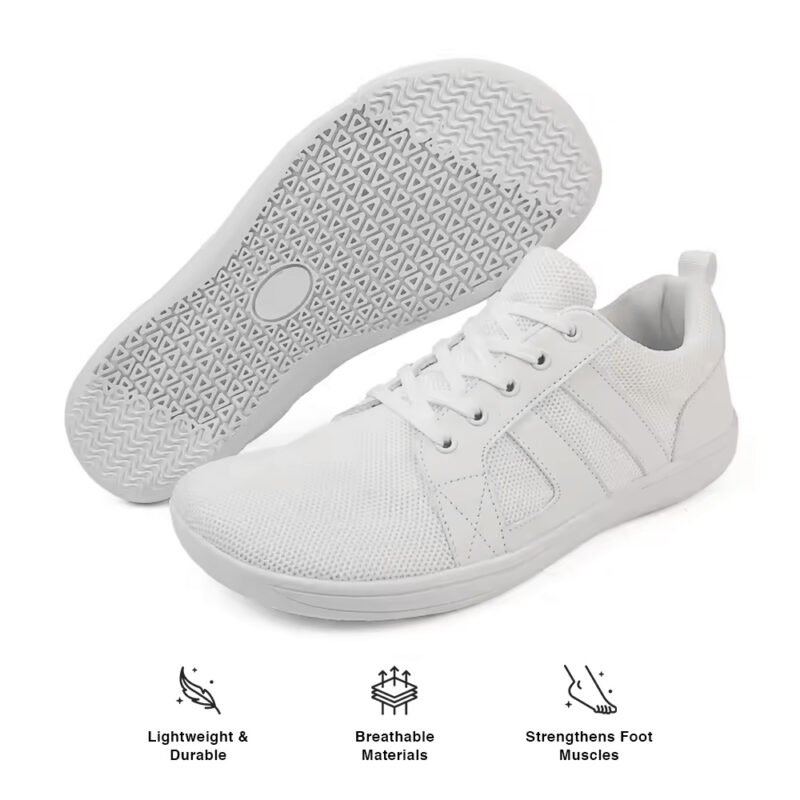
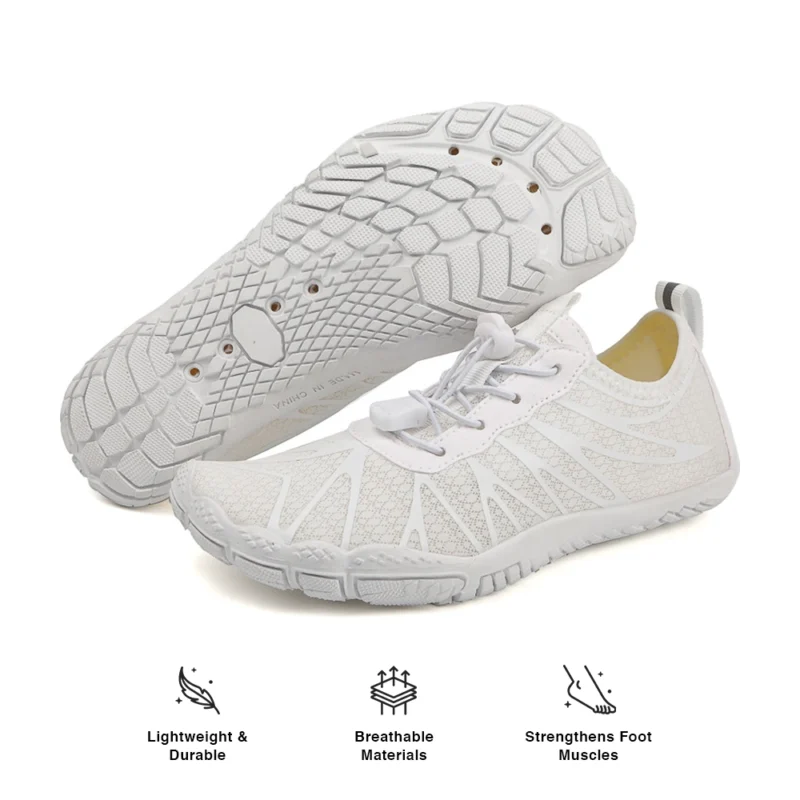
Cramped toes in pointed or narrow shoes create a cascade of alignment issues that can worsen arthritic pain in your feet, knees, hips, and even lower back. Your toes need space to spread naturally, which improves balance, reduces pressure on sensitive joints, and allows for proper weight distribution across your foot. The best shoes for arthritic feet provide generous toe room that lets your feet function in their natural shape, reducing inflammatory pressure while improving overall biomechanics. When trying on shoes, ensure you can wiggle all your toes freely and that the widest part of the shoe aligns with the widest part of your foot.
Flexibility Means Less Joint Stress
Rigid shoes that don't bend with your natural foot motion force your joints to work against resistance with every step, increasing inflammation and accelerating wear patterns in arthritic joints. What you need is footwear that moves harmoniously with your body's mechanics, reducing the energy cost of walking while minimizing joint stress. True best shoes for arthritic feet bend and flex in multiple directions, allowing your foot to roll through its natural gait cycle without restriction or forced compensation. Test shoe flexibility by holding the heel and toe and gently bending – the shoe should fold easily at the ball of the foot area.
Temperature Regulation Supports Healing
Poor circulation common in arthritic conditions means your feet may struggle with temperature regulation, and shoes that trap heat and moisture can increase inflammation and discomfort. Your ideal footwear promotes healthy circulation through breathable materials and designs that don't constrict blood flow to your extremities. The best shoes for arthritic feet feature breathable uppers and moisture-wicking properties that help maintain optimal foot temperature while the unrestricted fit promotes healthy circulation. Look for natural materials like leather or mesh panels that allow air circulation, and avoid synthetic materials that trap heat and moisture against your skin.