Why Most Cross Training Shoes Fail Your Feet
You've probably experienced the frustration of buying expensive athletic shoes only to find they don't quite work for your varied workout routine. The problem isn't your feet – it's that conventional cross training footwear tries to control and "correct" your natural movement patterns instead of supporting them. When shoes restrict your foot's ability to flex, spread, and grip naturally, you lose the foundational stability that makes every exercise more effective and safer. The best shoes for cross training work differently by allowing your feet to function as they evolved to, creating a stable base that enhances rather than hinders your performance. Start noticing how your current shoes feel during different movements, and pay attention to whether they're helping or limiting your natural foot function.
Ground Connection Transforms Your Lifting Game
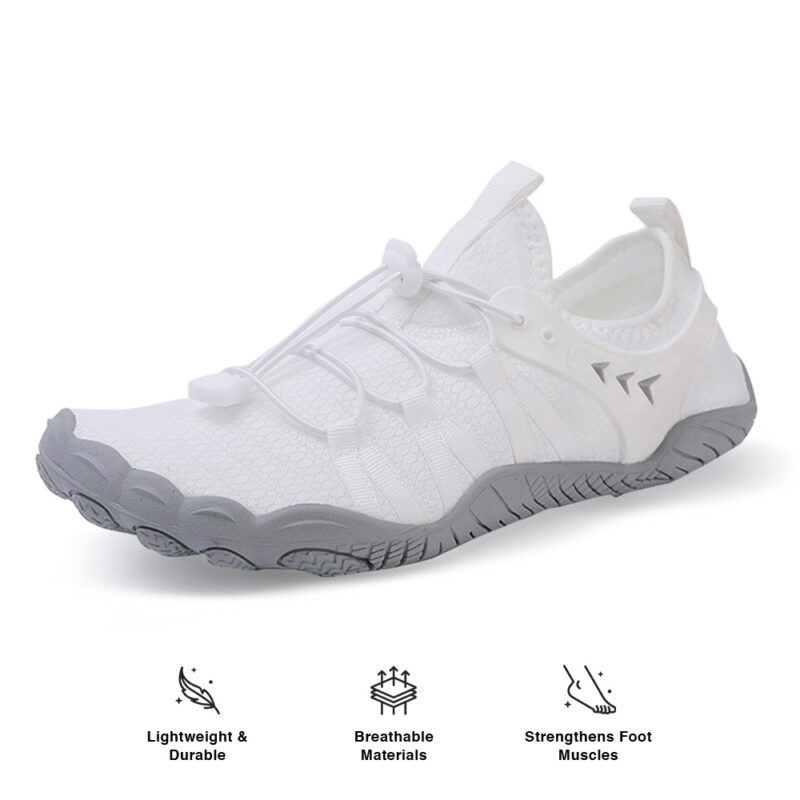
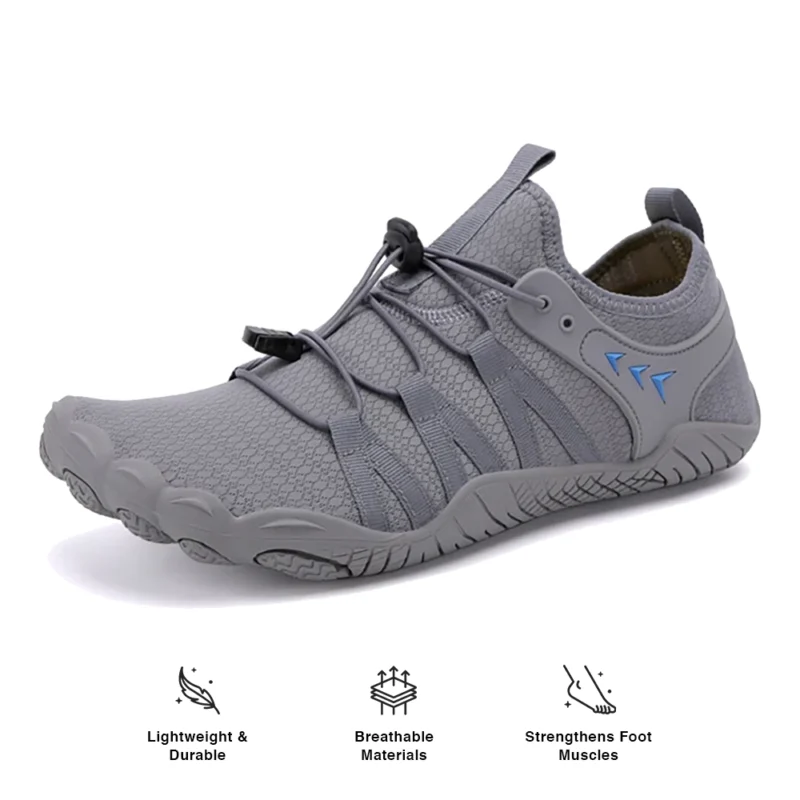
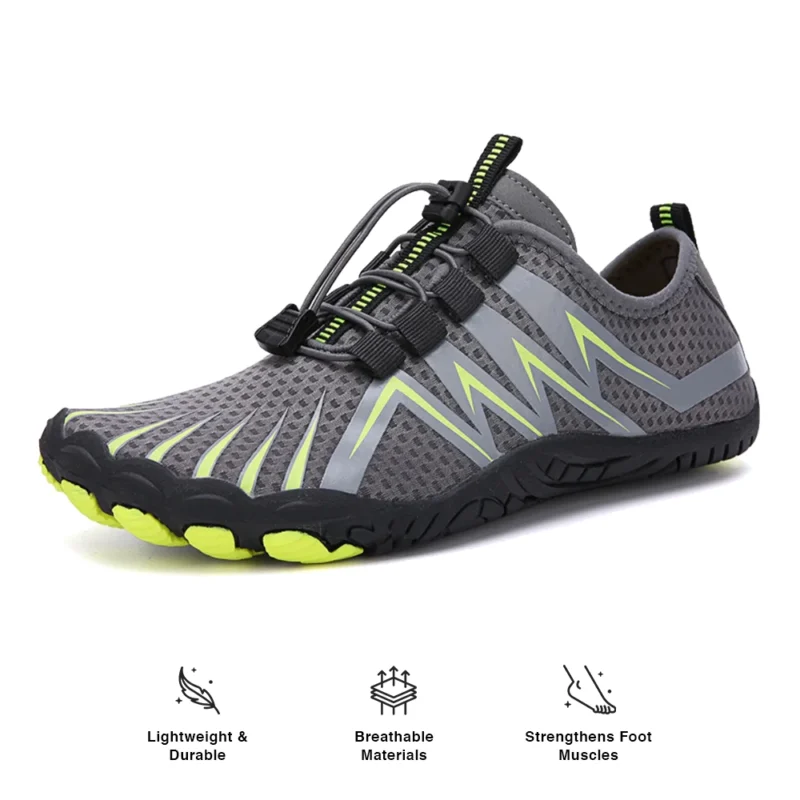
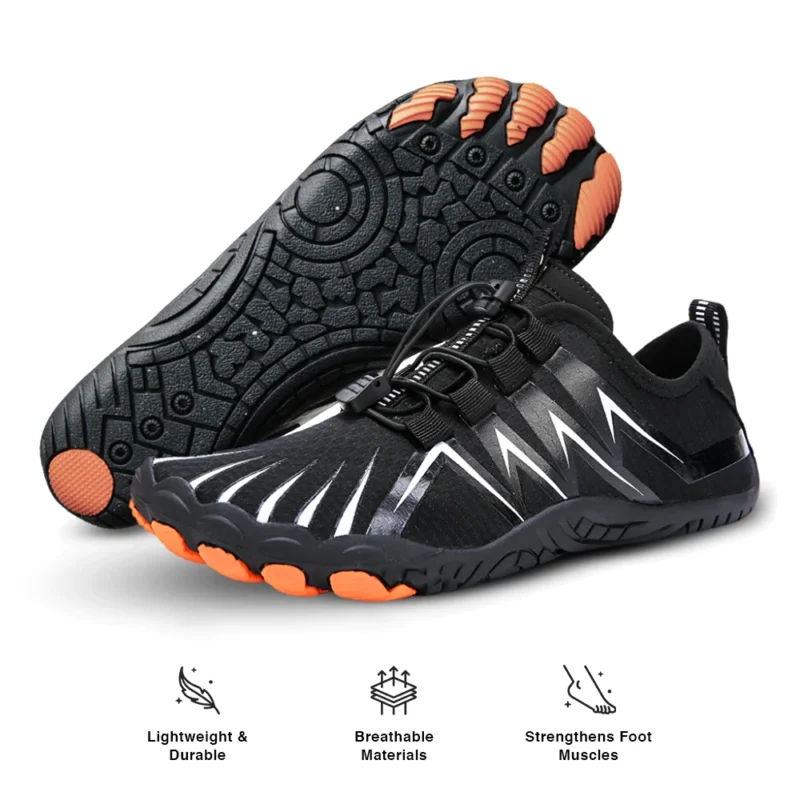
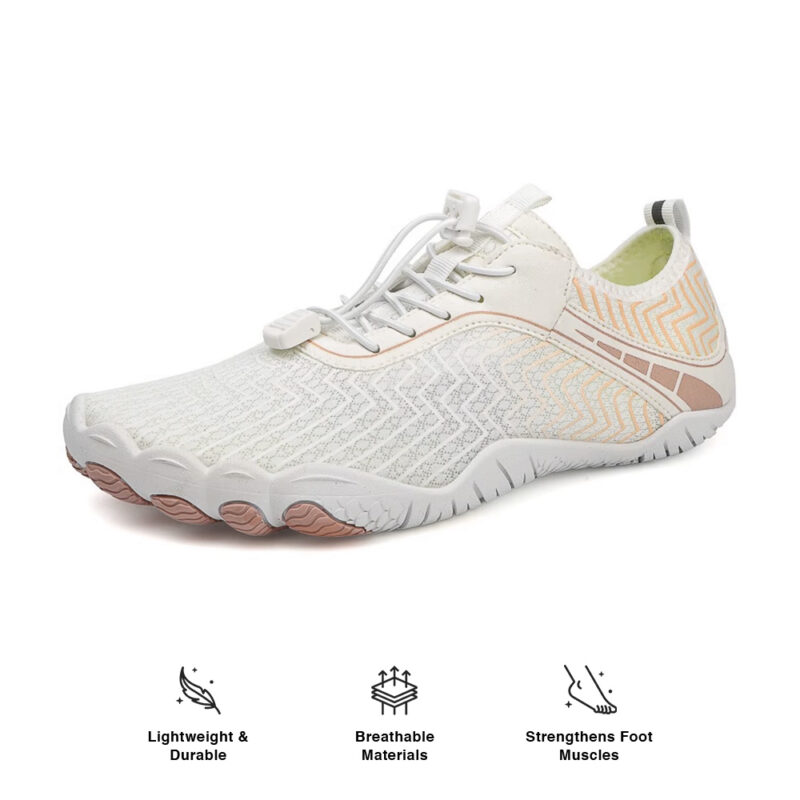
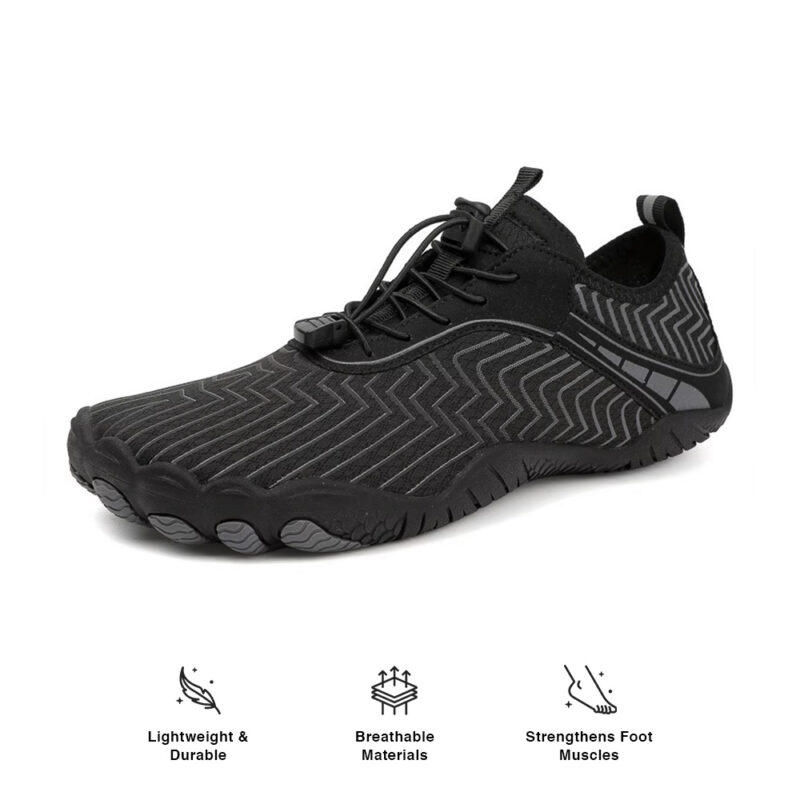
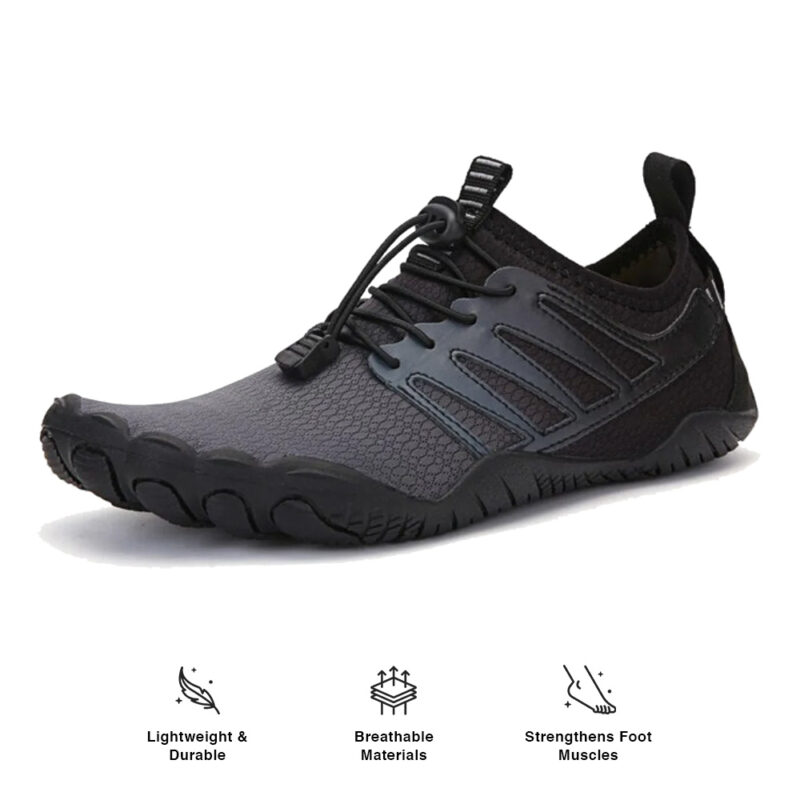
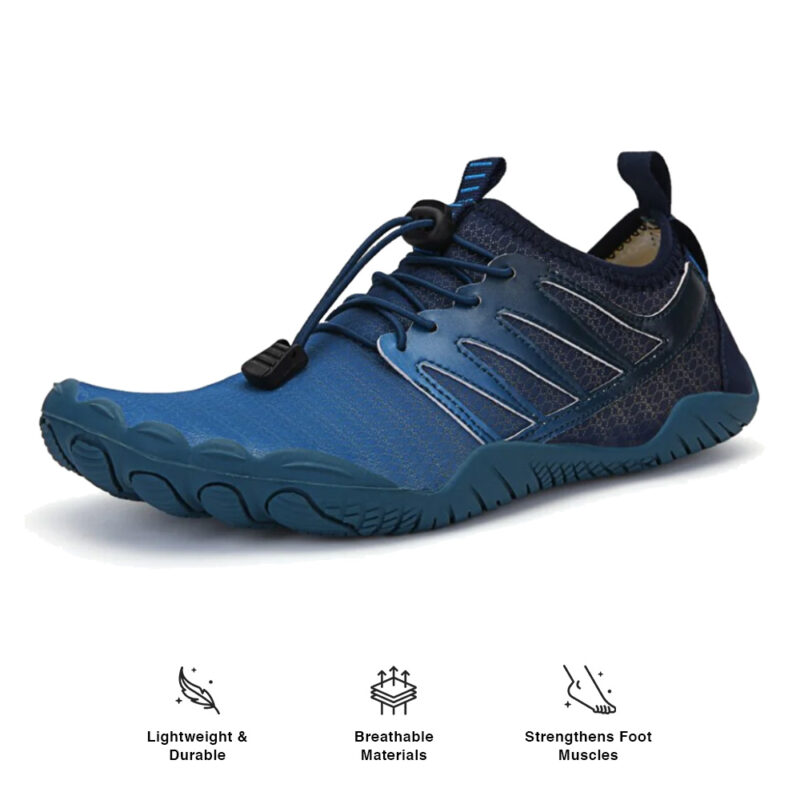
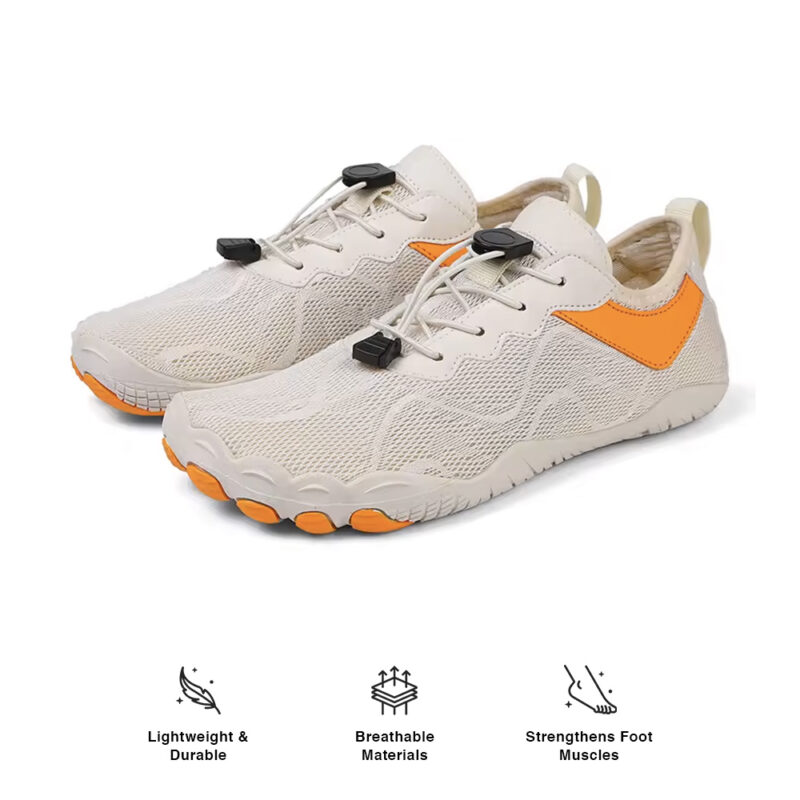
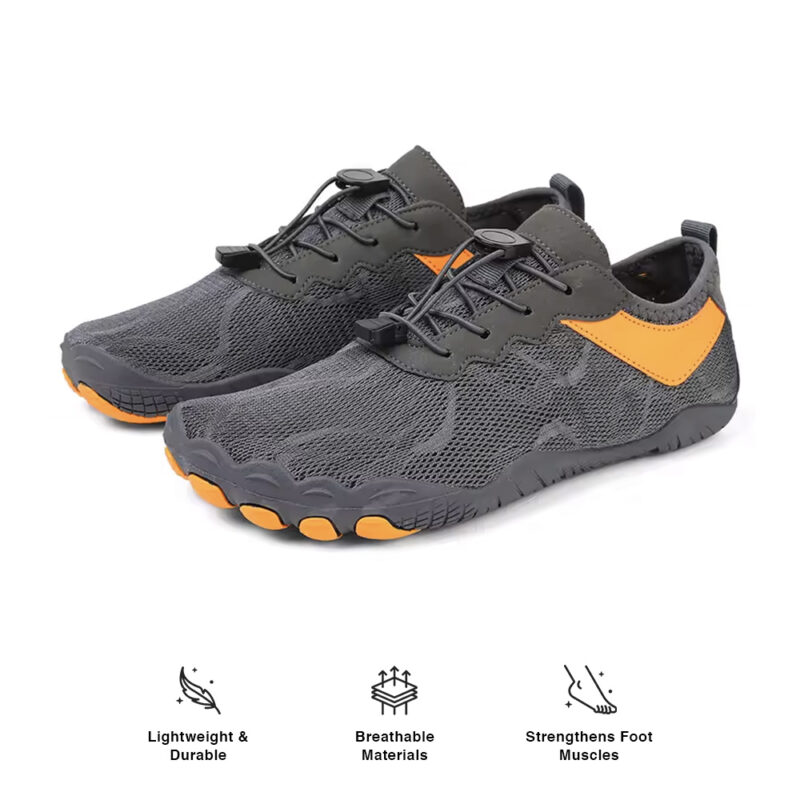
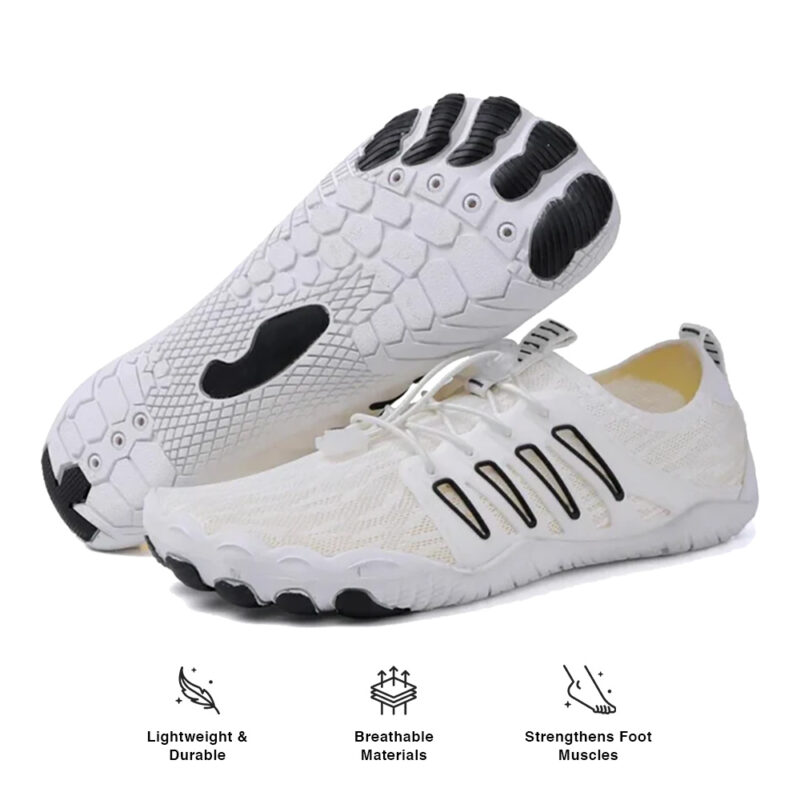
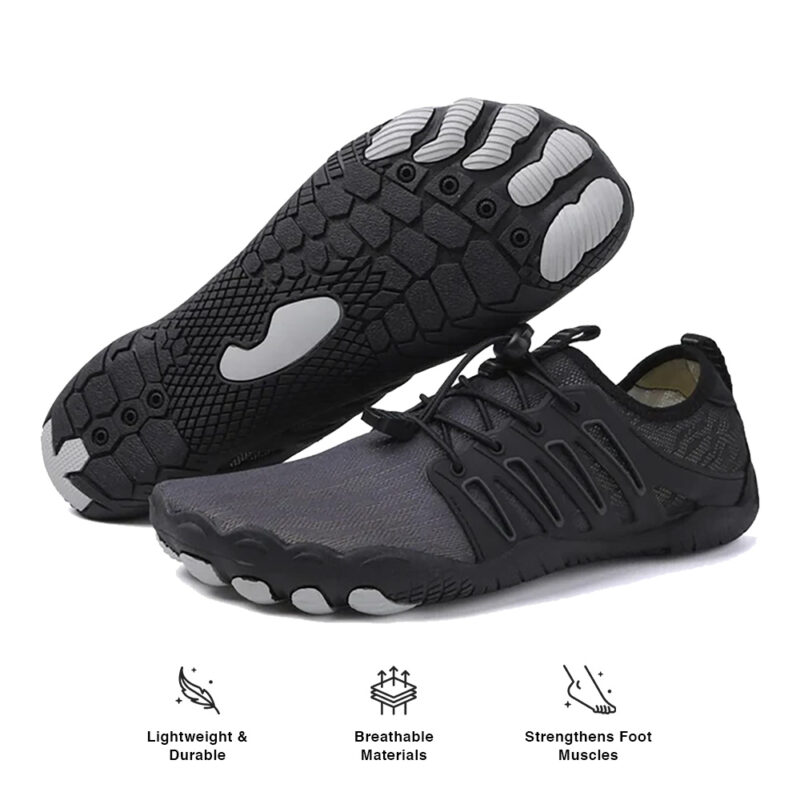
Heavy deadlifts and squats demand rock-solid stability, but thick, cushioned soles create an unstable platform that undermines your form and limits your strength potential. You need to feel the ground beneath you to generate maximum power and maintain proper alignment throughout each rep. Minimalist cross training shoes provide the thin, flexible sole that lets you truly connect with the floor, improving your proprioception and allowing your feet to grip and stabilize naturally during heavy lifts. This ground connection doesn't just improve your performance – it also reduces injury risk by enhancing your body's natural feedback systems. Next time you lift, experiment with how removing your shoes entirely changes your stability, then look for the best shoes for cross training that replicate this barefoot feeling.
Lateral Movement Demands Natural Foot Freedom
HIIT workouts, agility drills, and sports-specific training involve constant direction changes that conventional shoes simply can't handle effectively. When your shoes are narrow or rigid, your feet can't spread and adjust naturally during lateral movements, leading to reduced stability, slower reaction times, and increased injury risk. Your feet need to be able to splay wide for balance, flex in multiple directions, and maintain contact with the ground through complex movement patterns. Minimalist designs excel at cross training because they allow this natural foot adaptation, giving you the agility and responsiveness that dynamic workouts demand. Practice some lateral movements in bare feet to experience how much more stable and quick you feel, then seek out the best shoes for cross training that preserve this natural capability.
Building Foot Strength Through Smart Shoe Choices
Weak feet are the hidden culprit behind many workout injuries and performance plateaus, but most people never think to strengthen this crucial foundation. Traditional athletic shoes with excessive support and cushioning act like casts, preventing your feet from developing the strength and resilience they need to support your active lifestyle. The intrinsic muscles of your feet are meant to work hard during every step, providing natural stability and power generation that no external shoe feature can replicate. Transitioning gradually to more minimalist cross training options allows these muscles to develop strength progressively, creating a more robust foundation for all your activities. Begin by spending some time each day walking or doing simple exercises in bare feet, then gradually incorporate minimal footwear into your cross training routine.
Temperature and Breathability for Long Training Sessions
Nothing derails a great workout like overheated, sweaty feet that become uncomfortable and distracting mid-session. Conventional cross training shoes often use synthetic materials and closed designs that trap heat and moisture, creating an uncomfortable environment that affects your focus and performance. Your feet need to breathe freely during intense workouts to maintain comfort and prevent issues like blisters or hot spots. The best shoes for cross training utilize breathable, natural materials and open construction that allows air to flow freely around your feet, keeping you comfortable through even the most demanding sessions. Look for materials like mesh, leather, or other breathable fabrics, and avoid heavily padded or synthetic designs that prioritize appearance over function.
Versatility Without Compromise
You shouldn't need a different pair of shoes for every type of workout in your routine, but finding truly versatile footwear can feel impossible when most athletic shoes are hyper-specialized. The key is choosing cross training shoes that excel at being minimally intrusive rather than trying to be everything to everyone through added features and technology. Minimalist designs work across different activities because they simply allow your feet to do what they do best naturally, whether you're lifting weights, doing yoga, running stairs, or playing recreational sports. This versatility comes from subtraction, not addition – removing unnecessary elements that limit your feet's adaptability rather than adding features that might help one activity but hinder others. When evaluating the best shoes for cross training, ask yourself whether each design element enhances your natural movement or restricts it in some way.
Making the Transition to Better Cross Training Footwear
Switching to more minimalist cross training shoes requires a thoughtful approach to avoid overuse injuries while your feet adapt to their new freedom and responsibility. Your feet and lower legs need time to develop the strength and coordination that conventional shoes have been providing artificially, so rushing this transition can lead to temporary soreness or strain. Start by wearing your new minimal shoes for shorter workouts or less intense activities, gradually increasing duration and intensity as your feet adapt. Pay attention to how your feet feel during and after workouts, and don't hesitate to alternate between old and new shoes during the transition period. The best shoes for cross training will feel liberating once your feet are ready for them, but patience during the adaptation process ensures you'll get there safely and comfortably.