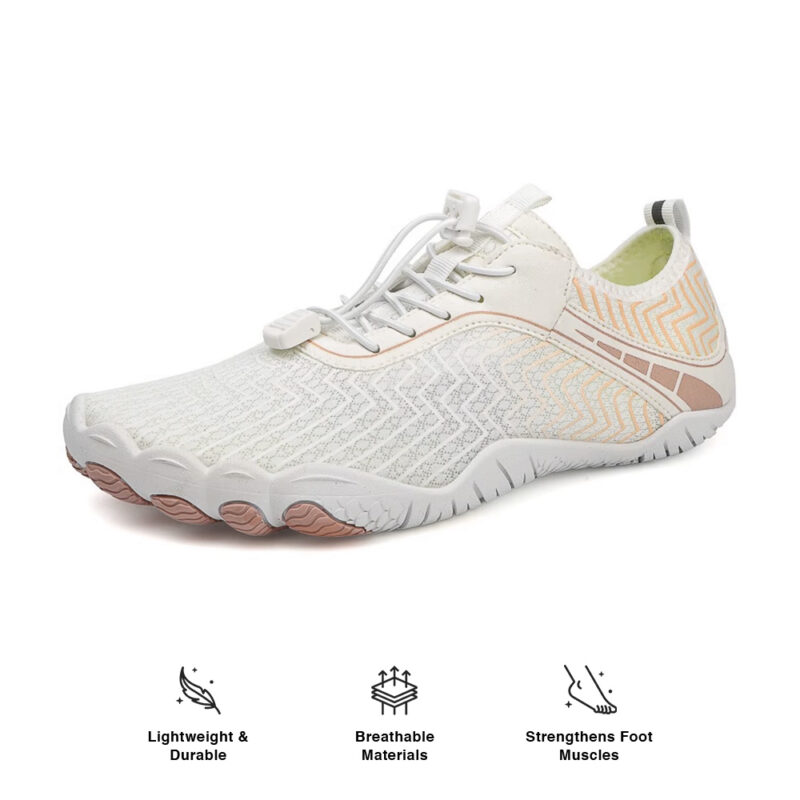
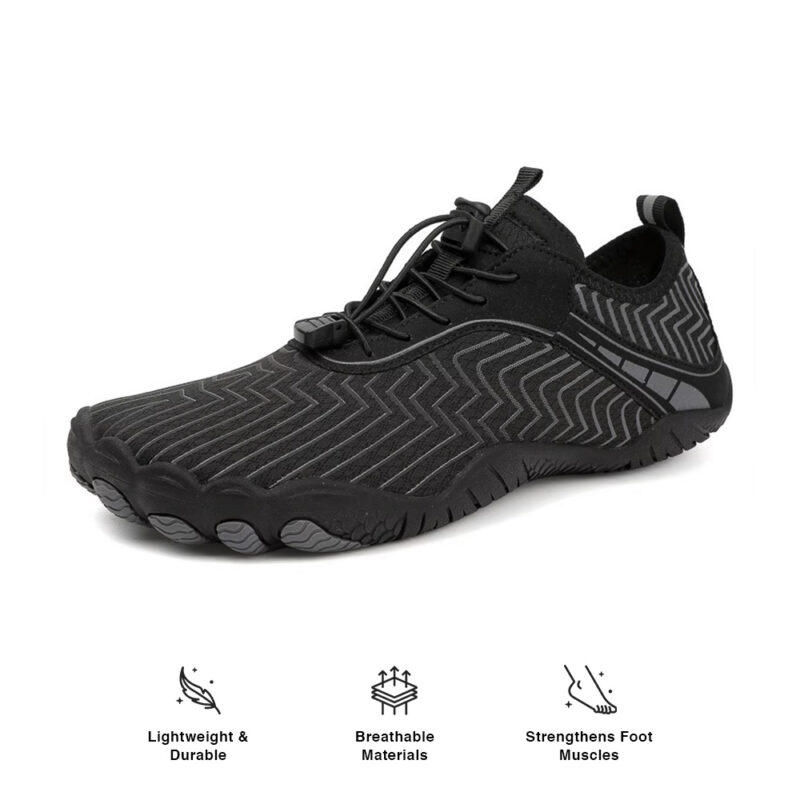
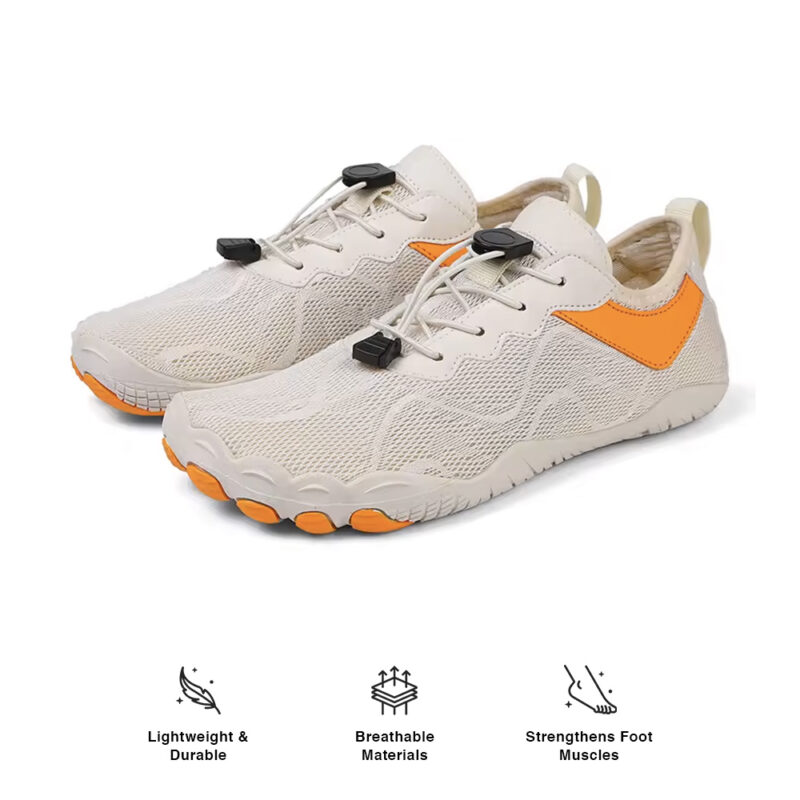
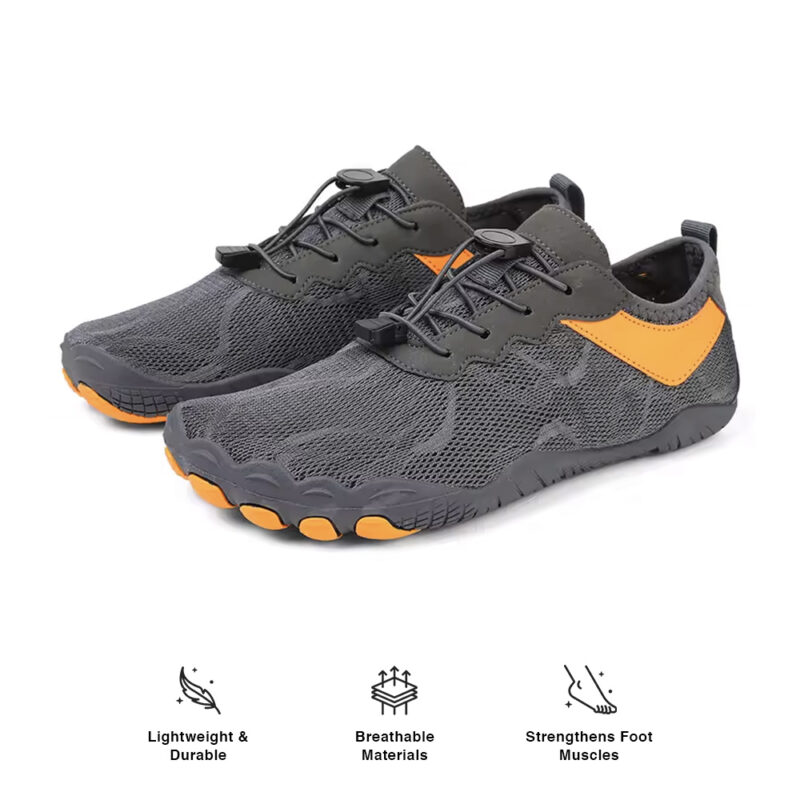
Why Traditional CrossFit Shoes Sabotage Your Performance
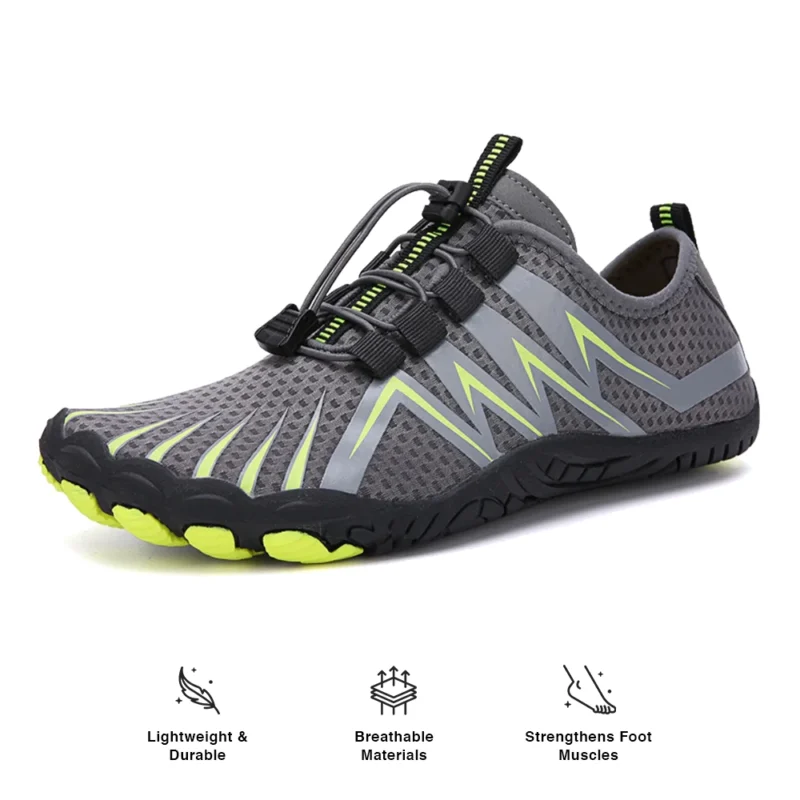
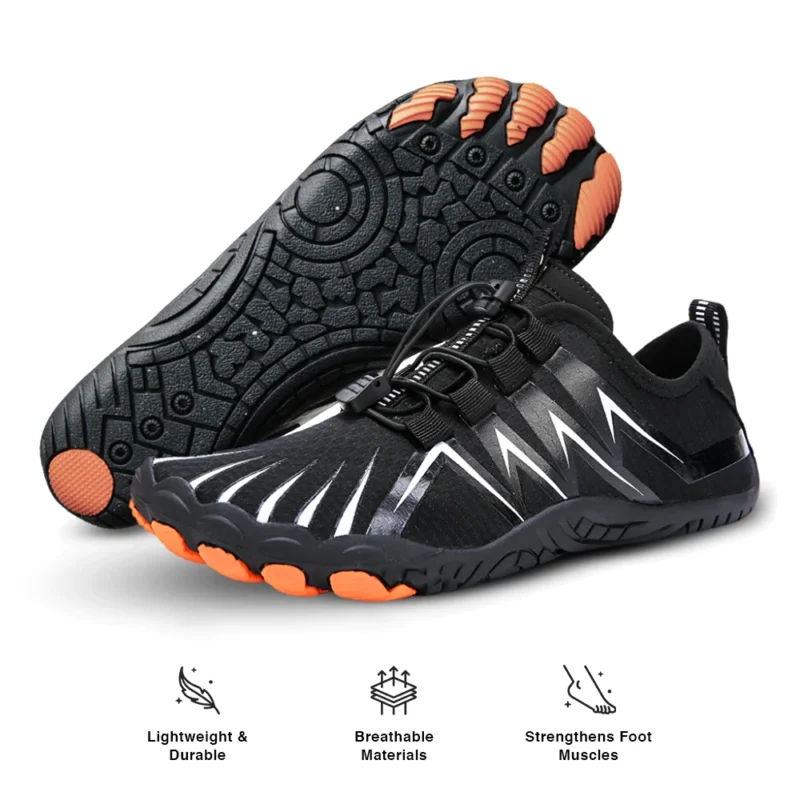
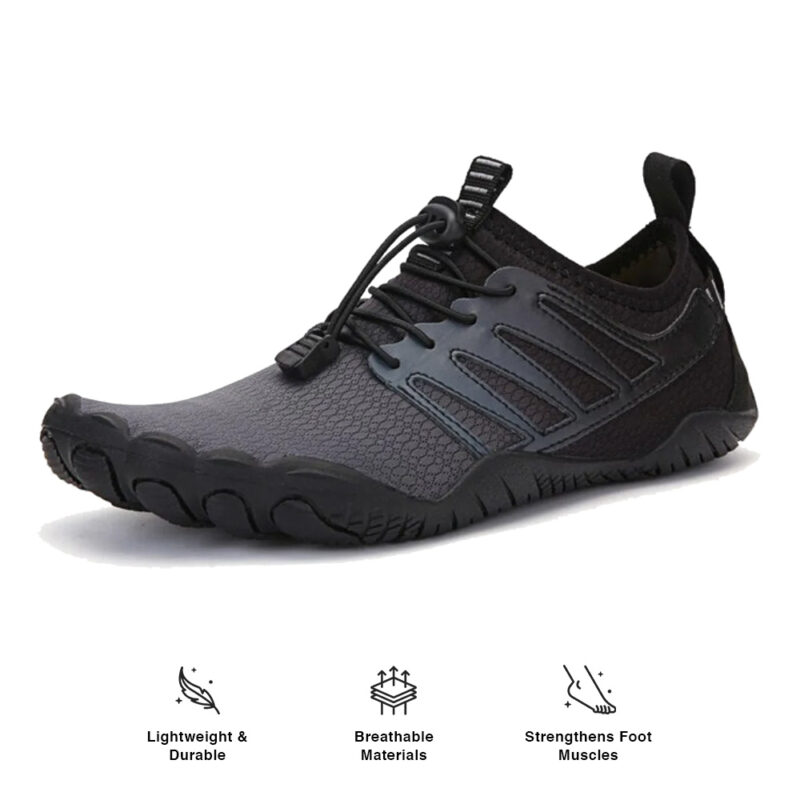
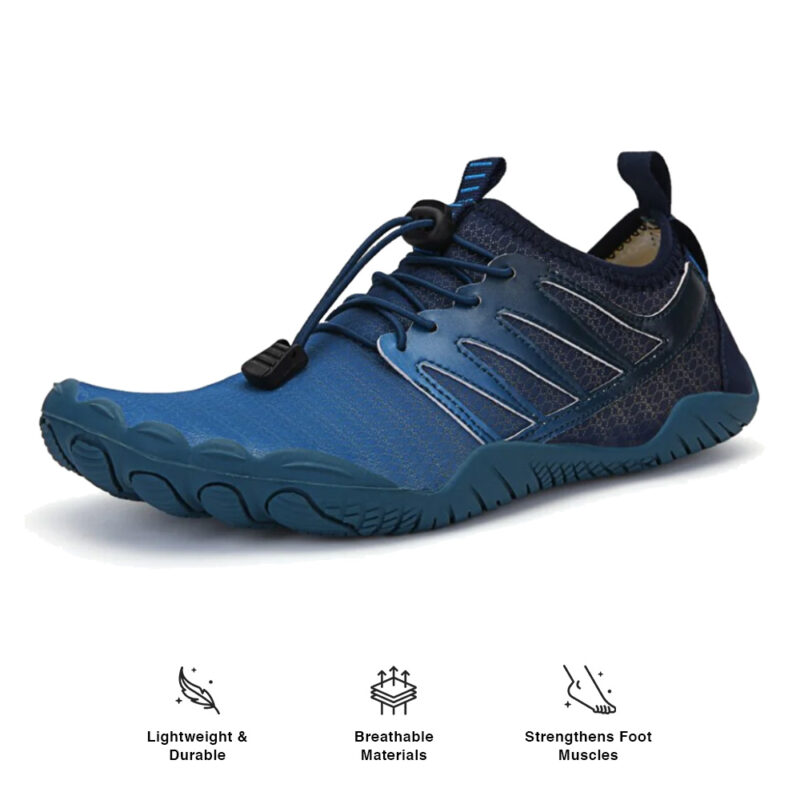
Your feet contain 26 bones, 33 joints, and over 100 muscles, tendons, and ligaments – yet most CrossFit shoes trap this incredible machinery in rigid, inflexible cages. When you can't feel the ground beneath you, your proprioception suffers, making it harder to maintain proper form during complex movements like snatches and clean-and-jerks. The best shoes for CrossFit allow your feet to spread naturally, creating a wider, more stable base for heavy lifts. Look for shoes with wide toe boxes and zero-drop soles that keep your foot in its natural position, and you'll immediately notice improved balance and lifting mechanics.
Ground Connection: The Missing Link in Your Training
Every experienced CrossFitter knows that explosive power starts from the ground up, but thick, cushioned soles create a barrier between you and that essential connection. When your feet can't grip and respond to the floor, you lose precious energy transfer and stability during movements like box jumps, burpees, and kettlebell swings. Minimalist shoes with thin, flexible soles restore that direct ground contact your nervous system craves. The best shoes for CrossFit feature minimal sole thickness that allows your feet to truly "feel" the ground, improving your reaction time and movement quality. Start with short training sessions in minimalist footwear to gradually build up your foot strength and proprioceptive awareness.
Building Bulletproof Feet Through Natural Movement
Weak feet lead to compensation patterns that travel up your kinetic chain, creating inefficiencies and injury risks throughout your body. Traditional shoes with arch support actually weaken your feet by doing the work your muscles should be performing, leaving you dependent on external support rather than building internal strength. The best shoes for CrossFit challenge your feet to work harder, developing the intrinsic muscle strength that provides genuine, lasting stability. Shoes that allow natural foot flexion and toe splay encourage your feet to strengthen with every step, creating a more resilient foundation for your training. Incorporate balance work and single-leg exercises while wearing your minimalist shoes to accelerate foot strength development.
Toe Spread: Your Secret Weapon for Stability
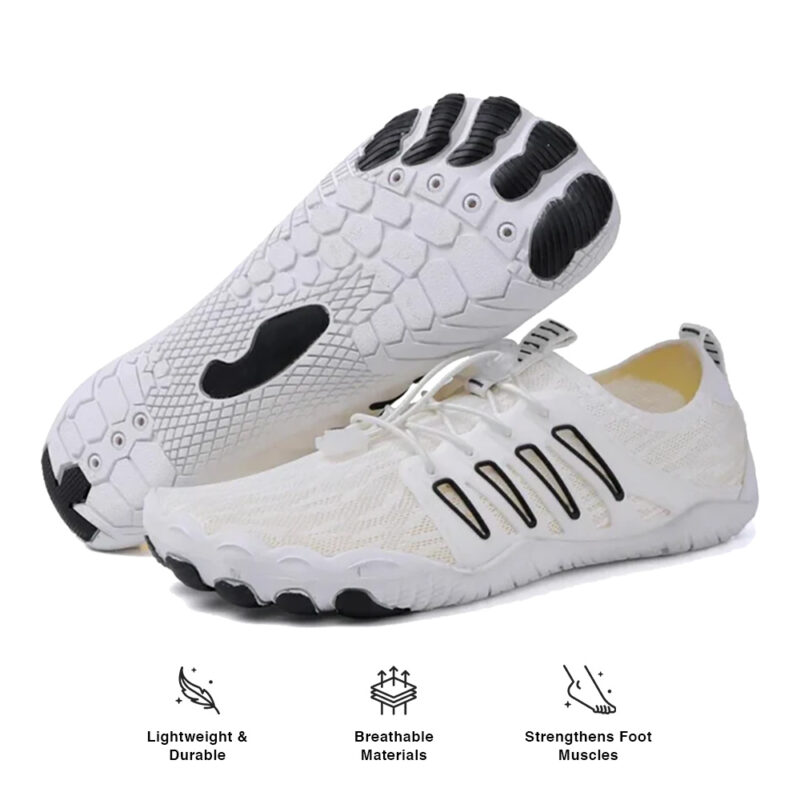
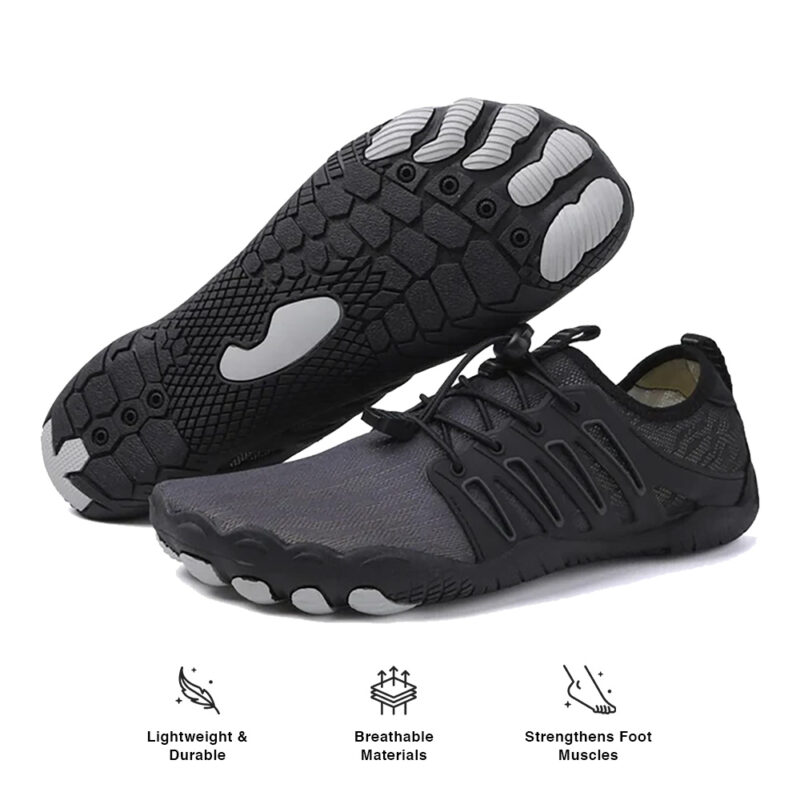
When your toes are cramped together in narrow toe boxes, you lose one of your most powerful tools for creating stability and generating force. Your toes are designed to spread wide, creating a tripod base that enhances balance and power transfer during lifts and dynamic movements. Many CrossFit athletes struggle with ankle mobility and knee tracking issues that stem directly from restricted toe movement. The best shoes for CrossFit feature anatomically shaped toe boxes that mirror your foot's natural outline, allowing full toe spread and improved foot function. Practice picking up small objects with your toes and performing calf raises with emphasis on toe spread to maximize the benefits of your foot-shaped footwear.
Zero Drop: Aligning Your Body for Optimal Movement
The elevated heel found in most athletic shoes tilts your body forward, forcing compensation patterns that affect your entire movement chain. This artificial heel elevation shortens your calf muscles, reduces ankle mobility, and shifts your weight onto your forefoot when you should be balanced over your entire foot. CrossFit demands full-body coordination and proper positioning for movements like overhead squats and thrusters. The best shoes for CrossFit maintain a zero-drop profile, keeping your heel and forefoot at the same level for natural alignment and improved biomechanics. Focus on ankle mobility exercises and gradually increase your time in zero-drop shoes to help your body adapt to this more natural positioning.
Durability That Matches Your Training Intensity
CrossFit puts shoes through incredible punishment – rope climbs, box jumps, lateral movements, and everything in between. You need footwear that can handle the abuse without breaking down or compromising foot health. Many minimalist shoes are built with high-quality materials that prioritize longevity over flashy aesthetics, using reinforced areas where CrossFit movements create the most wear. The best shoes for CrossFit combine minimalist design principles with construction techniques that withstand intense, varied training demands. Look for shoes with reinforced toe caps for rope climbs and durable outsole compounds that grip various gym surfaces. Rotate between two pairs to extend the life of your footwear and give each pair time to fully dry between intense sessions.
Making the Transition: Your Minimalist CrossFit Journey
Moving from traditional CrossFit shoes to minimalist footwear requires patience and progressive adaptation to avoid injury and maximize benefits. Your feet, calves, and entire lower kinetic chain need time to strengthen and adjust to this new way of moving. Start by wearing your minimalist shoes for warm-ups and skill work, gradually incorporating them into more demanding portions of your workouts as your comfort and strength improve. The best shoes for CrossFit become even more effective when you support the transition with targeted foot strengthening exercises and mobility work. Pay attention to any discomfort and back off if needed – the goal is building long-term foot health and performance, not rushing through the adaptation process.