Why Foot Sensation Matters More Than Protection Alone
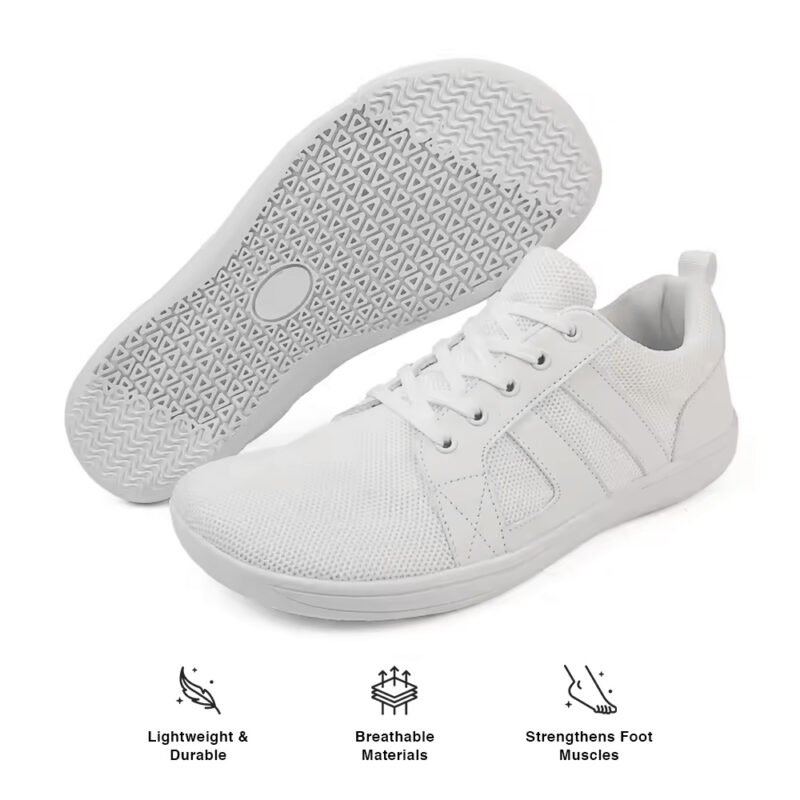
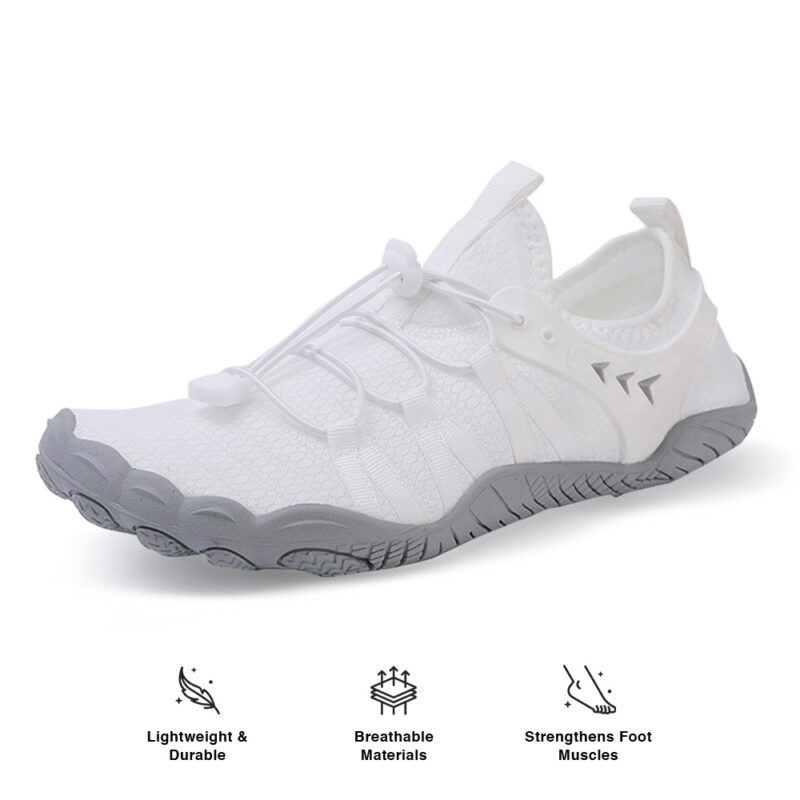
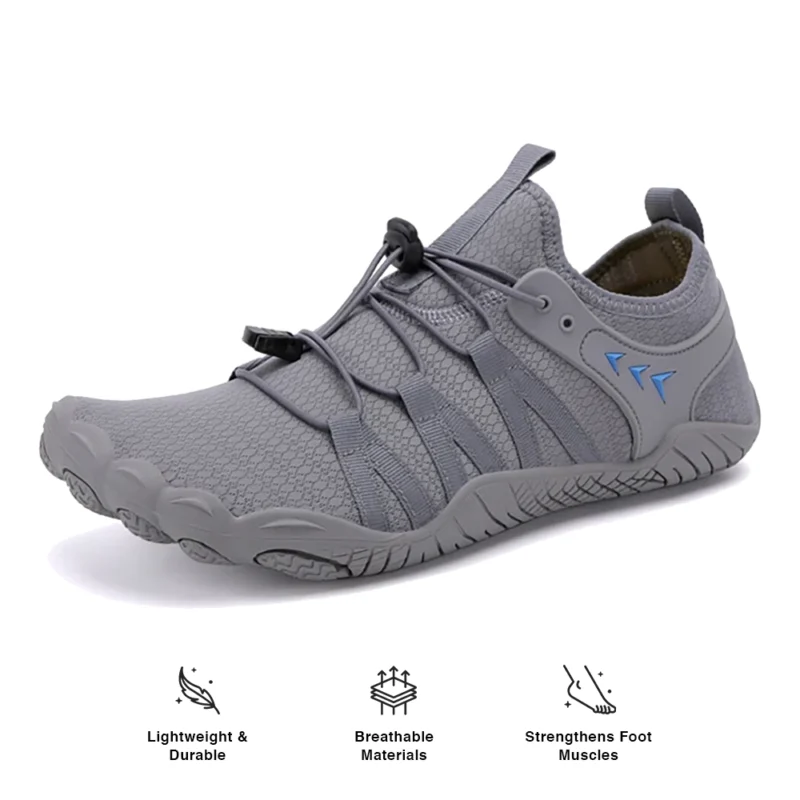
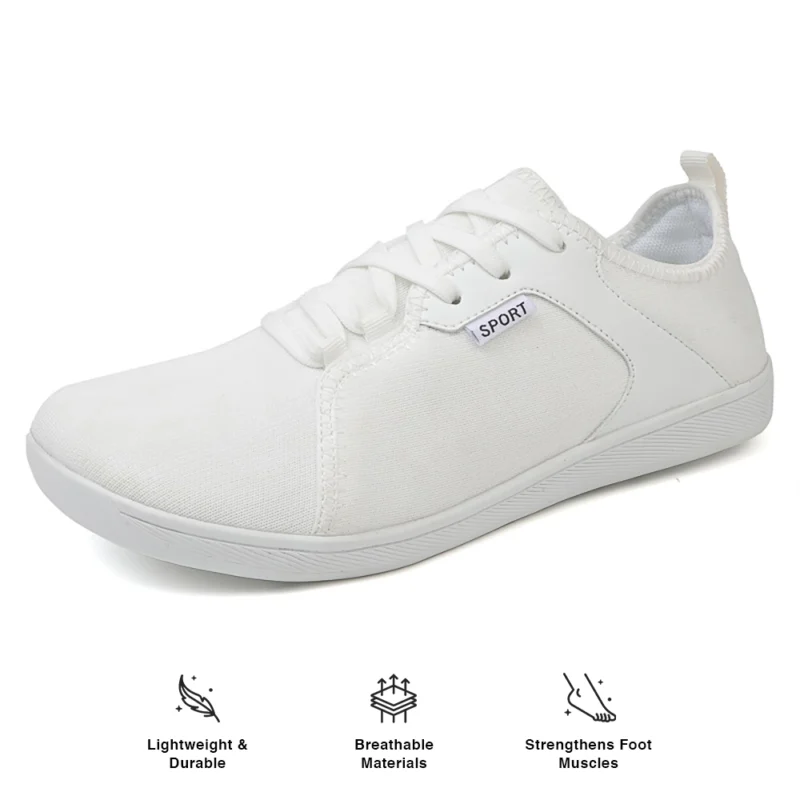
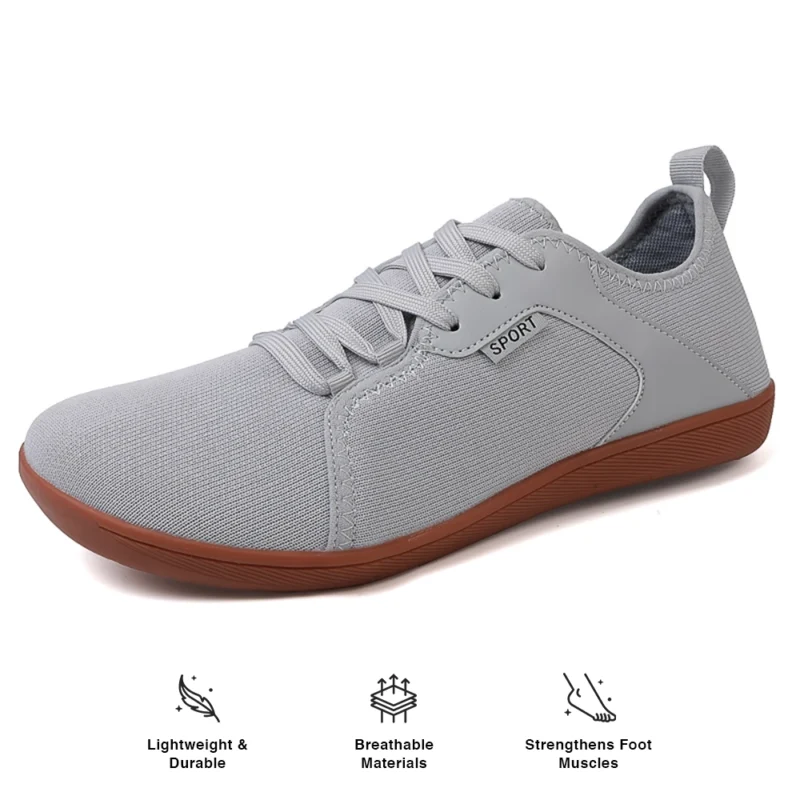
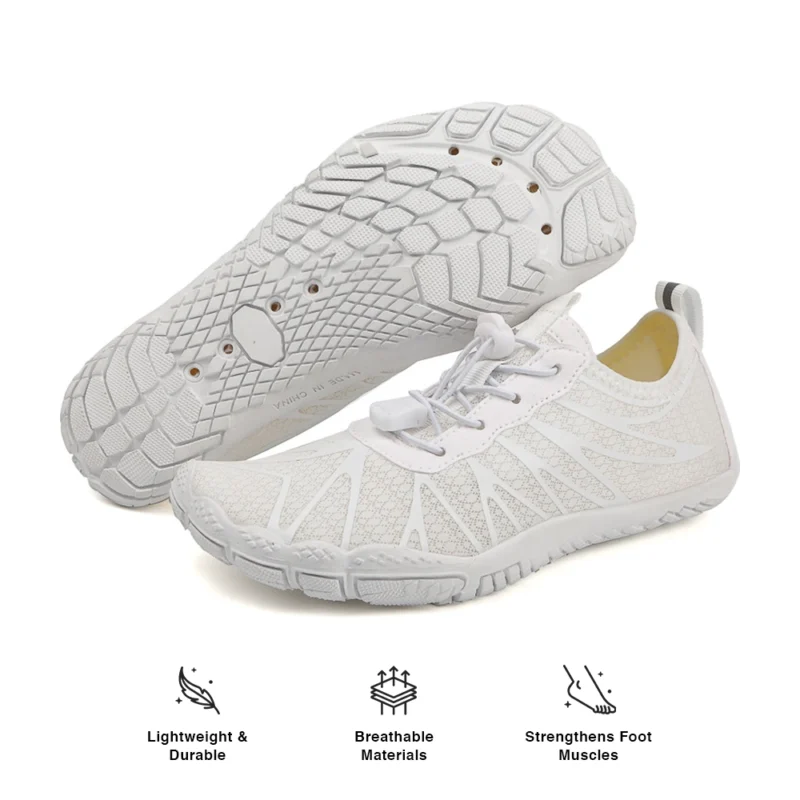
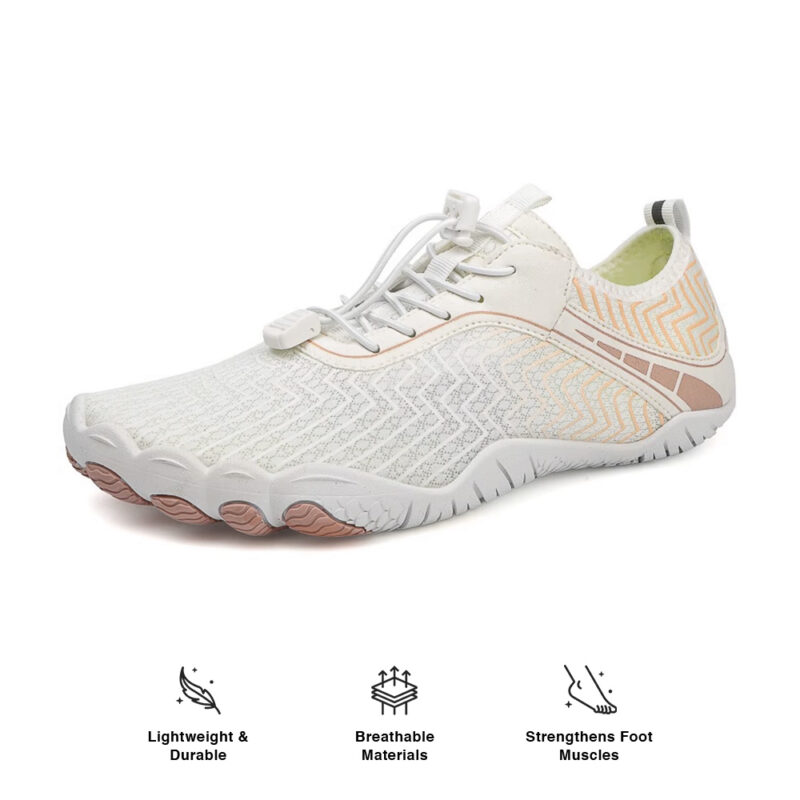
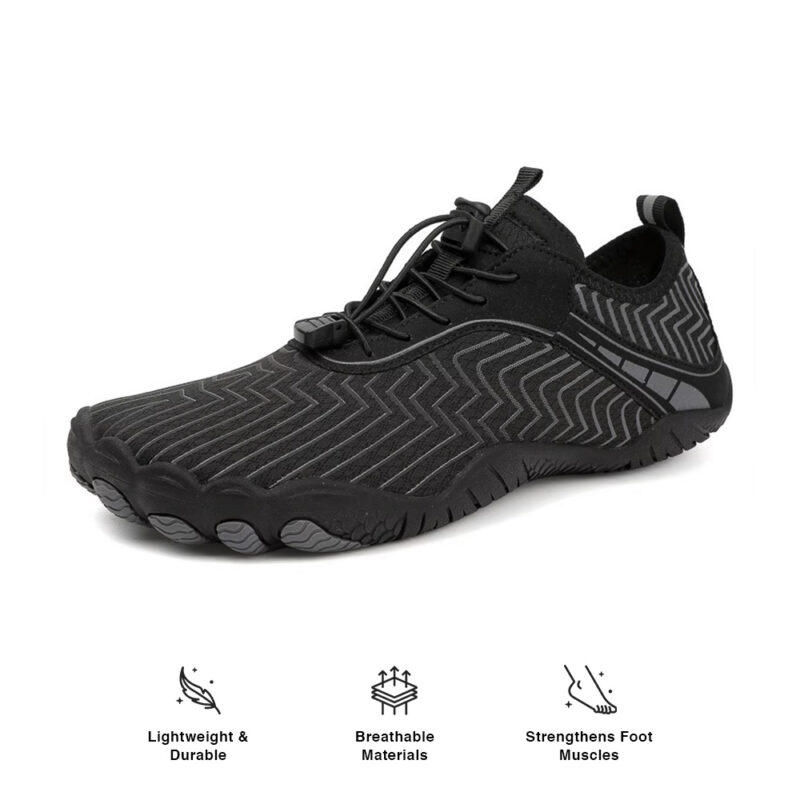
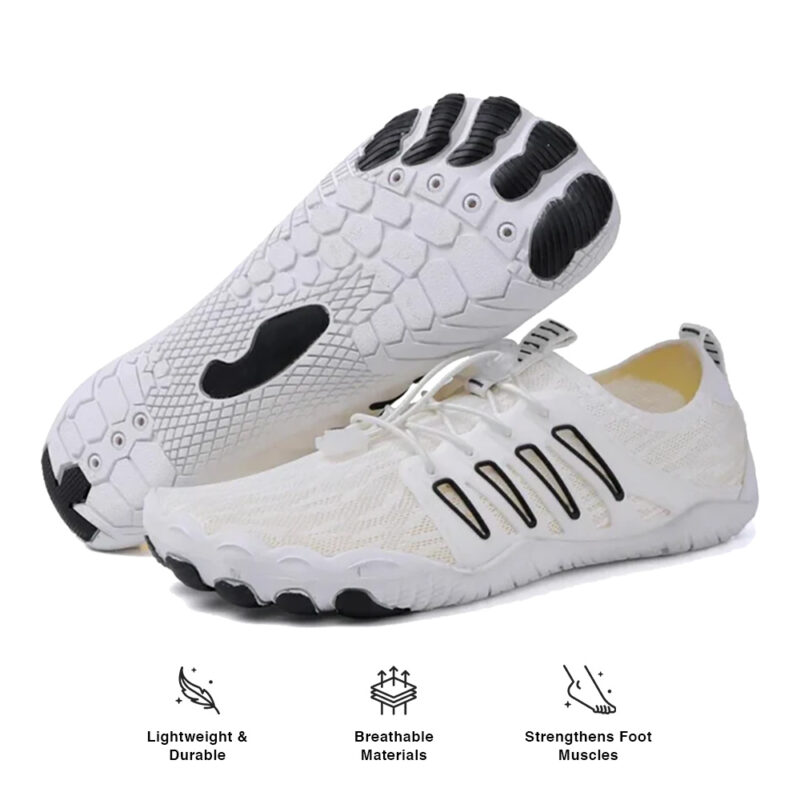
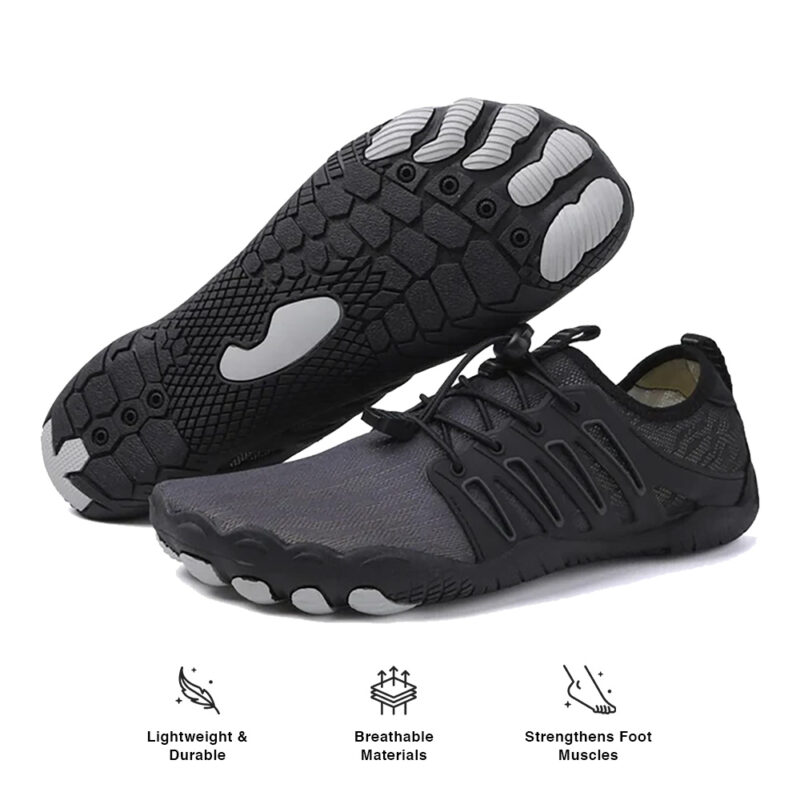
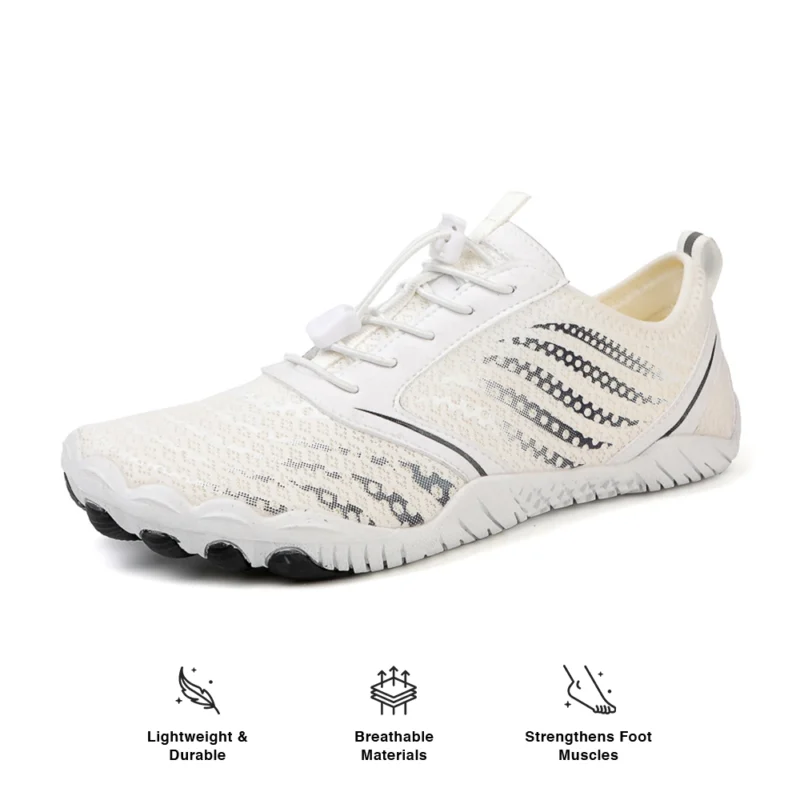
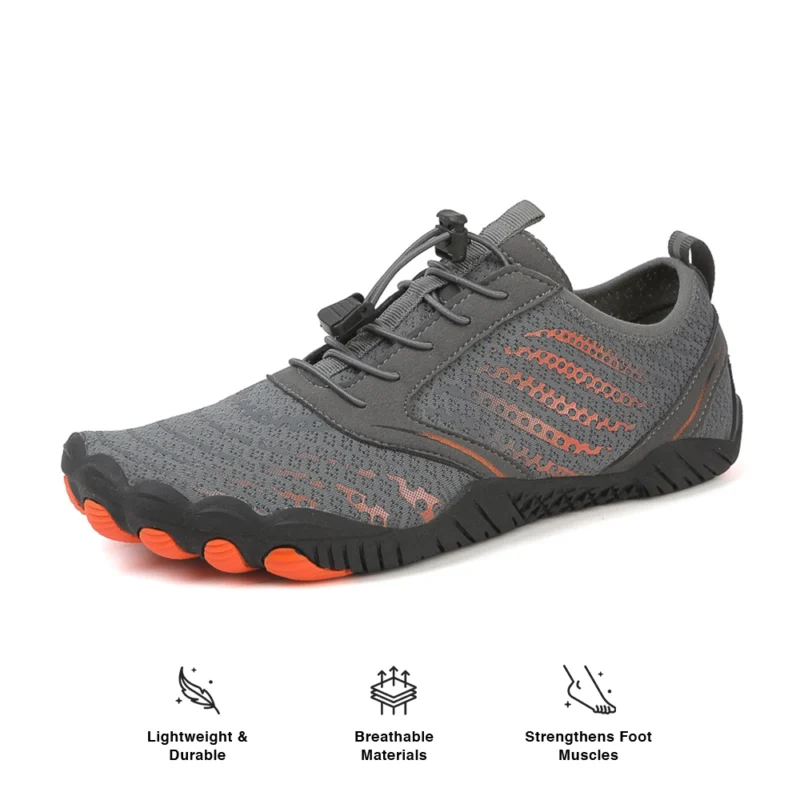
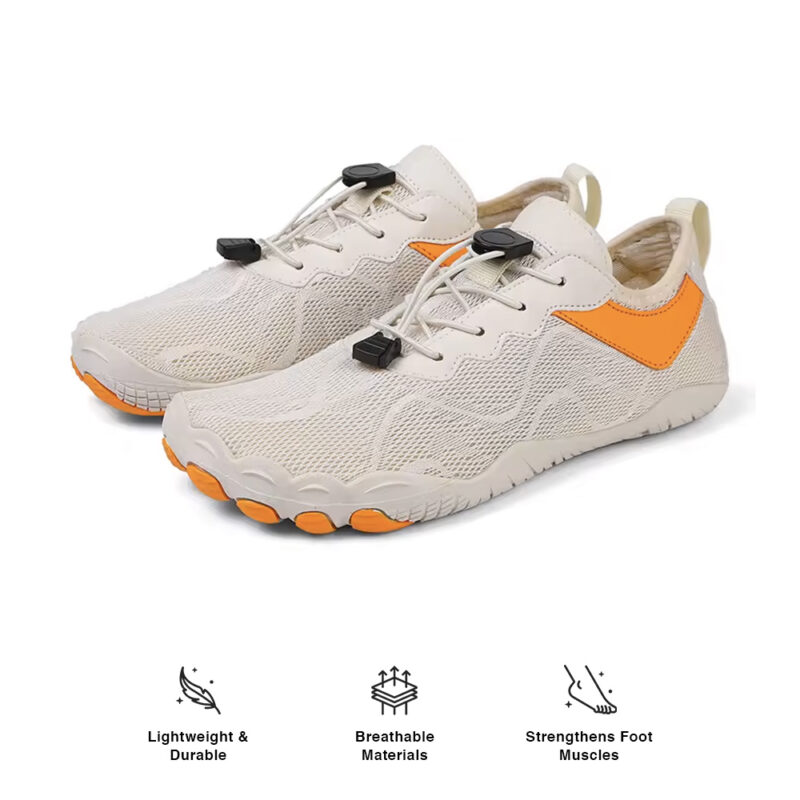
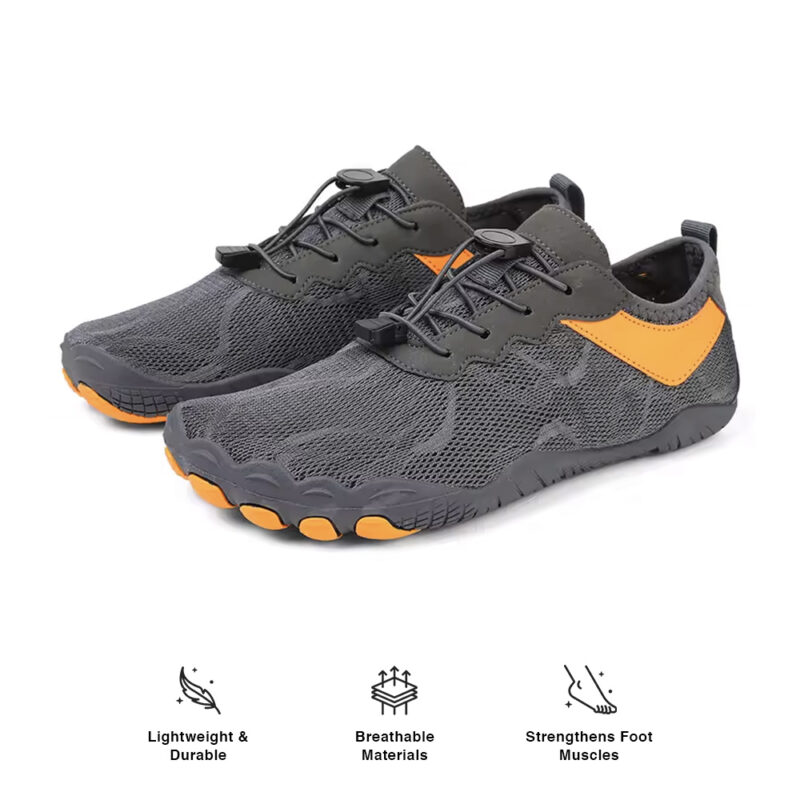
Living with reduced foot sensation makes you hyperaware of every shoe choice, but many diabetic-friendly options actually reduce your connection to the ground even further. When searching for the best shoes for diabetics, you need footwear that maintains whatever natural feeling you have left rather than eliminating it completely. Barefoot-style shoes feature thin, flexible soles that allow maximum ground feedback while still providing a protective barrier. This enhanced sensory input helps your brain better understand foot placement and weight distribution. Start by wearing minimal shoes for short periods indoors to gradually rebuild your foot-ground connection safely.
Circulation Challenges and the Freedom Your Feet Crave
Poor circulation in your feet creates discomfort that makes you want to squeeze into supportive shoes, but restriction often worsens the problem you're trying to solve. The best shoes for diabetics promote healthy blood flow through unrestricted movement rather than compression or tight fitting. Minimalist footwear allows your foot muscles to contract and relax naturally with each step, acting like tiny pumps that encourage circulation throughout your lower extremities. Wide toe boxes prevent compression of blood vessels, while flexible materials move with your foot rather than against it. Choose shoes with adjustable closures that accommodate daily swelling changes without creating pressure points.
Building Strength When Your Foundation Feels Uncertain
Diabetes can make your feet feel unreliable, leading you to seek stability through rigid footwear that ultimately weakens the very muscles you need most. Strong foot muscles provide better stability and protection than any external support system can offer. When looking for the best shoes for diabetics, prioritize flexibility that allows your intrinsic foot muscles to engage and strengthen with every step. Minimalist designs require your feet to work harder initially, but this gradual strengthening process builds resilience against injury over time. Begin with short walks on smooth, familiar surfaces while your feet adapt to their newfound freedom and strength.
Balance and Confidence in Every Step
Neuropathy affects your proprioception – your body's ability to sense where you are in space – making balance feel precarious and every surface potentially dangerous. However, shoes that disconnect you further from the ground rob you of valuable sensory information needed for steady movement. The best shoes for diabetics enhance rather than eliminate ground feel, providing your nervous system with clear signals about surface changes and weight shifts. Flexible soles and minimal heel elevation keep your body in natural alignment, improving your center of gravity and reducing fall risk. Practice balance exercises while wearing your minimal shoes to maximize the neurological benefits of enhanced ground contact.
Comfort That Comes From Function, Not Cushioning
Years of cushioned, supportive footwear may have trained you to associate comfort with padding, but true comfort for diabetic feet comes from proper function rather than artificial support. When your feet can move naturally, they distribute pressure more evenly and adapt to surfaces more effectively than any engineered sole design. Seeking the best shoes for diabetics means finding footwear that allows your foot's natural shock absorption system to work optimally. Thin, flexible soles initially feel different, but they enable your foot's built-in spring mechanism to function properly, reducing hotspots and pressure concentrations that lead to complications. Allow several weeks for your feet to rediscover their natural comfort patterns.
Protection Without Imprisonment
You need real protection from sharp objects and rough surfaces, but not at the expense of foot function and health. The challenge is finding shoes that shield your feet while preserving mobility and sensation. The best shoes for diabetics feature durable yet thin sole materials that block hazards without blocking feedback from the ground below. Look for puncture-resistant soles made from flexible compounds rather than rigid plastic or thick rubber. Upper materials should breathe well to prevent moisture buildup while fitting securely without tightness. Your goal is creating a second skin that protects while preserving your foot's natural capabilities and movement patterns.
Long-Term Foot Health Through Natural Movement
Managing diabetes means thinking beyond immediate comfort to long-term foot health and function. Traditional diabetic footwear often prioritizes short-term symptom management over building the strength and resilience your feet need for years ahead. Choosing the best shoes for diabetics with a minimalist approach supports your feet's natural healing and strengthening processes rather than making them dependent on external support systems. Regular movement in flexible footwear improves circulation, maintains joint mobility, and keeps muscles active – all crucial factors for diabetic foot health. Commit to gradual transition periods and listen to your body's signals as your feet rediscover their natural strength and function.