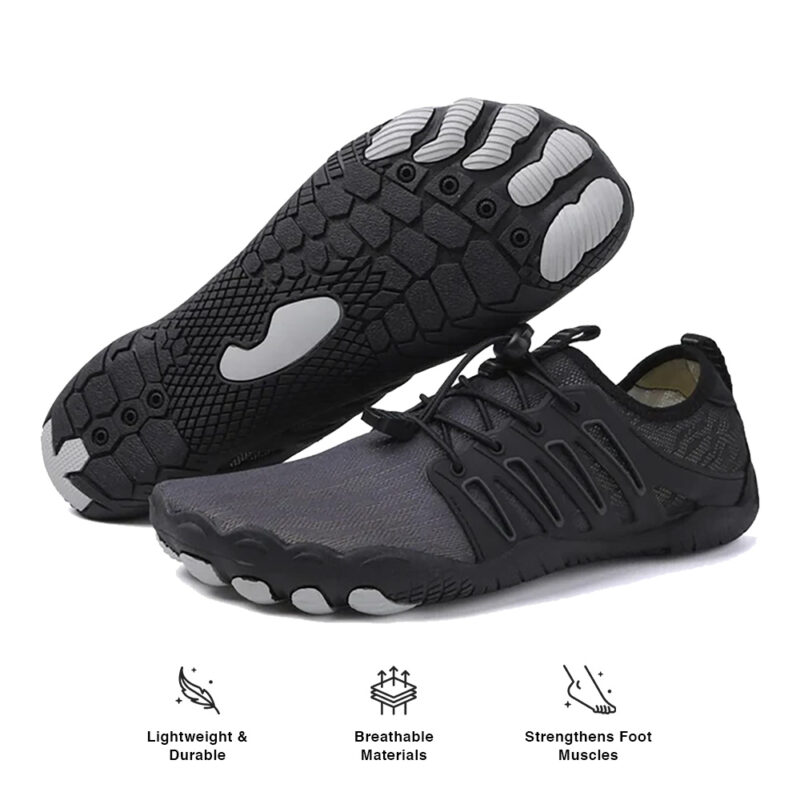
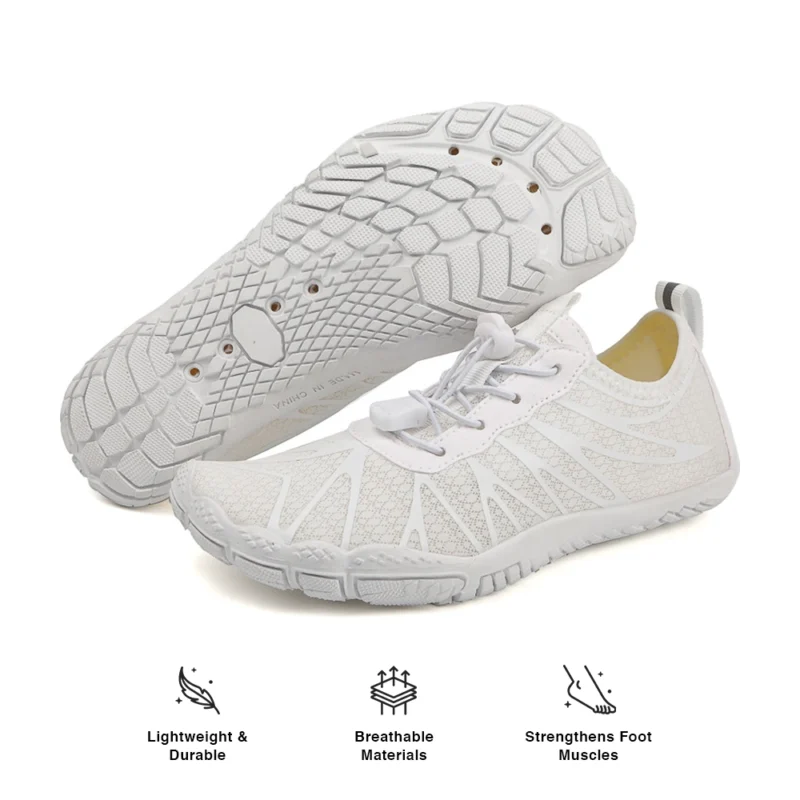
Your Feet Need Room to Breathe and Spread
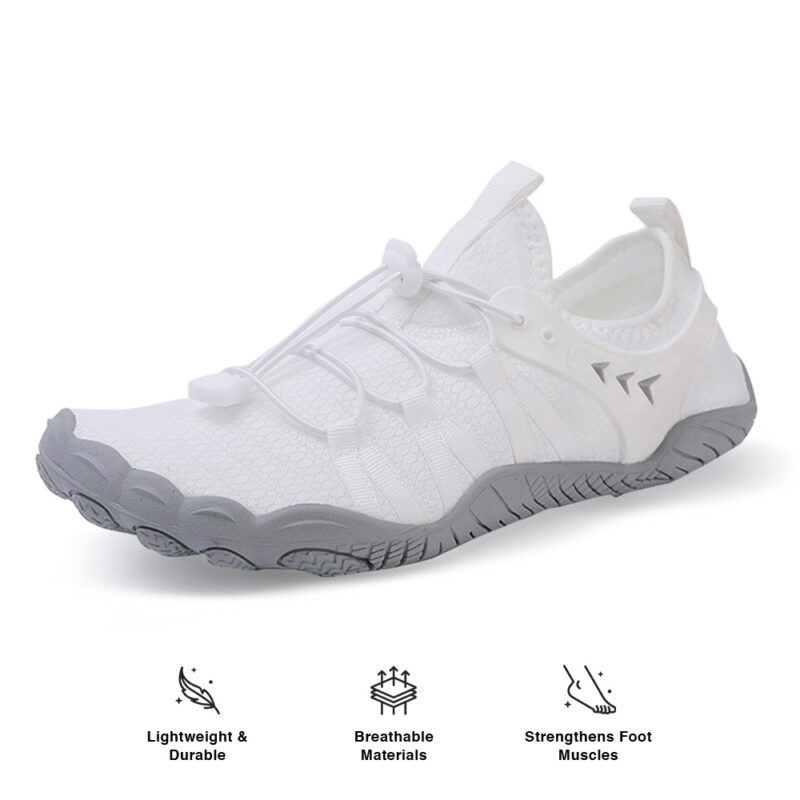
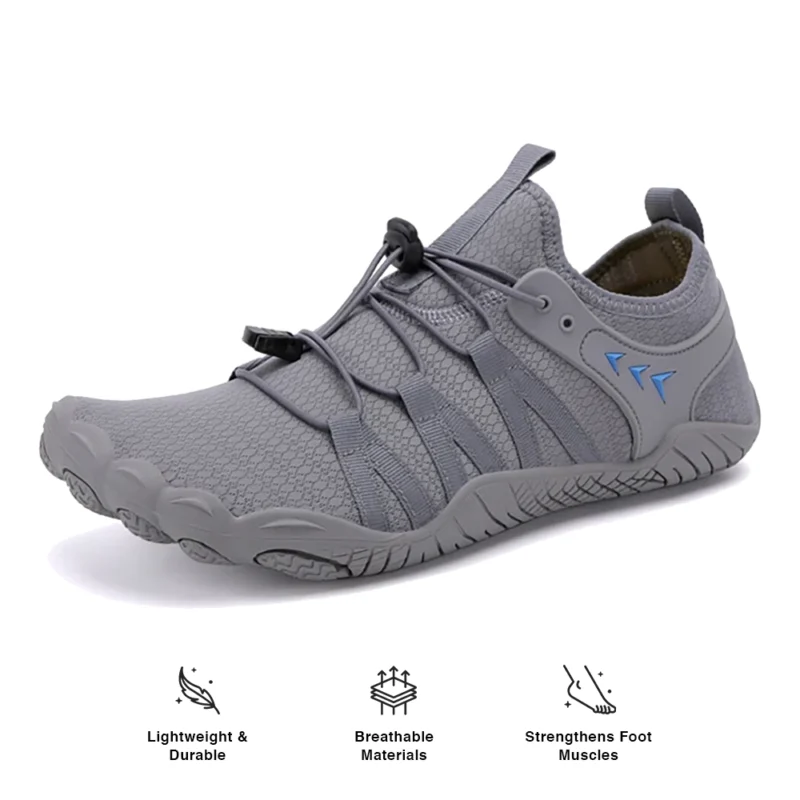
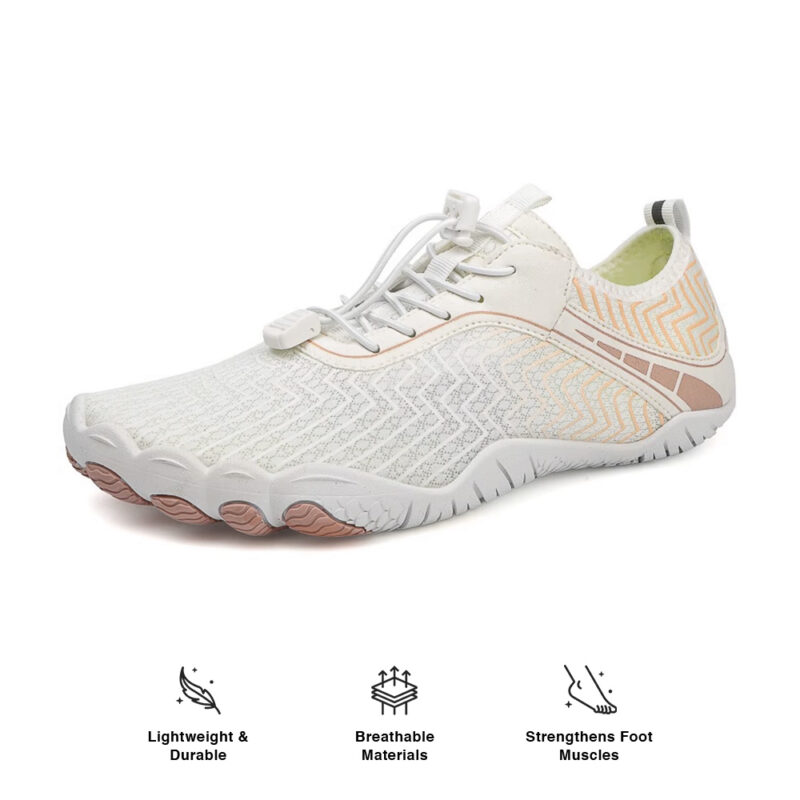
Standing for hours in cramped shoes creates pressure points, reduces circulation, and forces your toes into unnatural positions. Healthcare workers need footwear that accommodates the natural shape of their feet, especially during long shifts when feet naturally swell. Wide toe boxes in minimalist designs allow your toes to spread and grip, improving stability and reducing pressure. The best shoes for healthcare workers give your feet space to expand throughout your shift, preventing the cramped feeling that leads to numbness and pain. Look for shoes where you can wiggle all five toes freely—this simple test ensures your footwear won't fight against your foot's natural shape.
Ground Connection Improves Your Balance and Reduces Fatigue
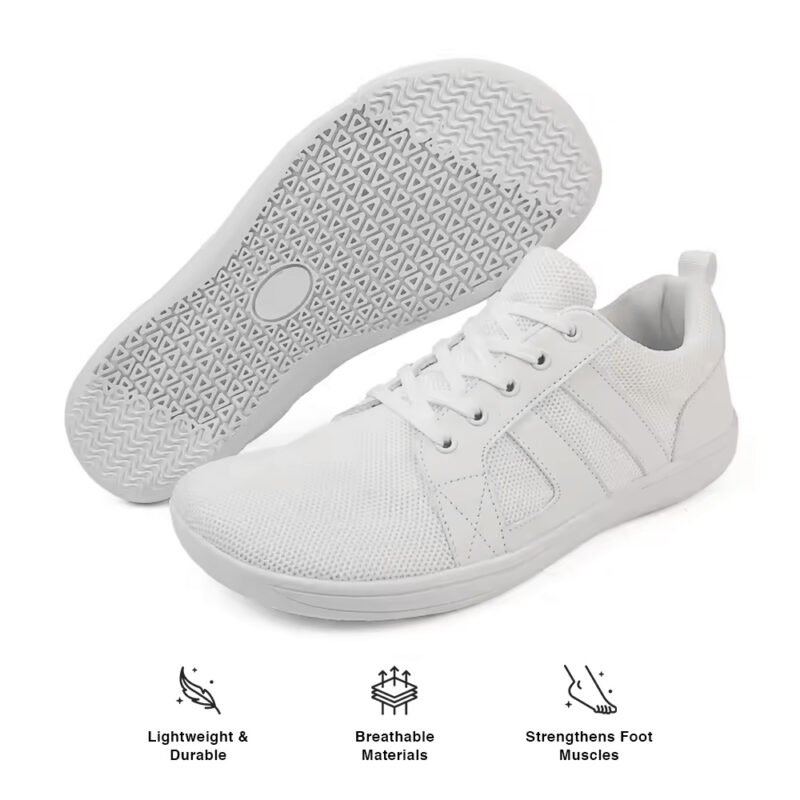
Thick, squishy soles might feel comfortable initially, but they disconnect you from the ground and make your body work harder to maintain balance. This constant micro-adjustment throughout your shift leads to fatigue in your feet, legs, and lower back. Thin, flexible soles in barefoot-style shoes provide just enough protection while maintaining ground connection. When you can feel the surface beneath your feet, your body naturally adjusts posture and balance more efficiently. The best shoes for healthcare workers offer this ground feedback, helping you move with greater confidence and less energy expenditure. Start with shoes that have 4-6mm soles to gradually transition while still meeting workplace requirements.
Natural Foot Movement Prevents Common Healthcare Worker Injuries
Rigid shoes force your feet into repetitive, limited movement patterns that can contribute to plantar fasciitis, bunions, and knee problems over time. Healthcare workers who spend years in restrictive footwear often develop compensation patterns that affect their entire kinetic chain. Flexible soles and uppers allow your feet to bend, twist, and adapt naturally with each step. This movement variety strengthens the small muscles in your feet and improves overall foot health. When searching for the best shoes for healthcare workers, choose shoes you can easily bend in half and twist—this flexibility translates to healthier movement patterns during your shifts.
Lightweight Design Reduces Leg Fatigue During Long Shifts
Heavy shoes add unnecessary weight to every step, multiplying the workload on your legs and cardiovascular system over a 12-hour shift. The cumulative effect of lifting extra weight thousands of times per shift contributes significantly to end-of-day exhaustion. Minimalist construction eliminates bulk while maintaining durability and protection. Materials like thin leather, breathable mesh, or lightweight synthetics provide the coverage you need without the burden. The best shoes for healthcare workers feel almost weightless on your feet, allowing you to focus your energy on patient care rather than fighting against your footwear. When trying on potential shoes, notice how they feel during the first few steps—that lightness will compound positively throughout your entire shift.
Easy Cleaning and Maintenance Keep You Professional
Healthcare environments demand footwear that can be quickly sanitized between shifts or during the workday. Traditional athletic shoes with complex cushioning systems trap moisture and bacteria in hard-to-reach places. Simple construction in quality barefoot shoes typically means fewer hiding places for contaminants and easier maintenance. Smooth leather uppers can be wiped down quickly, while some minimalist shoes are even machine washable. The best shoes for healthcare workers maintain their professional appearance while being practical to clean. Choose shoes with minimal seams, avoiding fabric combinations that might trap fluids or odors—your future self will appreciate the time saved on shoe maintenance.
Durability Through Simplicity Protects Your Investment
Healthcare workers need shoes that can withstand daily wear in demanding conditions without breaking down quickly. Ironically, the most durable footwear often has the least complex construction. When there are fewer components to fail—no air pockets to deflate, minimal foam to compress, fewer seams to separate—your shoes last longer. Quality minimalist shoes focus their construction budget on premium materials rather than complicated technology. Look for the best shoes for healthcare workers that offer simple, robust construction with reinforced high-wear areas. Full leather uppers or high-quality synthetic materials, combined with strong stitching, typically outlast shoes with multiple material combinations and complex sole systems.
Gradual Transition Maximizes Long-Term Foot Health
Moving from traditional supportive shoes to minimalist footwear requires a thoughtful approach, especially for healthcare workers who can't afford foot discomfort during critical work periods. Your feet need time to develop strength and adapt to new movement patterns. Start by wearing minimalist shoes for short periods outside of work, gradually increasing duration as your feet adapt. The best shoes for healthcare workers during transition might be those with moderate features—wider toe boxes and more flexibility than traditional shoes, but slightly more sole thickness than full minimalist designs. Consider having two pairs to rotate, allowing one to air dry while wearing the other. This gradual approach ensures you can continue providing excellent patient care while your feet develop the strength to fully embrace natural footwear.