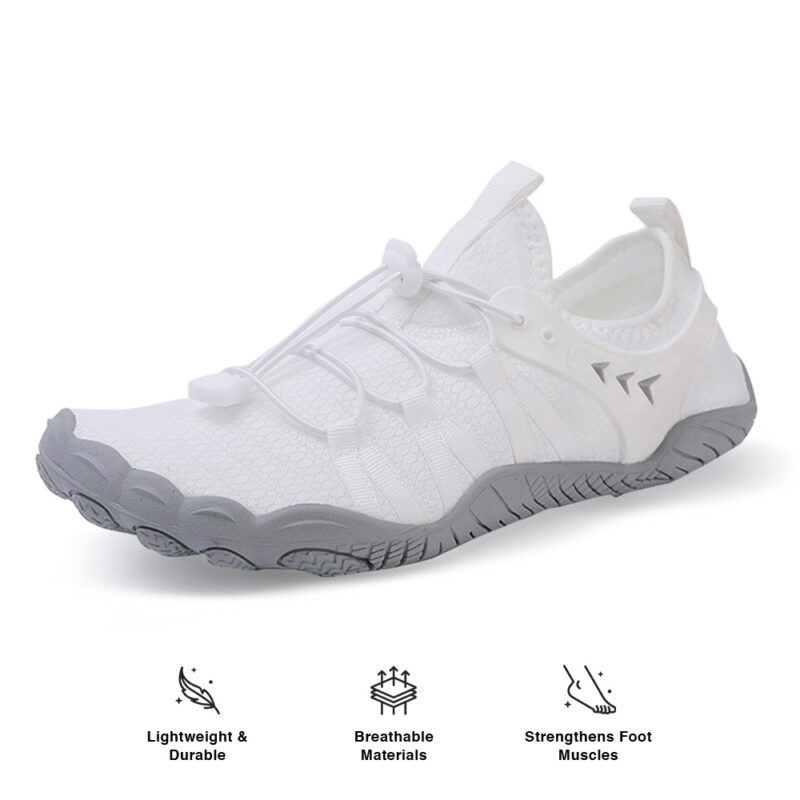
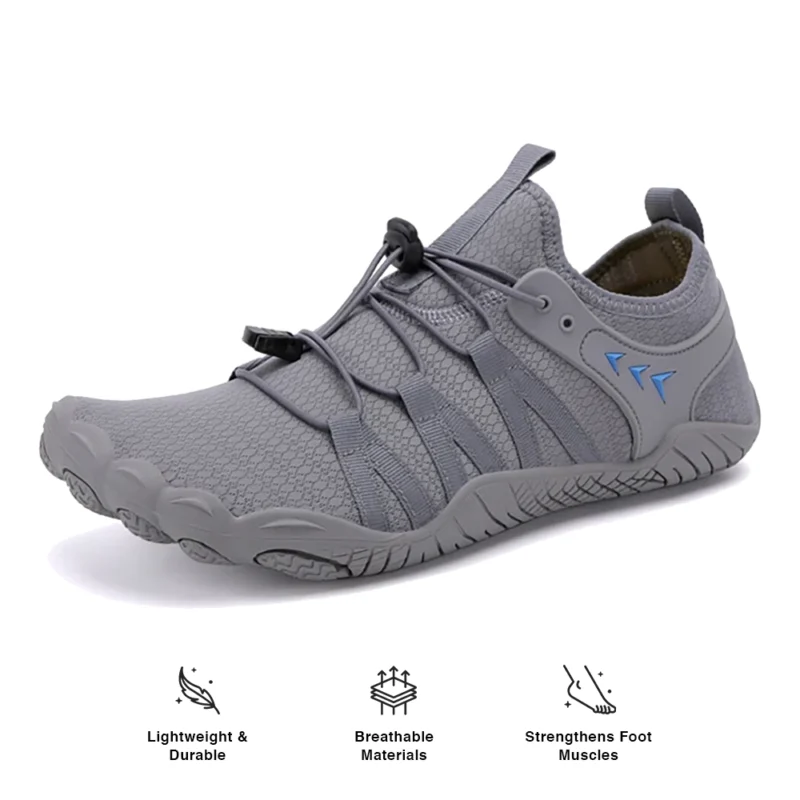
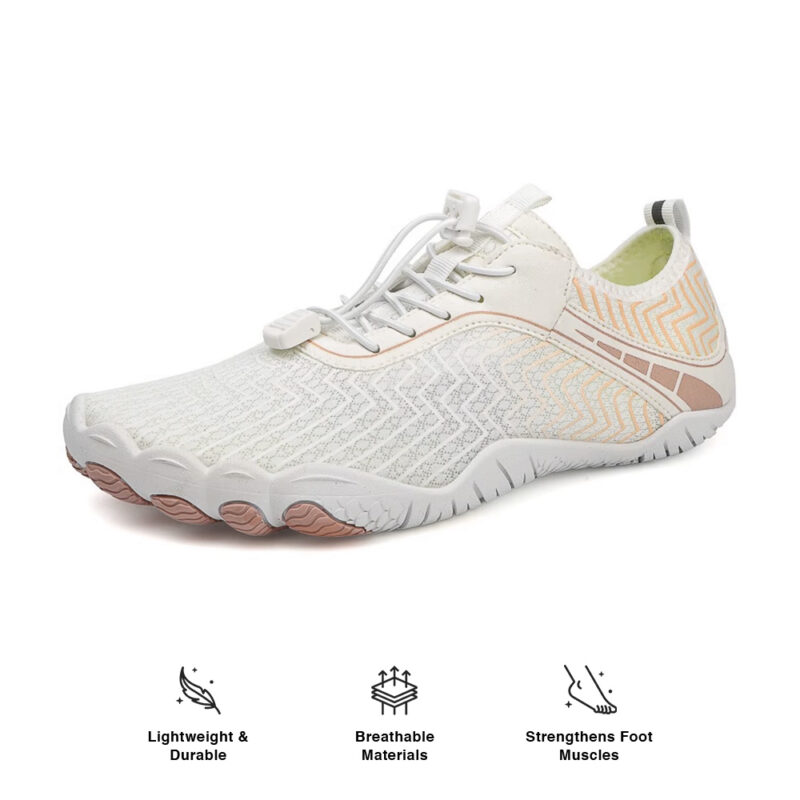
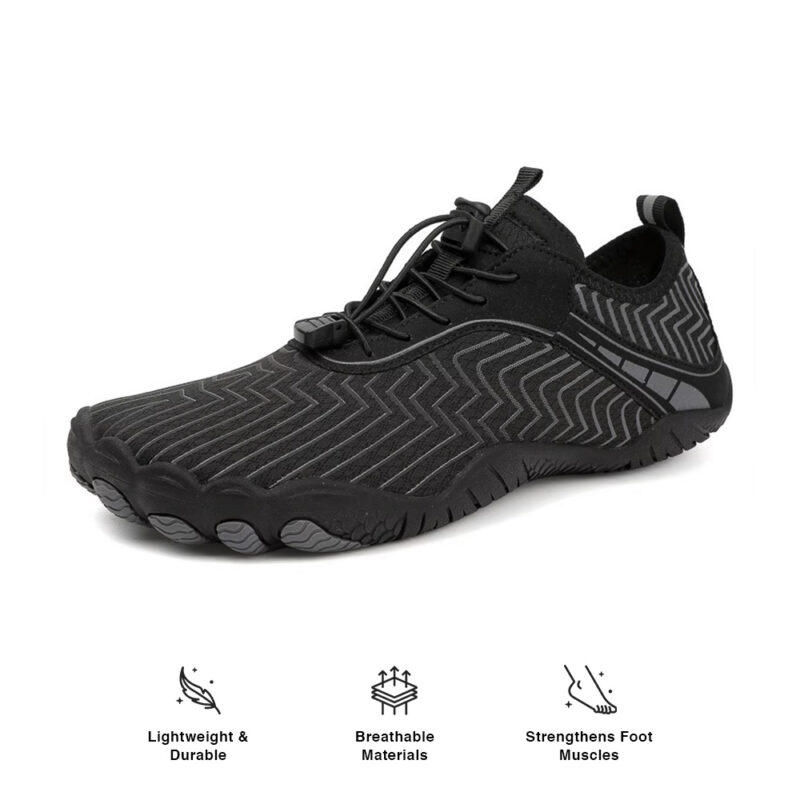
Why Traditional "Supportive" Shoes Keep You in Pain
The frustration of buying expensive shoes marketed for heel pain only to find yourself still suffering is all too real. You've been told that more cushioning and arch support are the answers, but your heel pain persists or even worsens. The problem lies in how conventional shoes weaken your feet over time by doing all the work for them. When shoes provide artificial support, your foot muscles become dependent and lazy, unable to support your body weight naturally. The best shoes for heel pain take the opposite approach by gradually strengthening your feet's natural support system. Start by wearing minimalist shoes for short periods and gradually increasing the time as your feet adapt and strengthen.
How Ground Connection Transforms Heel Pain Relief
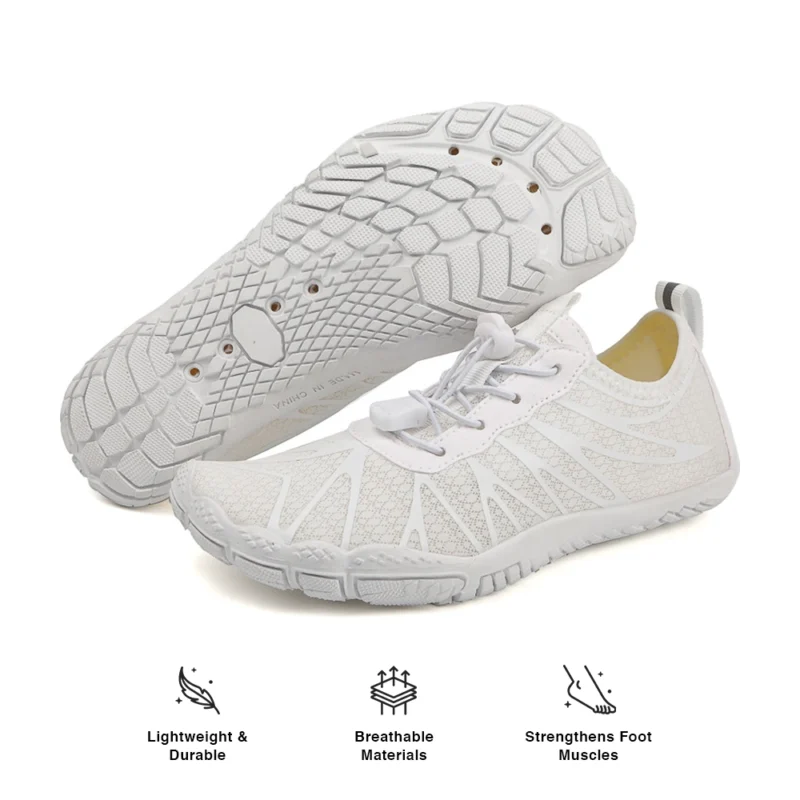
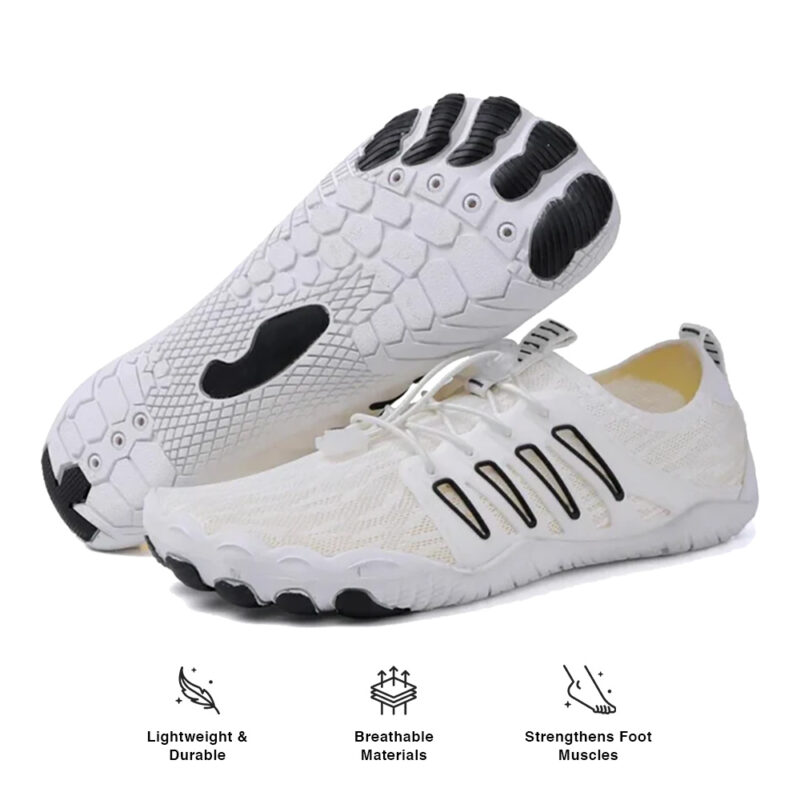
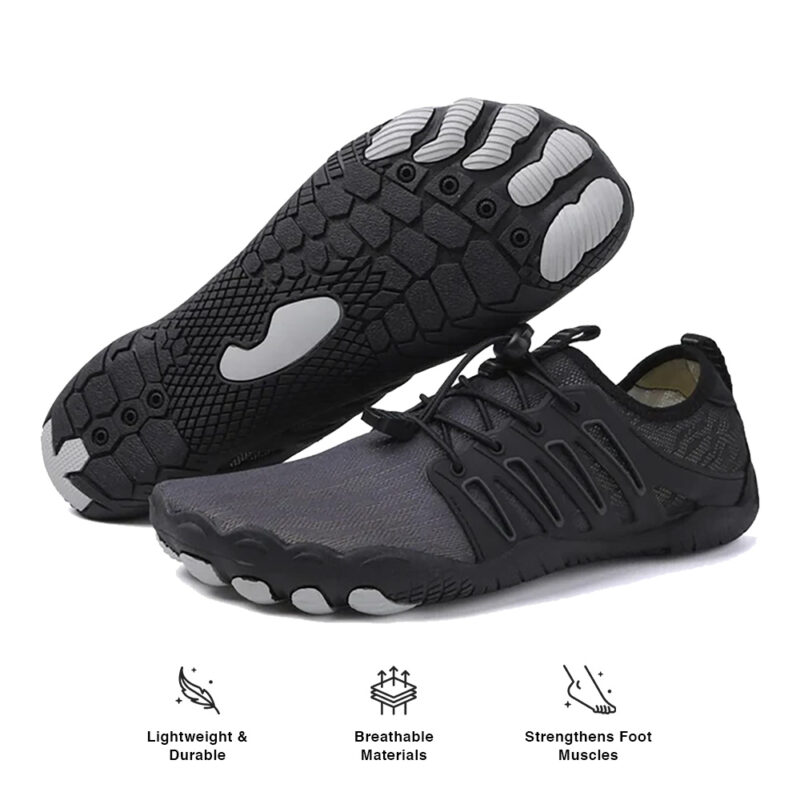
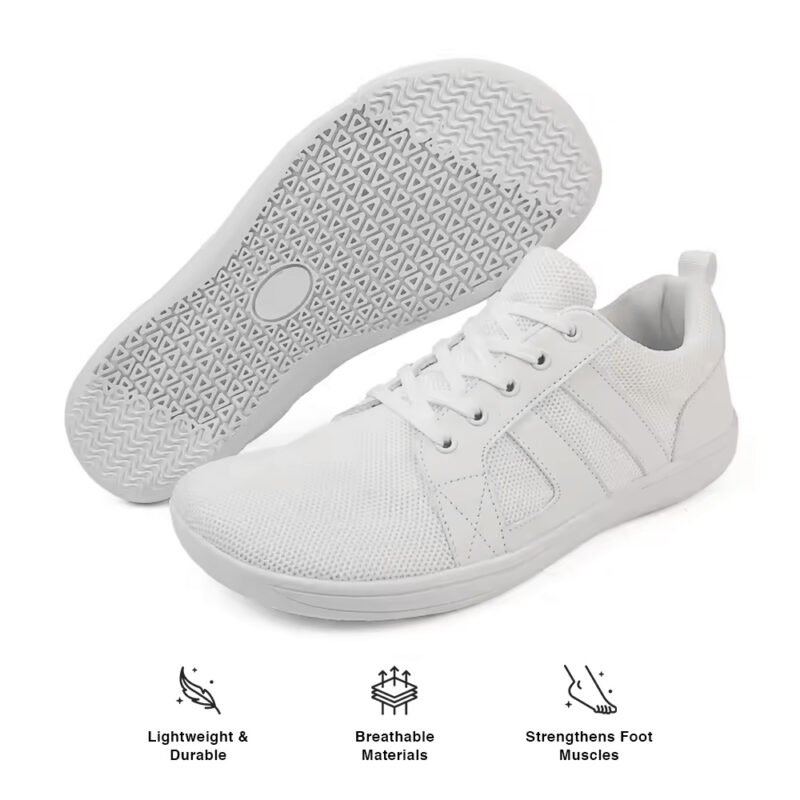
Your heels hurt partly because your feet have lost their ability to sense and respond to the ground beneath you. Thick, cushioned soles create a barrier that prevents your nervous system from making micro-adjustments that distribute weight evenly across your entire foot. This lack of proprioception forces your heels to bear excessive impact with each step. Barefoot-style shoes restore this crucial ground connection, allowing your feet to naturally adjust their position and gait for optimal weight distribution. The best shoes for heel pain feature thin, flexible soles that let you feel the ground while still protecting your feet from harsh surfaces. Begin transitioning by walking on different natural surfaces barefoot for a few minutes daily to reawaken your foot's sensory capabilities.
Natural Foot Shape: The Foundation of Heel Pain Recovery
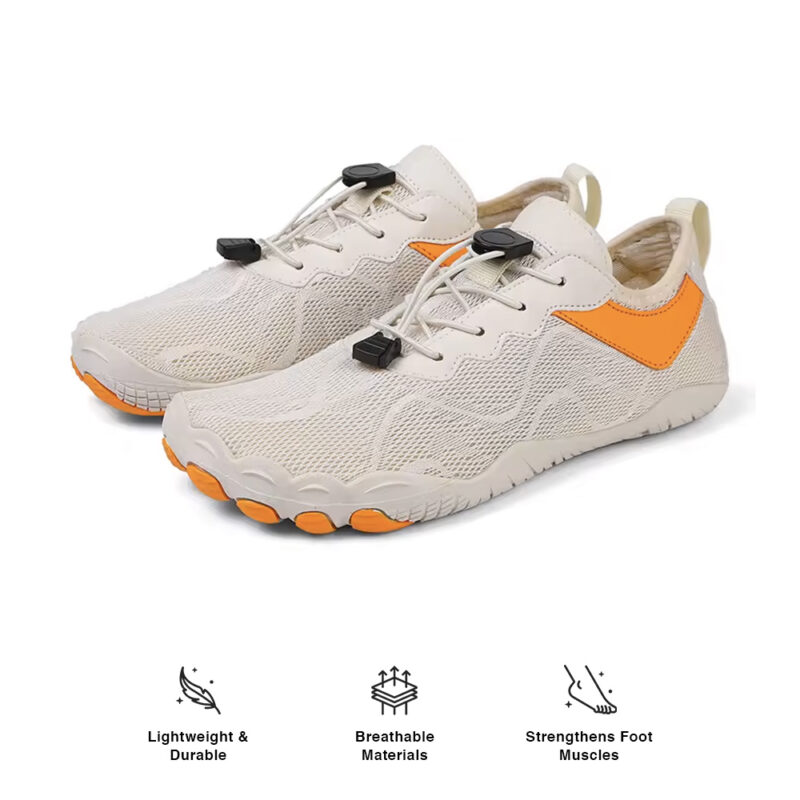
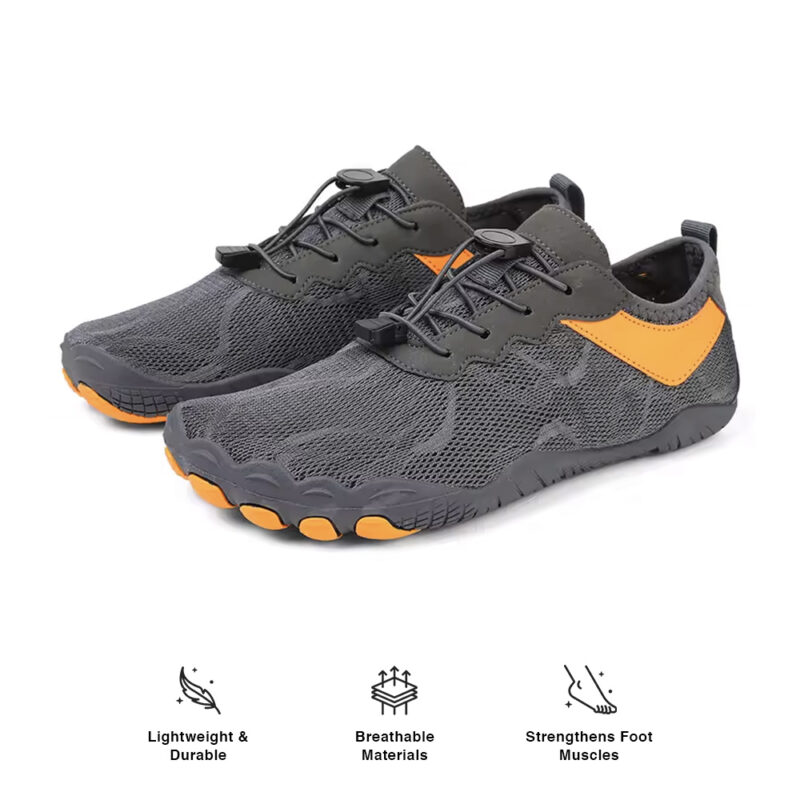
Years of wearing narrow, pointed shoes have likely altered your foot's natural shape, contributing to heel pain through misalignment and muscle imbalances. Your toes should be able to spread wide for stability, and your foot should maintain its natural arch without artificial intervention. When your feet are cramped into restrictive footwear, the entire kinetic chain from your heels to your hips becomes compromised. The best shoes for heel pain feature wide toe boxes that allow your toes to spread naturally and maintain proper alignment throughout your body. Choose shoes that match your foot's natural shape rather than forcing your feet into unnatural positions, and notice how this simple change can reduce heel stress significantly.
Building Foot Strength Through Natural Movement
The weakness in your feet and lower legs directly contributes to heel pain because these muscles can no longer provide adequate support during daily activities. Traditional shoes with rigid soles prevent the small muscles in your feet from engaging and strengthening with each step. Your feet contain over 100 muscles, tendons, and ligaments that are meant to work together as a sophisticated support system. Minimalist footwear allows these structures to move and strengthen naturally, gradually reducing the load on your heels as your entire foot becomes more capable. The best shoes for heel pain encourage natural flexion and extension of your foot muscles with every step. Incorporate simple foot exercises like toe spreading and calf raises while wearing your minimalist shoes to accelerate the strengthening process.
Improving Posture and Gait for Long-Term Relief
Your heel pain might actually stem from poor posture and gait patterns that have developed over time due to compensatory movements and restrictive footwear. When your feet can't move naturally, your entire body adjusts in ways that often place excessive stress on your heels. Elevated heels in most shoes tip your body forward, forcing you to adjust your posture in ways that increase impact on your heels with each step. The best shoes for heel pain feature zero-drop soles that keep your heel and forefoot at the same level, promoting natural posture and reducing heel strike intensity. Pay attention to how your body feels different when walking in flat, flexible shoes—many people notice improved posture and reduced heel pain within just a few weeks.
Gradual Transition: Your Path to Stronger, Pain-Free Feet
The biggest mistake people make when switching to minimalist footwear is doing too much too soon, which can initially increase foot discomfort and discourage continued use. Your feet have likely been dependent on artificial support for years, and they need time to rebuild strength and adapt to their new freedom. The transition process should be gradual and mindful, allowing your feet to slowly remember how to function naturally. Start by wearing the best shoes for heel pain for just one hour daily, gradually increasing the duration as your feet adapt and strengthen. Listen to your body and rest when needed—some initial muscle soreness is normal as your feet begin working in ways they haven't for years, but sharp pain should never be ignored.