Your Feet Are Stronger Than You Think
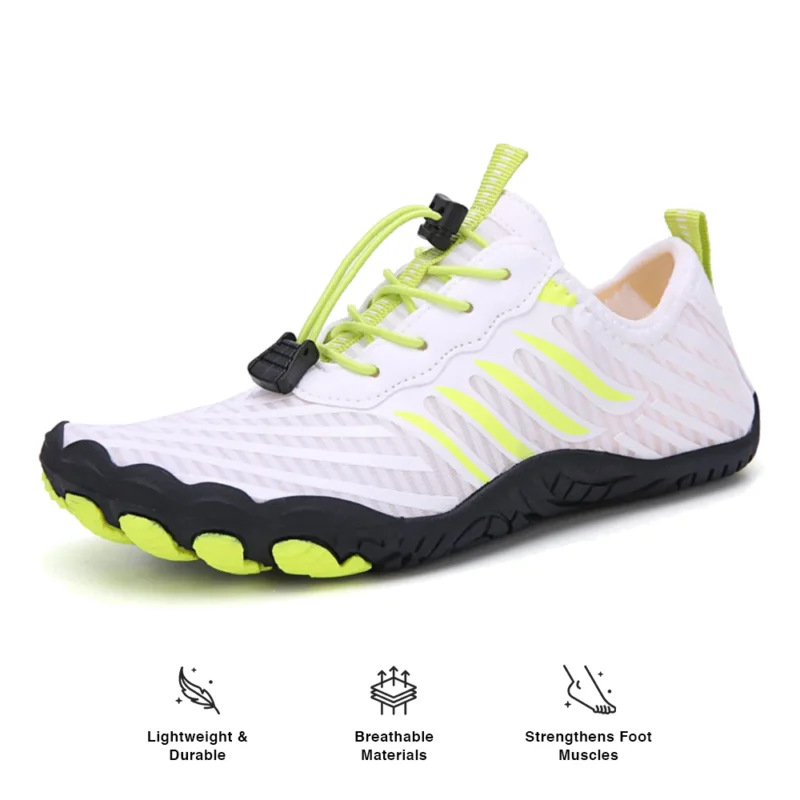
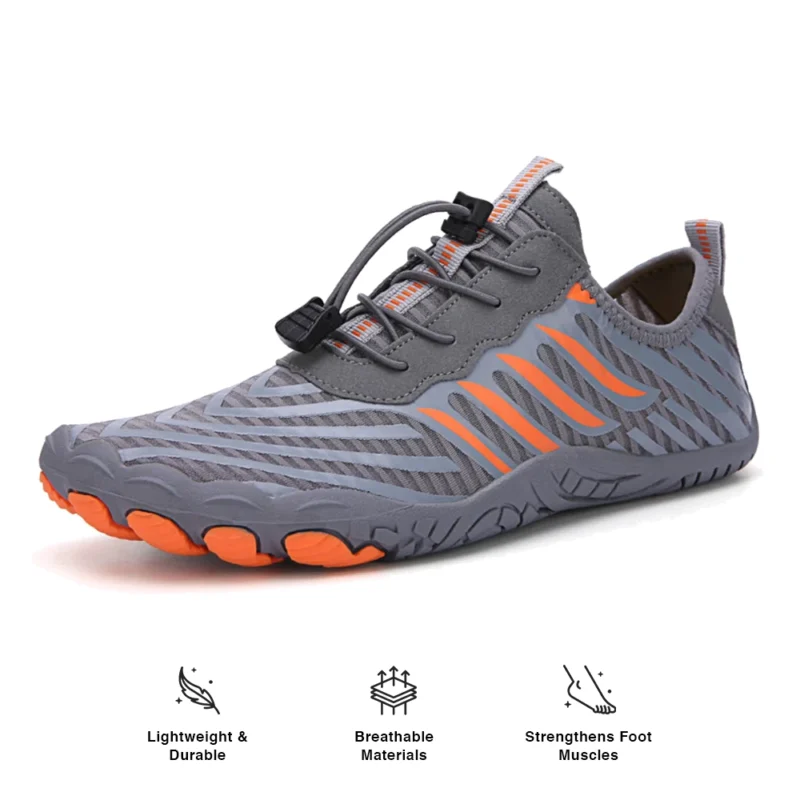
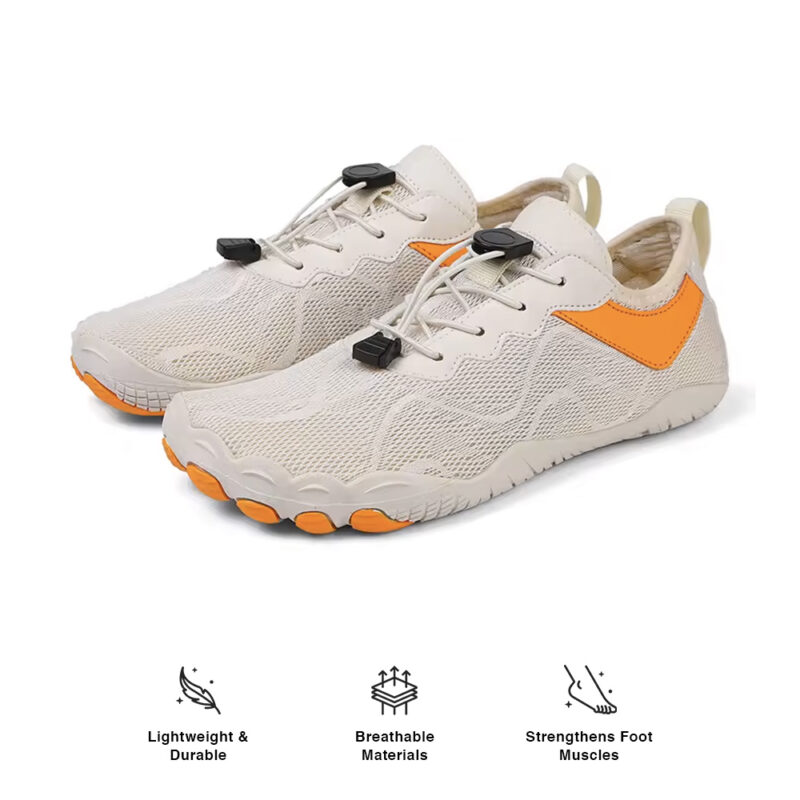
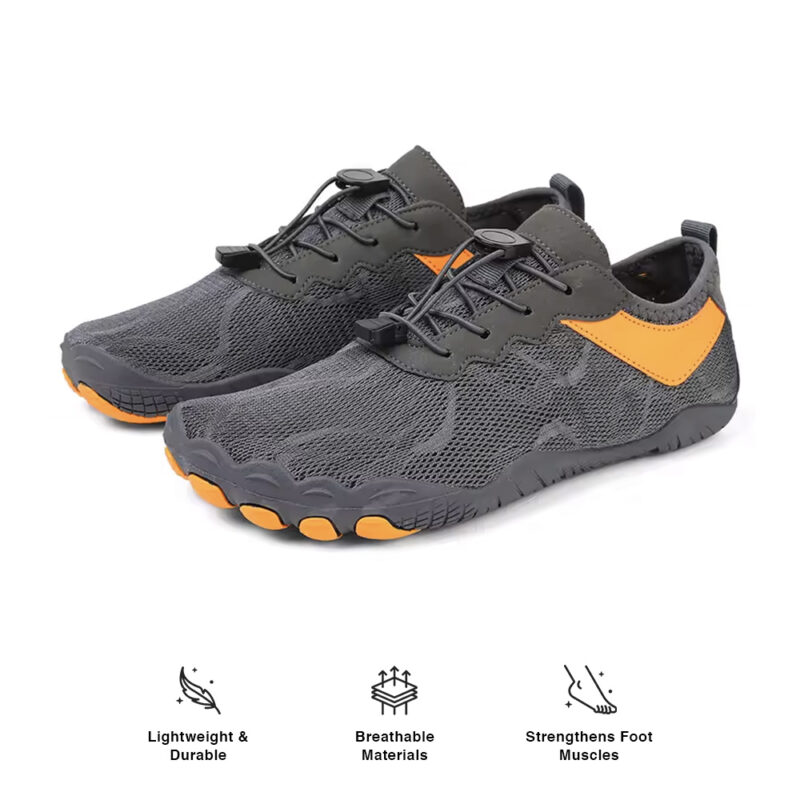
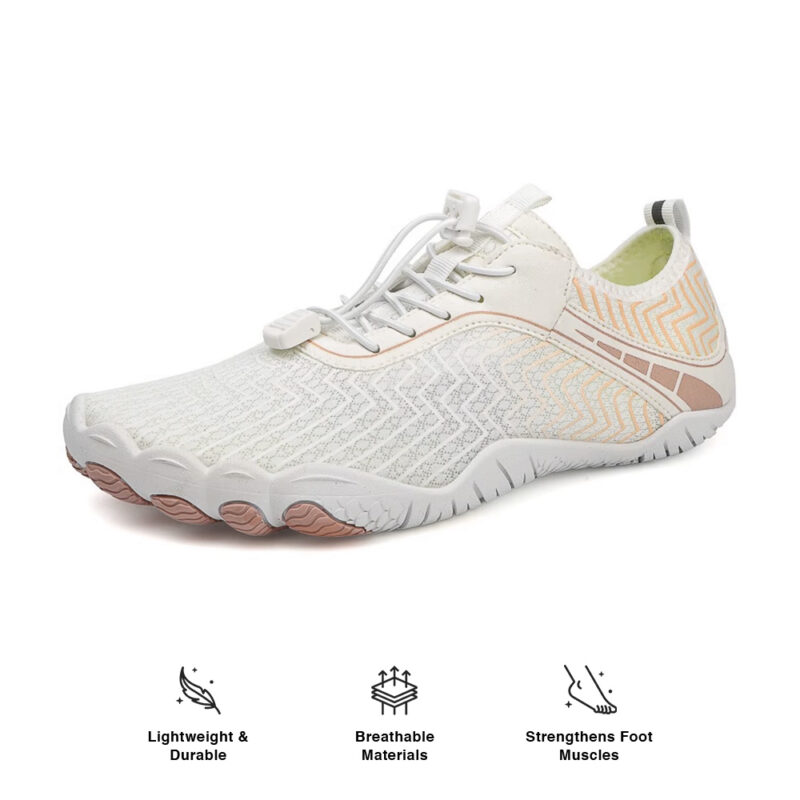
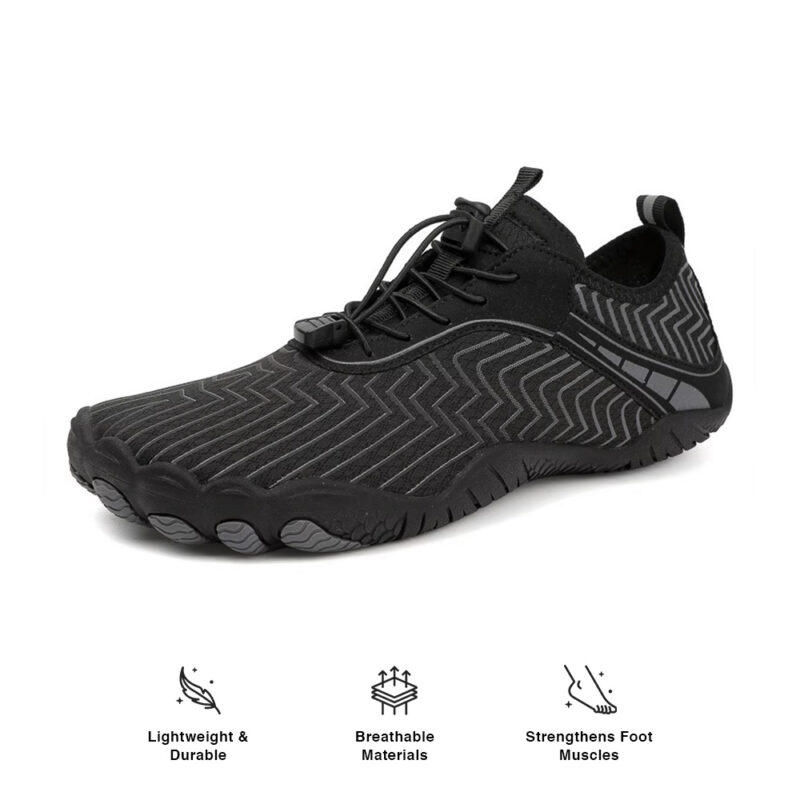
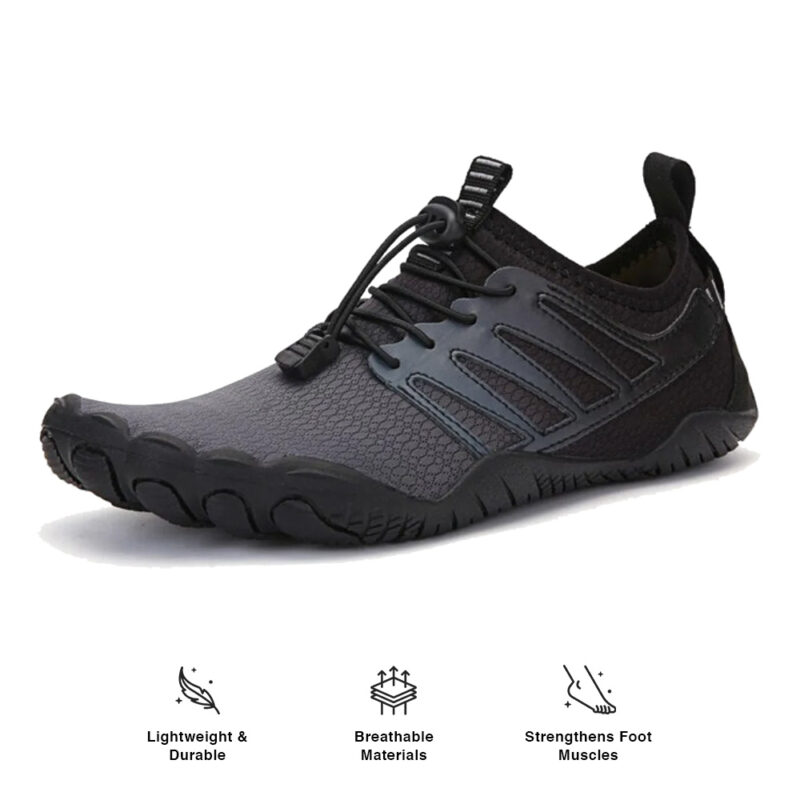
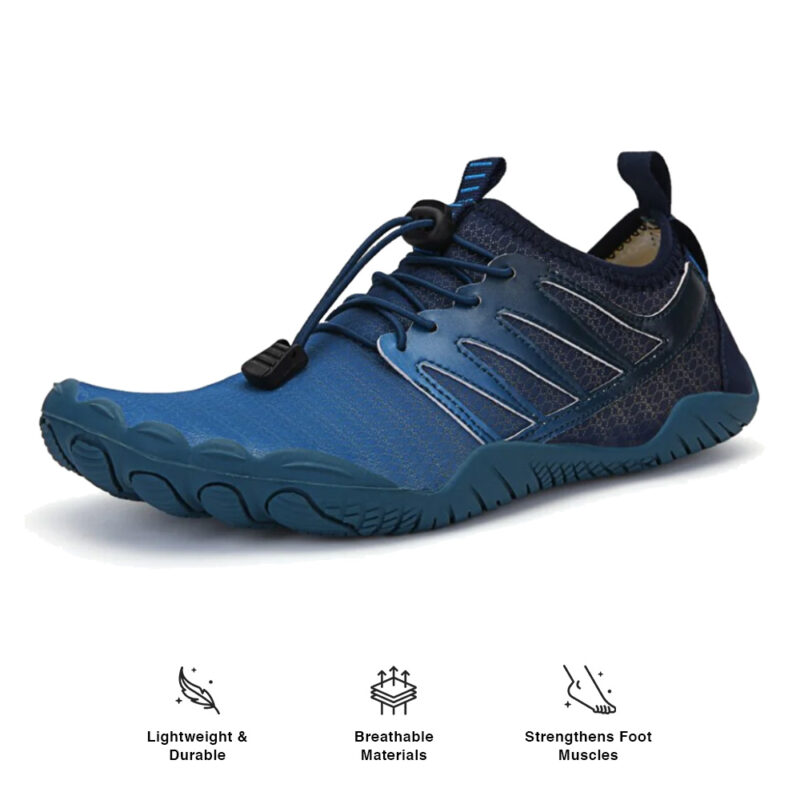
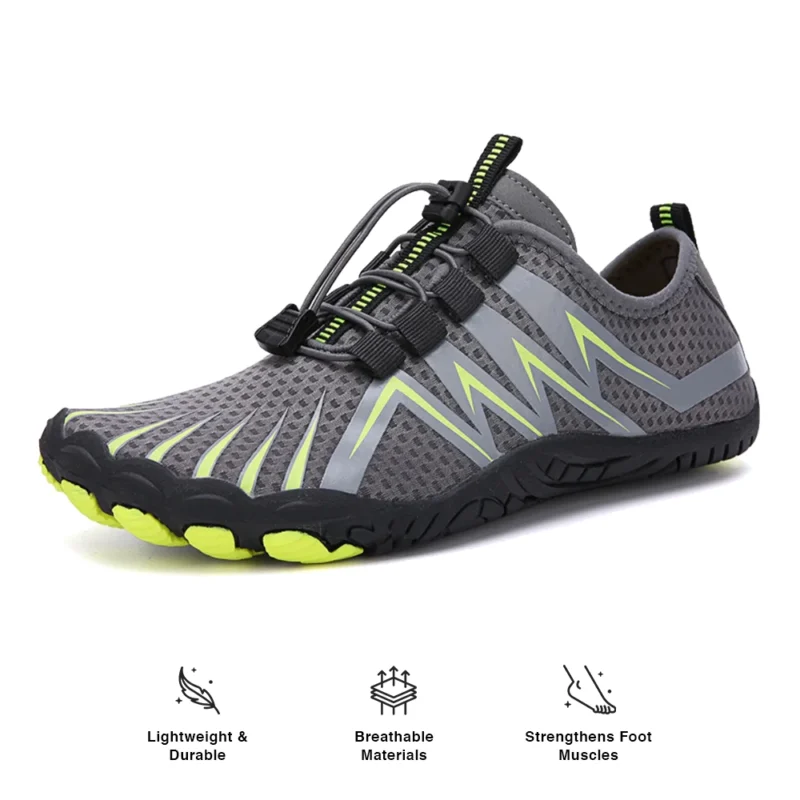
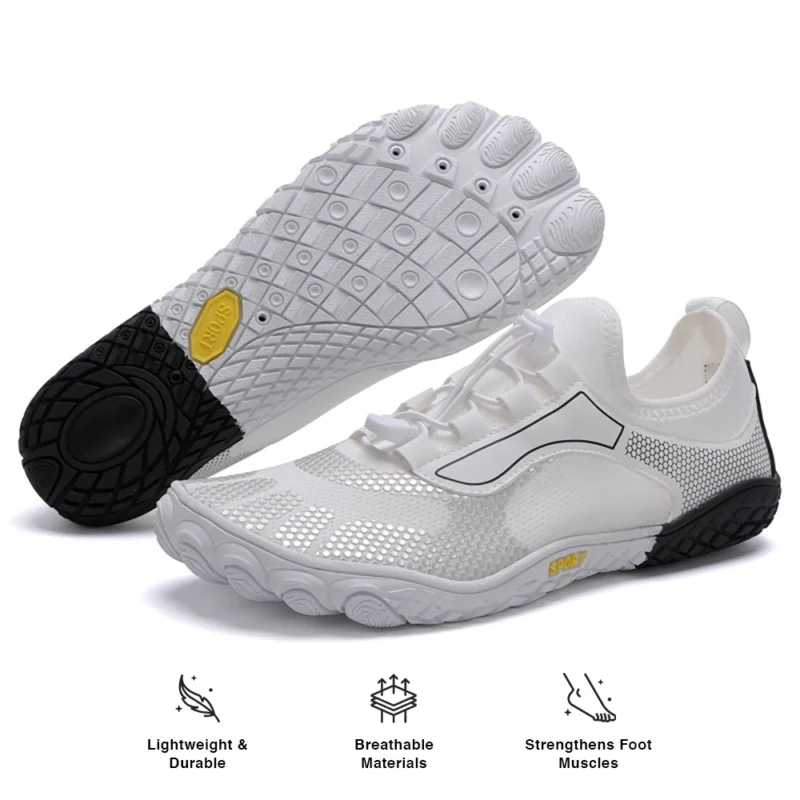
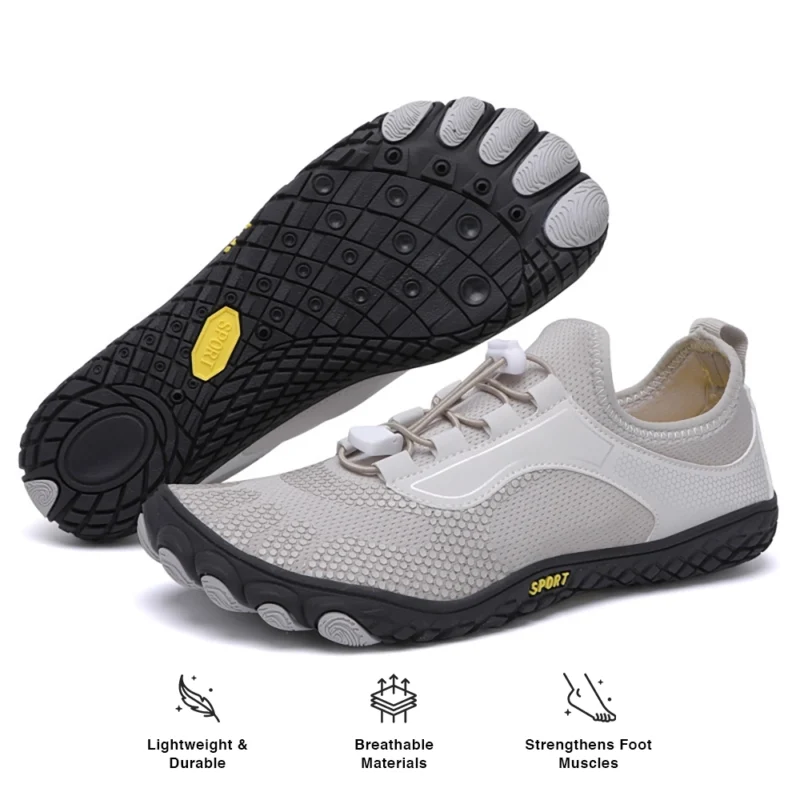
You've been told your feet need support, but constant heel pain and recurring injuries suggest otherwise. What you're looking for in the best shoes for jogging is something that treats your feet like the capable, adaptive structures they are. Minimalist designs allow your foot's natural arch to engage and strengthen with every step, creating a foundation that actually supports your entire body. Start your transition gradually by spending 10 minutes each day walking barefoot on different surfaces to wake up those dormant foot muscles.
Ground Feel Changes Everything About Your Stride
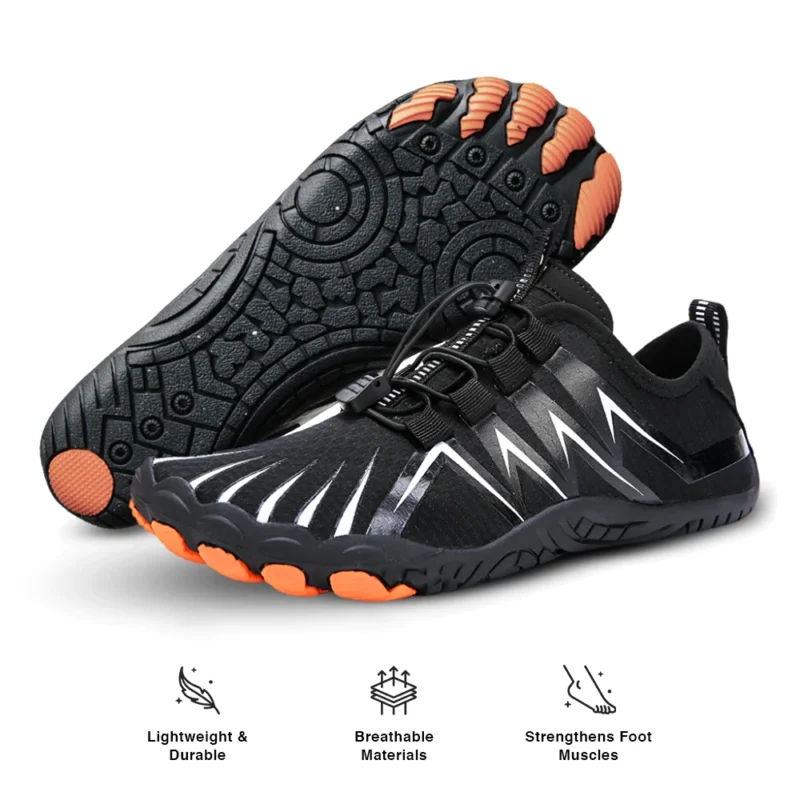
Traditional thick soles disconnect you from the ground, leading to heavy heel striking that sends shock waves through your knees and hips. You need the best shoes for jogging that provide just enough protection while maintaining sensory feedback from the ground beneath you. Thin, flexible soles allow your nervous system to automatically adjust your stride for efficiency and injury prevention, creating the light, quick cadence that makes running feel effortless. Practice this connection by jogging in place barefoot for 30 seconds, noticing how naturally you land on your forefoot.
Wide Toe Boxes Unlock Your Natural Power
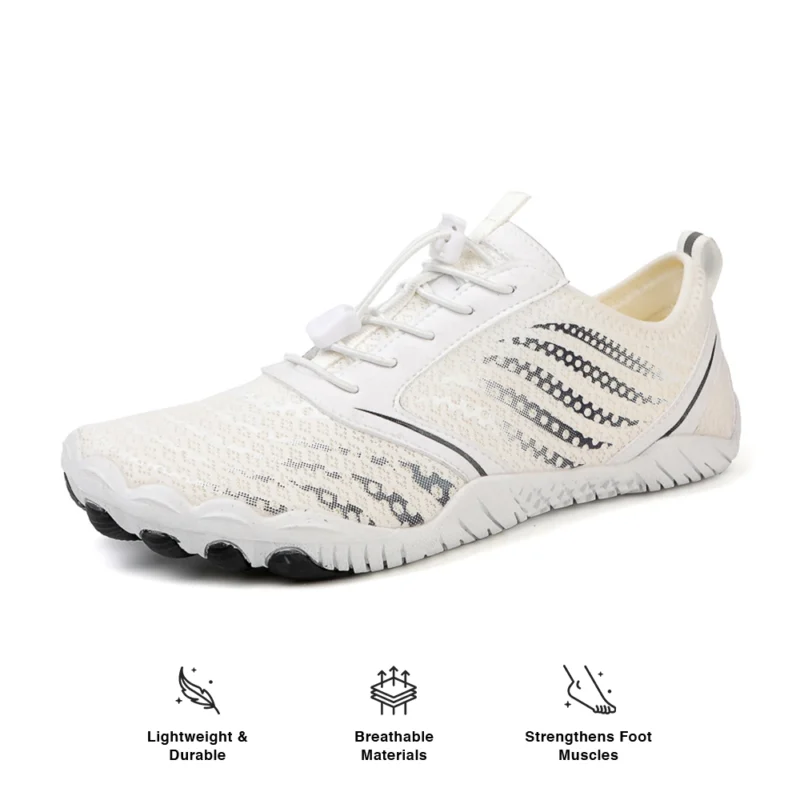
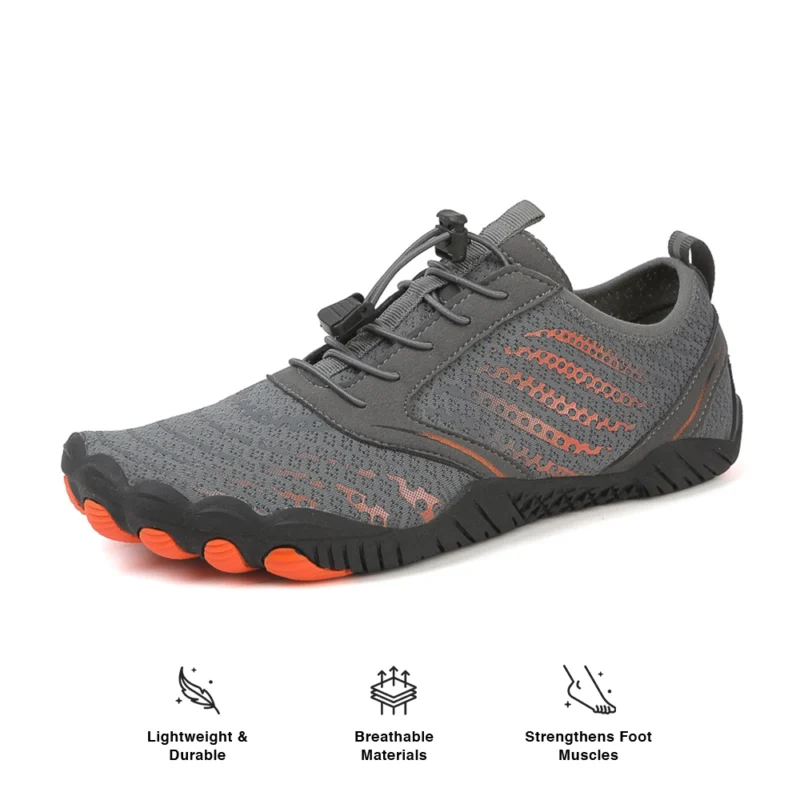
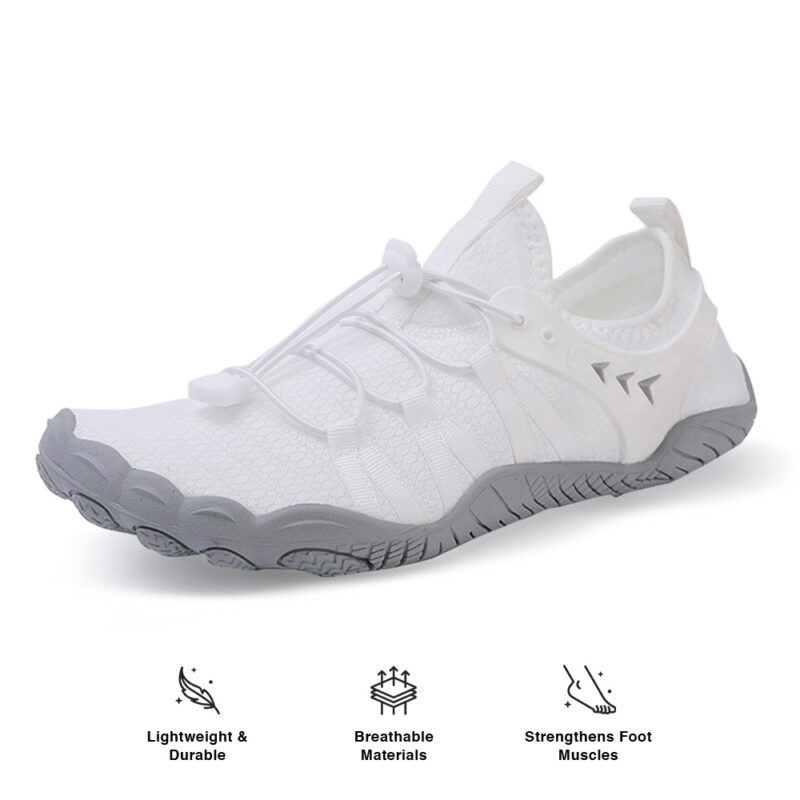
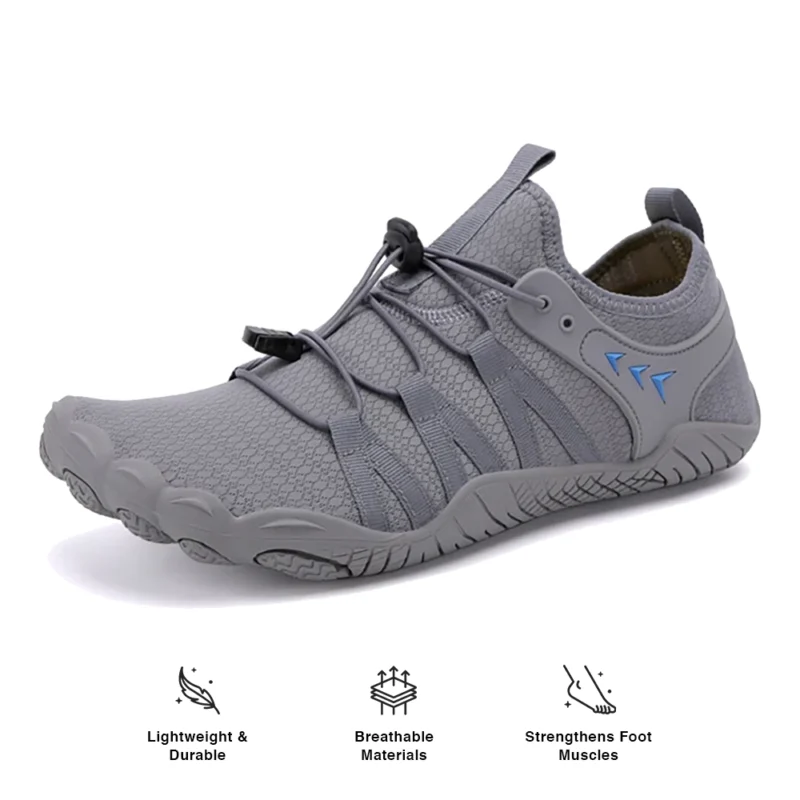
Cramped toes in narrow shoes rob you of stability and push-off power, leaving you feeling unsteady and inefficient. When searching for the best shoes for jogging, prioritize designs that let your toes spread naturally, creating a stable platform for each landing and a powerful lever for each push-off. This natural toe splay activates small stabilizing muscles throughout your feet and lower legs, building the kind of strength that prevents common running injuries. Test this by standing on one foot with toes spread wide versus cramped together and feel the immediate difference in your balance.
Flexibility Means Freedom in Every Direction
Stiff shoes force your feet to move in unnatural patterns, creating tension that travels up through your entire kinetic chain. The best shoes for jogging bend and twist with your foot's natural movement, allowing for the subtle adjustments that happen thousands of times during each run. This flexibility lets your feet adapt to terrain changes instantly, reducing the jarring impact that causes fatigue and injury. You can test shoe flexibility by holding the heel and toe, then trying to fold the shoe in half – it should bend easily at the ball of the foot.
Zero Drop Aligns Your Entire Body
Elevated heels in traditional running shoes tilt your body forward, forcing your muscles to work overtime to maintain balance and creating chronic tension in your calves and lower back. You want the best shoes for jogging to keep your heel and toe at the same level, allowing your body to stack naturally over your feet. This zero-drop design reduces strain on your Achilles tendon while promoting the upright posture that makes breathing easier and running more efficient. Spend a few minutes each day standing against a wall with your head, shoulders, and heels touching to retrain this natural alignment.
Durability Through Simplicity Saves Money and Time
Complex shoe technologies break down quickly, forcing you into expensive replacement cycles that drain your budget and interrupt your training consistency. The best shoes for jogging use simple, high-quality materials that last longer because there are fewer components to fail. Minimalist construction with durable rubber soles and strong, breathable uppers can withstand thousands of miles while maintaining their protective and performance characteristics. Look for brands that offer repair services or replacement sole programs to extend your shoes' lifespan even further.
Your Running Form Improves Naturally
Heavy, over-built shoes encourage the lazy running form that leads to injuries, but you're capable of so much more when given the right tools. The best shoes for jogging provide immediate feedback that naturally guides you toward efficient, injury-resistant form without conscious effort or expensive coaching. Your body's built-in wisdom takes over, shortening your stride, increasing your cadence, and shifting your landing to the more powerful and protective midfoot or forefoot position. Practice this transformation by doing short intervals of barefoot running on grass or sand, paying attention to how your form automatically adjusts.