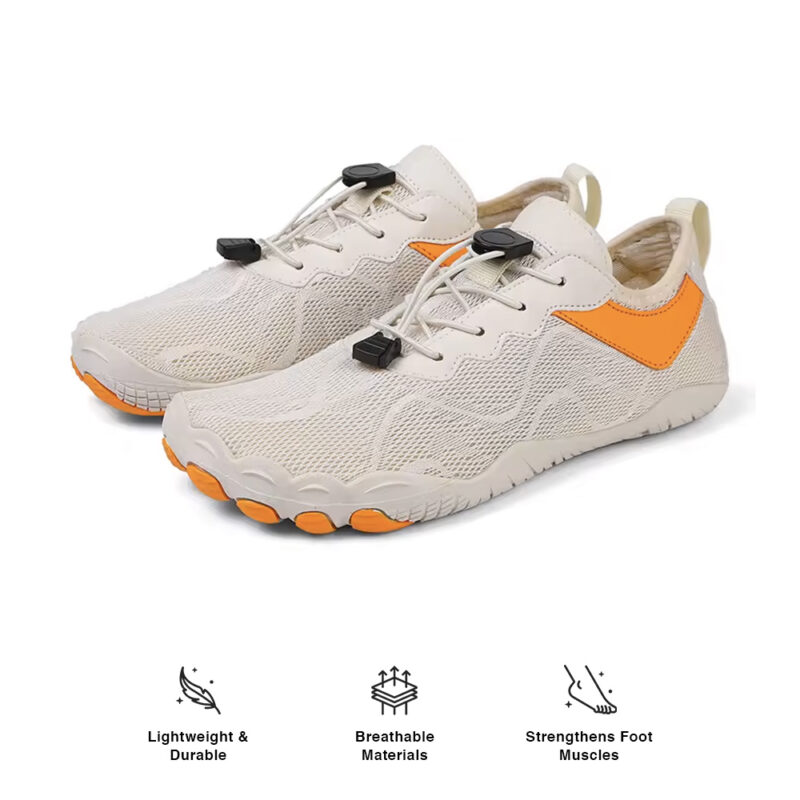
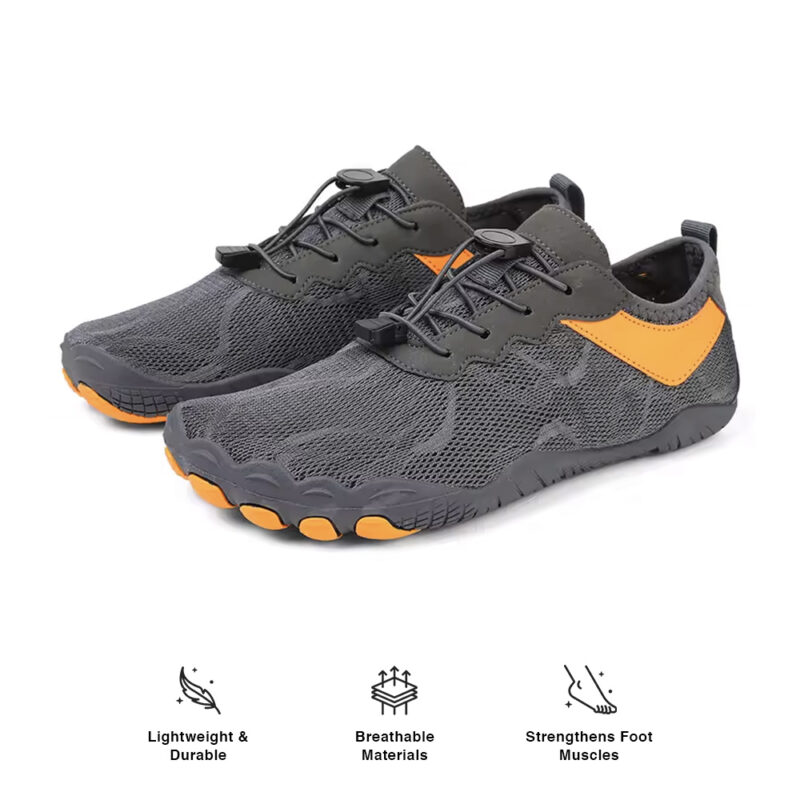
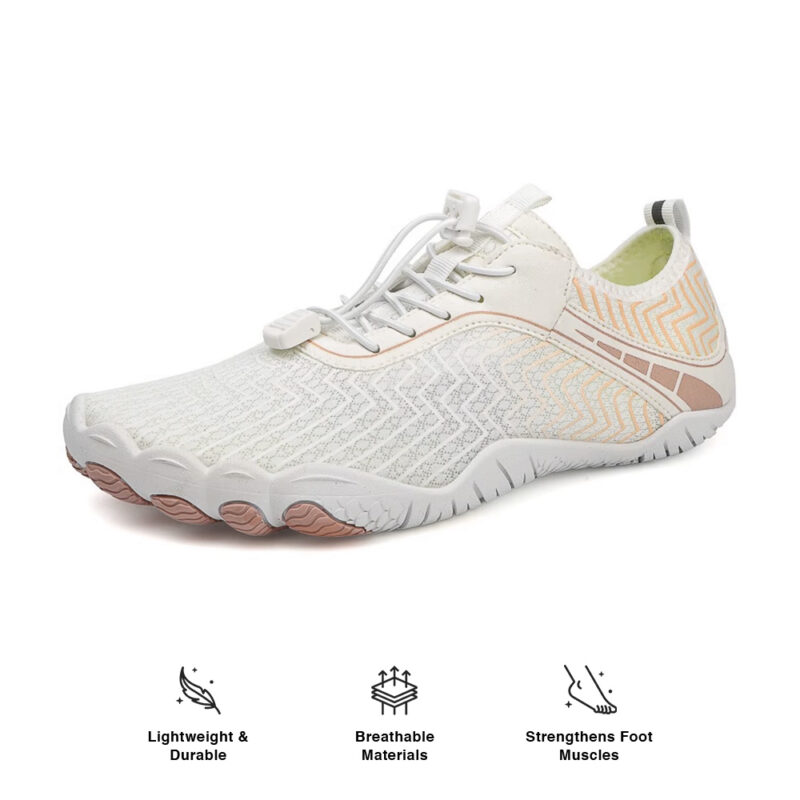
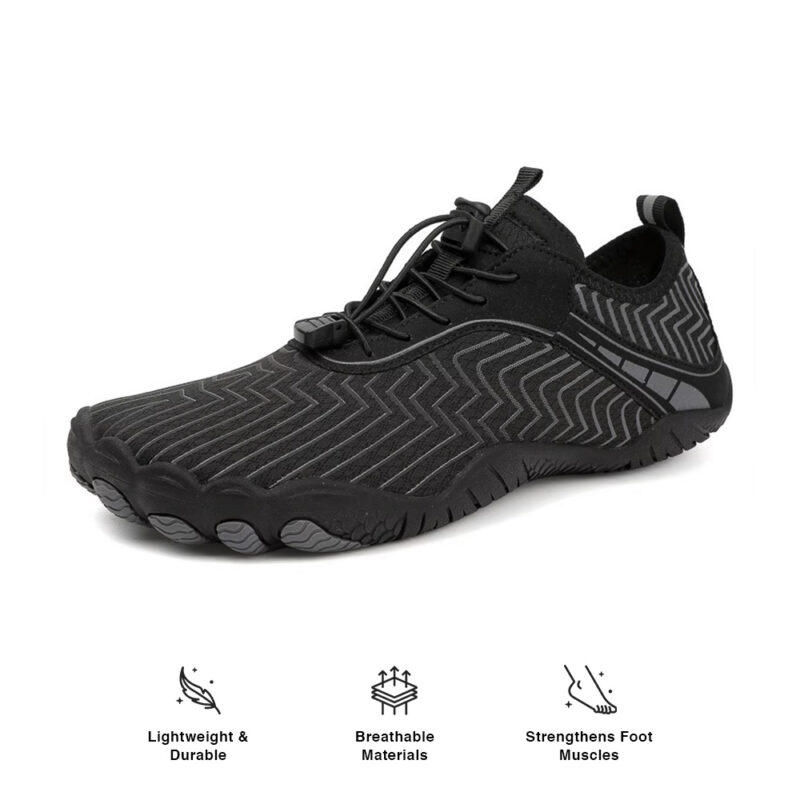
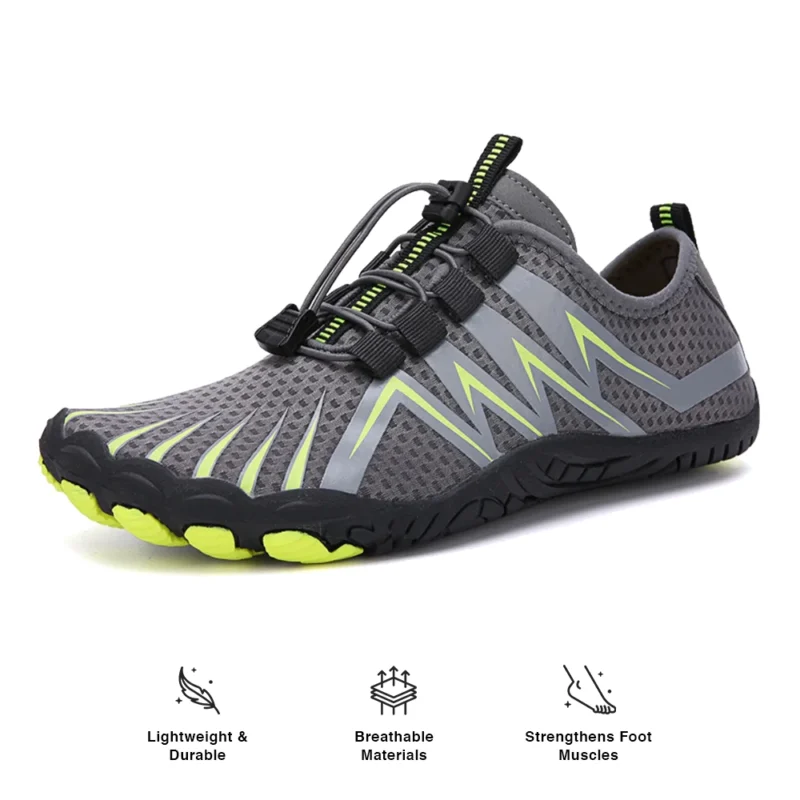
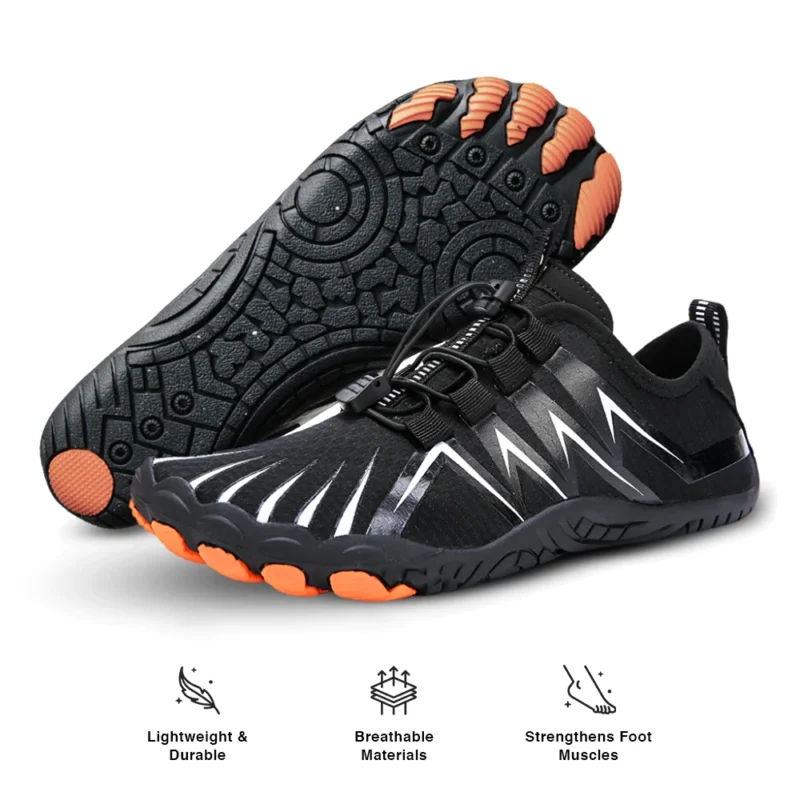
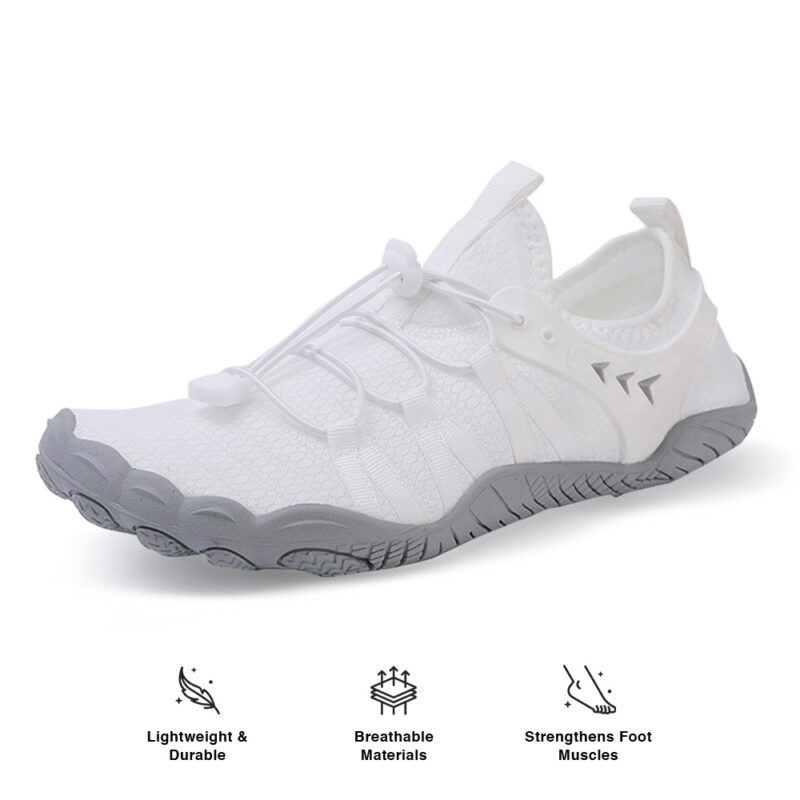
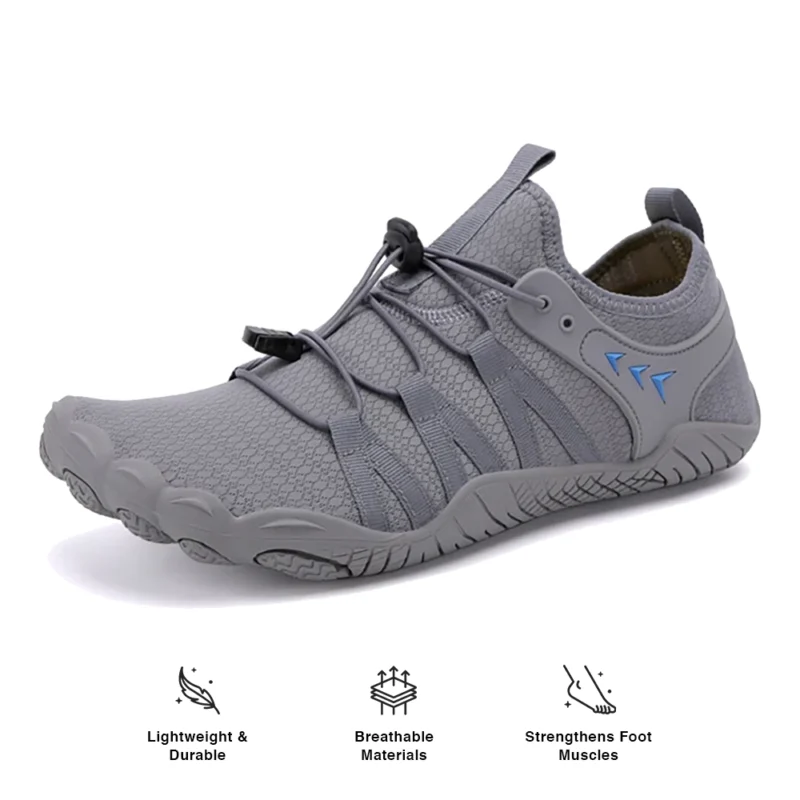
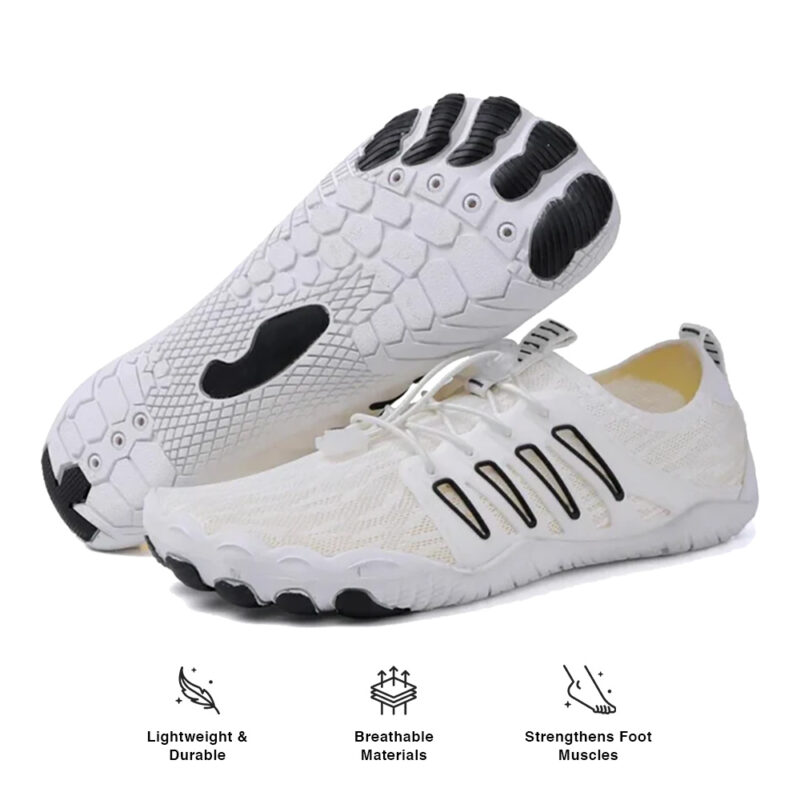
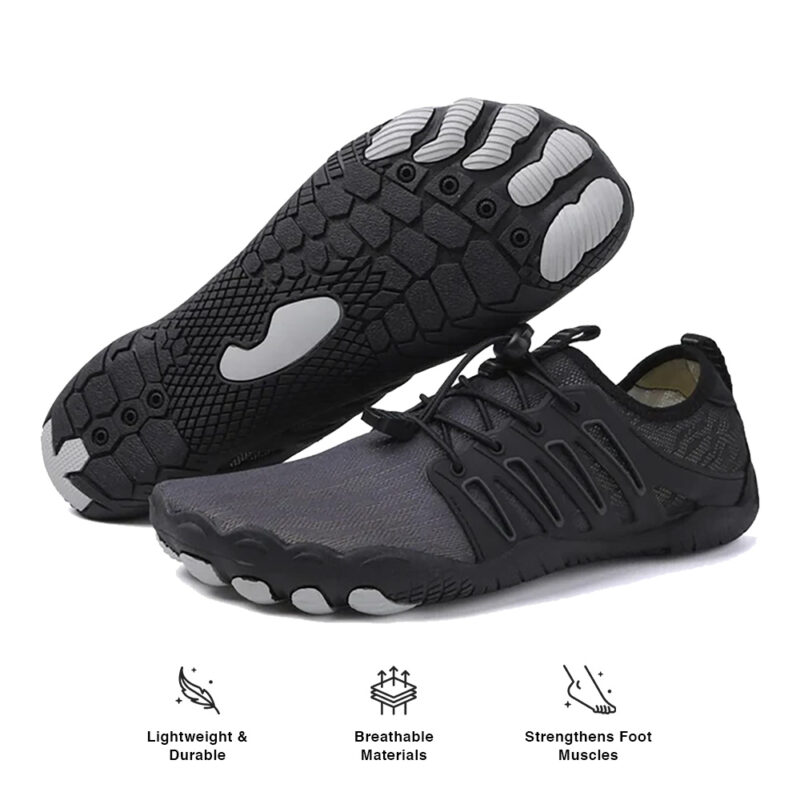
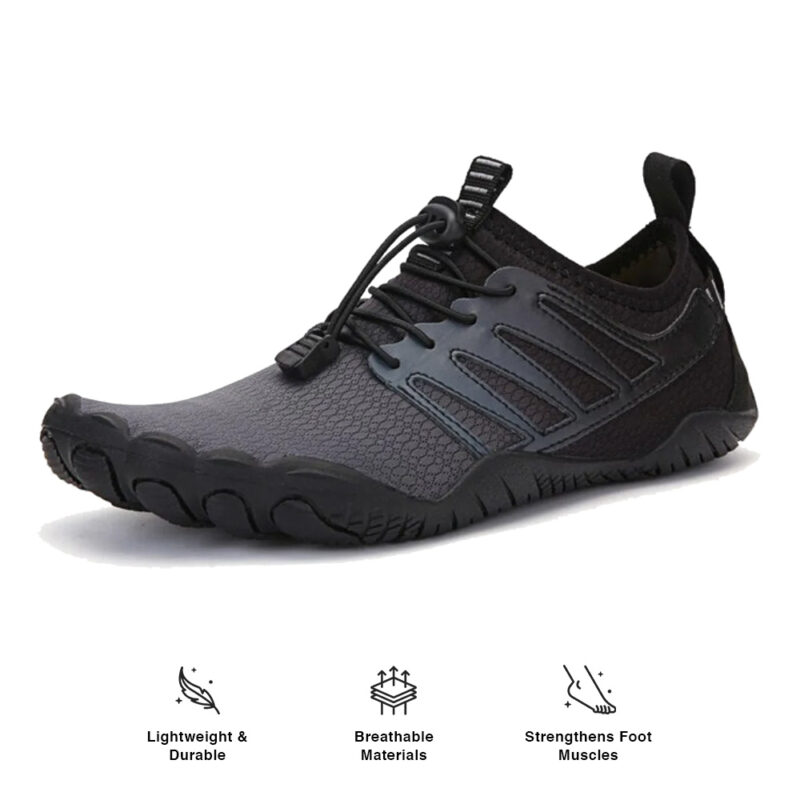
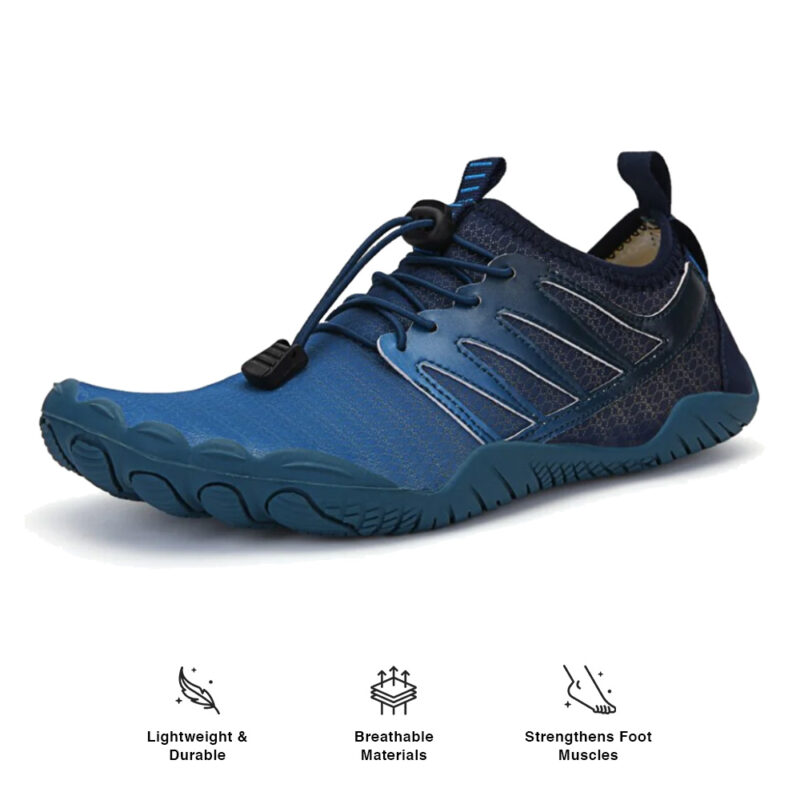
Maximum Ground Connection for Serious Lifters
When you're pulling 400 pounds off the floor, every millimeter between you and the ground matters. Traditional athletic shoes create a barrier that dulls your connection to the platform, reducing the proprioceptive feedback your nervous system relies on for optimal performance. The best shoes for lifting eliminate this disconnect entirely, allowing the thousands of nerve endings in your feet to communicate directly with the ground. This enhanced sensory input dramatically improves your ability to maintain proper positioning throughout complex movements. Look for shoes with zero-drop soles and minimal material between your foot and the floor to maximize this crucial ground connection.
Rock-Solid Stability Under Maximum Load
Nothing undermines a heavy squat faster than a wobbly foundation beneath your feet. Conventional athletic shoes compress unpredictably under load, creating dangerous shifts in your center of gravity just when you need stability most. The best shoes for lifting feature firm, non-compressible soles that remain completely stable regardless of the weight you're moving. Your feet naturally spread when unencumbered, creating a wider, more stable base of support that traditional shoes actually prevent. Choose footwear that allows this natural foot expansion while providing a completely rigid platform that won't shift or compress during your heaviest lifts.
Enhanced Proprioception for Better Movement Quality
Your feet contain more nerve endings per square inch than almost any other part of your body, yet traditional shoes essentially blindfold this sophisticated sensory system. When these receptors can't properly sense ground contact and pressure changes, your movement quality suffers across every exercise. The best shoes for lifting restore this critical sensory feedback, allowing your nervous system to make real-time adjustments to your posture, balance, and force production. This enhanced proprioception leads to cleaner movement patterns, better technique, and reduced injury risk. Select shoes with thin, flexible soles that allow maximum sensory input while still protecting your feet from rough surfaces.
Unrestricted Ankle Mobility for Deeper Squats
Proper squat depth requires significant ankle dorsiflexion, but raised heels and rigid construction in traditional athletic shoes severely limit this natural range of motion. This restriction forces compensatory movement patterns that can stress your knees and lower back while preventing you from achieving optimal positioning. The best shoes for lifting maintain your foot's natural relationship with the ground, allowing unlimited ankle mobility in all directions. Your calves and ankles gradually adapt to this increased range of motion, leading to deeper, more comfortable squats and improved overall lower body function. Prioritize zero-drop shoes with flexible ankle collars that move with your natural joint mechanics.
Natural Foot Strength Development Over Time
Years of wearing supportive footwear has likely weakened the intrinsic muscles of your feet, creating a dependence on external support that limits your athletic potential. These small but crucial muscles play a vital role in balance, stability, and power transfer during complex movements. The best shoes for lifting challenge these dormant muscles to reactivate and strengthen, creating a more resilient foundation for all your training. This process takes time, but the payoff is substantial – stronger feet lead to better balance, improved proprioception, and enhanced performance across every lift. Start with shorter training sessions in minimalist footwear and gradually increase duration as your foot strength develops.
Optimal Weight Distribution for Power Transfer
Traditional shoes with raised heels and arch support artificially alter your body's weight distribution, shifting your center of mass forward and changing the biomechanics of every movement you perform. This altered positioning reduces your ability to generate maximum force and can create compensation patterns throughout your kinetic chain. The best shoes for lifting maintain your natural weight distribution, allowing you to harness your body's inherent power generation mechanisms without interference. Your weight naturally settles over your midfoot when unrestricted, creating the optimal foundation for explosive movements and heavy lifting. Choose flat, flexible shoes that don't manipulate your natural posture or weight distribution in any way.
Superior Balance for Unilateral Training
Single-leg exercises and unilateral movements expose balance deficits that thick-soled shoes often mask through artificial stability. When your feet can't properly grip and adapt to the ground surface, maintaining balance during challenging single-leg work becomes unnecessarily difficult. The best shoes for lifting allow your feet to spread, grip, and adapt to provide maximum stability during these demanding exercises. Your toes can actively engage with the ground surface, creating multiple points of contact that enhance your overall balance and control. This improved stability carries over to bilateral movements as well, creating a stronger, more confident lifting platform for every exercise in your program.