Why Traditional "Supportive" Shoes Often Backfire
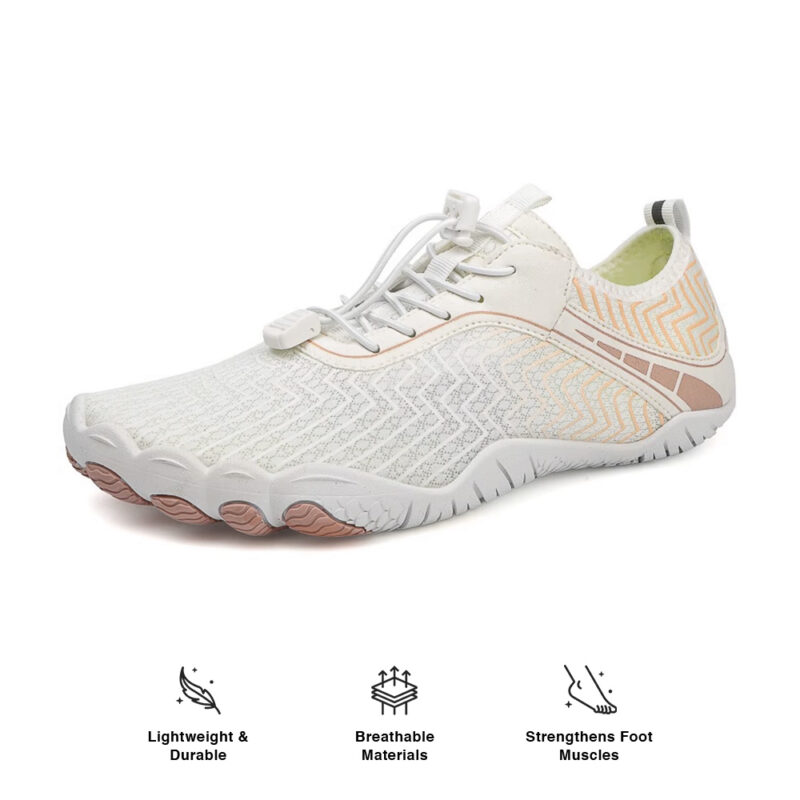
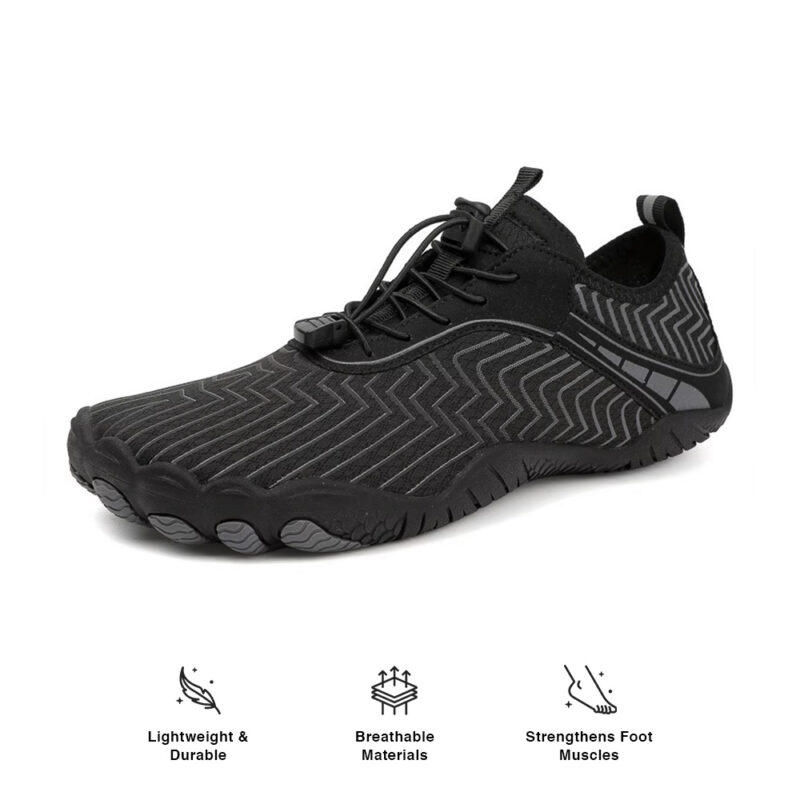
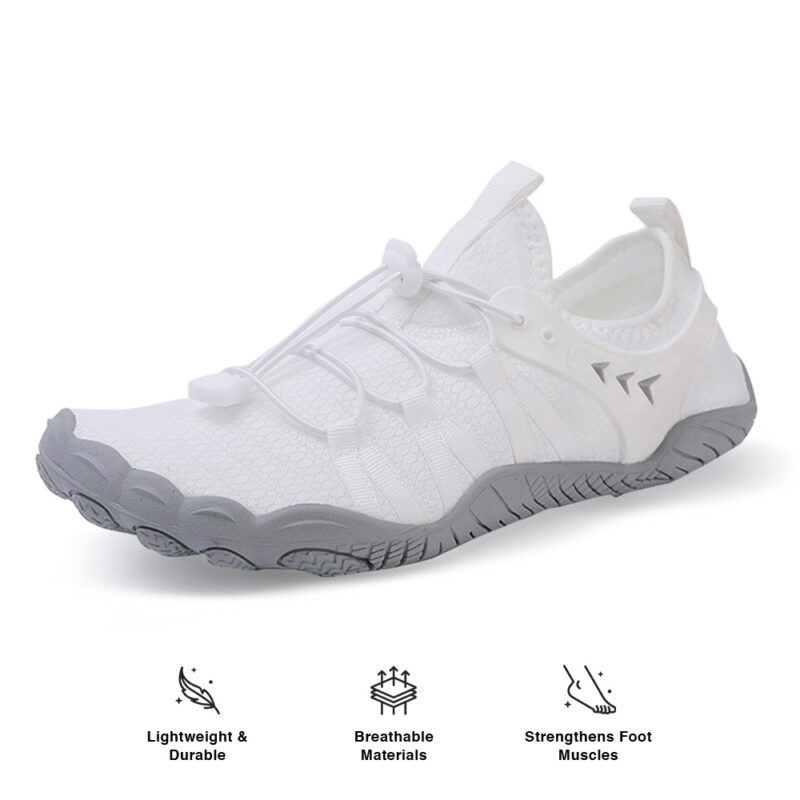
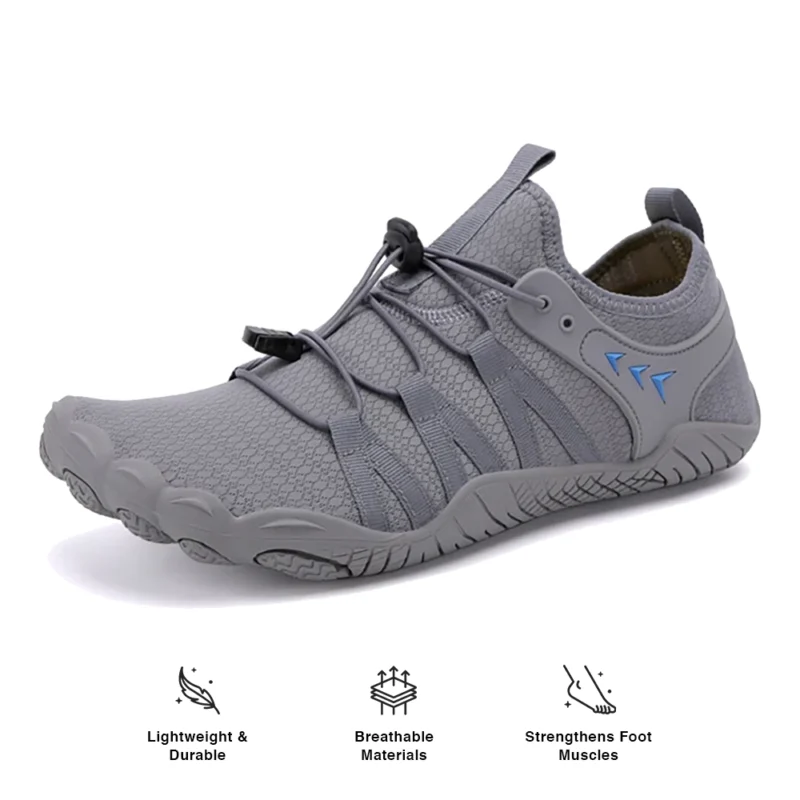
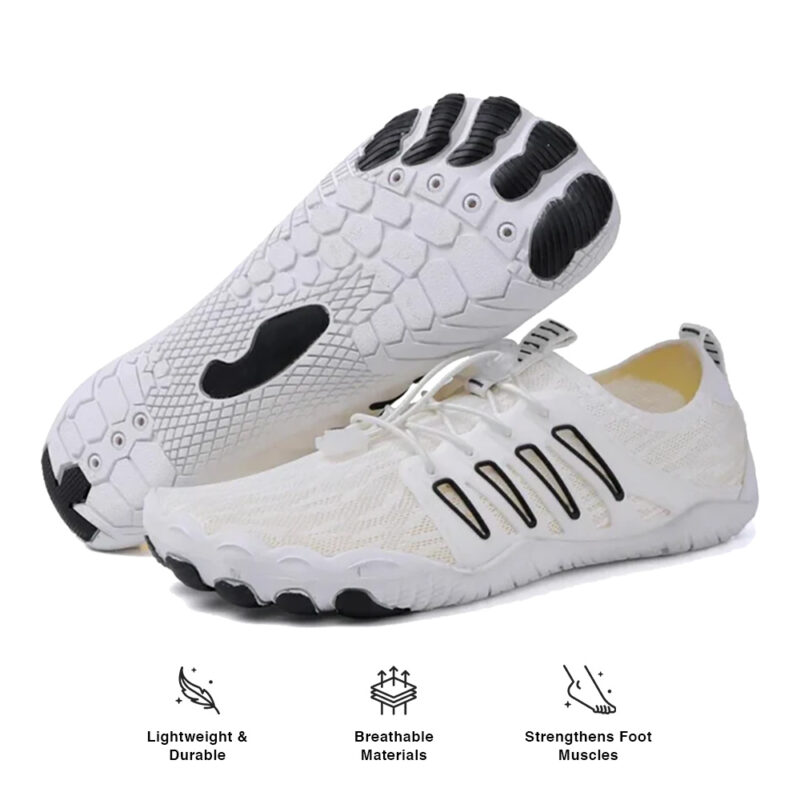
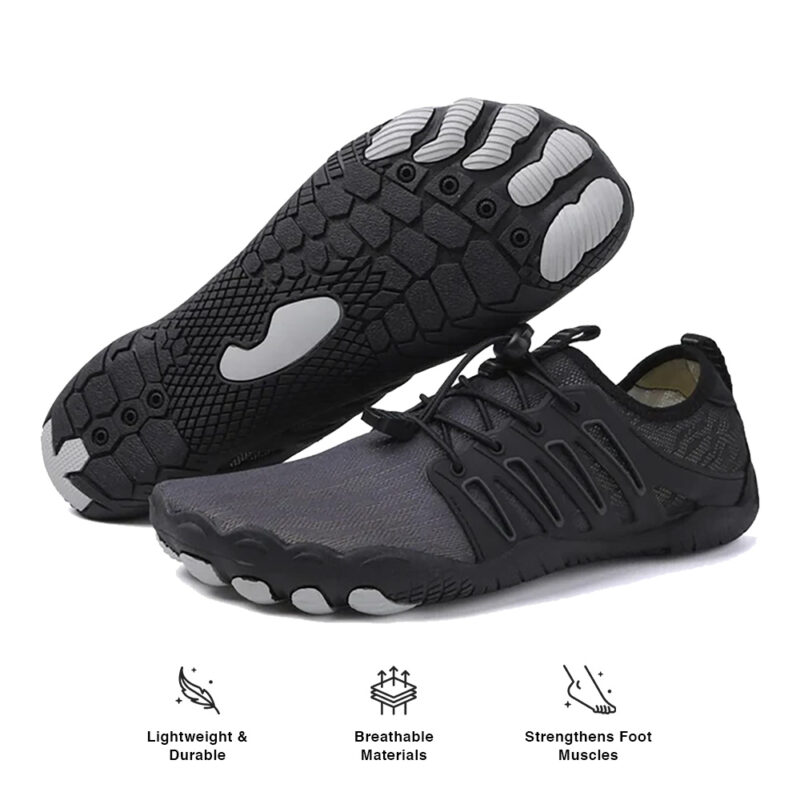
When your lower back hurts, the instinct is to seek maximum cushioning and arch support, but this approach often creates more problems than it solves. Heavily cushioned shoes disconnect you from ground feedback, forcing your body to work harder to maintain balance and stability. Meanwhile, rigid arch supports prevent your feet from moving naturally, which disrupts the kinetic chain that runs from your feet through your spine. What you actually need are the best shoes for lower back pain that work with your body's natural mechanics. Look for footwear with thin, flexible soles that allow you to feel the ground while still providing protection from rough surfaces.
Ground Connection Transforms Your Posture
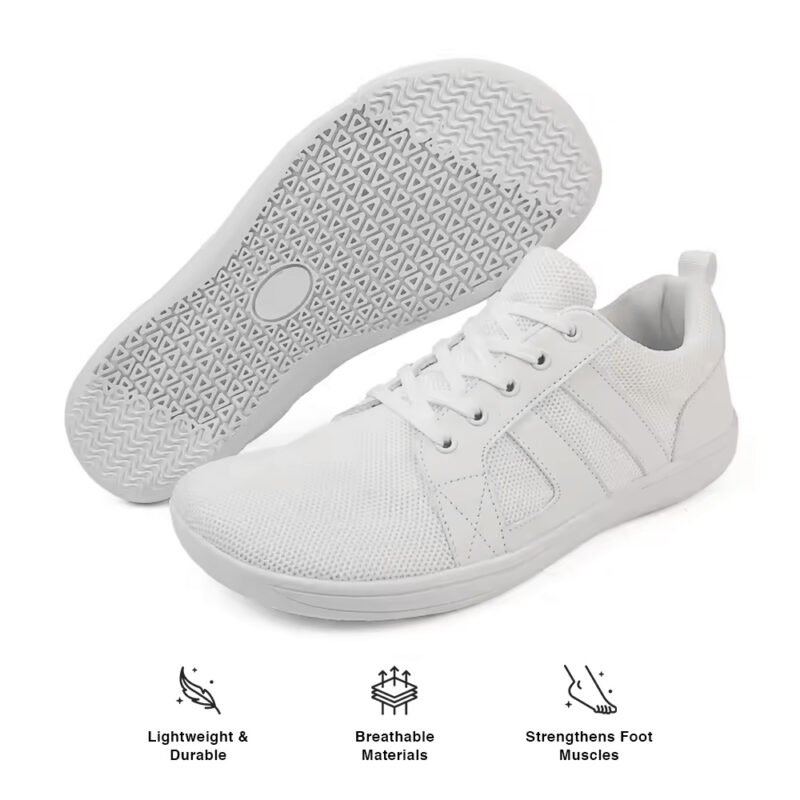
Your feet contain thousands of nerve endings that constantly communicate with your brain about your body's position in space. When thick soles block this vital feedback, your posture suffers as your body struggles to find its natural alignment. This misalignment often manifests as lower back tension and pain throughout the day. The best shoes for lower back pain restore this crucial ground connection, allowing your proprioceptive system to function optimally. Choose shoes with minimal sole thickness—ideally 4-6mm—so you can feel texture and terrain changes while maintaining protection from sharp objects.
Natural Toe Spread Supports Your Entire Frame
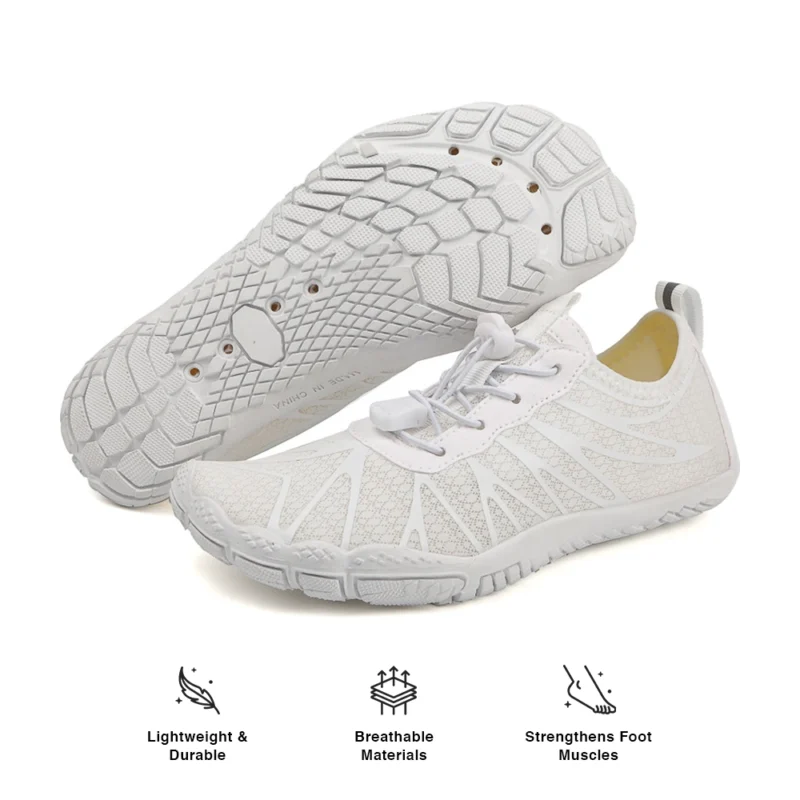
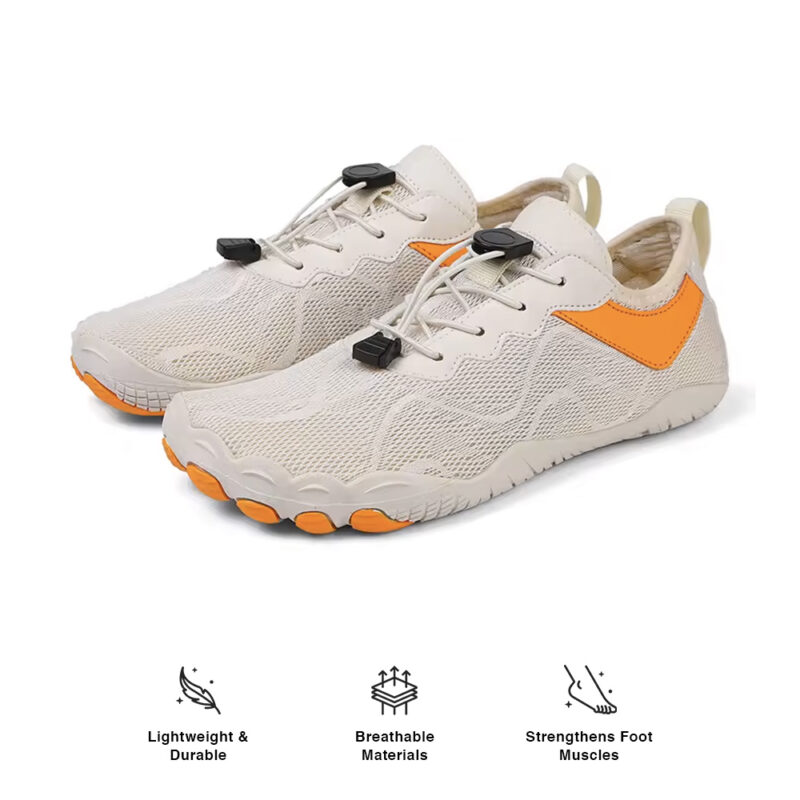
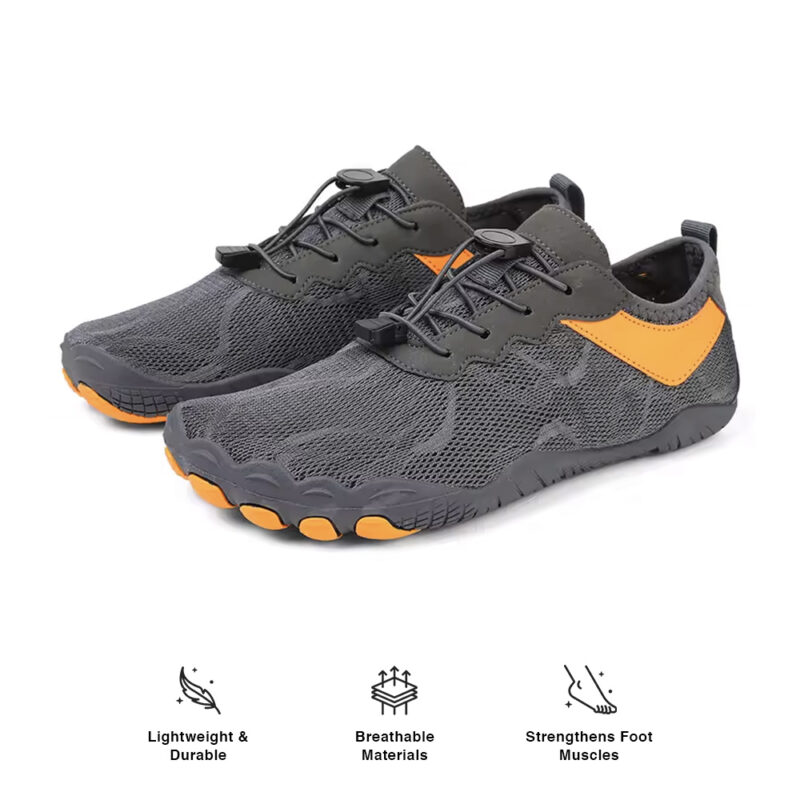
Narrow, pointed toe boxes force your toes into unnatural positions, which affects your entire body's alignment from the ground up. When your toes can't spread naturally, your foot's arch loses structural integrity, your gait becomes compromised, and compensatory movements often lead to lower back stress. Footwear designed for back pain relief should have wide toe boxes that match your foot's natural shape, allowing your toes to spread and grip the ground as intended. Measure your foot width while standing and ensure any new shoes provide at least a thumb's width of space beyond your longest toe.
Flexible Soles Enable Natural Movement Patterns
Rigid soles prevent your feet from flexing and adapting to different surfaces, forcing other parts of your body to compensate for this lost mobility. This compensation often shows up as tightness and pain in your lower back as your spine works overtime to maintain balance and stability. The best shoes for lower back pain feature flexible soles that bend and move with your foot's natural motion throughout each step. Test sole flexibility by holding the shoe at both ends and seeing if you can easily bend it—the sole should flex at the ball of the foot area without requiring excessive force.
Zero Drop Design Promotes Proper Alignment
Traditional shoes with raised heels (even small ones) tip your body forward, forcing your lower back to arch excessively to maintain upright posture. This constant hyperextension creates tension and can contribute to chronic pain patterns throughout your day. Zero drop shoes, where the heel and forefoot sit at the same height, allow your body to find its natural, unstrained alignment. When shopping for the best shoes for lower back pain, check that the heel height matches the forefoot height exactly, creating a level platform for your body to build proper posture from the ground up.
Lightweight Construction Reduces Overall Body Stress
Heavy shoes require more energy to lift with each step, creating unnecessary fatigue and tension throughout your legs and back. This extra work compounds throughout the day, often contributing to that familiar end-of-day back ache you experience. Lightweight, minimalist designs reduce this burden on your musculoskeletal system, allowing you to move more efficiently with less overall strain. Look for shoes weighing less than 8 ounces per shoe and made with simple, streamlined construction that eliminates unnecessary bulk while maintaining durability.
Breathable Materials Keep You Comfortable All Day
Poor ventilation in footwear can lead to discomfort that causes you to shift your weight unnaturally or change your gait to compensate. These subtle movement changes often translate to increased stress on your lower back as your body works to maintain balance despite the discomfort. The best shoes for lower back pain incorporate breathable materials like mesh panels or natural fibers that keep your feet comfortable throughout long days. Prioritize shoes with ventilation features and avoid synthetic materials that trap heat and moisture, which can create distracting discomfort that affects your posture and movement patterns.