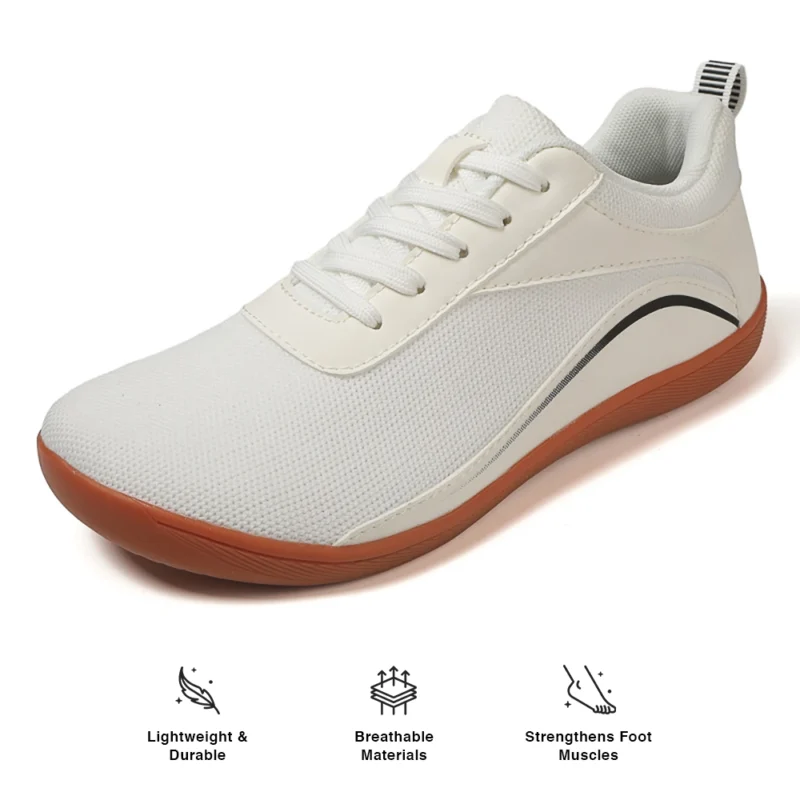
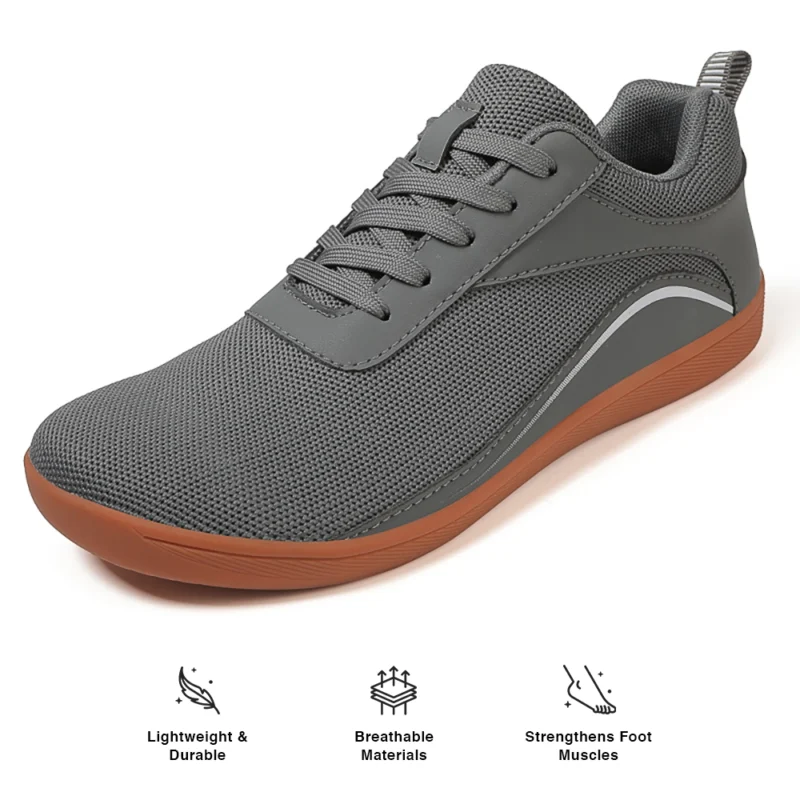
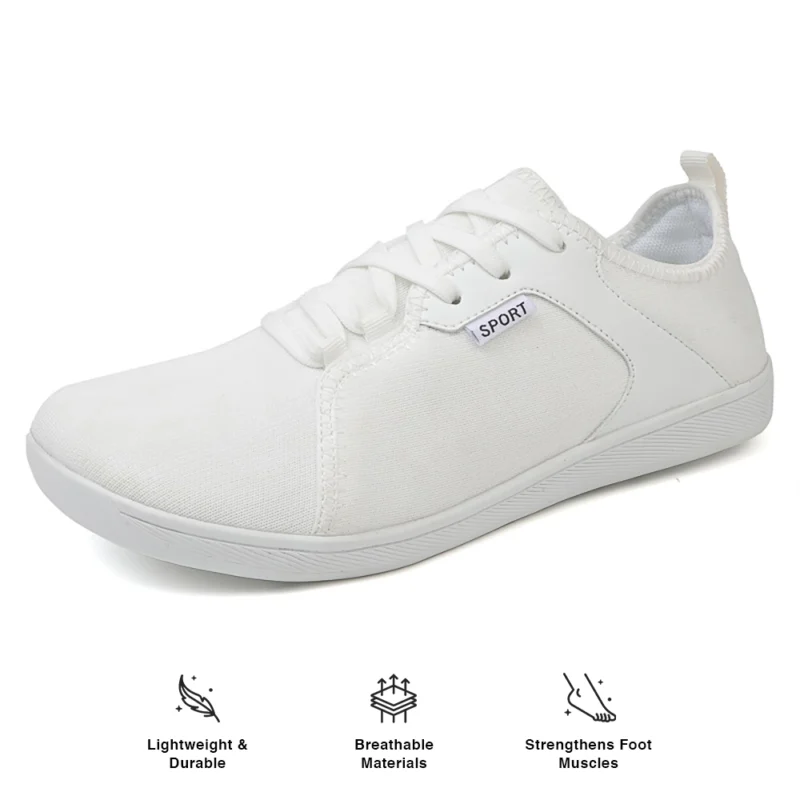
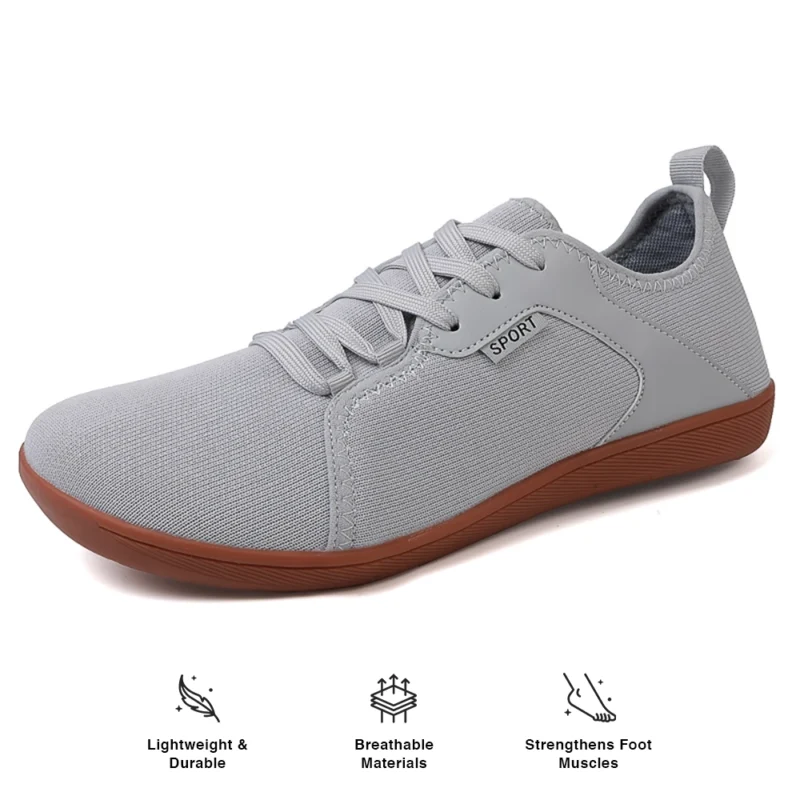
Why Toe Box Width Makes All the Difference
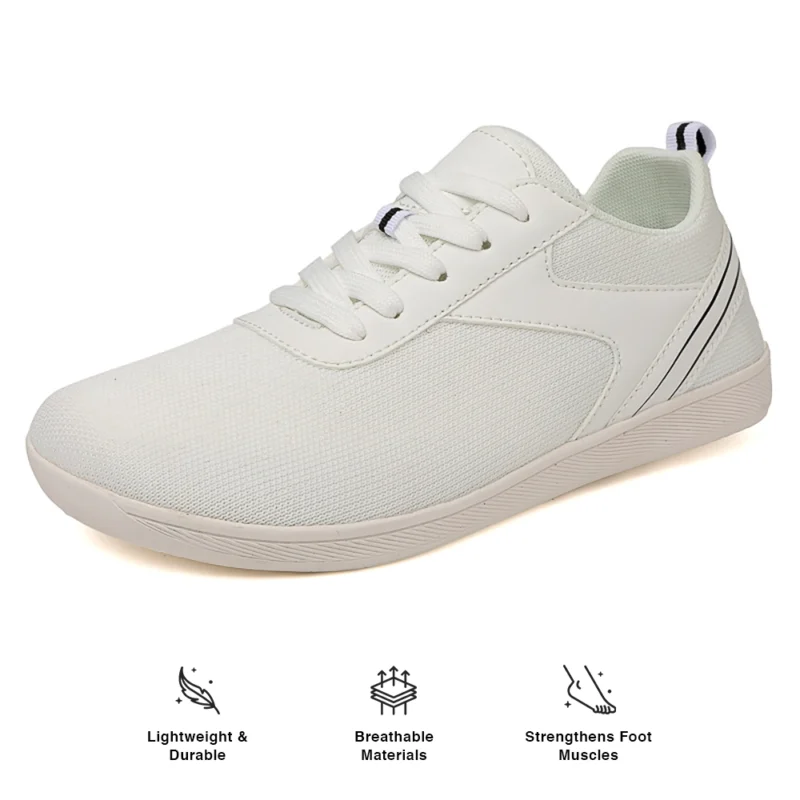
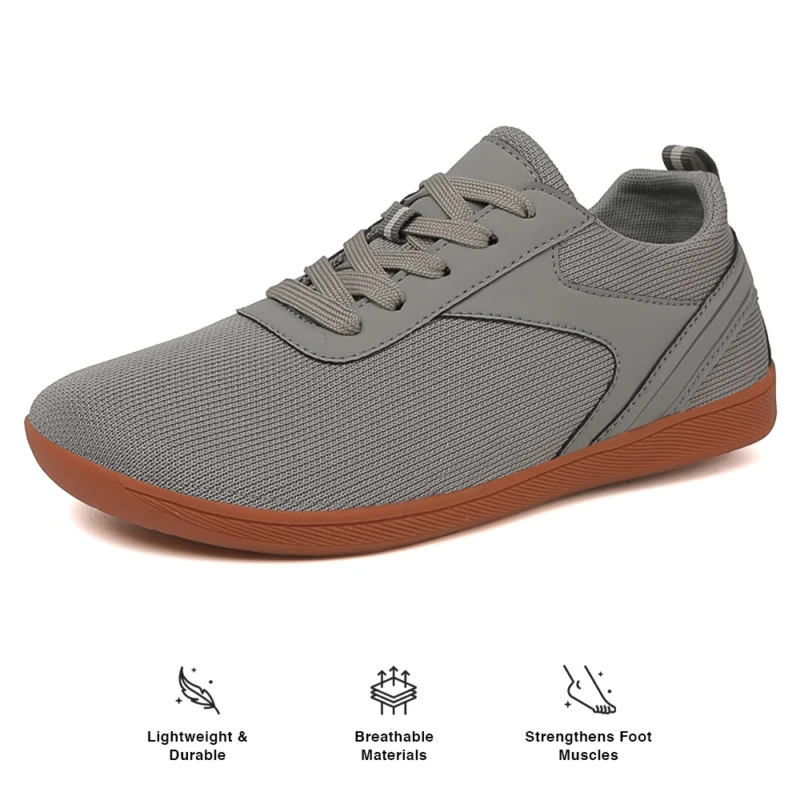
Morton's neuroma pain intensifies when your toes are compressed together, creating direct pressure on the inflamed nerve tissue between your metatarsals. What you need in the best shoes for Morton's neuroma is a toe box that matches your foot's natural shape - wide at the toes and gradually narrowing toward the heel. Minimalist footwear delivers this essential feature by designing shoes around actual foot anatomy rather than fashion trends. When your toes can spread naturally, the pressure on your neuroma decreases dramatically, often providing immediate relief. Start by measuring your foot width at the widest part of your toes, not at the arch, and choose shoes that accommodate this measurement without any squeezing.
How Zero Drop Design Reduces Neuroma Pressure
The elevated heel in traditional shoes forces your weight forward onto the ball of your foot, exactly where your Morton's neuroma creates pain with every step. You need footwear that distributes your weight evenly across your entire foot, reducing the concentrated pressure that aggravates nerve inflammation. Zero drop shoes - where the heel and forefoot sit at the same level - naturally shift weight distribution away from the neuroma site while encouraging proper posture alignment. This design change often provides noticeable relief within days of switching footwear. When trying zero drop shoes for Morton's neuroma, transition gradually by wearing them for short periods initially, allowing your body to adapt to the more natural positioning.
Why Flexibility Beats Rigidity for Neuroma Relief
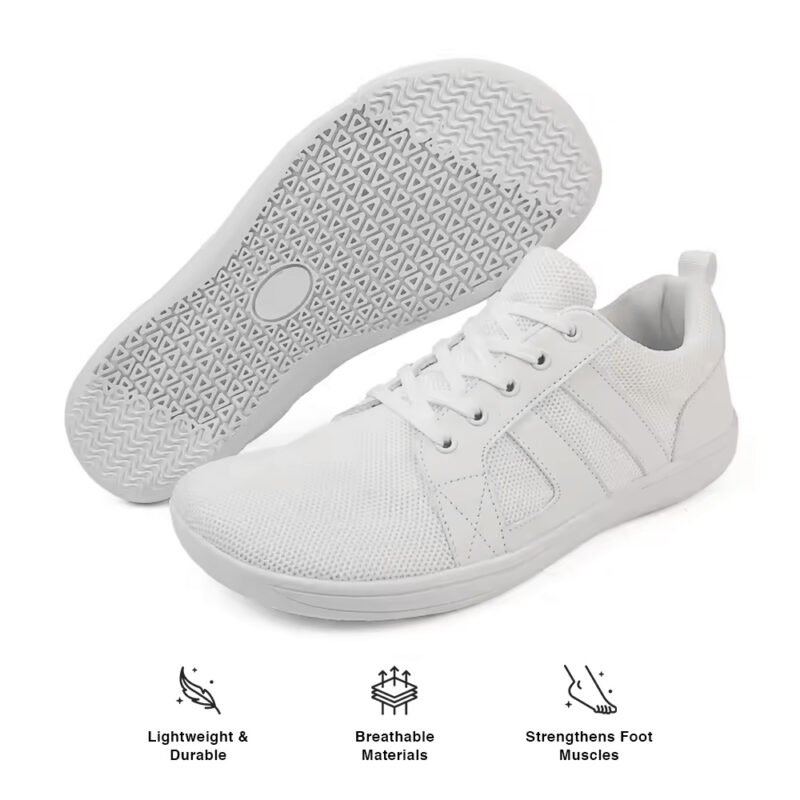
Rigid soles force your foot to move as one inflexible unit, creating jarring impacts that can trigger neuroma pain with each step. What your feet actually need are flexible soles that allow natural foot mechanics to absorb and distribute forces smoothly throughout your gait cycle. The best shoes for Morton's neuroma feature soles that bend and flex with your foot's natural movement patterns, reducing the sharp pressure spikes that cause nerve irritation. This flexibility also allows your foot muscles to engage properly, gradually building the strength needed for long-term pain management. Test shoe flexibility by holding the heel and toe, then bending the shoe - it should fold easily at the ball of the foot area.
The Connection Between Ground Feel and Pain Reduction
When you can't feel the ground beneath your feet due to thick cushioning, your body compensates with harder, more jarring steps that can aggravate Morton's neuroma symptoms. You need just enough sole protection to shield your feet from sharp objects while maintaining the sensory feedback that promotes gentle, controlled movement. Minimalist soles in the best shoes for Morton's neuroma provide this optimal balance, allowing your nervous system to automatically adjust your gait for smoother, less impactful steps. This enhanced proprioception often leads to more confident movement and reduced fear of triggering pain. Practice walking mindfully in your minimalist shoes, focusing on light, controlled steps that work with your body's natural shock absorption systems.
How Lightweight Design Reduces Overall Foot Stress
Heavy shoes require more energy to lift with each step, increasing the muscular tension and impact forces that can worsen Morton's neuroma symptoms throughout long days on your feet. You need lightweight footwear that reduces the cumulative stress on your feet, allowing you to stay active without the fatigue that often precedes pain flare-ups. The best shoes for Morton's neuroma typically weigh significantly less than conventional footwear while still providing necessary protection and durability. This weight reduction isn't just about comfort - it's about reducing the total load your feet must manage with every single step you take. When comparing shoes, lift them in your hands and notice the difference; your feet will appreciate that reduced weight over thousands of daily steps.
Why Natural Materials Support Healing
Synthetic materials trap moisture and heat, creating an environment that can increase inflammation and discomfort around your Morton's neuroma site. You need breathable, natural materials that help regulate temperature and moisture while providing the flexibility that supports natural foot movement. Leather, canvas, and other natural materials used in quality minimalist shoes allow your feet to breathe while conforming to your unique foot shape over time. This combination of breathability and adaptability creates an environment that supports healing rather than aggravating your condition. Choose shoes with natural materials and ensure they have adequate ventilation features, especially if you'll be wearing them for extended periods or during physical activity.
The Importance of Gradual Transition for Lasting Relief
Switching immediately from heavily structured shoes to minimalist footwear can overwhelm feet that have adapted to artificial support, potentially causing temporary discomfort that has nothing to do with your Morton's neuroma. What you need is a thoughtful transition plan that allows your feet to gradually strengthen while immediately benefiting from better toe spacing and natural positioning. The best shoes for Morton's neuroma work most effectively when you introduce them progressively, starting with short wearing periods and gradually increasing duration as your feet adapt. This patient approach ensures that you gain the long-term benefits of stronger, more resilient feet without temporary setbacks. Begin with 30-60 minutes of wear daily, increasing by 15-30 minutes each week until full-time wear feels completely natural.