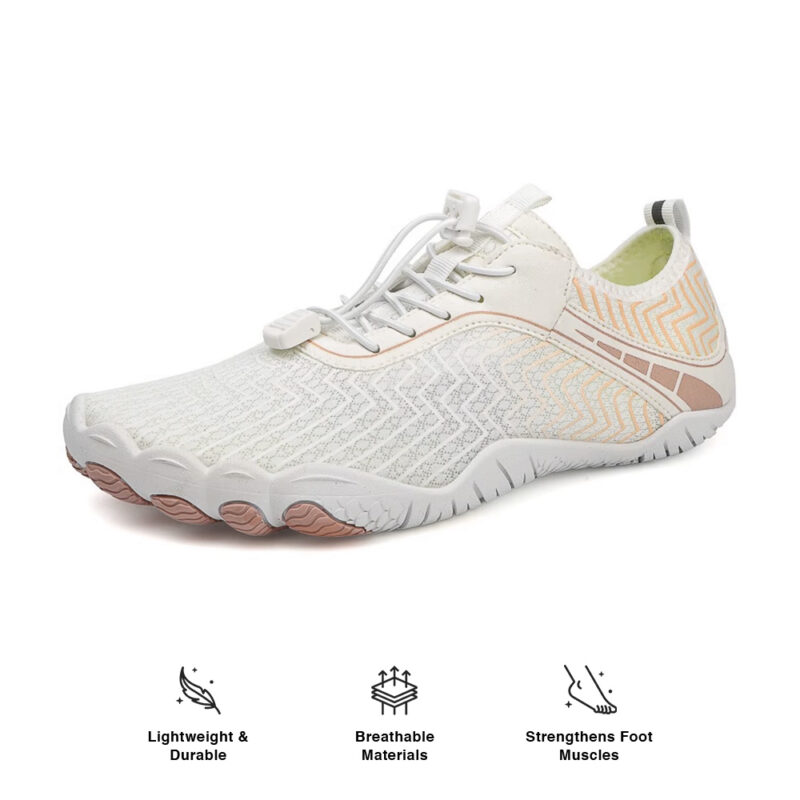
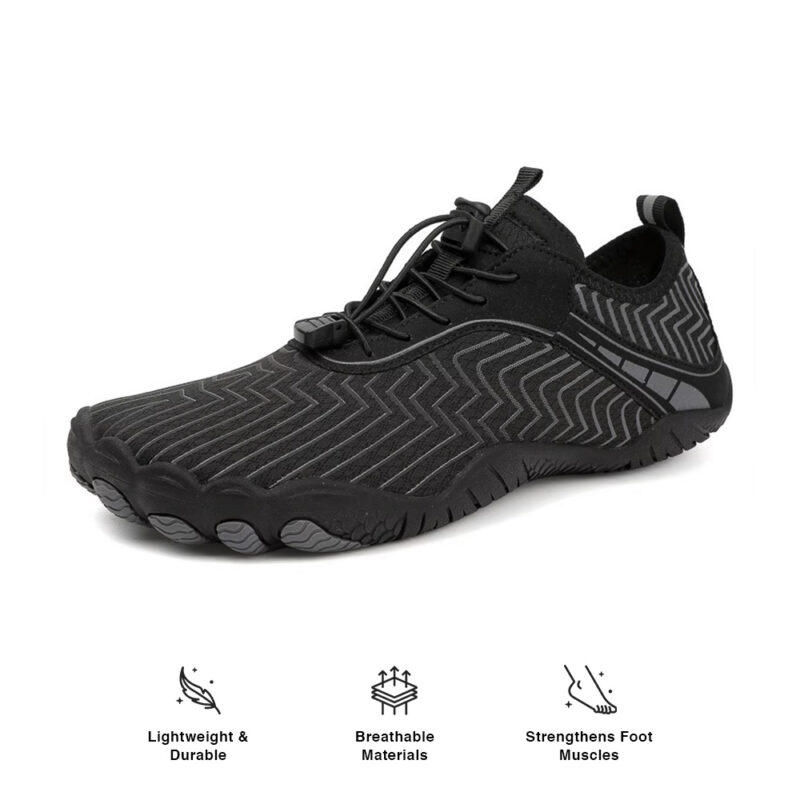
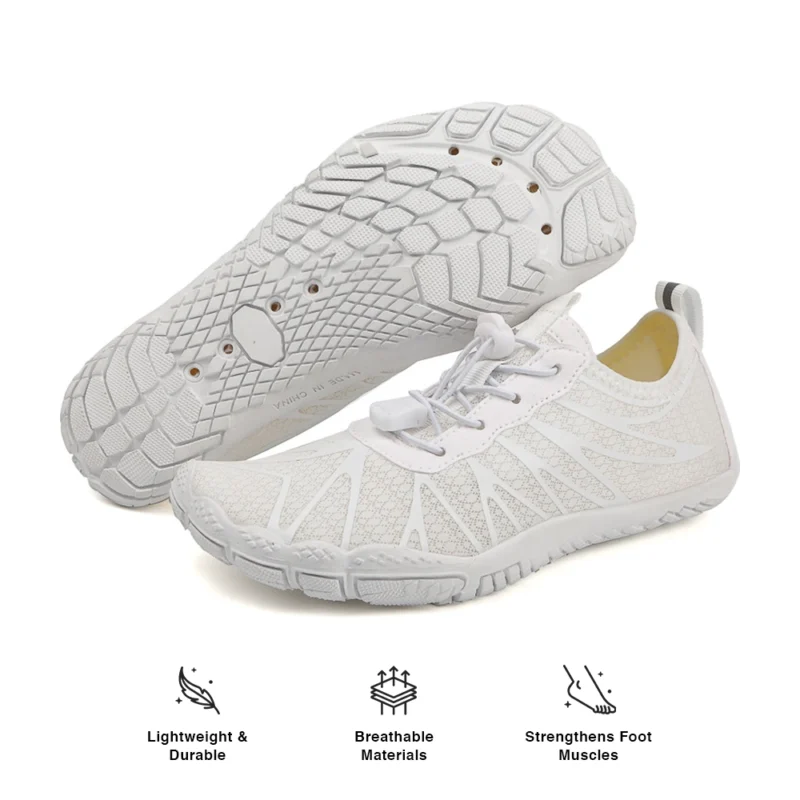
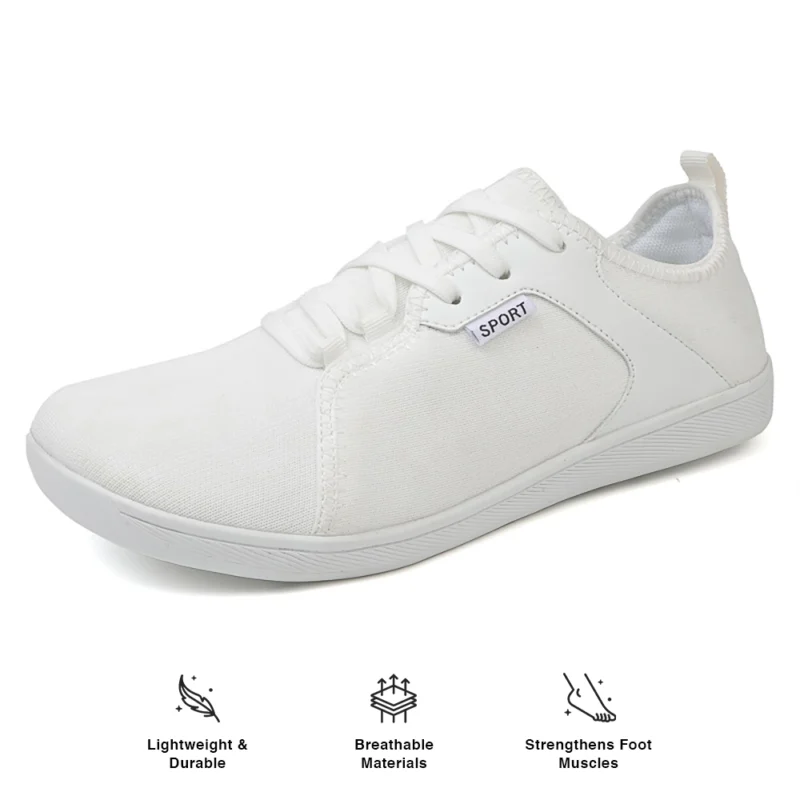
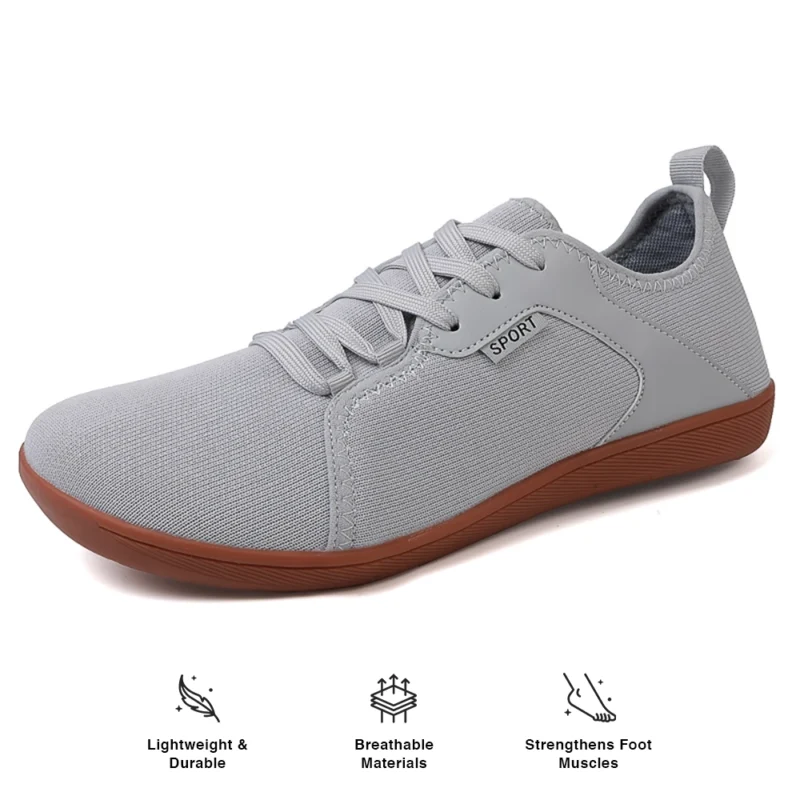
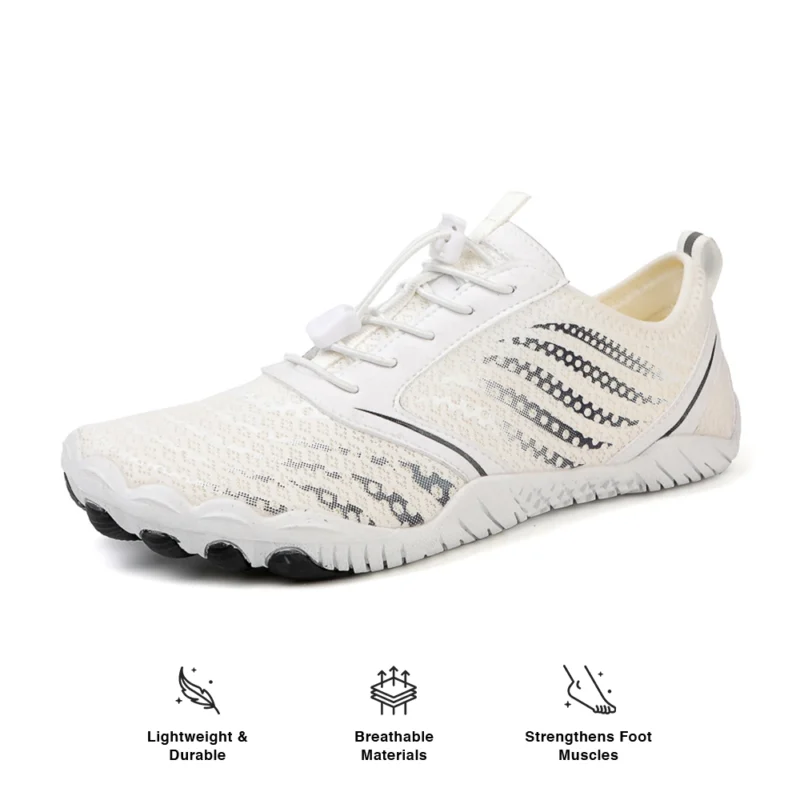
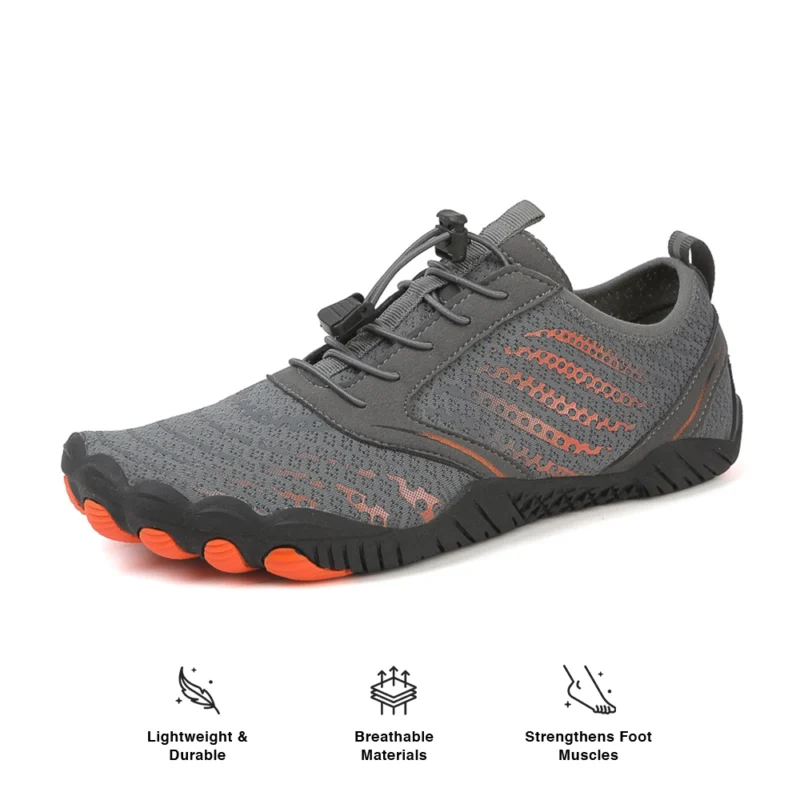
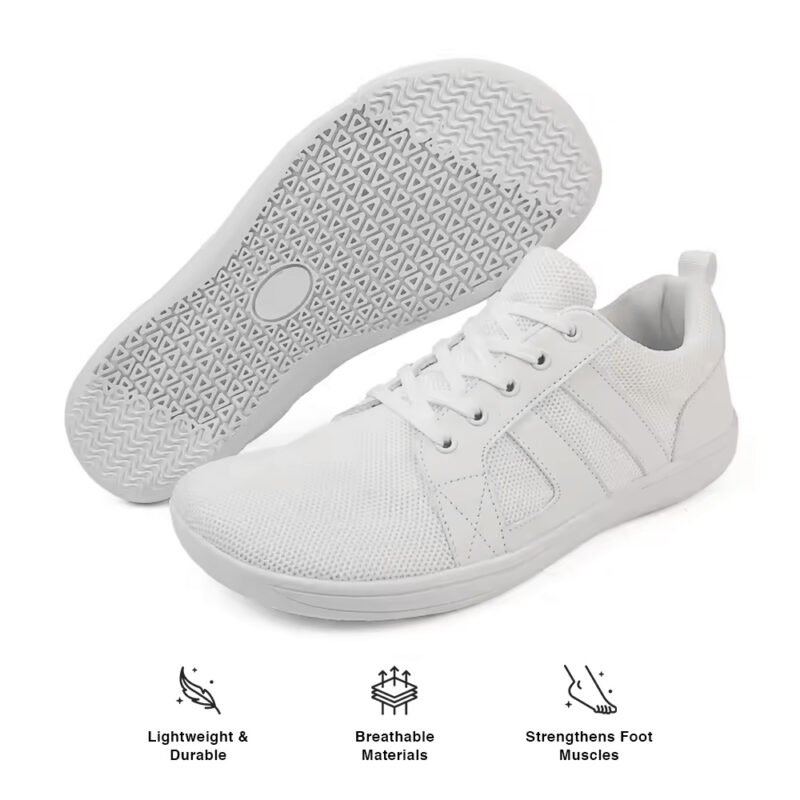
Why Your Feet Hurt More Each Shift
You've noticed that foot pain gets progressively worse as your shift continues, and recovery takes longer between workdays. Conventional shoes weaken your foot muscles by doing all the work for them, creating a cycle of dependence and deterioration. When your feet can't move naturally, they lose strength and endurance over time. Best shoes for nurses on feet all day should strengthen your feet rather than weaken them. Look for shoes with flexible soles that bend with your foot's natural movement and allow your toes to spread wide for better stability during those quick pivots between patient rooms.
Breaking Free from the Cushioning Trap
Heavy cushioning might feel good initially, but it creates an unstable platform that forces your body to work harder to maintain balance. Your feet contain thousands of nerve endings designed to sense the ground and adjust your posture accordingly. Thick, squishy soles block this important feedback and can actually increase fatigue. The best shoes for nurses on feet all day feature thin, flexible soles that maintain ground connection while protecting your feet from hospital hazards. Start with shorter shifts in minimalist shoes and gradually increase wear time as your feet adapt and strengthen.
Building Natural Shock Absorption
Your feet contain 26 bones, 33 joints, and over 100 muscles and tendons that work together as a sophisticated shock absorption system. Traditional shoes with rigid construction prevent this natural system from functioning properly. When you allow your feet to move naturally, the arch muscles engage with each step, creating dynamic support that adapts to different surfaces and movements. Choose best shoes for nurses on feet all day with zero-drop soles that keep your heel and toes at the same level, promoting natural gait mechanics. Practice walking barefoot at home to reawaken these dormant muscle patterns.
Improving Balance for Safety
Hospital floors can be unpredictable, with spills, equipment, and sudden direction changes requiring excellent balance and reaction time. Thick-soled shoes raise your center of gravity and reduce proprioception – your body's ability to sense its position in space. Minimalist best shoes for nurses on feet all day keep you closer to the ground with enhanced sensory feedback, dramatically improving your balance and reaction time. Look for shoes with wide toe boxes that allow your toes to spread naturally, creating a stable base of support during lateral movements and quick stops.
Preventing Common Nursing Foot Problems
Bunions, plantar fasciitis, and Morton's neuroma are unfortunately common among nurses, often caused by shoes that squeeze toes together and prevent natural foot mechanics. Your toes need space to spread and function as stabilizers, not cramped into narrow toe boxes. The best shoes for nurses on feet all day feature anatomically shaped toe boxes that mirror your foot's natural outline. This prevents toe deformities and allows proper weight distribution across your entire foot. Additionally, flexible soles encourage the natural rolling motion of walking, reducing stress on problem areas.
Supporting Your Entire Kinetic Chain
Foot problems don't stay in your feet – they travel up through your ankles, knees, hips, and back, creating a cascade of compensation patterns that lead to widespread discomfort. When your feet function properly, they set the foundation for healthy alignment throughout your entire body. Minimalist best shoes for nurses on feet all day promote natural foot strike patterns that reduce impact forces and improve overall body mechanics. Pay attention to how your posture improves as your feet strengthen, and notice reduced tension in your calves, knees, and lower back during long shifts.
Making the Transition Work for You
Switching to minimalist footwear requires patience and gradual adaptation, especially when you're already dealing with long work hours. Start by wearing barefoot shoes for one or two hours during shorter shifts or days off, gradually increasing the duration as your feet strengthen. Your best shoes for nurses on feet all day journey is about long-term foot health, not immediate comfort. Consider alternating between minimalist and conventional shoes during the transition period, and perform simple foot strengthening exercises like toe spreads and calf raises during breaks to accelerate the adaptation process.