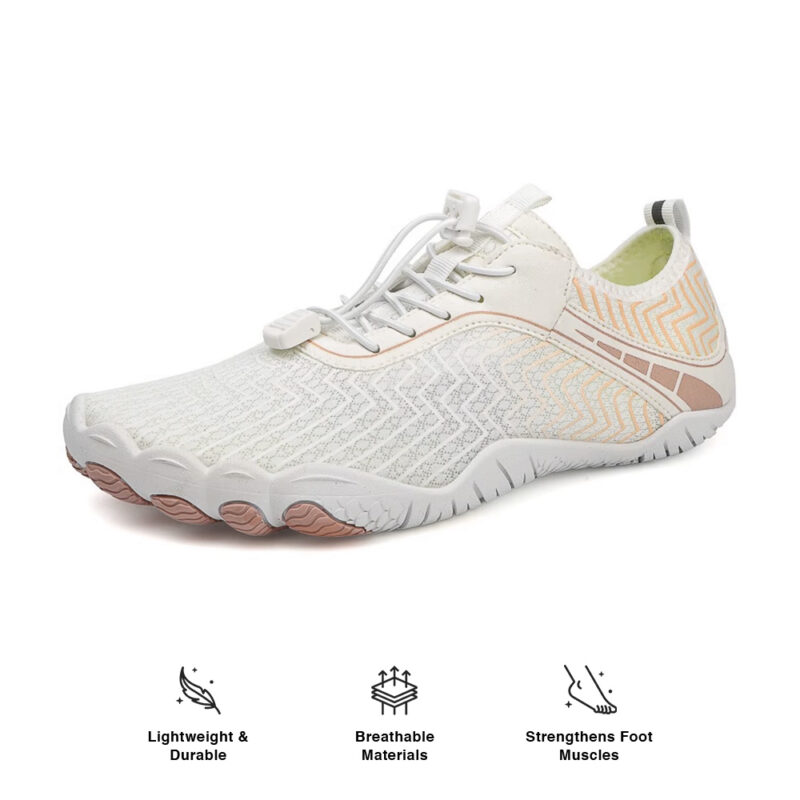
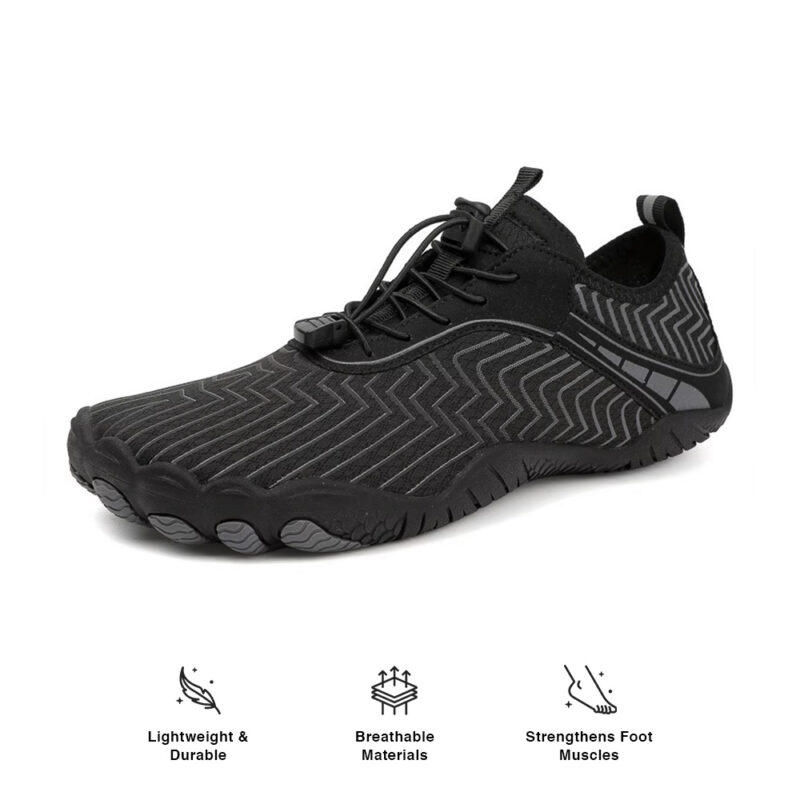
Why Your Current Shoes Might Be Making Things Worse
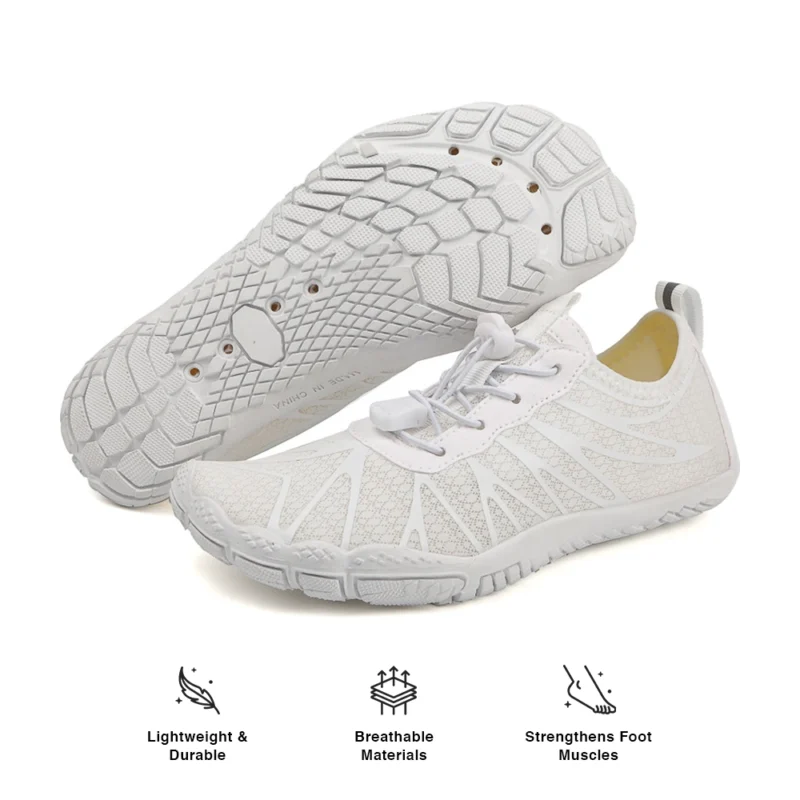
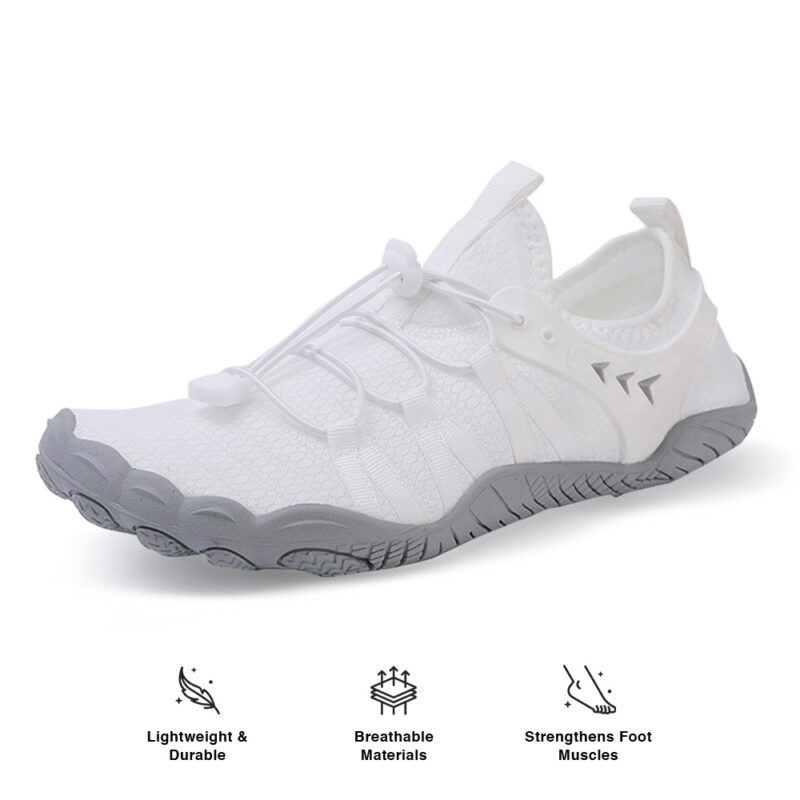
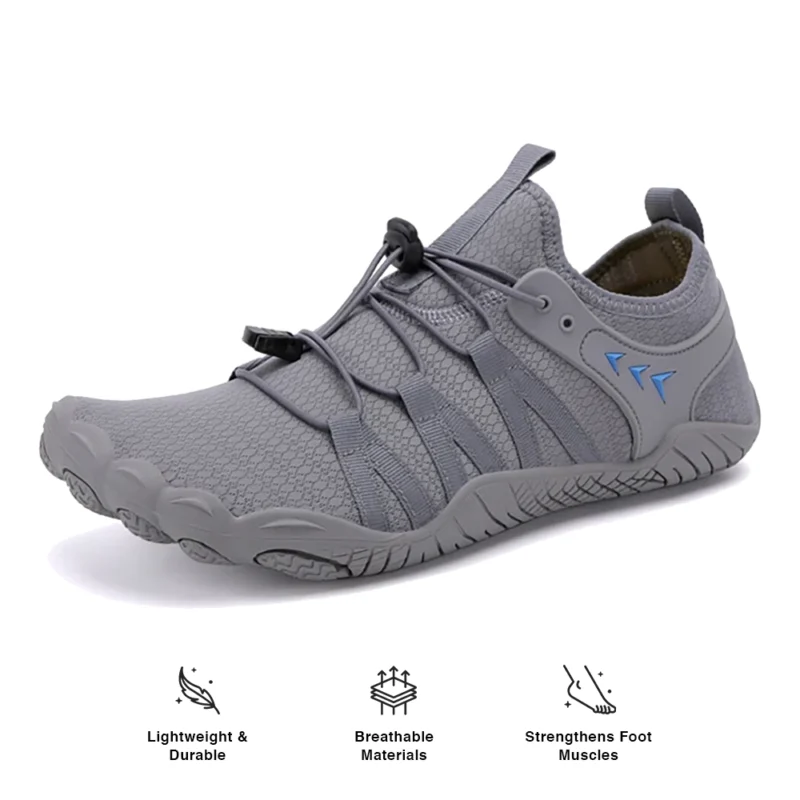
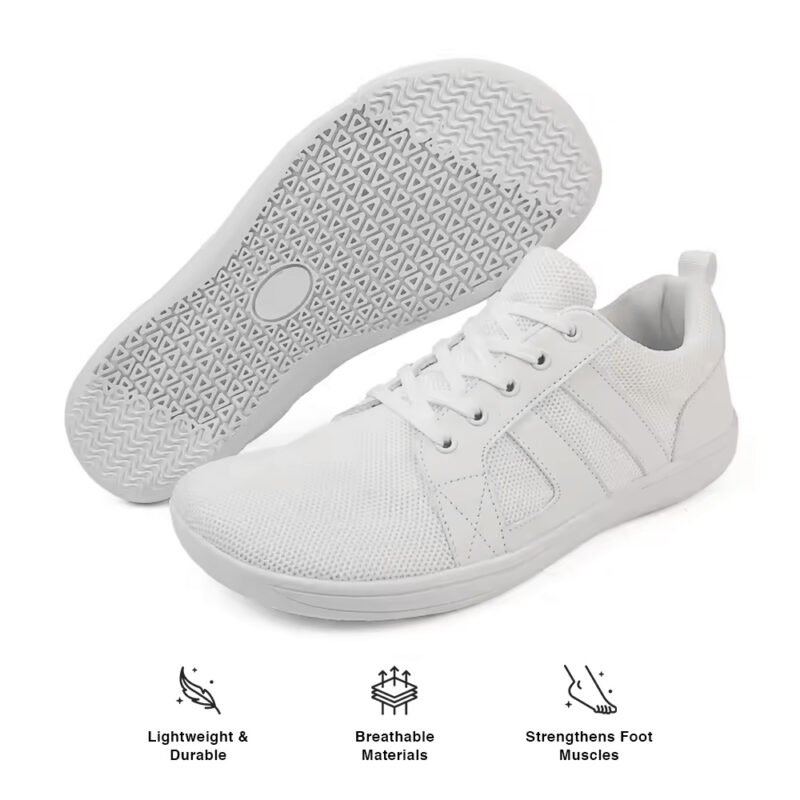
Standing for twelve-hour shifts while dealing with heel pain creates a frustrating cycle that seems impossible to break. Most nurses reach for shoes with maximum cushioning and rigid arch support, believing these features will provide relief. However, these traditional solutions often weaken your foot muscles over time, creating dependency and potentially worsening plantar fasciitis symptoms. The best shoes for nurses with plantar fasciitis allow your feet to work naturally, engaging the muscles that were designed to support your arches and absorb impact. When you choose minimalist footwear, you're giving your feet the opportunity to strengthen with every step, creating lasting relief rather than temporary comfort.
The Hidden Connection Between Toe Space and Heel Pain
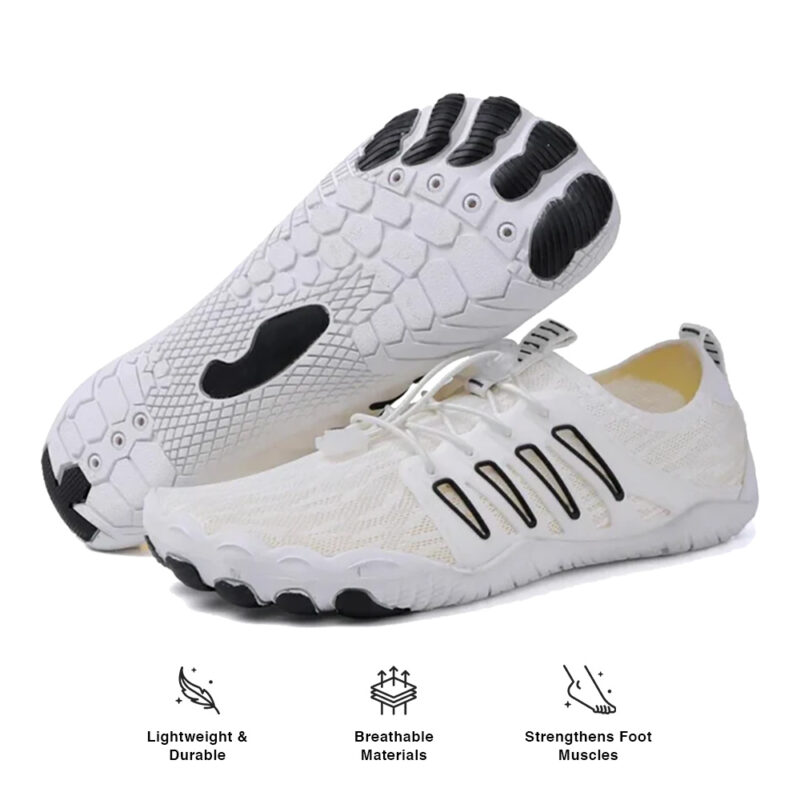
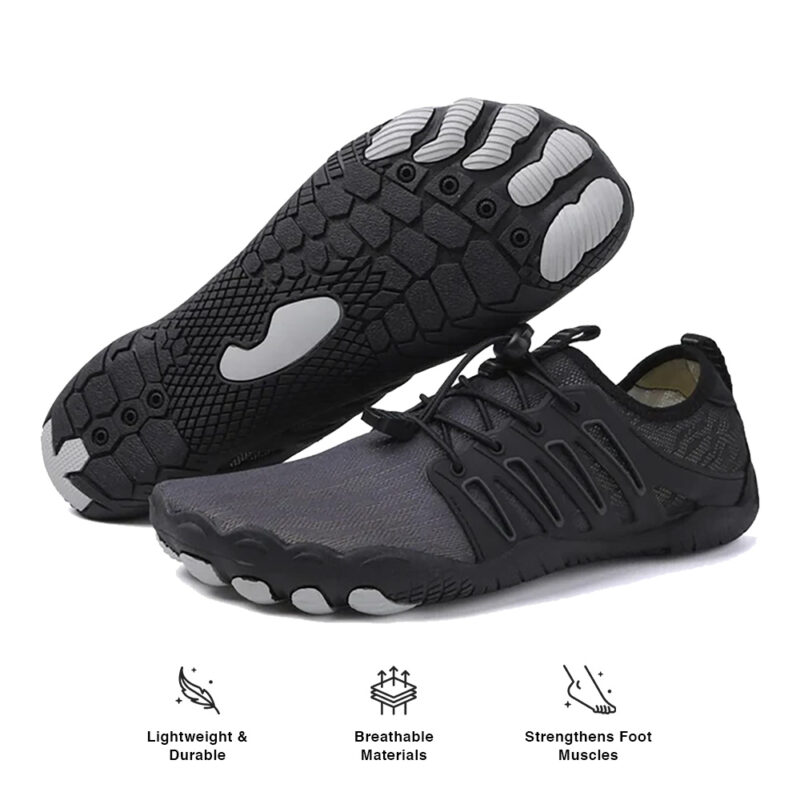
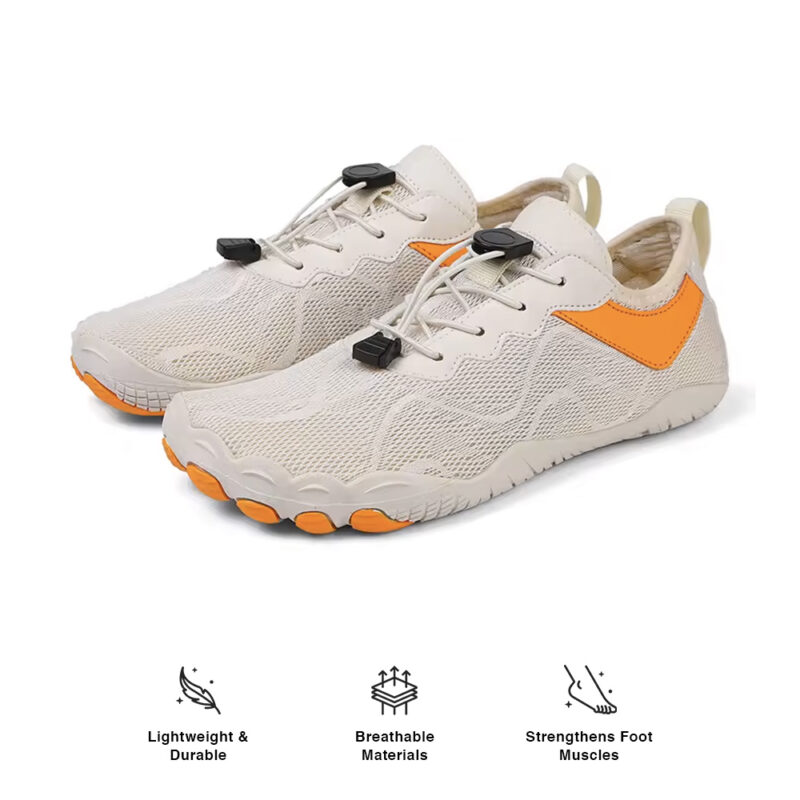
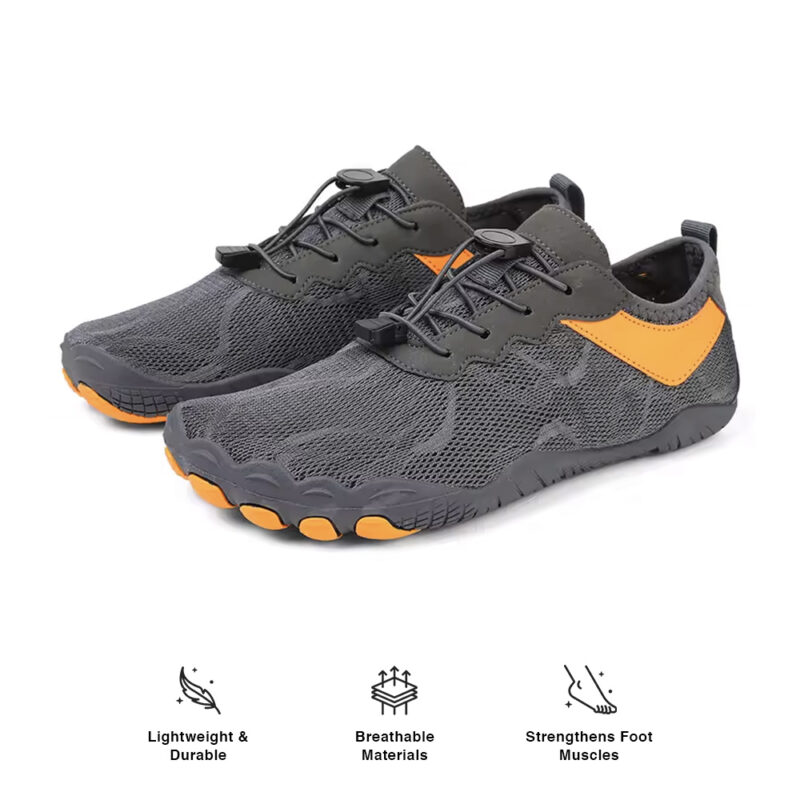
Cramped toes in narrow nursing shoes create a chain reaction that travels up through your entire foot structure. When your toes can't spread naturally, your foot loses its natural shock absorption and stability mechanisms, placing extra stress on your plantar fascia. Wide toe boxes in minimalist designs allow your toes to spread and grip the ground, creating a stable foundation that reduces strain on your heels and arches. This natural toe splay also improves your balance and reduces fatigue during long shifts. Look for best shoes for nurses with plantar fasciitis that provide generous toe room while maintaining a sleek, professional appearance that meets your workplace requirements.
Ground Feel: Your Secret Weapon Against Foot Pain
Thick, cushioned soles might seem comfortable, but they disconnect your feet from important sensory feedback that helps maintain proper posture and gait. This sensory deprivation can lead to inefficient movement patterns that contribute to plantar fasciitis and overall foot fatigue. Minimalist soles with appropriate thickness for hospital environments allow your feet to feel the ground while providing necessary protection. This ground connection helps your nervous system make tiny adjustments with each step, promoting natural alignment and reducing stress on your plantar fascia. Choose best shoes for nurses with plantar fasciitis that offer thin, flexible soles designed specifically for healthcare professionals who need both protection and sensory feedback.
Flexibility That Moves With Your Natural Gait
Rigid shoes force your feet to adapt to unnatural movement patterns, creating tension and stress throughout your lower extremities. During long nursing shifts, this restriction becomes particularly problematic as your feet swell and your natural gait patterns change due to fatigue. Flexible footwear bends and moves with your feet, allowing for natural expansion throughout your shift and supporting your body's changing needs. The best shoes for nurses with plantar fasciitis feature flexible construction that adapts to your foot's natural biomechanics while maintaining durability for demanding healthcare environments. Test flexibility by bending potential shoes in half – they should flex easily at the ball of the foot.
Zero-Drop Design for Better Posture and Pain Relief
Elevated heels in traditional nursing shoes shift your weight forward, altering your posture and placing additional strain on your plantar fascia and calf muscles. This forward lean can contribute to the tight calves and Achilles tendons often associated with plantar fasciitis. Zero-drop footwear keeps your heel and forefoot at the same level, promoting natural alignment from your feet up through your spine. This alignment reduces tension in your posterior chain and allows your foot's natural arch support system to function optimally. When searching for best shoes for nurses with plantar fasciitis, prioritize zero-drop designs that maintain professional appearance while supporting your body's natural posture throughout demanding shifts.
Durability That Matches Your Dedication
Healthcare environments demand footwear that can withstand spills, frequent cleaning, and constant use without breaking down. Many minimalist shoes designed for casual wear won't hold up to the rigorous demands of nursing, leaving you frustrated and searching for replacements. Professional-grade minimalist footwear combines natural foot function with materials and construction designed for healthcare settings. These shoes feature slip-resistant outsoles, easy-to-clean uppers, and reinforced high-wear areas that maintain their natural movement properties shift after shift. The best shoes for nurses with plantar fasciitis balance minimalist principles with the practical durability requirements of your demanding profession.
Making the Transition Safely and Successfully
Switching to minimalist footwear requires patience and gradual adaptation, especially when dealing with existing plantar fasciitis symptoms. Your feet have likely adapted to traditional supportive footwear, and sudden changes can initially increase discomfort. Start by wearing your new shoes for short periods during less demanding activities, gradually increasing wear time as your feet strengthen. Pay attention to your body's signals and allow rest days when needed during the transition period. The best shoes for nurses with plantar fasciitis support this transition with designs that offer enough protection for work environments while encouraging natural foot function. Consider starting your transition on days off, building up your foot strength before wearing minimalist shoes during full shifts.