Why Your Feet Hurt After Every Shift
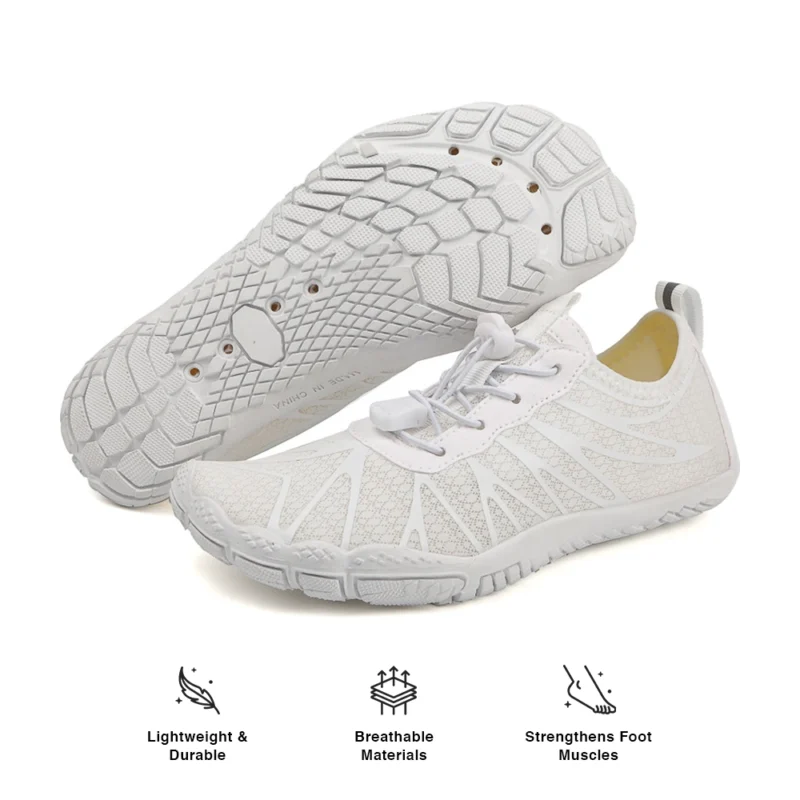
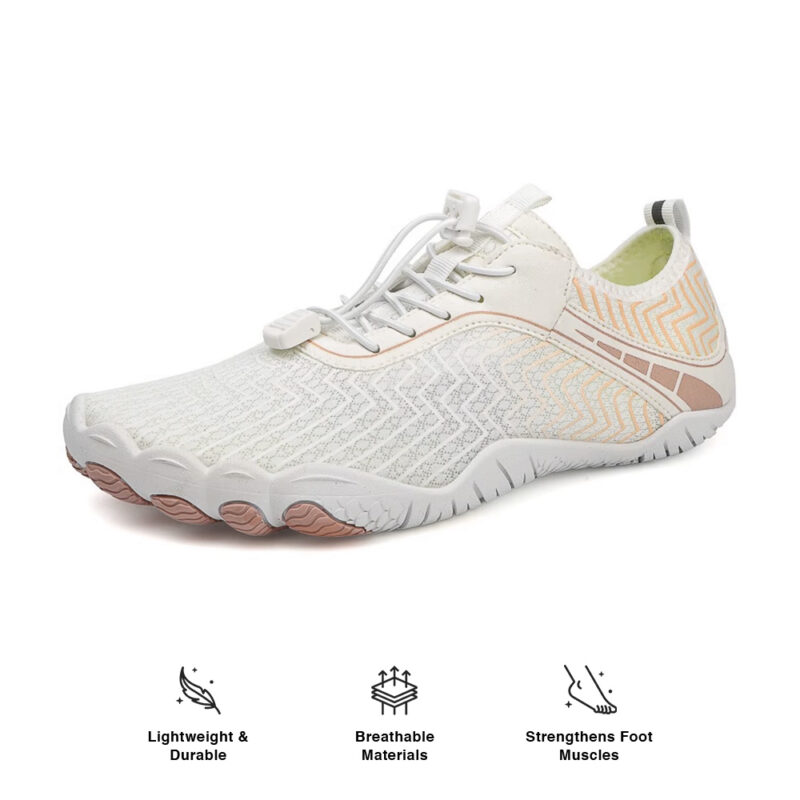
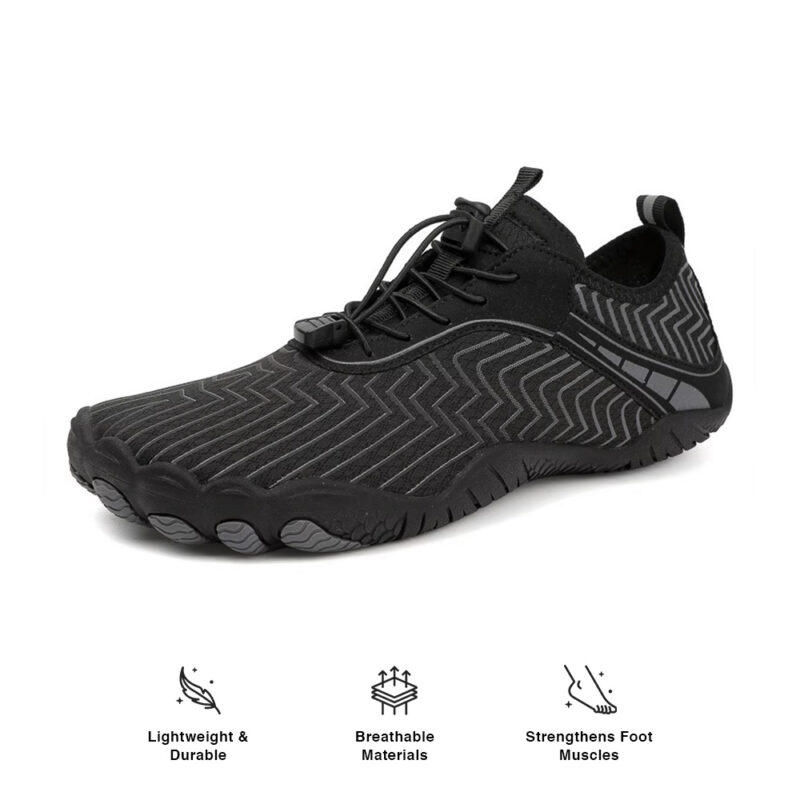
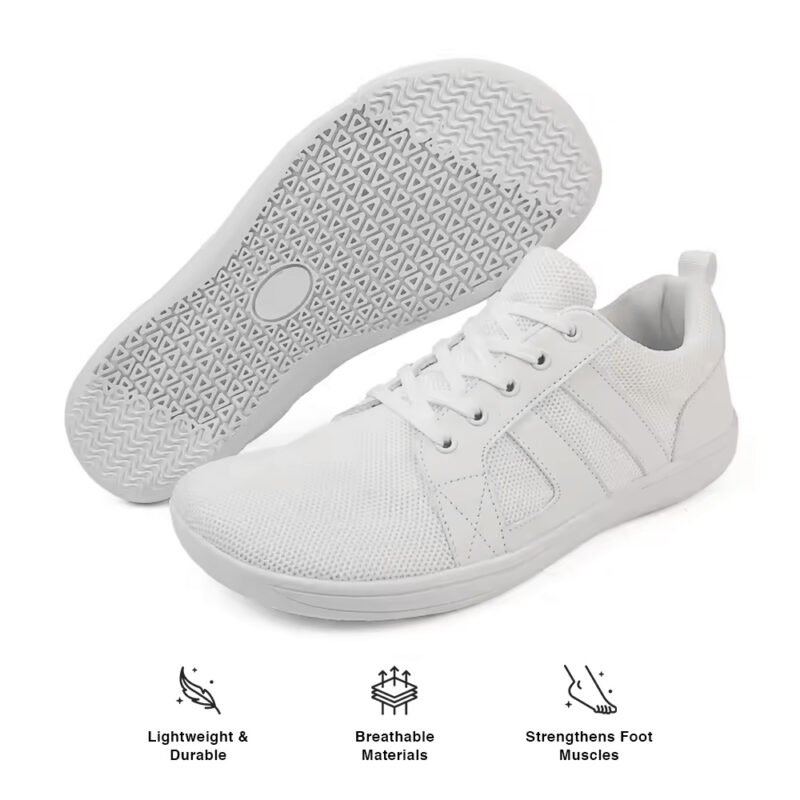
Standing and walking on hard hospital floors for hours creates a unique challenge that most nursing shoes fail to address properly. Your feet need to adapt and respond to different surfaces, but thick, rigid soles prevent this natural feedback mechanism. The best shoes for nursing allow your feet to feel the ground beneath them, engaging the small stabilizing muscles that traditional footwear has likely weakened over time. When you choose minimalist nursing shoes, you're giving your feet the chance to develop their own natural shock absorption system. Start by wearing these shoes for shorter periods initially, allowing your feet to gradually build strength and adapt to this healthier way of moving.
Finding Stability Without Restrictive Support
Balance and coordination become critical when you're rushing between patients or navigating crowded hospital corridors. Conventional nursing shoes often feature rigid construction that limits your foot's natural ability to make micro-adjustments for stability. The best shoes for nursing provide a stable platform while allowing your feet to move naturally, improving your proprioception and overall balance. Minimalist designs let your feet communicate directly with your brain about surface changes and weight shifts, making you more surefooted and confident during busy shifts. Practice standing on one foot while wearing your minimalist nursing shoes to help accelerate this improved balance development.
Eliminating the Heavy, Clunky Feeling
Traditional nursing shoes often weigh you down with unnecessary bulk, making each step feel labored by the end of a long shift. Your feet and legs work harder when they have to lift heavy footwear repeatedly throughout the day. The best shoes for nursing prioritize lightweight construction that moves with you rather than against you, reducing fatigue and allowing for more natural movement patterns. Minimalist nursing shoes typically weigh significantly less than conventional options, helping you maintain energy levels throughout your shift. Choose shoes that feel almost weightless on your feet, and notice how much more spring you have in your step during those final hours of work.
Maintaining Foot Health in Demanding Conditions
Hospital environments expose your feet to long hours of standing, frequent direction changes, and various floor surfaces that can stress your feet in different ways. Poor circulation, swelling, and pressure points develop when shoes constrain natural foot movement and blood flow. The best shoes for nursing feature wide toe boxes and flexible materials that accommodate natural foot shape and allow proper circulation throughout your shift. Barefoot-inspired designs promote healthy blood flow by avoiding pressure points and restrictive elements that traditional nursing shoes often include. Take short breaks when possible to flex and stretch your feet, maximizing the benefits of your foot-healthy footwear choice.
Building Long-Term Foot Strength
Relying on external support structures in traditional nursing shoes actually weakens the intrinsic muscles of your feet over time, creating dependency and potential injury risk. Your feet contain 26 bones and numerous muscles designed to provide natural support and shock absorption when allowed to function properly. The best shoes for nursing encourage these muscles to activate and strengthen with every step, building a foundation of natural support that serves you throughout your career. Minimalist footwear challenges your feet in healthy ways, promoting adaptation and strength development that traditional nursing shoes prevent. Incorporate simple foot exercises like toe spreads and calf raises during breaks to accelerate the strengthening process your minimalist shoes have started.
Adapting to Different Hospital Surfaces
From smooth linoleum corridors to textured mats in patient rooms, hospital floors present varying challenges that require adaptable footwear. Thick, inflexible soles in conventional nursing shoes prevent your feet from properly sensing and adjusting to these surface changes, potentially affecting your stability and comfort. The best shoes for nursing provide enough protection while maintaining ground connection, allowing your feet to naturally adapt to different textures and elevations throughout your workplace. This enhanced surface awareness improves your confidence and reduces the risk of slips or missteps during critical moments. Practice walking on different surfaces at home while wearing your minimalist nursing shoes to help your feet develop better adaptability and response time.
Creating Sustainable Comfort for Your Career
True comfort in nursing footwear comes from supporting your body's natural mechanics rather than masking problems with temporary solutions. Artificial cushioning breaks down over time and can actually alter your gait in ways that create problems elsewhere in your body. The best shoes for nursing focus on allowing natural foot function, which creates lasting comfort that improves rather than deteriorates over time. When your feet are strong and healthy, they provide natural cushioning and support that adapts to your individual needs and movement patterns. Invest in minimalist nursing shoes as a long-term solution for foot health, understanding that the initial adaptation period leads to stronger, more comfortable feet throughout your nursing career.