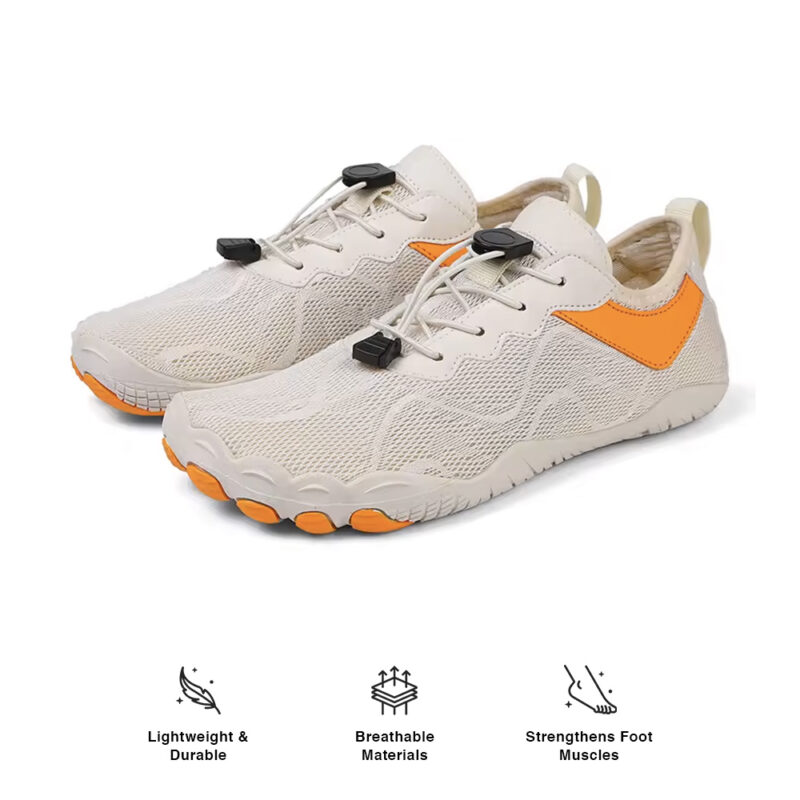
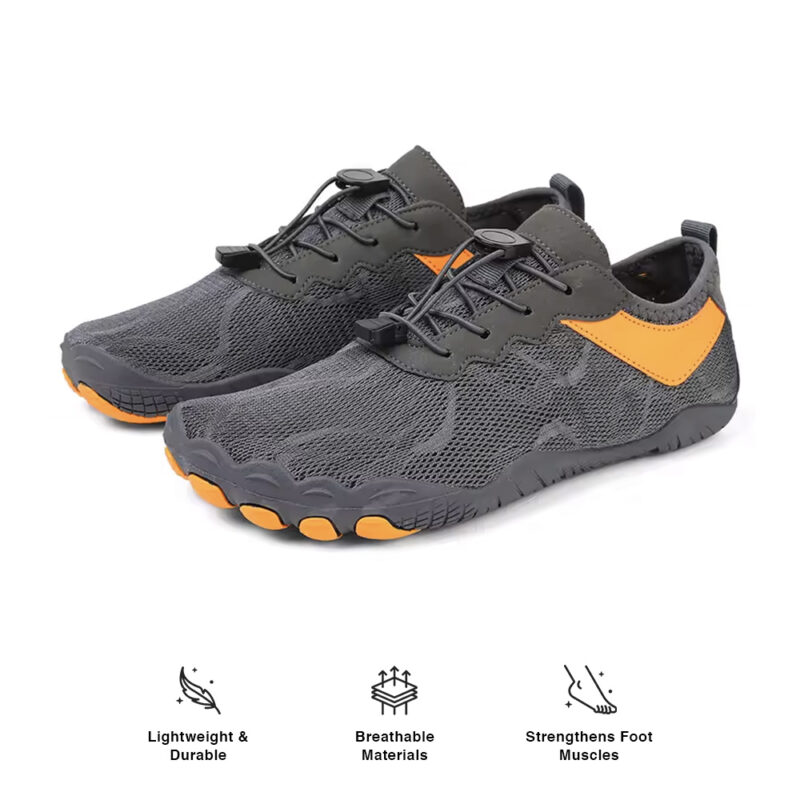
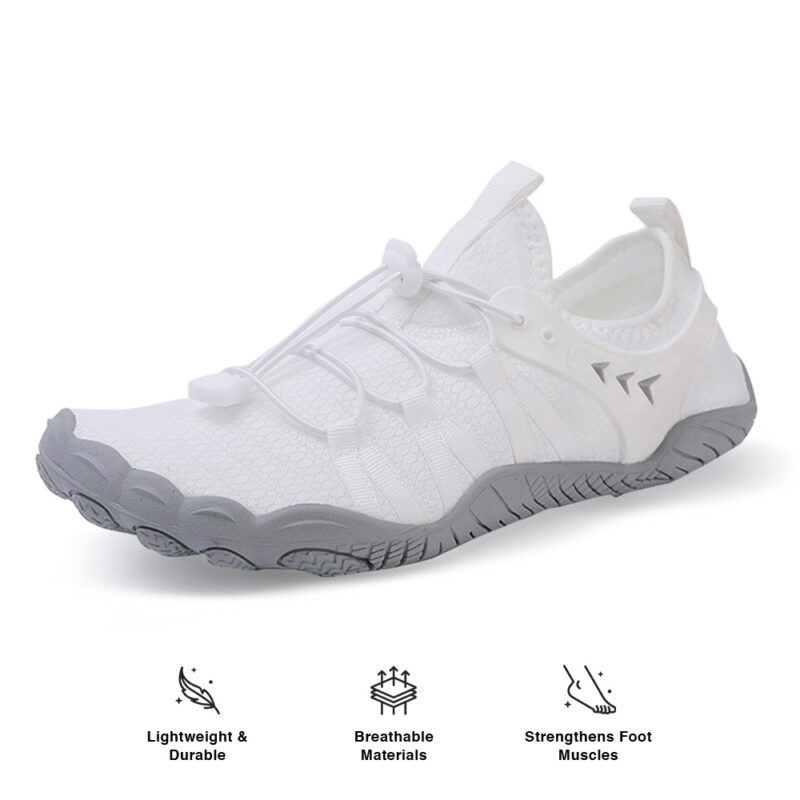
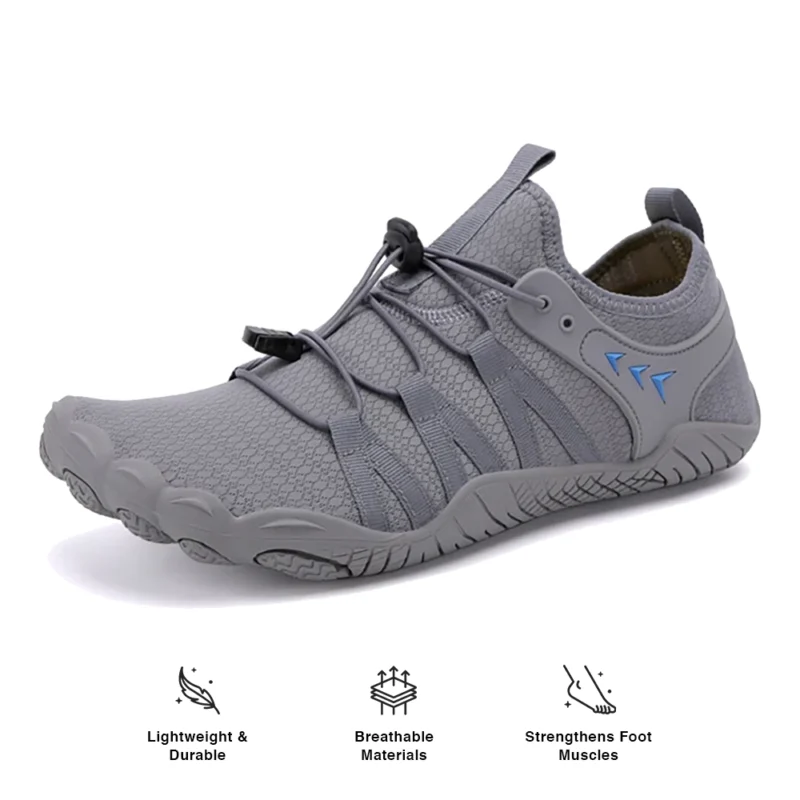
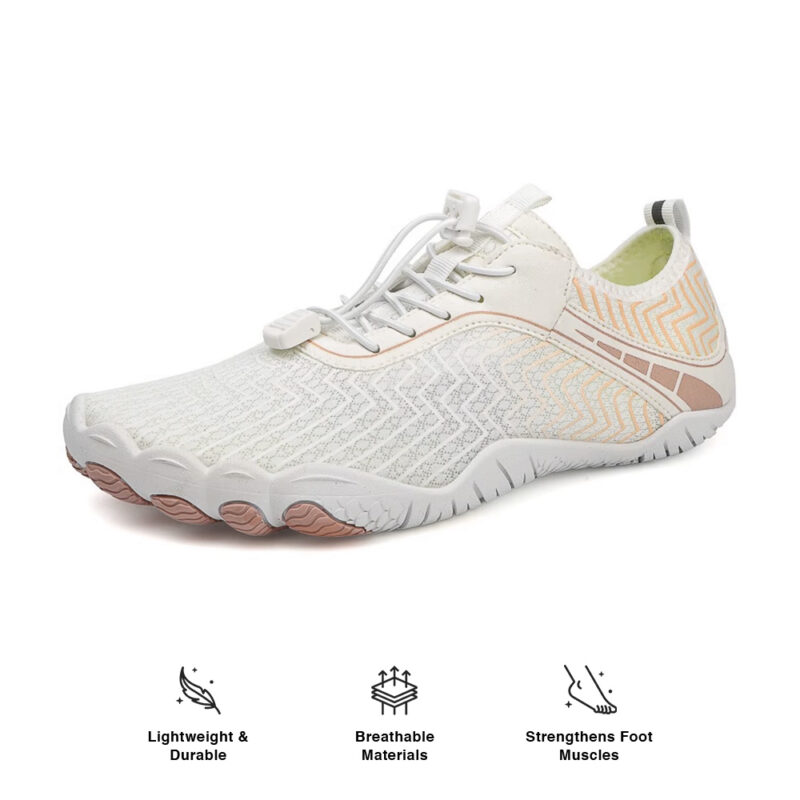
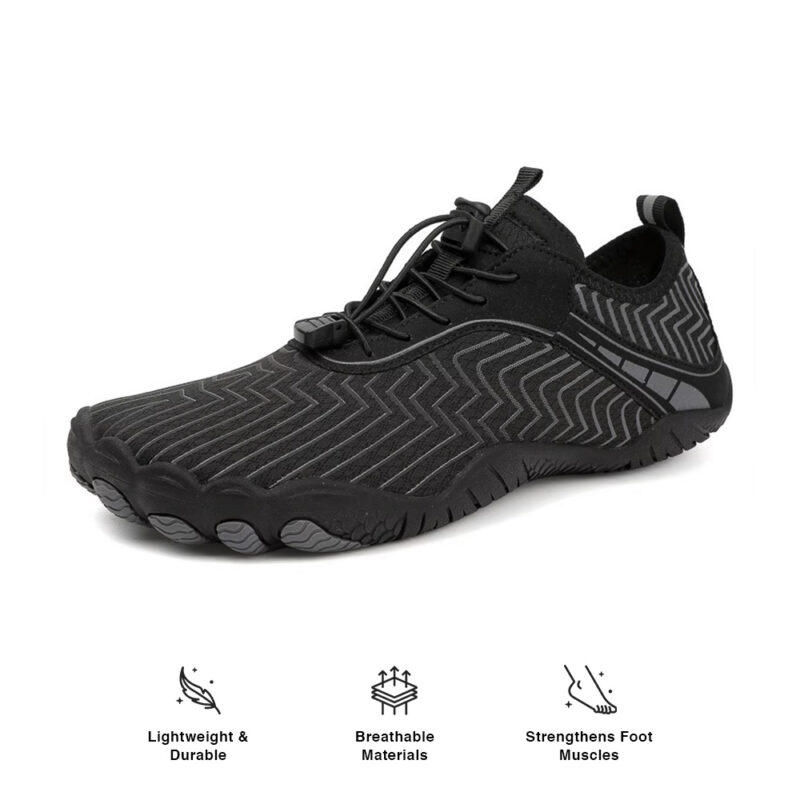
Why Your Feet Hurt Despite "Corrective" Shoes
You've probably noticed that even with expensive motion control shoes, your feet still feel tired and achy by day's end. This happens because traditional corrective footwear essentially puts your feet in a cast, preventing the natural muscle engagement that creates true stability. The best shoes for pronation work differently – they allow your intrinsic foot muscles to activate and strengthen with every step. When your feet can move freely, they develop the strength to self-correct and adapt naturally to different surfaces, reducing the fatigue and discomfort you've been experiencing.
How Natural Movement Builds Real Stability
Your concern about ankle instability makes perfect sense when you've been wearing shoes that do all the stabilizing work for your feet. Minimalist footwear challenges your feet to engage their stabilizing muscles, creating strength from the ground up. Over time, this natural engagement improves your proprioception – your body's awareness of position and movement – which is far more effective than any external support system. Start by wearing your new barefoot shoes for short periods and gradually increase the duration as your feet adapt and strengthen.
Breaking Free from the Arch Support Trap
You might worry about giving up arch support, especially if you've been told you need it for your pronation pattern. However, external arch support actually weakens the muscles that should be supporting your arch naturally. The best shoes for pronation provide a flat, flexible sole that encourages your arch muscles to engage and strengthen. Your feet contain over 100 muscles, tendons, and ligaments designed to create dynamic support – when you allow them to work, they become remarkably strong and resilient. Begin this transition gradually, allowing your arch muscles time to redevelop their natural strength.
Understanding Ground Feel and Its Benefits
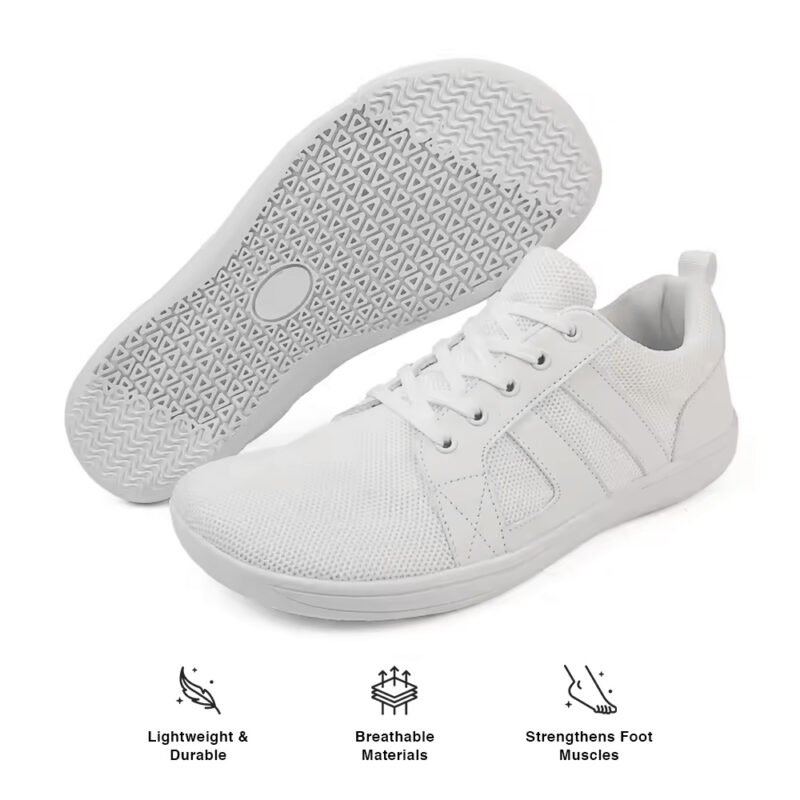
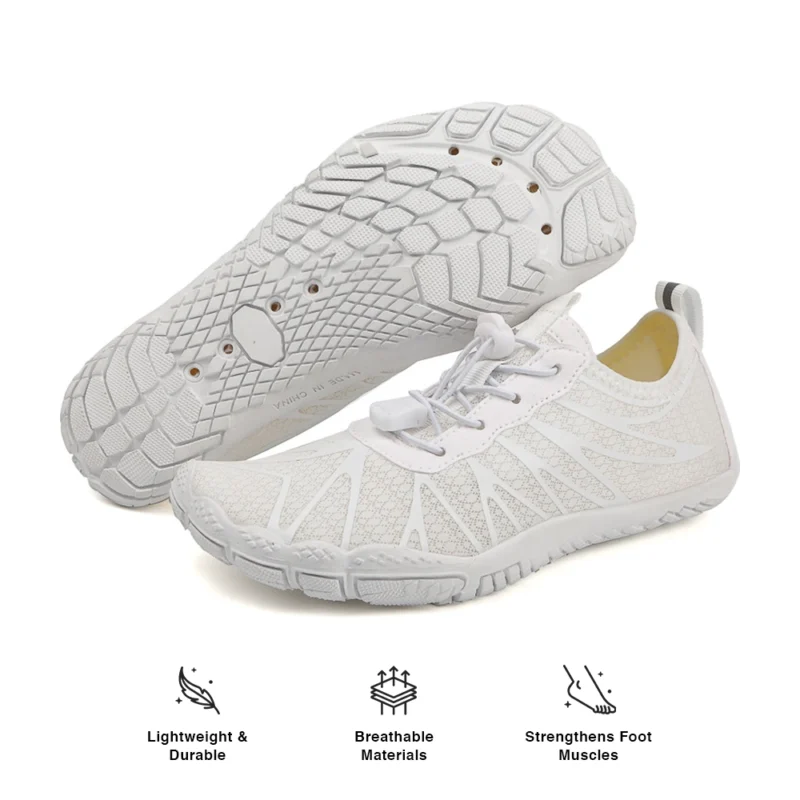
The thick, cushioned soles you're used to block crucial sensory feedback from the ground, making it harder for your body to adjust its movement patterns naturally. Minimalist shoes provide ground feel that helps your nervous system make micro-adjustments with each step, improving your overall gait efficiency. This enhanced proprioception helps your body naturally optimize foot strike and pronation patterns without conscious effort. Choose shoes with thin, flexible soles that allow you to feel texture and terrain variations beneath your feet.
Finding the Right Fit for Natural Movement
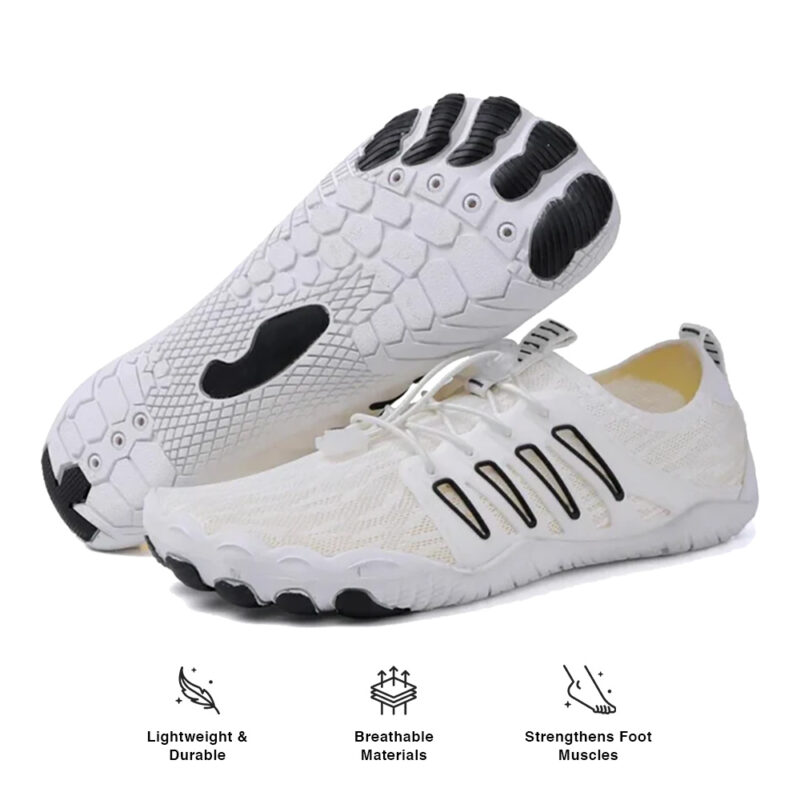
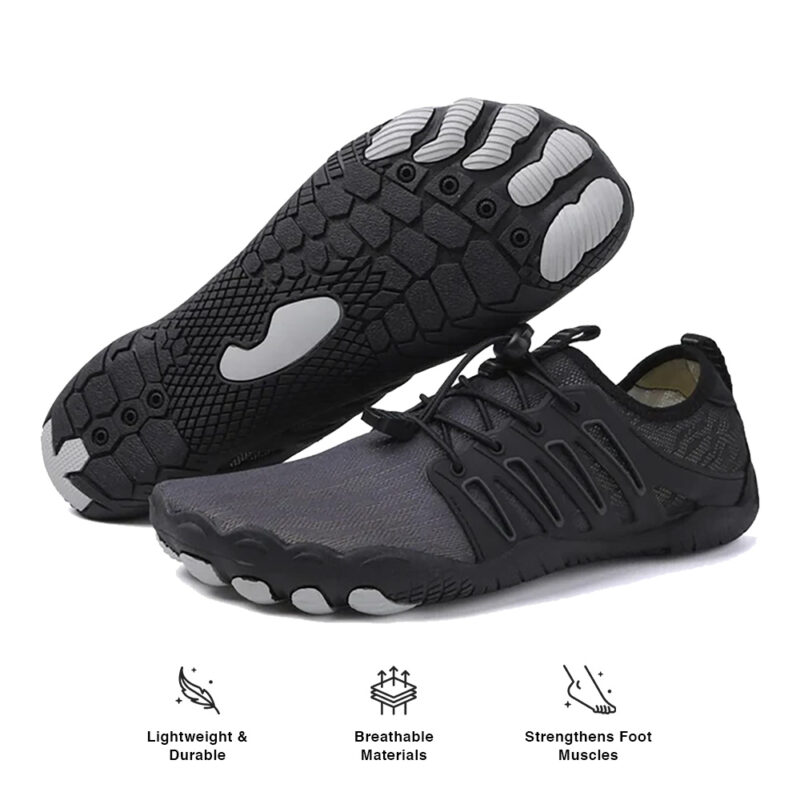
Proper fit in the best shoes for pronation means having adequate toe space – your toes should be able to spread naturally and move freely within the shoe. Most traditional shoes compress your toes, disrupting the natural mechanics of your foot and contributing to instability issues. Look for shoes with a wide toe box that matches your foot's natural shape, allowing your toes to function as they're designed to for optimal balance and propulsion. Measure your feet in the afternoon when they're naturally spread, and ensure there's thumb-width space between your longest toe and the shoe's end.
Transitioning Without Injury
Your biggest concern is probably how to make this change without getting hurt, especially given your history with pronation issues. The key is patience and gradual progression – start by wearing your barefoot shoes for 30 minutes daily and increase by 15 minutes weekly. Your feet have likely been weakened by years of traditional footwear, so they need time to rebuild strength and resilience. Listen to your body, and don't hesitate to alternate between your new minimalist shoes and slightly more supportive transition shoes during the adaptation period.
Long-Term Benefits You Can Expect
The best shoes for pronation offer benefits that extend far beyond your feet – you'll likely notice improvements in your posture, knee comfort, and overall energy levels as your body learns to move more efficiently. Many people discover that issues they attributed to pronation were actually compensation patterns created by restrictive footwear. As your feet strengthen and your movement patterns normalize, you may find that the pronation concerns that brought you here become less problematic. Track your progress with photos of your foot position and notes about comfort levels to stay motivated during the transition process.