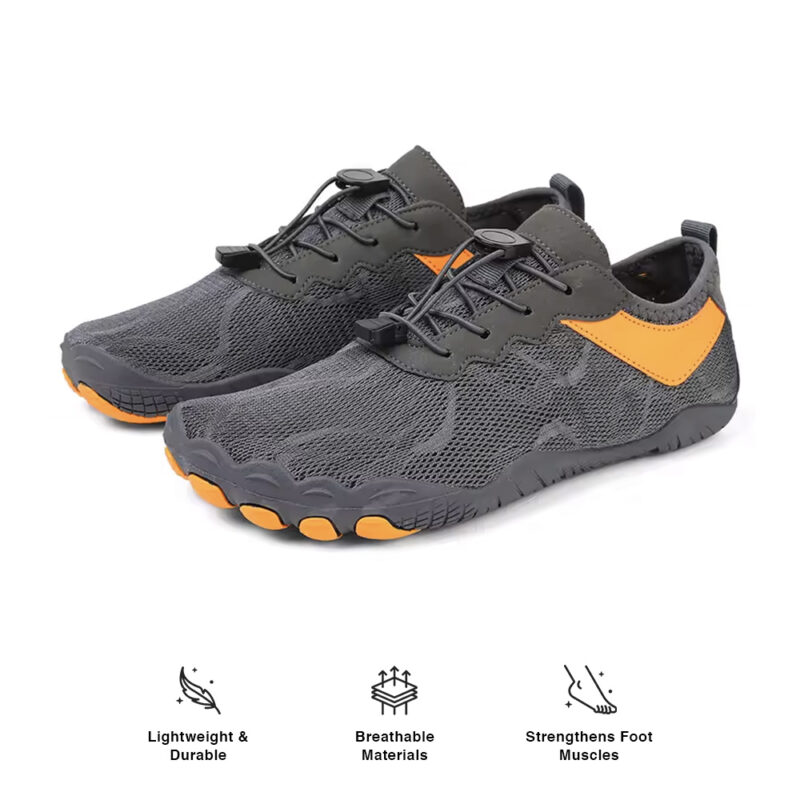
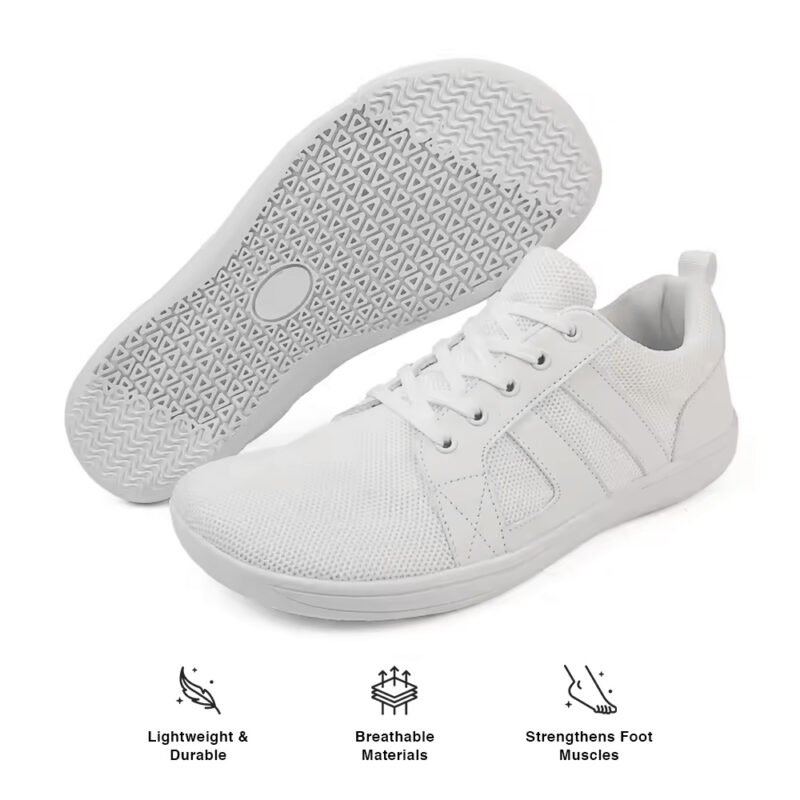
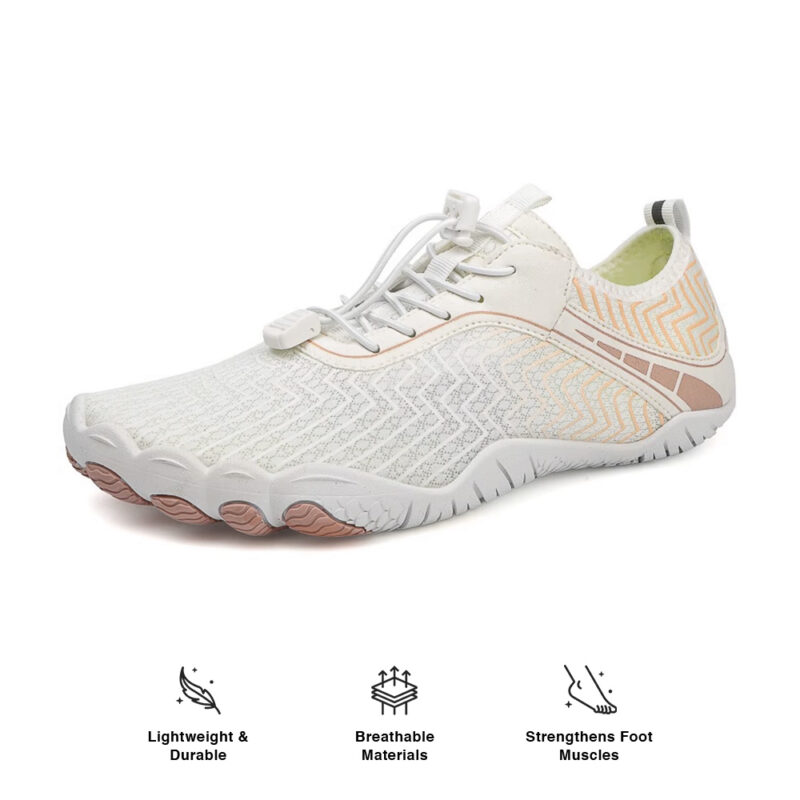
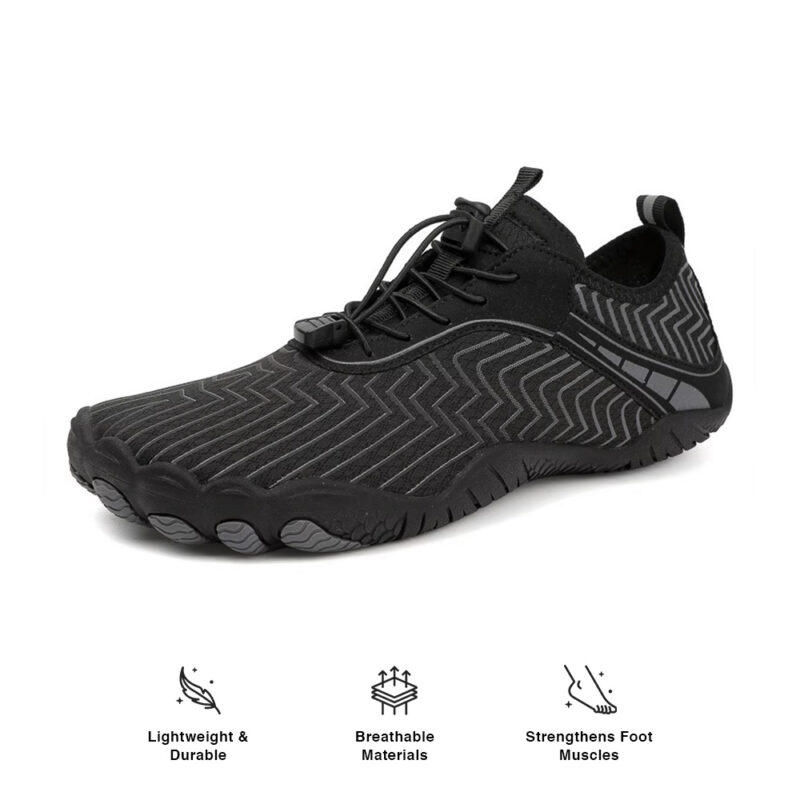
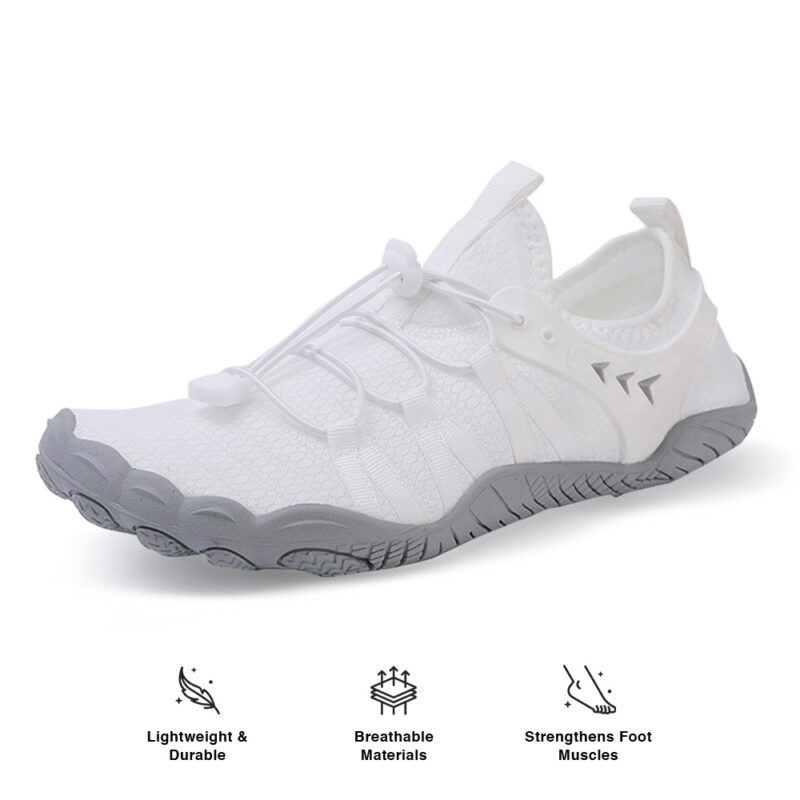
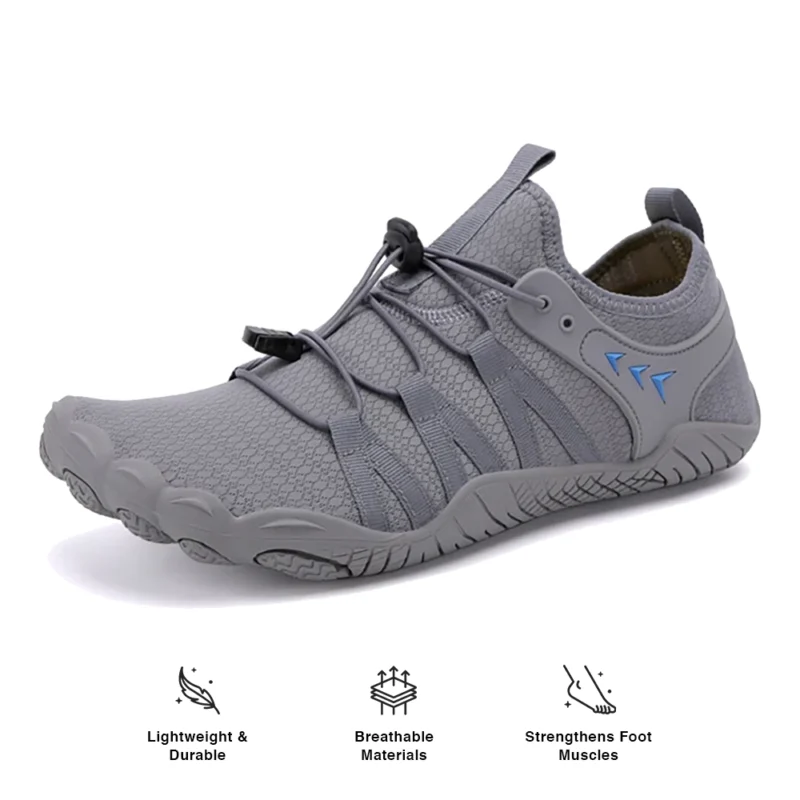
Why Your Current Standing Shoes Are Failing You
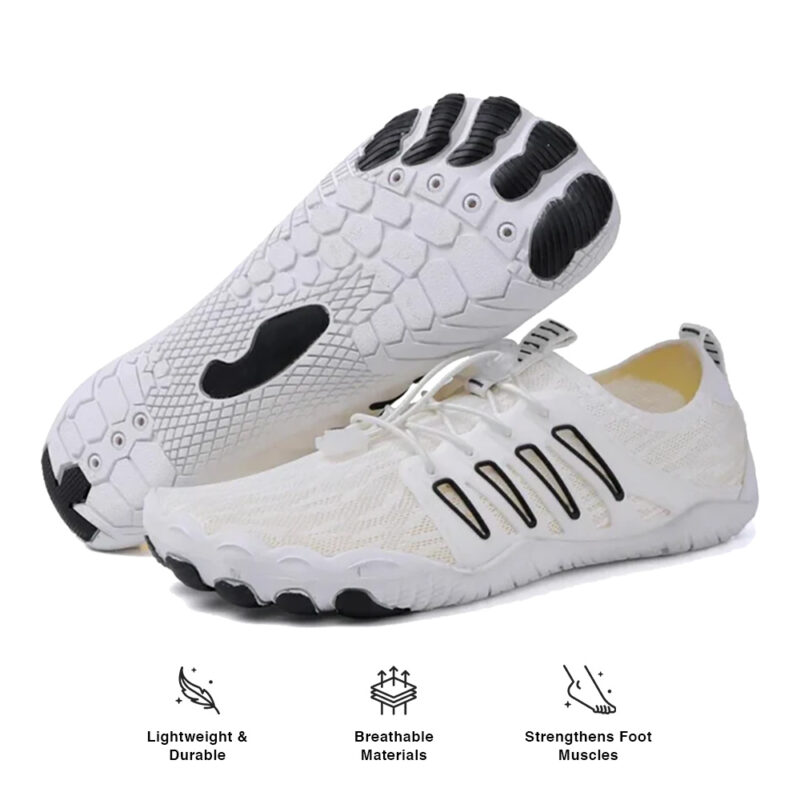
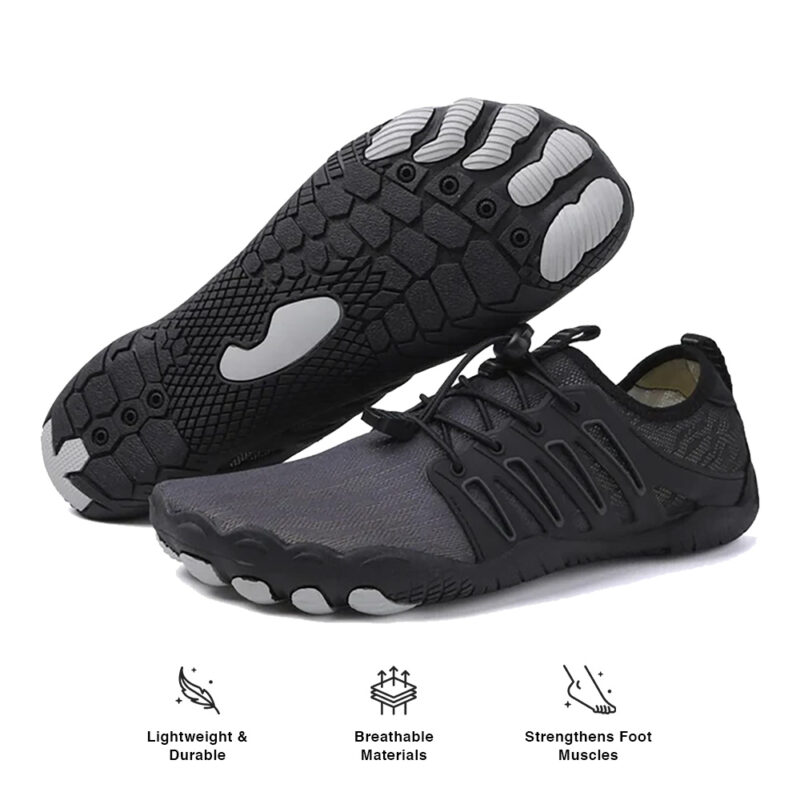
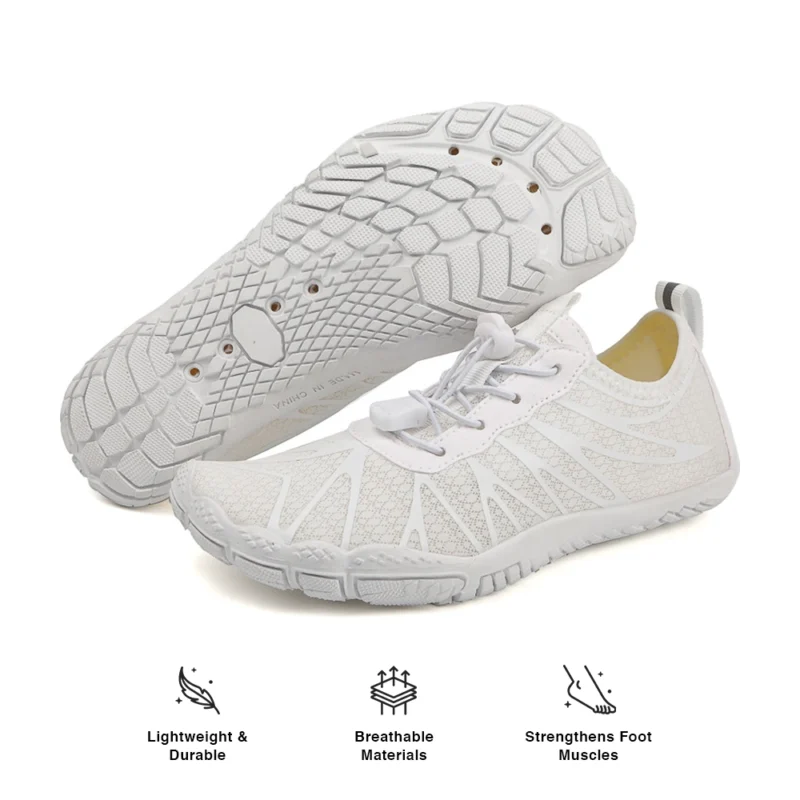
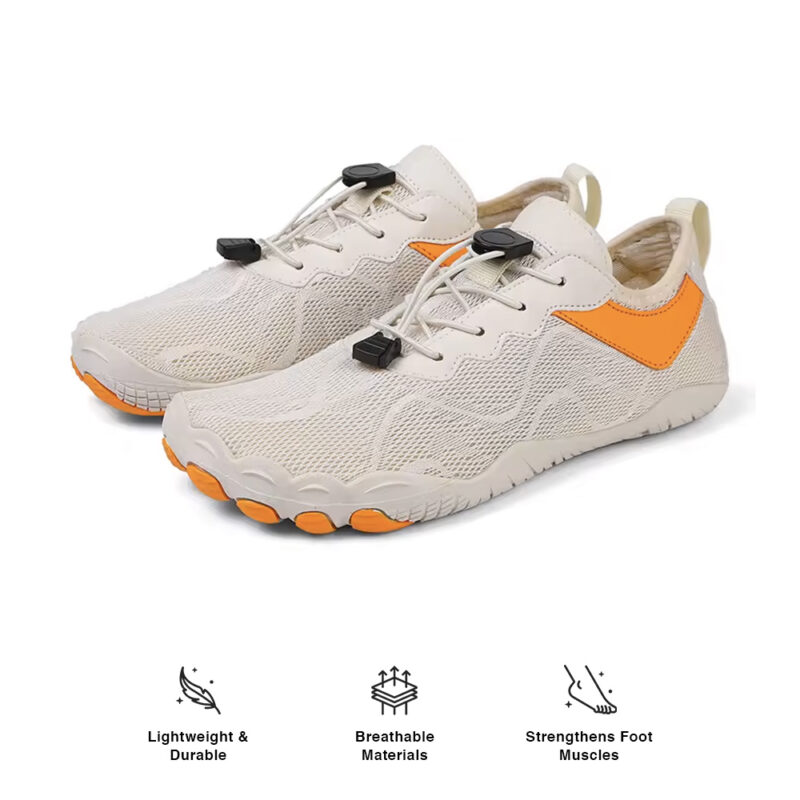
Standing for hours in conventional shoes creates a cascade of problems that most people don't realize until it's too late. Your feet become prisoners in rigid boxes that prevent natural movement and muscle engagement. When searching for the best shoes for standing, most people gravitate toward thick, cushioned soles thinking more padding equals more comfort. However, this approach weakens your foot muscles and creates dependency on artificial support systems. Barefoot-style shoes allow your feet to work as nature intended, with flexible soles that let you feel the ground while still providing protection. Start by gradually transitioning to thinner soles, allowing your feet to rediscover their natural strength and stability.
The Hidden Connection Between Foot Freedom and Back Pain
Lower back pain during long standing shifts often starts with restricted feet, not spinal problems. When your toes can't spread naturally and your arches can't flex, your body compensates with poor posture that travels up your kinetic chain. The best shoes for standing should allow your toes to splay wide, giving you a stable foundation that naturally aligns your spine. Minimalist designs with wide toe boxes let your feet function as they evolved to, creating a strong base that reduces the strain on your back and legs. Practice toe-spreading exercises throughout your day to maximize the benefits of your newly liberated feet.
Breaking Free from the Arch Support Trap
Artificial arch support creates weak, dependent feet that can't handle the demands of prolonged standing. Your arches are designed to be dynamic structures that flex and spring with each step, not rigid platforms that never change. When looking for the best shoes for standing, seek out flat, flexible soles that challenge your foot muscles to engage and strengthen. This natural approach initially requires an adjustment period, but leads to stronger arches that provide better support than any external device ever could. Begin with short periods in minimalist shoes and gradually increase your wearing time as your intrinsic foot muscles develop.
How Thin Soles Deliver Superior Standing Comfort
Counter-intuitively, thinner soles often provide better comfort for extended standing than thick, cushioned alternatives. Ground connection through minimal footwear allows your proprioceptive system to make constant micro-adjustments that distribute weight evenly and reduce pressure points. The best shoes for standing work with your body's natural shock absorption systems rather than trying to replace them with artificial materials. Your feet, ankles, and legs contain sophisticated mechanisms for managing impact and pressure when they're allowed to function freely. Choose shoes with thin, flexible soles that still offer puncture protection while maintaining maximum ground feel.
The Circulation Revolution of Unrestricted Feet
Poor circulation in your feet and legs during long standing periods often results from tight, constricting footwear rather than the standing itself. Shoes that squeeze your feet reduce blood flow and create the swelling and discomfort associated with extended time on your feet. The best shoes for standing feature roomy toe boxes and flexible materials that move with your feet rather than restricting them. This improved circulation keeps your feet feeling fresher longer and reduces the end-of-day swelling that makes it painful to walk to your car. Look for shoes made from breathable, stretchy materials that accommodate the natural expansion of your feet throughout the day.
Natural Balance: Your Secret Weapon Against Fatigue
Maintaining balance on thick, unstable soles requires constant muscular effort that contributes to fatigue during long standing shifts. When your feet can truly feel the ground, your balance becomes effortless and automatic, freeing up energy for your actual work. The best shoes for standing provide a stable platform with minimal stack height, allowing your body's natural balance mechanisms to function optimally. This improved stability reduces the unconscious muscle tension that builds up throughout the day, leaving you feeling more energetic at the end of your shift. Practice standing on one foot with your shoes off to develop better proprioception and balance awareness.
Building Foot Strength for Lifelong Comfort
Every day in conventional shoes represents a missed opportunity to strengthen the muscles that support you during prolonged standing. Weak foot muscles lead to collapsed arches, poor alignment, and increased fatigue over time. The best shoes for standing challenge your feet just enough to promote strength without causing strain or injury. This natural strengthening process creates a foundation of support that improves with time rather than deteriorating like artificial materials do. Incorporate simple foot exercises like calf raises and toe curls into your workday routine to accelerate your foot strengthening journey.