Break Free from Rigid Corrections That Create More Problems
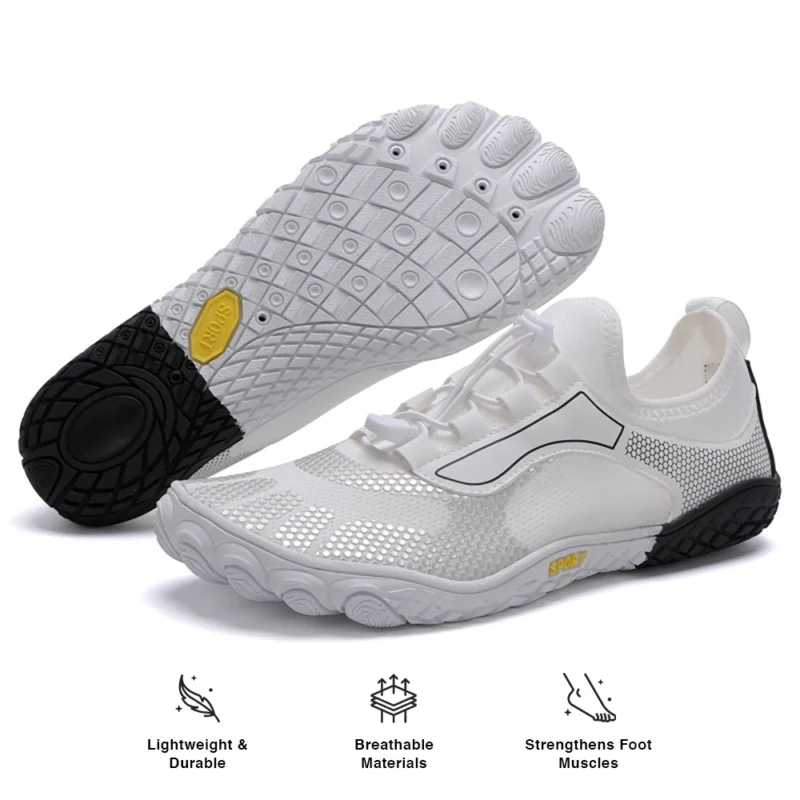
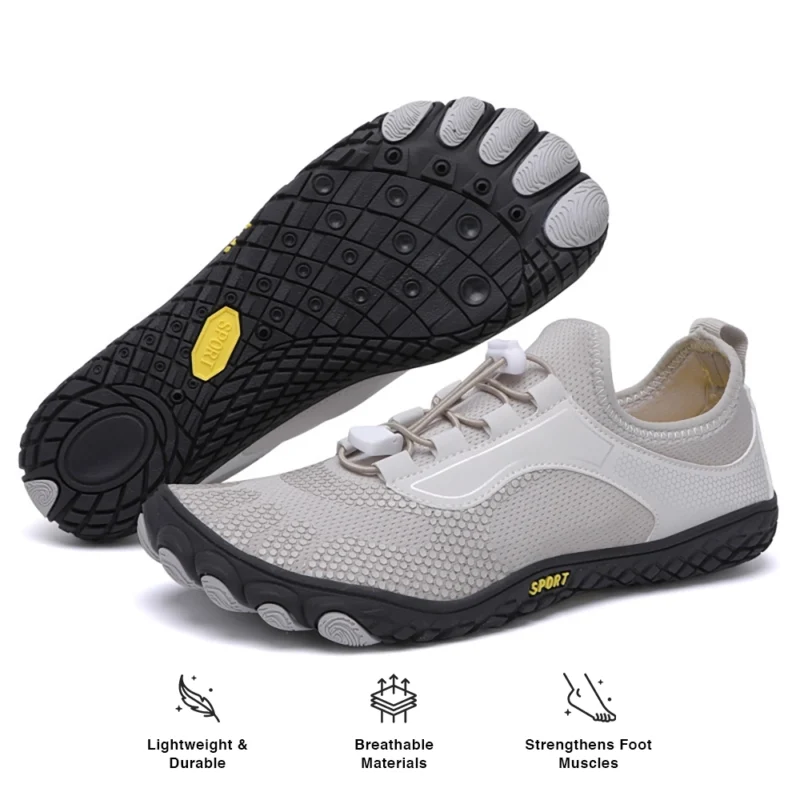
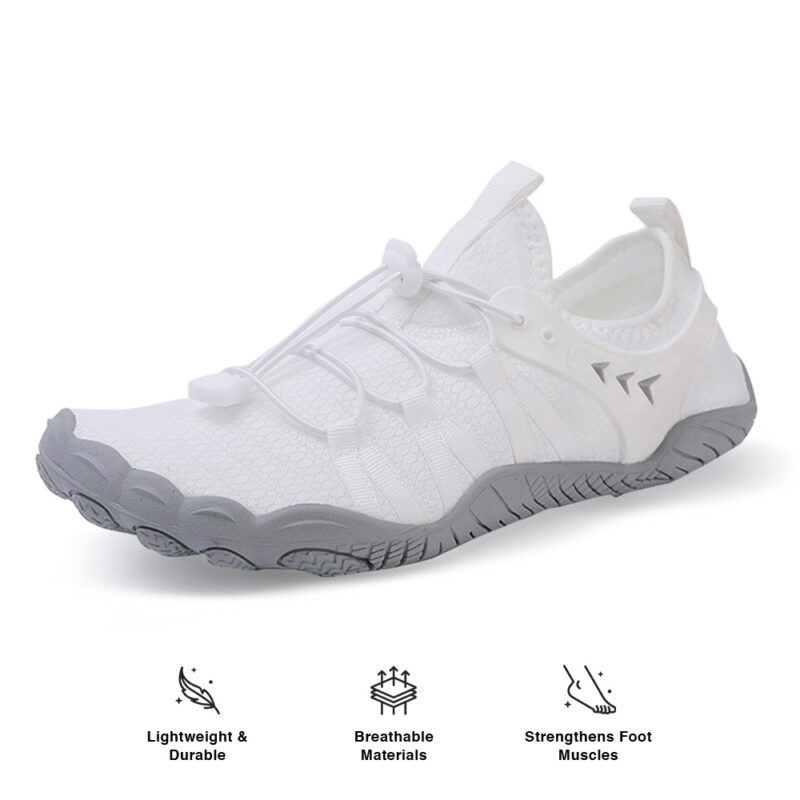
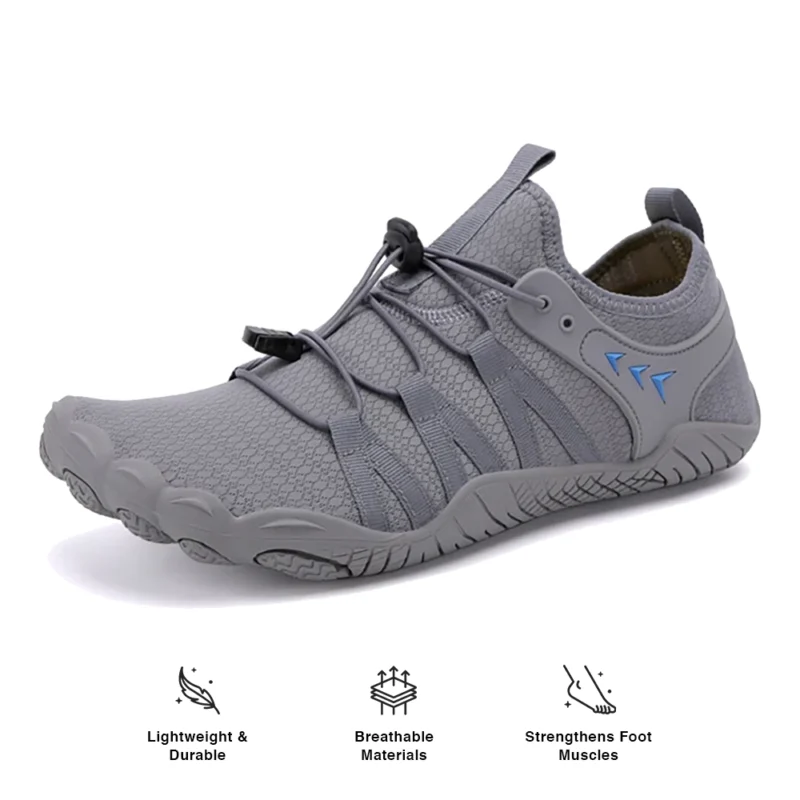
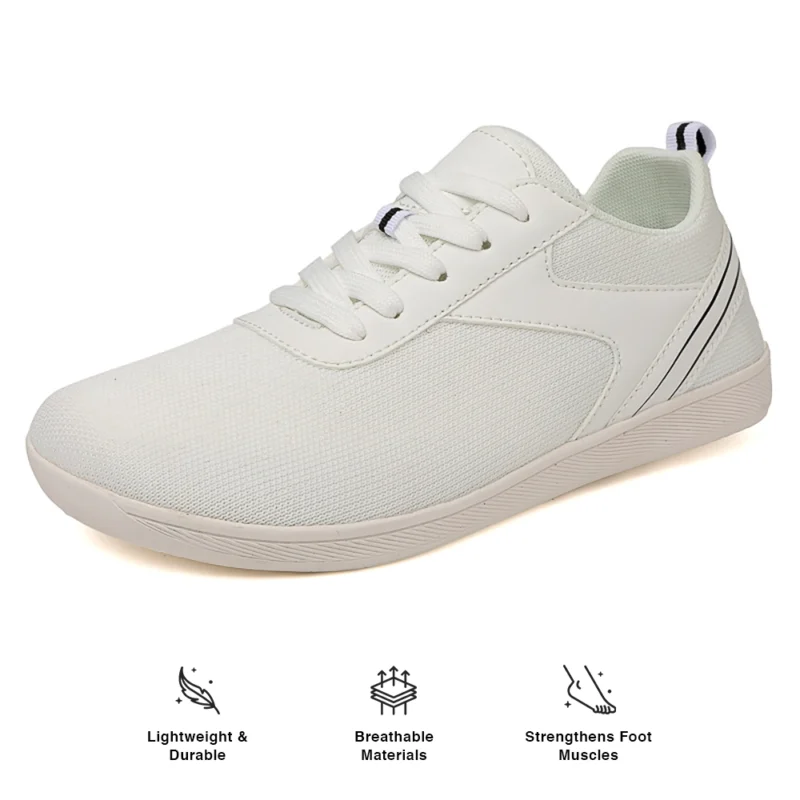
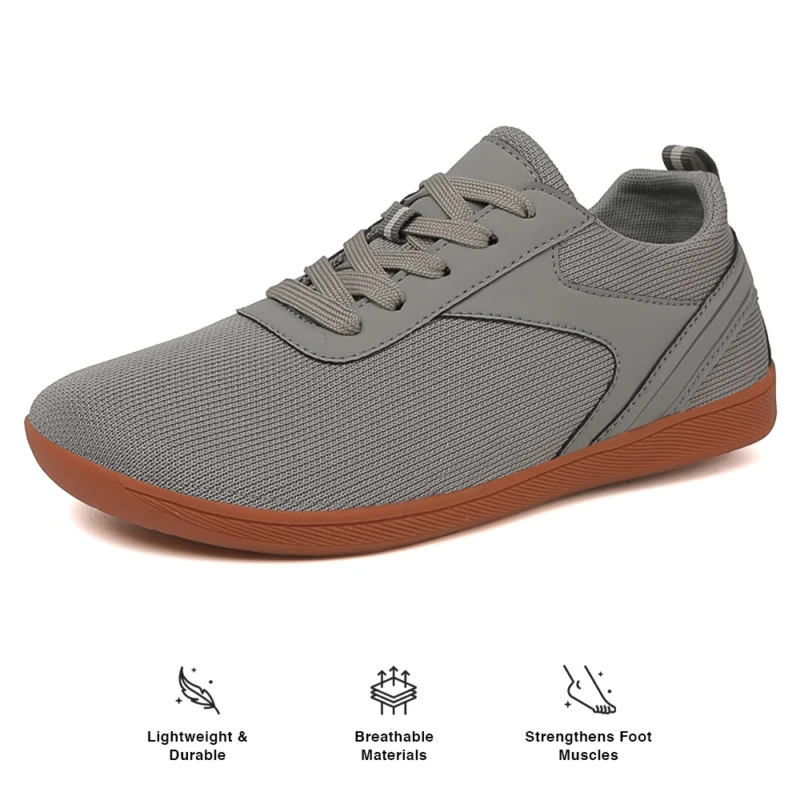
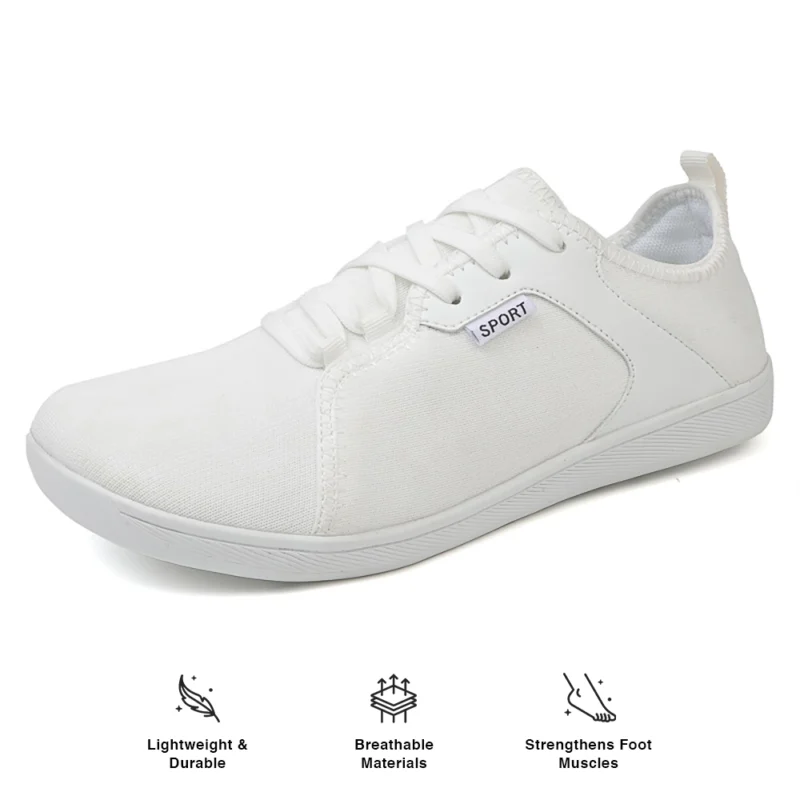
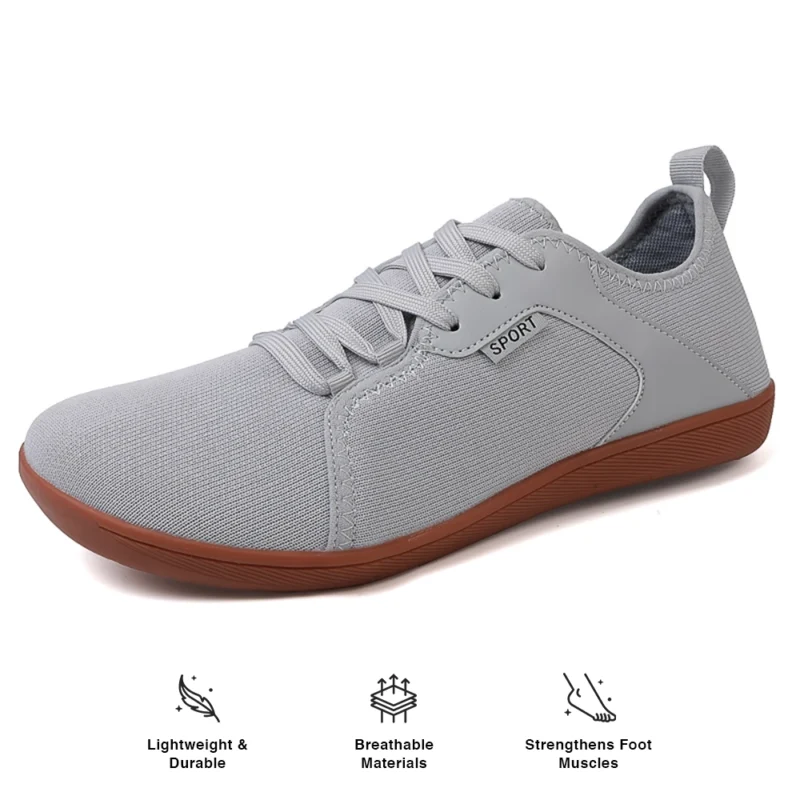
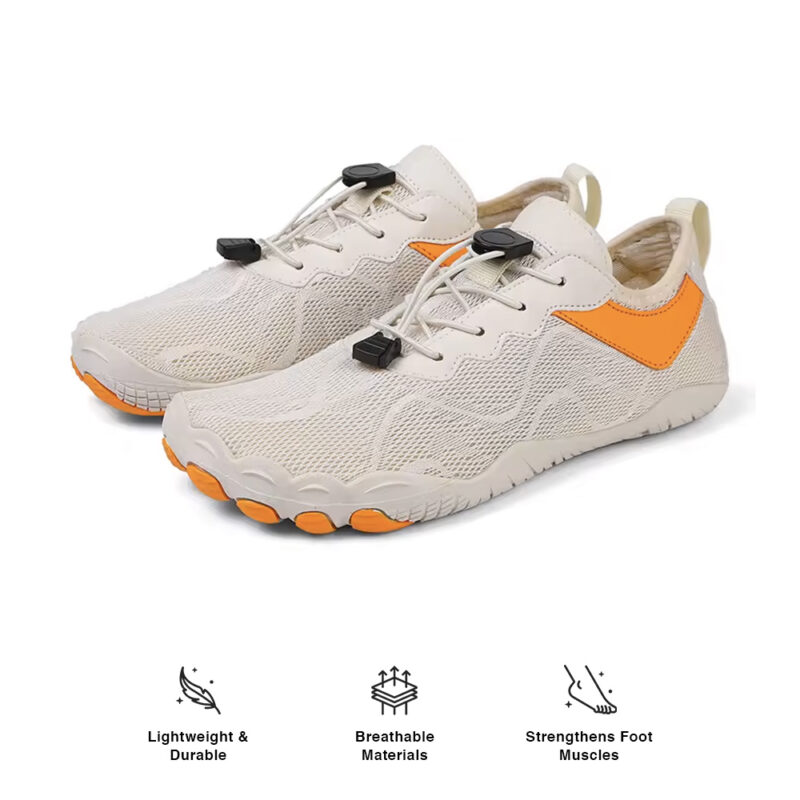
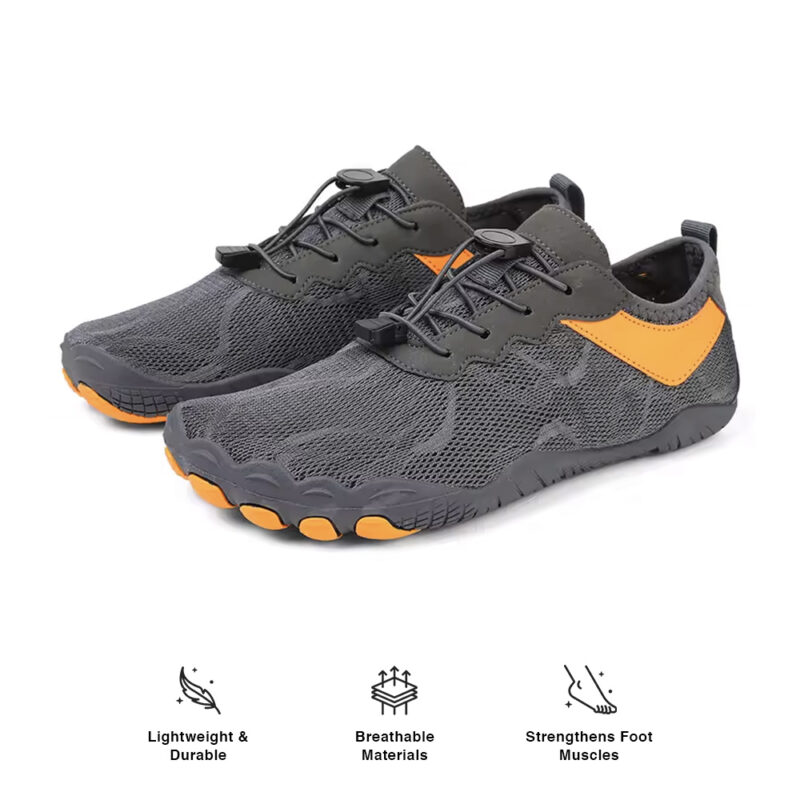
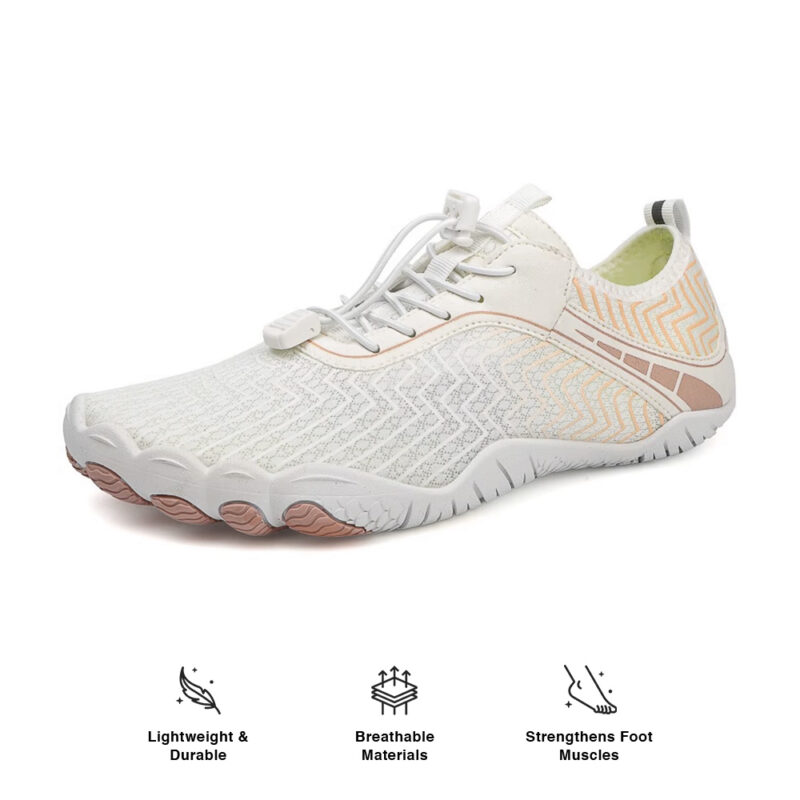
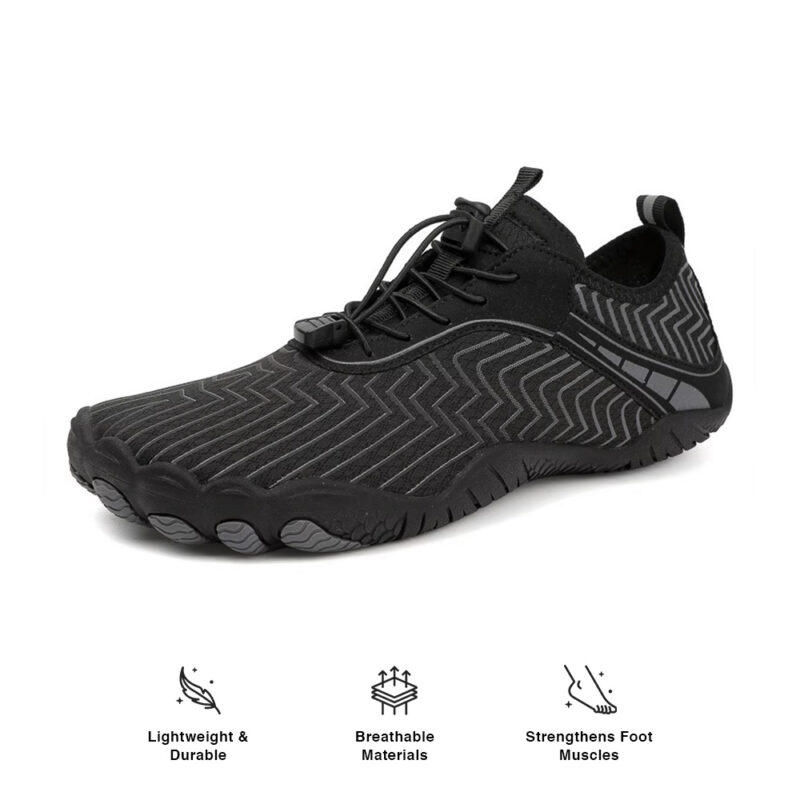
Traditional "motion control" shoes try to force your supinated feet into a predetermined gait pattern, often creating more tension and discomfort throughout your entire body. What your feet actually need is the freedom to move naturally while gradually developing the strength and stability to handle your unique biomechanics more efficiently. Minimalist designs allow your feet to function without artificial constraints, letting your natural movement patterns emerge while building the intrinsic muscle strength that supports better overall foot function. When searching for the best shoes for supination, avoid rigid constructions that attempt to "correct" your gait and instead choose flexible options that allow your feet to move and adapt naturally.
Develop Natural Stability Through Ground Connection
Thick, cushioned soles disconnect your feet from the ground, reducing the sensory feedback your nervous system needs to make subtle balance adjustments that could help manage your supination naturally. Your body craves direct information from the ground to help your muscles and joints respond appropriately to different surfaces and situations. Thin, flexible soles in barefoot-inspired footwear provide essential ground feel that allows your proprioceptive system to function optimally, helping your feet and ankles make micro-adjustments that can improve your overall stability and movement efficiency. The best shoes for supination feature minimal sole thickness that maintains protection while maximizing your connection to the walking surface – this ground feedback is crucial for developing better balance and natural stability.
Strengthen Your Foundation Rather Than Masking Weakness
Supportive shoes that attempt to "fix" supination actually prevent your foot muscles from working properly, leading to progressive weakening and increased dependence on external support systems. What your feet need is the opportunity to strengthen naturally through regular use and challenge, developing the intrinsic muscle control that can help manage supination more effectively over time. Minimalist footwear allows these small but crucial muscles to engage and strengthen during everyday activities, creating a more resilient foundation that can better handle your natural gait pattern. Choose the best shoes for supination that challenge your feet to work rather than doing the work for them – this approach builds long-term strength and stability that no external support system can provide.
Allow Natural Toe Spread for Better Balance
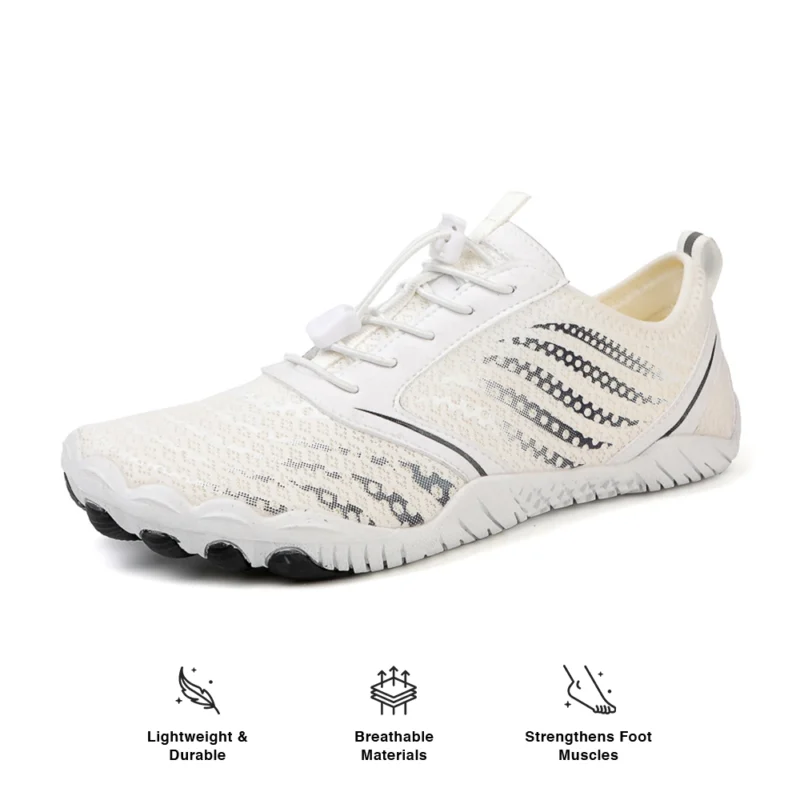
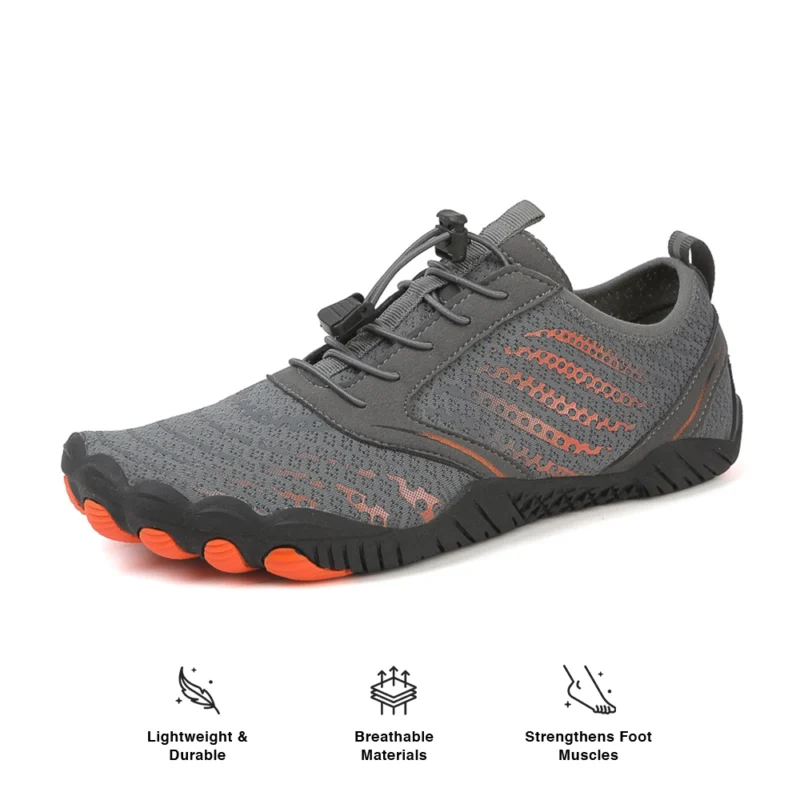
Narrow toe boxes force your toes together, reducing your natural base of support and making it harder for your feet to create stability during the toe-off phase of your gait cycle. Your toes need room to spread naturally, creating a wider, more stable platform that can help counteract the outward rolling tendency associated with supination. Wide toe boxes in barefoot-style shoes allow your toes to function as nature intended, providing better balance and more even weight distribution across your foot. When evaluating the best shoes for supination, ensure your toes have adequate space to spread – this simple feature can significantly improve your overall stability and reduce the excessive load on the outer edges of your feet.
Eliminate Heel-to-Toe Drop That Disrupts Natural Gait
Elevated heels in traditional shoes alter your natural posture and can exacerbate the mechanical issues associated with supination by changing your body's alignment and weight distribution patterns. Your body functions most efficiently when your heel and forefoot are at the same level, allowing your natural gait mechanics to operate without artificial interference. Zero-drop construction in minimalist shoes maintains your body's natural alignment, reducing the tendency for compensatory movements that can worsen supination-related discomfort. The best shoes for supination feature level soles that keep your body in its optimal position, allowing your natural movement patterns to emerge without the disruption caused by heel elevation.
Build Ankle Strength Through Natural Movement
Stiff, supportive shoes prevent your ankles from moving through their full range of motion, leading to weakness and reduced mobility that can actually worsen supination over time. Your ankles need regular movement and challenge to maintain strength, flexibility, and proper neuromuscular control that helps manage your unique gait pattern more effectively. Flexible footwear allows your ankles to move naturally during walking and running, promoting better joint health and muscular development that supports improved overall function. Look for the best shoes for supination with flexible construction that allows your ankles to articulate naturally – this movement freedom is essential for building the strength and mobility that can help your body better manage supination naturally.
Experience True Comfort Through Biomechanical Harmony
Fighting against your natural movement patterns creates tension and fatigue throughout your entire kinetic chain, leading to discomfort that extends far beyond your feet into your legs, hips, and back. What you need is footwear that works in harmony with your body's natural mechanics, allowing your supinated gait to function more efficiently rather than trying to eliminate it entirely. Minimalist designs that respect your natural movement patterns reduce the internal stress and tension that comes from forced corrections, creating genuine comfort that lasts throughout long days of activity. The best shoes for supination achieve comfort not through artificial support but through biomechanical harmony – when your shoes work with your body instead of against it, true comfort naturally follows.