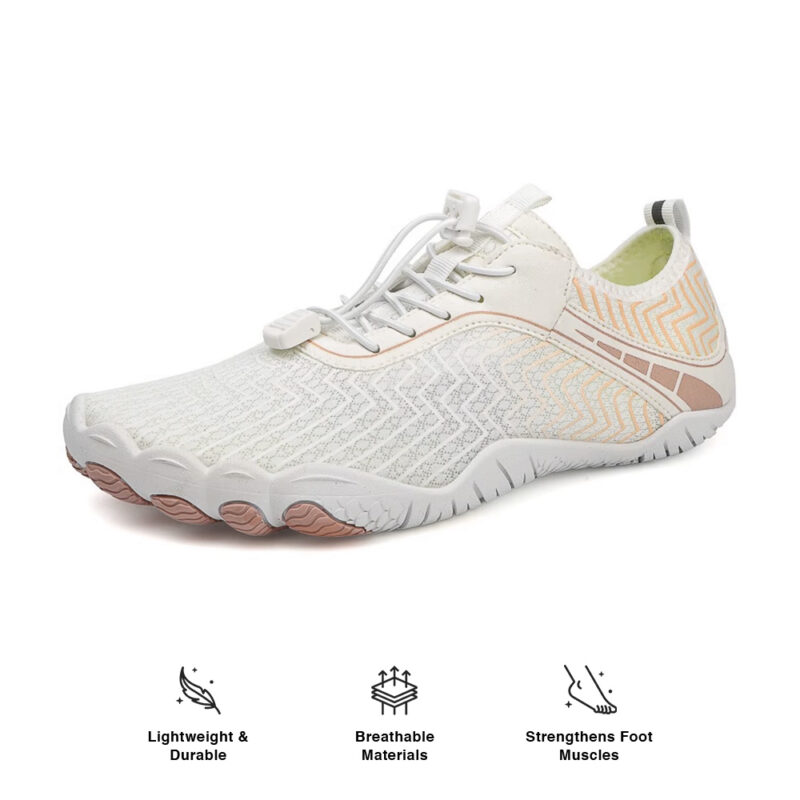
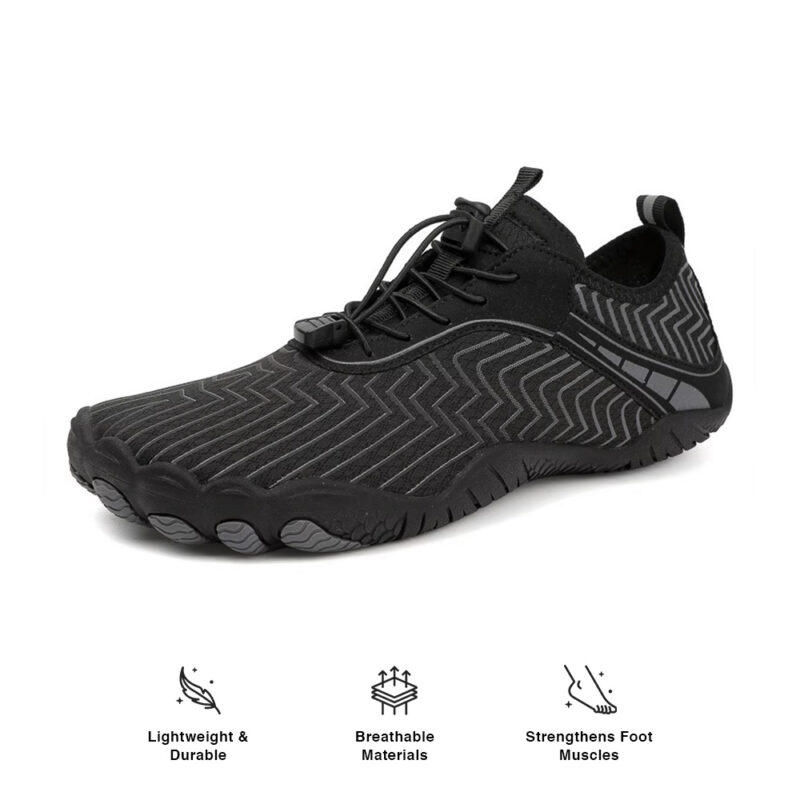
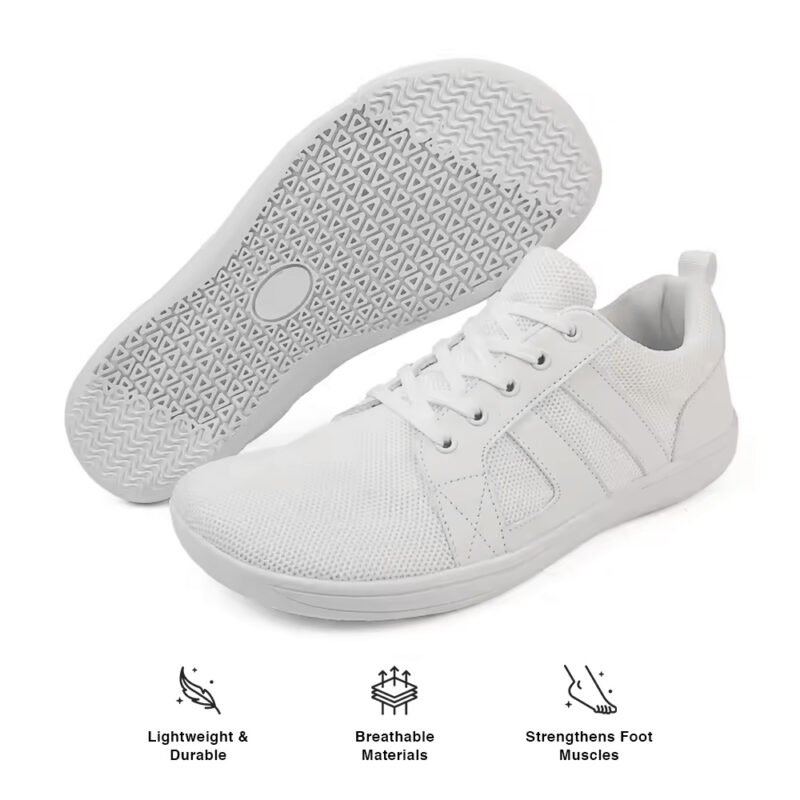
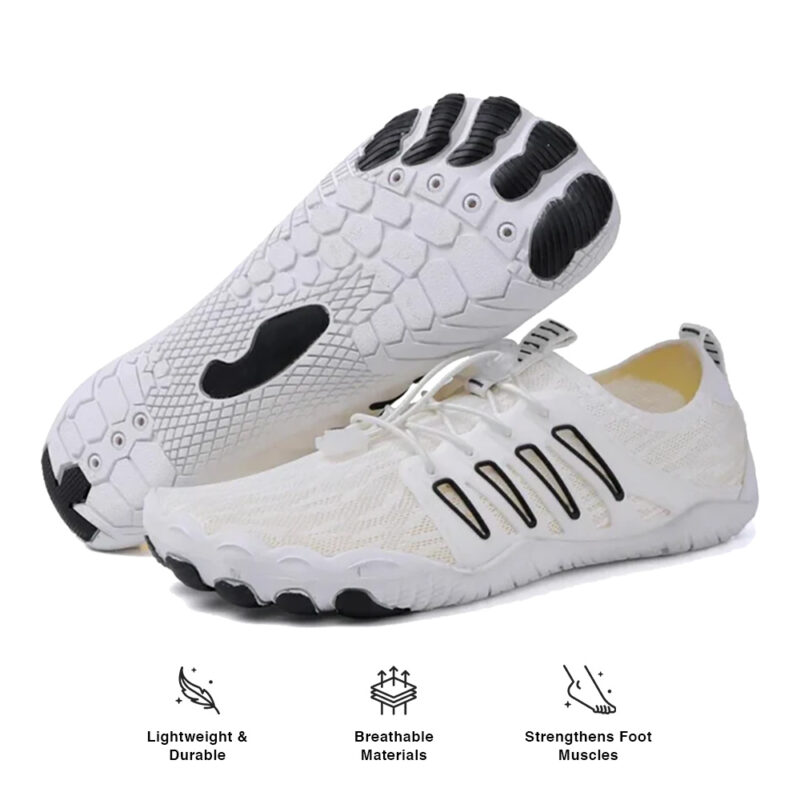
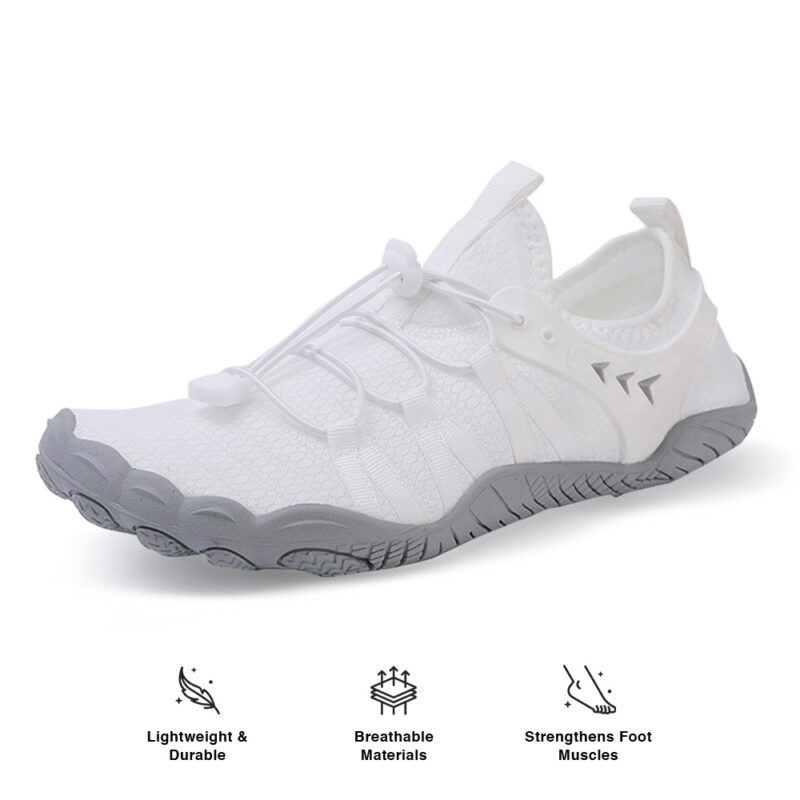
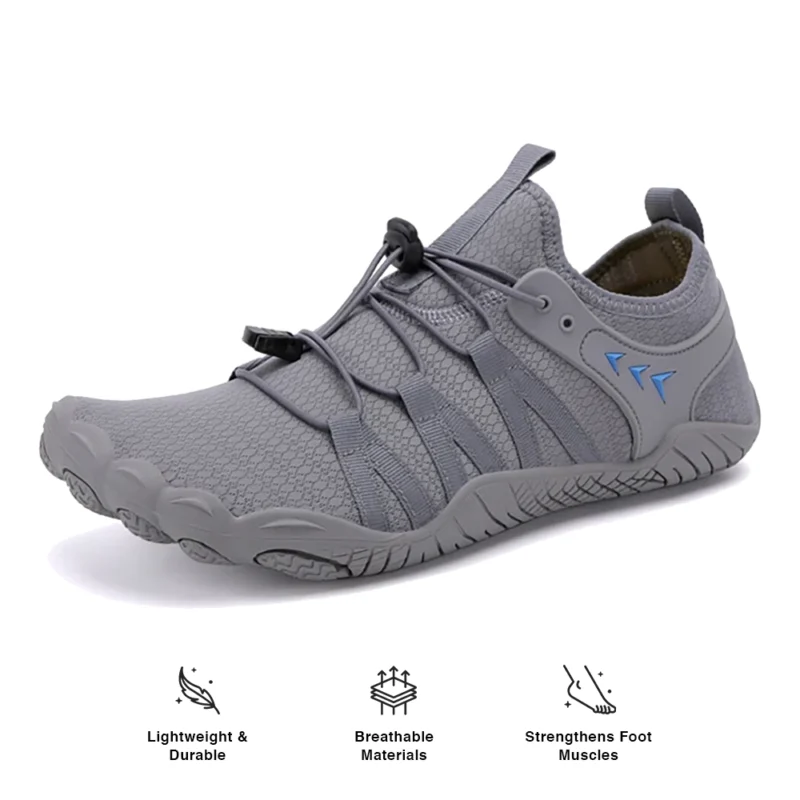
Understanding Your Natural Gait Pattern
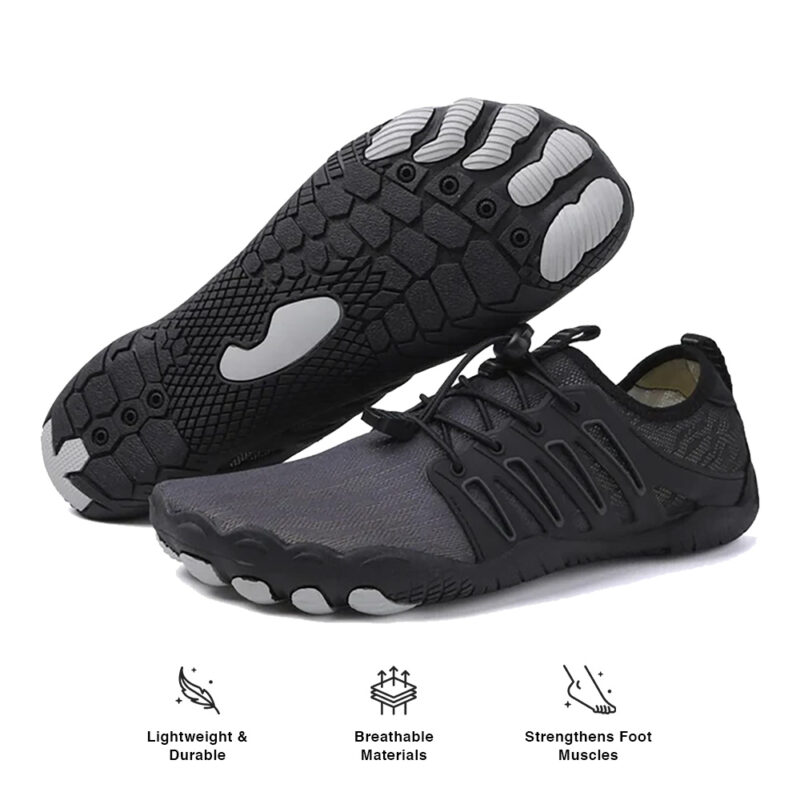
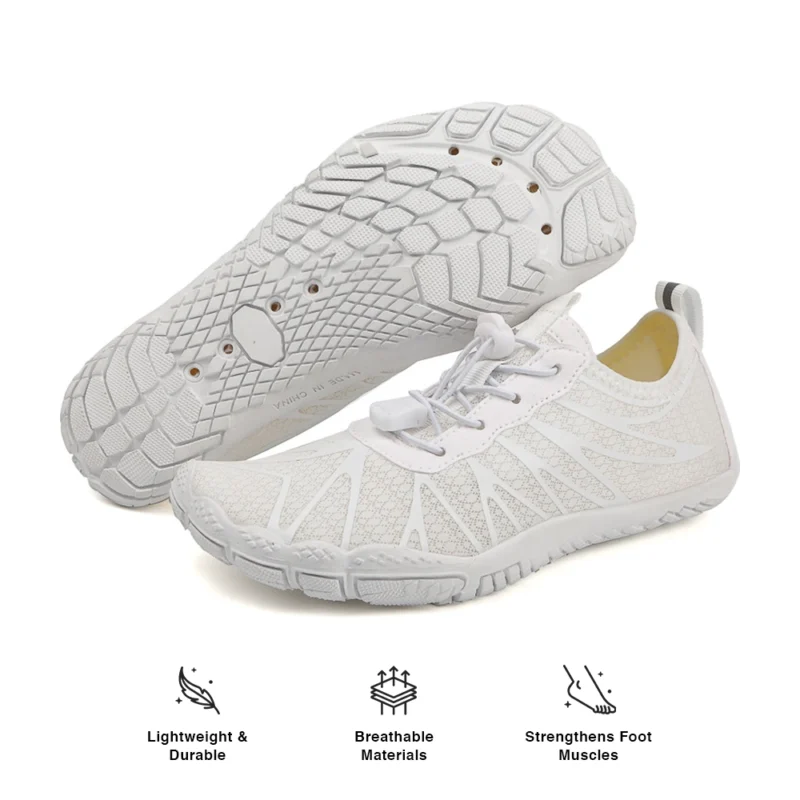
Many people with underpronation spend years fighting their body's natural movement, believing something is "wrong" with how they walk or run. The truth is, slight underpronation is often completely normal and doesn't require correction through restrictive footwear. What you need in the best shoes for underpronation is space for your feet to function as they were designed. Minimalist shoes with flexible soles allow your foot to make contact with the ground naturally, engaging the small stabilizing muscles that traditional shoes weaken over time. Start by walking barefoot on various surfaces daily to reconnect with your natural movement patterns.
Building Ankle Stability Through Ground Connection
Chronic ankle rolling is one of the most frustrating aspects of underpronation, especially when thick-soled shoes actually make the problem worse by elevating you further from the ground. Your ankles crave proprioceptive feedback – the sensory information that comes from feeling the ground beneath your feet. The best shoes for underpronation feature thin, flexible soles that transmit ground feel while still providing protection from sharp objects. This enhanced ground connection allows your ankle stabilizers to activate properly, reducing the likelihood of rolling injuries. Practice single-leg balance exercises in thin-soled shoes to accelerate your ankle stability development.
Strengthening Your Natural Shock Absorption
Traditional cushioned running shoes create a false sense of protection while actually weakening your body's incredible natural shock absorption system. Your feet, calves, and entire kinetic chain are designed to absorb and distribute impact forces efficiently. When searching for the best shoes for underpronation, prioritize minimal heel-to-toe drop and firm ground feel over excessive padding. This allows your body to engage its natural shock absorption mechanisms, leading to stronger feet and legs over time. Begin by incorporating short walks or runs in minimal shoes, gradually increasing duration as your natural strength develops.
Improving Hip and Knee Alignment
Underpronation often correlates with hip and knee issues because restrictive shoes force your body into unnatural movement patterns. Rigid shoes with built-up heels alter your posture from the ground up, creating compensation patterns that stress your joints. The best shoes for underpronation allow your feet to spread naturally and maintain proper alignment throughout your kinetic chain. Look for shoes with wide toe boxes and zero-drop soles that keep your body in its natural posture. Combine this footwear choice with regular hip mobility work to address any existing compensation patterns.
Developing Long-Term Foot Strength
The biggest advantage of choosing appropriate footwear for underpronation isn't immediate comfort – it's the long-term strength and resilience you'll develop. Every step in minimal shoes is an opportunity for your intrinsic foot muscles to work and strengthen. This gradual strengthening process creates lasting stability that no external support system can match. The best shoes for underpronation act more like protective gloves for your feet than rigid braces. They shield you from rough surfaces while allowing full range of motion and muscle activation. Complement your footwear transition with regular toe spreading exercises and calf strengthening to accelerate your progress.
Transitioning Safely to Natural Movement
Moving away from traditional supportive shoes requires patience and gradual progression, especially if you've worn rigid footwear for years. Your feet need time to redevelop strength and adapt to increased sensory input. Start by wearing the best shoes for underpronation for short periods during low-impact activities like walking or casual daily wear. Pay attention to how your feet, ankles, and legs respond, gradually increasing duration and intensity as your strength improves. Remember that some initial fatigue in your feet and calves is normal – it's a sign that previously dormant muscles are finally getting the workout they need.
Choosing the Right Minimal Footwear Features
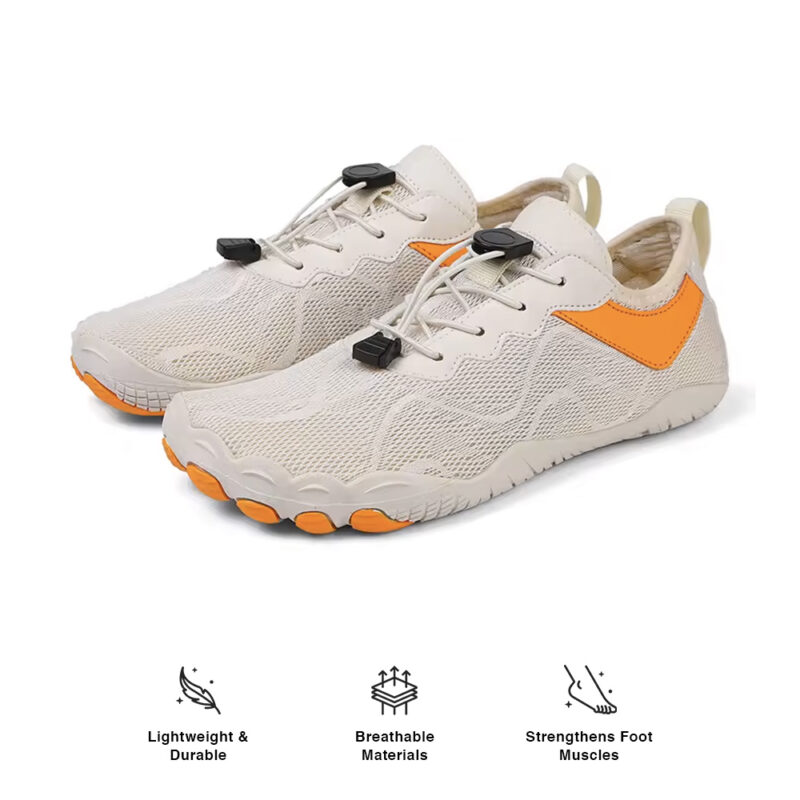
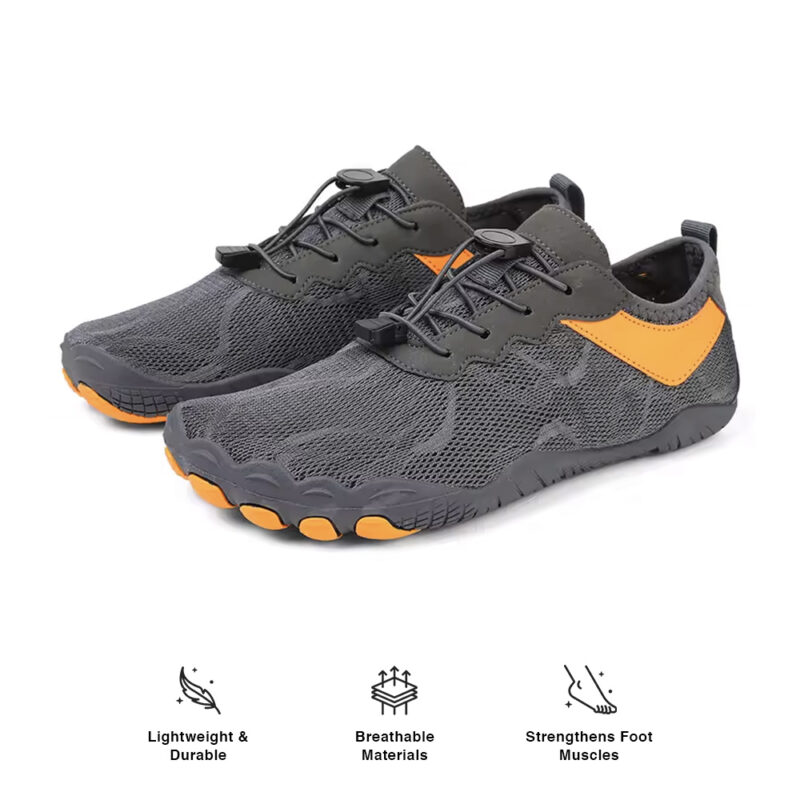
Not all minimal shoes are created equal when it comes to addressing underpronation concerns. The best shoes for underpronation combine several key features: a wide toe box that allows natural toe splay, a flexible sole that bends with your foot's natural movement, minimal heel elevation to maintain proper posture, and just enough protection for your intended activities. Avoid shoes marketed as "barefoot" but still featuring rigid construction or narrow toe boxes. Test flexibility by bending the shoe in half – if it doesn't bend easily, it won't allow natural foot function. Always prioritize fit and comfort over brand names or marketing claims.