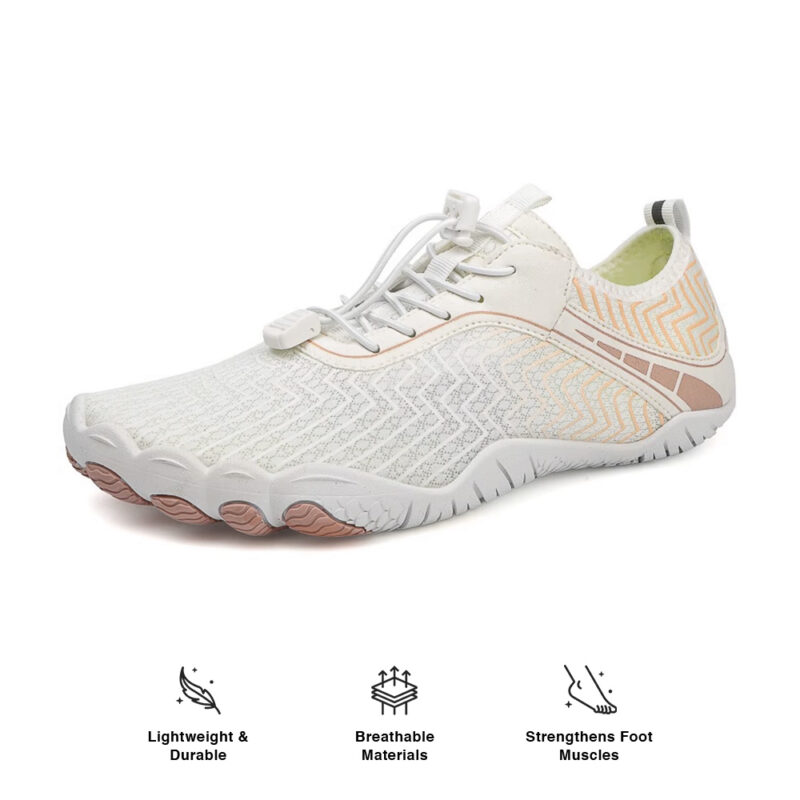
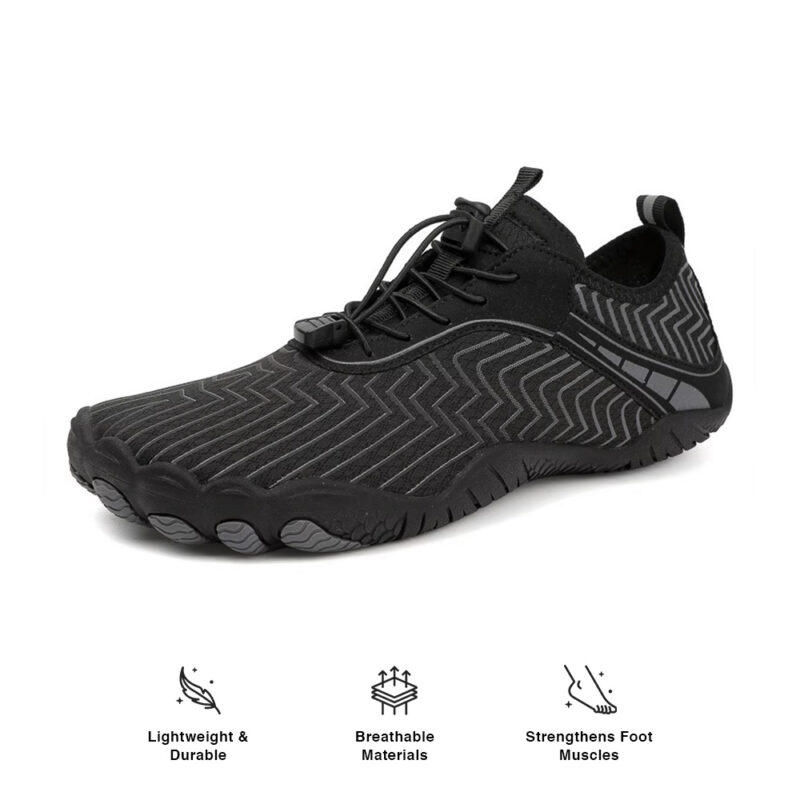
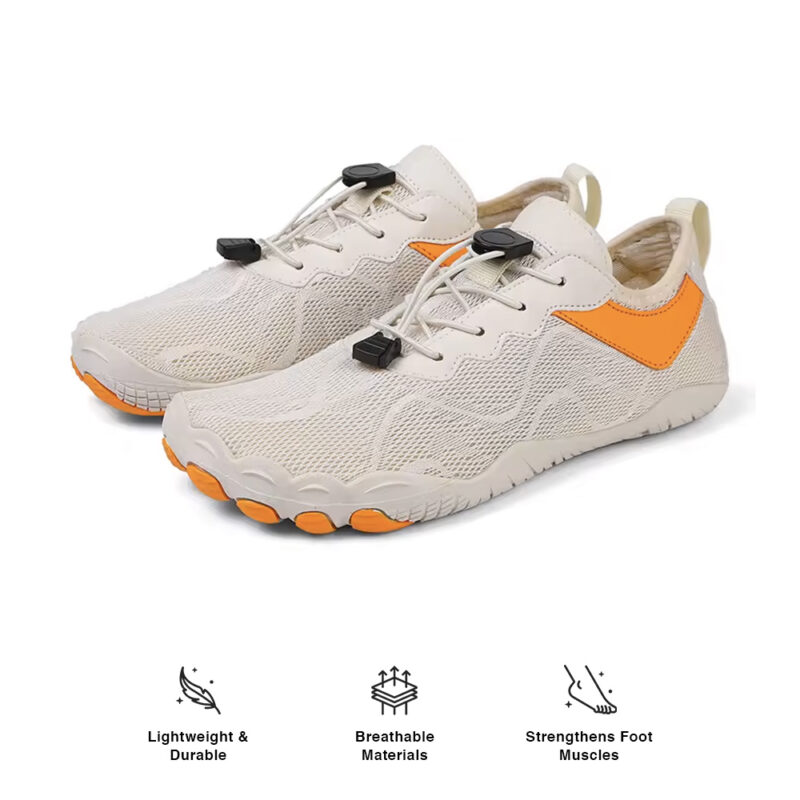
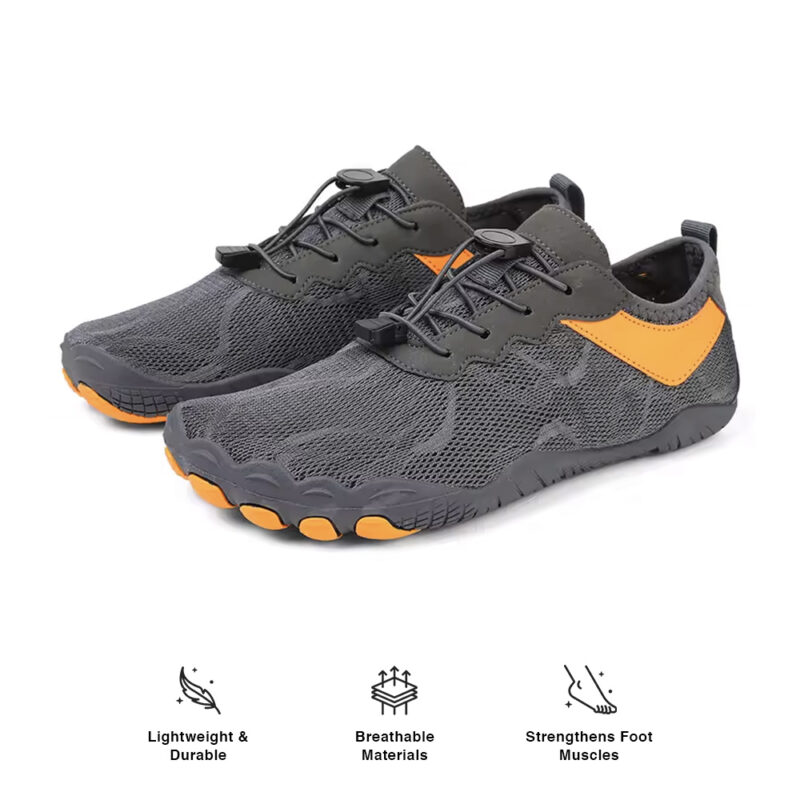
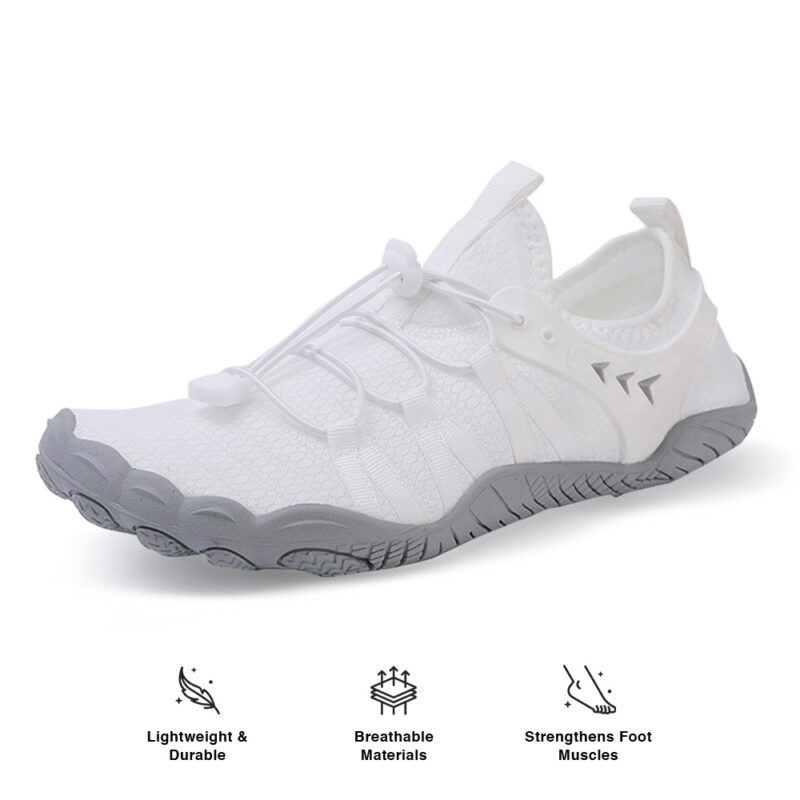
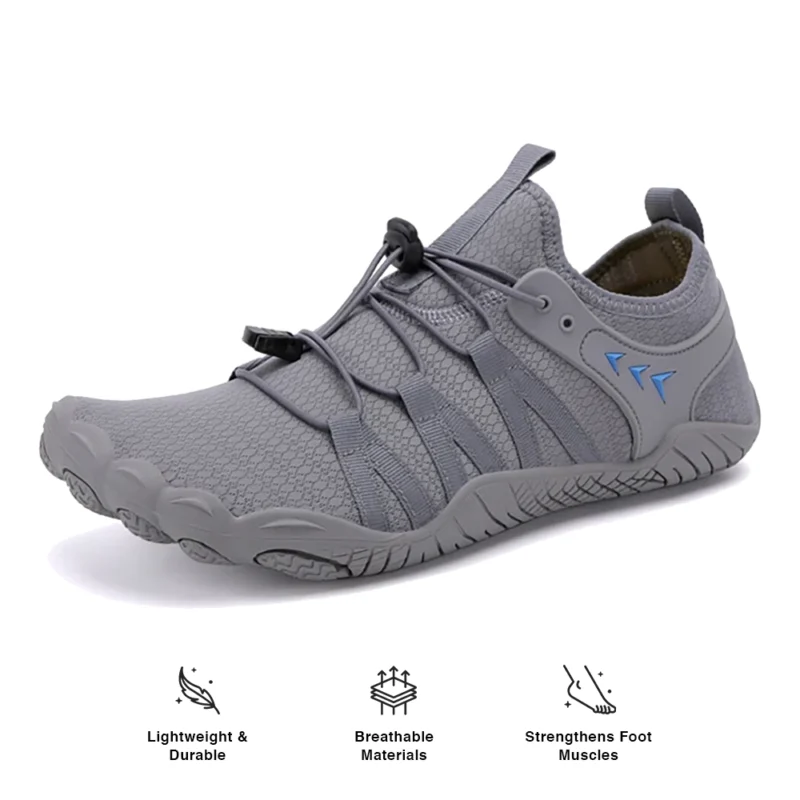
Your Feet Weren't Designed for Concrete Prisons
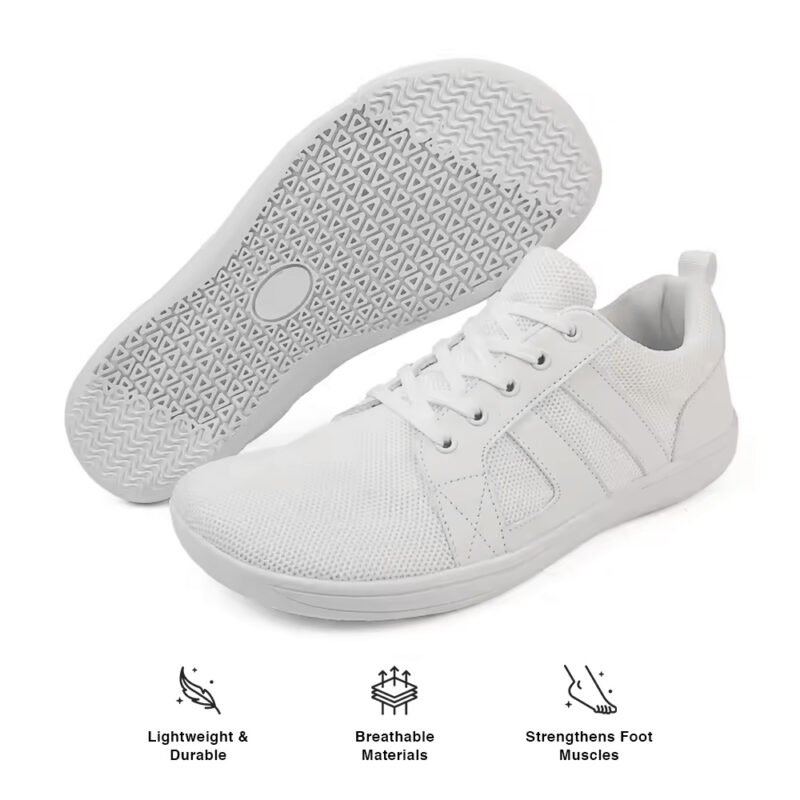
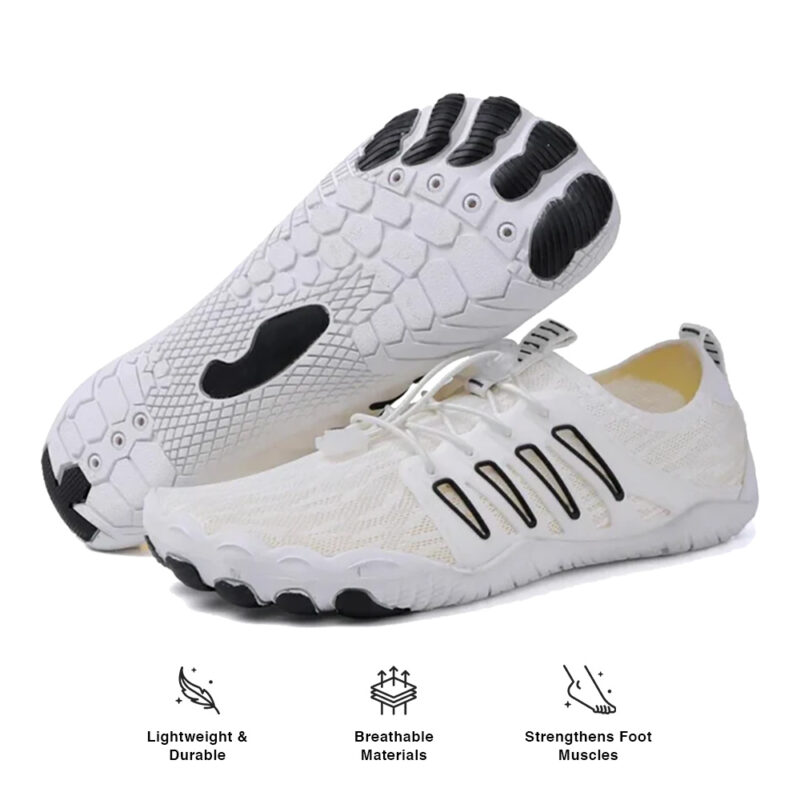
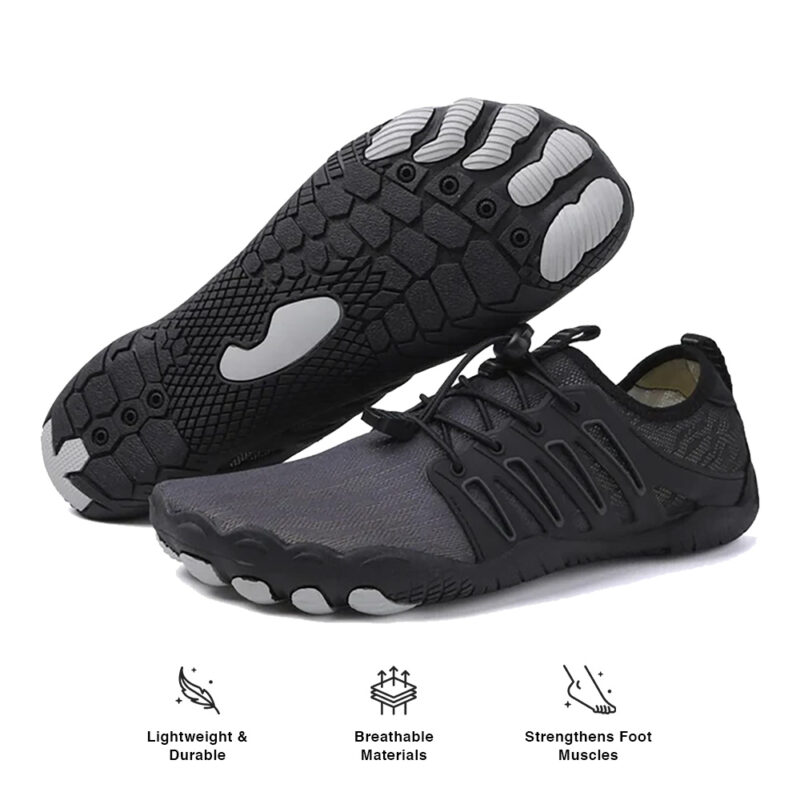
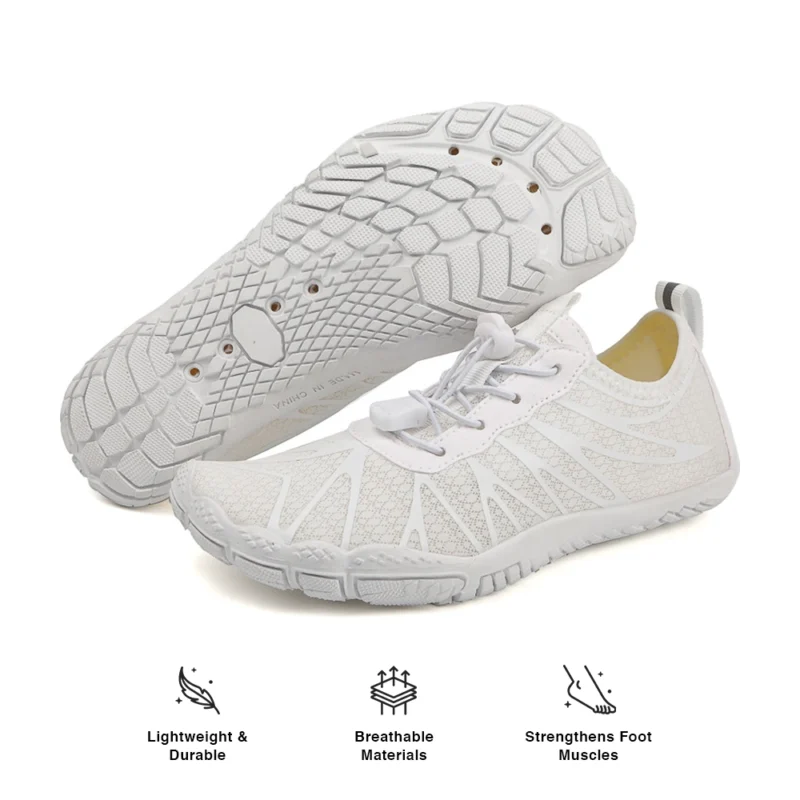
Standing on hard floors for hours while wearing rigid, restrictive shoes creates a perfect storm of foot fatigue and pain. Your feet need to flex, spread, and adapt to surfaces naturally, but traditional work shoes lock them into unnatural positions. The best shoes for wait staff embrace your foot's natural architecture, featuring flexible soles that bend with every step and wide toe boxes that let your toes spread for maximum stability. Look for shoes with minimal drop between heel and toe, allowing your foot to land naturally and engage all those powerful stabilizing muscles that keep you balanced on busy restaurant floors.
Slippery Surfaces Demand Real Grip, Not Thick Soles
Restaurant kitchens and dining areas present constant slip hazards, and thick, cushioned soles actually reduce your ability to feel and respond to surface changes. Your feet contain thousands of nerve endings that provide crucial feedback about the ground beneath you, but traditional shoes block this vital information. Minimalist work shoes for wait staff feature thin, flexible soles that maintain ground connection while still providing protection, allowing your feet to sense wet spots, uneven surfaces, and obstacles instantly. This enhanced proprioception keeps you safer and more agile throughout your shift.
Heavy Trays Need Strong, Stable Feet
Carrying heavy trays requires incredible stability from your feet and ankles, but supportive shoes with motion control features actually weaken these crucial stabilizing structures over time. When shoes do the work your muscles should be doing, those muscles become lazy and unreliable. The best shoes for wait staff feature minimal interference with natural foot function, allowing your intrinsic foot muscles to strengthen with every shift. Choose shoes with flexible construction that challenge your feet to work naturally, building the kind of deep strength that keeps you steady even when carrying multiple plates or navigating crowded dining rooms.
Long Shifts Expose the Weakness of Artificial Support
Hours of standing reveal the fundamental flaw in traditional work footwear—artificial arch support and cushioning create dependency rather than strength. Your feet have natural arches supported by muscles, tendons, and ligaments that actually grow stronger when allowed to work properly. Barefoot-style shoes for wait staff eliminate artificial supports, allowing your natural arch muscles to engage and strengthen over time. This approach transforms your feet from weak, dependent structures into powerful, resilient foundations that can handle marathon shifts without pain or fatigue.
Your Posture Affects Everything from Feet to Back
Poor footwear choices don't just hurt your feet—they create a cascade of problems up your entire body, from knee pain to lower back aches that plague restaurant workers. Shoes with elevated heels force your body out of natural alignment, creating tension and compensations throughout your kinetic chain. The best shoes for wait staff maintain zero drop from heel to toe, allowing your spine to stack naturally and your muscles to work efficiently. This natural alignment reduces the strain on your back, hips, and knees that accumulates over long shifts, helping you feel better both during and after work.
Quick Movements Require Foot Freedom
Restaurant work demands sudden direction changes, quick pivots, and rapid acceleration that traditional rigid shoes simply can't accommodate effectively. Your feet need to flex, twist, and adapt instantly to changing demands, but structured shoes slow down your reflexes and limit agility. Minimalist shoes designed for wait staff feature flexible uppers and outsoles that move with your feet rather than restricting them, allowing for lightning-fast responses to spilled drinks, dropped plates, or busy kitchen traffic. This enhanced mobility keeps you efficient and helps prevent workplace accidents.
Recovery Starts with Better Movement Patterns
The way you move during your shift directly impacts how quickly you recover afterward, and restrictive footwear creates movement patterns that increase fatigue and slow healing. When your feet can move naturally throughout your shift, they pump blood more effectively, reduce inflammation, and maintain better circulation to support tissue repair. Choose the best shoes for wait staff that promote natural gait patterns and foot function, allowing your body's recovery systems to work optimally from the moment you clock in until well after you get home.