Why Your Current Shoes Fail on Hard Surfaces
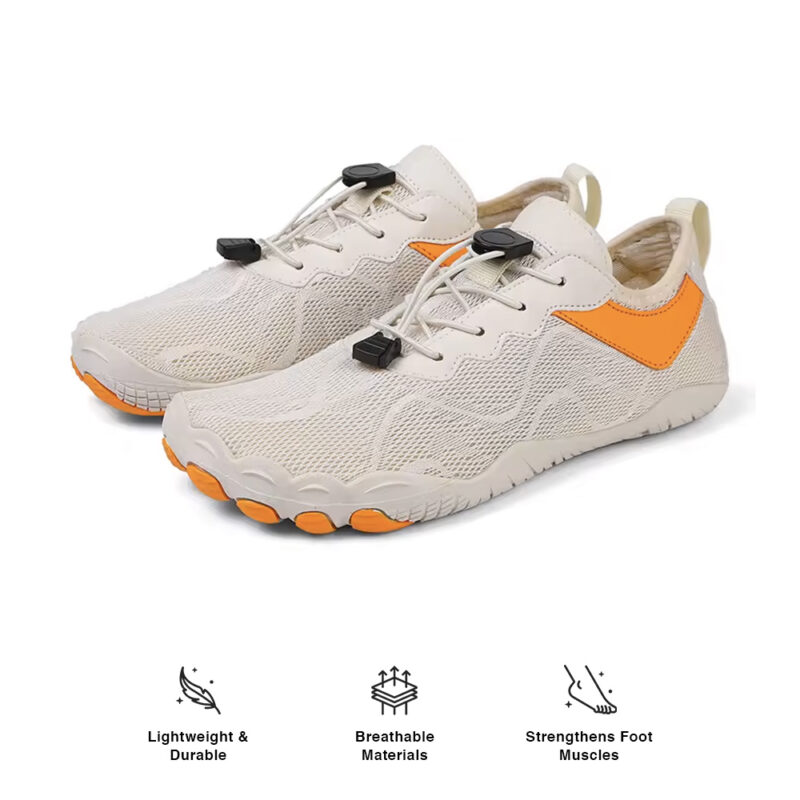
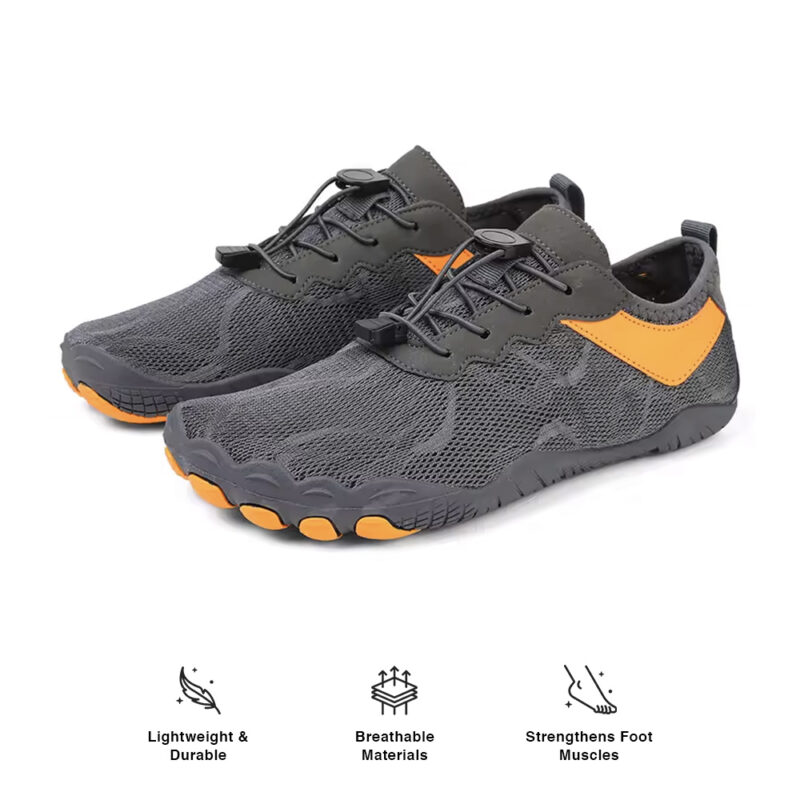
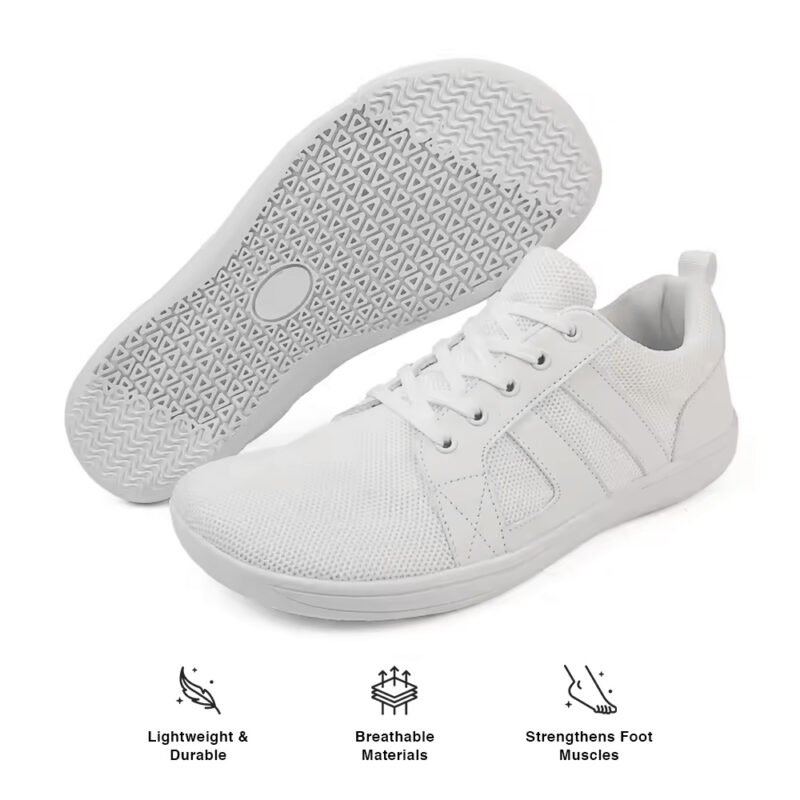
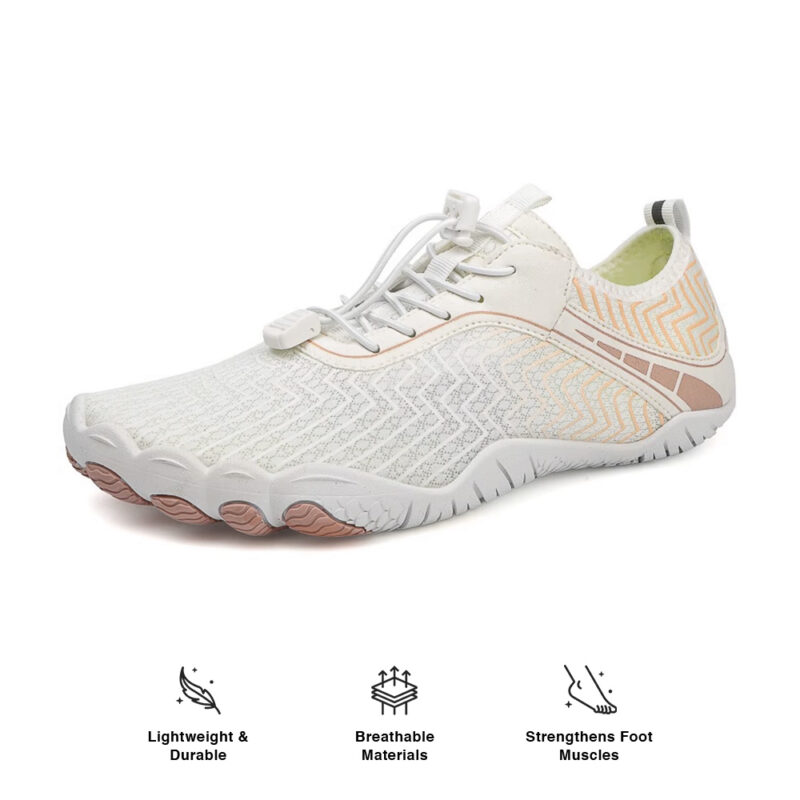
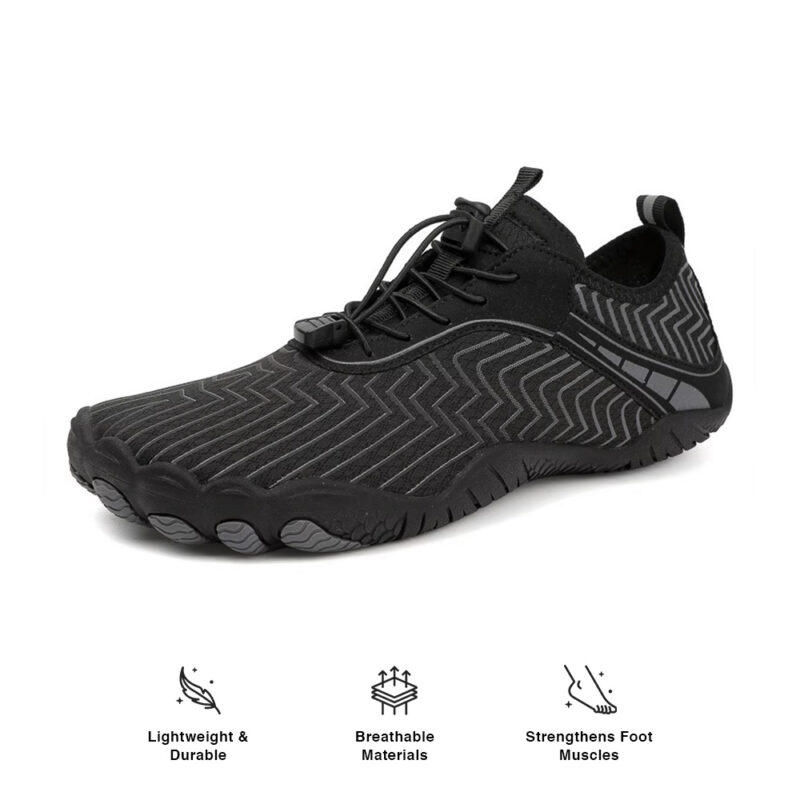
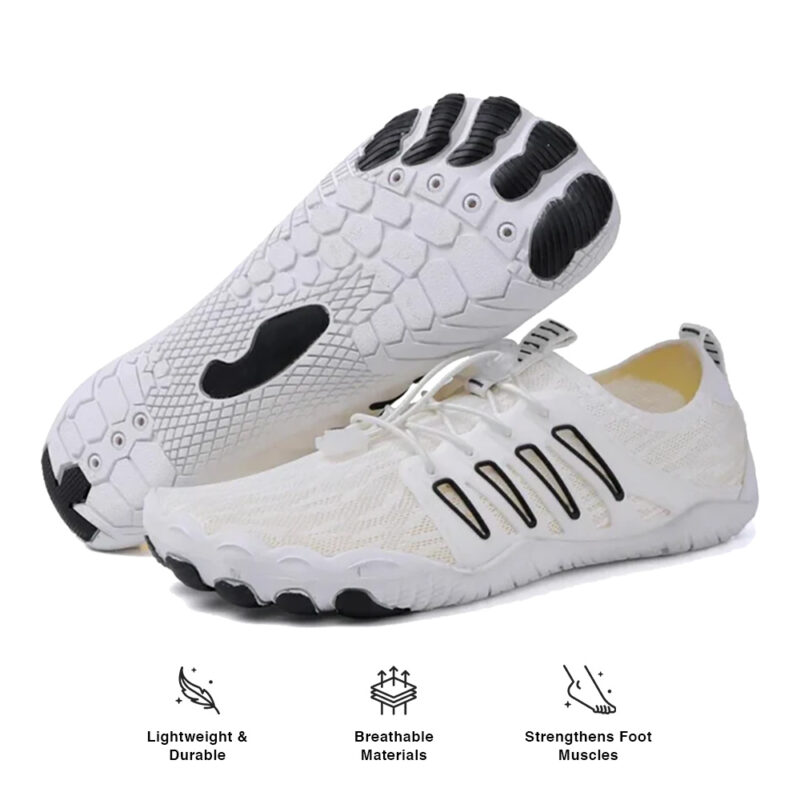
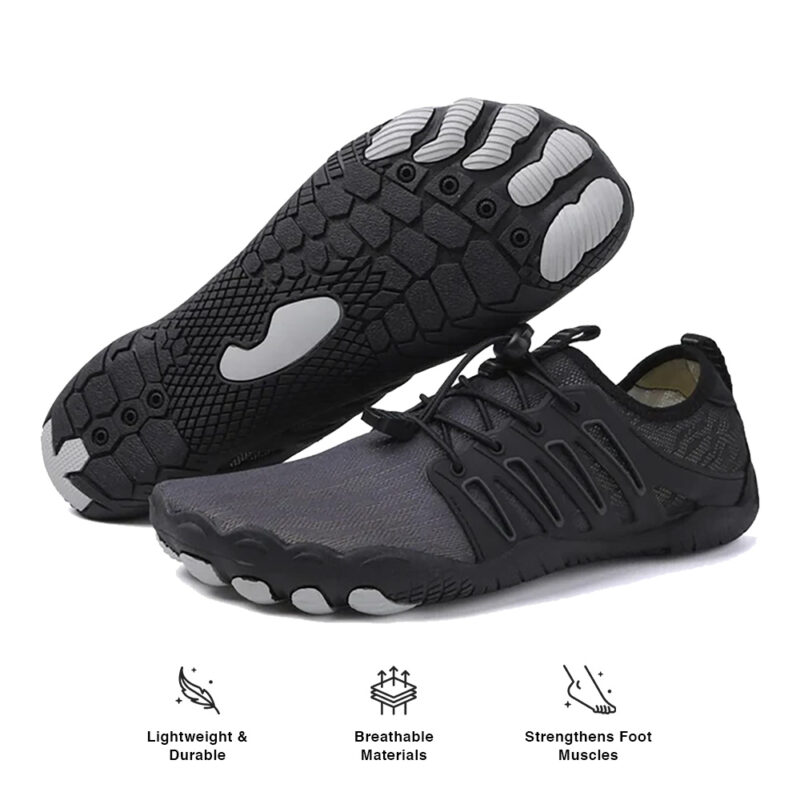
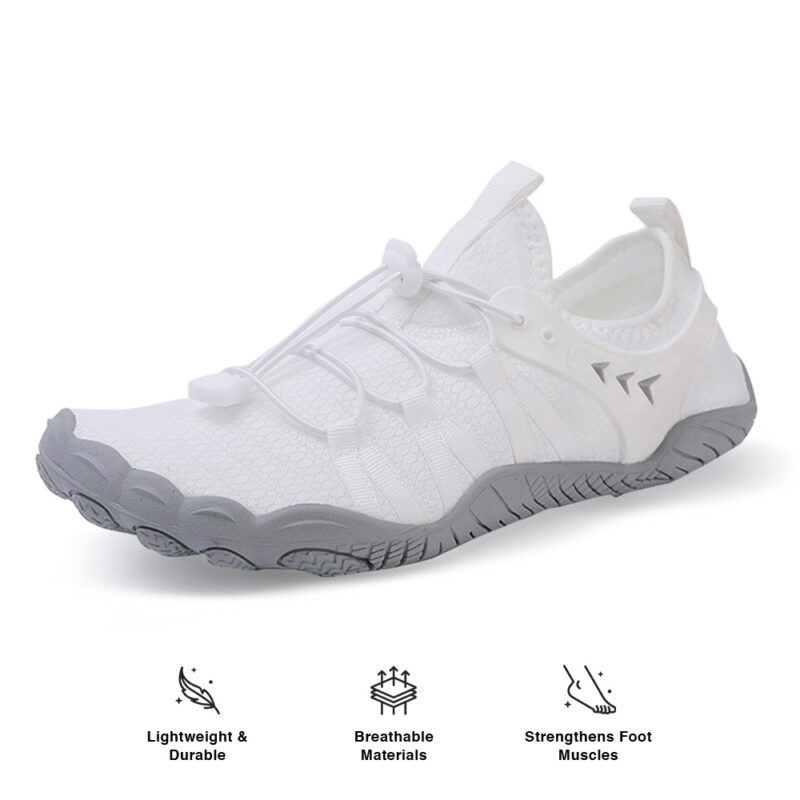
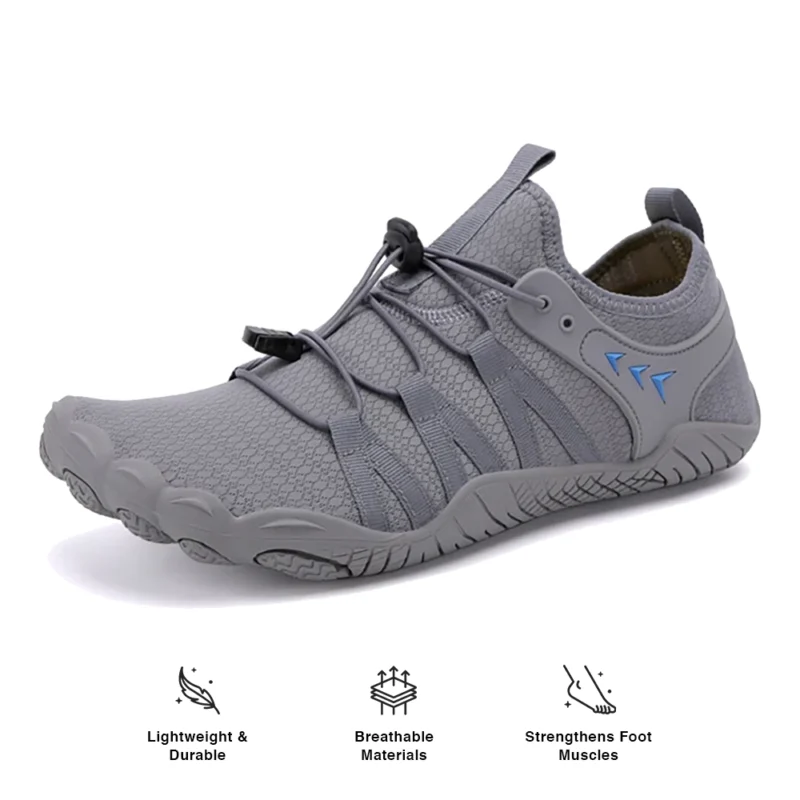
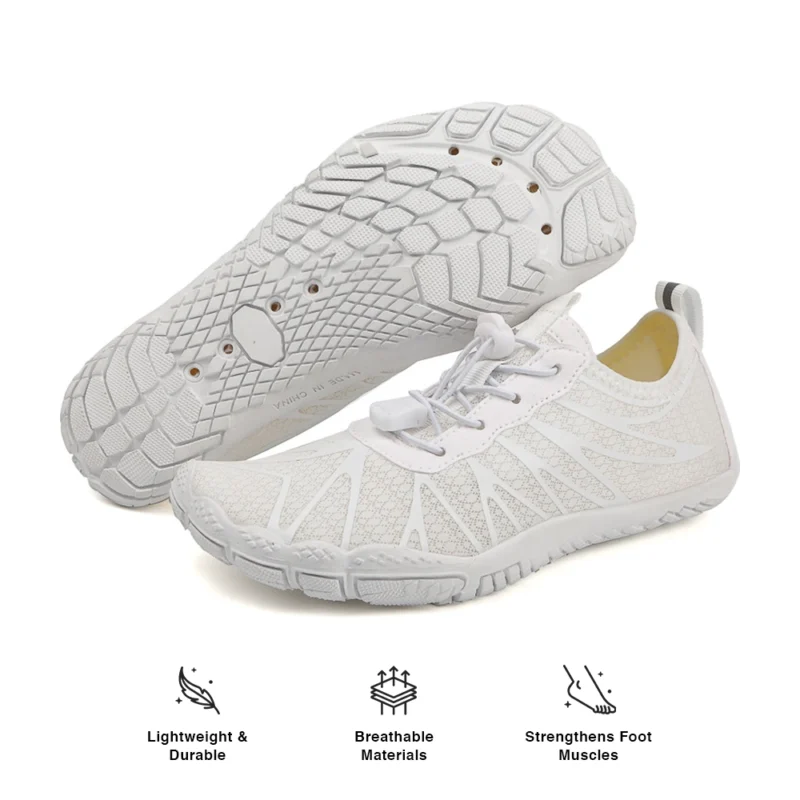
Walking on concrete in traditional shoes often feels like fighting against your own body mechanics. The thick, rigid soles prevent your feet from naturally adapting to the surface, forcing your legs and back to absorb impact inefficiently. What you need from the best shoes for walking on concrete is a design that lets your feet do what they're naturally designed to do – flex, adapt, and strengthen with each step. Minimalist shoes provide a thin, flexible sole that maintains ground connection while protecting from rough surfaces, allowing your feet to develop their natural shock-absorbing capabilities through proper movement patterns.
Ground Connection Makes All the Difference
That disconnected feeling in bulky shoes isn't just uncomfortable – it's actively working against your balance and stability systems. Your feet contain thousands of nerve endings designed to read the ground and adjust your posture accordingly, but thick soles block this vital feedback. The best shoes for walking on concrete should enhance this natural sensory input rather than muffle it. Look for shoes with thin, flexible soles that let you feel the texture and firmness of concrete while still providing essential protection from sharp objects and extreme temperatures.
Natural Foot Strengthening Through Daily Movement
Concrete walking doesn't have to leave you exhausted when your feet are properly conditioned. Traditional shoes with excessive support actually weaken the intricate muscle systems in your feet, creating dependency and chronic discomfort. The best shoes for walking on concrete allow these muscles to engage naturally, building strength gradually through normal daily activities. Choose footwear with a wide toe box that lets your toes spread naturally for better balance, and zero-drop soles that maintain proper alignment from heel to toe.
Flexibility That Moves With Your Natural Gait
Stiff shoes force your feet into unnatural movement patterns, creating tension that travels up through your entire body. The concrete's unforgiving surface amplifies these mechanical inefficiencies, leading to fatigue and discomfort. What makes the best shoes for walking on concrete effective is their ability to bend and flex with your foot's natural motion throughout each step cycle. Select shoes made from flexible materials that won't restrict your foot's natural range of motion, allowing for the rolling movement that distributes impact forces efficiently.
Durability Without Bulk for Urban Environments
City concrete presents unique challenges with its rough textures, debris, and varying surface conditions. You need protection that doesn't come with the weight and bulk of traditional walking shoes. The best shoes for walking on concrete achieve this through high-quality materials and strategic design rather than excessive layers. Look for shoes with durable rubber outsoles that provide traction and protection while remaining thin enough to maintain ground feel, and upper materials that resist urban wear without adding unnecessary weight.
Temperature Regulation for All-Day Comfort
Concrete surfaces can become extremely hot or cold, and your feet need protection without the stuffiness of over-insulated shoes. Poor ventilation in traditional walking shoes creates moisture buildup that leads to discomfort and potential foot health issues. The best shoes for walking on concrete offer breathable designs that regulate temperature naturally while maintaining protection from surface extremes. Choose shoes with mesh panels or breathable fabric uppers that allow air circulation, and avoid synthetic materials that trap heat and moisture against your skin.
Making the Transition to Natural Movement
Switching to minimalist shoes for concrete walking requires a gradual approach to allow your feet to adapt and strengthen properly. Your feet have likely been weakened by years of traditional footwear, so immediate full-time wear can lead to temporary discomfort. Start by wearing your new minimalist shoes for short walks on concrete, gradually increasing duration as your feet adapt to the natural movement patterns and surface feedback. Pay attention to how your feet feel and adjust your walking schedule accordingly, allowing rest days when needed during the strengthening process.