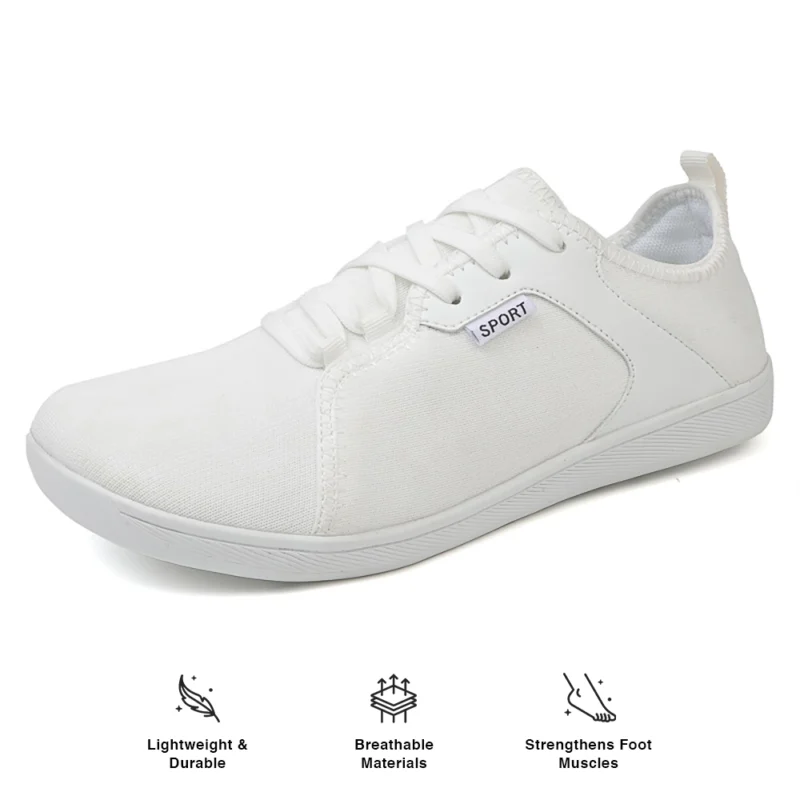
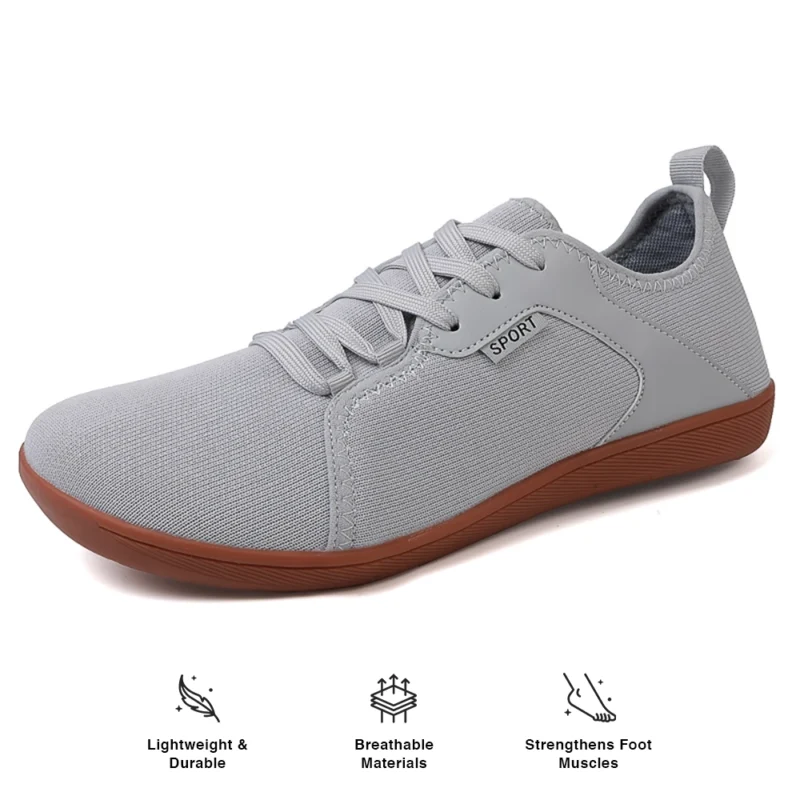
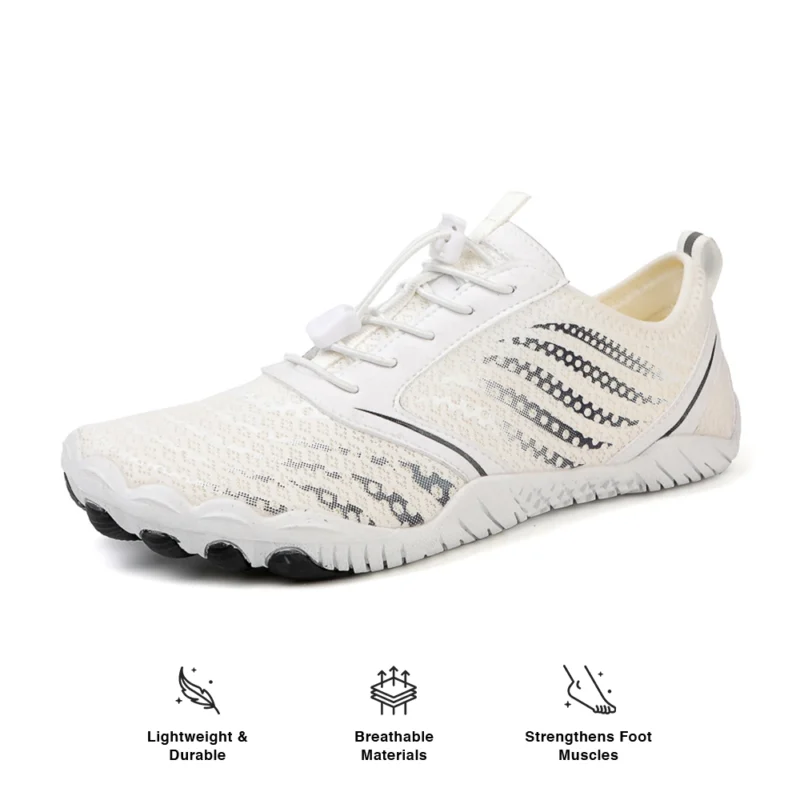
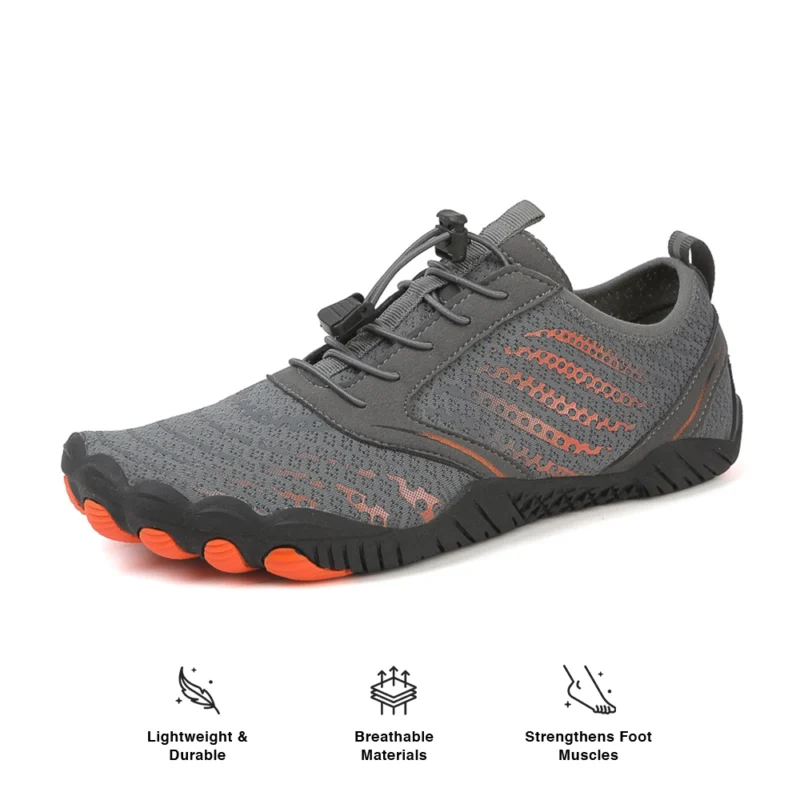
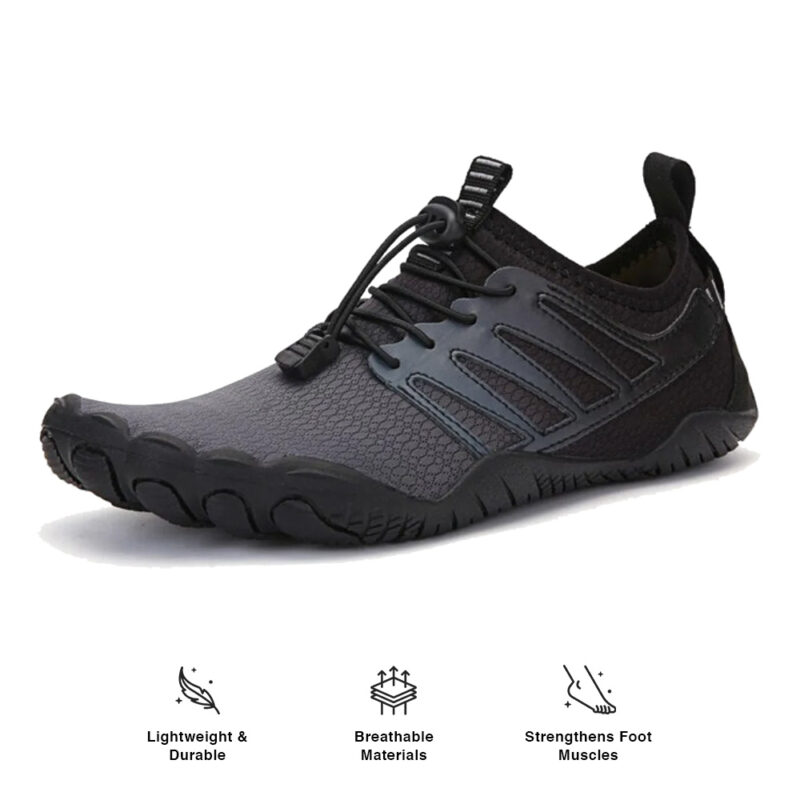
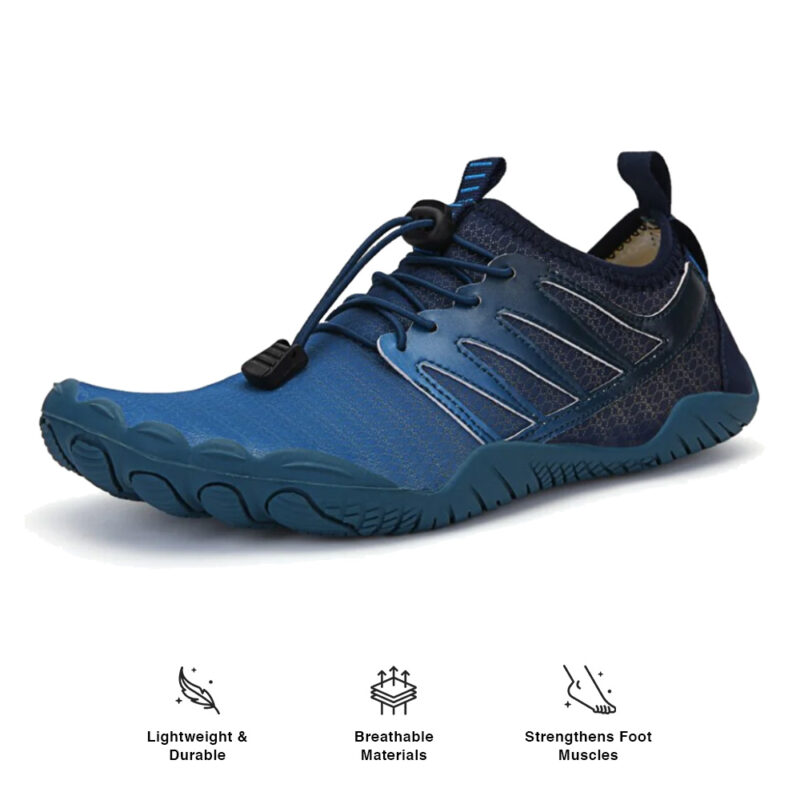
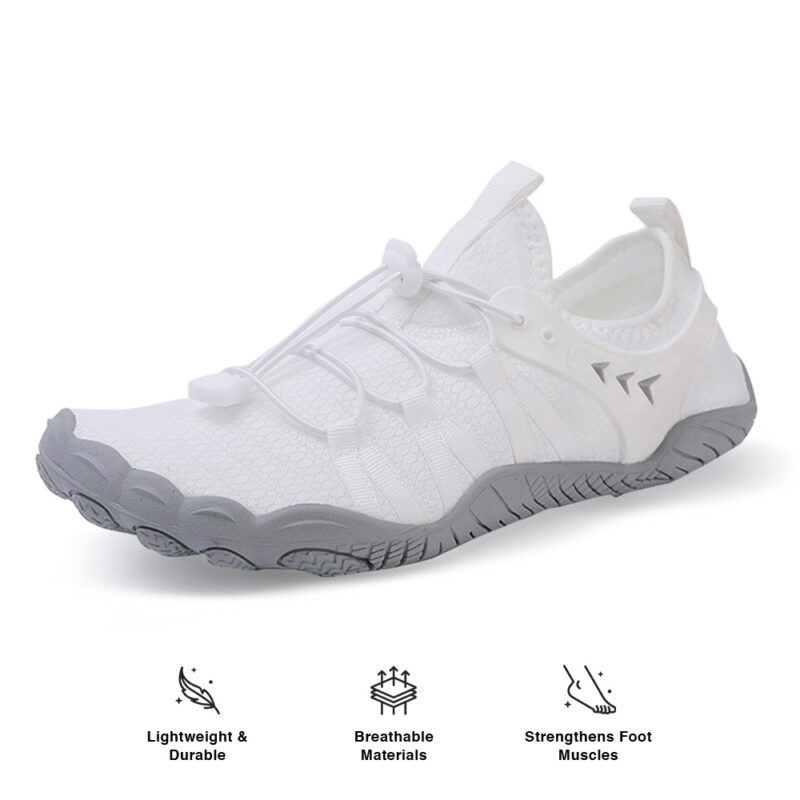
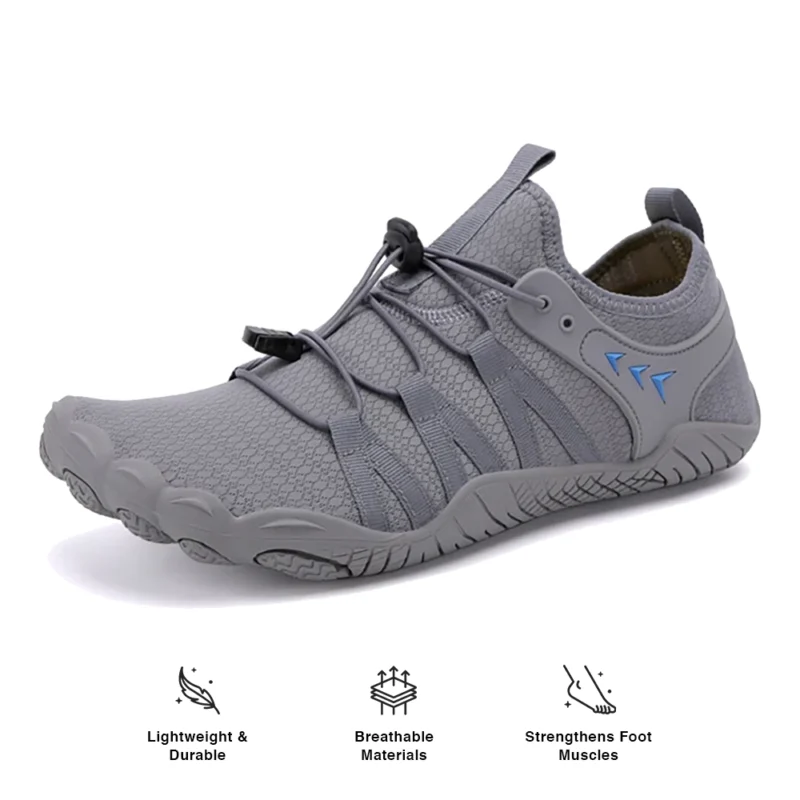
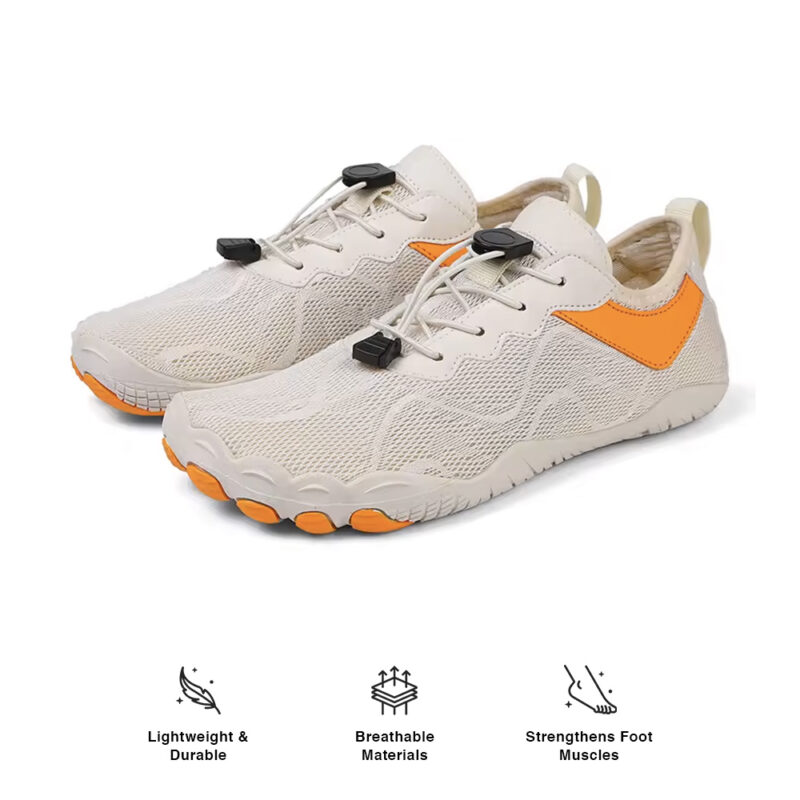
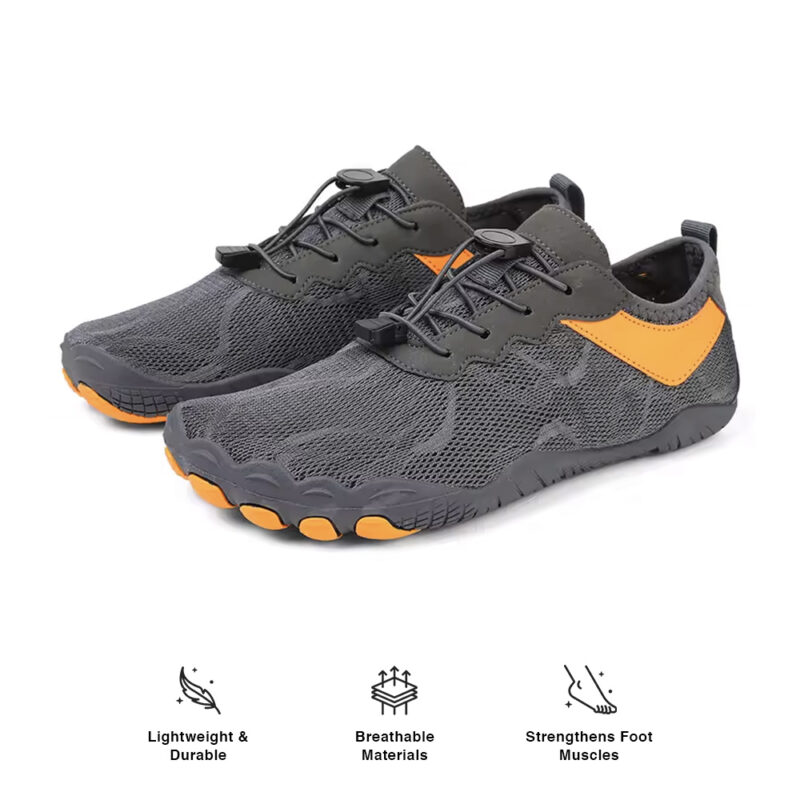
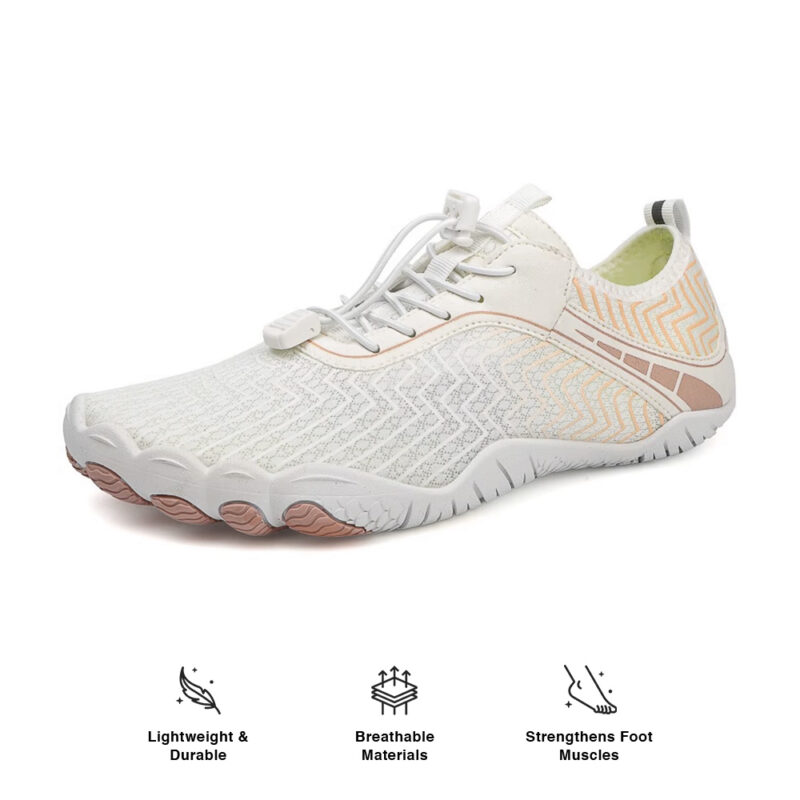
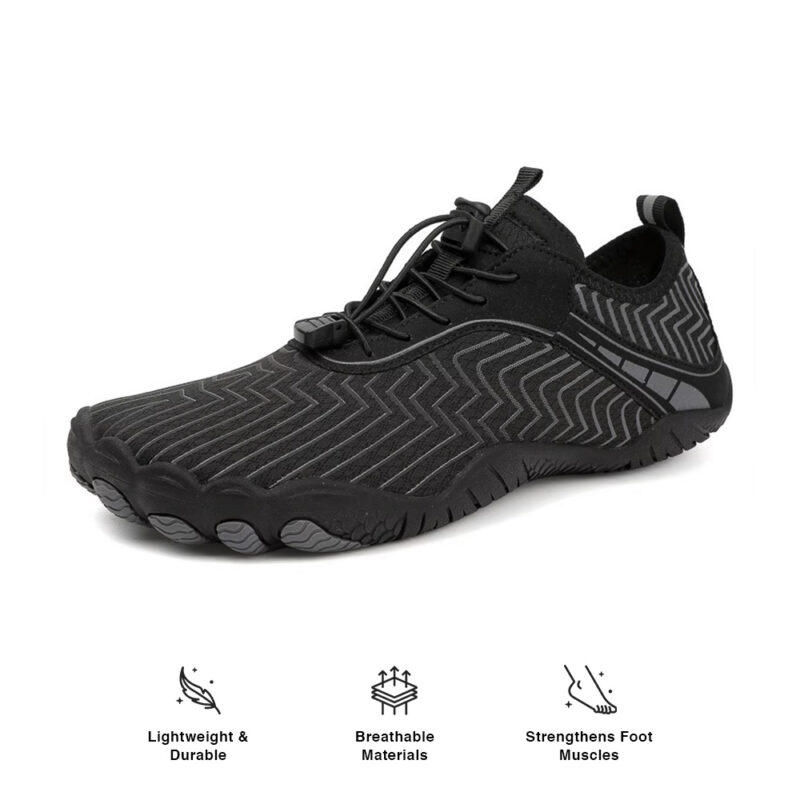
Why Your Current Workout Shoes Are Sabotaging Your Performance
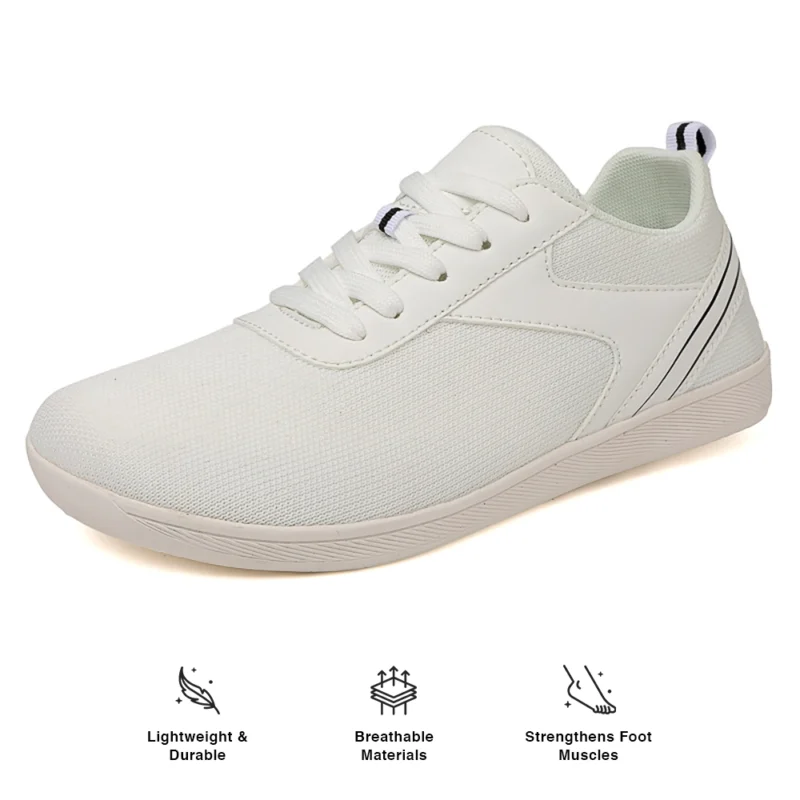
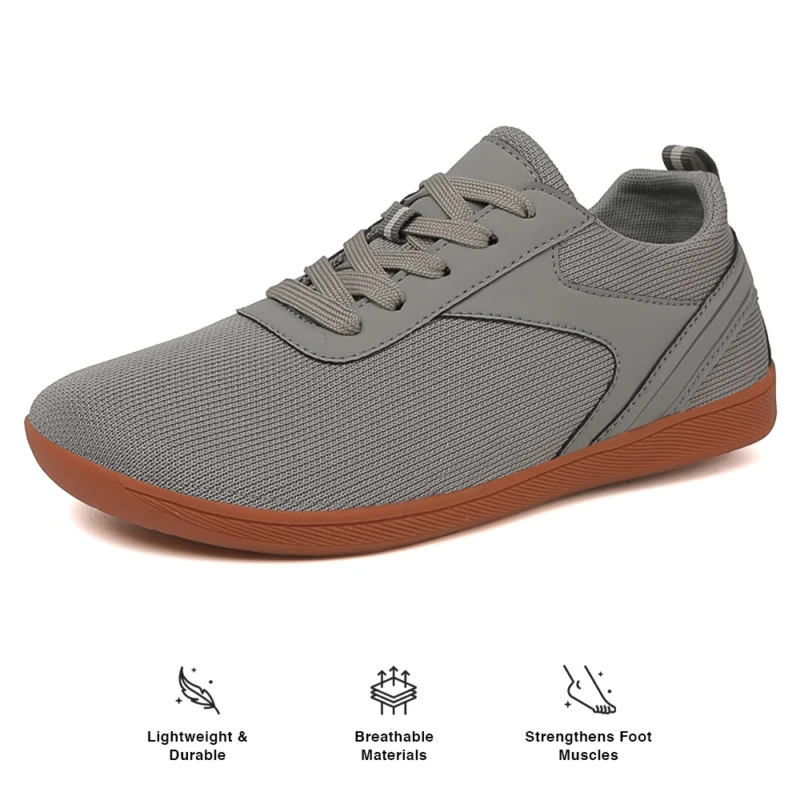
You've invested hundreds of dollars in athletic shoes, yet you still feel unstable during squats and deadlifts, and your feet ache after every session. The problem isn't your effort or technique – it's that conventional workout shoes create an artificial barrier between your feet and the ground, disrupting the natural feedback loop your nervous system relies on for optimal movement. What you need are the best shoes to work out that allow your feet to feel and respond to every surface change and weight shift. Minimalist training shoes with thin, flexible soles restore this crucial ground connection, enabling your body to make micro-adjustments that improve your form and reduce injury risk. Start paying attention to how different surfaces feel under your feet during your next workout, and notice how this awareness improves your stability and control.
The Hidden Cost of Toe Restriction During Dynamic Movements
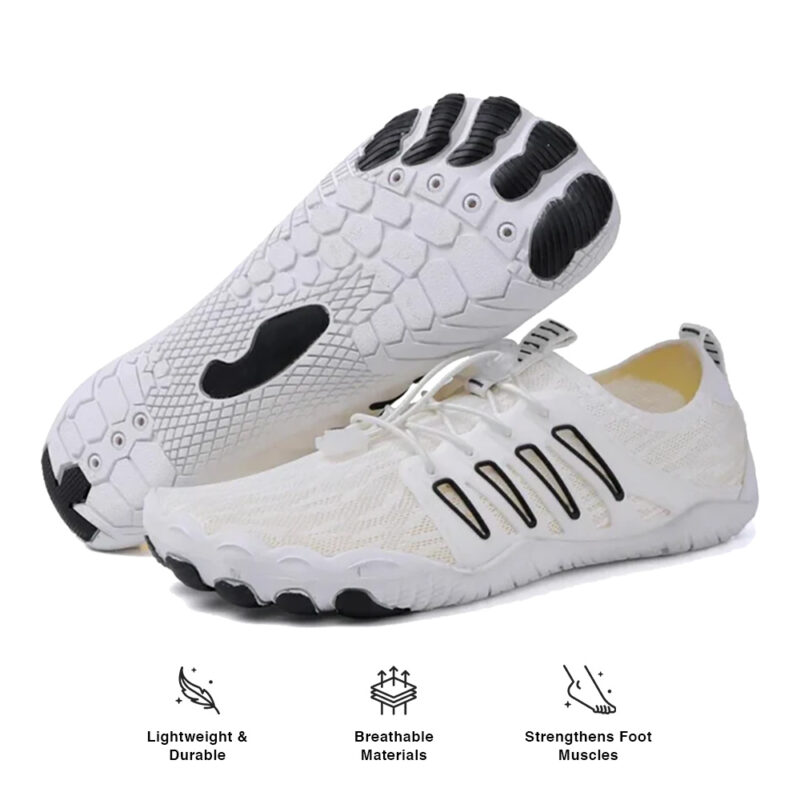
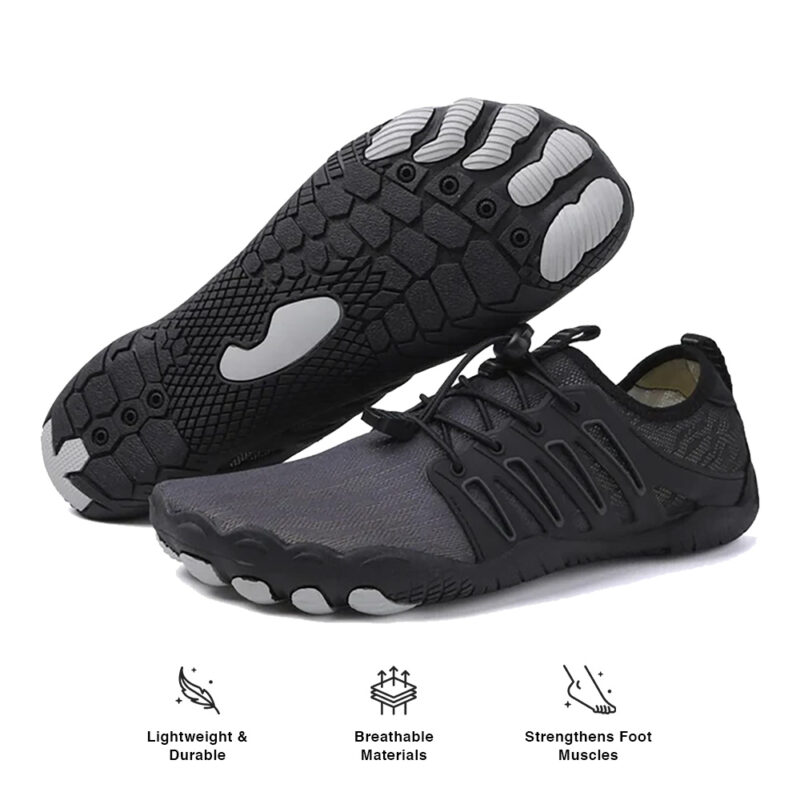
Every time you perform lateral lunges, box jumps, or agility drills, your toes are fighting against narrow toe boxes that force them into unnatural positions. This restriction doesn't just cause discomfort – it fundamentally compromises your ability to generate power and maintain balance during complex movement patterns. The best shoes to work out feature wide, anatomically shaped toe boxes that allow your toes to splay naturally, creating a stable base of support for explosive movements. When your toes can spread and grip, you generate more force through the ground, improve your landing mechanics, and reduce stress on your knees and ankles. Practice toe spreading exercises barefoot at home to strengthen these often-neglected muscles and experience the difference natural toe function makes in your athletic performance.
Breaking Free from the Cushioning Trap That Weakens Your Foundation
The excessive cushioning in traditional athletic shoes might feel comfortable initially, but it's gradually weakening the muscles, tendons, and ligaments in your feet that are designed to absorb impact and provide stability. Over time, this creates a dependency that leaves your feet vulnerable and reduces your body's natural shock absorption capabilities. When searching for the best shoes to work out, prioritize minimal cushioning that allows your feet to gradually rebuild their natural strength and resilience. Zero-drop soles ensure your foot maintains its natural position, promoting better alignment throughout your entire kinetic chain and reducing compensatory patterns that lead to injury. Transition gradually by incorporating short barefoot walks on various textures to reawaken your feet's natural adaptation mechanisms.
How Rigid Soles Disconnect You from Optimal Movement Patterns
Stiff, inflexible soles prevent your feet from adapting to different surfaces and movement demands, forcing other parts of your body to compensate in ways that reduce efficiency and increase injury risk. During functional movements like Turkish get-ups or single-leg deadlifts, your feet need to constantly adjust and provide feedback to maintain balance and control. The best shoes to work out feature flexible soles that bend and twist with your foot's natural movement, allowing the intrinsic muscles to work as intended. This flexibility translates to better proprioception, improved movement quality, and enhanced athletic performance across all training modalities. Test your current shoes' flexibility by trying to twist and bend the sole – if it doesn't move easily, it's likely restricting your foot's natural function.
Reclaiming Your Natural Gait for Enhanced Training Efficiency
Elevated heels in conventional athletic shoes alter your natural gait pattern and force your body into compensatory movement strategies that waste energy and create muscular imbalances. This artificial heel lift shifts your center of gravity forward, requiring your posterior chain to work harder just to maintain upright posture during simple activities like walking between exercises. The best shoes to work out maintain a zero-drop profile that keeps your heel and forefoot at the same level, allowing your body to move with its intended biomechanics. This natural position reduces stress on your lower back, improves hip mobility, and allows for more efficient energy transfer during all movement patterns. Focus on maintaining proper posture during rest periods between sets, and notice how flat-soled shoes make this easier and more sustainable.
Building Foot Strength That Translates to Total Body Power
Weak feet are the hidden limiting factor in many athletes' performance, yet most training programs completely ignore foot strengthening. Constantly wearing supportive shoes that do the work for your feet creates weakness and dysfunction that travels up the kinetic chain, affecting everything from ankle stability to hip function. The best shoes to work out in act as tools for progressive foot strengthening by providing just enough protection while allowing your feet to work and adapt. As your intrinsic foot muscles strengthen, you'll notice improvements in balance, power generation, and overall movement quality that enhance every aspect of your training. Incorporate single-leg balance challenges and calf raises into your warm-up routine to accelerate this strengthening process.
Creating Lasting Comfort Through Natural Movement Freedom
True comfort doesn't come from artificial padding and support – it comes from allowing your feet to function as they were designed. When your feet can move freely, spread naturally, and respond to their environment, they develop the strength and resilience to handle whatever challenges your workouts present. The best shoes to work out prioritize this natural function over temporary comfort, leading to feet that feel better both during and after exercise. This approach requires a gradual transition period as your feet adapt to their newfound freedom, but the long-term benefits include reduced pain, improved performance, and the confidence that comes from truly strong, capable feet. Listen to your feet during this transition, increasing minimalist shoe use gradually while honoring any temporary discomfort as part of the natural adaptation process.