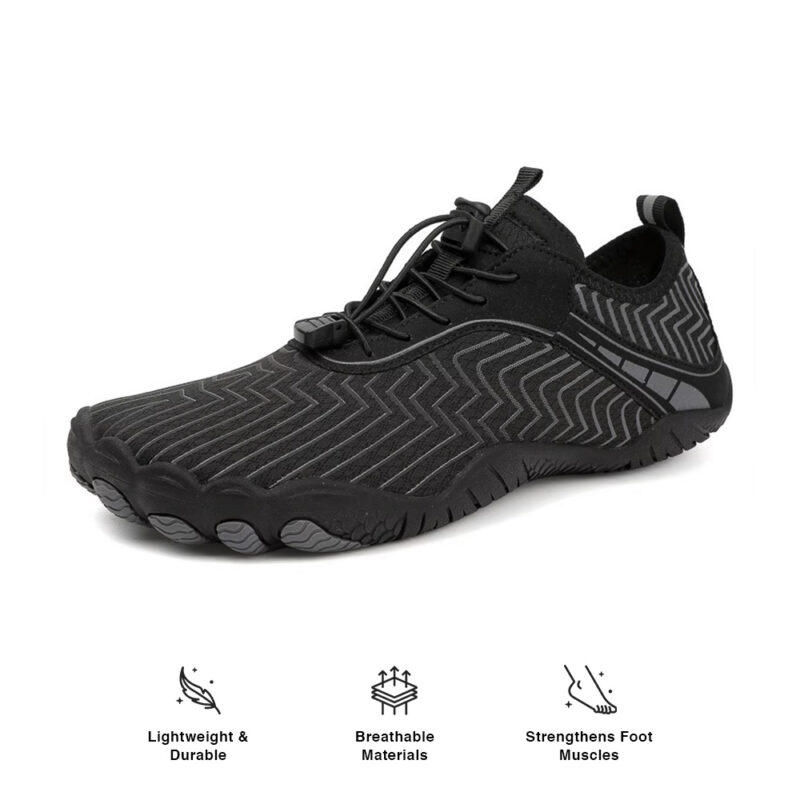
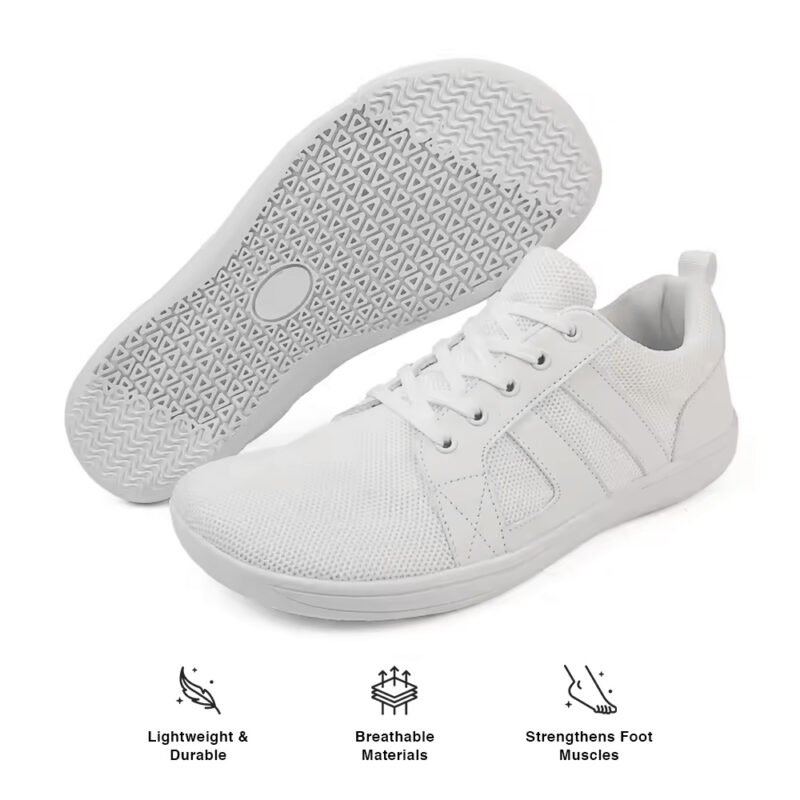
Why Traditional Stability Features Actually Make You Less Stable
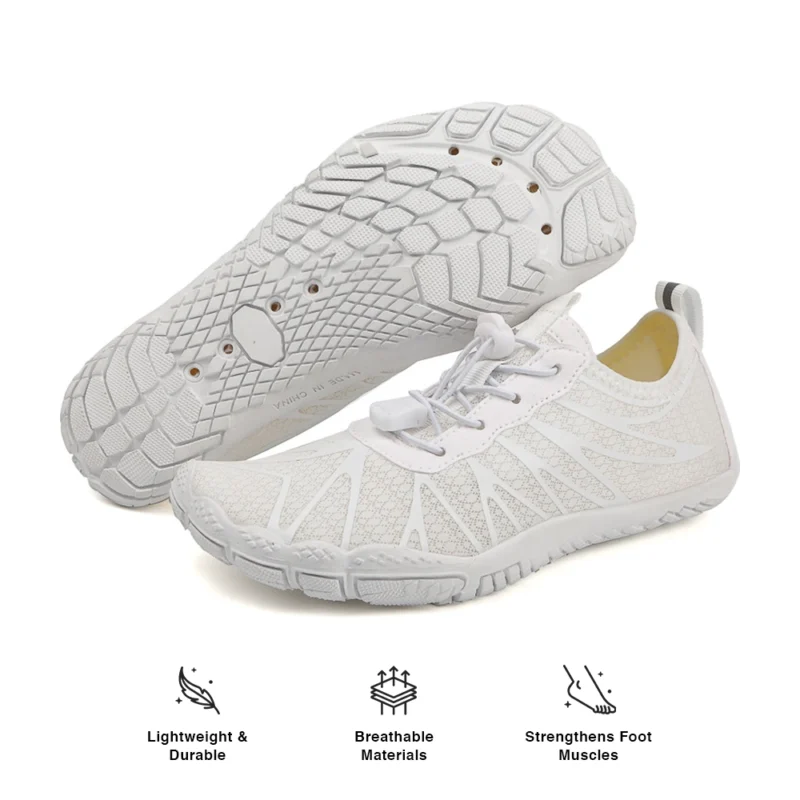
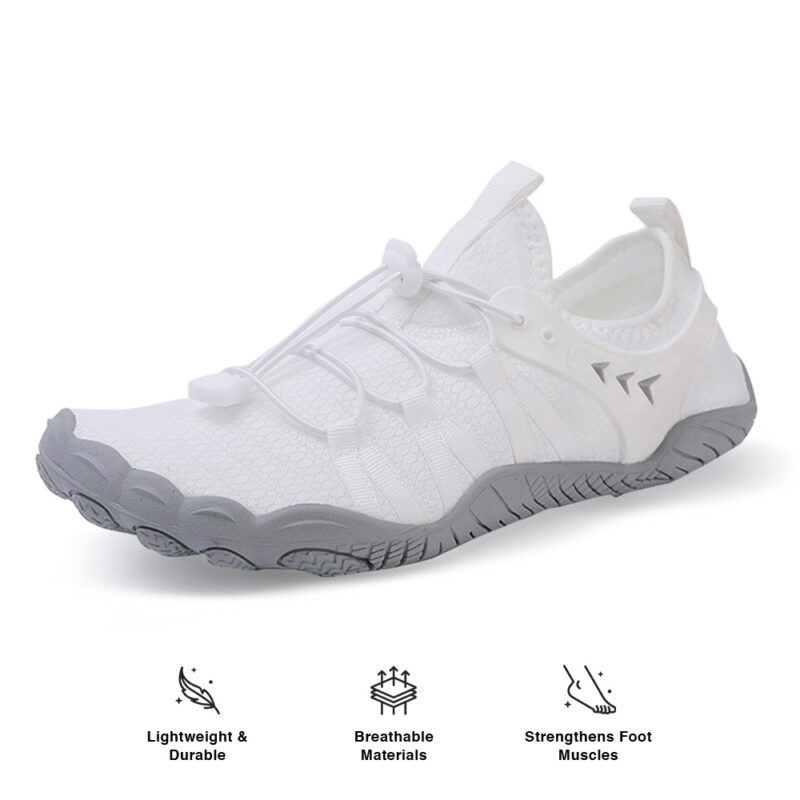
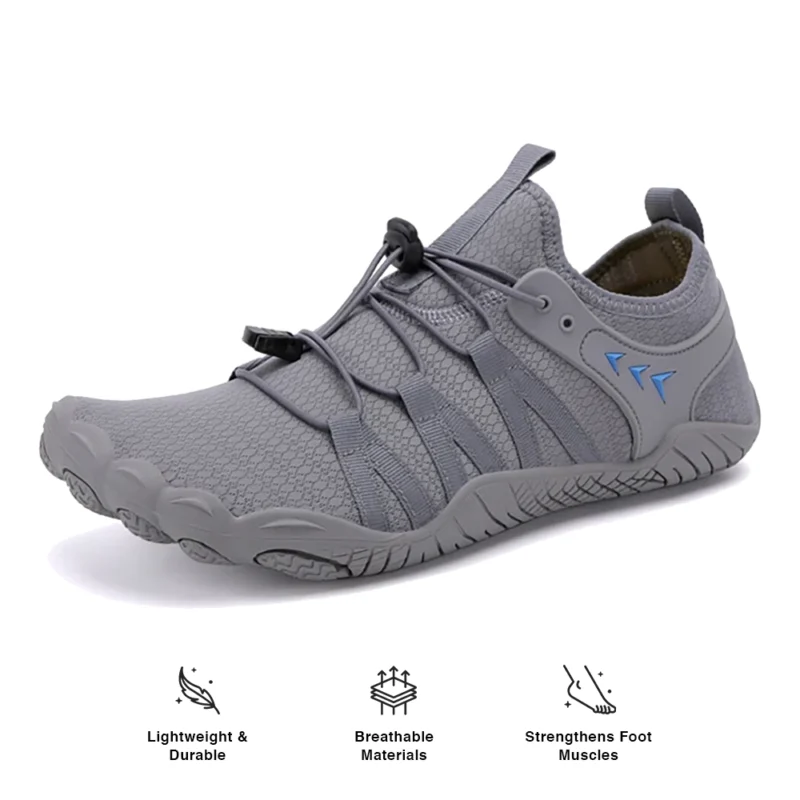
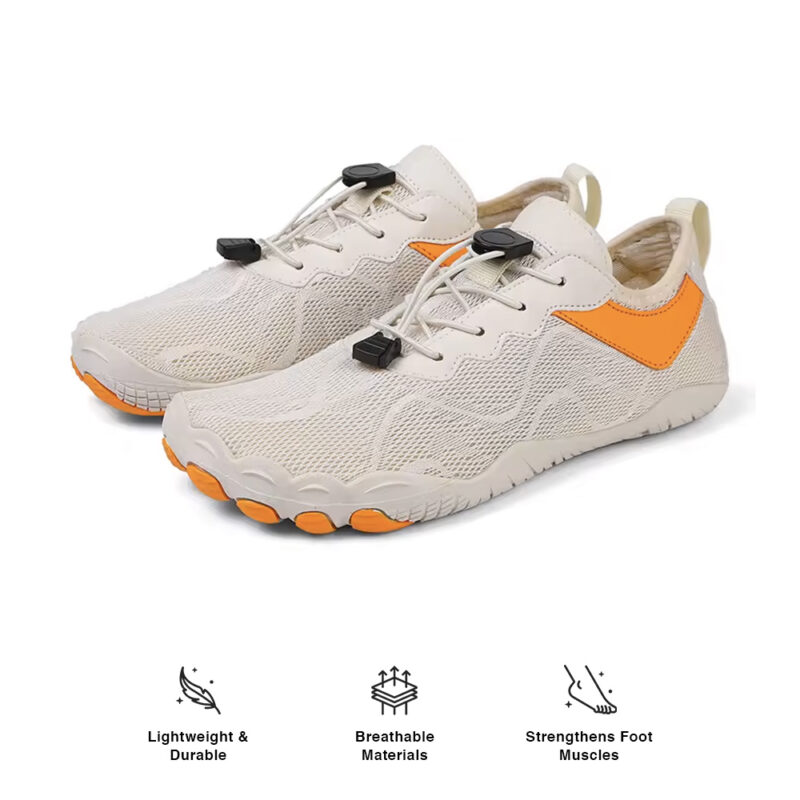
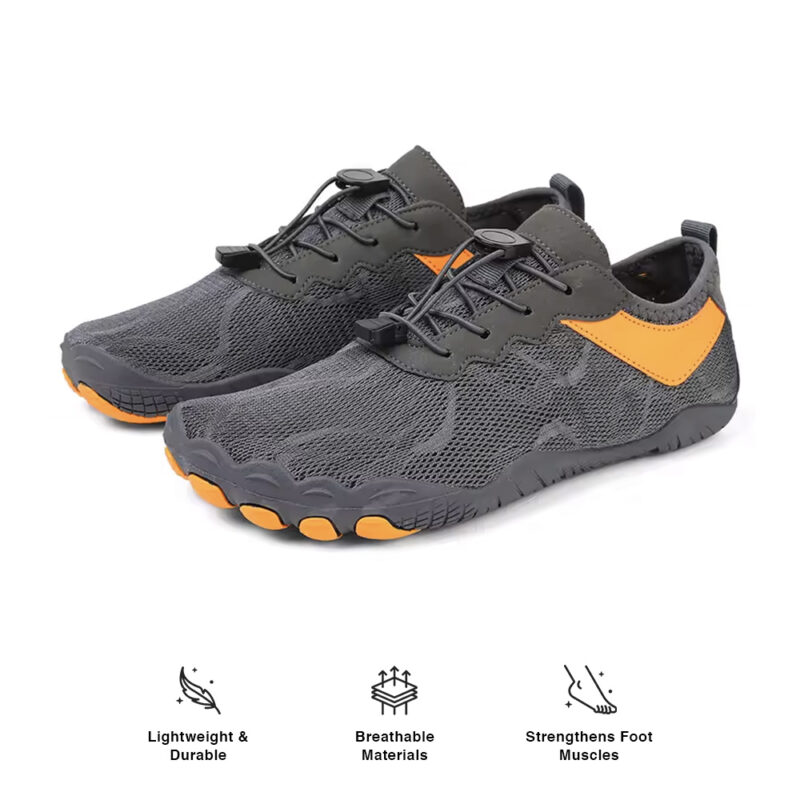
You've probably noticed that despite wearing heavily engineered stability shoes, you still feel wobbly or uncertain during runs. The problem lies in how traditional stability technology works against your body's natural balance systems. When shoes use rigid posts, dense foam, and motion control features, they prevent your foot muscles from engaging and your proprioceptors from sensing the ground. True stability comes from strong, active feet that can adapt to terrain changes, not from passive external support that weakens your natural systems. The best stability running shoes allow your feet to develop this strength by providing a thin, flexible sole that lets you feel and respond to each step while still protecting you from debris.
How Ground Connection Creates Unshakeable Balance
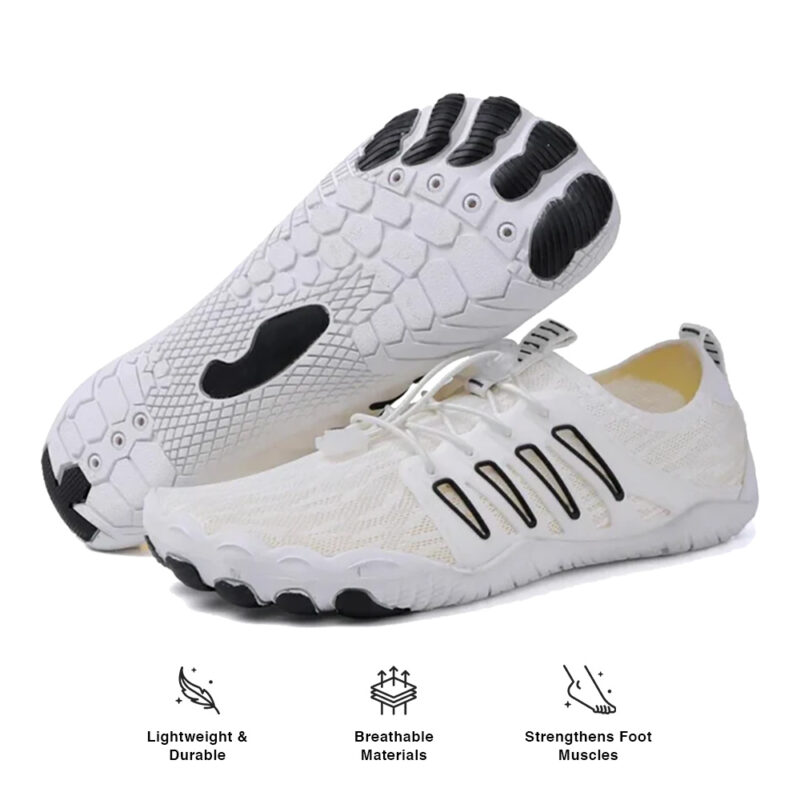
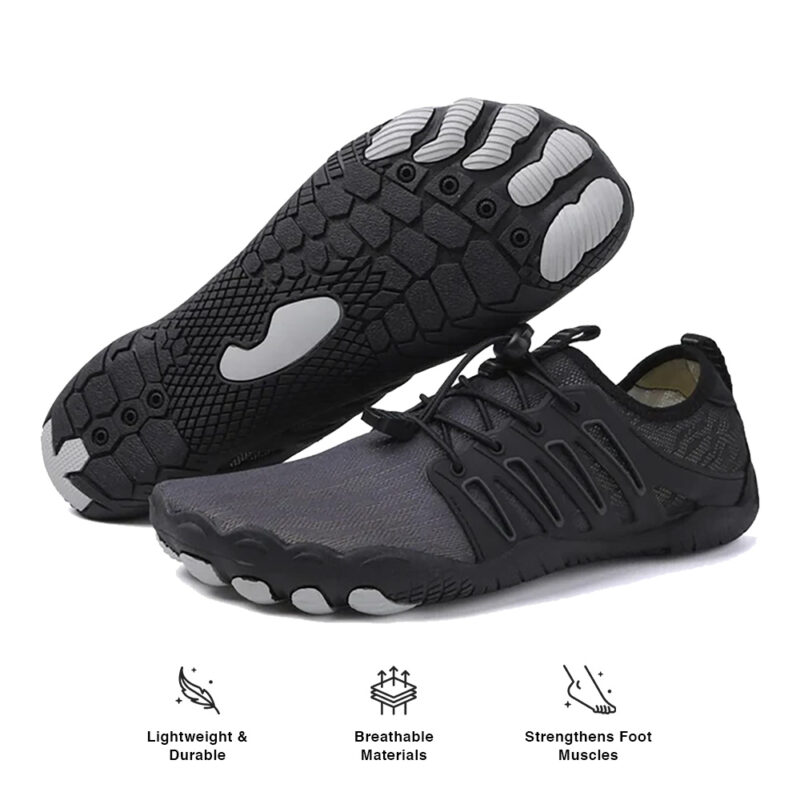
Your balance problems often stem from being disconnected from the surface you're running on. Thick, cushioned soles create a barrier between your feet and the ground, making it impossible for your nervous system to get the feedback it needs for proper balance control. When you can't feel subtle changes in terrain or your foot position, your brain struggles to make the micro-adjustments that prevent missteps and falls. Minimalist design solves this by providing just enough protection while maintaining maximum ground feel. Look for shoes with ultra-thin soles (4-8mm) that let you sense every nuance of the running surface, enabling your body's natural balance reflexes to kick in automatically.
Building Foot Strength That Prevents Injury
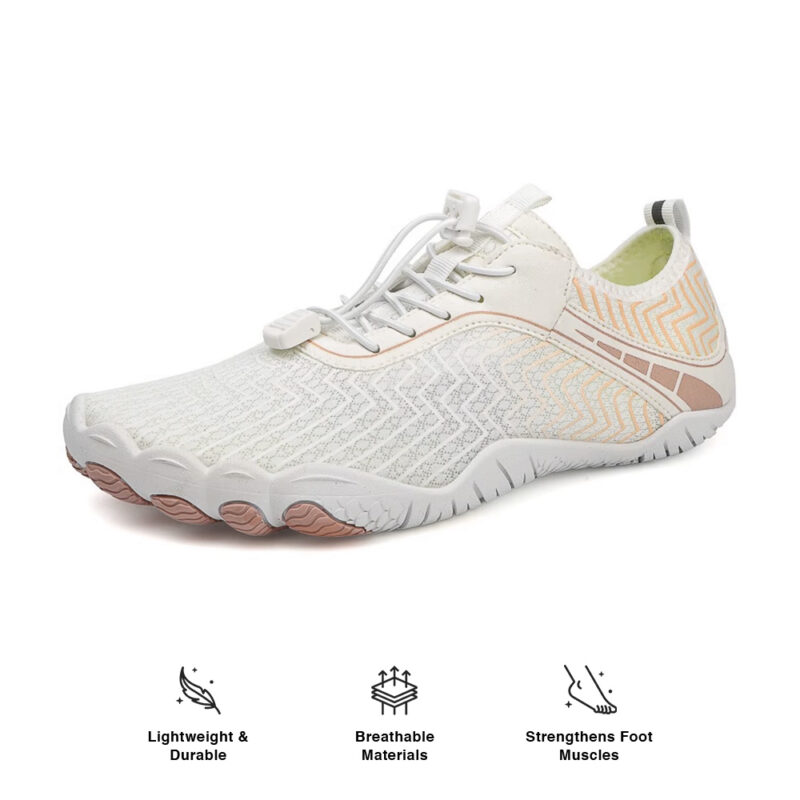
Weak foot muscles are the hidden culprit behind most stability issues, yet traditional shoes keep these muscles dormant through artificial support. Your feet contain 26 bones, 33 joints, and over 100 muscles that are designed to provide natural shock absorption and stability, but they can only do their job when allowed to move freely. The best stability running shoes feature wide toe boxes that let your toes spread naturally and flexible construction that allows your foot to bend, twist, and adapt as intended. Start with short runs in minimalist shoes and gradually increase distance as your foot strength improves, paying attention to how your natural stability develops over time.
Proprioception: Your Secret Weapon Against Falls
Most runners don't realize that stability isn't just about muscle strength—it's about proprioception, your body's ability to sense where you are in space. Traditional stability shoes with their thick soles and rigid structures actually dull this crucial sense, leaving you more prone to missteps and ankle injuries. When you wear shoes that allow natural foot movement and ground connection, your proprioceptive system becomes highly tuned, constantly making tiny adjustments to keep you balanced and upright. Choose footwear with minimal heel-to-toe drop (ideally zero) and flexible soles that bend easily with your foot, then practice running on varied terrain to enhance this natural stability system.
Progressive Adaptation: The Smart Way to Transition
Your biggest concern about switching to minimalist stability shoes is probably doing too much too soon and getting injured in the process. The key is understanding that your feet need time to redevelop the strength and coordination they once had naturally. Traditional shoes have likely weakened your foot muscles and altered your gait, so rushing into minimal footwear without proper progression can cause overuse injuries. Start by wearing your new shoes for short walks, then progress to brief runs every other day, gradually increasing duration as your feet adapt. Listen to your body carefully during this transition period, backing off if you experience unusual soreness, and remember that building natural stability is a process that typically takes 6-12 months to complete fully.
Terrain Mastery: Using Environment to Build Stability
The most stable runners aren't those who stick to perfectly smooth surfaces—they're the ones who've trained their feet to handle varied terrain with confidence. Traditional stability shoes actually make you more dependent on predictable surfaces because they don't allow your feet to learn and adapt. The best stability running shoes enable you to gradually introduce trail running, grass, sand, and other uneven surfaces that challenge and strengthen your natural balance systems. Begin with short sessions on gentle trails or grass parks, focusing on maintaining relaxed, natural movement rather than fighting the terrain, and notice how your confidence and stability improve as your feet learn to read and respond to different surfaces.
Natural Gait Mechanics for Effortless Stability
Poor running form is often the root cause of stability issues, but it's hard to develop good mechanics when your shoes prevent natural movement patterns. Heavy, rigid shoes encourage heel striking and overstriding, which creates instability and impact stress that your body struggles to manage. The best stability running shoes promote a natural midfoot or forefoot strike pattern that aligns your body from foot to head, creating efficient movement that feels stable and effortless. Focus on landing with your feet underneath your center of gravity, taking shorter, quicker steps, and letting your natural arm swing balance your movement—all techniques that become much easier when your footwear doesn't interfere with your body's preferred movement patterns.