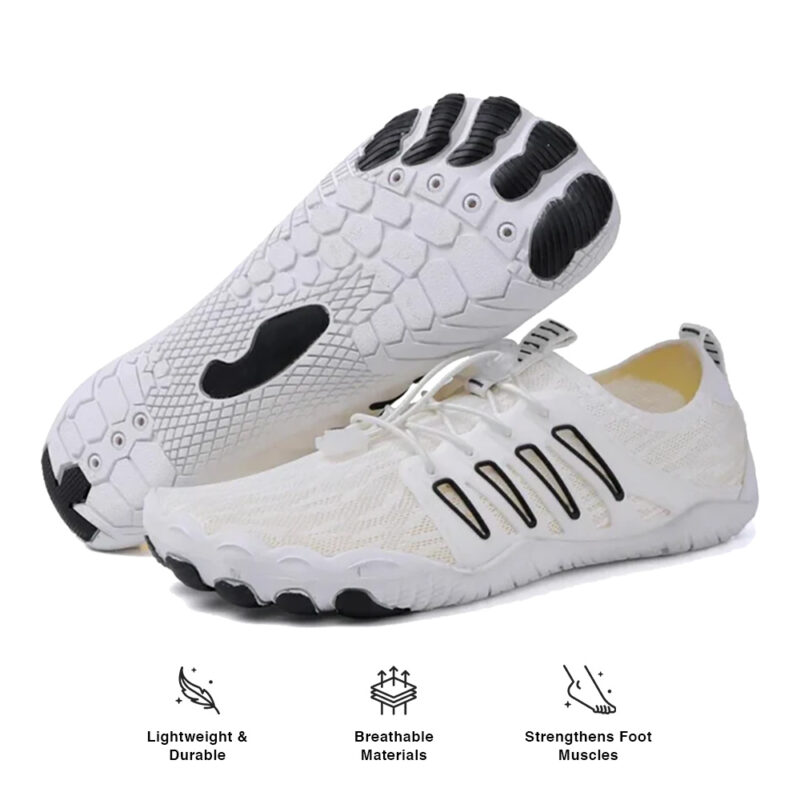
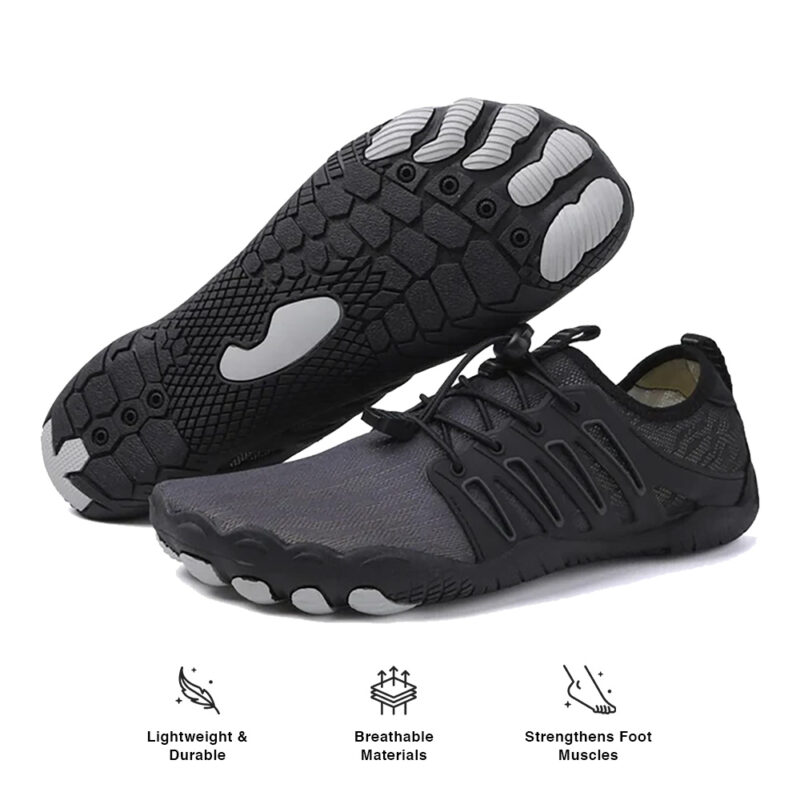
Why Your Current Standing Shoes Are Failing You
Standing all day shouldn't feel like punishment, yet most professionals experience excruciating foot pain because conventional shoes work against natural foot mechanics. Your feet contain 26 bones, 33 joints, and over 100 muscles and tendons – they're designed to be dynamic, flexible structures, not rigid platforms trapped in narrow boxes. The best standing shoes recognize this complexity and allow your feet to function as the sophisticated shock absorbers they were meant to be. When you choose footwear that permits natural foot movement and toe spreading, you'll discover that your feet actually become stronger and more resilient throughout your shift, rather than increasingly painful and fatigued.
The Hidden Cost of Artificial Arch Support
Most people believe arch supports are essential for standing comfort, but this conventional wisdom is backwards and costly for your long-term foot health. When shoes provide artificial arch support, your intrinsic foot muscles become lazy and weak, creating dependency rather than strength. Your arches are designed to be dynamic springs that compress and rebound with each step, naturally absorbing impact and providing energy return. The best standing shoes allow these natural arches to function properly by providing a flat, flexible platform that encourages muscle engagement. Start your transition gradually if you're coming from highly supportive shoes, allowing your foot muscles to rebuild their natural strength over several weeks.
How Narrow Toe Boxes Sabotage Your Standing Endurance
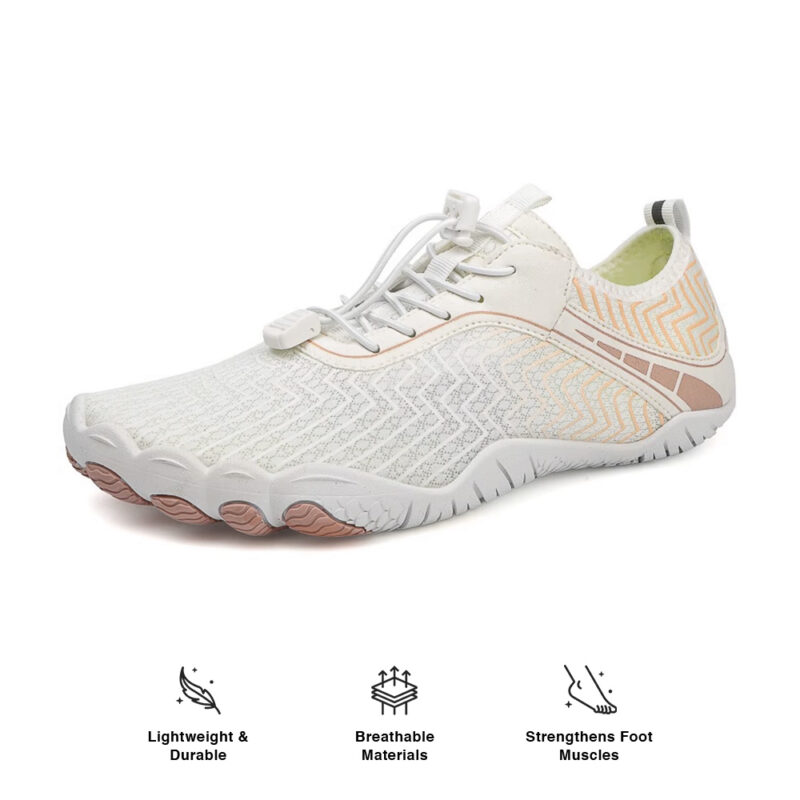
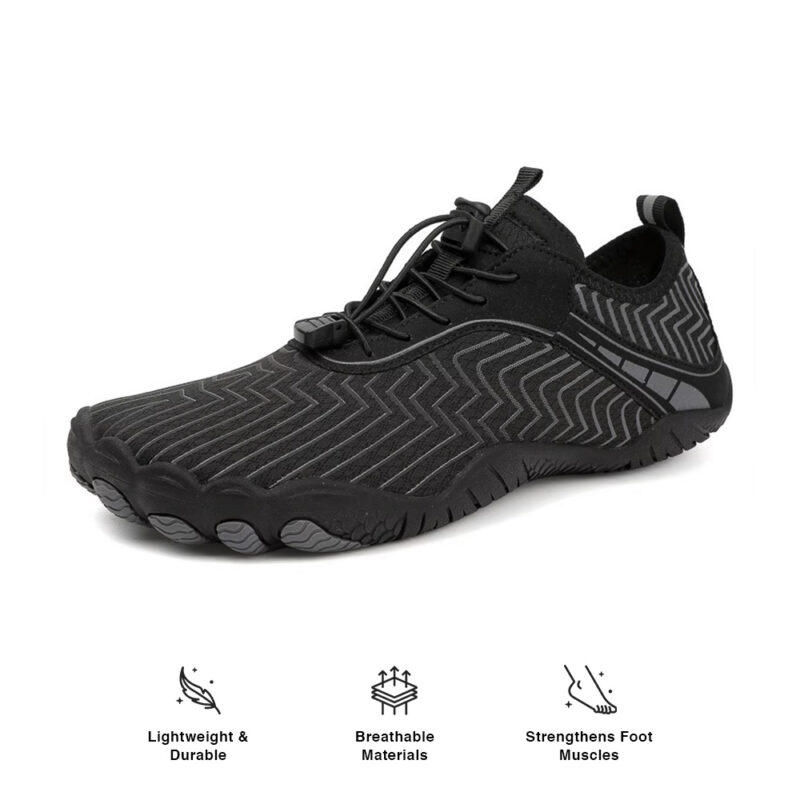
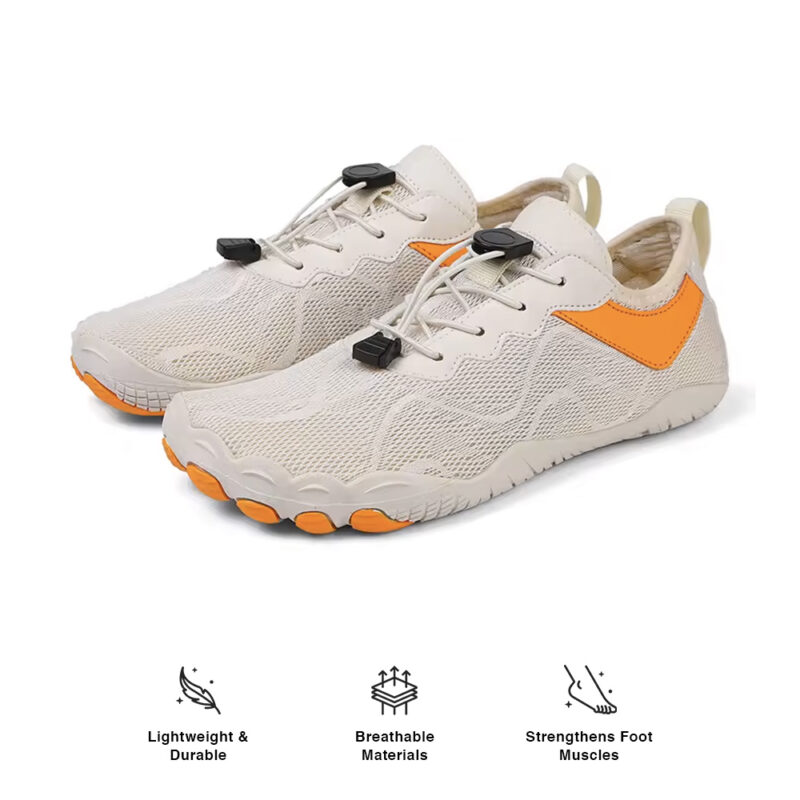
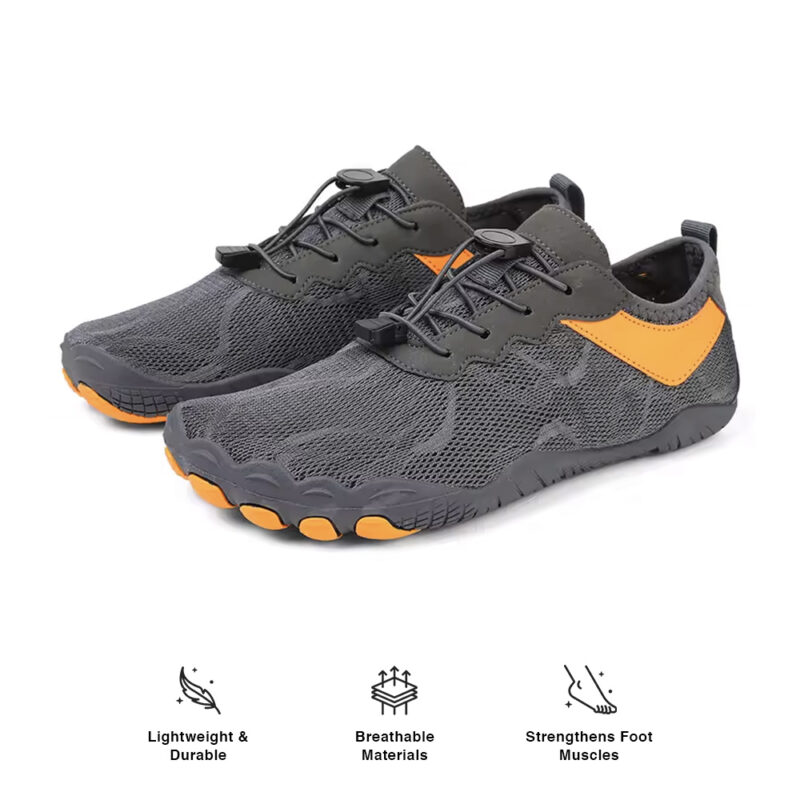
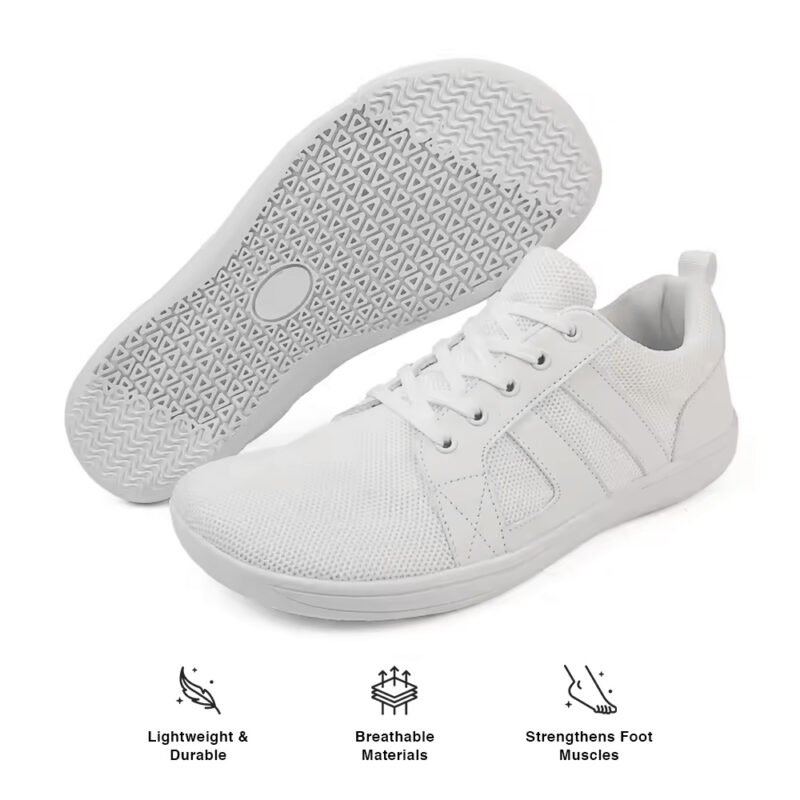
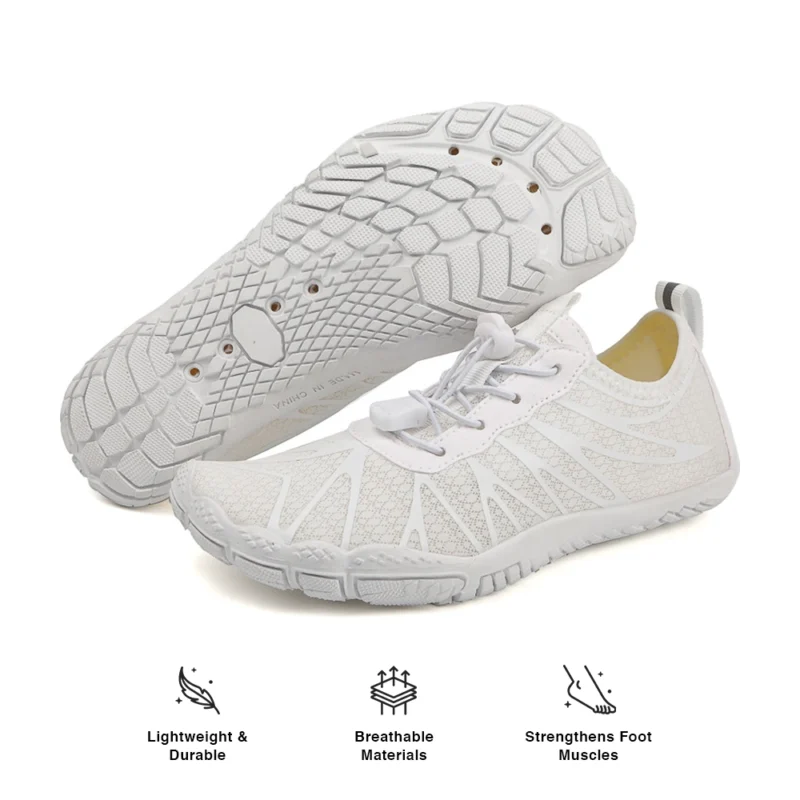
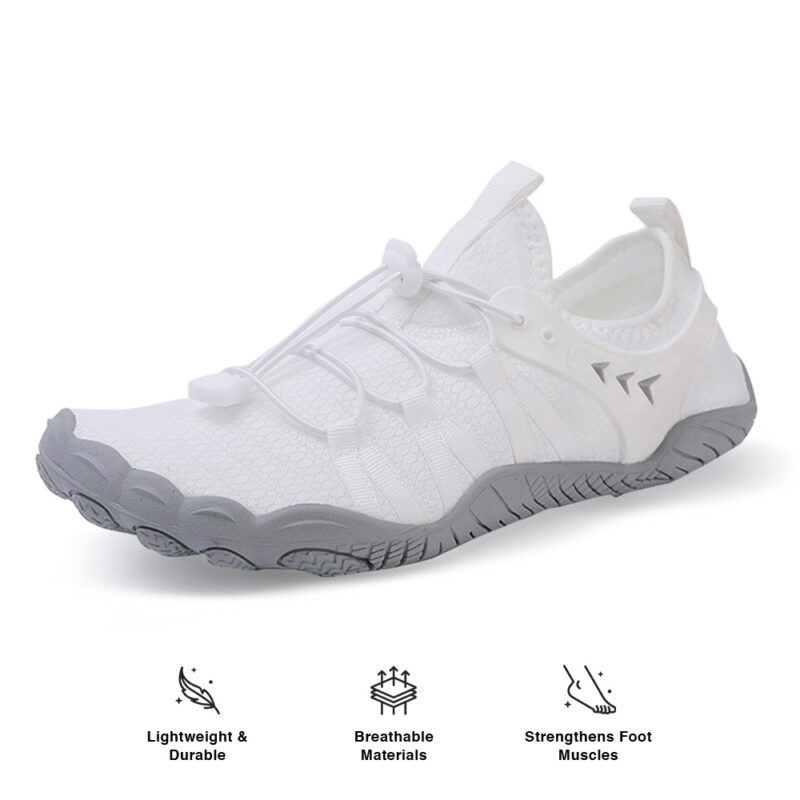
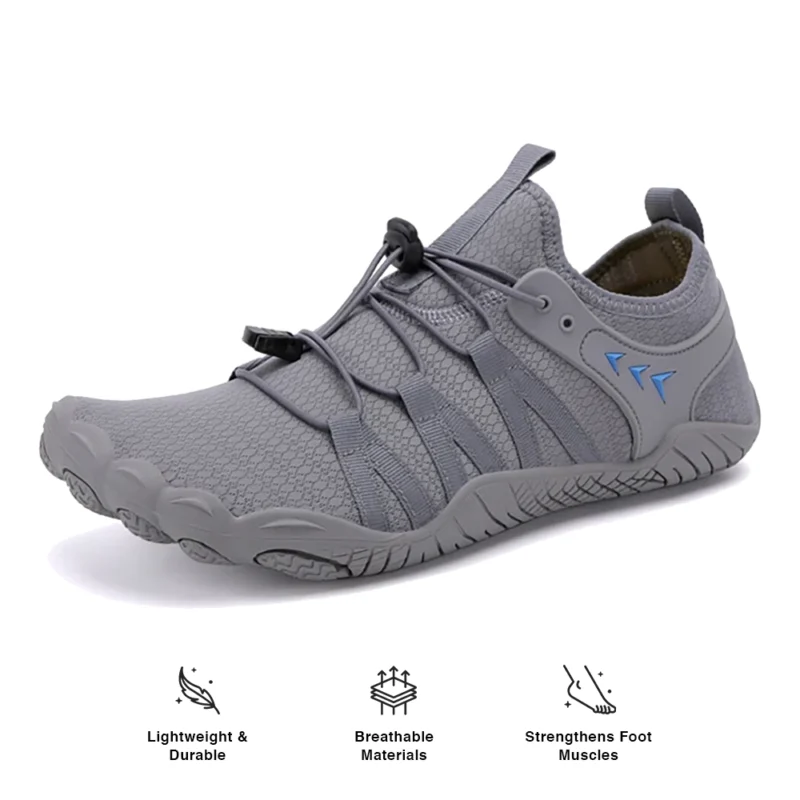
Cramped toes are the enemy of comfortable standing because they disrupt your body's entire balance system and create cascading problems up your kinetic chain. When your toes can't spread naturally, your foot loses its stable base of support, forcing other muscles to work harder to maintain balance and posture. This inefficient compensation pattern leads to faster fatigue, poor circulation, and the burning sensation you feel after hours on your feet. The best standing shoes feature wide, anatomically-shaped toe boxes that allow your toes to spread and grip naturally, creating a stable foundation that reduces overall body fatigue. Look for shoes where you can wiggle all your toes freely and your forefoot doesn't feel compressed from any angle.
Breaking Free from the Cushioning Trap
Thick, squishy soles might feel comfortable initially, but they actually increase standing fatigue by creating an unstable surface that forces your muscles to work overtime for balance. Modern cushioned shoes isolate your feet from ground feedback, dulling the proprioceptive signals your brain needs to efficiently coordinate movement and posture. The best standing shoes provide just enough protection from rough surfaces while maintaining ground connection through thin, flexible soles that enhance rather than inhibit natural foot function. This ground awareness helps your entire body maintain better alignment with less conscious effort, reducing the mental and physical fatigue that comes from constantly fighting unstable footing. Choose soles that bend easily in your hands and allow you to feel texture through them without discomfort.
Why Foot Flexibility Matters More Than Support
Rigid shoes that claim to provide "maximum support" actually create weakness by preventing the natural movement patterns that keep your feet healthy and strong. Your feet need to flex, twist slightly, and adapt to subtle changes in terrain – even on seemingly flat surfaces – to maintain optimal circulation and muscle engagement. When shoes restrict this natural flexibility, blood flow decreases, muscles atrophy, and standing becomes increasingly uncomfortable over time. The best standing shoes bend and move with your feet, allowing the hundreds of tiny adjustments that keep your feet comfortable and energized throughout long shifts. Test shoe flexibility by trying to roll them up or twist them gently – the more they move, the better they'll serve your feet during extended standing periods.
The Science of Natural Shock Absorption
Your body has evolved an incredibly sophisticated shock absorption system that works far better than any artificial cushioning when it's allowed to function properly. This system includes the natural arch springs of your feet, the slight bend in your knees, the curve of your spine, and the coordinated muscle contractions throughout your body. Conventional shoes with thick midsoles and rigid structures interfere with this natural system, forcing it to work inefficiently and creating more impact stress rather than less. The best standing shoes work in harmony with your body's natural shock absorption by providing minimal interference through thin, flexible soles that allow proper ground contact and natural movement patterns. This approach may feel different at first, but it results in less fatigue and more comfort as your body rediscovers its natural movement efficiency.
Making the Transition to Better Standing Comfort
Moving to healthier standing shoes requires a thoughtful approach that respects your body's adaptation timeline while providing immediate benefits for your workday comfort. Start by wearing your new shoes for shorter periods initially, gradually increasing the duration as your foot muscles strengthen and your movement patterns optimize. The best standing shoes will feel different from conventional footwear – less cushioned but more connected, less "supportive" but more stable, less restrictive but more secure. Pay attention to how your entire body feels at the end of shifts in these shoes compared to your old ones, focusing on overall energy levels and the absence of specific pain points rather than comparing the immediate sensation underfoot. Most people notice improved comfort and reduced fatigue within the first few weeks, with continued benefits as their feet grow stronger and more resilient over time.