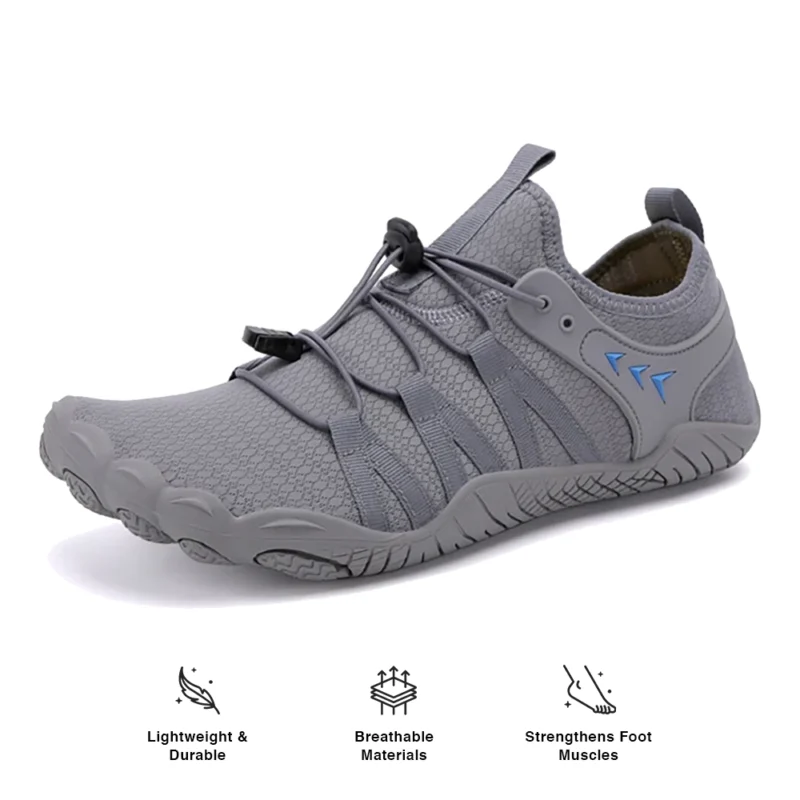
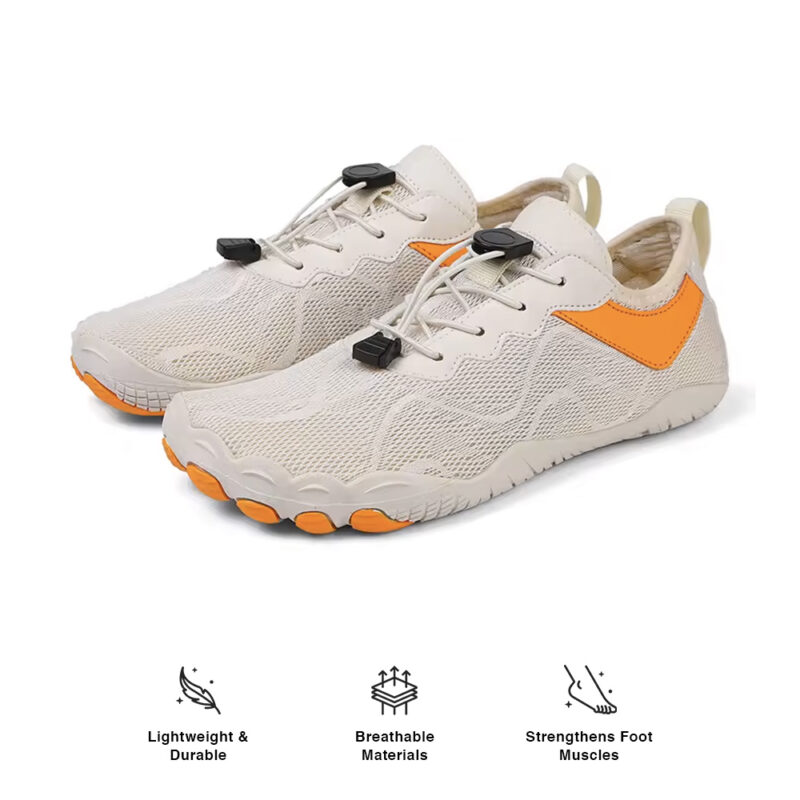
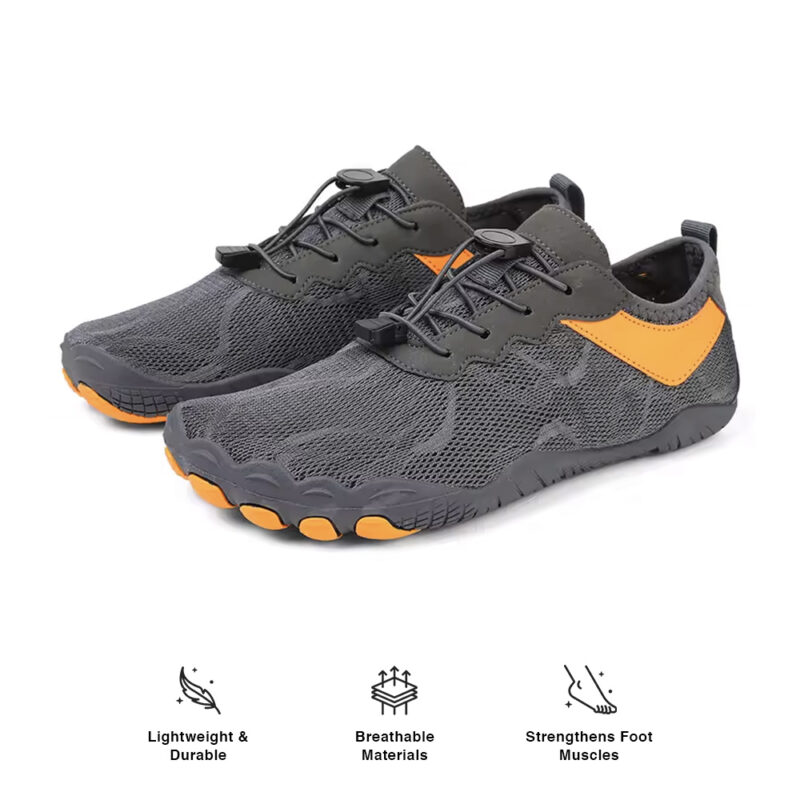
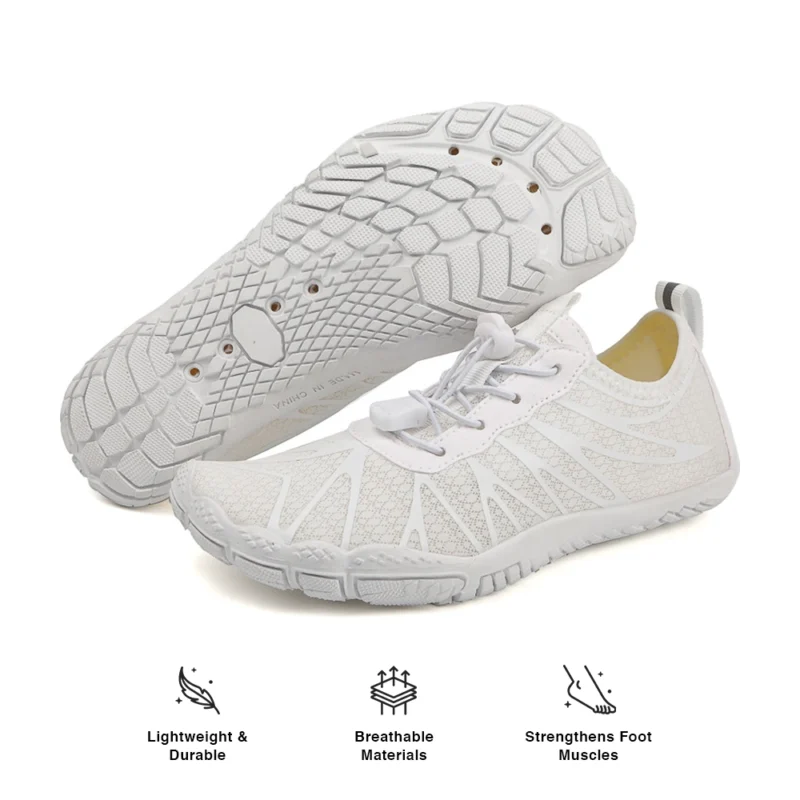
Why Flat Feet and Traditional Tennis Shoes Don't Mix
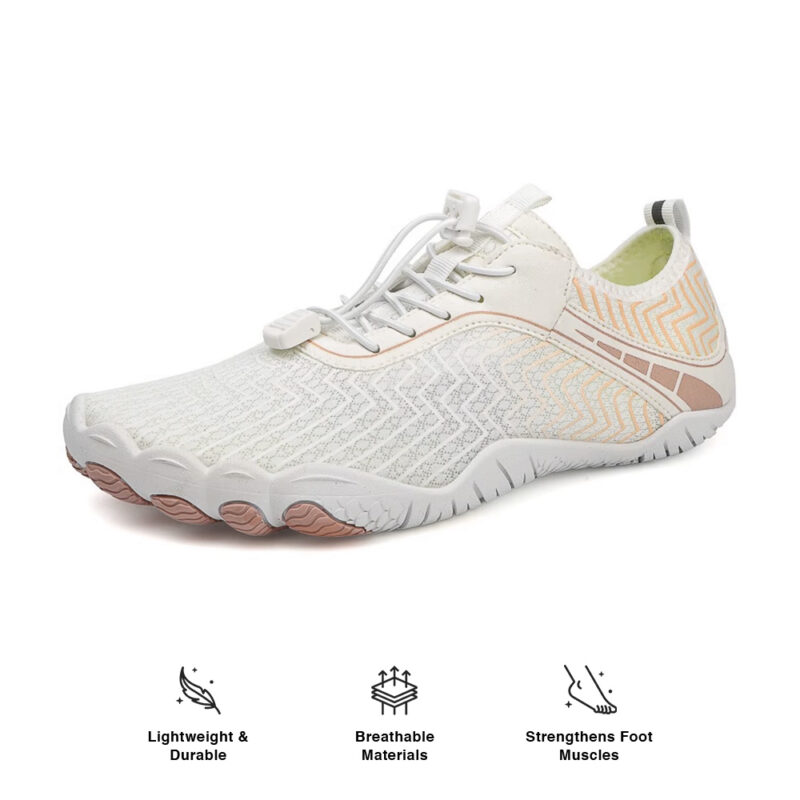
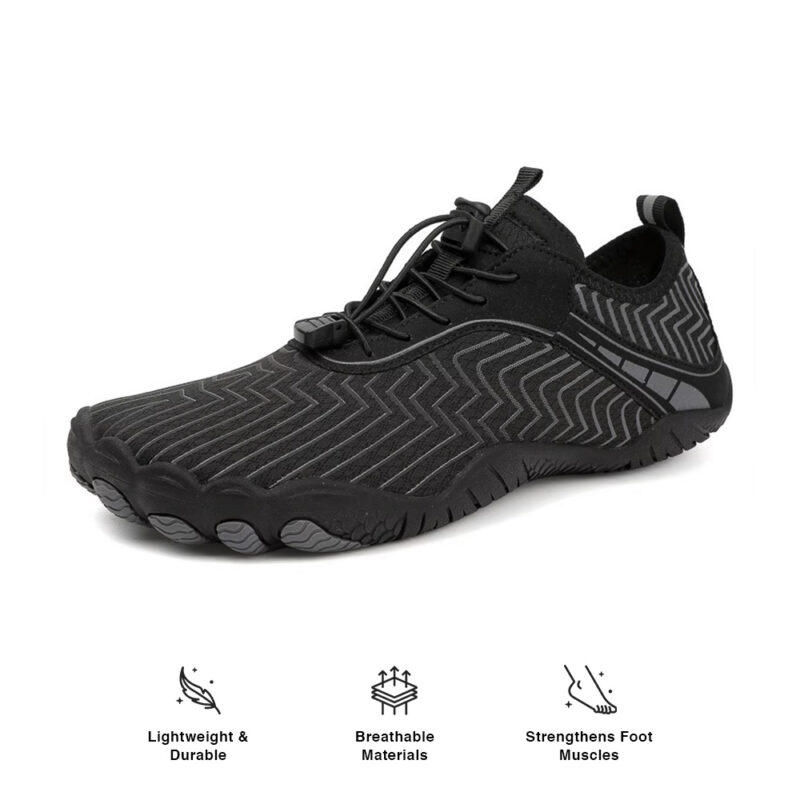
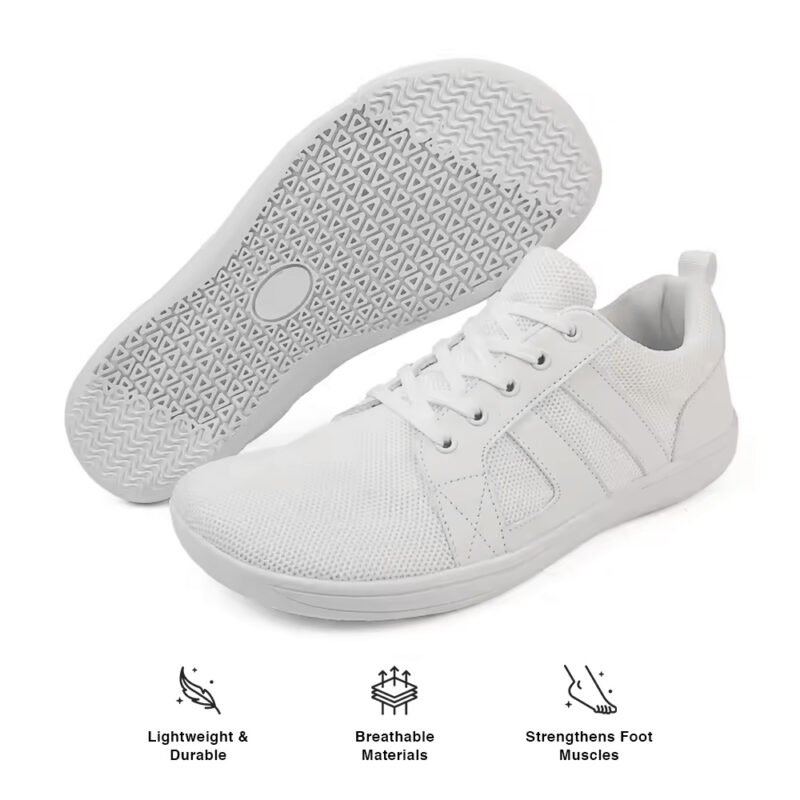
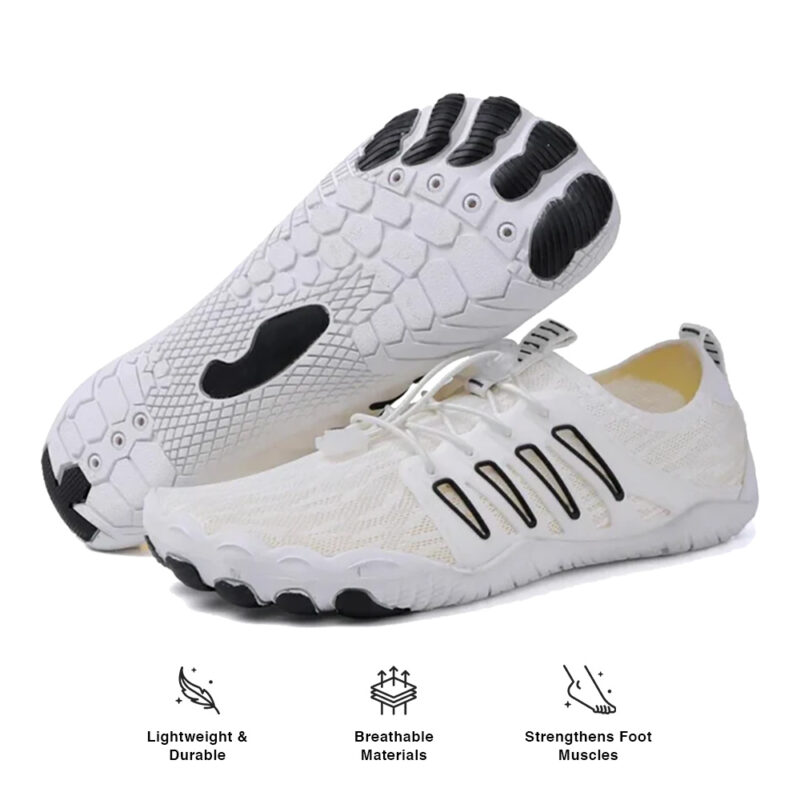
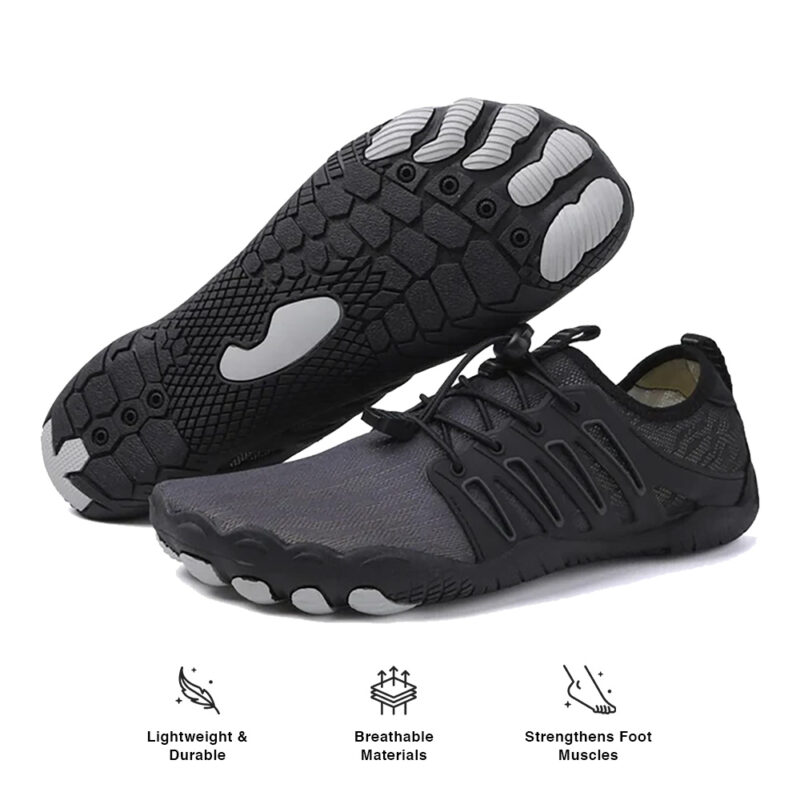
Living with flat feet means you've likely experienced that sinking feeling when your arches collapse under the weight of heavy, structured tennis shoes. What you're looking for is footwear that doesn't fight your natural foot shape but instead works harmoniously with it. Barefoot tennis shoes eliminate the artificial arch supports and thick midsoles that force your feet into uncomfortable positions, allowing your natural foot mechanics to function properly. The key is choosing shoes with flexible soles that bend with your foot's movement, giving your feet the freedom to strengthen naturally rather than becoming dependent on external support structures.
Ground Feel Makes All the Difference for Stability
Your flat feet actually have an advantage when it comes to ground contact and stability, but traditional tennis shoes hide this benefit under layers of foam and rubber. You need footwear that maximizes this natural connection to the ground, giving you better proprioception and balance during lateral movements. Minimalist tennis shoes with thin, flexible soles allow you to feel texture changes and surface variations, which activates the tiny muscles in your feet that contribute to overall stability. Start by wearing your minimalist shoes for shorter training sessions and gradually increase the duration as your feet adapt to this enhanced ground connection.
Natural Toe Spread Prevents Common Flat Foot Problems
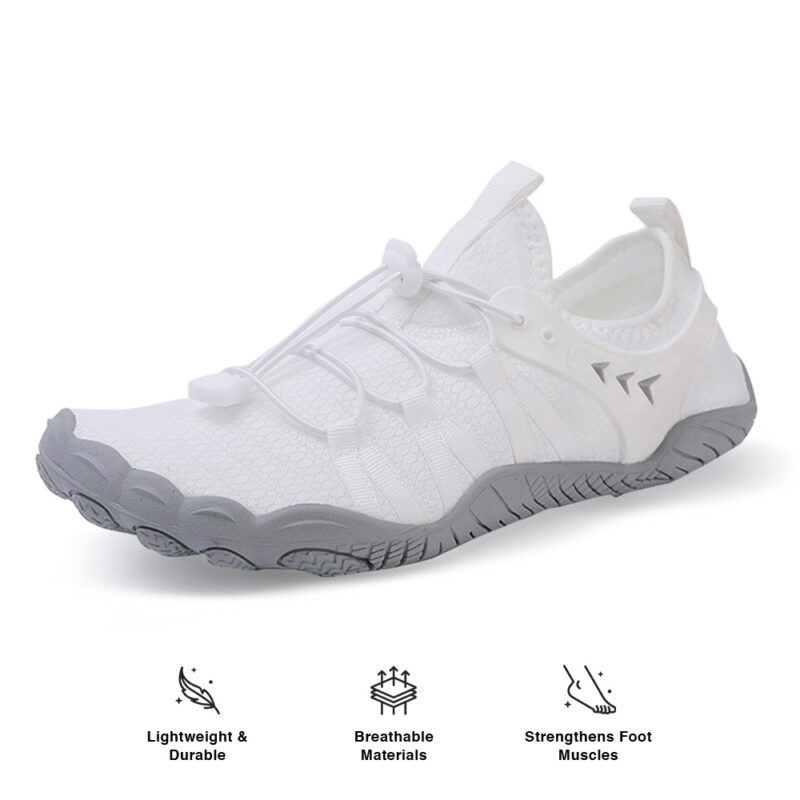
Cramped toe boxes in conventional tennis shoes compress your toes together, creating additional pressure on already sensitive flat feet and reducing your natural balance platform. What you're seeking is a wide, anatomically shaped toe box that allows your toes to spread naturally, creating a stable foundation for quick directional changes on the court. Barefoot-style tennis shoes feature generous toe rooms that accommodate the natural splay of your forefoot, reducing hot spots and allowing better weight distribution across your entire foot surface. When trying on new shoes, make sure you can wiggle all your toes freely and that the widest part of the shoe aligns with the widest part of your foot.
Zero Drop Design Aligns Your Entire Body
The elevated heels in traditional tennis shoes throw off your posture and create additional stress on your already challenged foot structure, leading to compensation patterns that affect your knees, hips, and back. You need a zero drop platform that keeps your heel and forefoot at the same level, promoting proper spinal alignment and reducing the strain on your lower extremities. Minimalist tennis shoes with zero drop construction encourage a more natural gait pattern and help distribute impact forces more evenly throughout your body. Transition gradually to zero drop shoes by alternating them with your current footwear until your body fully adapts to the new alignment.
Lightweight Construction Reduces Fatigue
Heavy tennis shoes add unnecessary weight to every step, causing your flat feet to work harder and fatigue more quickly during extended play sessions. You're looking for lightweight materials that provide protection without bulk, allowing your feet to move efficiently throughout your entire game. Barefoot tennis shoes typically weigh significantly less than traditional court shoes because they eliminate heavy midsole materials and bulky support structures while maintaining durability where it matters most. Choose shoes made from breathable, flexible materials that feel almost like an extension of your foot rather than a heavy piece of equipment strapped to it.
Flexible Soles Build Natural Foot Strength
Rigid soles in conventional tennis shoes prevent your foot muscles from working properly, leading to weakness and dependency that makes your flat feet feel even more unsupported over time. What you need is a flexible sole that bends and moves with your foot, allowing the intrinsic muscles to engage and strengthen with every step. Minimalist tennis shoes feature thin, flexible outsoles that promote natural foot movement while still providing adequate protection for court surfaces. Practice foot strengthening exercises like toe curls and calf raises while wearing your minimalist shoes to accelerate the adaptation process and build the foundation strength your flat feet have been missing.
Breathability Keeps Flat Feet Comfortable
Flat feet often experience increased sweating and heat buildup due to more surface contact with the shoe interior, making breathability a crucial factor in your comfort during long matches. You're seeking materials and construction methods that promote airflow while maintaining the structural integrity needed for lateral court movements. Barefoot tennis shoes often feature mesh panels, perforated uppers, or naturally breathable materials that keep your feet cool and dry throughout your most intense training sessions. Look for shoes with moisture-wicking linings and adequate ventilation points that align with your foot's natural hot spots for maximum comfort during extended wear.