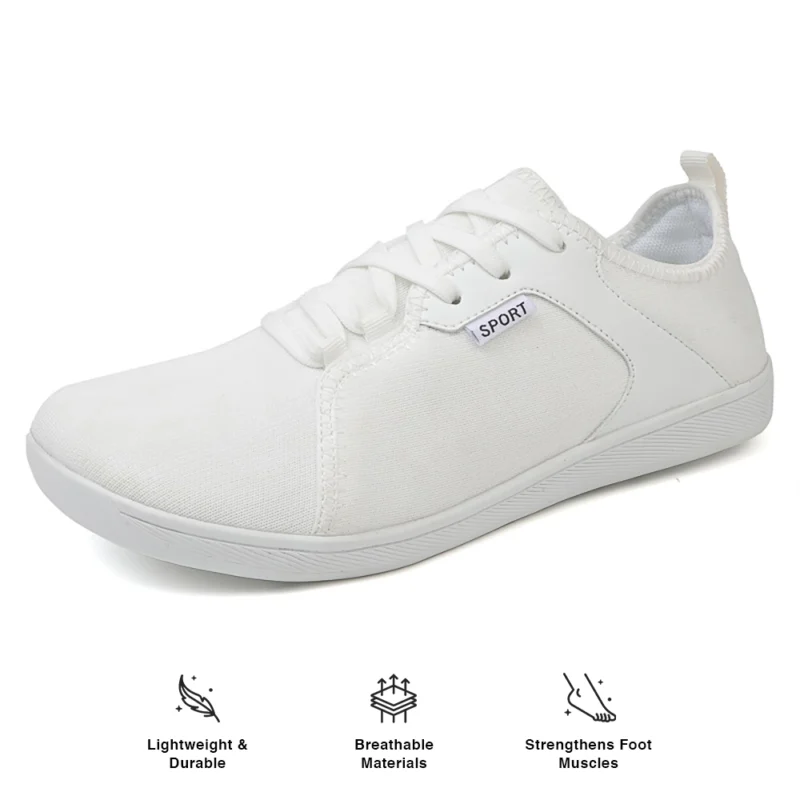
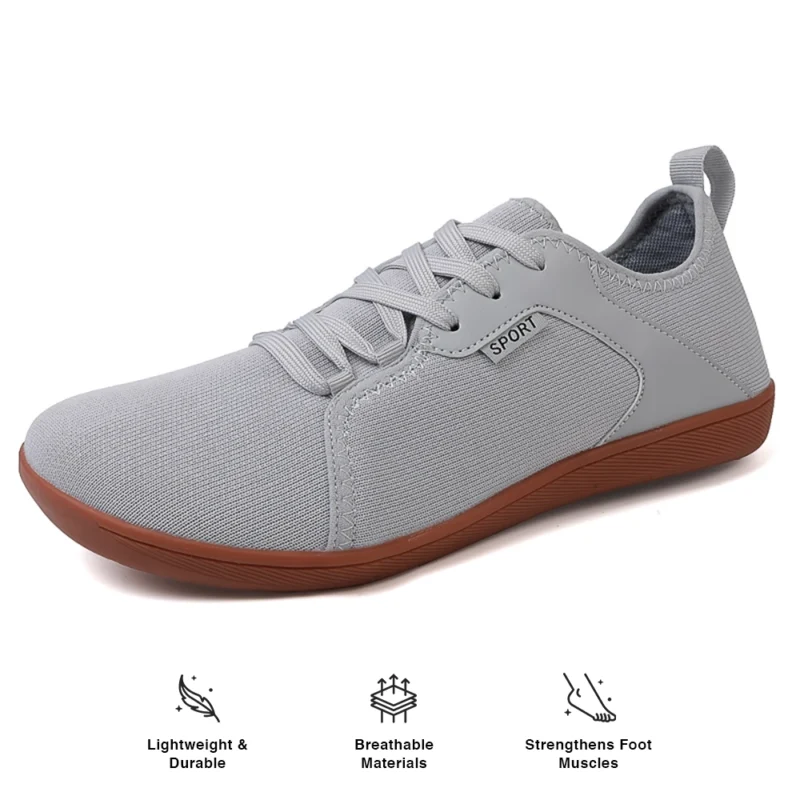
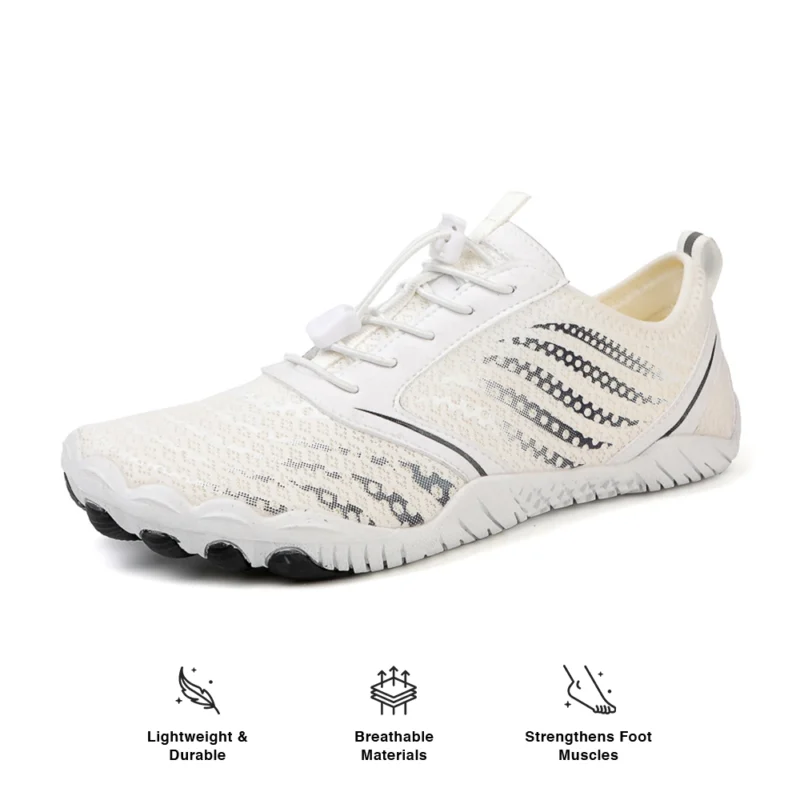
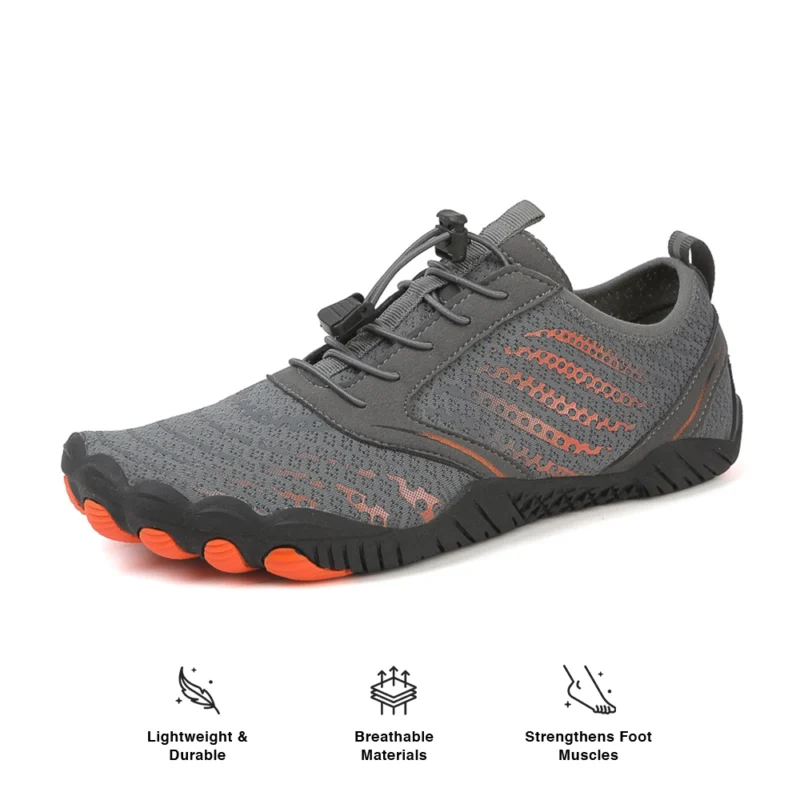
Why Your Feet Feel Tired in Traditional Athletic Shoes
Your feet contain 26 bones, 33 joints, and over 100 muscles, tendons, and ligaments – yet most athletic shoes treat them like rigid blocks that need external support. When you wear heavily structured shoes, these natural systems become weak and dependent on artificial support. The best tennis shoes for walking recognize that your feet are incredibly sophisticated and capable when given the chance to function naturally. Look for shoes with flexible soles that bend and twist with your foot's movement, allowing each step to engage your natural strength and stability systems.
Finding Shoes That Move With Your Natural Gait
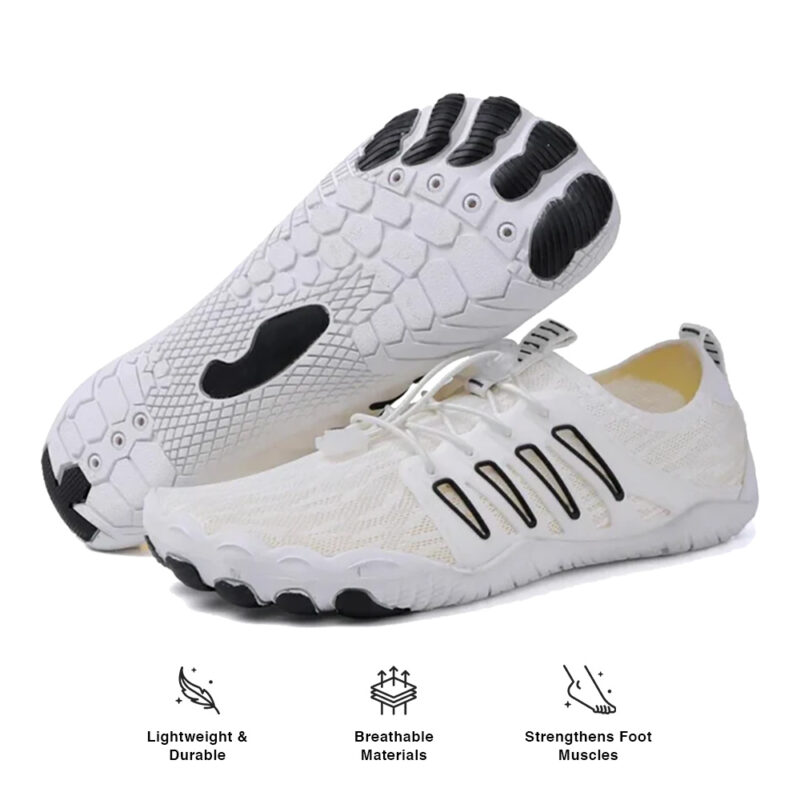
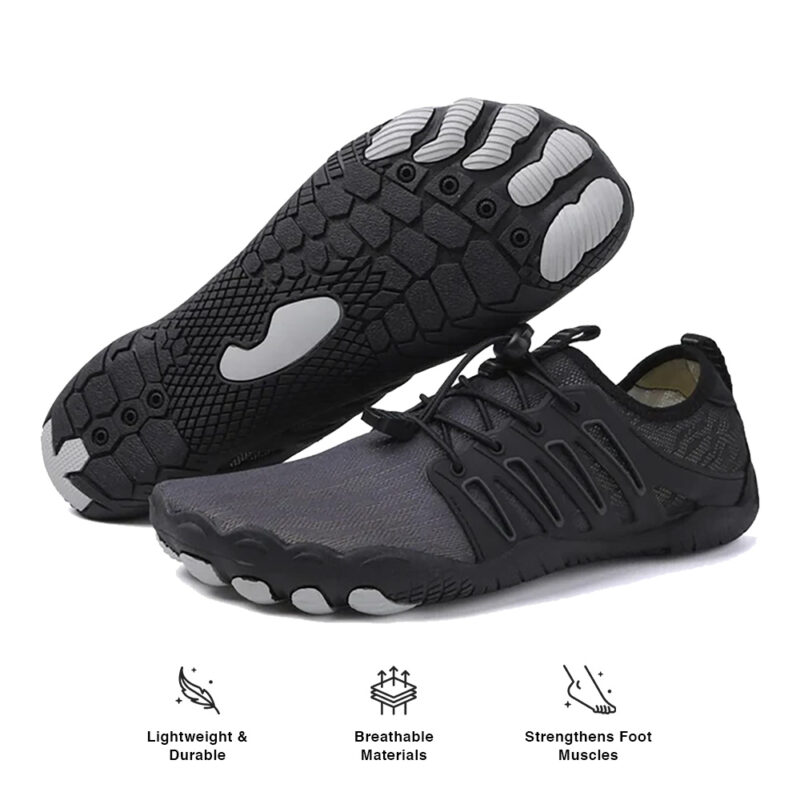
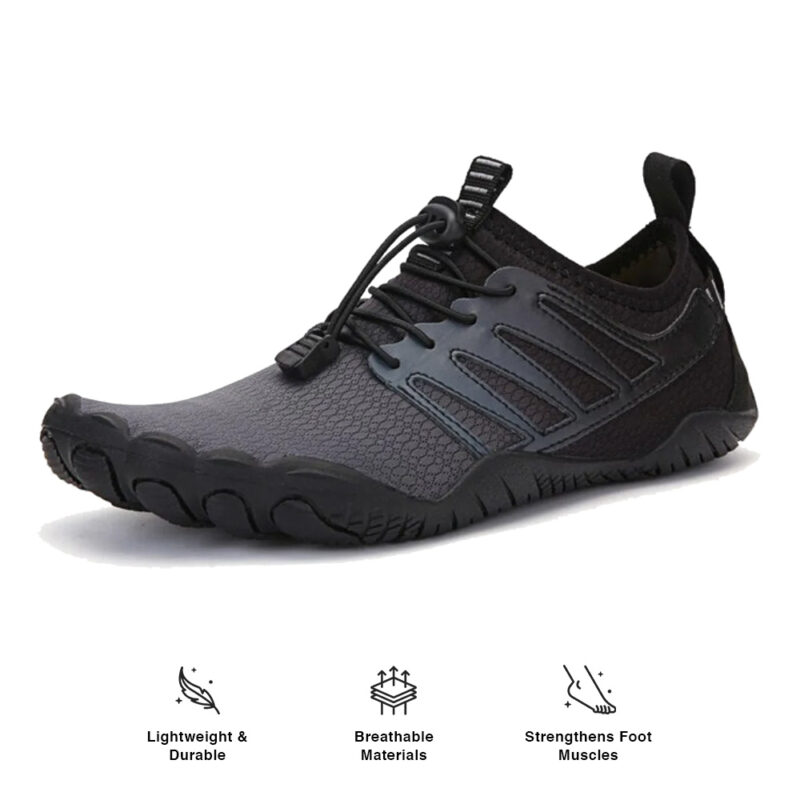
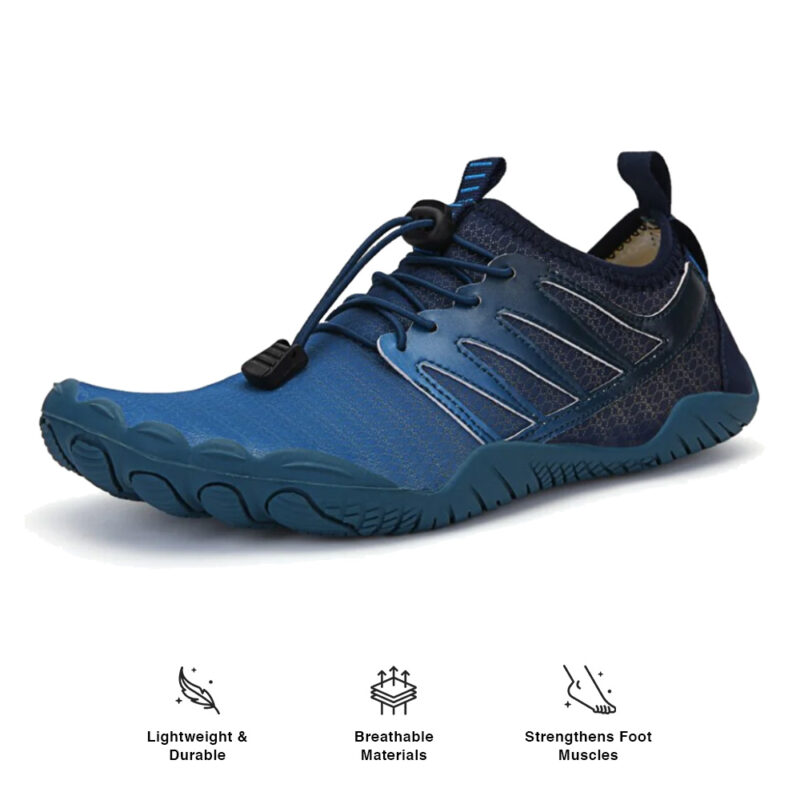
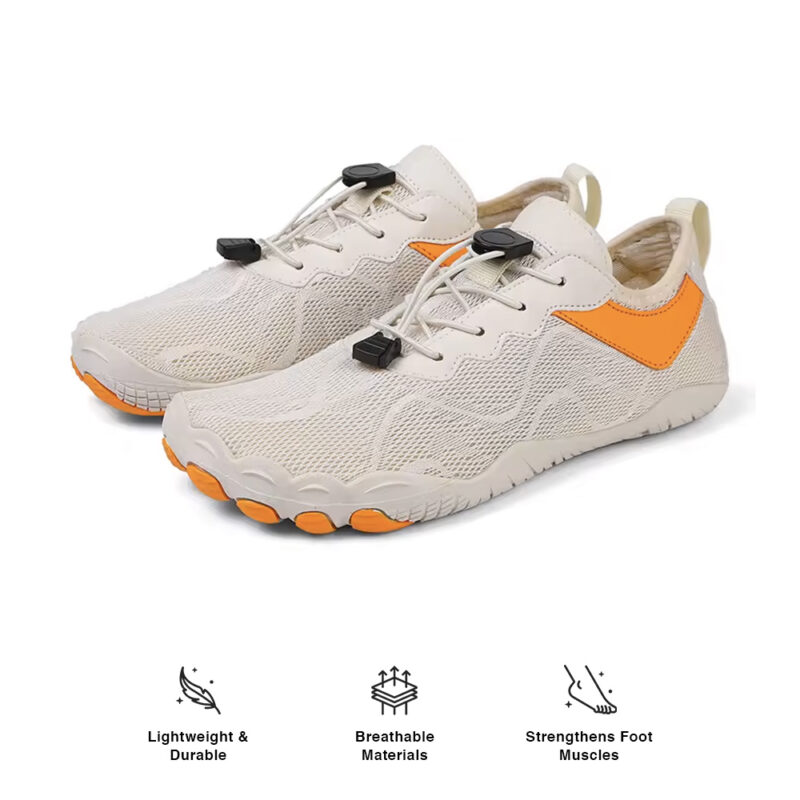
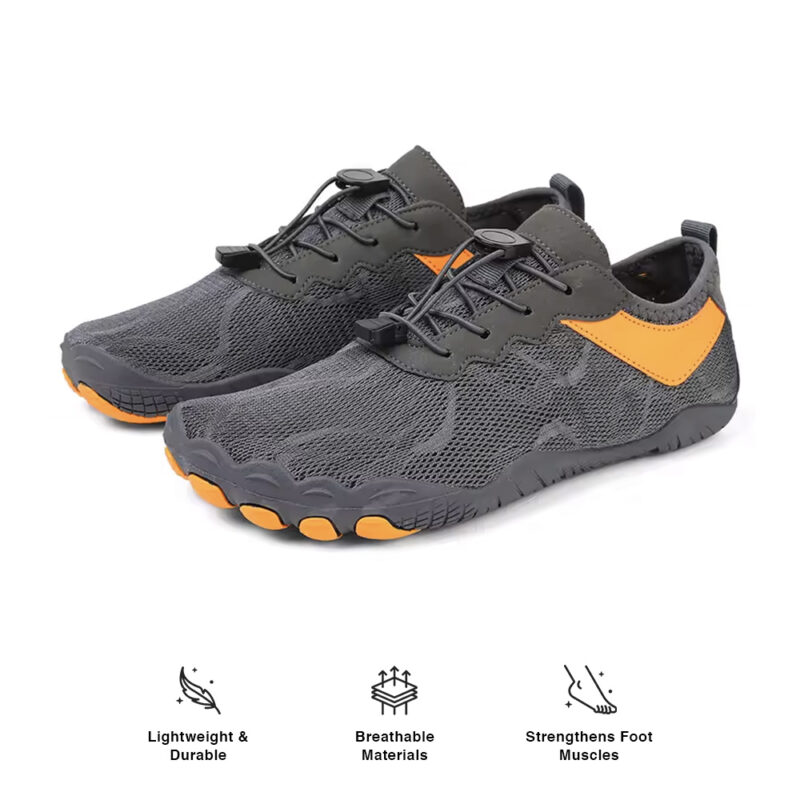
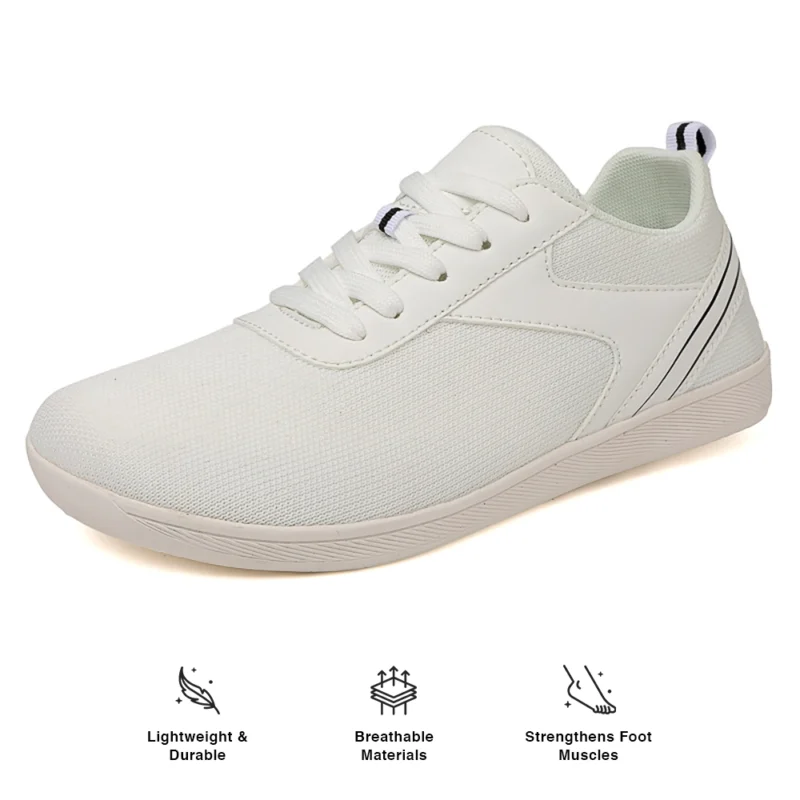
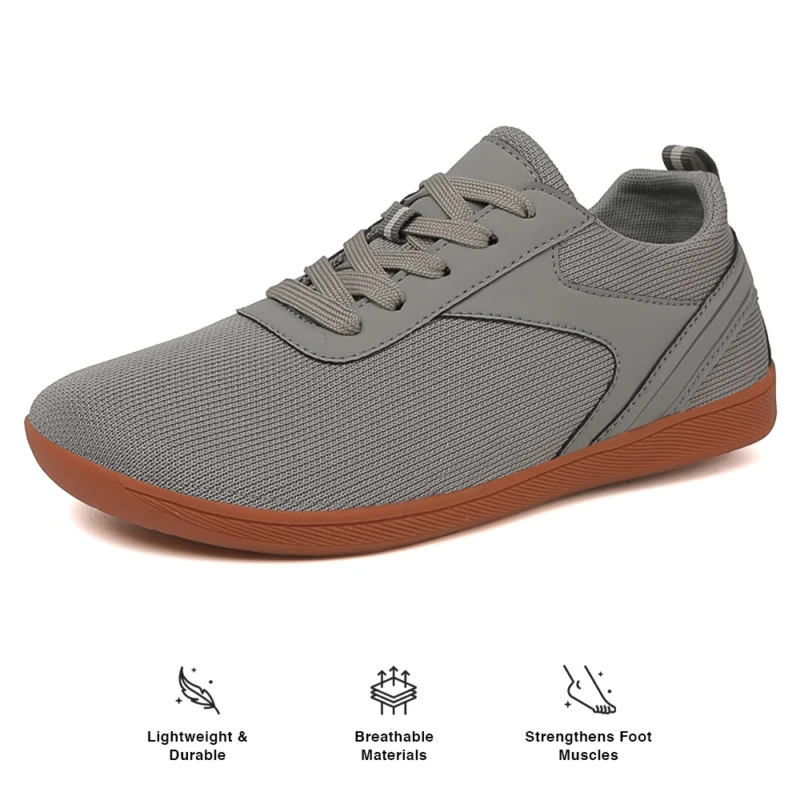
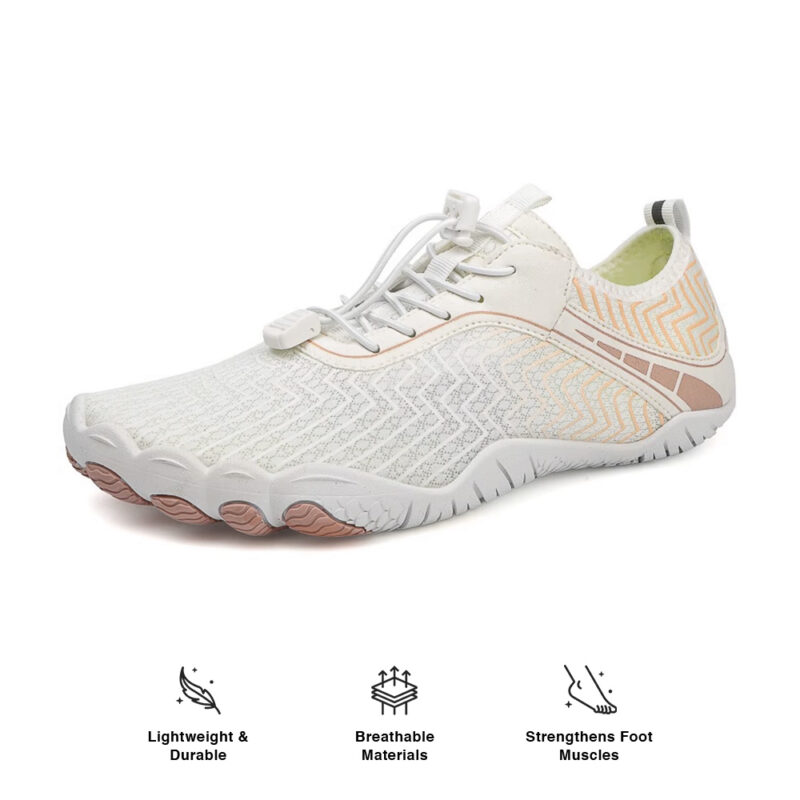
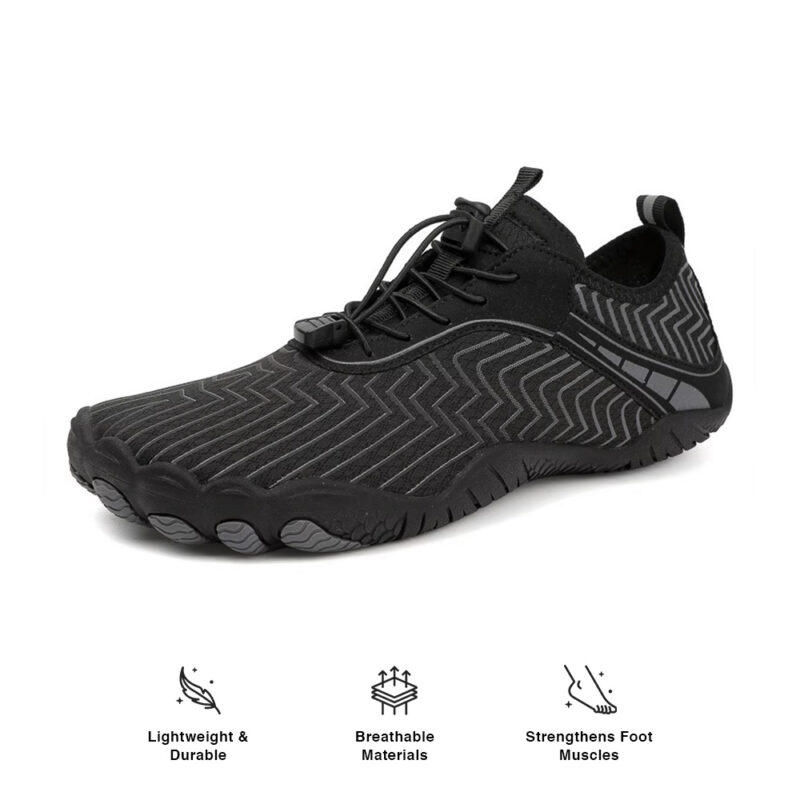
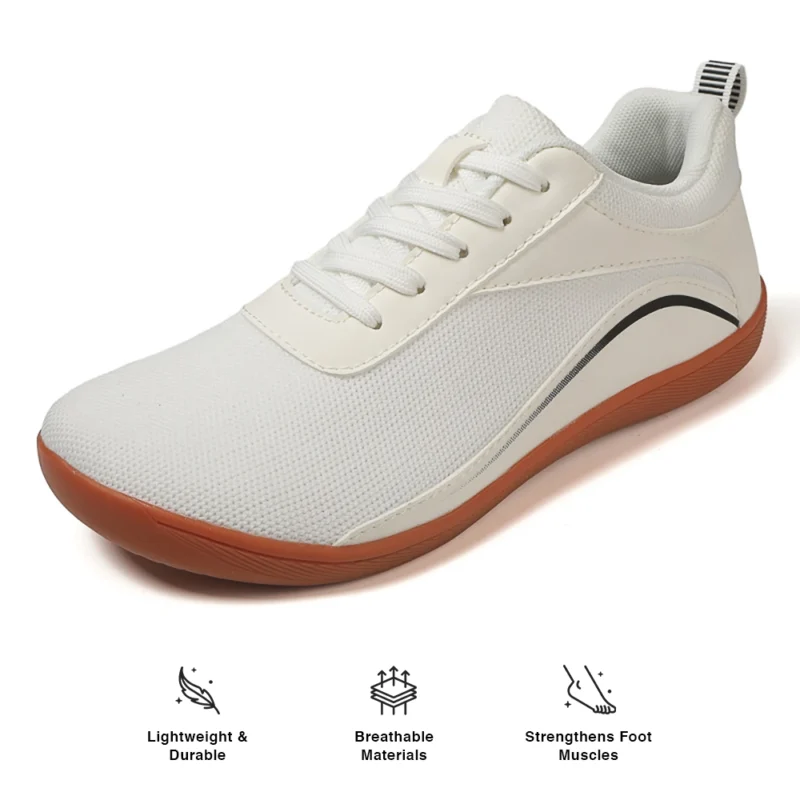
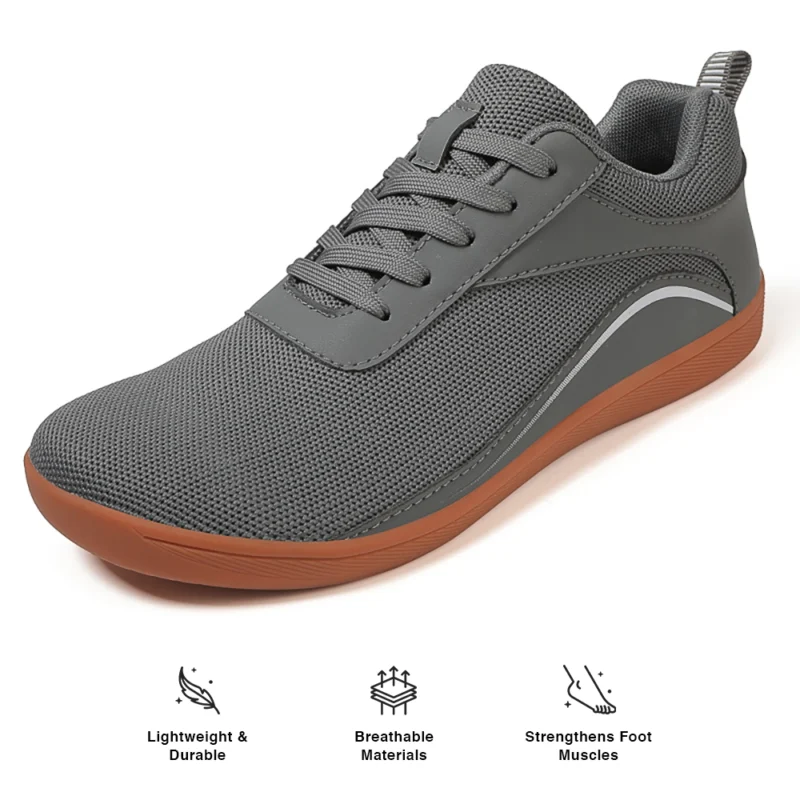
Walking shouldn't feel like you're fighting your footwear with every step. Your natural gait involves a complex rolling motion from heel to toe, with your foot naturally spreading and gripping the ground for stability. Rigid, narrow shoes interrupt this process and create an awkward, energy-draining stride. The best tennis shoes for walking feature wide toe boxes that let your toes spread naturally and flexible construction that moves with your foot's natural mechanics. Choose shoes that feel like an extension of your foot rather than a constraint, and you'll notice how much more efficient and comfortable your walking becomes.
The Connection Between Foot Freedom and All-Day Energy
When your feet are cramped and restricted, your entire body compensates in ways that drain your energy. Tight toe boxes force your toes to curl and grip, creating tension that travels up through your legs and back. This constant muscular tension is exhausting and explains why you feel worn out after a day in conventional athletic shoes. Minimalist tennis shoes for walking allow your feet to relax into their natural position, eliminating this unnecessary tension and preserving your energy for the activities you love. Pay attention to how your whole body feels in different shoes – the right pair will leave you feeling energized rather than drained.
Building Stronger Feet Through Natural Movement
Your feet are designed to be strong, but conventional shoes often make them weak and dependent. When shoes provide artificial support and cushioning, the small stabilizing muscles in your feet don't get the workout they need to stay strong and responsive. The best tennis shoes for walking challenge your feet just enough to keep them engaged and growing stronger. This doesn't mean uncomfortable or unsupported – it means giving your feet meaningful work to do with each step. Start gradually with minimalist shoes, allowing your feet time to redevelop their natural strength and resilience.
How Ground Connection Improves Your Balance
One of the most overlooked benefits of proper walking shoes is the improved balance and proprioception that comes from better ground connection. Thick, squishy soles create a barrier between your feet and the ground, making it harder for your nervous system to sense and respond to changes in terrain. This disconnect can lead to instability and increased risk of trips and falls. Thinner, more flexible soles in quality tennis shoes for walking allow your feet to feel and respond to the ground beneath you, activating your body's natural balance systems and making you more sure-footed and confident with every step.
Transitioning to Freedom-Based Footwear
Making the switch to more natural walking shoes requires patience and gradual adaptation, but the long-term benefits are worth the investment. Start by wearing your new minimalist tennis shoes for short walks and gradually increase the duration as your feet adapt to their newfound freedom. Listen to your body during this transition – some initial soreness in your feet and calves is normal as these muscles wake up and strengthen. Most people find that within a few weeks, their feet feel stronger, their posture improves, and walking becomes more enjoyable than ever before.
Choosing Quality Over Quick Fixes
The best tennis shoes for walking aren't necessarily the most expensive or heavily advertised options. Focus on construction quality, natural materials, and design features that support your foot's natural function rather than trying to control it. Look for brands that understand the principles of natural movement and have designed their shoes accordingly. Remember that true comfort comes from freedom of movement, not from artificial cushioning that ultimately weakens your feet and creates dependency.