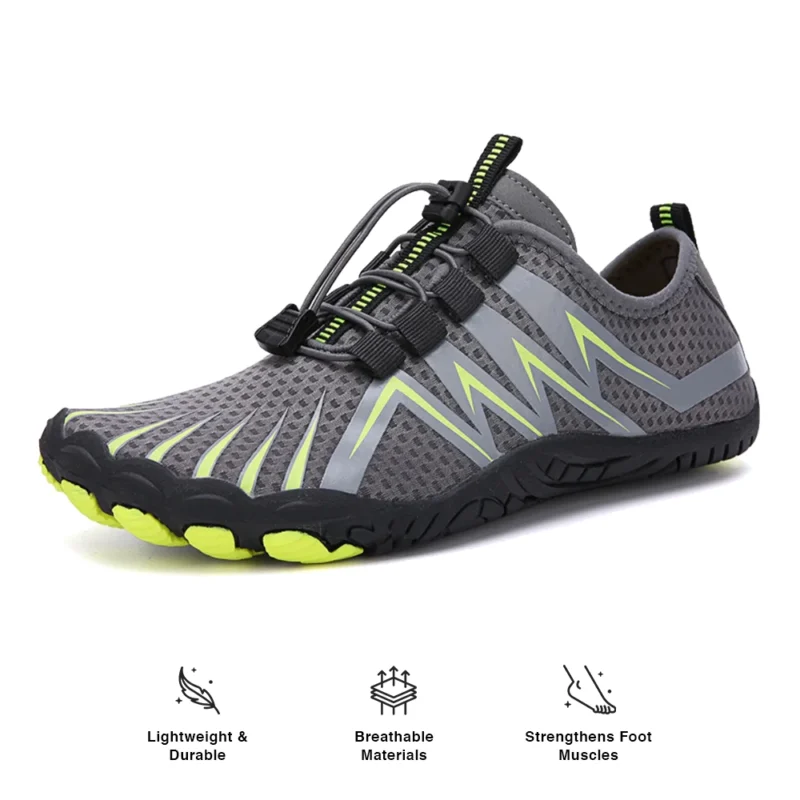
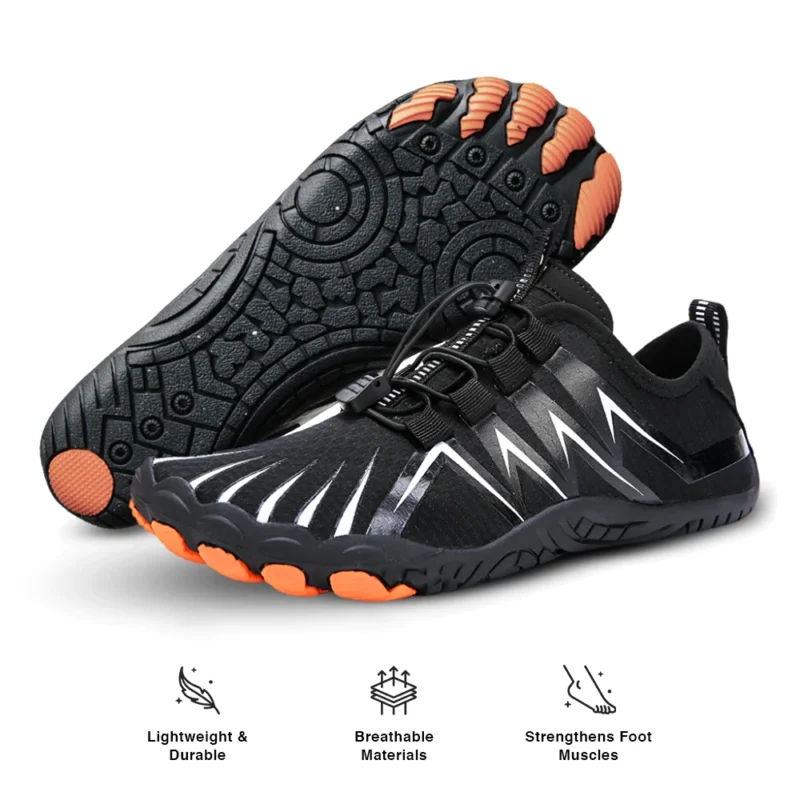
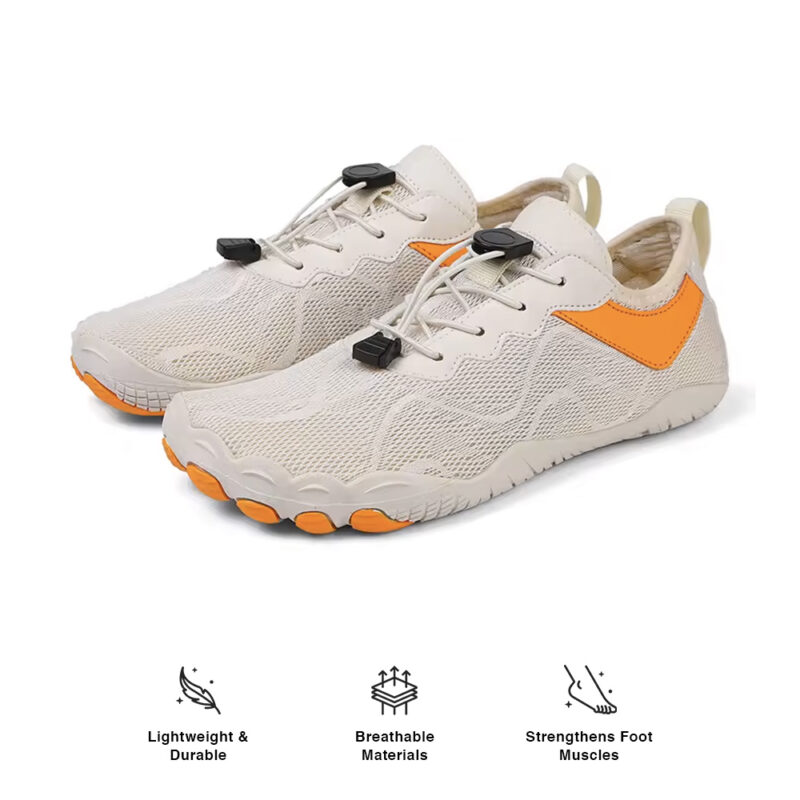
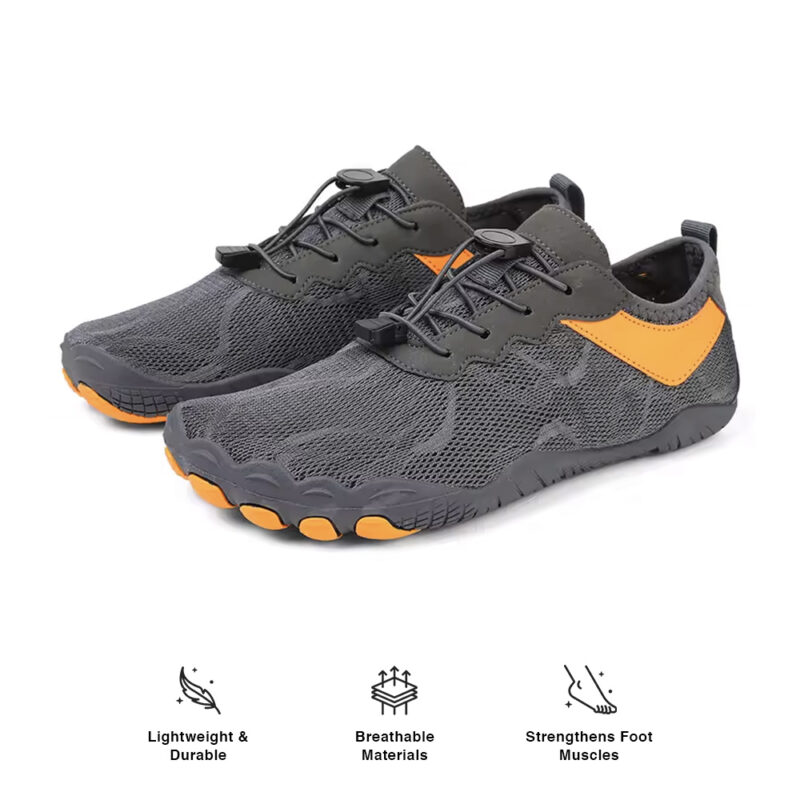
Your Feet Need Room to Breathe and Spread
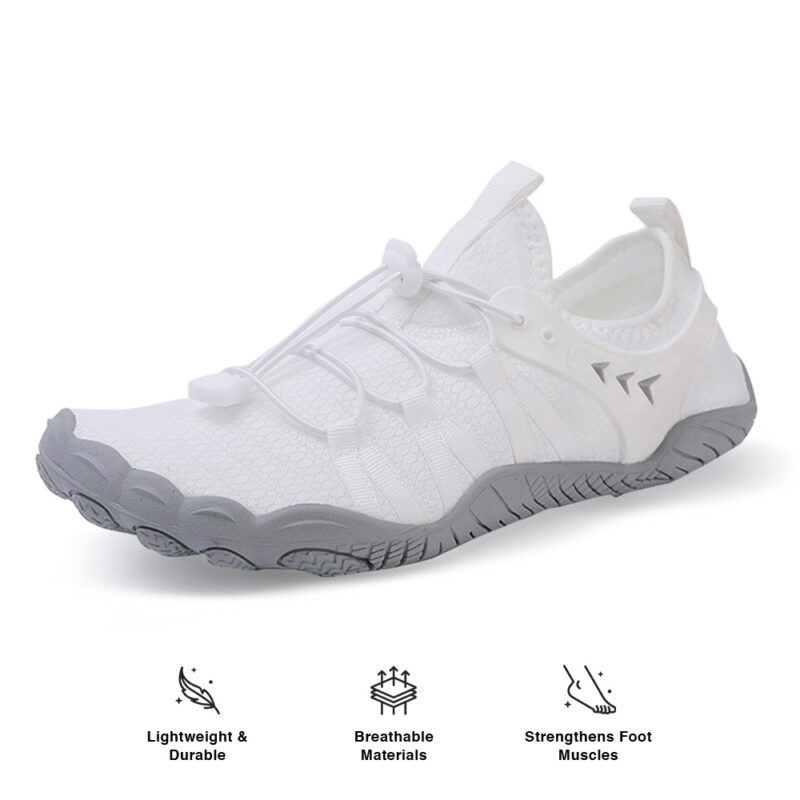
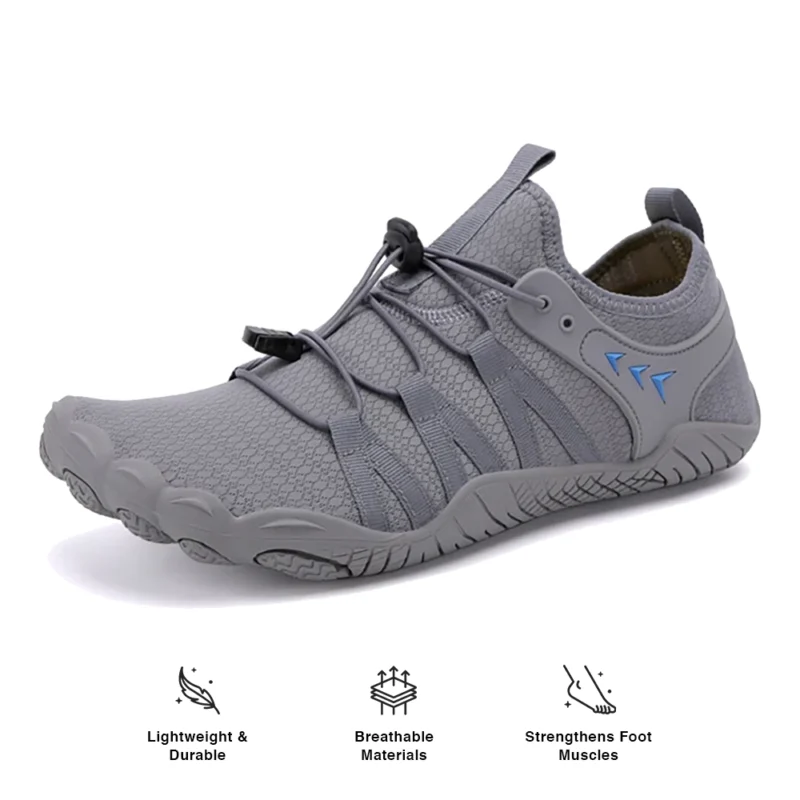
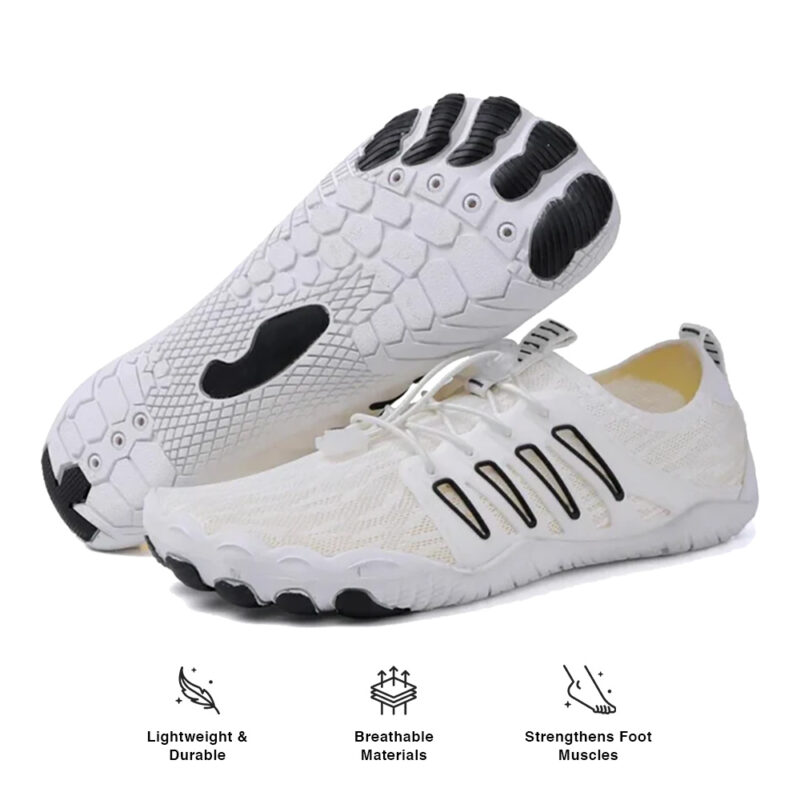
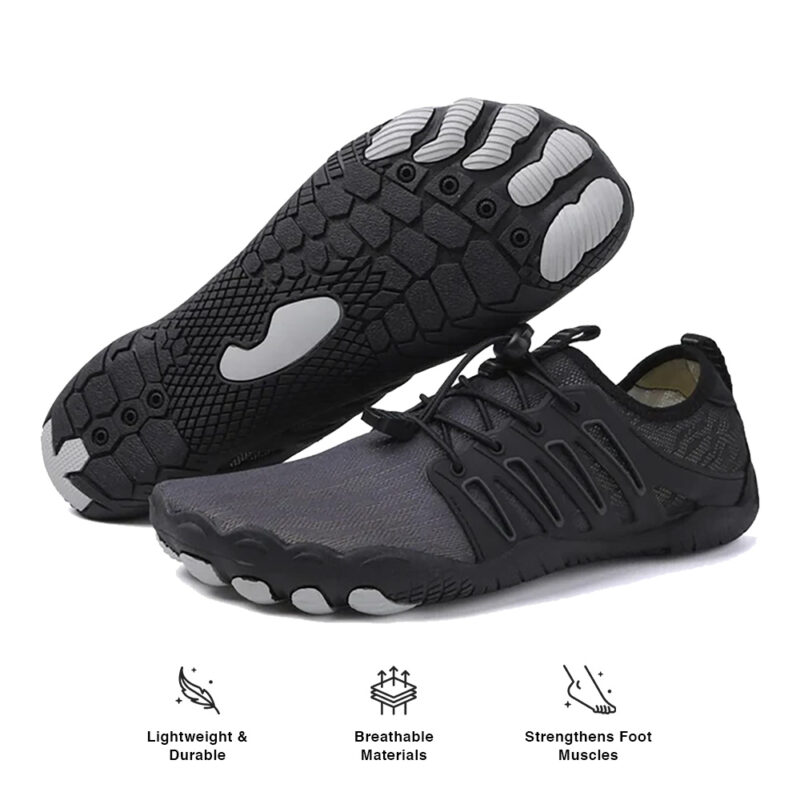
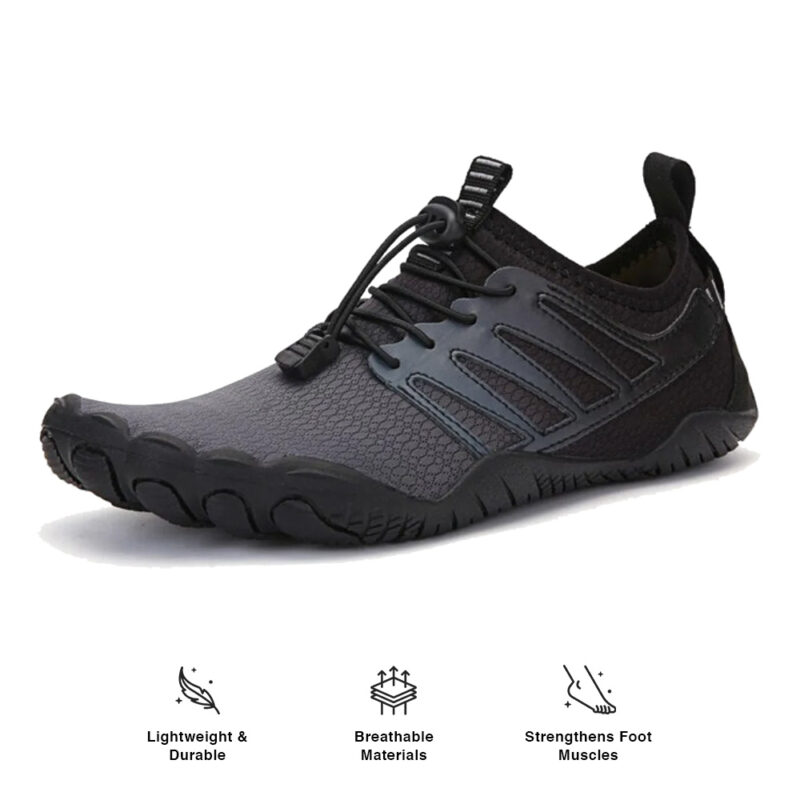
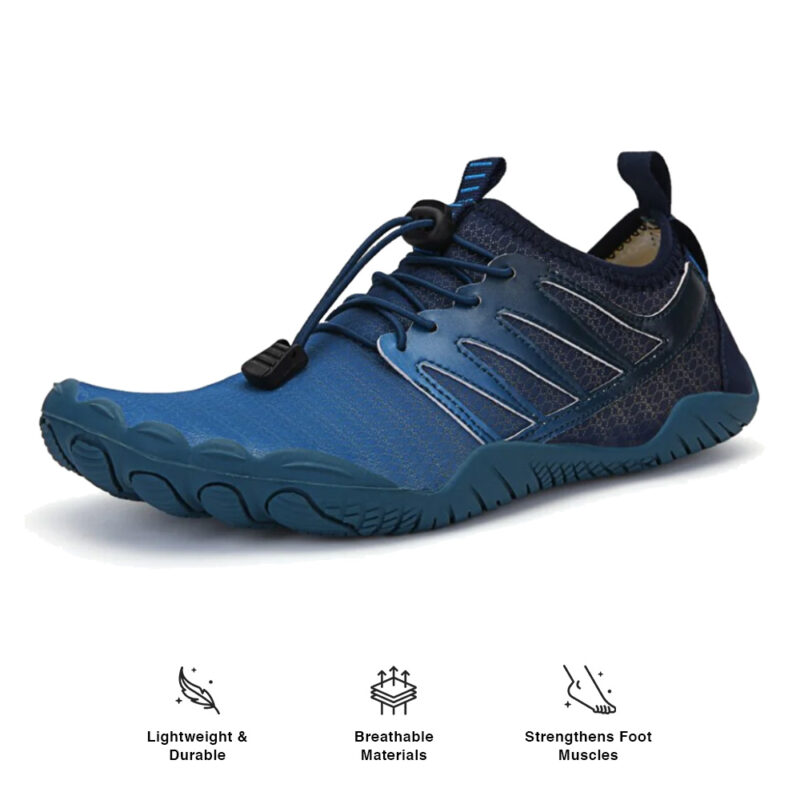
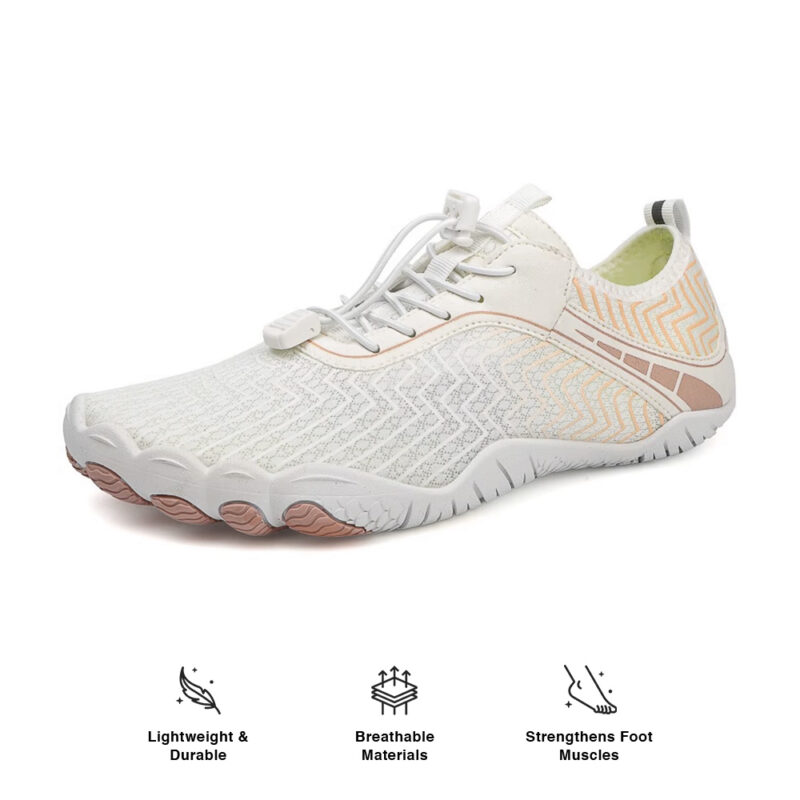
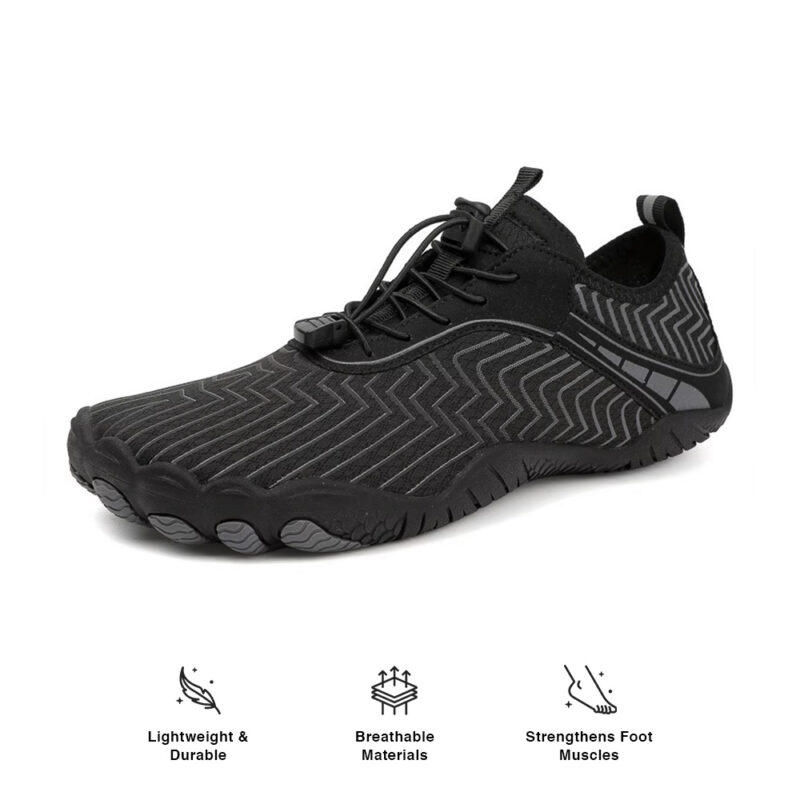
Most athletes struggle with cramped toes and restricted foot movement during their workouts, leading to discomfort and compromised performance. When searching for the best training shoes, you want footwear that gives your toes space to spread naturally and your feet room to expand as they warm up during exercise. Barefoot-style training shoes feature wide toe boxes that accommodate your foot's natural shape, allowing your toes to splay for better balance and power transfer during lifts, jumps, and lateral movements. Look for shoes where you can wiggle all your toes freely when standing – this simple test ensures you'll maintain optimal foot function throughout your entire workout.
Unstable Footing Sabotages Your Strength Training
Nothing undermines your lifting performance like feeling disconnected from the ground or wobbling during heavy compound movements. The best training shoes for serious athletes provide a stable, low-profile connection to the floor that enhances your proprioception and body awareness. Minimalist training shoes eliminate the thick, squishy midsoles that create instability, replacing them with thin, flexible soles that let you feel the ground beneath your feet. This direct ground connection improves your balance during squats, deadlifts, and dynamic movements while allowing your feet's natural stabilizing muscles to engage fully. Choose shoes with zero-drop construction (no heel elevation) to maintain proper posture and alignment throughout your lifts.
Your Feet Get Weaker When Shoes Do All the Work
Traditional athletic shoes often leave your feet feeling weak and dependent on external support, creating a cycle where you need increasingly more cushioning and arch support. When selecting the best training shoes, prioritize options that challenge your feet to work harder and grow stronger over time. Barefoot training shoes remove artificial arch supports and excessive cushioning, forcing your foot's intrinsic muscles to activate and strengthen with every step and movement. This natural strengthening process leads to improved foot health, better injury resistance, and enhanced athletic performance. Start gradually with minimalist shoes, allowing your feet time to adapt and build strength as you transition away from heavily supported footwear.
Natural Movement Patterns Unlock Your Athletic Potential
Many training shoes restrict your foot's natural movement patterns, limiting your ability to move efficiently and powerfully across different planes of motion. The best training shoes allow your feet to flex, twist, and adapt naturally to the demands of varied athletic movements. Flexible, minimalist soles bend and move with your feet during lateral shuffles, plyometric exercises, and multi-directional drills, maintaining the biomechanical efficiency your body was designed for. This freedom of movement translates directly to better agility, improved power transfer, and reduced risk of injury during complex training movements. Test shoe flexibility by bending them in half – truly flexible training shoes should fold easily without resistance.
Ground Feel Enhances Your Movement Quality and Safety
Poor proprioception and lack of ground feedback can lead to awkward landings, inefficient movement patterns, and increased injury risk during training. When choosing the best training shoes, prioritize options that maximize sensory feedback from the ground to your feet and brain. Thin-soled minimalist shoes provide superior ground feel that helps you land more safely from jumps, maintain better balance during single-leg exercises, and move with greater precision during technical lifts. This enhanced sensory input allows your nervous system to make real-time adjustments to your movement patterns, improving both performance and safety. Practice barefoot exercises occasionally to further develop your proprioceptive awareness and movement quality.
Temperature Regulation Keeps Your Feet Comfortable During Intense Sessions
Overheated, sweaty feet can become a major distraction during challenging workouts, affecting your focus and comfort. The best training shoes feature breathable materials and design elements that promote airflow and temperature regulation throughout your training session. Minimalist shoes typically use lighter, more breathable materials compared to heavily cushioned alternatives, helping your feet stay cooler and drier during intense exercise. Many barefoot-style training shoes incorporate mesh panels or perforated uppers that enhance ventilation while maintaining durability for gym environments. Pair breathable training shoes with moisture-wicking socks to create the optimal environment for comfortable, distraction-free workouts.
Durability Matters When You Train Hard and Often
Frequent trainers need shoes that can withstand the demands of daily workouts without falling apart or losing their supportive qualities. When evaluating the best training shoes for your active lifestyle, examine construction quality, material choices, and reinforcement in high-wear areas. Quality minimalist training shoes often outlast traditional athletic shoes because their simpler construction has fewer components that can break down or compress over time. Look for shoes with reinforced toe caps, durable outsole rubber compounds, and quality stitching that can handle the lateral movements, rope climbs, and varied surfaces common in modern training environments. Invest in well-constructed barefoot training shoes that will maintain their performance characteristics through months of consistent use.