Why Your Toes Need Room to Breathe During Training
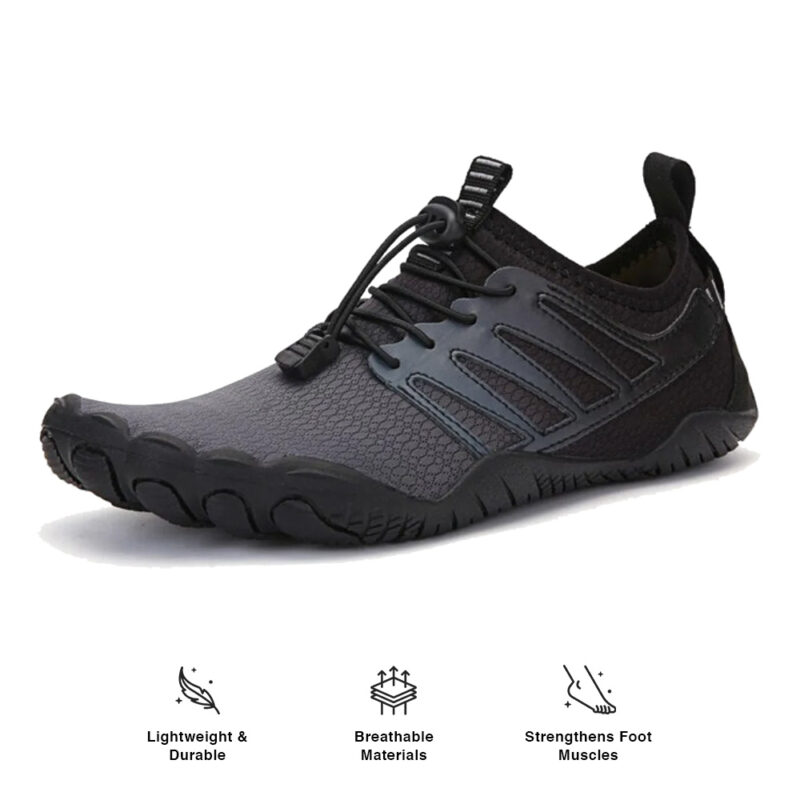
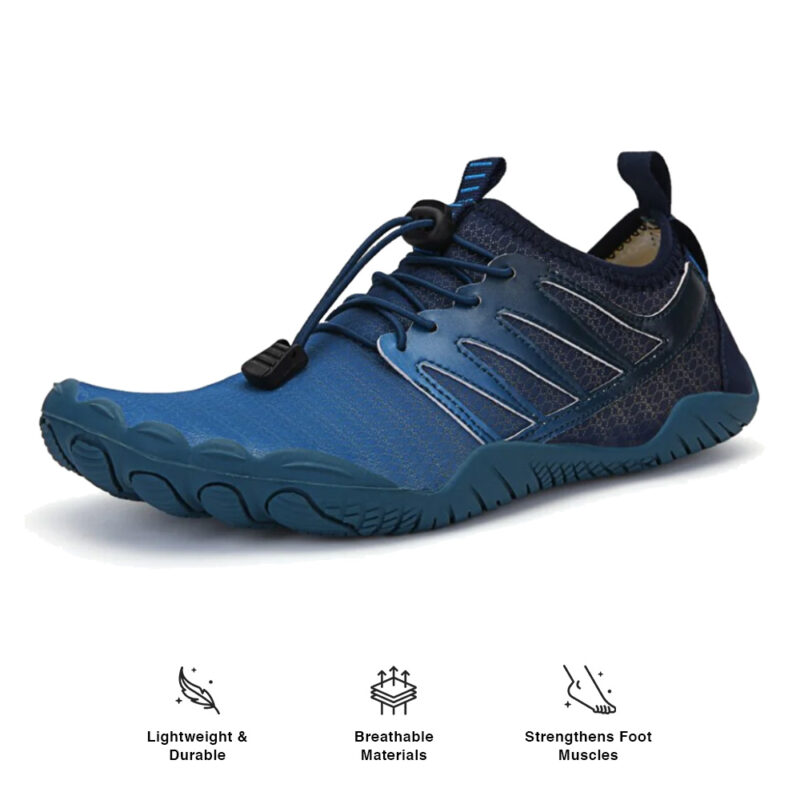
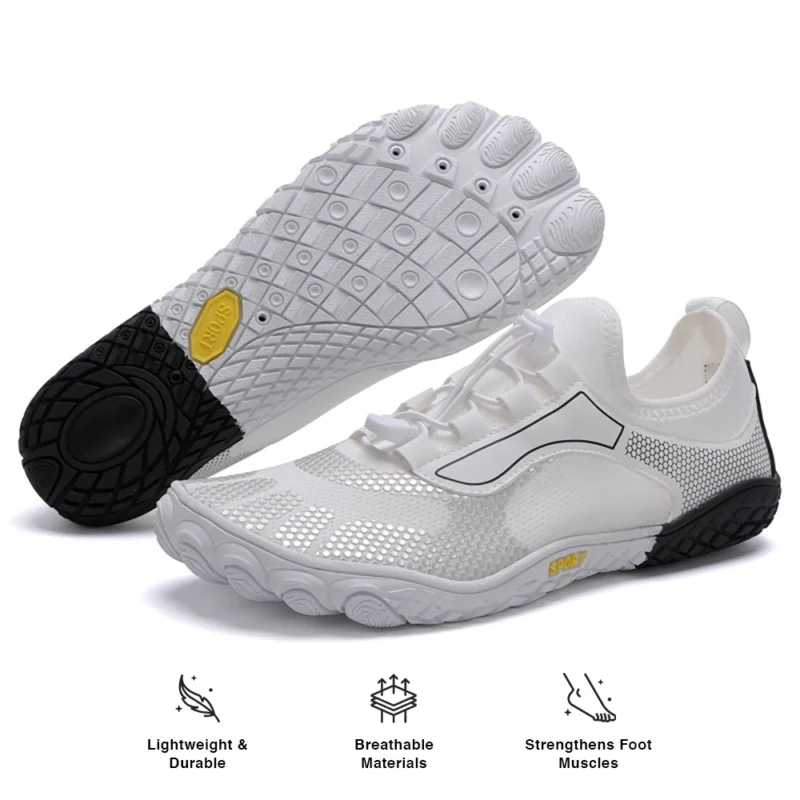
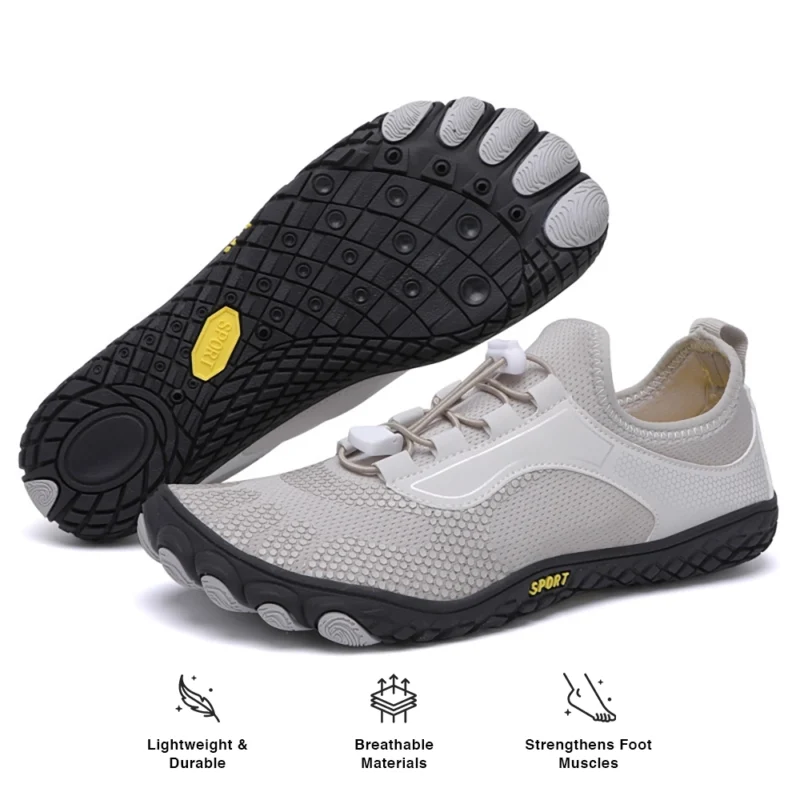
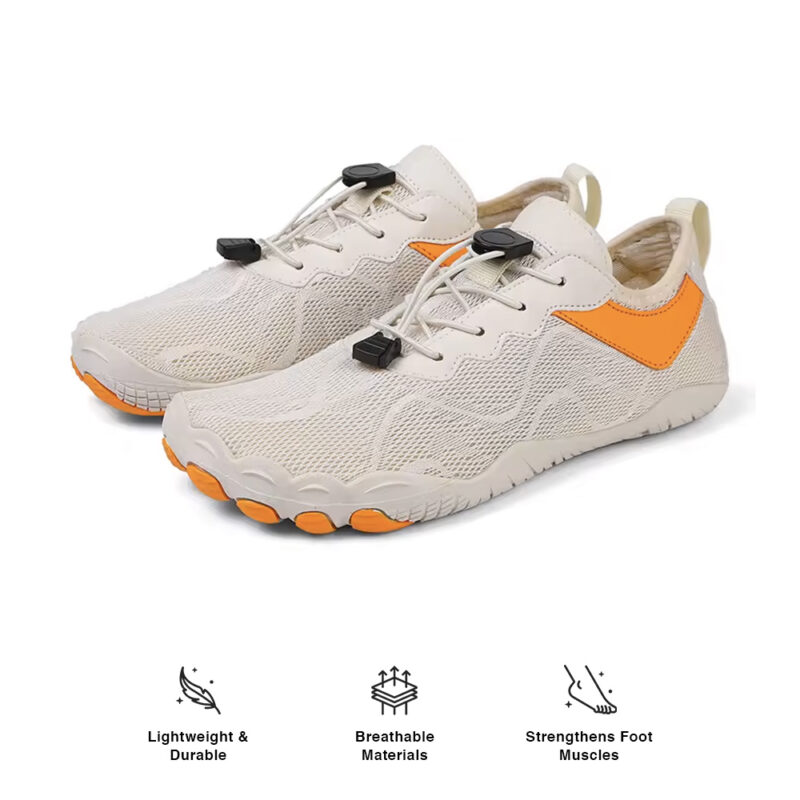
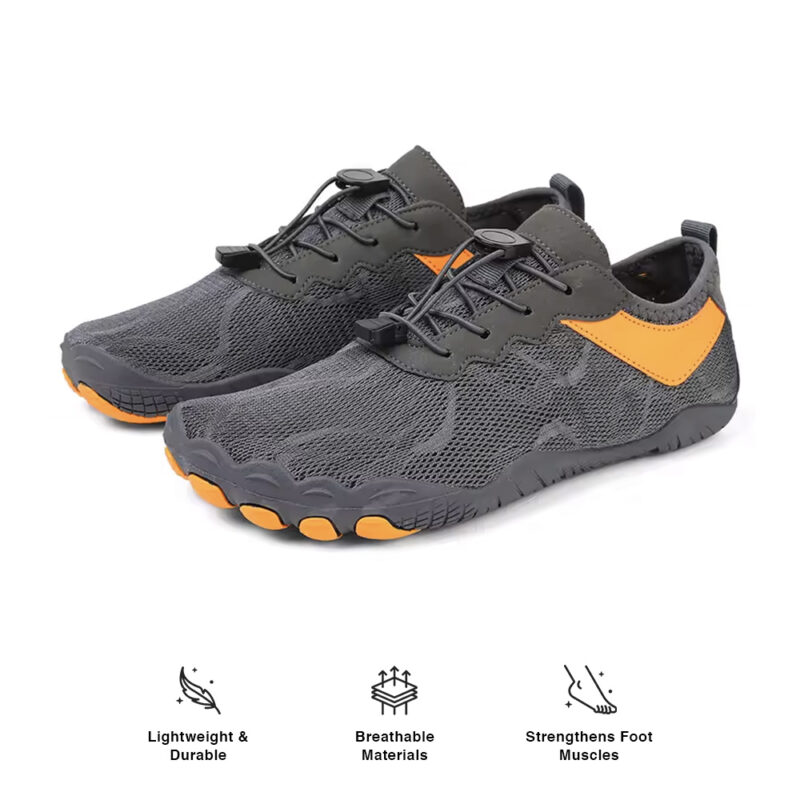
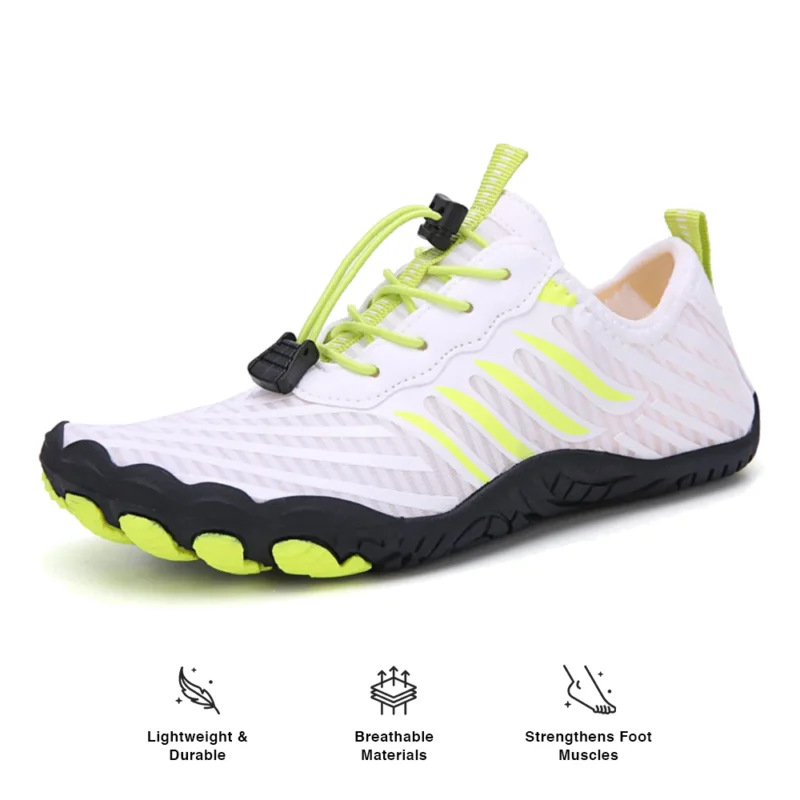
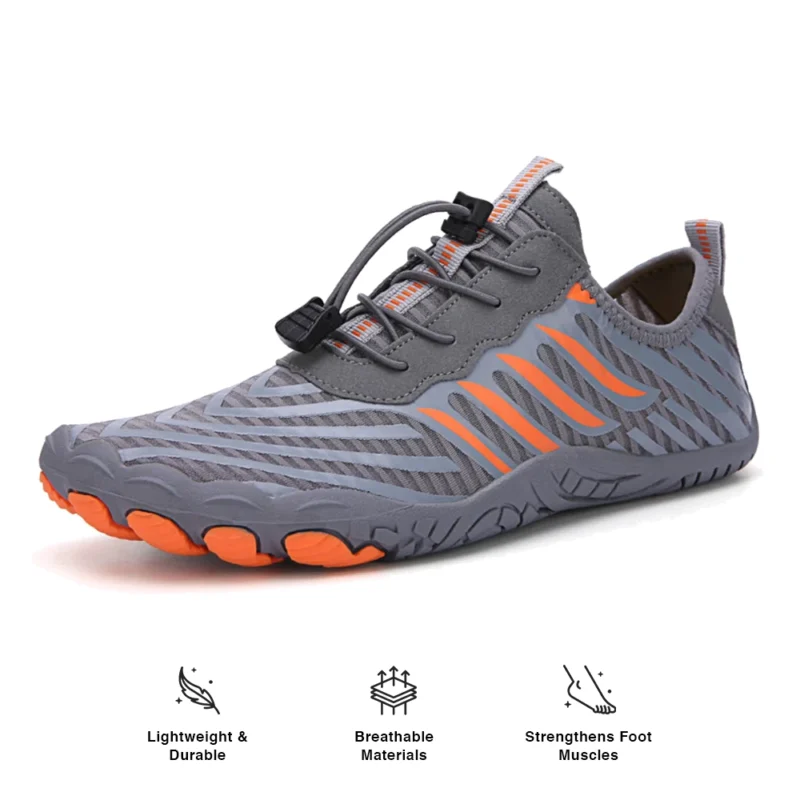
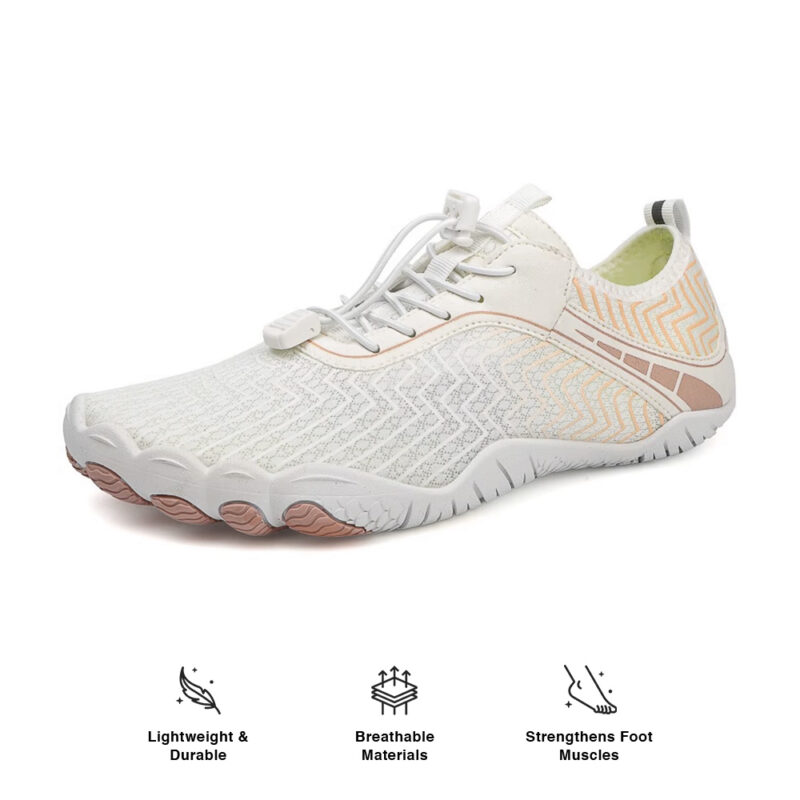
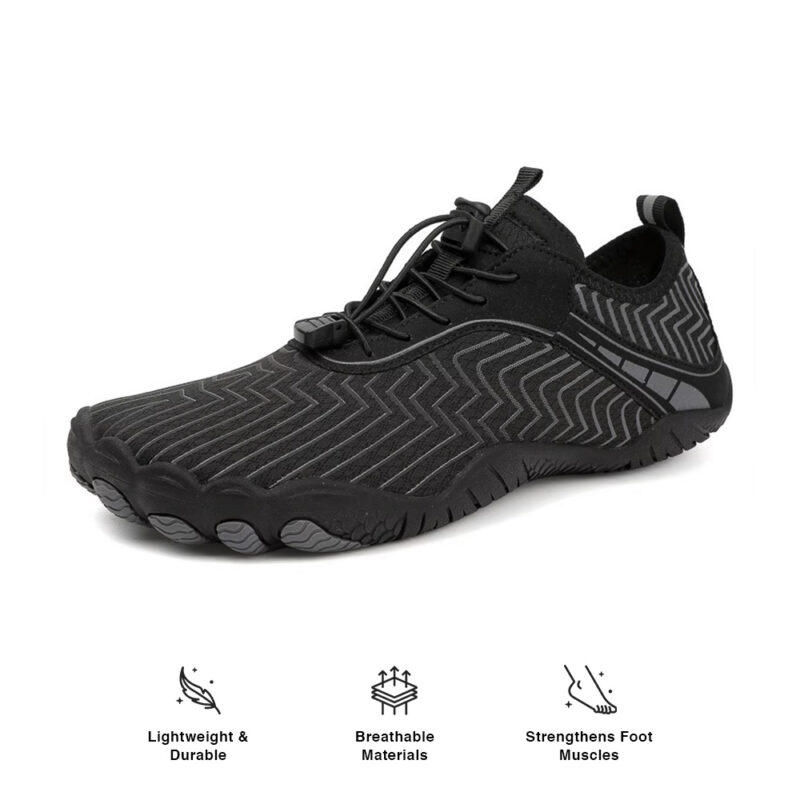
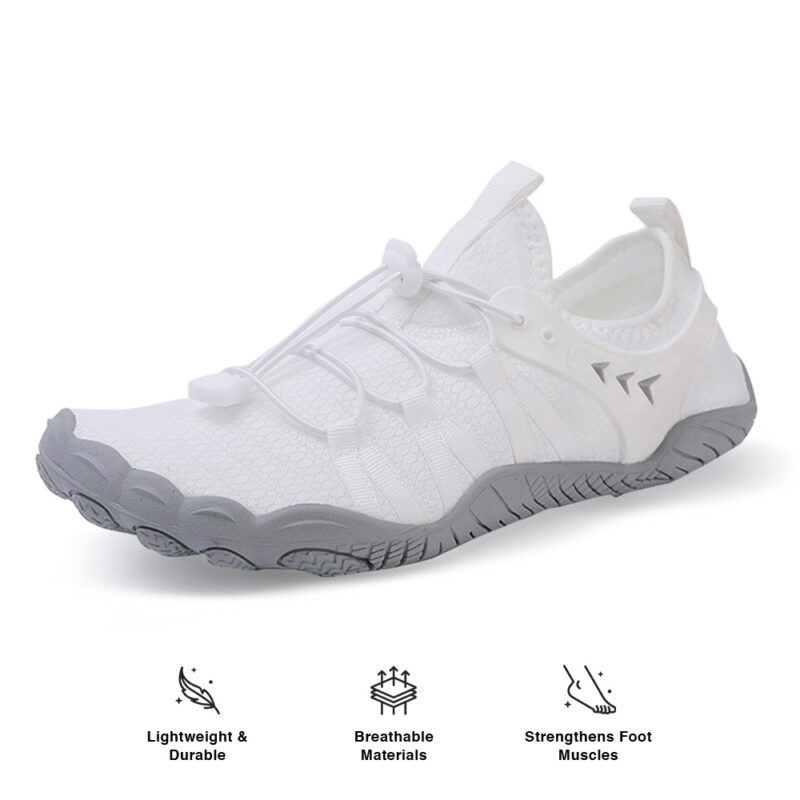
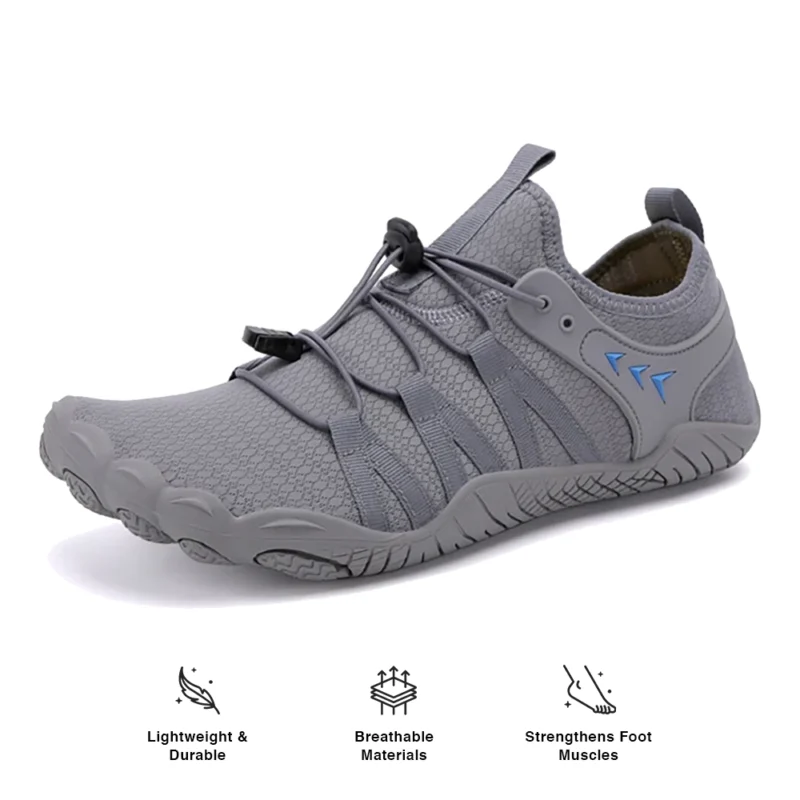
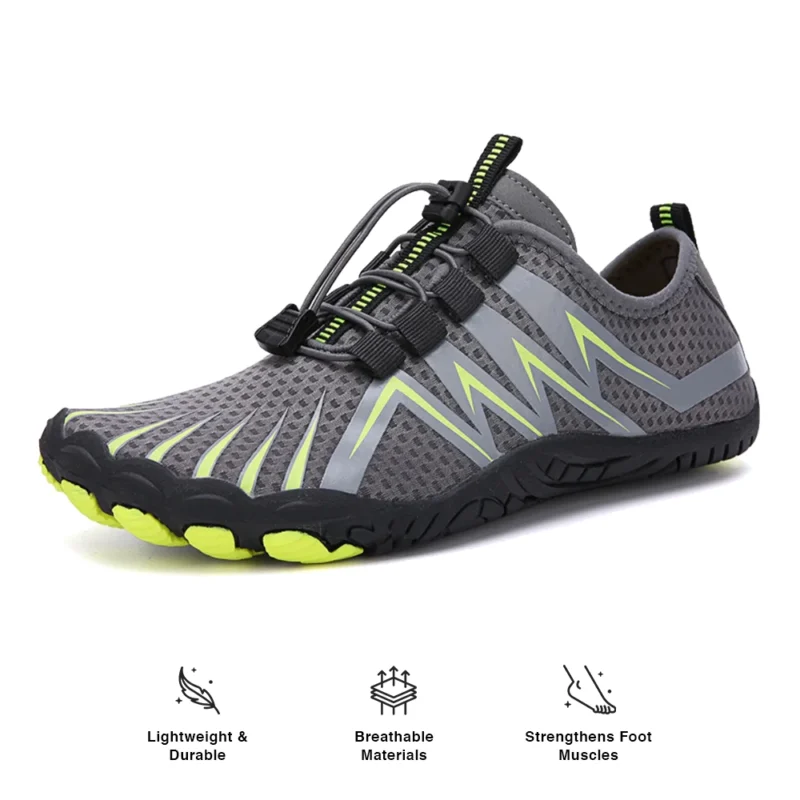
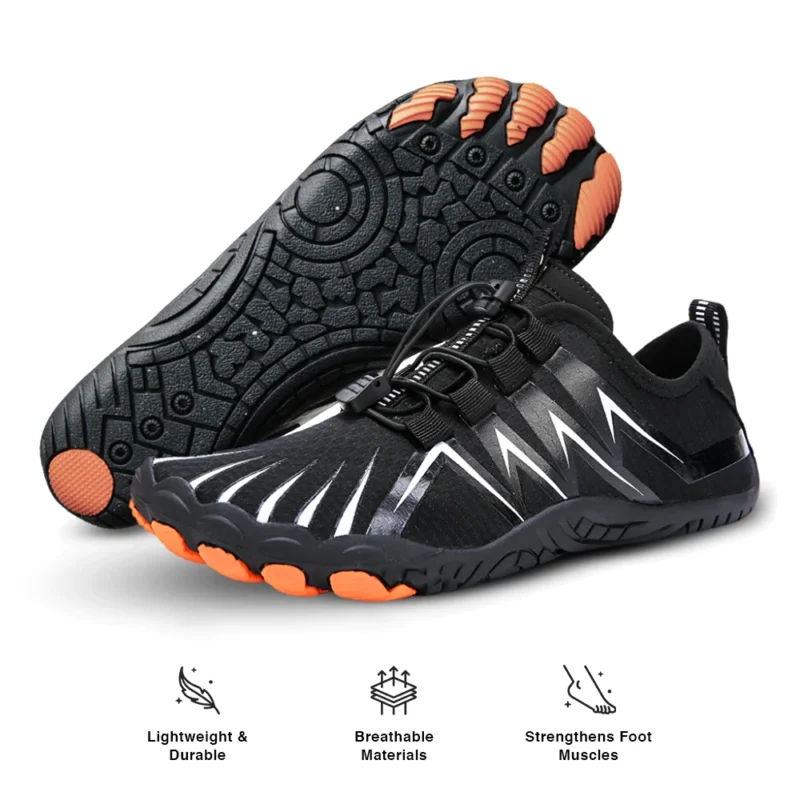
Cramped toes are one of the most common complaints women have about athletic footwear, yet it's often overlooked when shopping for new shoes. When your toes are squeezed together in a narrow toe box, you lose stability, balance, and the natural spring mechanism your feet provide during explosive movements. The best training shoes for women feature wide, anatomically-shaped toe boxes that allow each toe to spread and grip the ground naturally. This toe spread creates a stable foundation for squats, lunges, and plyometric exercises while reducing pressure points that lead to bunions and neuromas. Look for shoes where you can wiggle all your toes freely – if they feel cramped in the store, they'll feel worse during a sweaty workout.
How Flexible Soles Transform Your Training Experience
Stiff, rigid soles might seem supportive, but they actually weaken your feet over time by preventing natural movement and muscle activation. Women who train in overly structured shoes often struggle with ankle stiffness, reduced proprioception, and compensatory movement patterns that can lead to injury. The best training shoes for women have thin, flexible soles that bend and twist with your foot's natural motion, allowing the intricate muscles in your feet and lower legs to strengthen with every step. This flexibility becomes especially important during dynamic movements like burpees, mountain climbers, and agility drills where your feet need to adapt quickly to changing positions. Test shoe flexibility by trying to bend and twist the sole with your hands – if you can't easily manipulate it, your feet won't be able to move naturally either.
Finding Your Natural Balance Without Artificial Props
Traditional athletic shoes often feature elevated heels and built-in motion control systems that actually throw off your natural alignment and balance. Many women find themselves feeling unstable during lateral movements or struggling with proper form during strength training exercises when wearing conventional sneakers. Minimalist training shoes place your foot in a neutral position with zero or minimal heel-to-toe drop, allowing your body to find its natural balance point and engage stabilizing muscles throughout your kinetic chain. This ground connection improves proprioception – your body's awareness of where it is in space – making you more agile and reducing injury risk during complex movements. When trying on shoes, pay attention to how your weight naturally distributes across your foot and choose options that feel stable without forcing your body into an unnatural position.
Why Lighter Shoes Lead to Stronger Performance
Heavy, over-built athletic shoes can actually hinder your performance by requiring extra energy to lift and move your feet through space. Women training in bulky shoes often experience faster fatigue, especially during high-intensity workouts or longer training sessions. The best training shoes for women prioritize lightweight construction without sacrificing durability, using minimal materials and streamlined designs that reduce foot fatigue and improve energy efficiency. This weight reduction becomes particularly noticeable during jump training, sprint work, and any exercise requiring quick foot turnover. When comparing shoes, pick them up and notice the difference – even a few ounces can make a significant impact on how you feel after an hour-long workout.
Breathability That Keeps You Comfortable Through Intense Sessions
Poor ventilation in athletic shoes creates a hot, moist environment that leads to blisters, fungal infections, and general discomfort that can cut your workout short. Women with active lifestyles need footwear that manages moisture and temperature effectively throughout demanding training sessions. Quality minimalist training shoes use breathable, quick-drying materials and strategic ventilation zones that keep feet dry and comfortable even during the sweatiest workouts. The reduced bulk and simpler construction of barefoot-style shoes naturally promotes better airflow compared to heavily layered conventional athletic shoes. Look for shoes with mesh panels, perforated uppers, or moisture-wicking linings that actively work to keep your feet dry and blister-free.
Durability That Matches Your Training Intensity
Investing in the best training shoes for women means finding options that can handle your workout frequency and intensity without breaking down prematurely. While minimalist shoes use fewer materials, quality versions are built with durable components in high-wear areas and reinforced construction that stands up to varied training demands. The key is finding shoes that balance minimal design with strategic durability features like reinforced toe caps, abrasion-resistant outsoles, and strong stitching at stress points. Consider your primary training activities and look for shoes designed to handle those specific movement patterns – whether you're primarily lifting weights, doing cardio, or mixing both in your routine.
Making the Transition to Natural Movement Training Shoes
Switching from traditional athletic shoes to minimalist alternatives requires a thoughtful approach to prevent discomfort and allow your feet to adapt gradually. Many women experience initial soreness as dormant foot muscles begin strengthening and natural movement patterns are restored. Start by wearing your new training shoes for shorter periods and less intense activities, gradually increasing duration and intensity as your feet adapt to the increased sensory input and muscle activation. Listen to your body during this transition period and don't rush the process – building foot strength takes time, but the improved performance and comfort are worth the initial adjustment period.