Why Your Feet Crave Ground Connection
As you've gotten older, you may have noticed feeling less steady on your feet, especially on uneven surfaces or when navigating stairs. This happens because thick-soled shoes create a barrier between your feet and the ground, reducing the sensory feedback your brain needs for balance. The best walking shoes for older men prioritize ground feel through thin, flexible soles that allow your feet to sense texture, elevation changes, and surface variations. This enhanced proprioception helps you react quickly to prevent falls and navigate challenging terrain with confidence. Start by wearing your minimalist shoes for short walks on familiar, flat surfaces before gradually introducing more varied terrain.
Freedom to Spread Builds Natural Stability
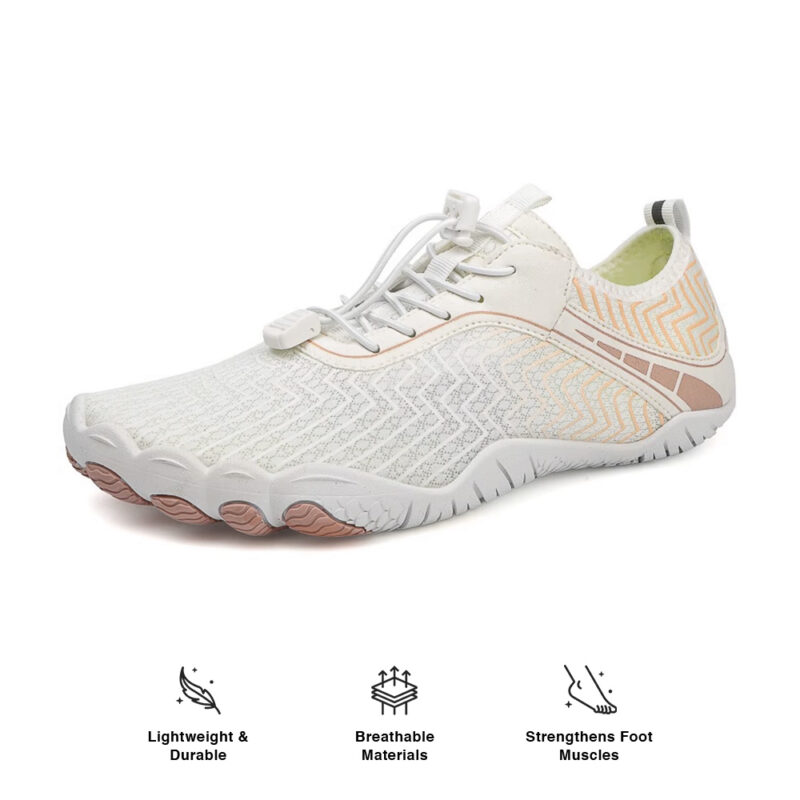
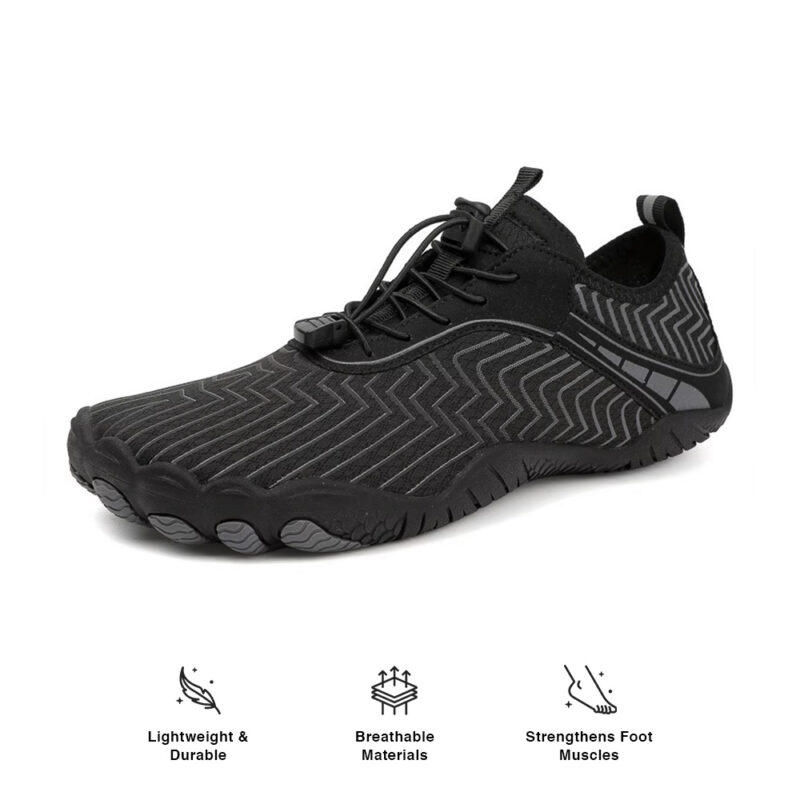
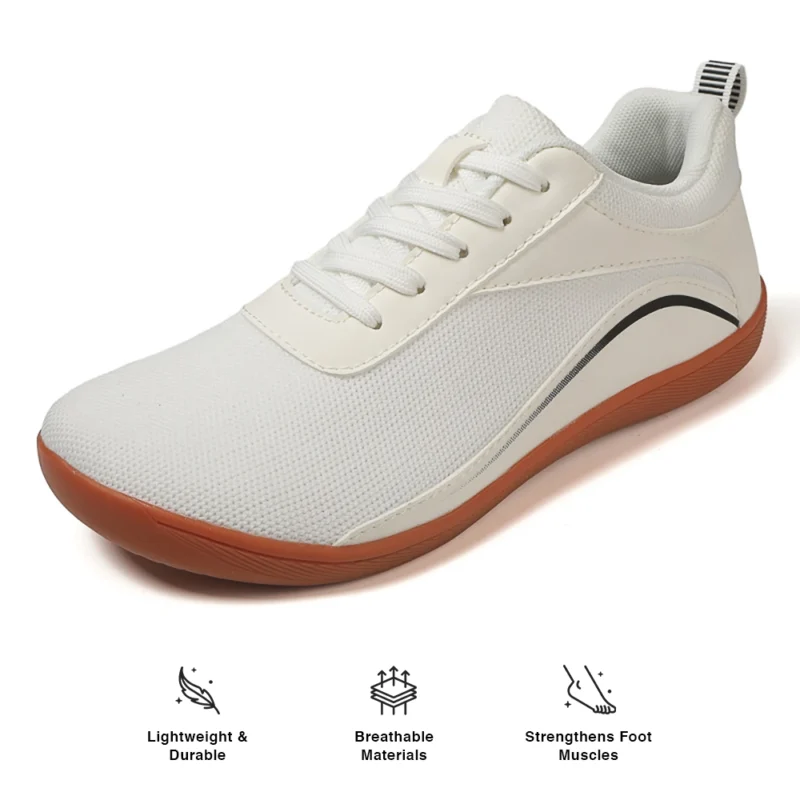
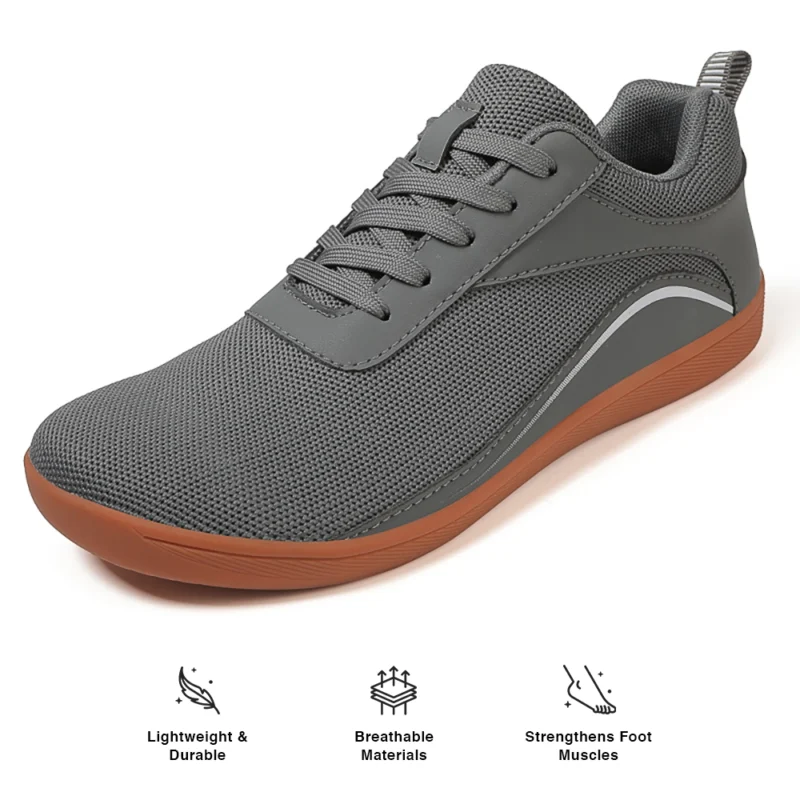
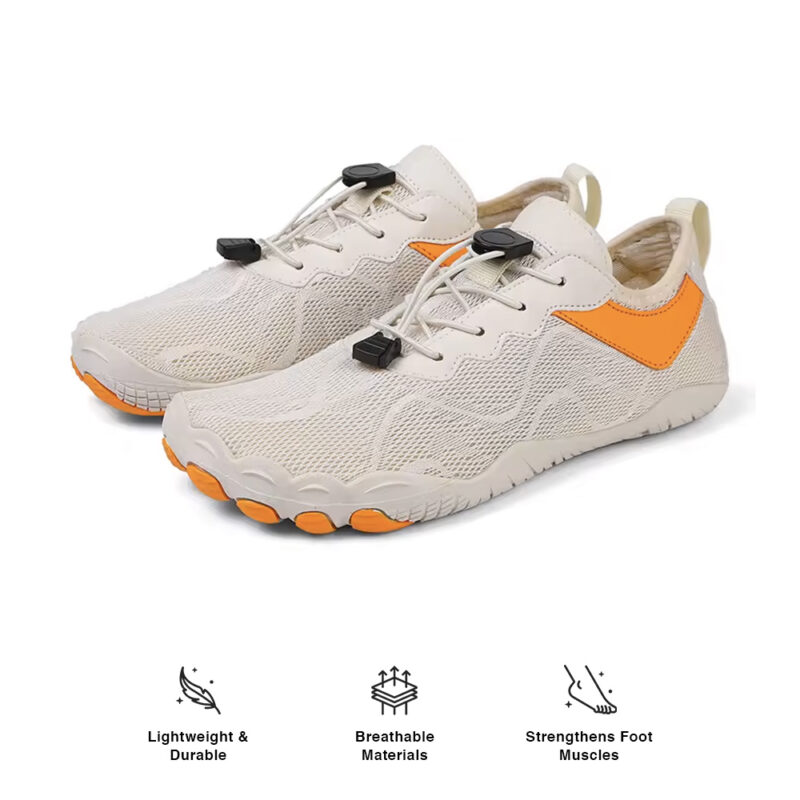
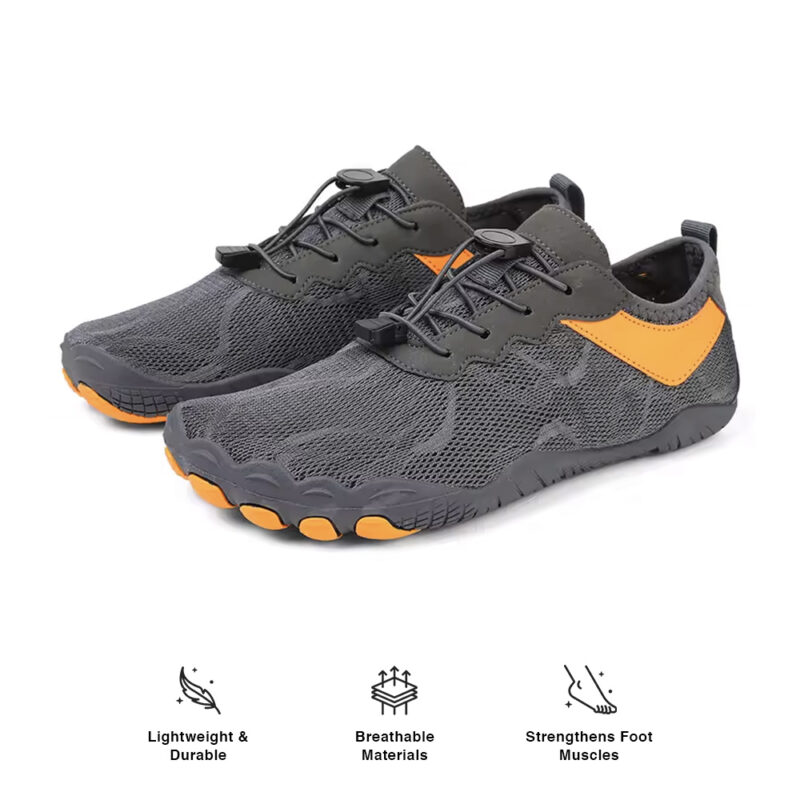
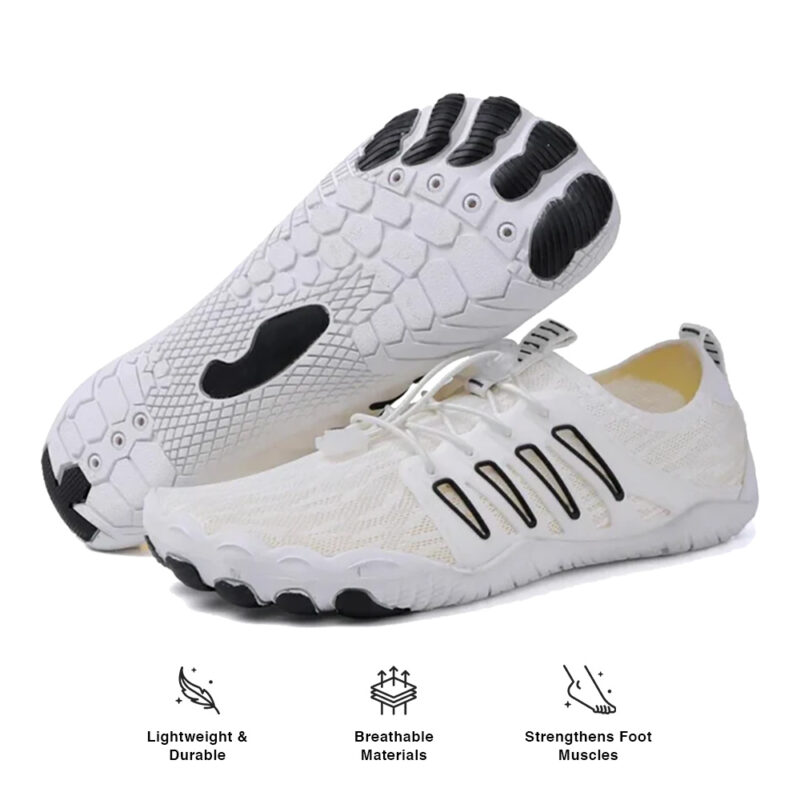
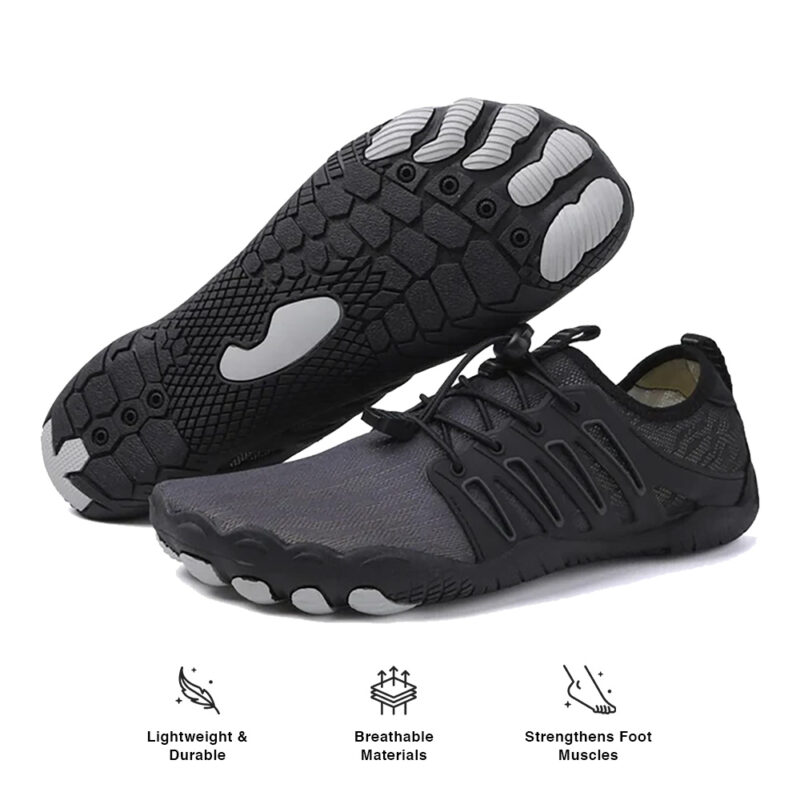
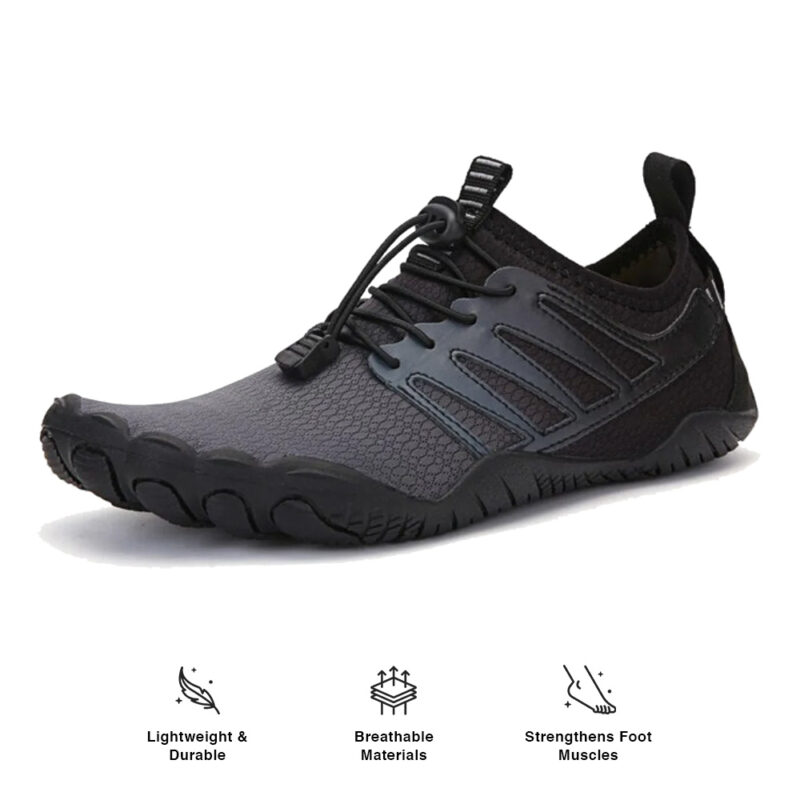
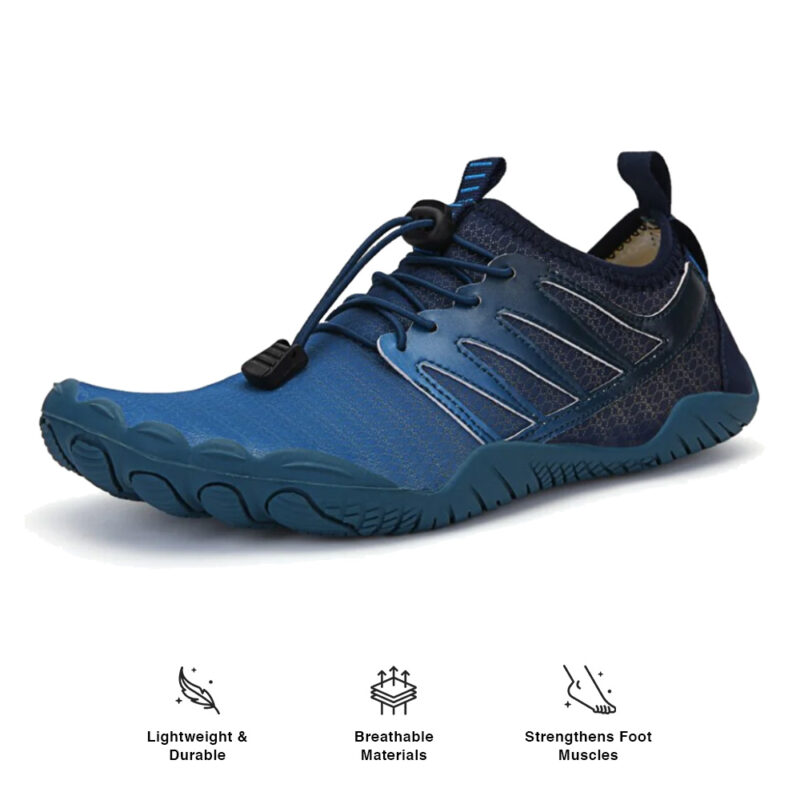
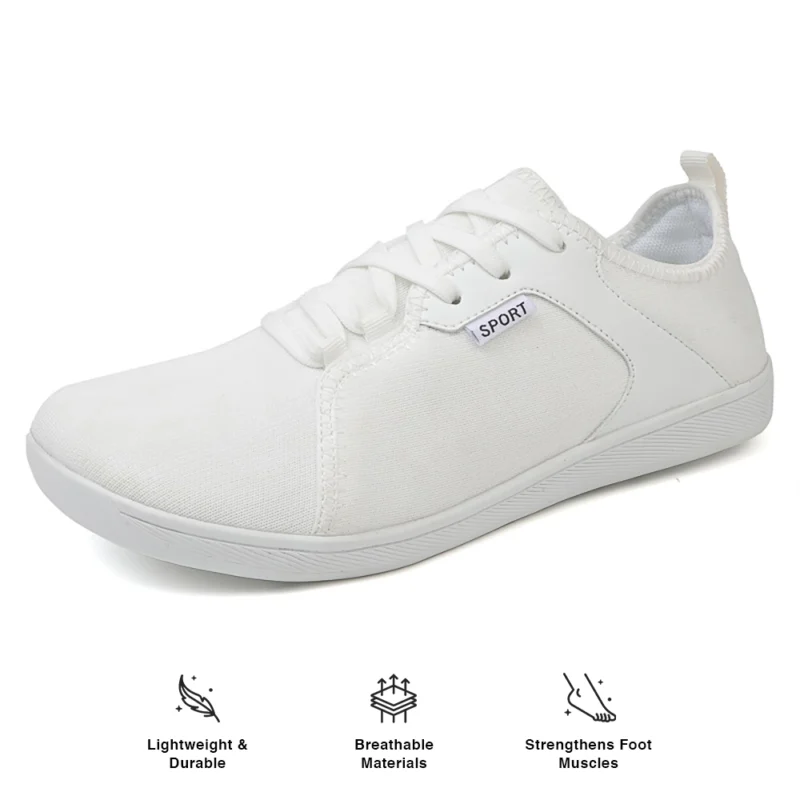
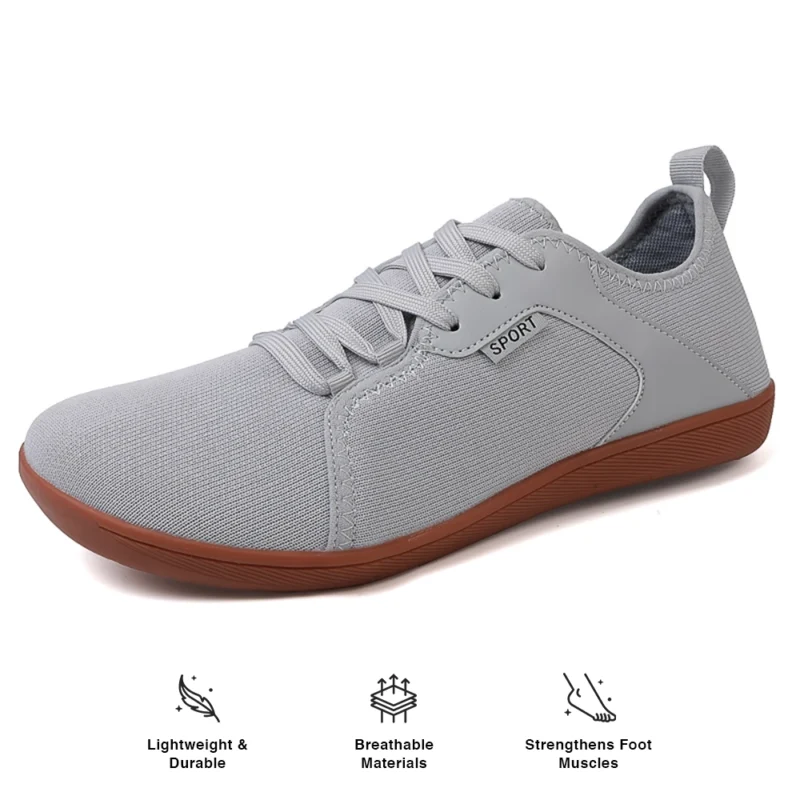
Years of wearing narrow, pointed shoes may have cramped your toes together, weakening the natural arch support your foot provides when toes can spread wide. Toe crowding also affects your gait and can lead to balance issues that become more concerning with age. Minimalist walking shoes feature wide toe boxes that allow your toes to splay naturally, creating a broader, more stable base for every step. This natural spreading action engages the small muscles throughout your feet, strengthening your foundation from the ground up. Choose shoes that give your toes plenty of room to move and spread, ensuring your longest toe has at least a thumb's width of space.
Flexible Soles Support Your Natural Gait
Stiff, rigid soles force your feet into unnatural movement patterns that can create compensatory stress up through your knees, hips, and lower back. This artificial restriction becomes particularly problematic as your joints naturally lose some flexibility with age. The best walking shoes for older men feature flexible soles that bend and move with your foot's natural motion, allowing for a smooth heel-to-toe transition that reduces impact on your joints. This flexibility also helps strengthen the intrinsic muscles of your feet with every step, improving overall foot health and function. Test shoe flexibility by holding the heel and bending the toe area – it should flex easily at the ball of the foot.
Lightweight Design Reduces Fatigue
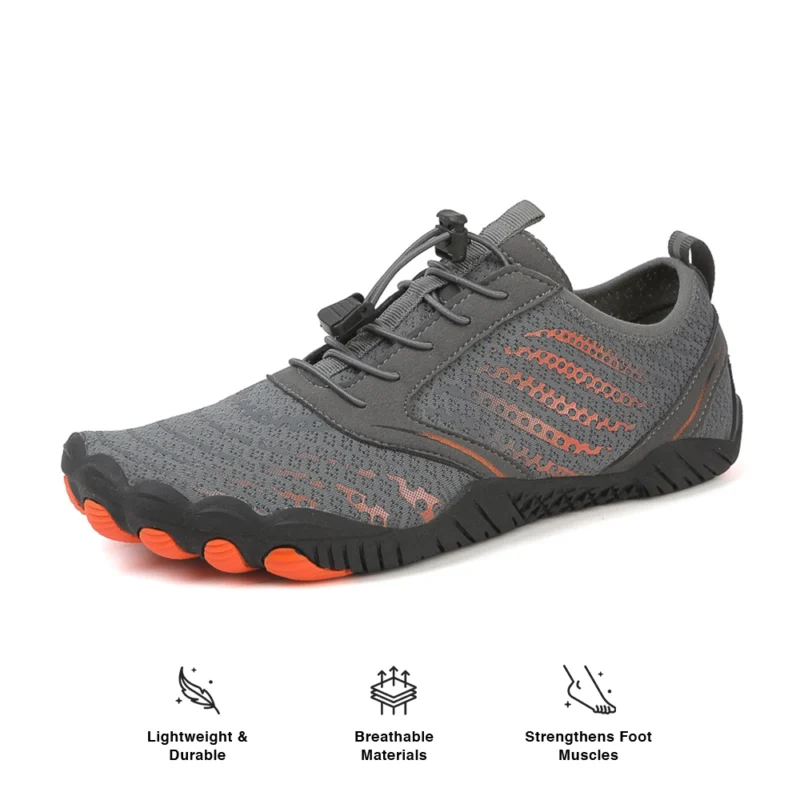
Heavy, bulky shoes require extra energy to lift with each step, leading to faster fatigue and potentially altering your natural walking mechanics. This added weight becomes more noticeable as your energy levels and muscle strength naturally change over time. Minimalist shoes are significantly lighter than traditional walking shoes, allowing you to maintain your natural stride and walk longer distances without unnecessary fatigue. The reduced weight also means less impact stress on your joints with each step. When shopping for the best walking shoes for older men, lift them in your hands – they should feel surprisingly light compared to conventional athletic shoes.
Zero Drop Promotes Better Posture
Traditional shoes with elevated heels shift your center of gravity forward, requiring your body to compensate with changes in posture that can stress your lower back and affect your walking efficiency. This forward-leaning posture becomes more problematic as core strength naturally decreases with age. Zero drop shoes place your heel and forefoot at the same level, encouraging a more upright, natural posture that aligns your spine and reduces strain on your back muscles. This alignment also promotes a more efficient walking gait that can help you maintain energy throughout longer walks. Pay attention to how your body feels after wearing zero drop shoes – many people notice improved posture and reduced back tension within a few weeks.
Breathable Materials Keep Feet Healthy
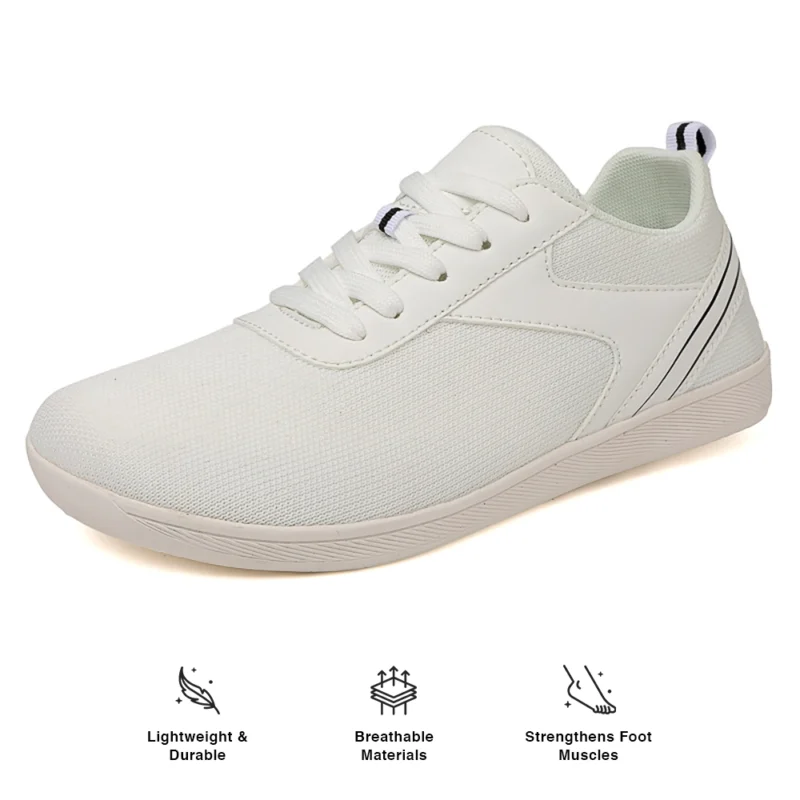
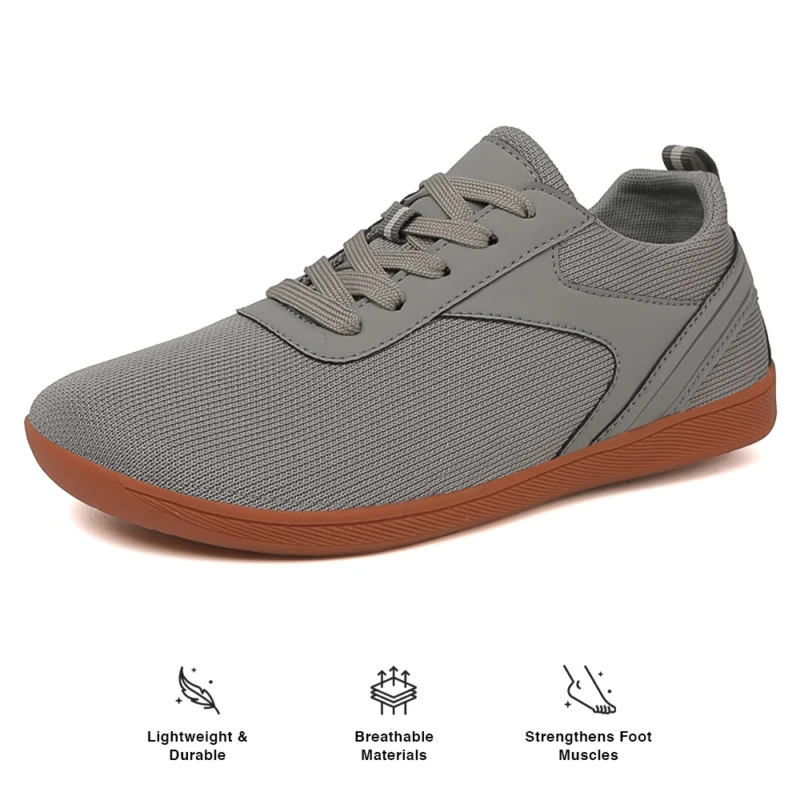
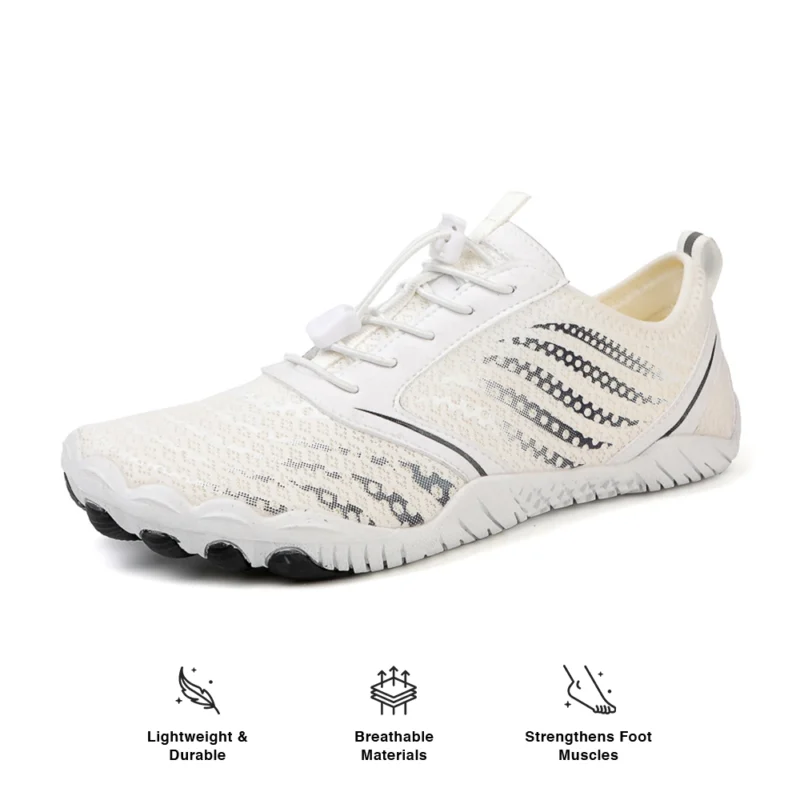
Synthetic materials and thick padding in traditional shoes can trap moisture and heat, creating an environment where bacteria and fungi thrive – particularly concerning for older adults who may have compromised circulation or immune systems. Foot health becomes increasingly important with age, as minor issues can escalate more quickly. The best walking shoes for older men feature breathable, natural materials like leather or mesh that allow air circulation and moisture wicking to keep your feet dry and healthy. Look for shoes with minimal synthetic overlays and plenty of ventilation, especially if you live in a warm climate or tend to have sweaty feet.
Gradual Transition Ensures Long-Term Success
Your feet have likely spent decades in supportive shoes, so transitioning to minimalist footwear requires patience and a gradual approach to avoid injury or discomfort. This measured transition becomes even more important with age, as your body may need more time to adapt to new movement patterns. Start by wearing your minimalist shoes for just 30 minutes during easy activities, then gradually increase the duration and intensity as your feet strengthen and adapt. Listen to your body throughout this process – some muscle fatigue is normal, but pain is a signal to slow down your transition timeline.