Why Your Feet Need Freedom to Fix Supination
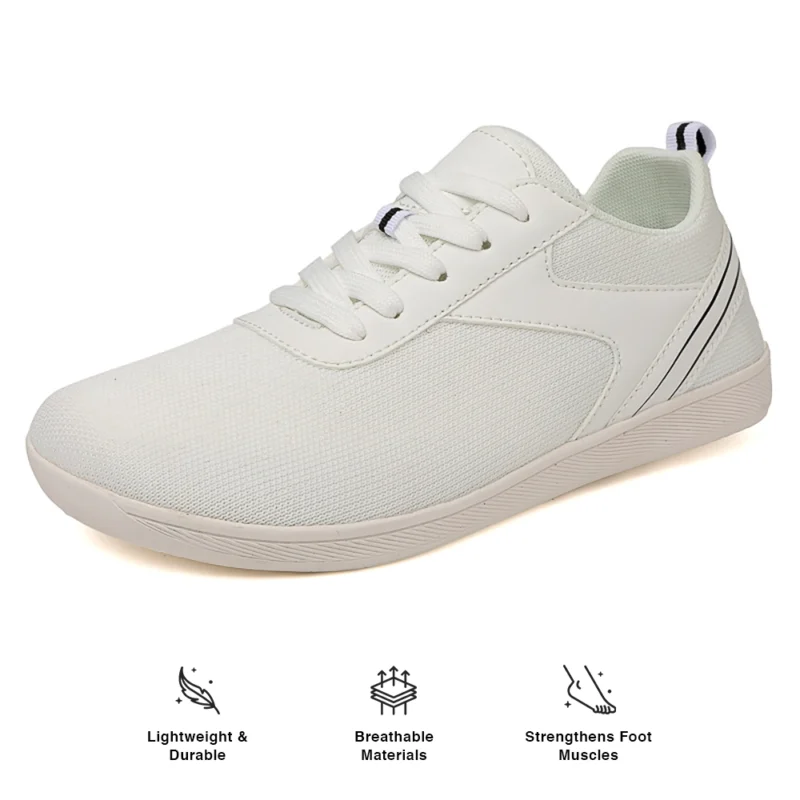
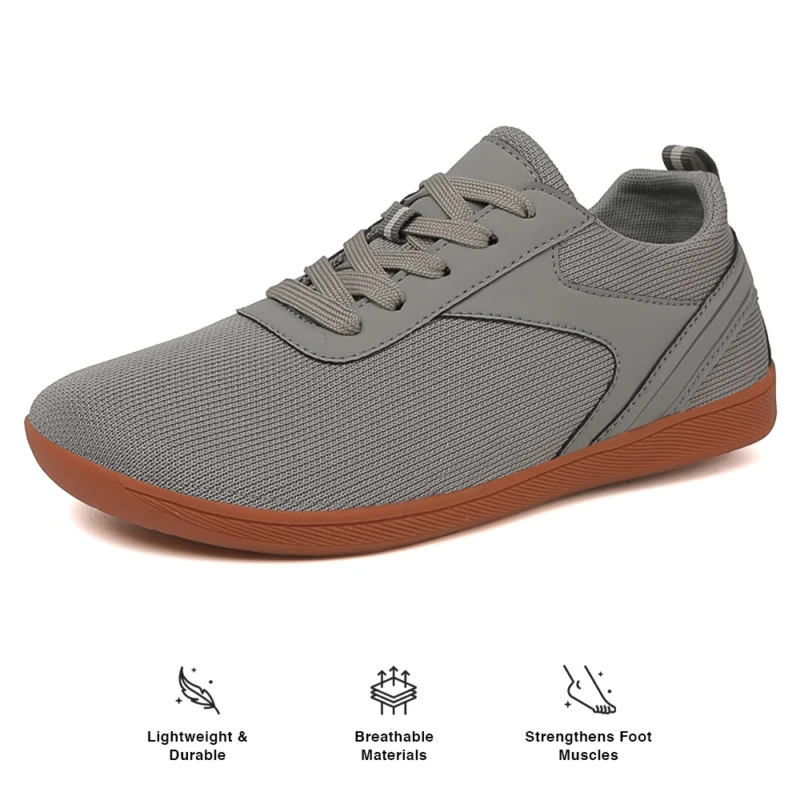
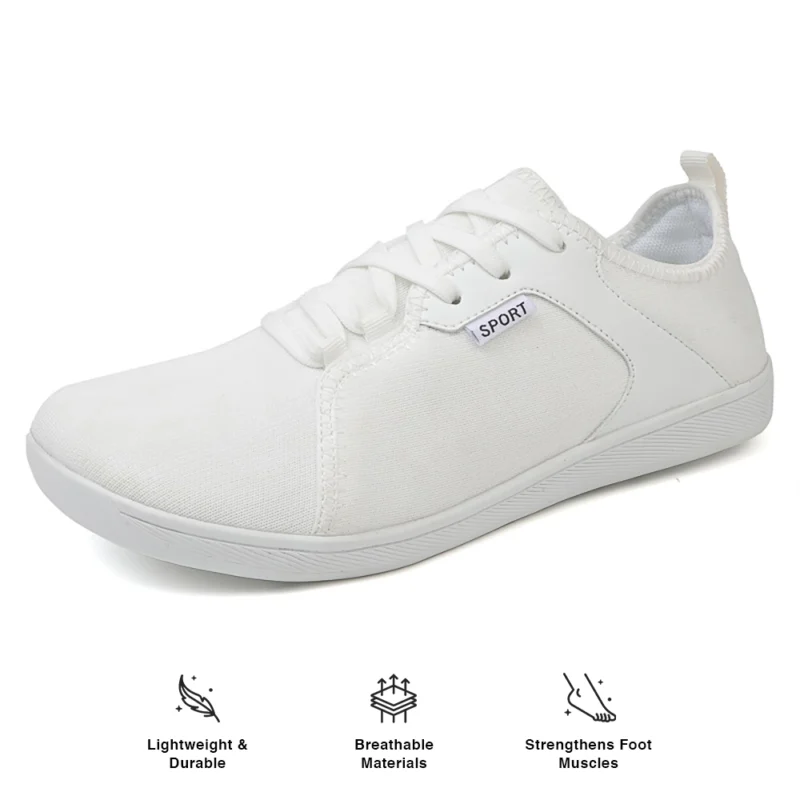
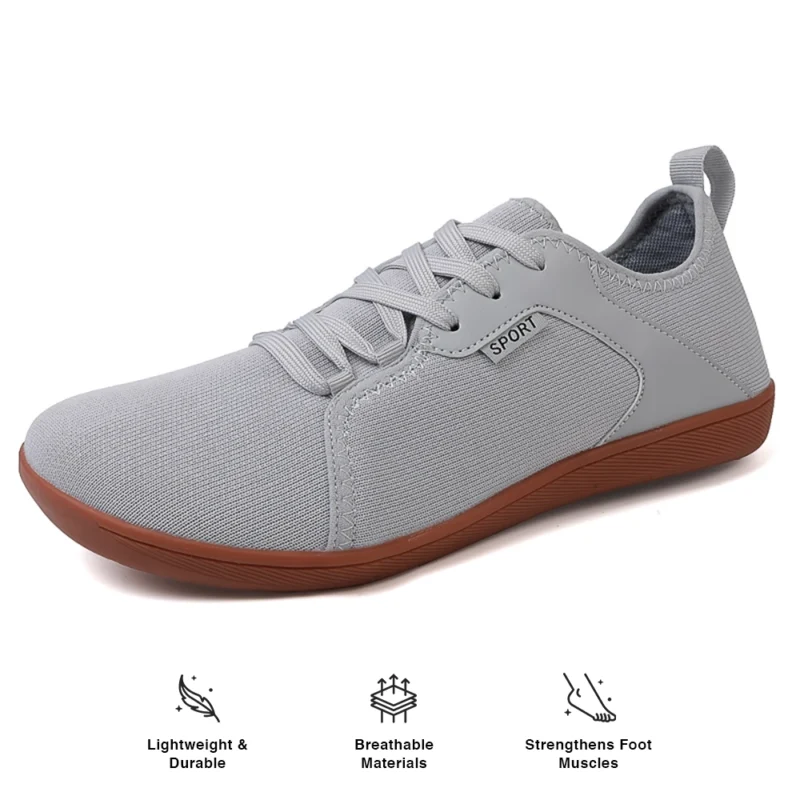
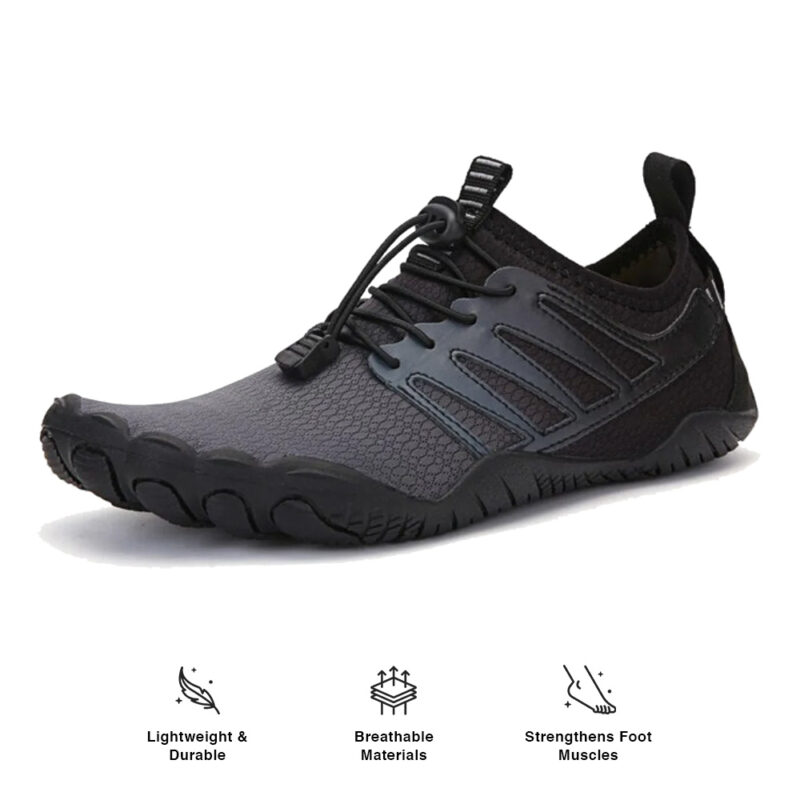
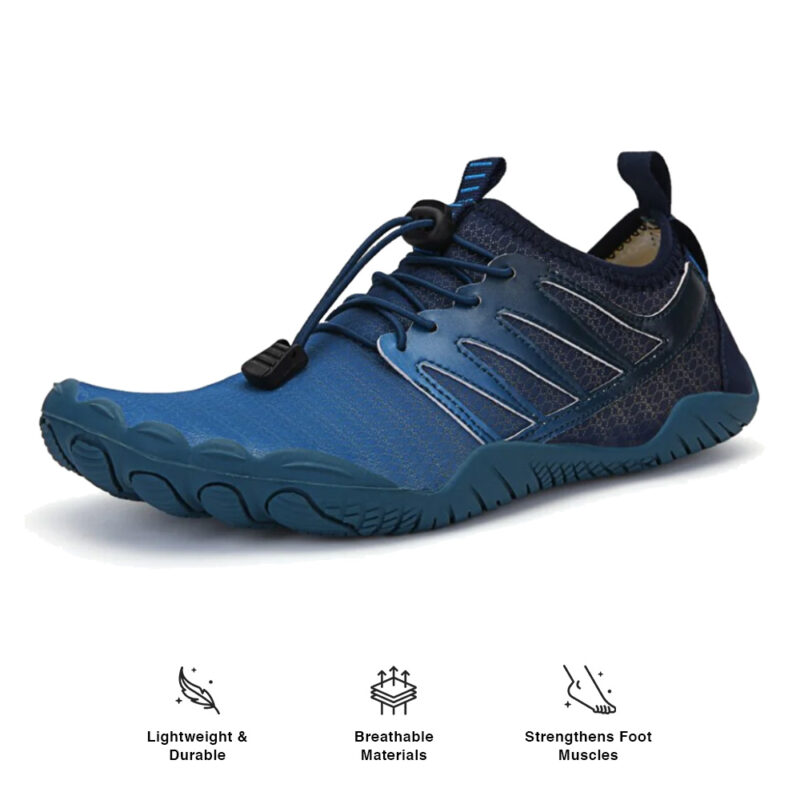
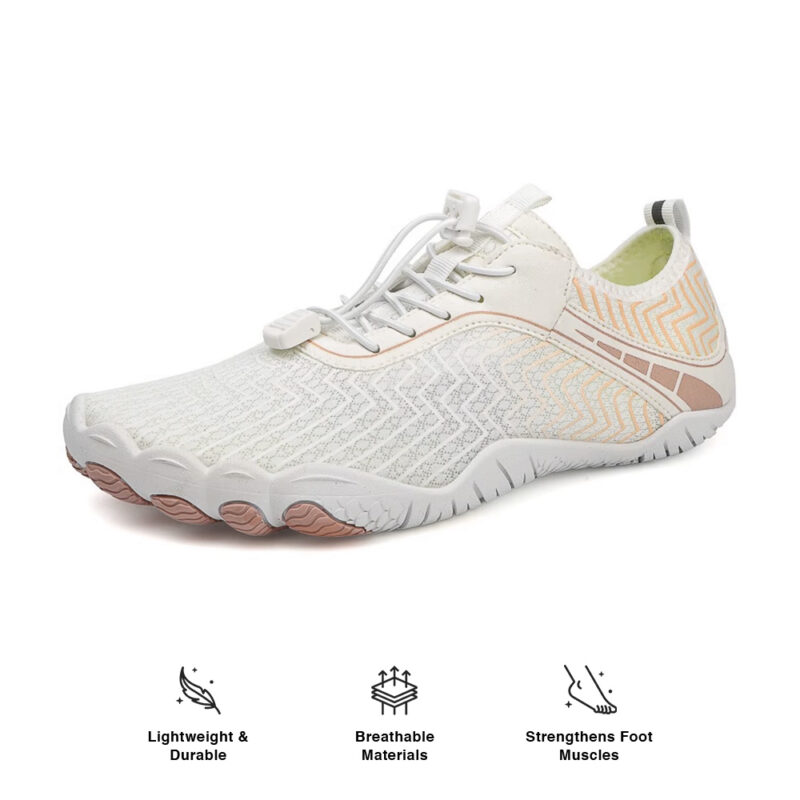
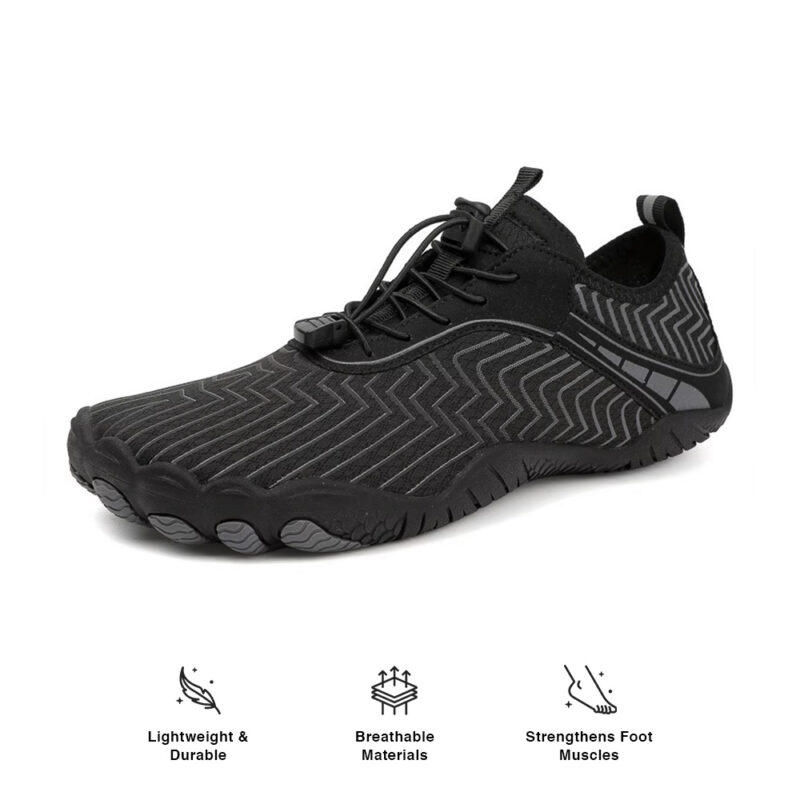
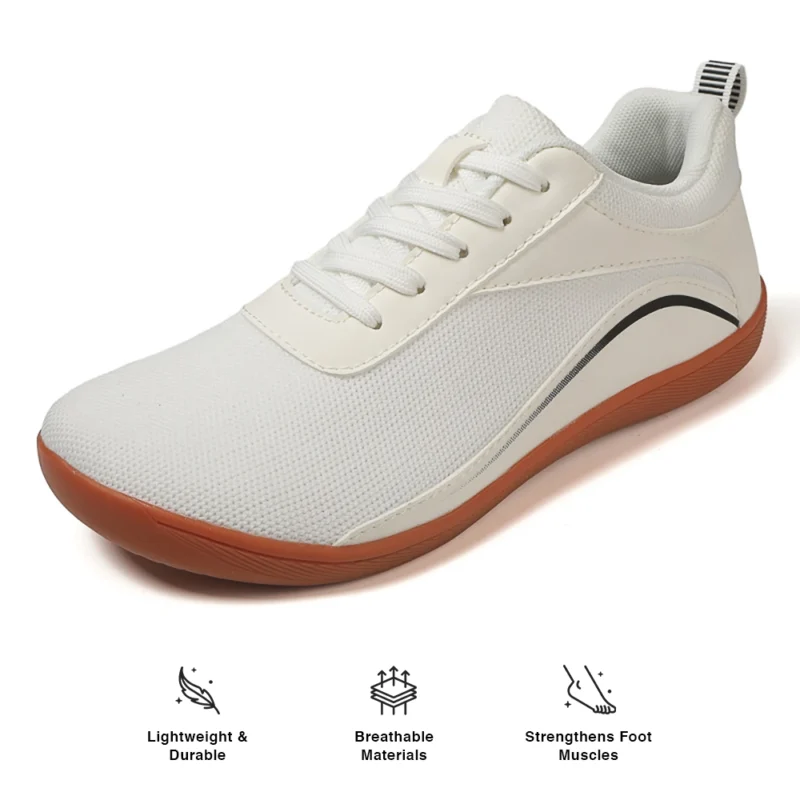
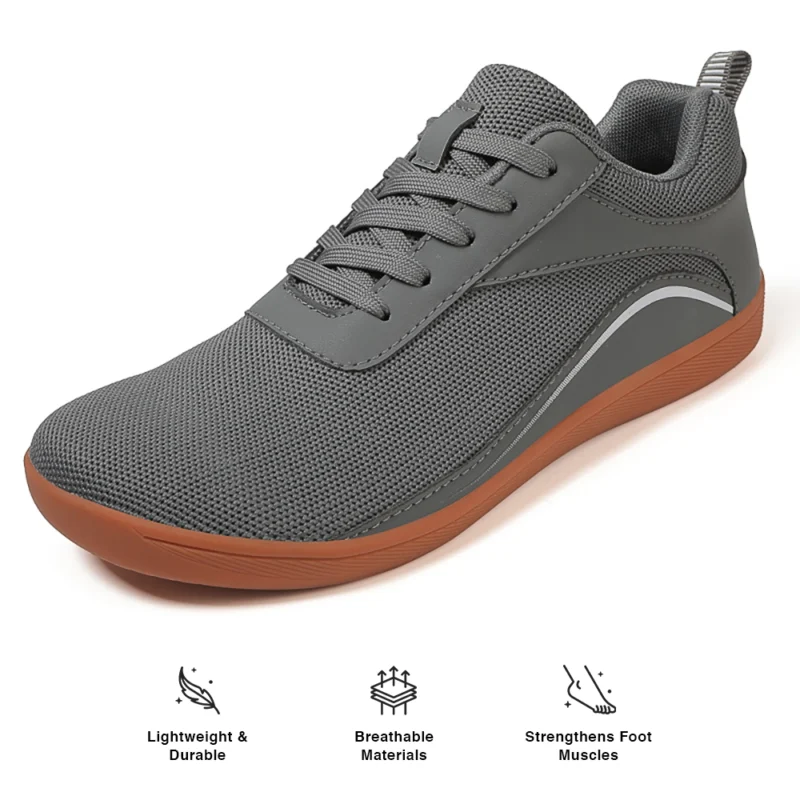
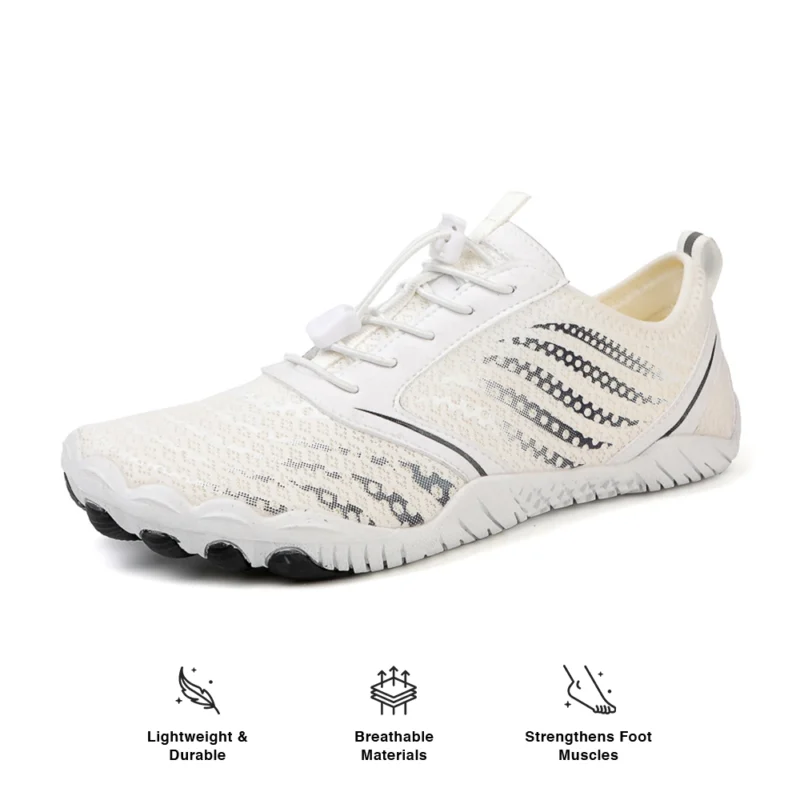
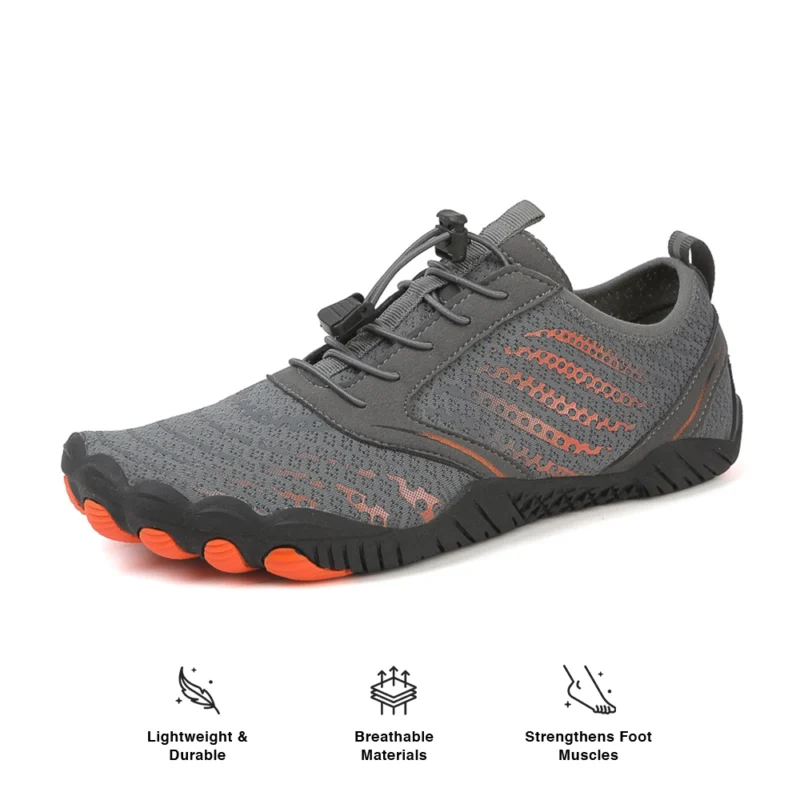
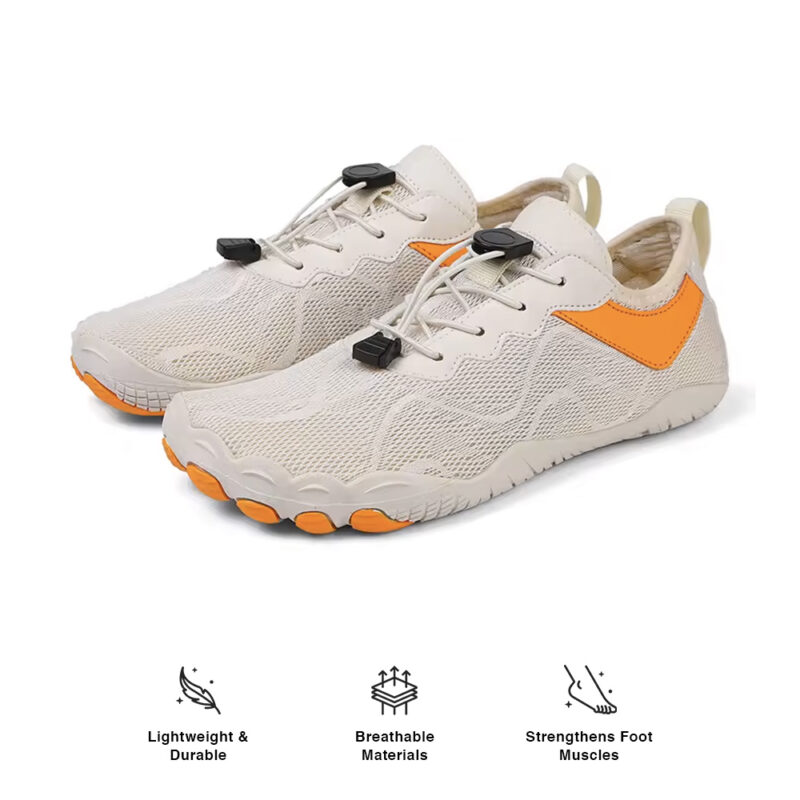
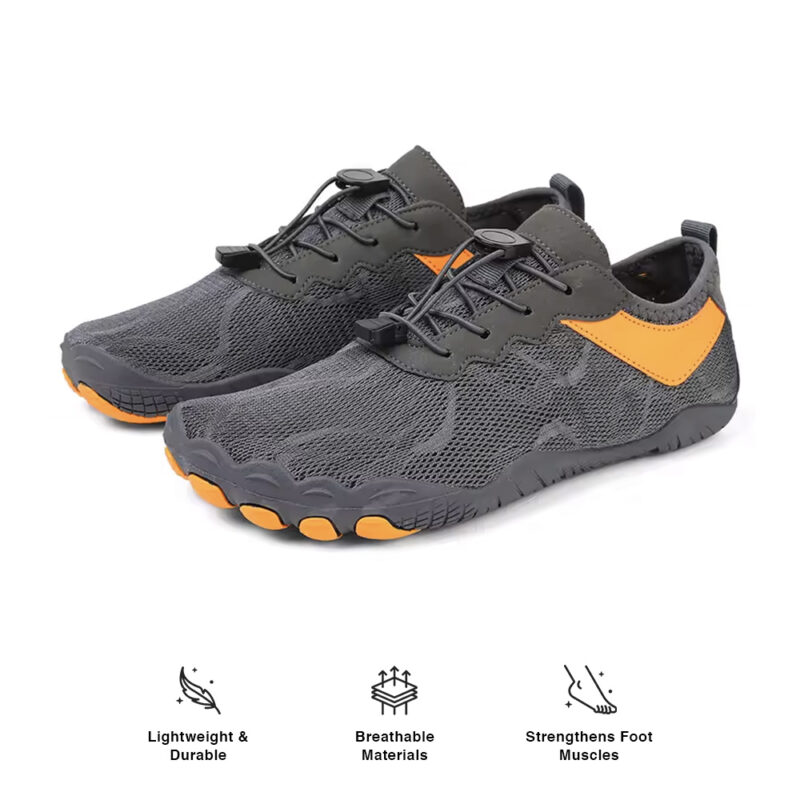
When you supinate, your natural instinct might be to seek shoes with built-in correction features, but this approach often backfires by weakening the very muscles that could help you. Your feet contain 26 bones, 33 joints, and over 100 muscles, tendons, and ligaments – all designed to work together as a dynamic, adaptive system. The best walking shoes for supination recognize this complexity and provide a foundation that allows your entire foot structure to engage and strengthen. Minimalist shoes with flexible soles let your feet feel subtle ground variations, which activates your proprioceptive system and helps your body naturally adjust its weight distribution. Start by wearing your minimalist shoes for short walks initially, gradually increasing duration as your feet adapt to their newfound freedom.
Ground Feel That Actually Helps Your Balance
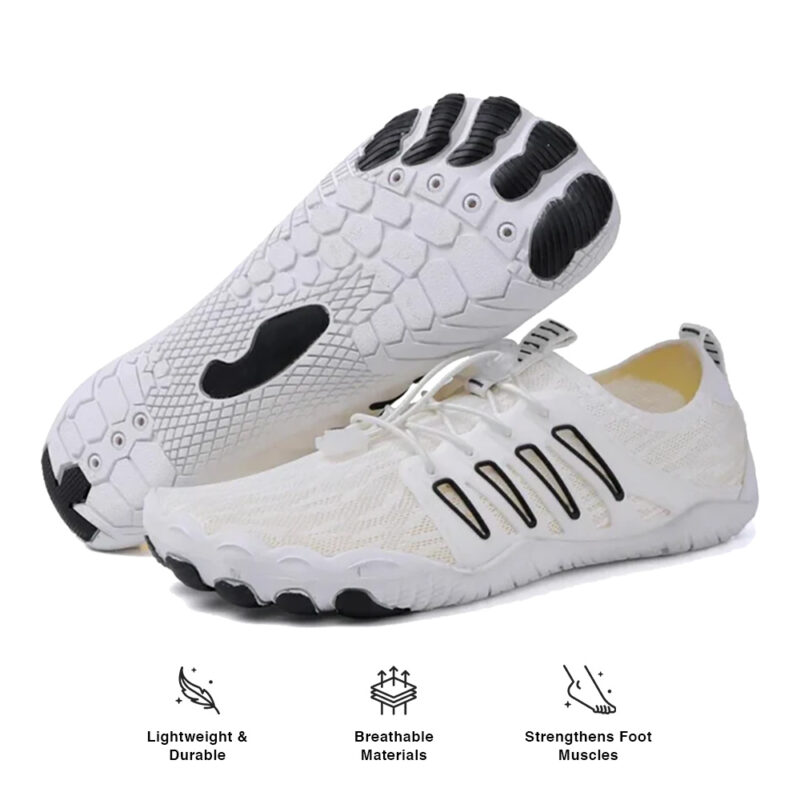
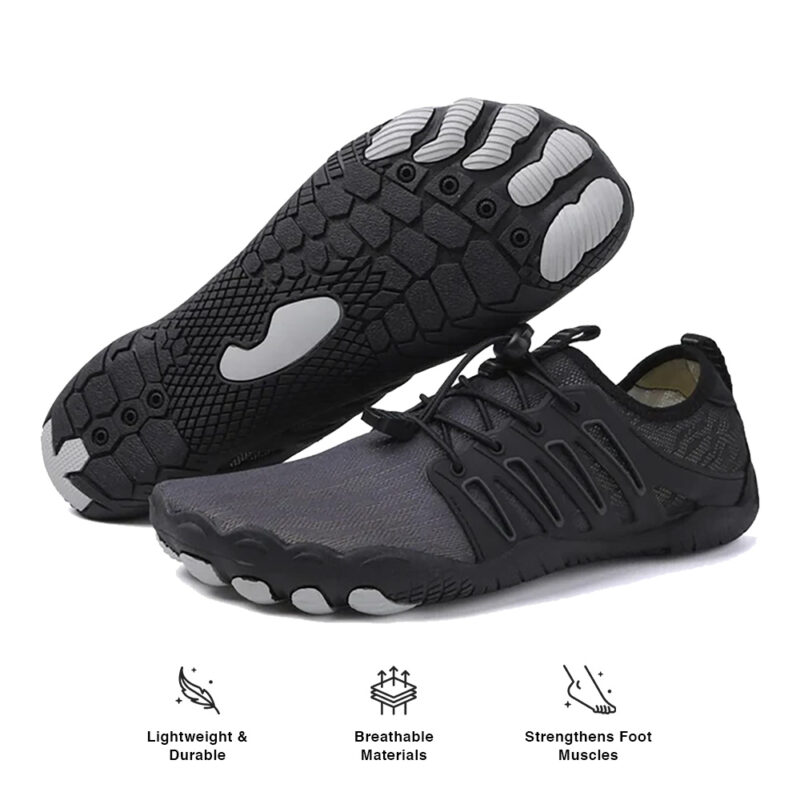
Living with supination often means dealing with that unsettling feeling of instability, especially on uneven terrain. Traditional thick-soled shoes create a barrier between your feet and the ground, actually making balance issues worse by reducing sensory feedback. The best walking shoes for supination feature thin, flexible soles that allow maximum ground connection while still protecting your feet from sharp objects. This enhanced ground feel helps your nervous system make micro-adjustments in real-time, improving your overall stability and confidence with each step. When shopping for minimalist walking shoes, test them on different surfaces in the store – you should be able to feel texture differences through the sole without discomfort.
Wide Toe Boxes That Stop the Squeeze
Years of wearing narrow, pointed shoes can contribute to supination by forcing your toes into an unnatural position and weakening your foot's natural stability platform. Your toes are meant to spread wide for balance and push-off power, not squeeze together in a narrow shoe. The best walking shoes for supination feature generous toe boxes that allow your toes to splay naturally, creating a wider, more stable base of support. This natural toe spread helps redistribute pressure more evenly across your foot and can significantly reduce that uncomfortable outer-edge loading that supinators know all too well. Look for shoes where you can wiggle all five toes freely – if any toe feels cramped, the shoe is too narrow for optimal foot function.
Zero Drop Design for Natural Alignment
The elevated heel found in most conventional walking shoes can actually worsen supination by shifting your weight forward and disrupting your natural gait pattern. Zero-drop shoes keep your heel and forefoot at the same level, promoting a more natural walking pattern that can help address the root causes of supination rather than just masking symptoms. This flat design encourages a midfoot strike pattern and helps your body find its natural alignment from the ground up. The best walking shoes for supination maintain this zero-drop philosophy while providing enough protection for daily walking activities. When transitioning to zero-drop shoes, pay attention to your calf muscles – they may feel tight initially as they adjust to the new position, so ease into longer walks gradually.
Lightweight Construction That Doesn't Weigh You Down
Heavy, bulky shoes can actually contribute to poor walking mechanics by making your feet work harder with each step. When you're dealing with supination, the last thing you need is additional weight throwing off your natural rhythm and balance. The best walking shoes for supination are remarkably lightweight, often weighing less than half of what traditional walking shoes weigh. This reduced weight allows your feet to move more naturally and prevents the fatigue that can worsen gait problems over time. Lightweight construction also means less material between your feet and the ground, enhancing that crucial sensory feedback your body needs to make balance adjustments. Choose shoes that feel almost like an extension of your foot rather than a heavy boot you're strapped into.
Flexible Soles That Move With Your Foot
Rigid soles force your foot to conform to the shoe's shape rather than allowing natural foot mechanics to occur. For supinators, this rigidity can prevent the natural rolling motion your foot needs to distribute forces properly throughout your gait cycle. The best walking shoes for supination feature highly flexible soles that bend, twist, and move in harmony with your foot's natural motion patterns. This flexibility is particularly important in the forefoot area, where your foot needs to bend during push-off. Test sole flexibility by holding the shoe at both ends and trying to fold it in half – a good minimalist shoe should bend easily without resistance. Your feet will thank you with improved comfort and better natural movement patterns.
Durable Materials That Support Your Active Lifestyle
Choosing minimalist walking shoes doesn't mean sacrificing durability or protection. The best walking shoes for supination use high-quality materials that can withstand regular use while maintaining their shape and flexibility over time. Look for shoes with reinforced high-wear areas, particularly along the outer edge where supinators tend to show more wear patterns. Quality construction ensures your investment in foot health pays off with shoes that maintain their supportive properties through hundreds of miles of walking. Consider rotation between two pairs to extend the life of each shoe and give materials time to decompress between wears, maintaining optimal performance for your supination needs.