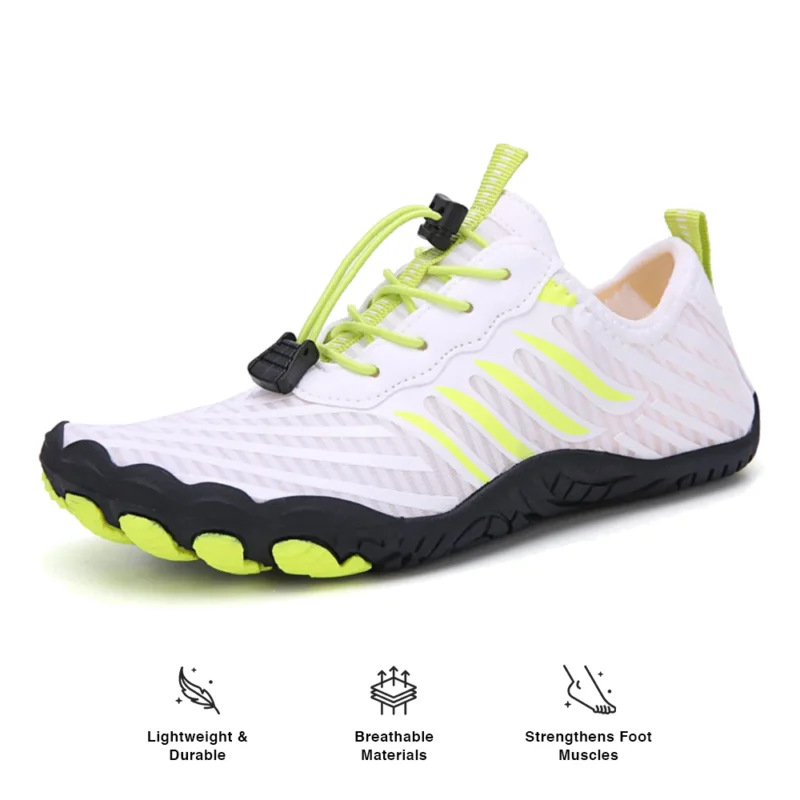
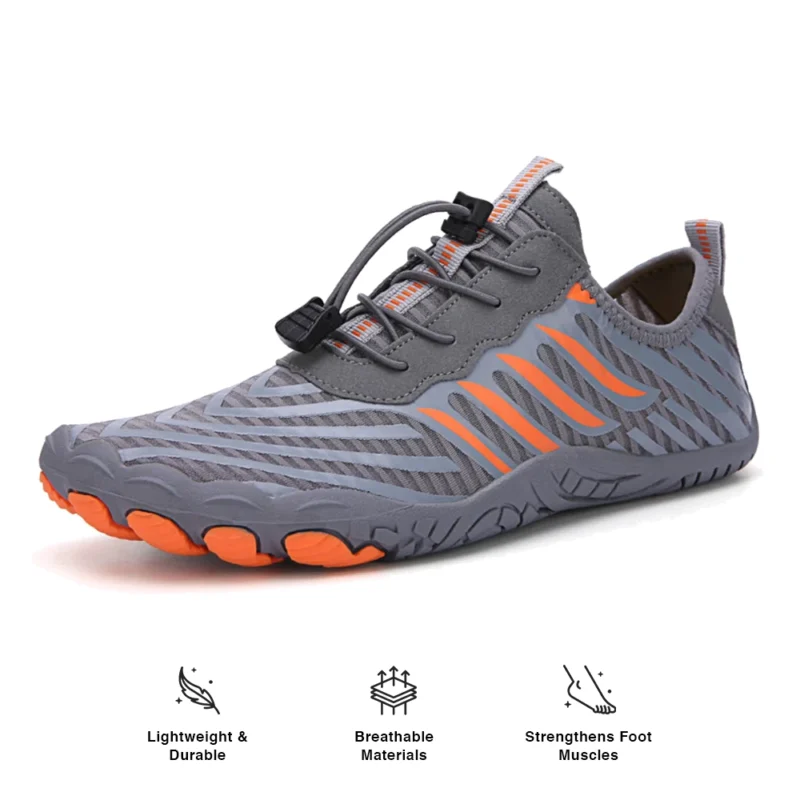
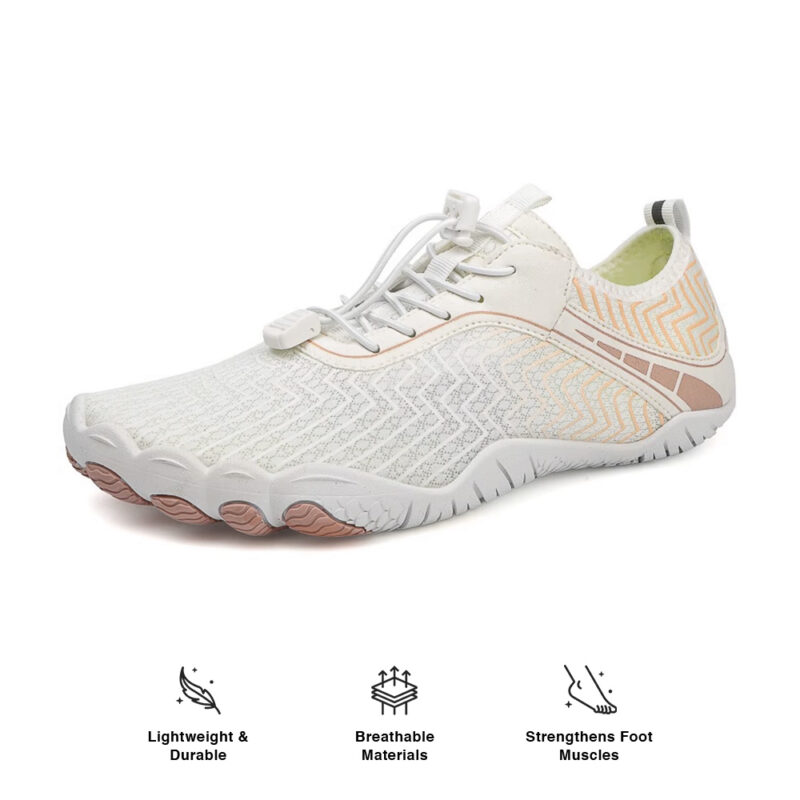
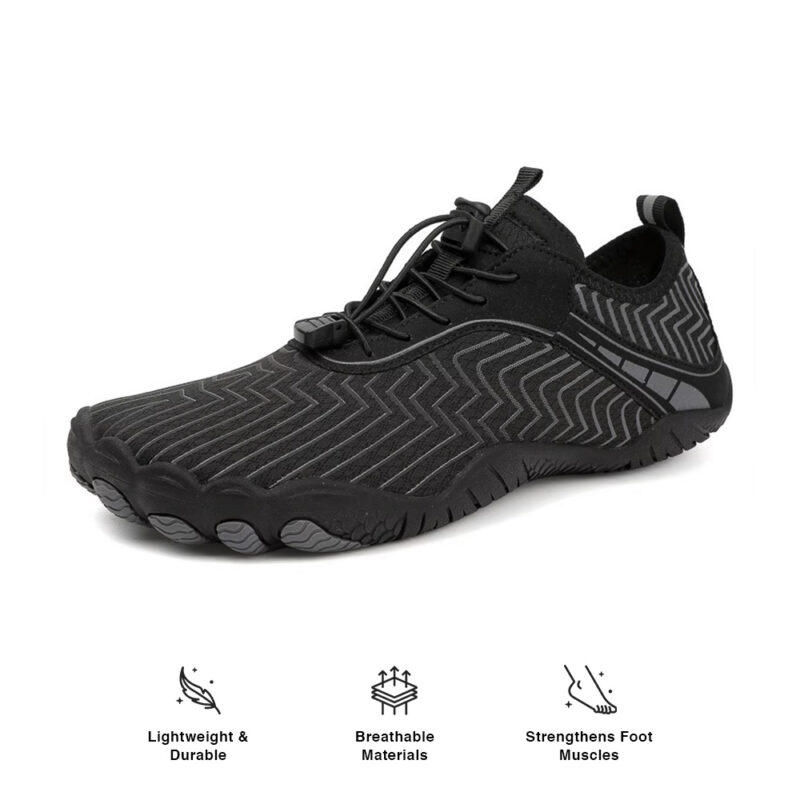
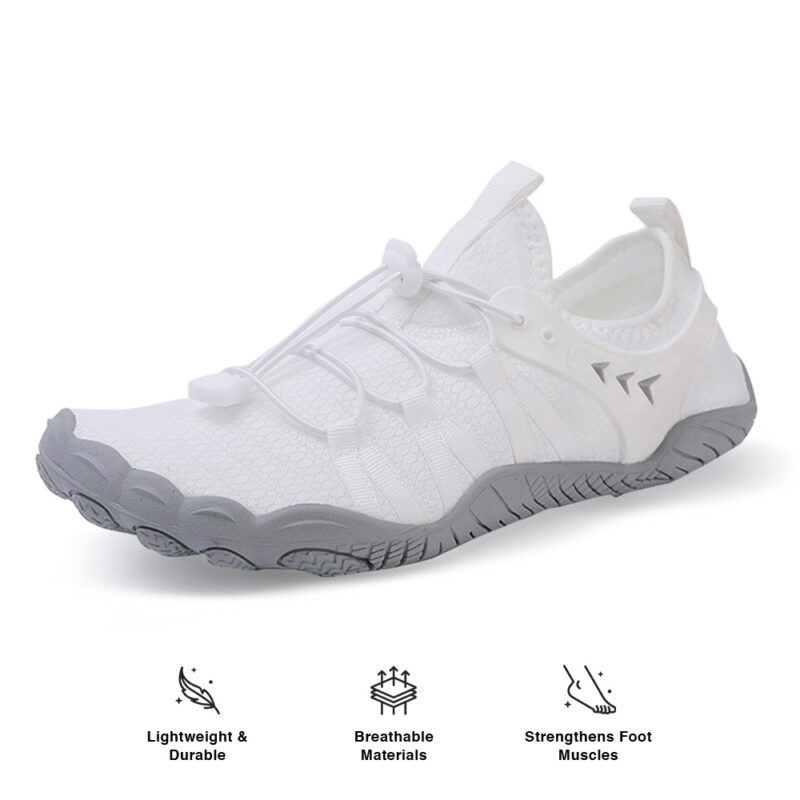
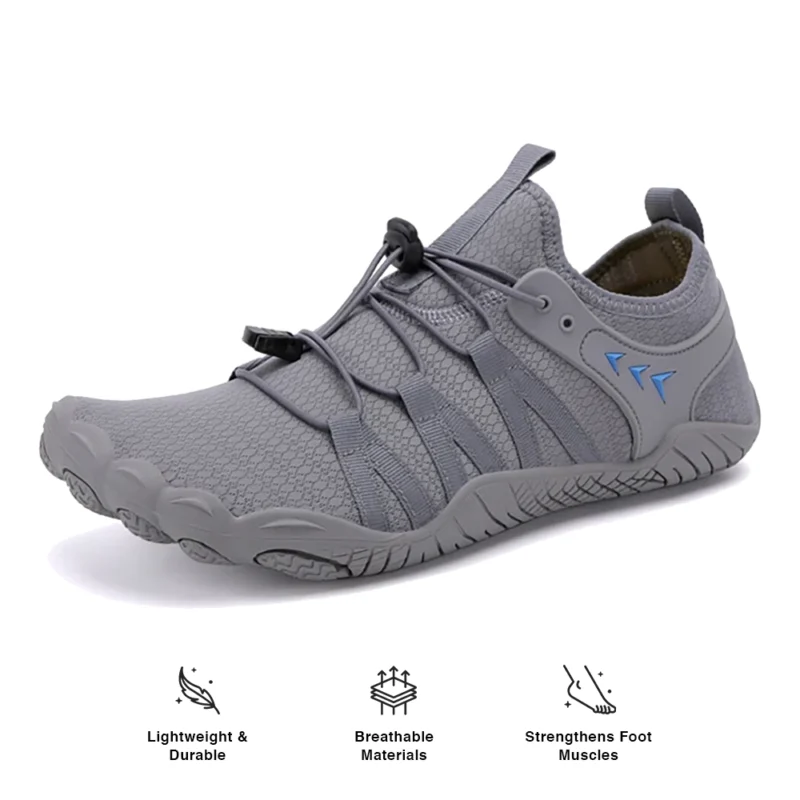
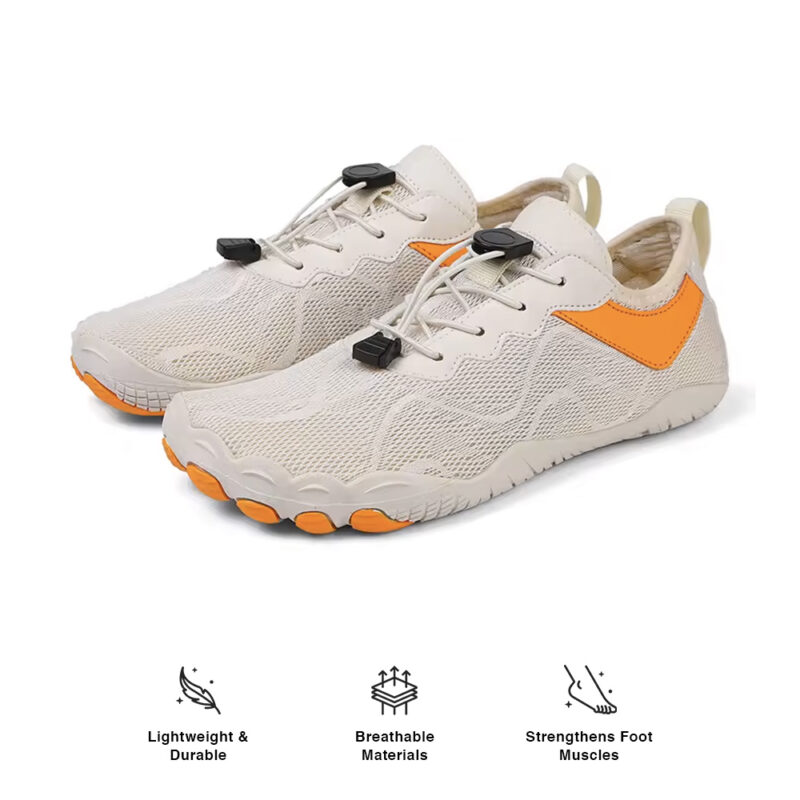
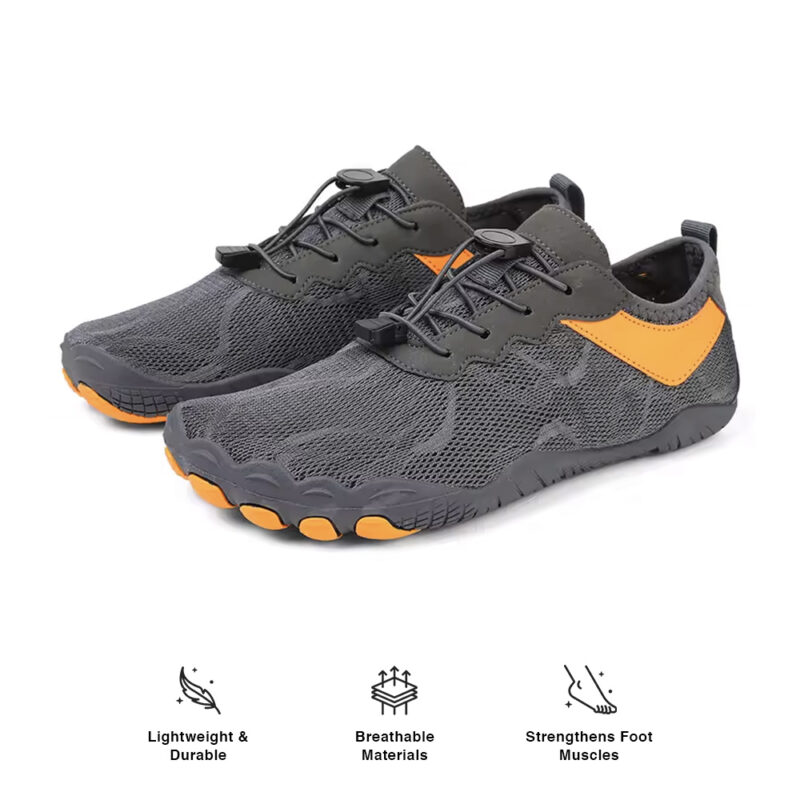
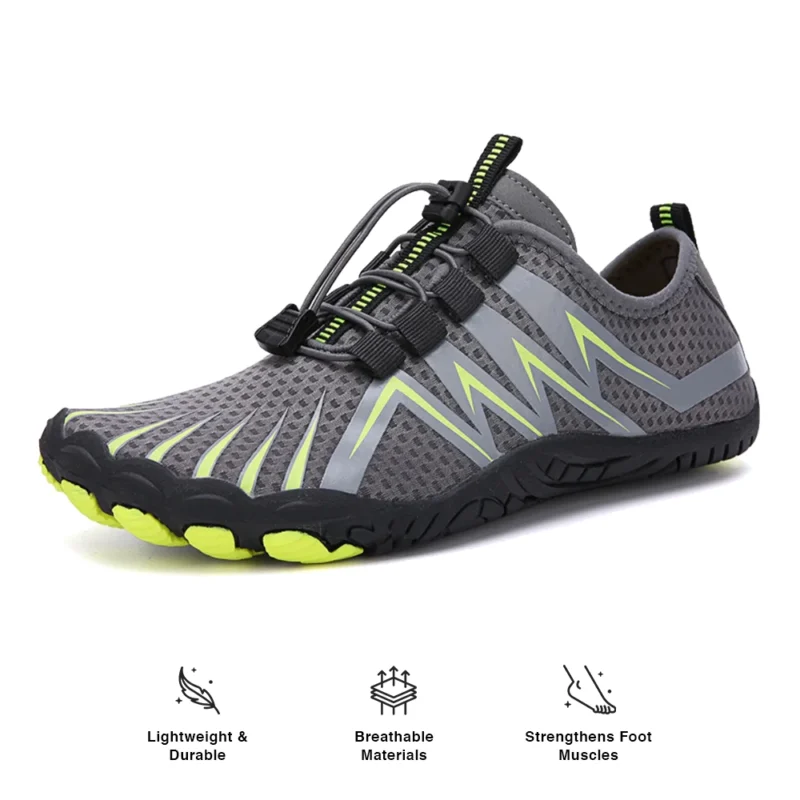
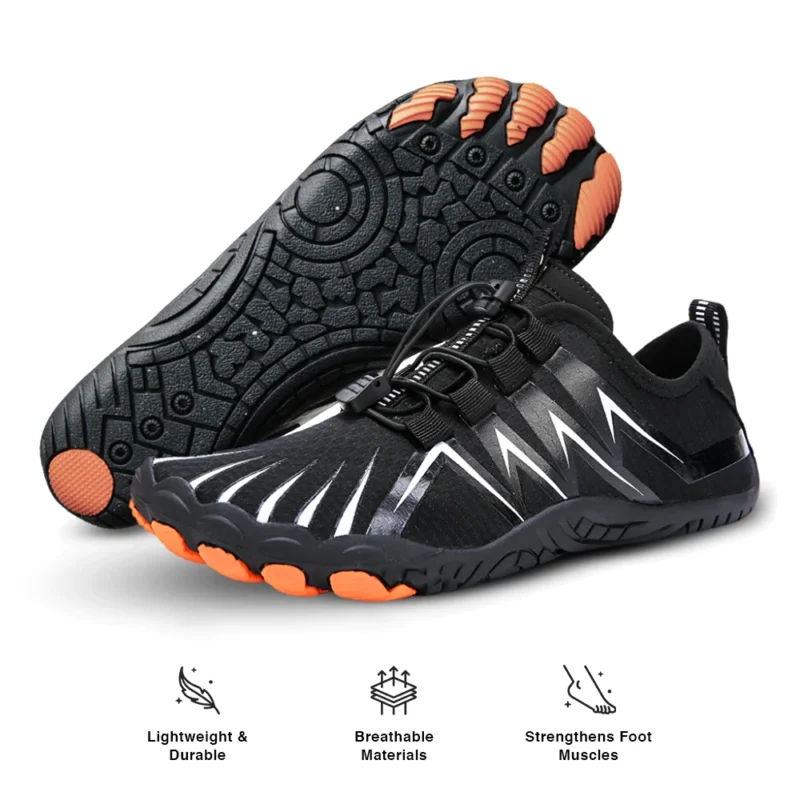
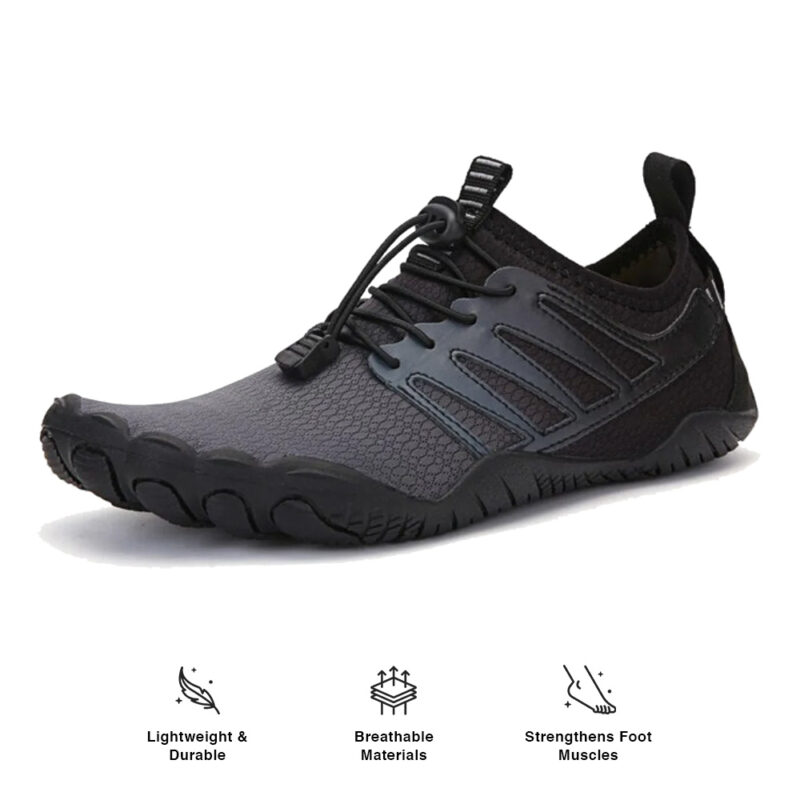
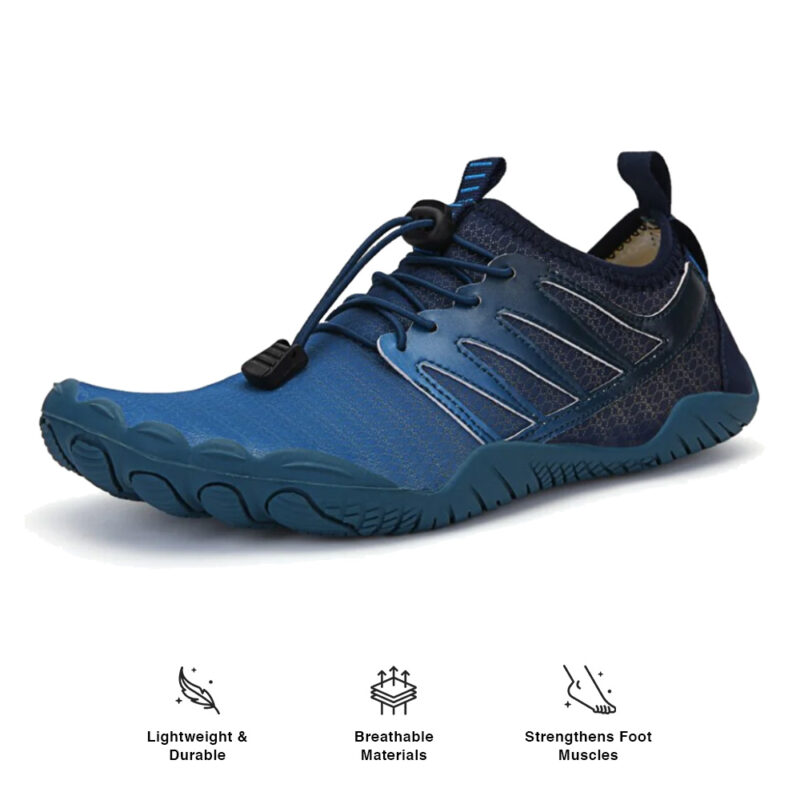
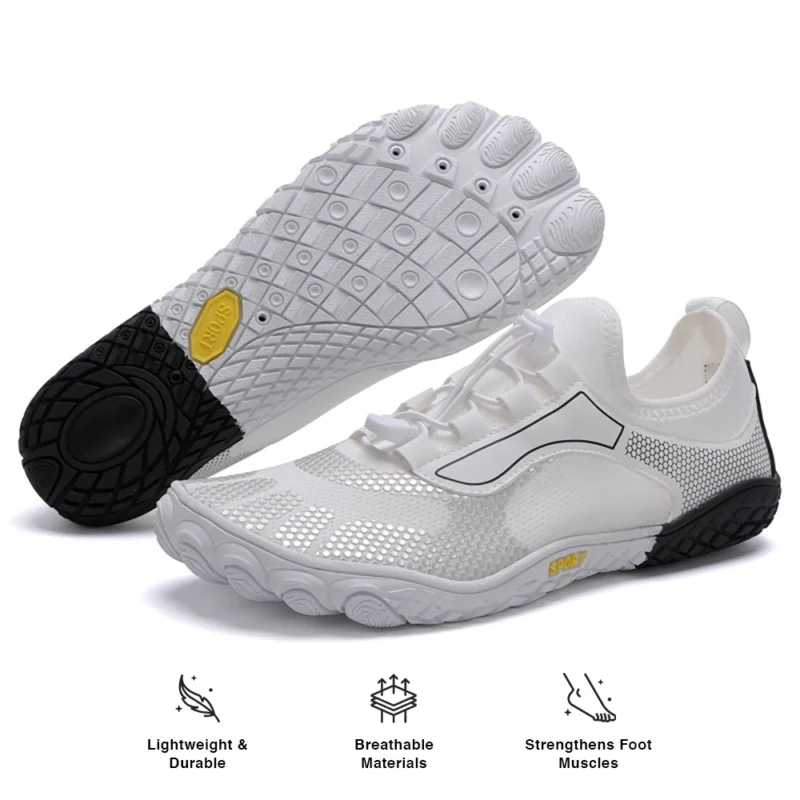
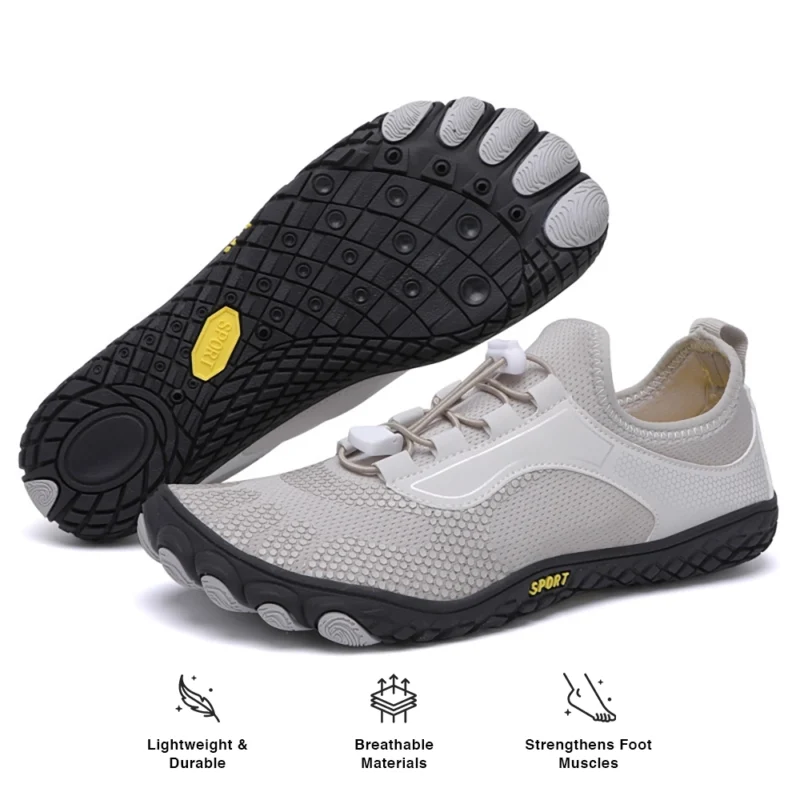
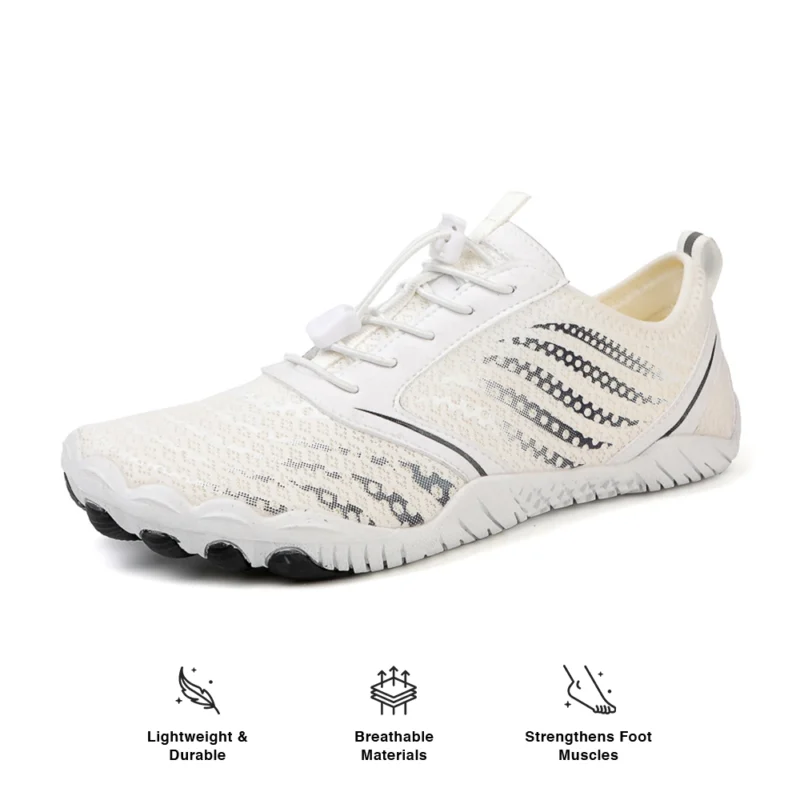
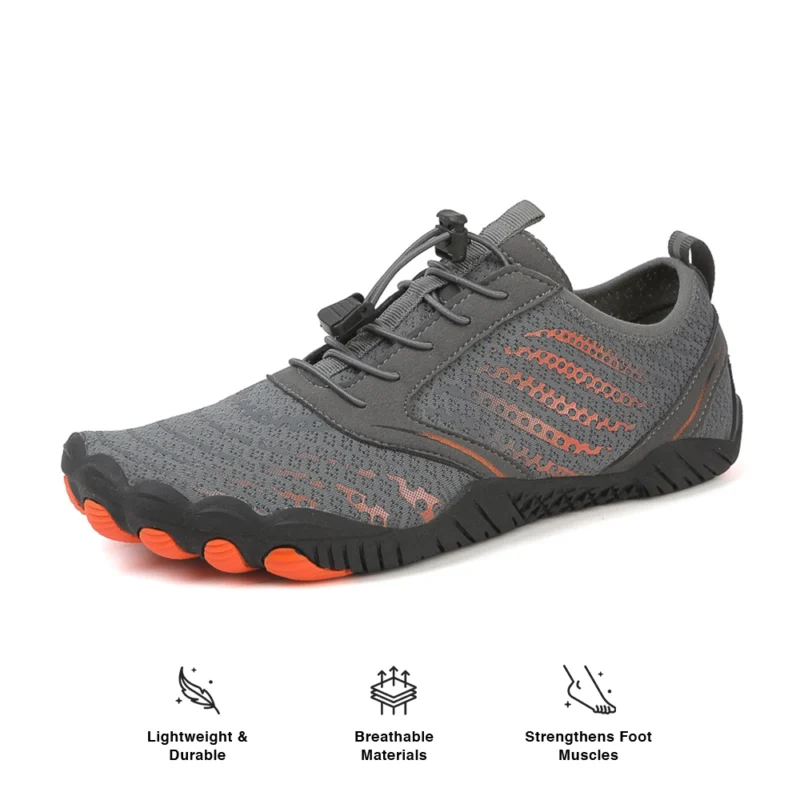
The Best Running Shoes
You're someone who takes your health seriously, but traditional running shoes keep letting you down. Maybe you've dealt with nagging knee pain, spent hundreds on shoes that fall apart, or wondered why running feels harder than it should. You're not alone in questioning whether those thick-soled, heavily cushioned shoes are actually helping or hurting your performance.
What you really need are the best running shoes that work with your body, not against it. Your feet are incredibly sophisticated structures with 26 bones, 33 joints, and over 100 muscles and ligaments. They're designed to move, flex, and provide natural feedback from the ground. When you choose footwear that allows natural foot movement, something remarkable happens.
Barefoot and minimalist designs unlock your body's built-in shock absorption system. Your feet grow stronger with each step, developing the muscles that traditional shoes have kept weak. Your balance improves as your feet can actually feel the ground beneath them. Your posture naturally aligns when your feet can move as they were designed to. The result? Lasting comfort that comes from freedom, not restriction.
The best running shoes don't need to be complicated. They just need to let your feet do what they do best.
Why Your Current Running Shoes Might Be Working Against You
Your feet hurt after long runs, and you've probably blamed everything except your shoes. The truth is, traditional running shoes create an unnatural environment that forces your foot into a rigid position, preventing the natural flex and movement your muscles crave. When you transition to the best running shoes designed for natural movement, your feet begin to remember their original strength and flexibility. Start your transition gradually, allowing your feet to adapt to their newfound freedom over several weeks.
The Ground Connection Your Body Craves
You've lost touch with the ground beneath your feet, and it's affecting your entire kinetic chain from ankles to spine. Thick soles create a barrier between you and the earth, reducing proprioceptive feedback that your nervous system needs for optimal balance and coordination. The best running shoes maintain a thin, flexible sole that preserves ground feel while still protecting your feet from debris. Practice walking barefoot on different surfaces at home to reawaken your foot's sensory abilities before your next run.
How Strong Feet Transform Your Entire Running Experience
Weak foot muscles from years in restrictive footwear leave you vulnerable to injury and poor performance. Your feet contain intricate muscle networks that act as natural springs and stabilizers, but traditional shoes have kept these muscles dormant. When the best running shoes allow unrestricted toe movement and natural foot flexion, these muscles activate and strengthen with every step. Incorporate simple foot exercises like toe spreading and calf raises into your daily routine to accelerate this strengthening process.
The Balance Revolution That Changes Everything
Poor balance affects not just your running form but your confidence on any terrain. Elevated heels and narrow toe boxes in conventional shoes compromise your natural stability by shifting your center of gravity forward and cramping your toes together. The best running shoes feature zero-drop construction and wide toe boxes that restore your natural balance point and allow your toes to spread for maximum stability. Practice standing on one foot with eyes closed to develop the balance skills that proper footwear will enhance.
Why Lighter Steps Lead to Longer Runs
Every ounce of weight on your feet multiplies the energy cost of each step, making your runs feel unnecessarily difficult. Heavy traditional shoes with multiple layers of foam and plastic components turn each stride into extra work for your legs and cardiovascular system. The best running shoes use minimal materials while maintaining durability, allowing your natural running efficiency to shine through. Focus on landing with a shorter stride and quicker cadence to maximize the efficiency benefits of lightweight footwear.
The Flexibility Factor That Prevents Injury
Stiff shoes that don't bend with your foot create stress points and compensatory movement patterns that lead to overuse injuries. Your foot needs to roll through its natural gait cycle, flexing at the ball of the foot and adapting to uneven surfaces. When the best running shoes move with your foot rather than restricting it, your entire lower body can maintain proper alignment and function. Regularly stretch your calves and achilles tendons to prepare for the more natural foot positioning that flexible shoes encourage.
Making the Transition Without the Growing Pains
Jumping too quickly into minimalist footwear often leads to soreness and frustration that sends people back to their old shoes. Your feet, ankles, and calves need time to adapt to the increased engagement that the best running shoes demand from your body's natural systems. Begin with short walks in your new shoes, gradually increasing time and intensity as your muscles adapt to their renewed responsibility. Listen to your body's signals and celebrate the small victories as your feet rediscover their natural strength and resilience.