Your Feet Are Getting Weaker, Not Stronger
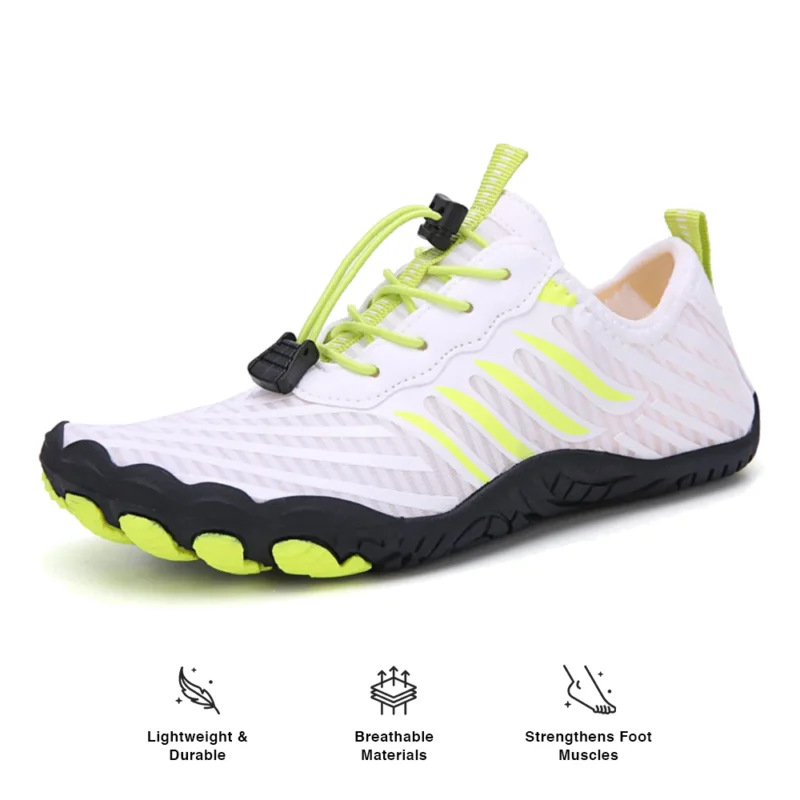
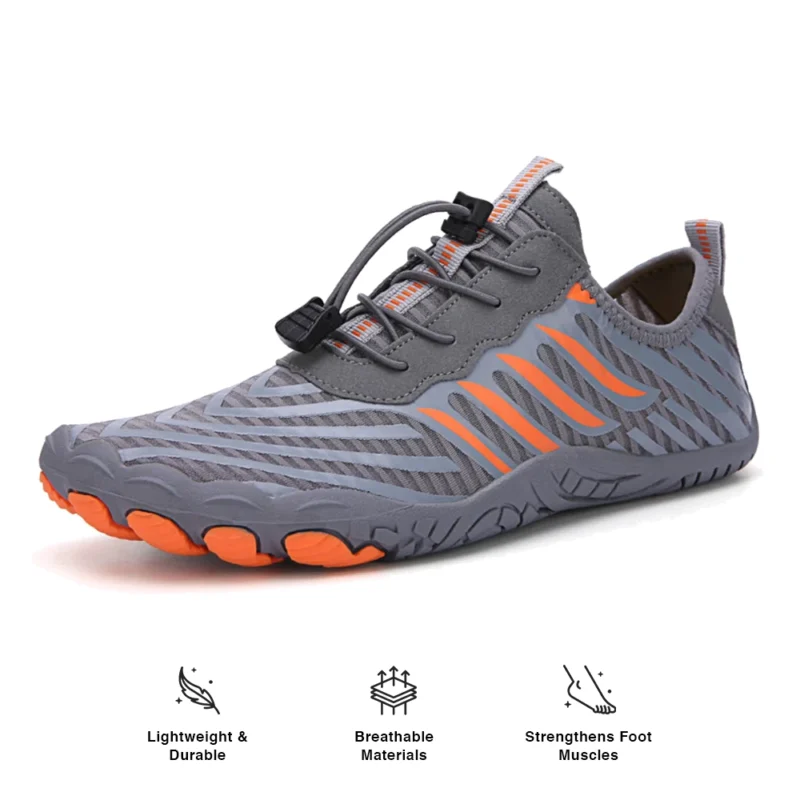
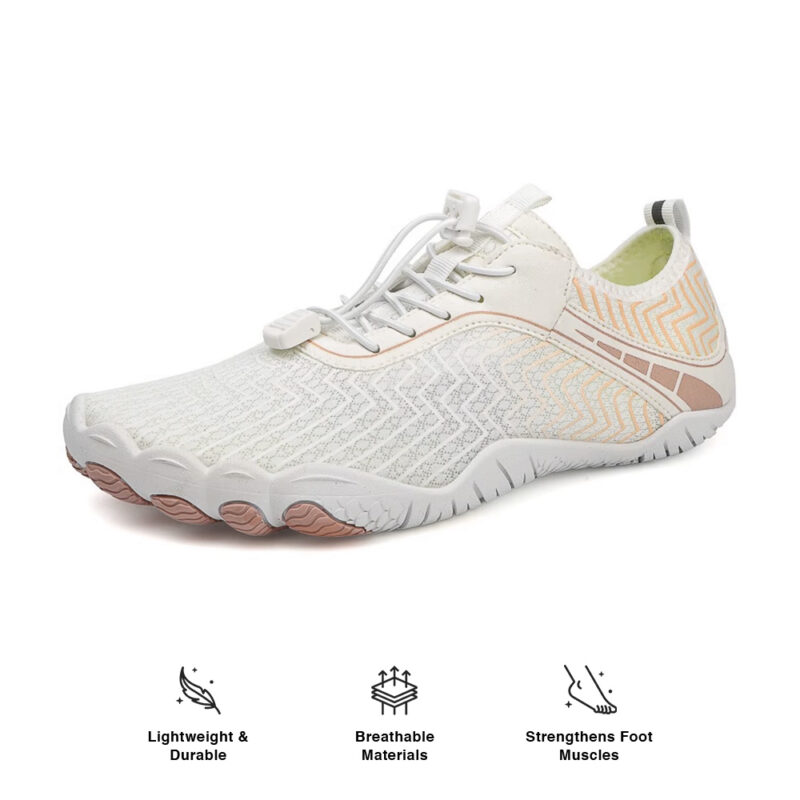
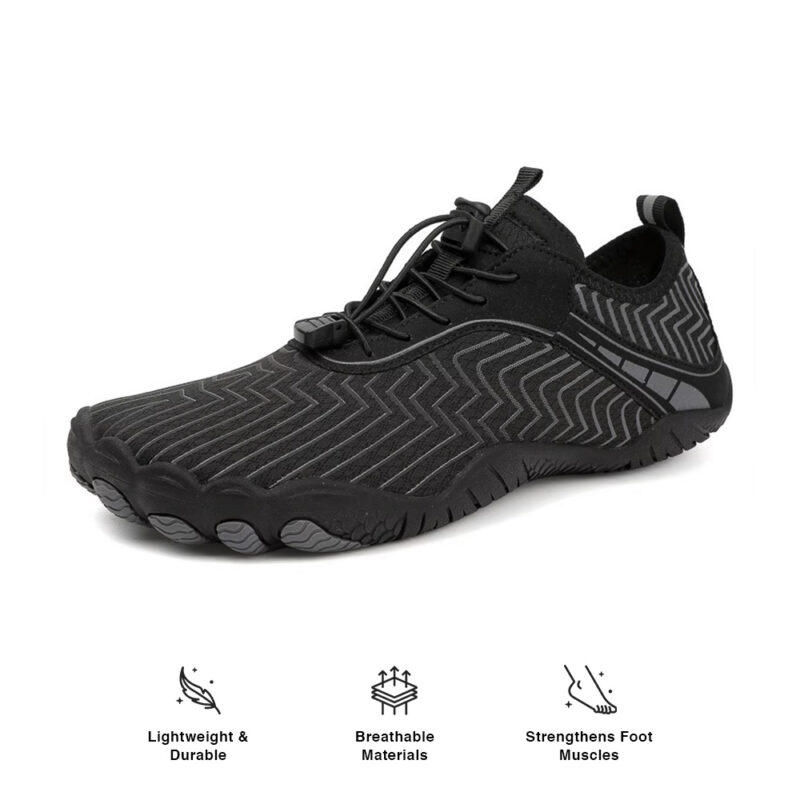
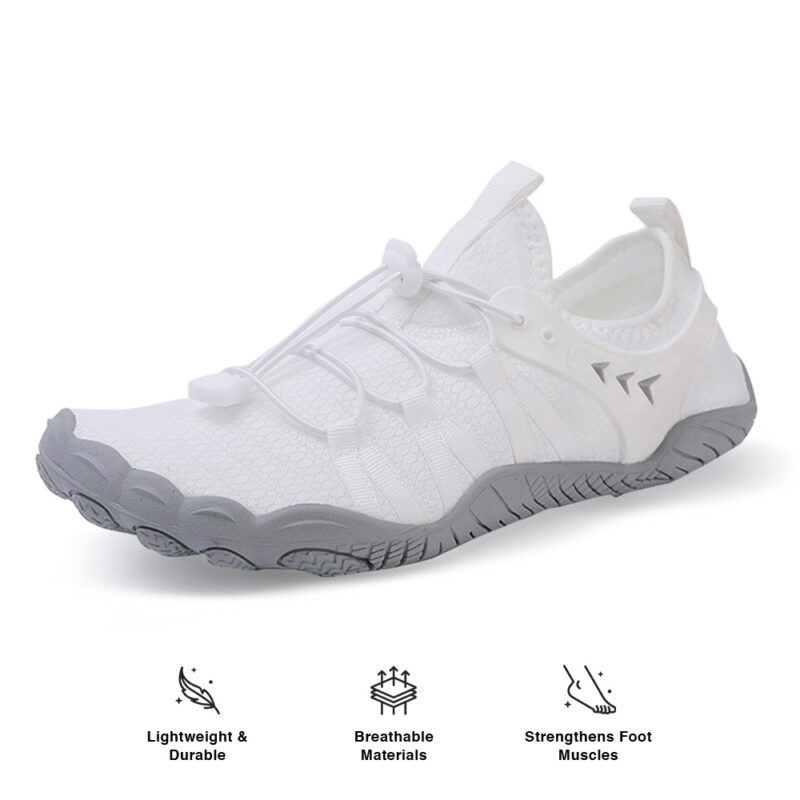
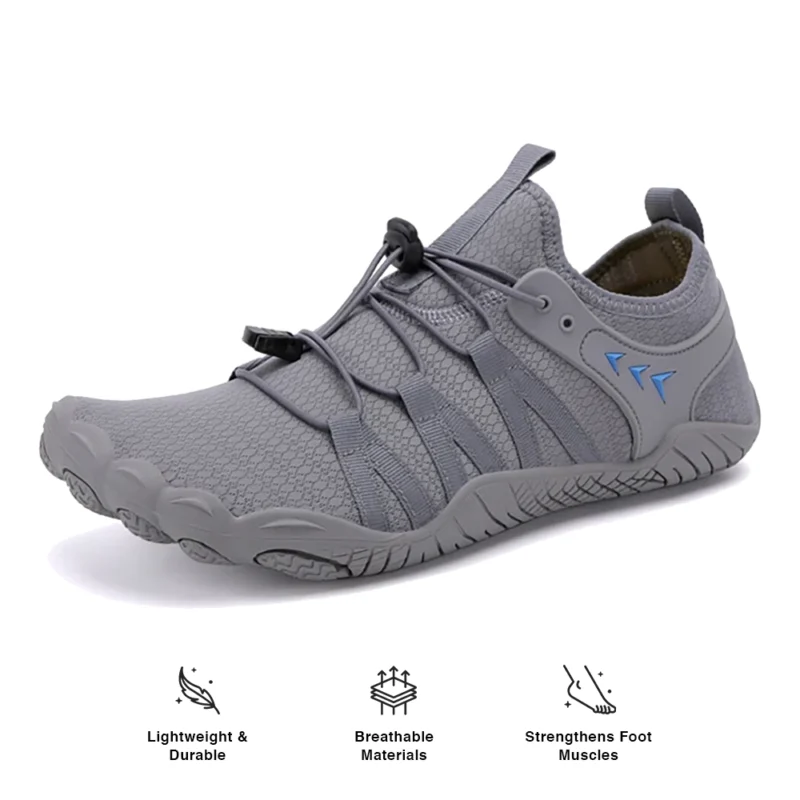
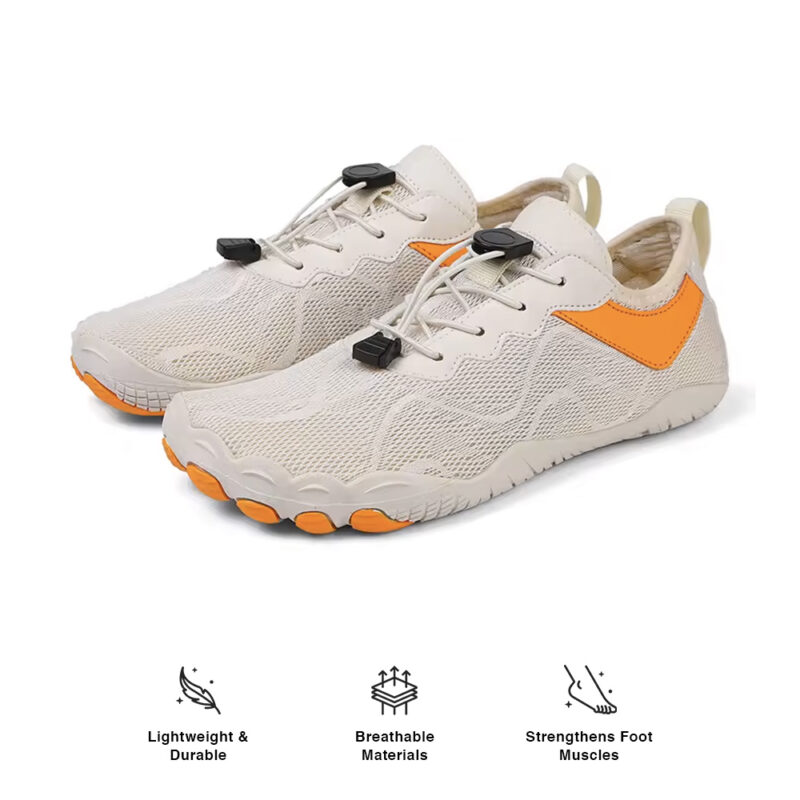
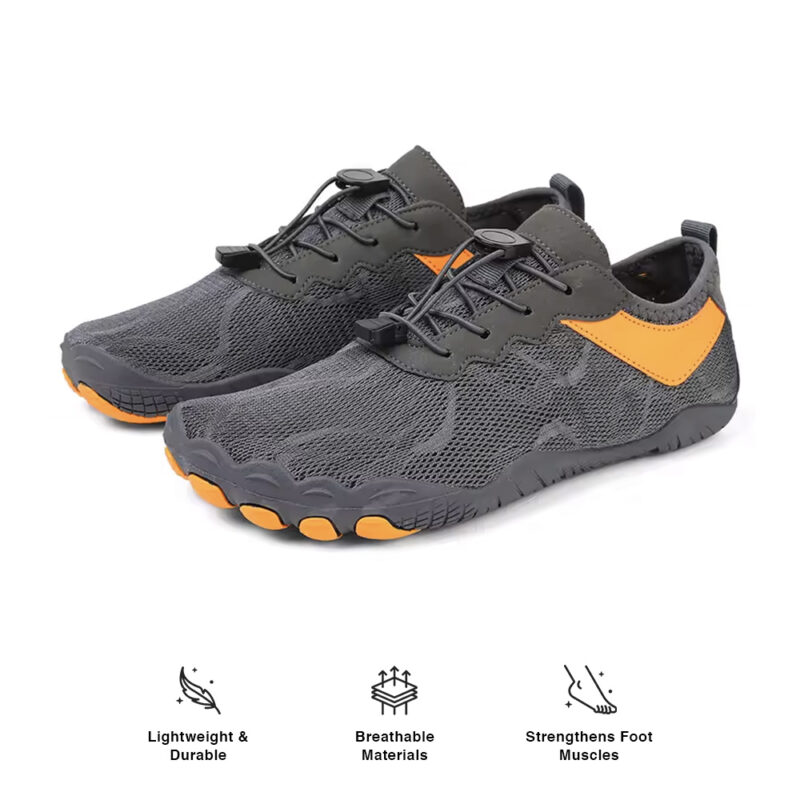
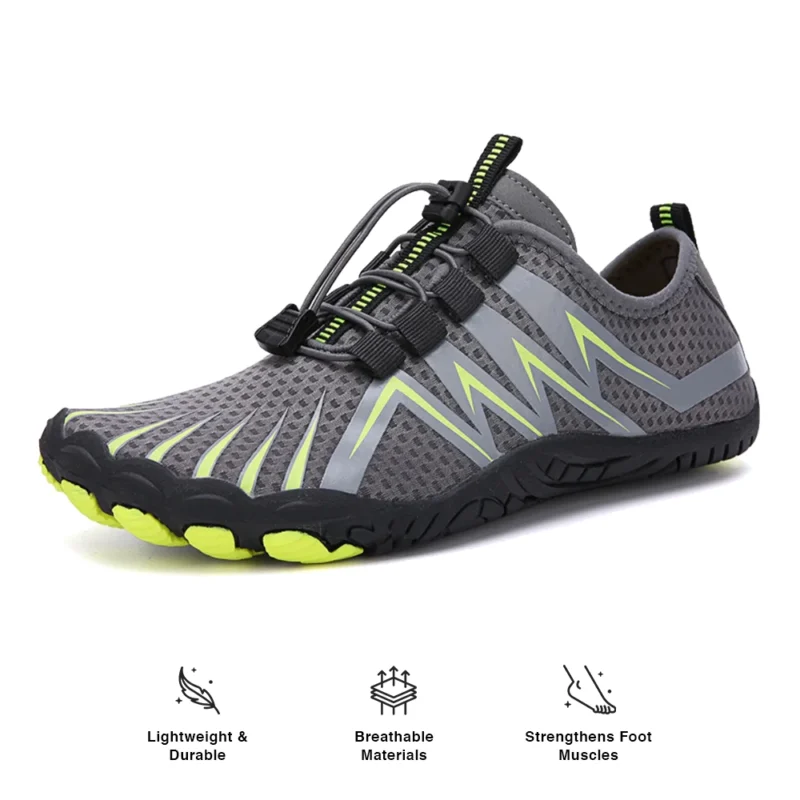
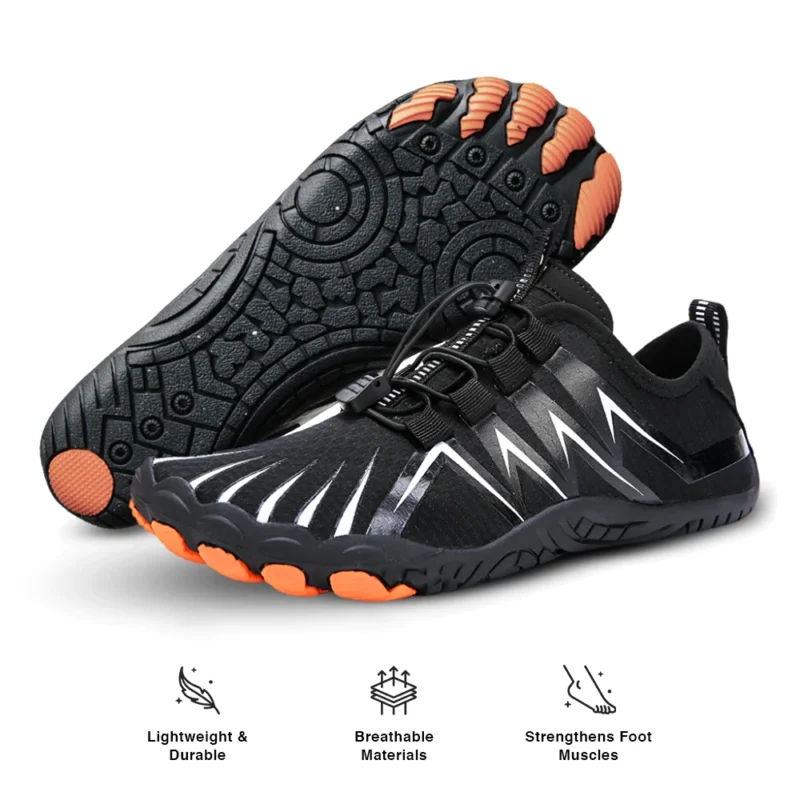
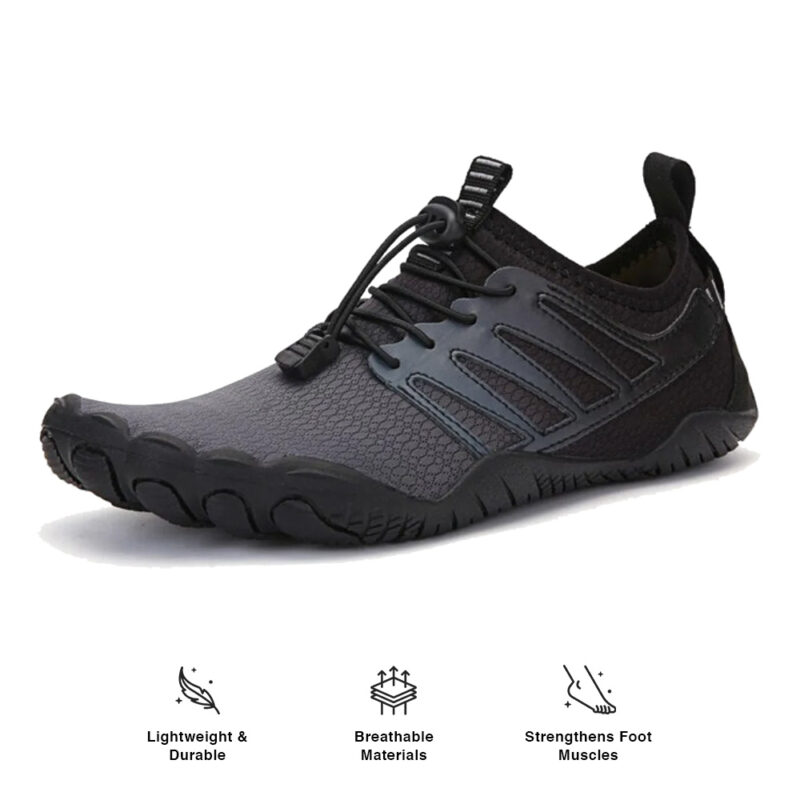
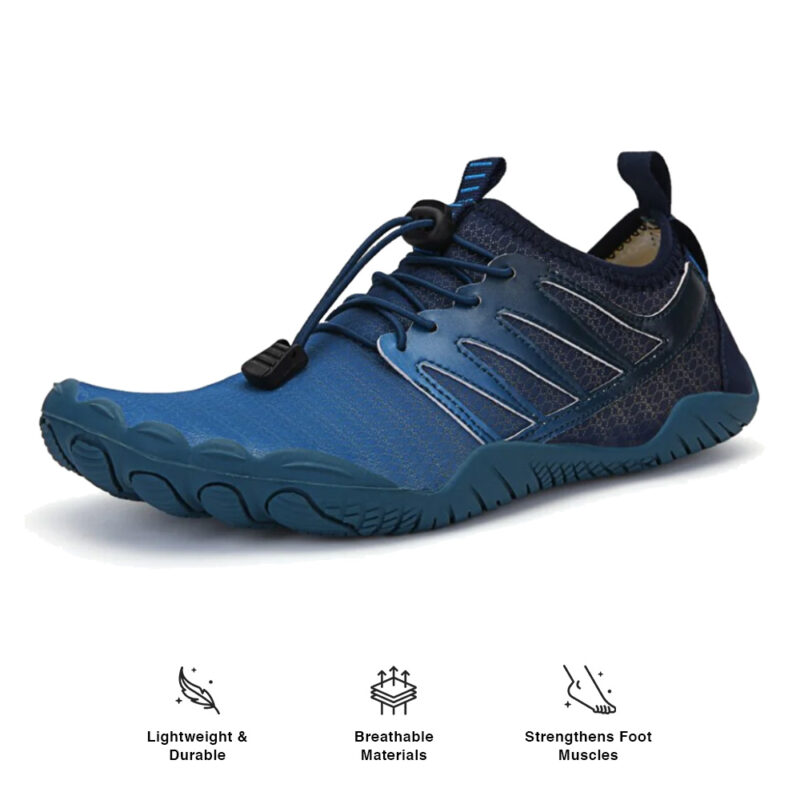
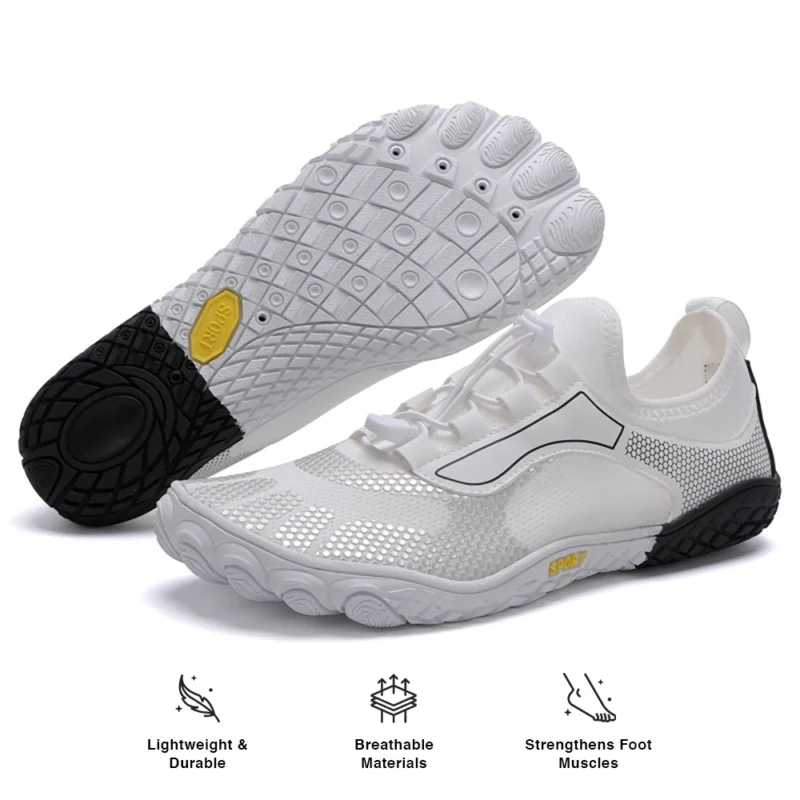
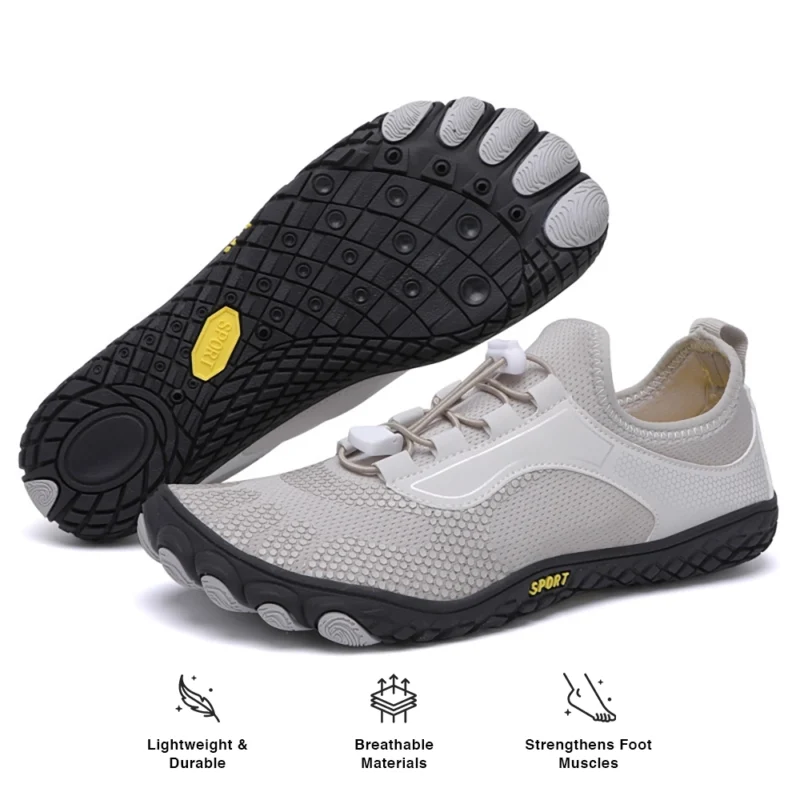
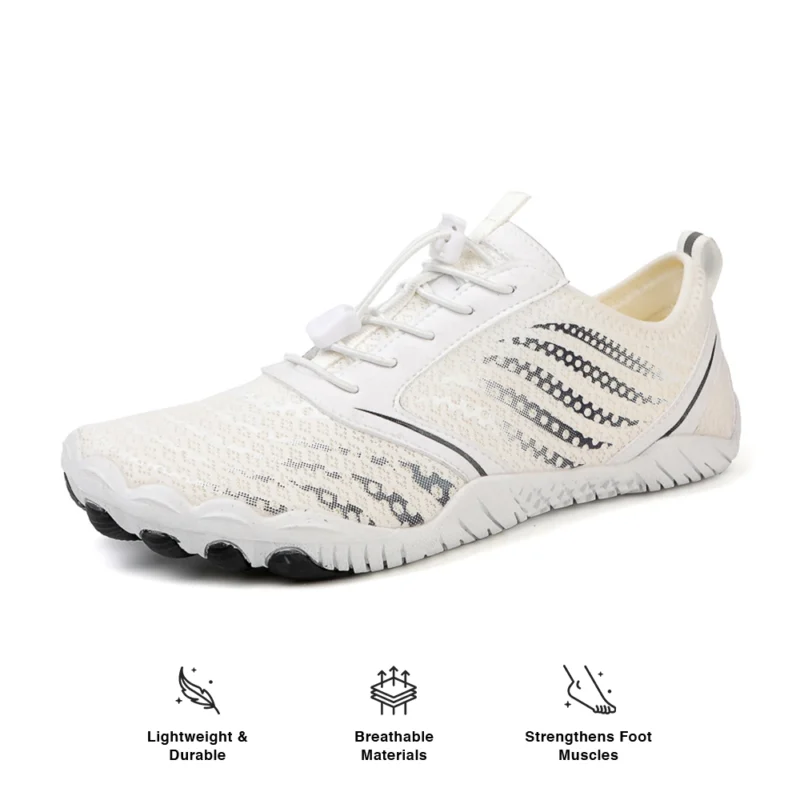
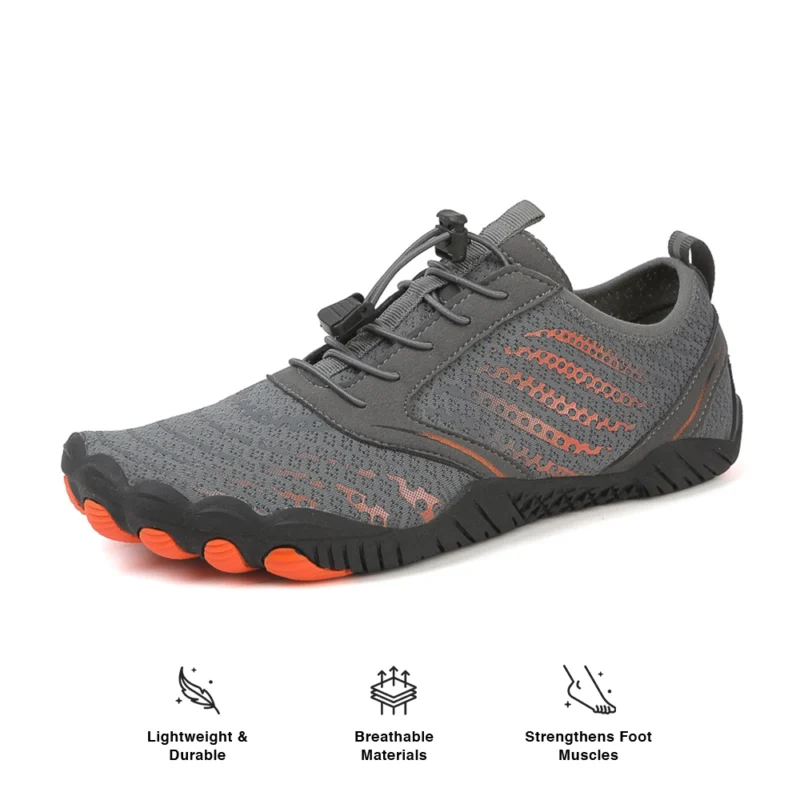
Every time you lace up traditional running shoes, you're essentially putting your feet in a cast. Those thick soles and rigid structures that manufacturers claim will protect you are actually doing the opposite – they're preventing your foot muscles from doing their natural job. When you're searching for what is the best running shoe, you're really asking how to rebuild the connection between your feet and the ground. Minimalist running shoes allow every step to engage the small stabilizing muscles in your feet, gradually building the strength that traditional footwear has been stealing from you. Start your transition slowly, allowing just 10-15 minutes of barefoot-style running every other day to begin awakening these dormant muscles.
Your Running Form Is Fighting Against You
That heel-striking pattern that feels so natural in thick-soled shoes isn't actually natural at all – it's a learned behavior that comes from being disconnected from the ground beneath you. You know that jarring impact you feel with every step, the way your whole body seems to fight against forward momentum? That's your body compensating for unnatural movement patterns. What is the best running shoe for natural form? One with minimal heel-to-toe drop that encourages midfoot or forefoot striking, allowing your body to use its built-in shock absorption system. This transition will teach you to land softly and efficiently, turning each step into fluid forward motion rather than a battle against impact.
You're Spending Money on Temporary Solutions
The running shoe industry has convinced you that the answer to foot problems is more technology, more features, more support – and more money every few months. You've probably noticed that each "revolutionary" new shoe feels great for a few weeks, then the same old issues creep back in. The truth about what is the best running shoe is that it's not about adding more artificial support, but about removing the barriers that prevent your feet from supporting themselves. Minimalist shoes last longer because they're simpler, and your feet get stronger instead of weaker, breaking the cycle of dependence on expensive, high-tech footwear that ultimately fails you.
Your Balance and Stability Are Compromised
Those thick, cushioned soles that promise comfort are actually creating instability with every step you take. You can feel it on uneven terrain – that wobbly, uncertain feeling that makes you second-guess your footing. Your proprioceptive system, which helps you sense your body's position and maintain balance, thrives on ground feedback that traditional shoes completely block. When you're wondering what is the best running shoe for stability, the answer is one that gives you maximum ground connection. This direct feedback loop between your feet and the terrain allows your body to make instant micro-adjustments, improving not just your running balance but your overall stability throughout daily life.
You're Missing the Joy of Natural Movement
Remember being a kid and running barefoot across grass or sand, feeling completely free and connected to the earth beneath you? That sensation of effortless, joyful movement isn't just nostalgia – it's your body's memory of how running is supposed to feel. Modern running shoes have built walls between you and that experience, turning what should be natural and pleasurable into something that requires recovery time and causes discomfort. What is the best running shoe for rediscovering this joy? One that gets as close as possible to barefoot while still protecting your feet from hazards. When you feel the ground beneath you, when every step becomes a conversation between your foot and the earth, running transforms from exercise into pure movement meditation.
Your Body's Natural Shock Absorption Is Shut Down
Your feet, ankles, calves, and legs form an incredible natural suspension system that's far more sophisticated than any foam or gel technology. But traditional running shoes bypass this entire system, sending impact straight up your skeletal structure instead of allowing your muscles and joints to absorb and distribute force naturally. The stiffness and soreness you feel after runs often comes from your body working against artificial interference rather than with its own design. The best running shoe works with your natural biomechanics, allowing your calves to act as springs, your arches to flex and rebound, and your entire kinetic chain to participate in smooth, efficient movement. Practice landing softly on your midfoot during short runs, feeling how your body naturally wants to absorb each step.
You Deserve Lasting Comfort, Not Temporary Relief
True comfort isn't something you buy – it's something you build through allowing your body to function as it was designed. Those few weeks of bliss you get from new shoes aren't real comfort; they're just temporary relief from the problems that artificial support creates in the first place. What is the best running shoe for long-term comfort? One that helps your feet become strong, flexible, and resilient rather than dependent on external support. This kind of comfort grows over time, becoming more reliable and lasting than anything you can purchase, because it comes from your own body's increasing capability and strength.