Why Your Current Marathon Training Shoes Are Holding You Back
You've been told that marathon running demands maximum cushioning and support, but here's what's really happening: those thick, restrictive shoes are creating dependency rather than strength. Every step in heavily-cushioned footwear weakens your foot's natural stabilizing muscles and forces an unnatural heel-strike pattern that sends shock waves through your entire kinetic chain. The best running shoes for running a marathon actually work the opposite way – they strengthen your feet from the ground up, creating a more efficient and injury-resistant running stride. Start your transition gradually, beginning with just 10-15 minutes of barefoot or minimalist running after your regular training runs to begin awakening those dormant foot muscles.
Breaking Free from the Expensive Shoe Replacement Cycle
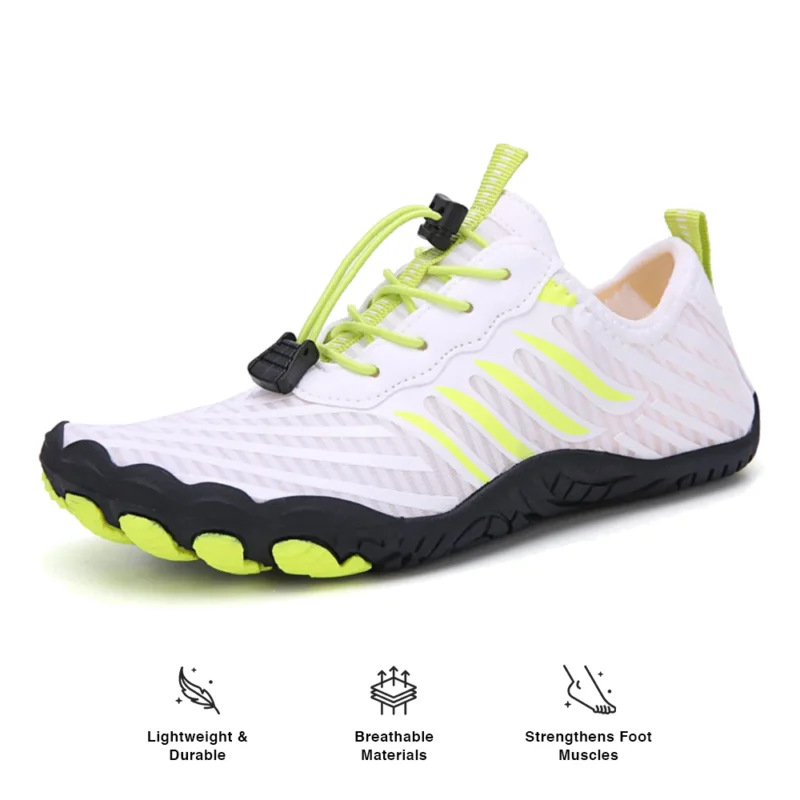
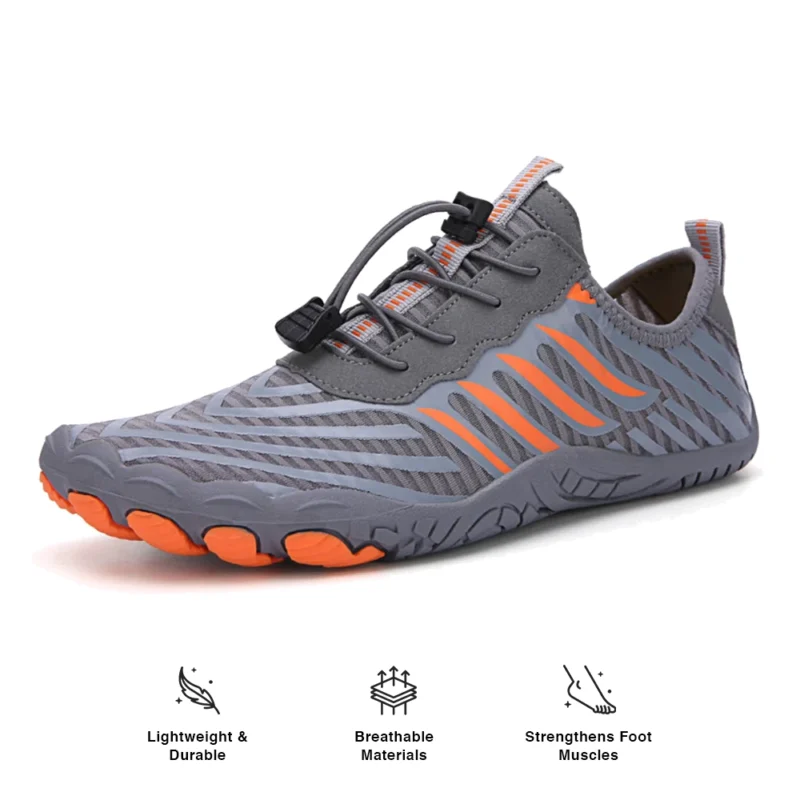
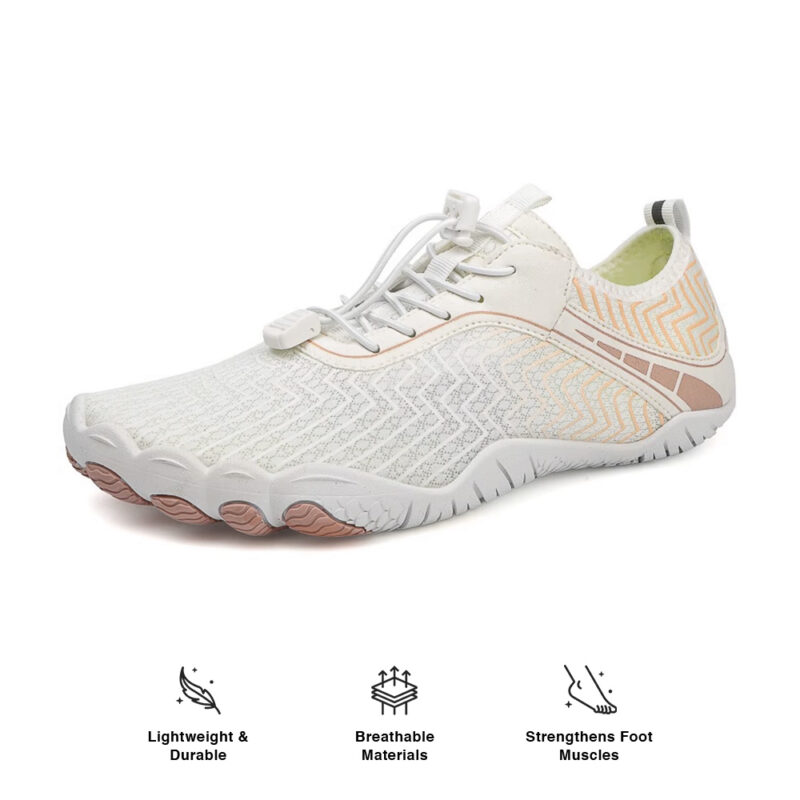
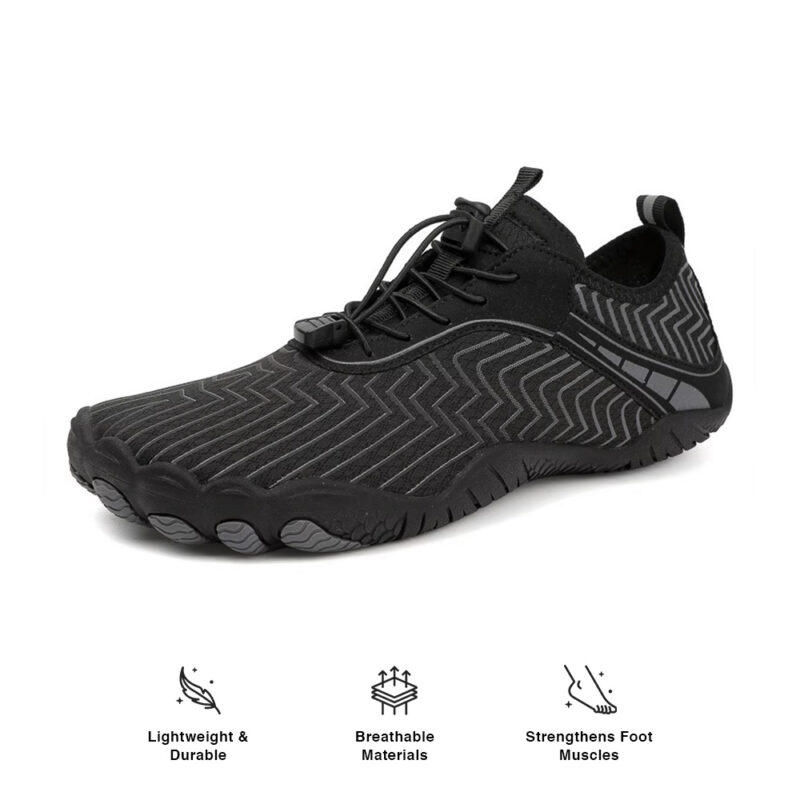
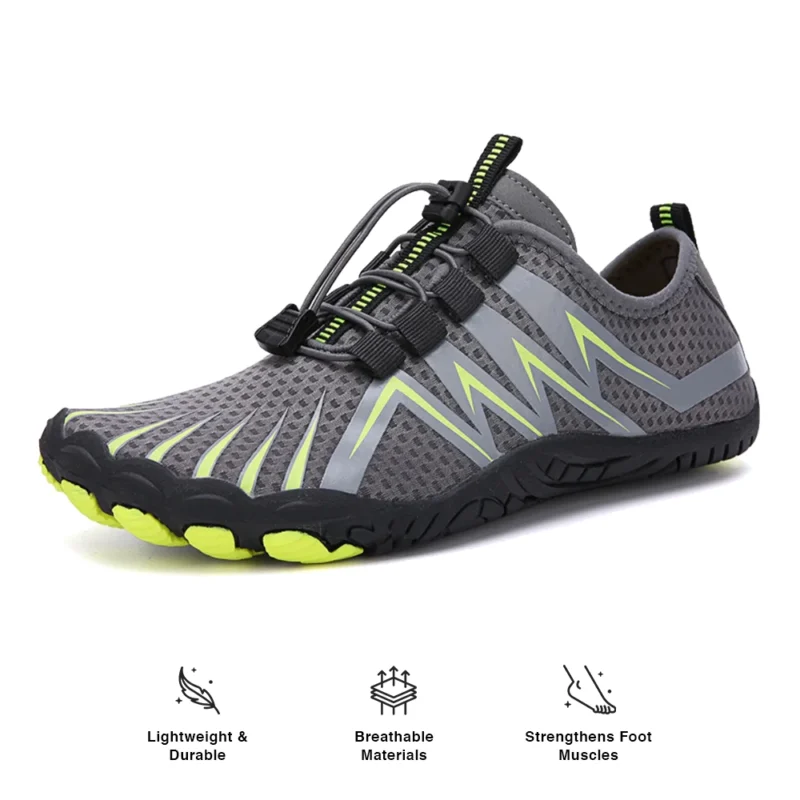
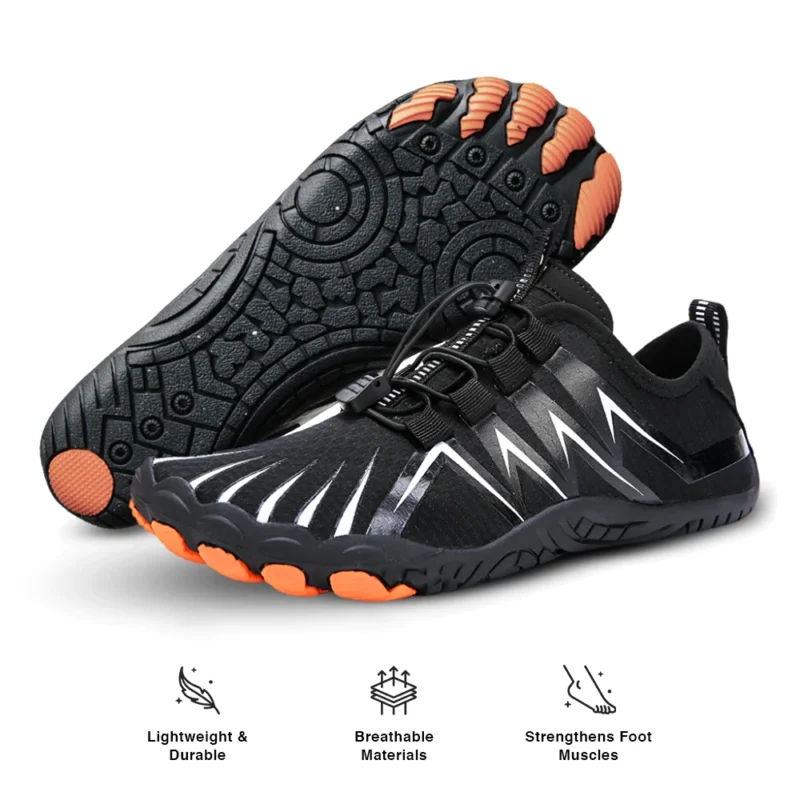
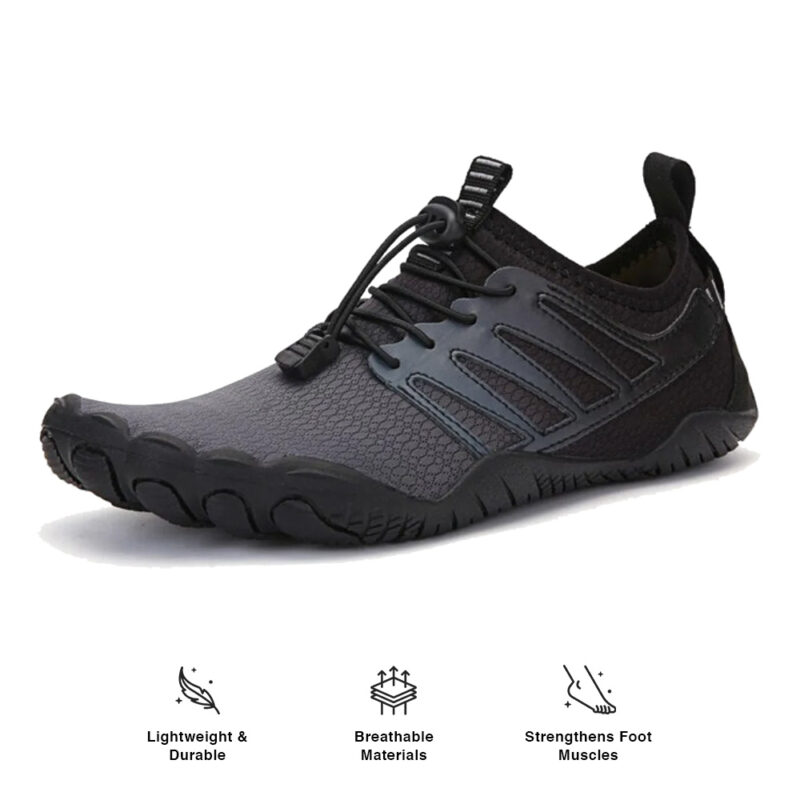
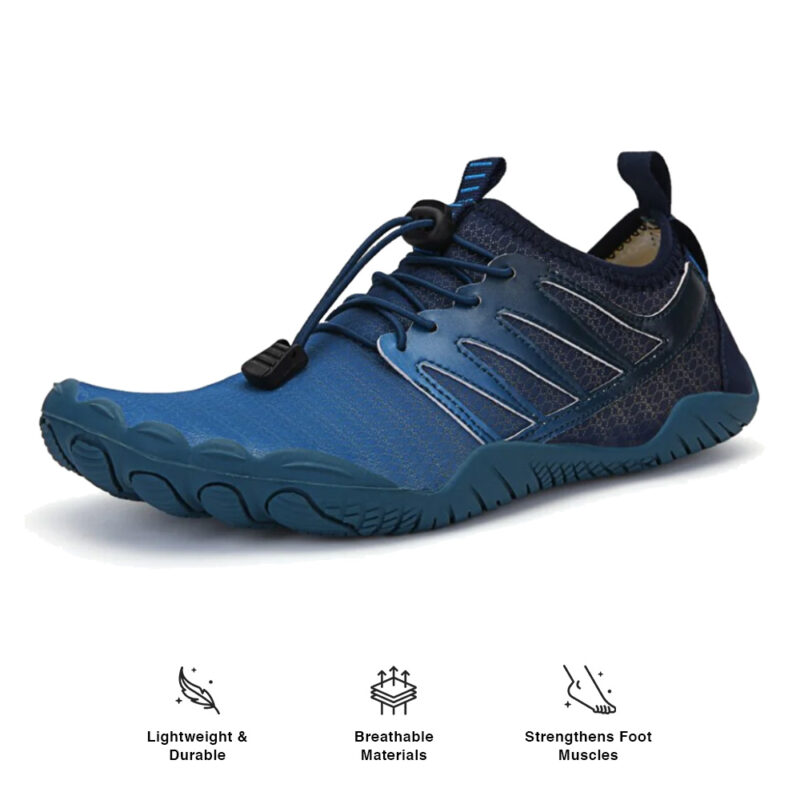
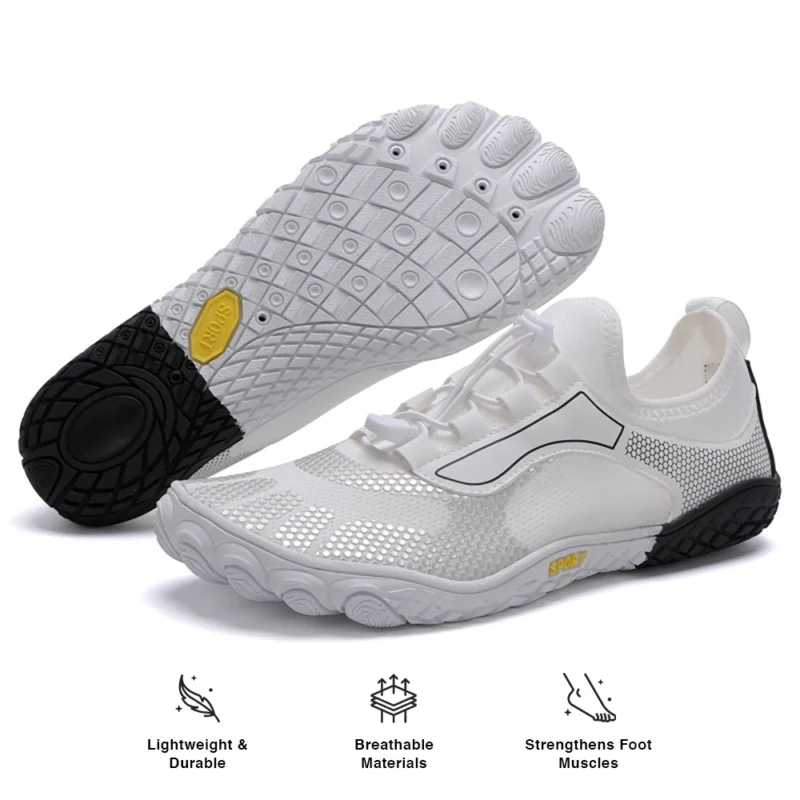
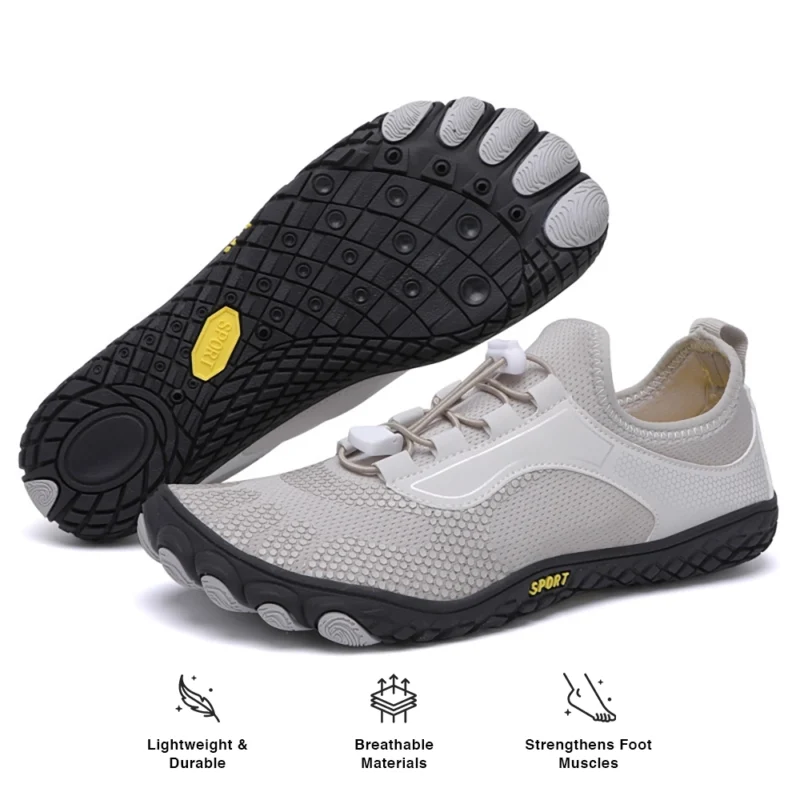
The frustration of replacing expensive marathon shoes every few hundred miles stems from their complex construction and artificial materials that break down under stress. Traditional running shoes rely on foam midsoles and synthetic components that compress and lose their properties over time, forcing you into a costly replacement cycle that can drain hundreds of dollars from your running budget each year. When you choose minimalist designs for your best running shoes for running a marathon, you're investing in simplicity and durability – shoes with fewer components to fail and materials that actually improve with use. Look for shoes with durable outsoles made from natural rubber compounds and uppers constructed from breathable, flexible materials that move with your feet rather than against them.
Unlocking Natural Ground Connection for Better Performance
That disconnected feeling you experience during long training runs isn't just in your head – it's the direct result of thick, cushioned soles that block vital sensory feedback from the ground. Your feet contain thousands of nerve endings designed to provide real-time information about terrain, balance, and foot position, but traditional marathon shoes muffle this crucial communication system. The best running shoes for running a marathon maintain this natural connection through thin, flexible soles that allow your proprioceptors to function properly, leading to better balance, more efficient stride mechanics, and reduced injury risk. Practice running on varied surfaces like grass, trails, and track surfaces to redevelop this natural sensory awareness that thick shoes have dulled over the years.
Building Marathon-Ready Foot Strength Instead of Dependency
Traditional marathon training focuses on building cardiovascular endurance and leg strength while completely ignoring the foundation that supports every single step – your feet. Cushioned shoes with arch supports and motion control features essentially put your feet in a cast, preventing the natural strengthening that occurs when your foot muscles work to stabilize and propel you forward. True best running shoes for running a marathon allow your intrinsic foot muscles to engage and strengthen with every step, creating a more resilient and powerful foundation for those final brutal miles of your race. Incorporate short barefoot walks and calf raises into your daily routine to accelerate this natural strengthening process.
Improving Recovery Through Natural Foot Function
Post-run recovery isn't just about stretching and hydration – it's also about circulation and natural foot movement that traditional shoes severely restrict. Narrow toe boxes and rigid constructions prevent your feet from spreading naturally, reducing blood flow and keeping your foot muscles in a contracted, stressed position even when you're not running. The best running shoes for running a marathon feature wide toe boxes and flexible constructions that allow full toe splay and natural foot expansion, promoting better circulation and faster recovery between training sessions. Spend time each evening with your feet completely unrestricted, performing gentle toe spreads and foot flexion exercises to enhance this natural recovery process.
Developing Efficient Marathon Biomechanics Naturally
The heel-striking pattern encouraged by heavily-cushioned shoes creates a braking force with every step, wasting energy and increasing impact forces throughout your body during those crucial marathon miles. Natural running biomechanics favor a midfoot or forefoot strike pattern that utilizes your body's built-in shock absorption systems – your calves, achilles tendons, and foot arches working together as nature designed. When searching for best running shoes for running a marathon, prioritize designs that encourage this natural landing pattern through minimal heel-to-toe drop and flexible construction that doesn't interfere with your body's preferred movement patterns. Practice short intervals of focused midfoot landing during easy runs to gradually develop this more efficient technique.
Race Day Confidence Through Consistent Training Footwear
Nothing destroys marathon performance like introducing new variables on race day, yet many runners make the mistake of switching to "special" marathon shoes that differ significantly from their training footwear. The best running shoes for running a marathon are the same shoes you've been training in consistently for months – shoes your feet know intimately and trust completely. This consistency eliminates the risk of blisters, pressure points, or biomechanical changes that can derail months of preparation, while ensuring your feet and legs are perfectly adapted to the specific demands your chosen footwear places on your body. Train in the exact shoes you plan to race in for at least your final 8-10 weeks of marathon preparation, including your longest training runs.