Why Your Current Deck Shoes Fight Against Your Natural Movement
You've felt it countless times—that moment when your foot wants to flex and adjust to a boat's movement, but your shoe holds it rigid. Traditional deck shoes force your feet into unnatural positions with thick, inflexible soles and narrow designs that compress your toes together. This creates instability precisely when you need maximum control and balance.
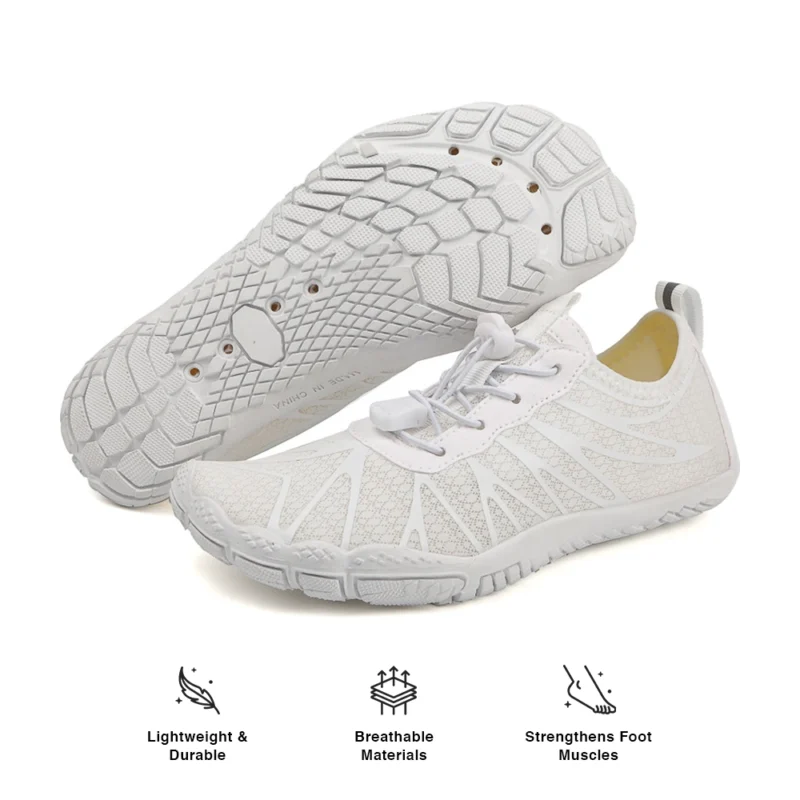
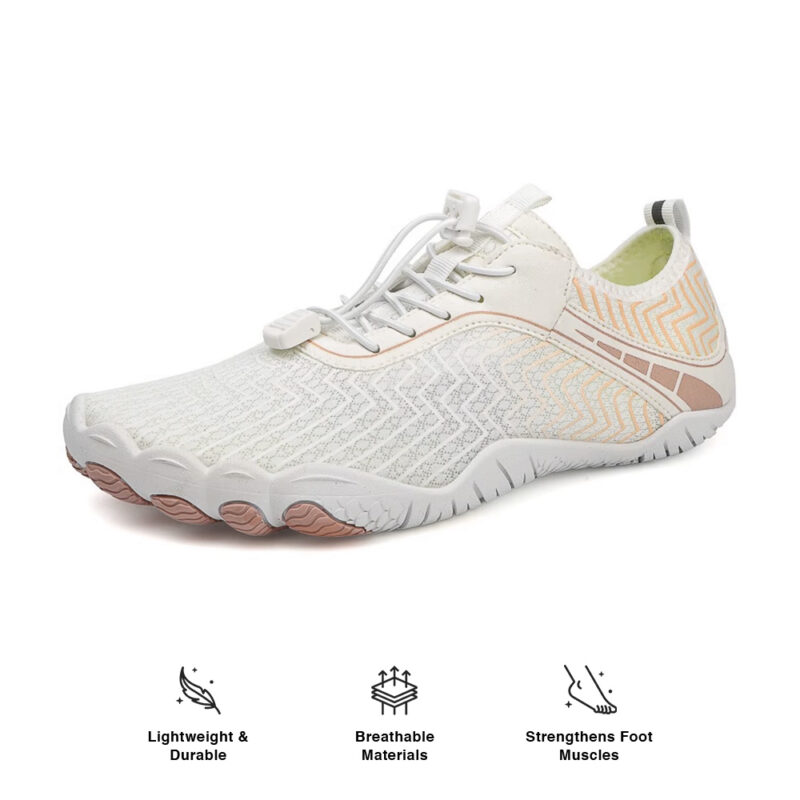
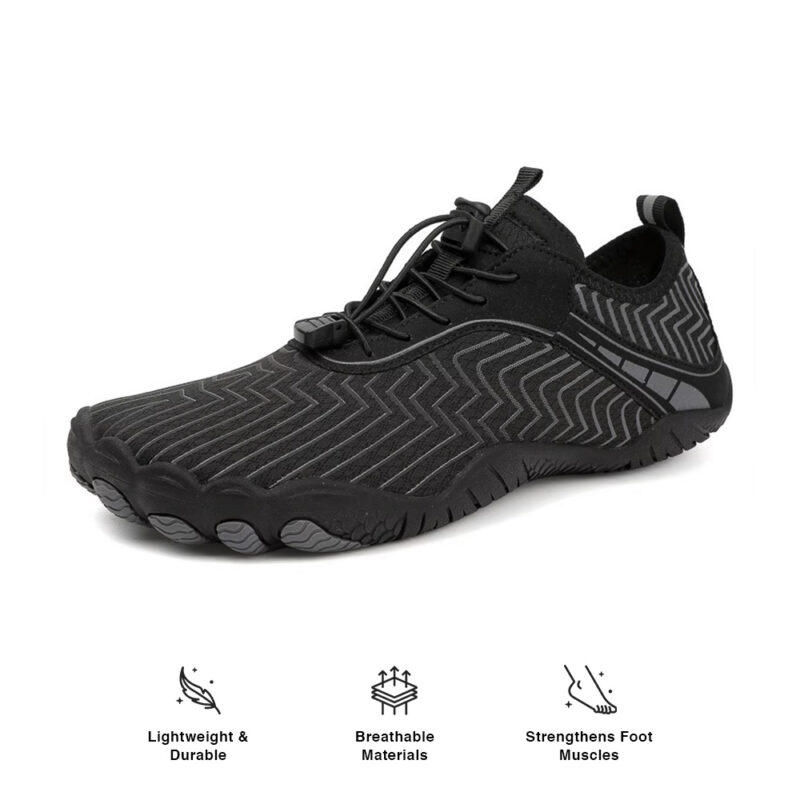
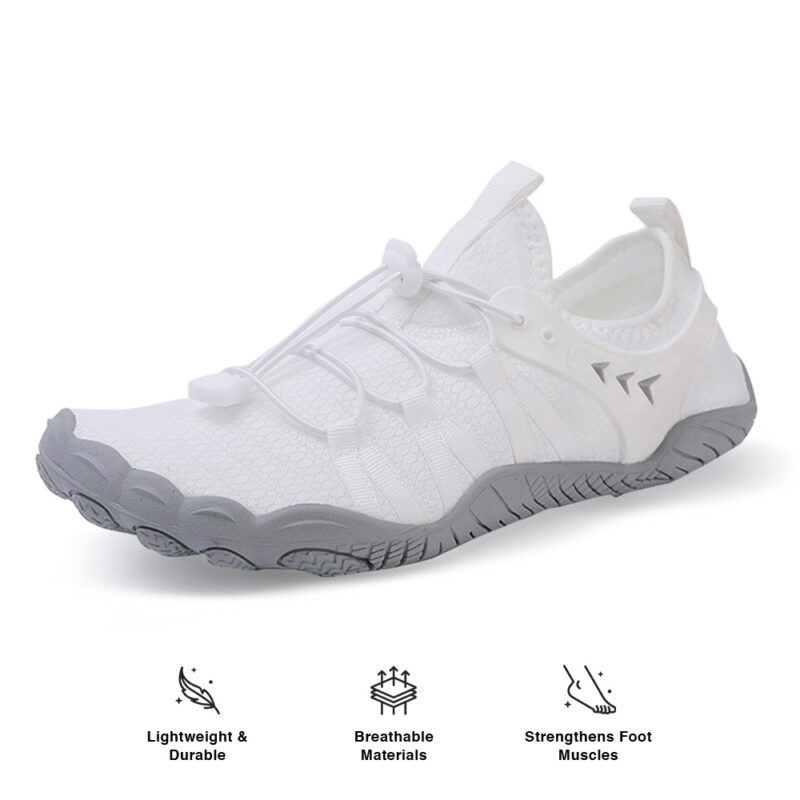
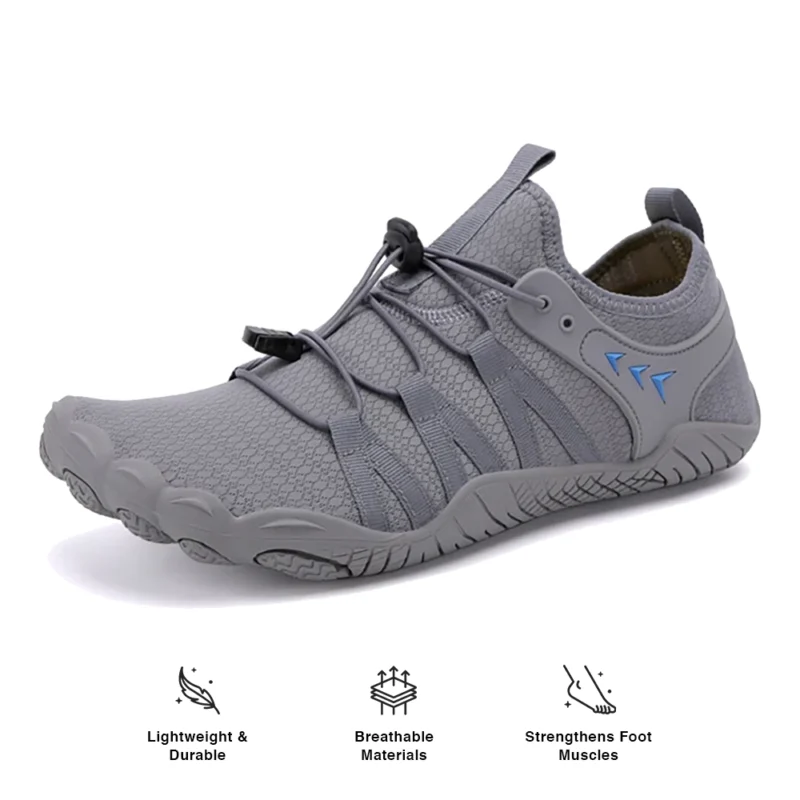
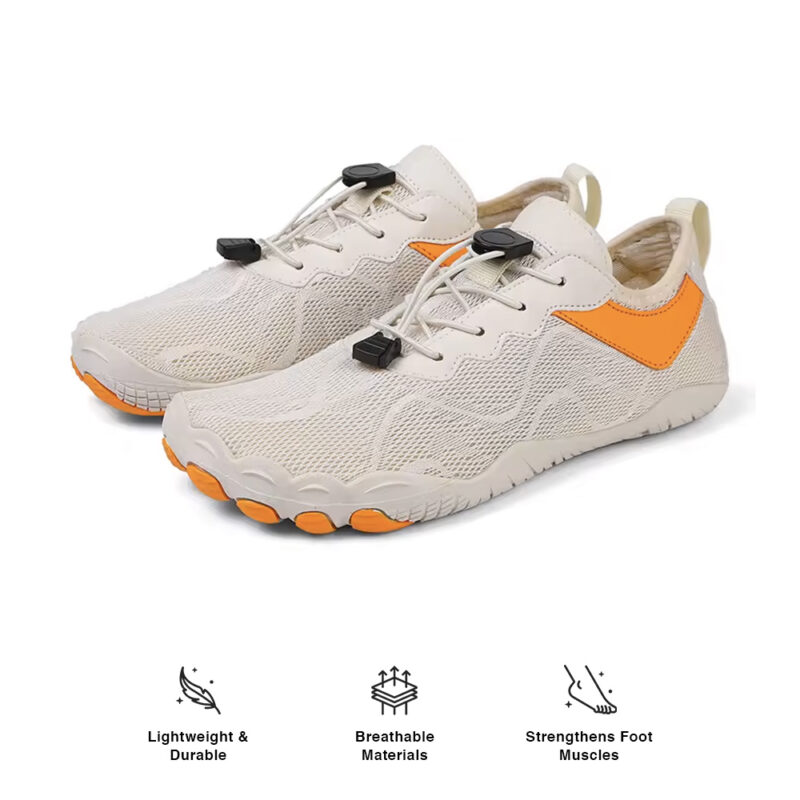
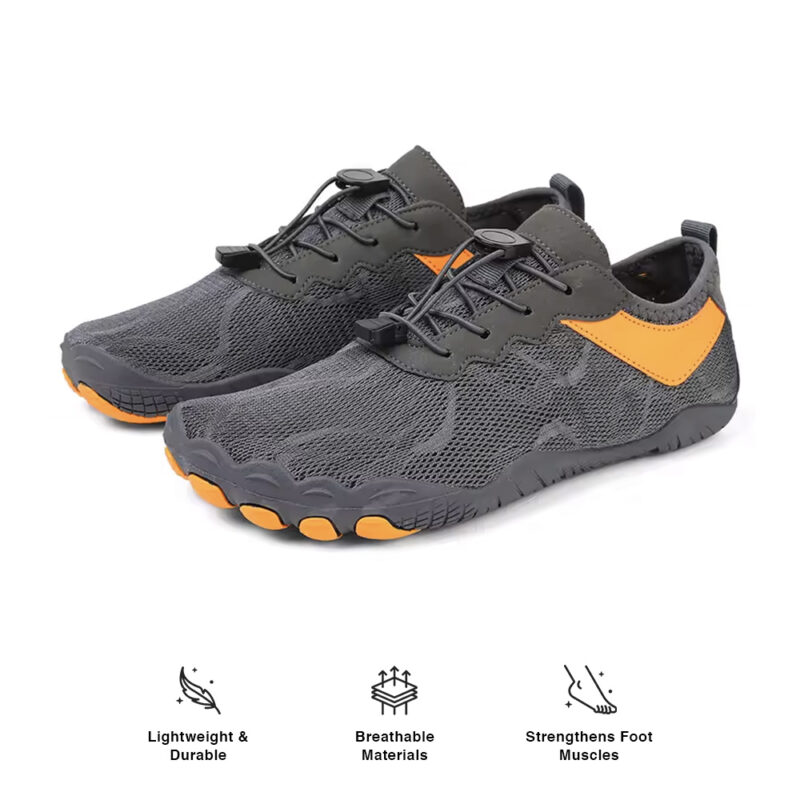
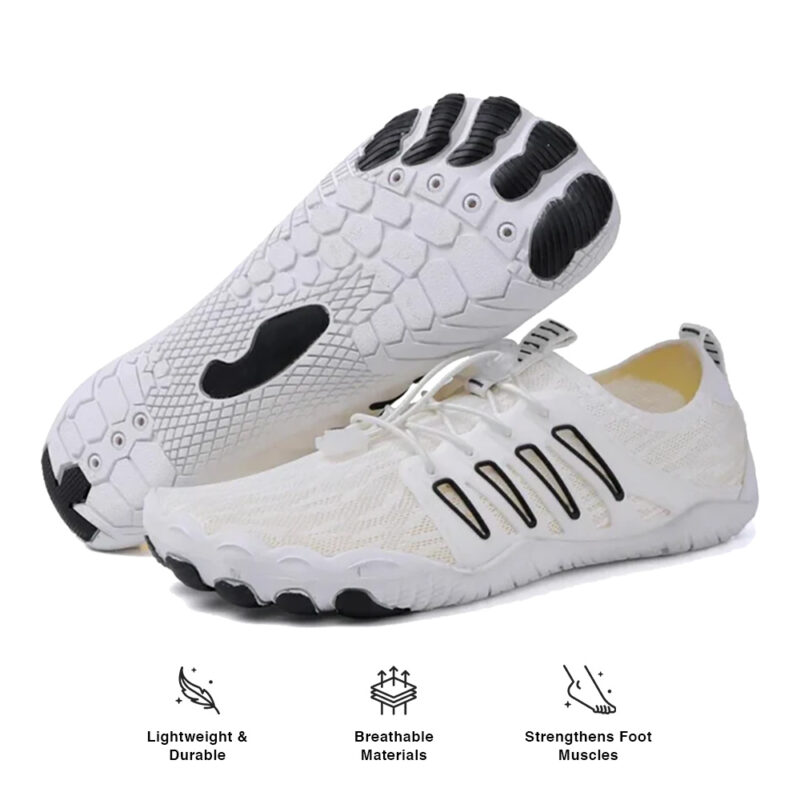
The best deck shoes work differently. They feature ultra-thin, flexible soles that let you feel every surface change, allowing your foot's 26 bones and 33 joints to work as nature intended. When your feet can spread naturally and grip through their own strength, you develop genuine sea legs that adapt instinctively to any deck condition. Look for shoes with zero-drop designs that keep your heel and forefoot at the same level, promoting natural posture and reducing fatigue during long days on the water.
How Wide Toe Boxes Transform Your Deck Performance
Your toes are your primary balance sensors, but most boat shoes squeeze them into pointed shapes that kill proprioception. When your toes can't spread naturally, you lose the stability feedback that helps you navigate wet decks and shifting surfaces confidently.
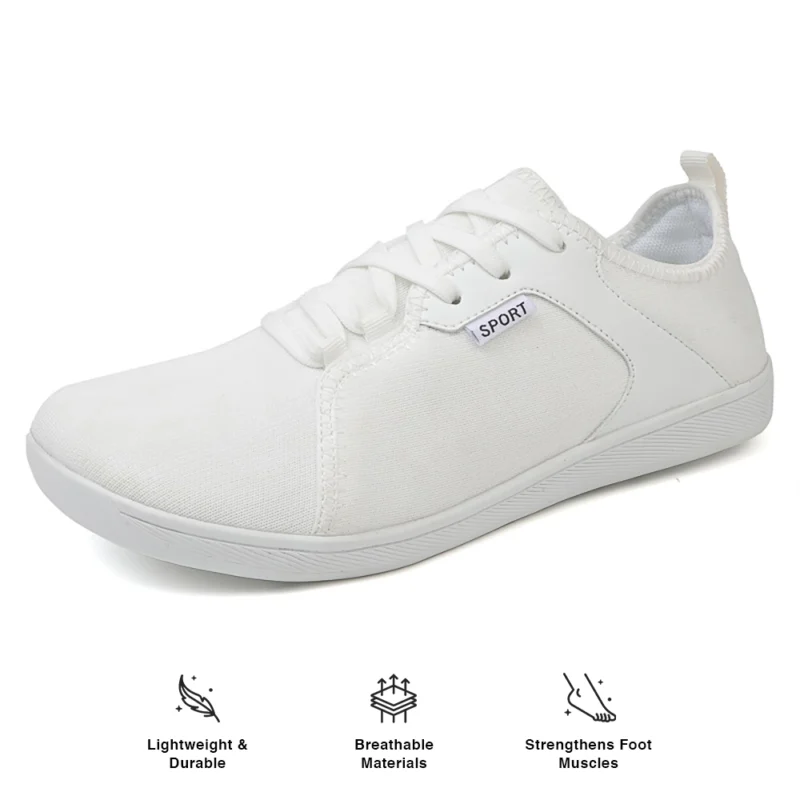
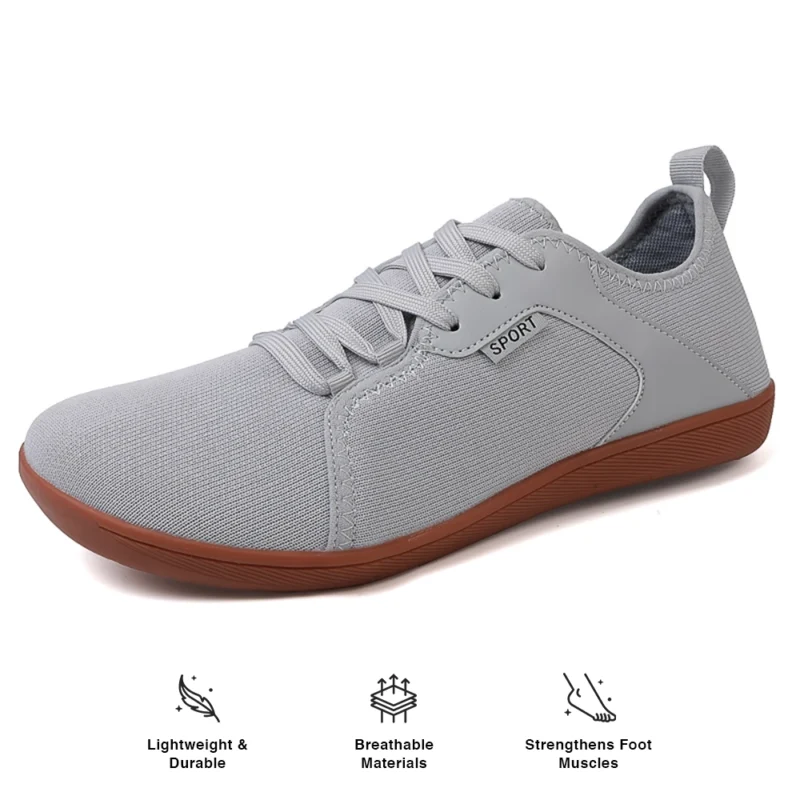
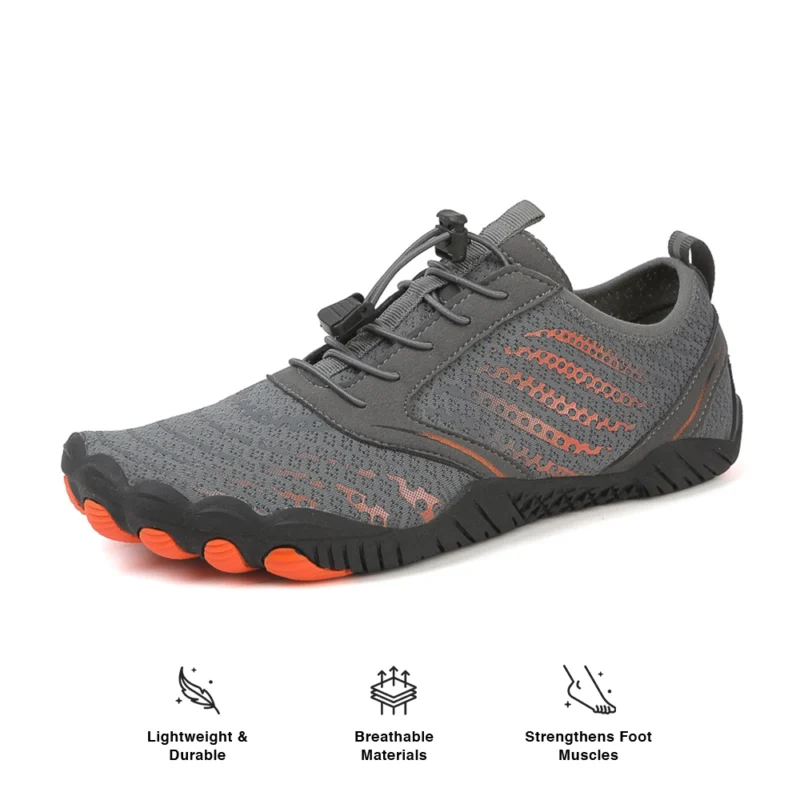
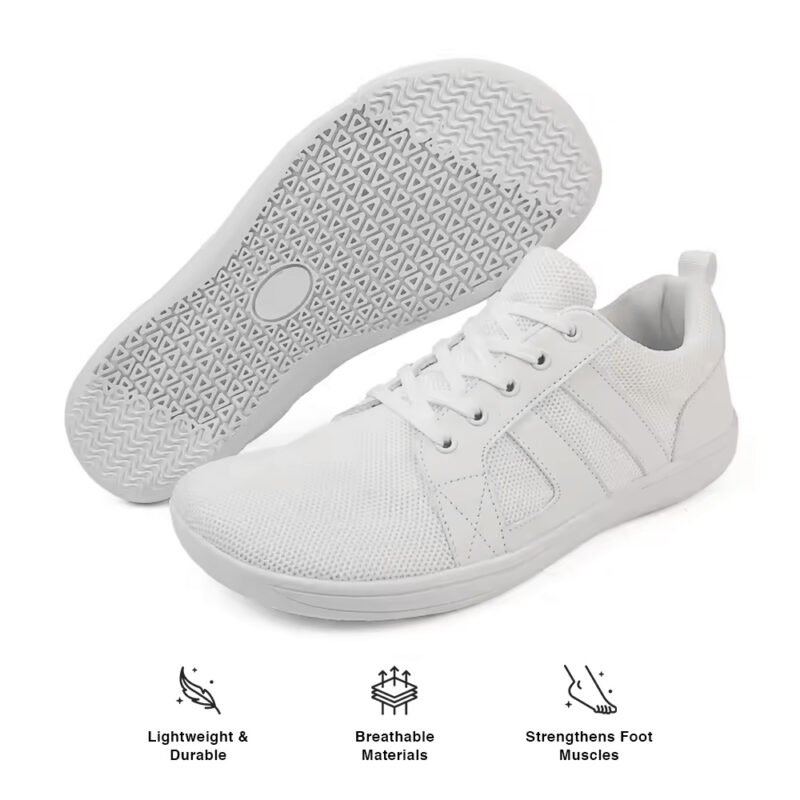
Premium minimalist deck shoes feature anatomically shaped toe boxes that mirror your foot's natural outline. This design allows your toes to fan out for maximum surface contact and sensory input. You'll immediately notice improved balance when moving around the boat, especially during rough weather or quick maneuvers. The key is finding best deck shoes that prioritize foot shape over fashion trends—your performance and safety depend on it.
Materials That Actually Work With Ocean Environments
Synthetic materials and thick rubber might seem practical, but they create swamp-like conditions inside your shoes. After hours in humid marine environments, trapped moisture leads to blisters, odor, and decreased grip as your feet become slippery inside your shoes.
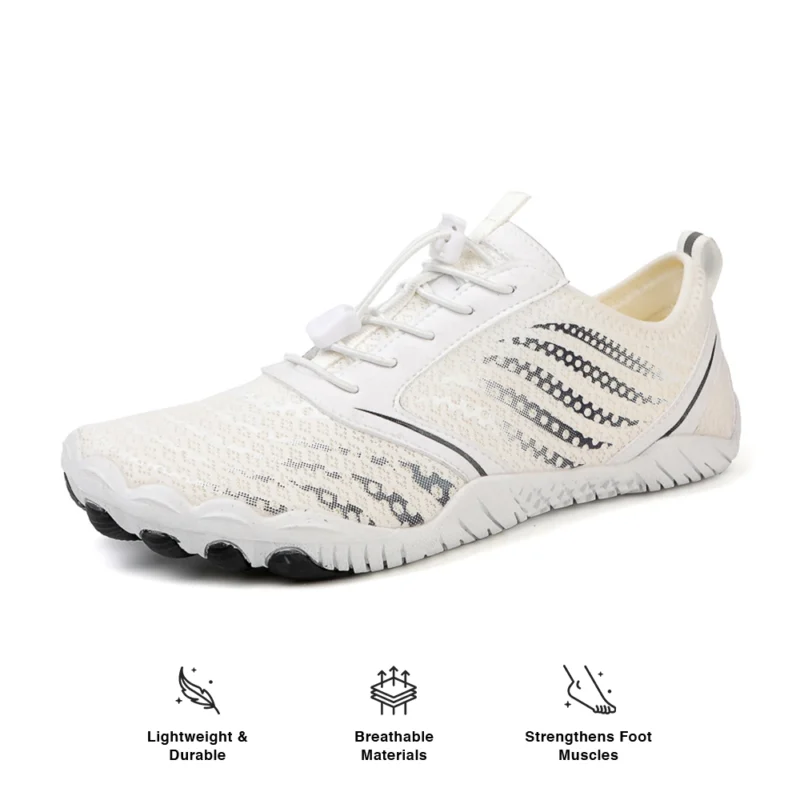
Smart deck shoe design uses breathable, quick-drying materials that work with your body's natural cooling system. Look for uppers made from marine-grade mesh or perforated leather that promotes airflow while resisting saltwater damage. The best deck shoes also feature minimal internal structure, reducing areas where moisture can collect and bacteria can grow. When your feet stay dry and comfortable, you maintain better grip both inside your shoes and on deck surfaces.
Ground Feel Technology for Superior Deck Awareness
Thick rubber soles might protect your feet from sharp objects on land, but they're counterproductive on boats where surface awareness is crucial. When you can't feel what's beneath you, your brain can't make the micro-adjustments that prevent slips and falls.
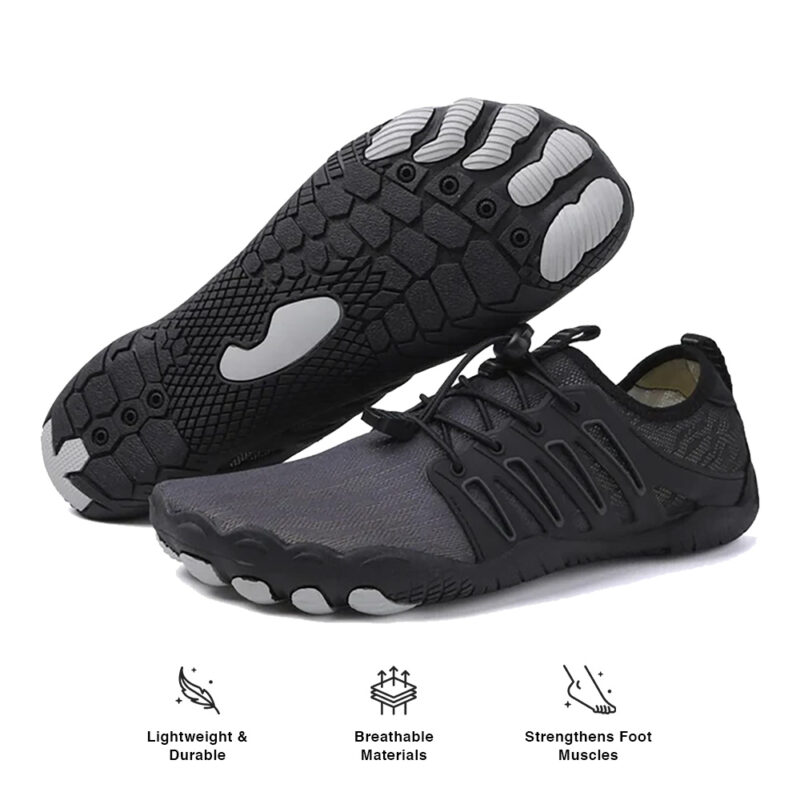
Minimalist deck shoes with thin, puncture-resistant soles provide what sailors call "ground feel"—direct sensory connection to the surface beneath you. This enhanced proprioception helps you detect wet spots, uneven boards, or loose hardware before they become hazards. Your nervous system processes this information instantly, adjusting your weight distribution and gait automatically. Choose best deck shoes with soles thin enough to feel texture but durable enough to handle rough marina surfaces and boat hardware.
Weight Distribution for All-Day Comfort
Heavy, bulky deck shoes throw off your natural gait and create pressure points that worsen throughout long sailing days. Extra weight at your feet forces your entire kinetic chain to compensate, leading to leg, hip, and back fatigue that shouldn't happen from simply walking around a boat.
Lightweight minimalist construction eliminates unnecessary bulk while maintaining durability. The best deck shoes weigh just ounces, letting you forget you're wearing them entirely. This weight reduction allows your natural walking mechanics to function optimally, reducing energy expenditure and joint stress during active days on the water. Seek designs that use minimal hardware and streamlined construction without sacrificing the grip and protection you need for marine environments.
Natural Grip Versus Artificial Traction
Traditional boat shoe soles rely on deep lugs and aggressive tread patterns that work against your foot's natural gripping ability. These designs can actually reduce stability by elevating your foot away from the surface and creating rigid contact points that don't adapt to varying conditions.
The most effective deck shoes use thin, flexible outsoles with subtle texture that enhances rather than replaces your foot's natural grip mechanisms. When your foot can conform to surface irregularities and your toes can actively engage with the deck, you achieve superior traction through biomechanical efficiency rather than artificial aids. This approach works consistently across wet fiberglass, wooden docks, and metal surfaces where traditional treads often fail.
Transition Training for Your New Deck Shoes
Switching to minimalist deck shoes requires a gradual approach, especially if you've worn traditional boat shoes for years. Your feet and lower legs need time to redevelop the strength and coordination that supportive footwear has been doing for them.
Start by wearing your new best deck shoes for short sailing trips or marina walks, gradually increasing duration as your feet adapt. Focus on how the enhanced ground feel improves your balance and confidence on different surfaces. Within weeks, you'll notice stronger foot and ankle muscles, better posture, and the kind of sure-footed confidence that makes you a more capable sailor in any conditions.