Best Running Shoes for Marathon
Section 1
You're a dedicated runner with your sights set on conquering 26.2 miles. You've put in countless training hours, but there's one nagging concern that keeps surfacing: will your feet hold up when it matters most?
Marathon runners like you face real footwear challenges. Your feet swell during long runs, leaving you with hot spots and discomfort. Traditional shoes often create pressure points that become unbearable after mile 15. You worry about blisters derailing months of preparation. Most frustrating of all, bulky shoes can throw off your natural stride, leading to inefficient running and potential injury.
What you truly need in the best running shoes for marathon training and race day is footwear that works with your body, not against it. You want shoes that allow your feet to move naturally, adapt to changing conditions, and support your unique gait patterns.
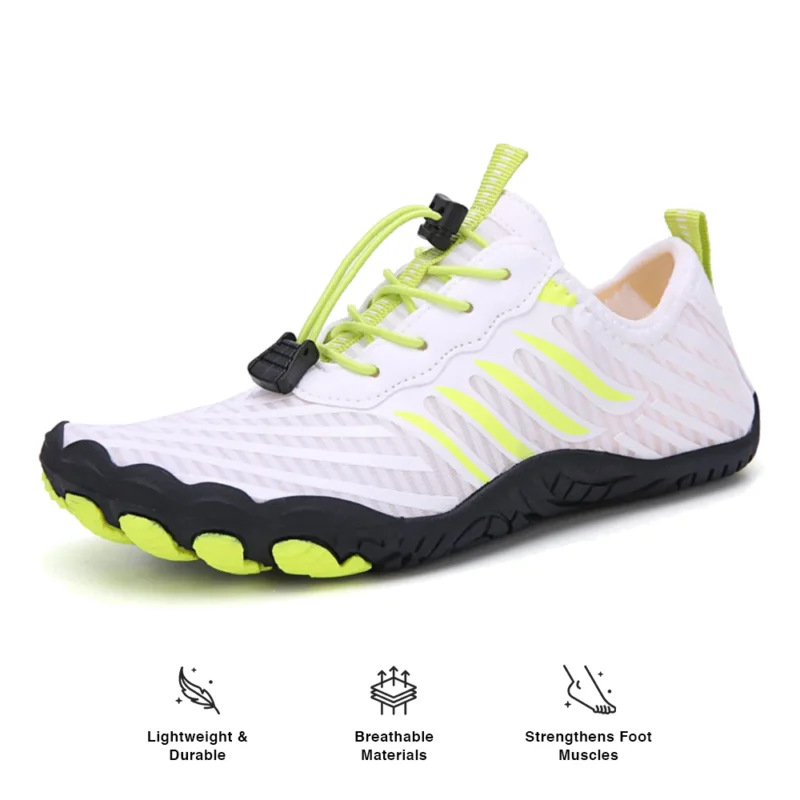
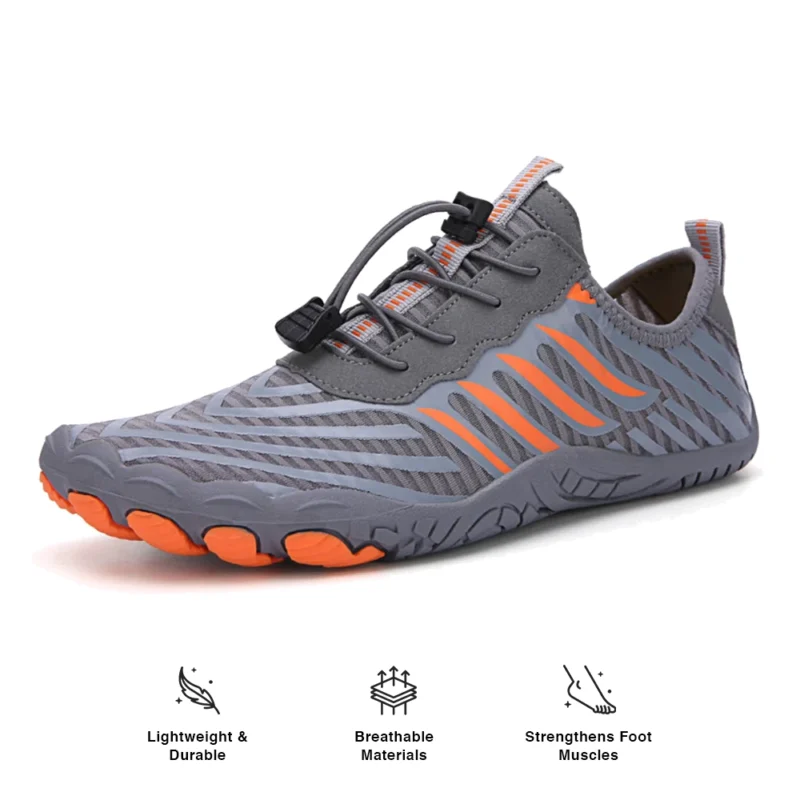
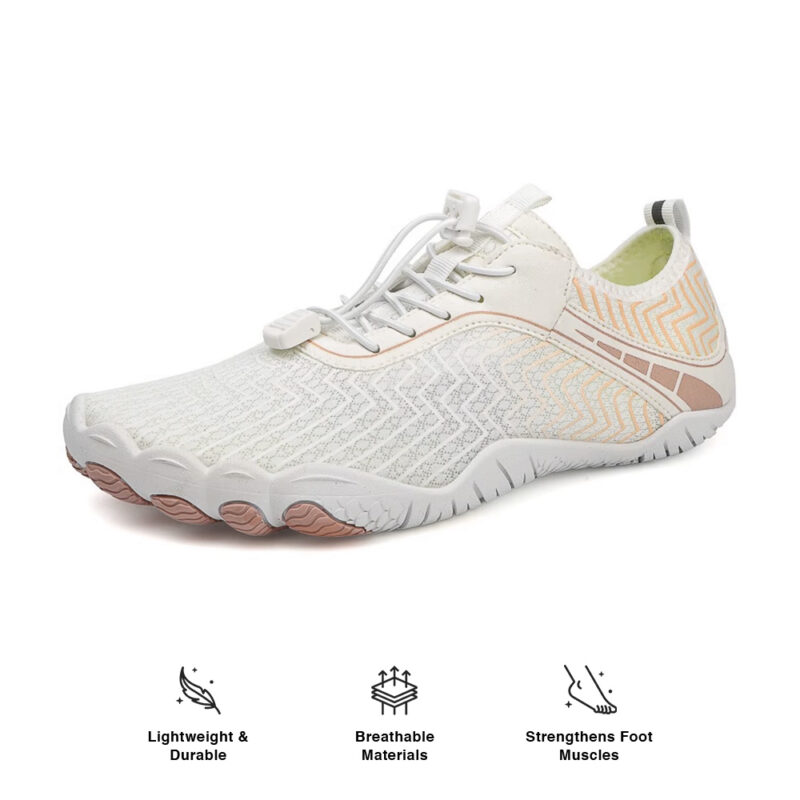
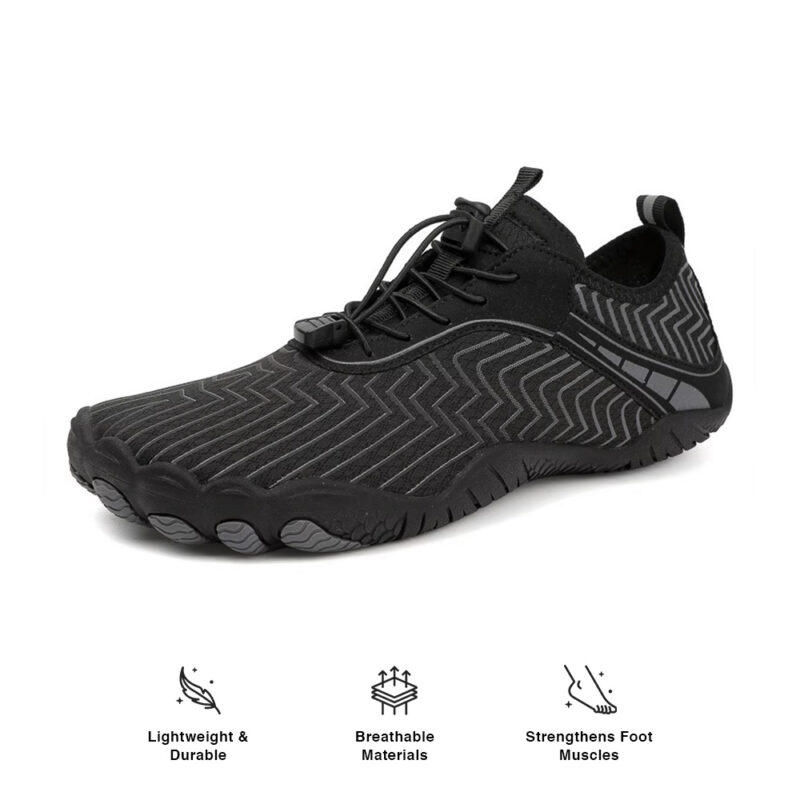
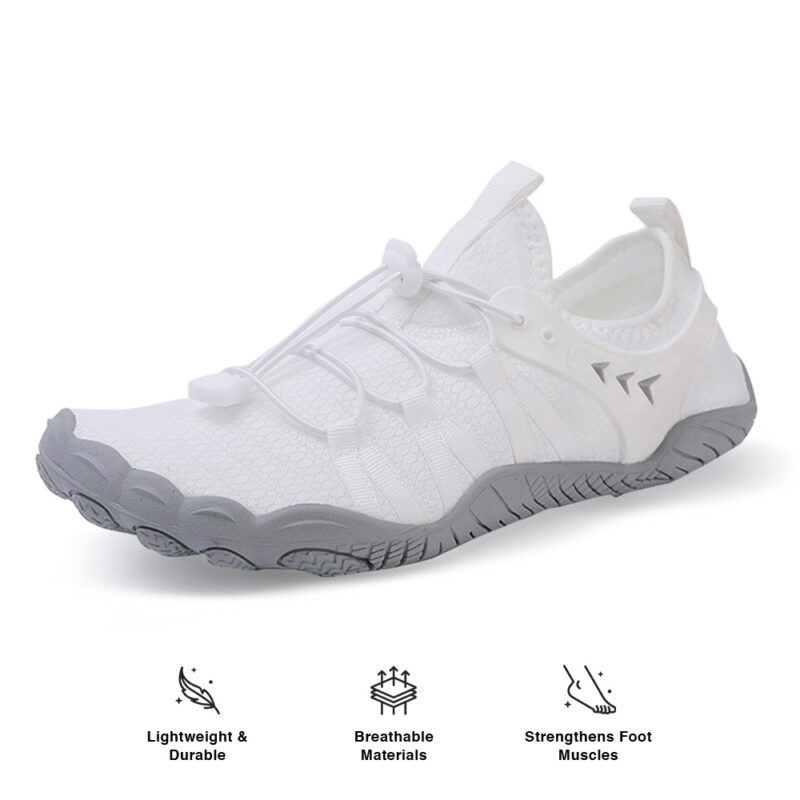
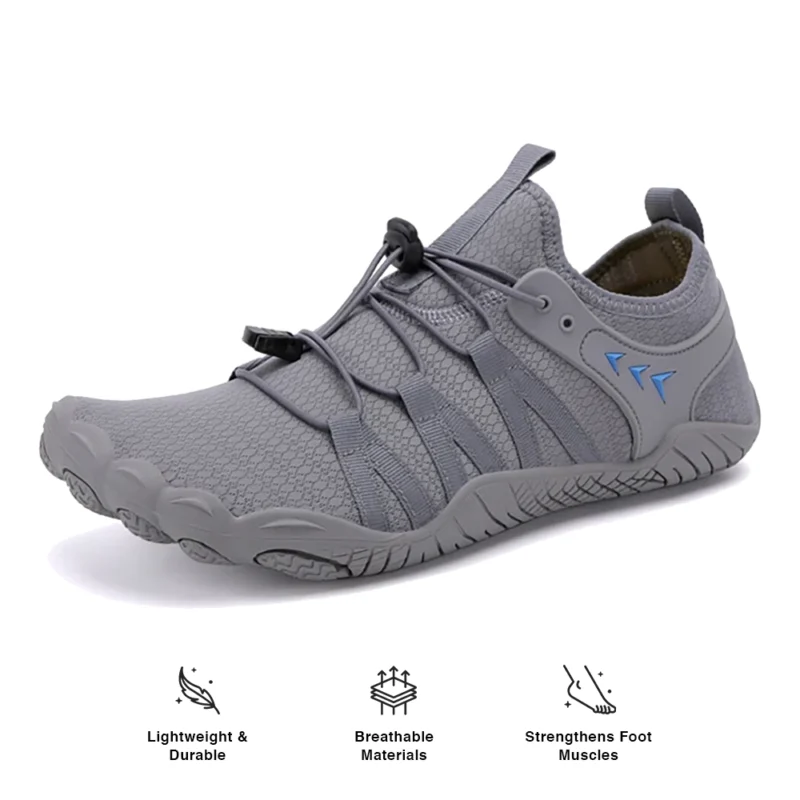
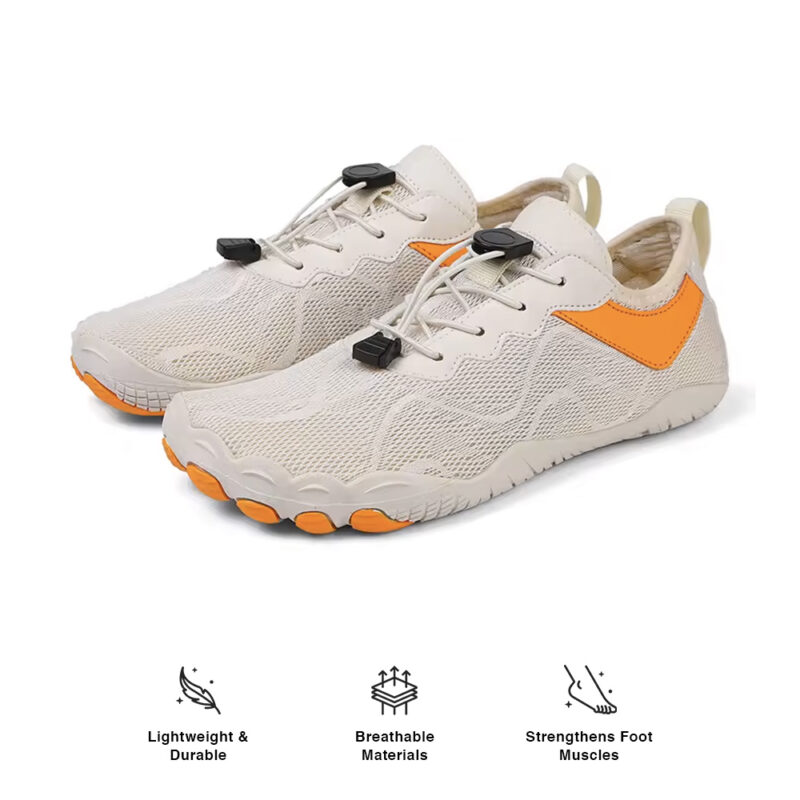
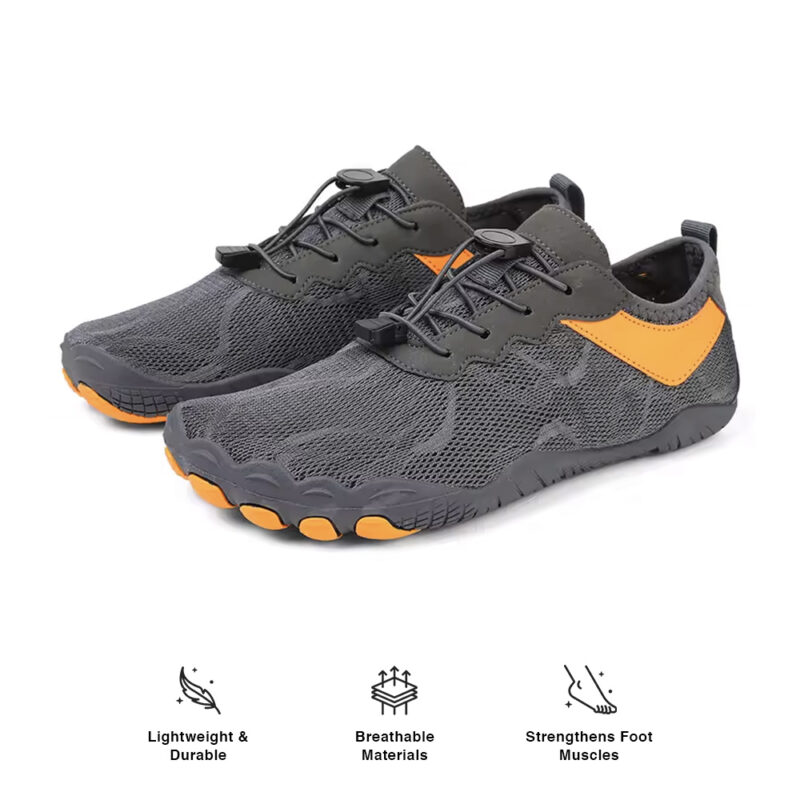
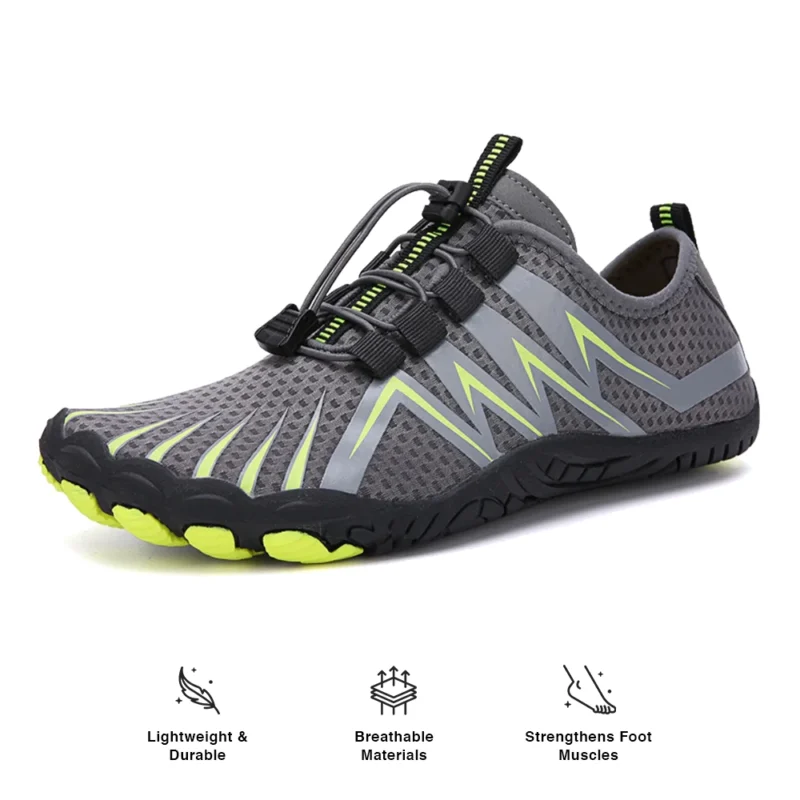
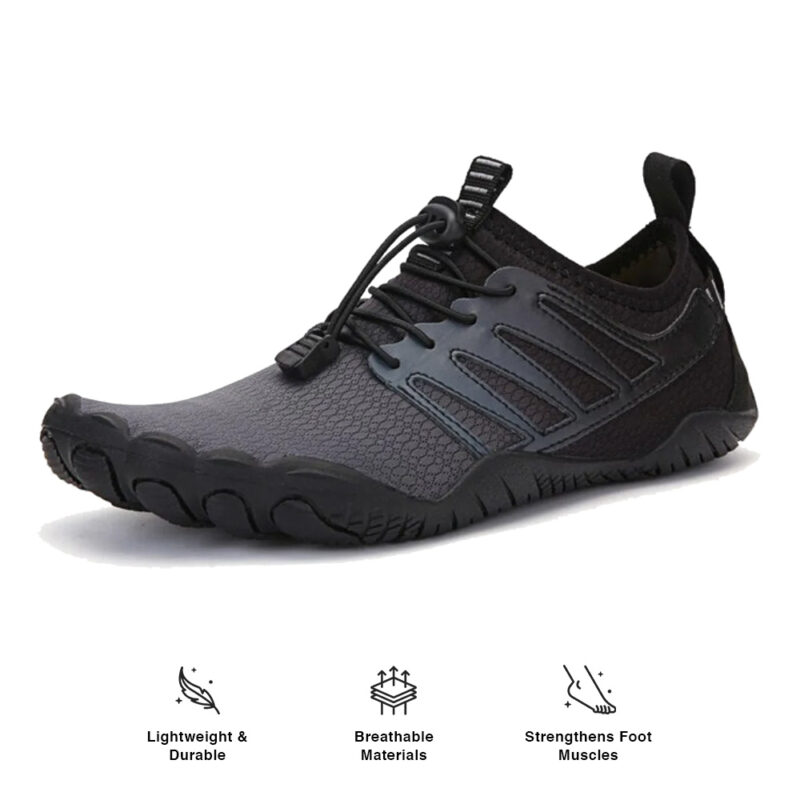
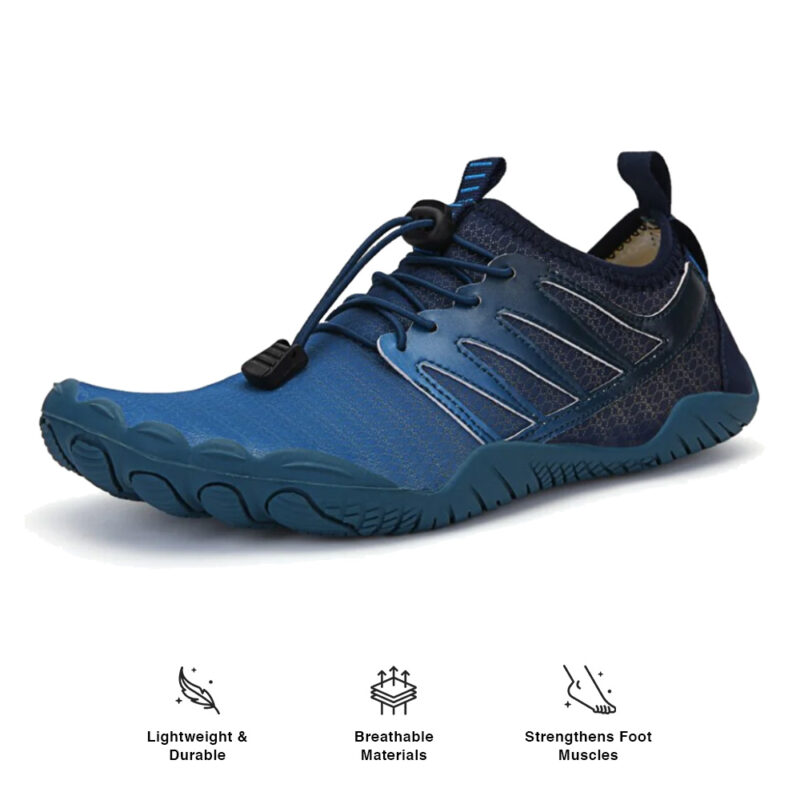
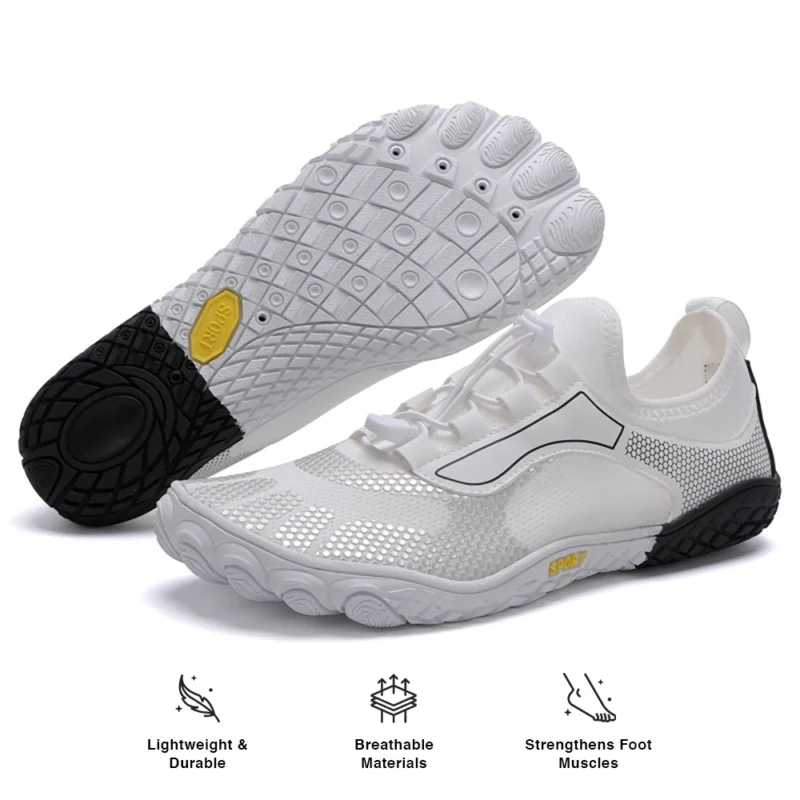
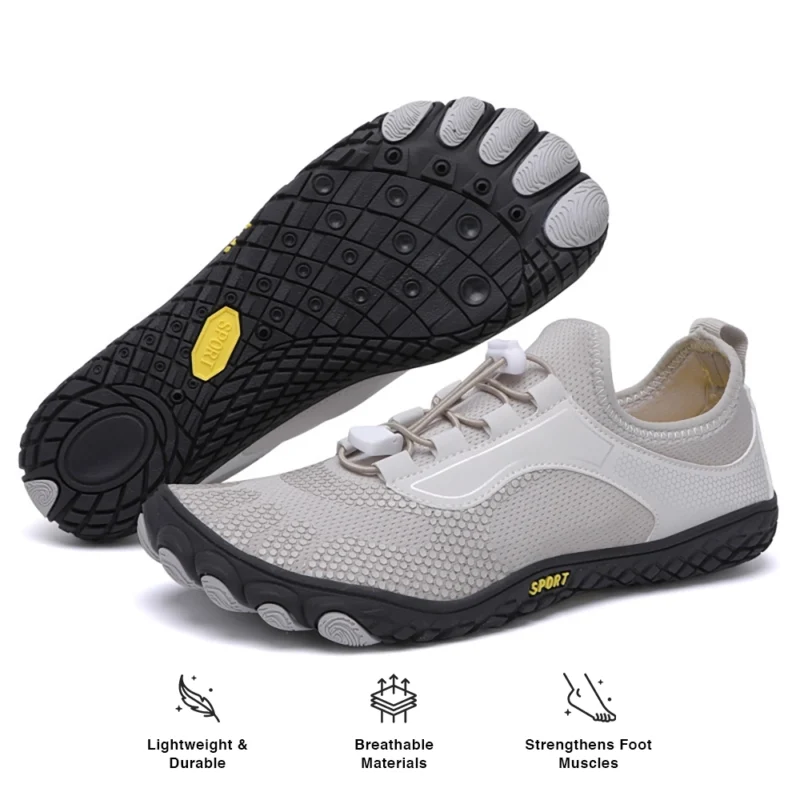
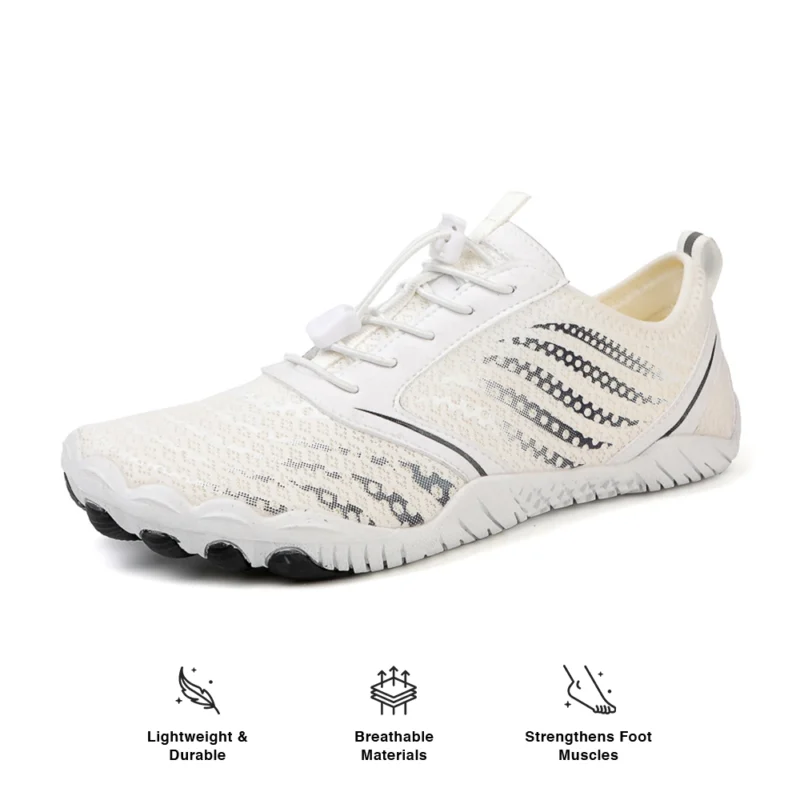
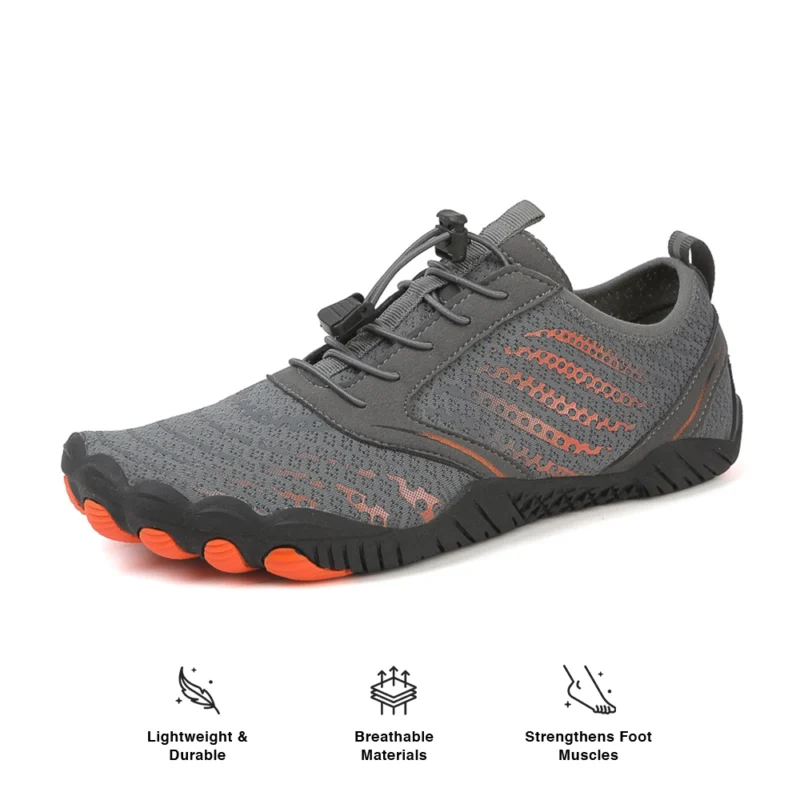
This is where barefoot and minimalist running shoes shine. They promote natural foot movement, allowing your feet to flex, spread, and grip as nature intended. Over time, this builds stronger feet and lower legs, creating a more stable foundation for those grueling miles. Your balance and posture improve as your body learns to move efficiently. Most importantly, you experience lasting comfort through freedom – your feet aren't confined or forced into unnatural positions.
The best running shoes for marathon success aren't necessarily the most cushioned or supportive. They're the ones that let your feet be feet, creating the strength and resilience you need for your biggest running goals.
Ready to discover how minimalist design can transform your marathon experience? Let's dive deeper.
Finding Your Natural Stride Pattern
Many marathon runners struggle with overstriding and heel striking, which creates jarring impact forces that compound over 26.2 miles. You need the best running shoes for marathon training that encourage a more efficient midfoot or forefoot landing. Minimalist shoes naturally promote this by eliminating the elevated heel found in traditional runners, allowing your body to find its optimal stride mechanics. The lower profile keeps you closer to the ground, improving proprioception and helping you land more softly with each step. Start by incorporating short runs in minimal footwear and gradually increase distance as your form adapts.
Building Unshakeable Foot Strength
Weak feet are a marathon runner's nightmare, leading to collapsed arches, plantar fasciitis, and compensation injuries up the kinetic chain. Traditional shoes with rigid soles and arch supports actually weaken your feet by doing the work your muscles should be doing. The best running shoes for marathon preparation feature flexible soles that require your foot muscles to engage with every step, creating strength from the ground up. This muscular development provides natural arch support that adapts to terrain changes and maintains integrity throughout ultra-long distances. Begin with short training runs and focus on landing softly while your feet develop their newfound strength.
Eliminating Hot Spots and Pressure Points
Nothing derails a marathon faster than developing blisters or pressure sores during the race. Conventional running shoes often create friction points where rigid materials meet your foot, especially as swelling occurs during longer efforts. Minimalist designs prioritize flexible, breathable materials that move with your foot rather than restricting it. The wider toe boxes accommodate natural foot spreading, preventing the pinching that leads to black toenails and neuromas. Look for seamless construction and materials that wick moisture effectively, then test your chosen footwear during several long training runs to ensure comfort when miles accumulate.
Adapting to Changing Terrain and Conditions
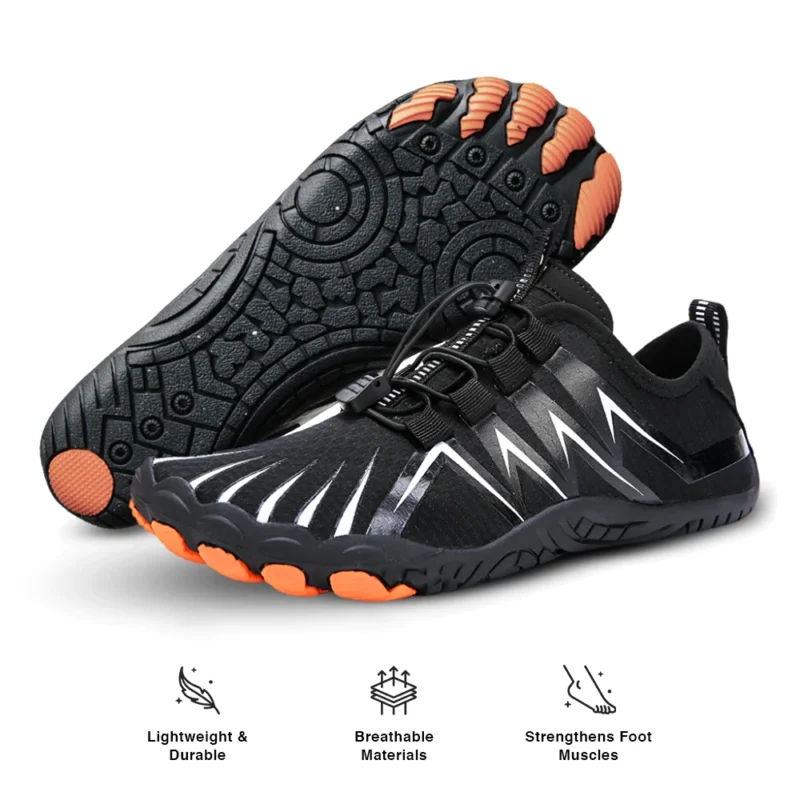
Marathon courses rarely offer perfect, consistent surfaces, and your footwear needs to handle everything from smooth asphalt to rough concrete, wet patches, and debris. The best running shoes for marathon racing provide excellent ground feel, allowing you to sense surface changes and adjust your foot placement instinctively. Thin, flexible soles with strategic grip patterns offer traction without bulk, while still protecting your feet from sharp objects. This enhanced sensory feedback helps prevent stumbles and allows for quick adaptations when navigating crowded start lines or unexpected course obstacles. Practice on varied surfaces during training to build confidence in your shoe's versatility.
Managing Foot Swelling During Long Efforts
Your feet can increase up to half a size during marathon-distance efforts due to swelling and natural spreading under load. Traditional shoes often become restrictive and painful as this occurs, but minimalist designs accommodate these changes naturally. Flexible uppers and roomy toe boxes allow for expansion without creating pressure points or circulation issues. Many minimalist shoes also feature adjustable lacing systems that let you fine-tune fit as conditions change. Size your marathon shoes to account for this swelling, and consider bringing backup laces or adjustment tools for ultra-long training runs to perfect your race-day strategy.
Developing Mental Confidence Through Foot Connection
Marathon success depends heavily on mental fortitude, and feeling disconnected from the ground can create anxiety about footing and stability. The best running shoes for marathon completion provide excellent ground connection, allowing you to feel confident and controlled throughout your race. This enhanced proprioception reduces the mental energy spent worrying about your footing, freeing you to focus on pacing, nutrition, and race strategy. The stronger feet and improved balance that develop from minimalist training create a deep sense of physical confidence that translates directly to mental resilience when facing the inevitable challenges of marathon distance. Build this connection gradually through progressive training in minimal footwear.