What Vivobarefoot Offers and Where Shoppers Start Looking
Vivobarefoot is one of the longest-standing names in minimalist footwear. The brand built its reputation on three core design principles: a wide toe box, a zero-drop platform (no height difference from heel to toe), and an ultra-thin, flexible sole. Their Primus Lite line uses a 4mm Active Sole — thin enough to deliver strong proprioceptive feedback while still protecting the foot on pavement and uneven terrain.
The tradeoffs are real. Vivobarefoot shoes typically retail between $130 and $240, placing them firmly in the premium tier. Their fit philosophy skews toward a wide forefoot with a snug midfoot — a European sizing approach that works well for standard and medium-wide feet but can feel restrictive for higher-volume feet. Resole options exist but require shipping back to the brand. Installment payment options are limited.
Shoppers who know Vivobarefoot and want to see what else matches its core spec — at a different price point, fit, or with added benefits — frequently land on Hykes as the most relevant comparison. This post maps that comparison directly.
Key Technical Terms Explained
These are the specifications that determine how a barefoot shoe performs and feels:
Zero drop: The sole has no height difference between heel and toe. This places the foot in a neutral position and encourages a midfoot or forefoot strike pattern.
Stack height: Total thickness of material between your foot and the ground. Lower stack means more ground feel and stronger proprioceptive feedback.
Toe box width: Lateral room in the forefoot area. Wider toe boxes allow natural toe splay, which improves balance and reduces bunion pressure over time.
Sole flexibility: A sole that bends and twists freely lets the foot's intrinsic muscles do more work, which builds foot strength during daily use.
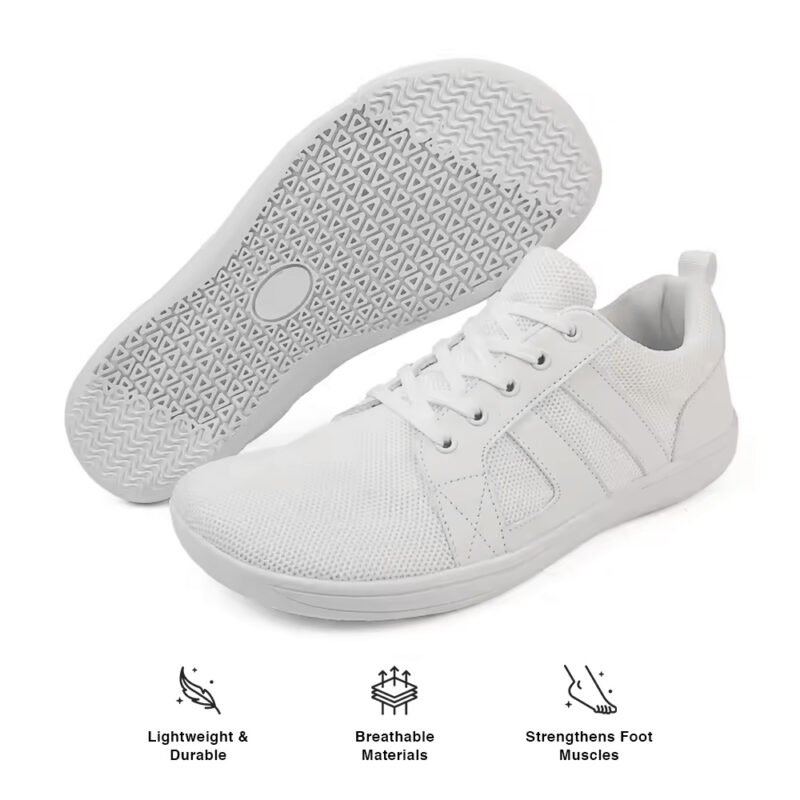
Breathability: Mesh uppers allow significantly more airflow than leather or synthetic panels — relevant for all-day and warm-weather wear.
$129.95Original price was: $129.95.$68.95Current price is: $68.95.
Select options
This product has multiple variants. The options may be chosen on the product page
Hykes: The Direct Alternative to Vivobarefoot
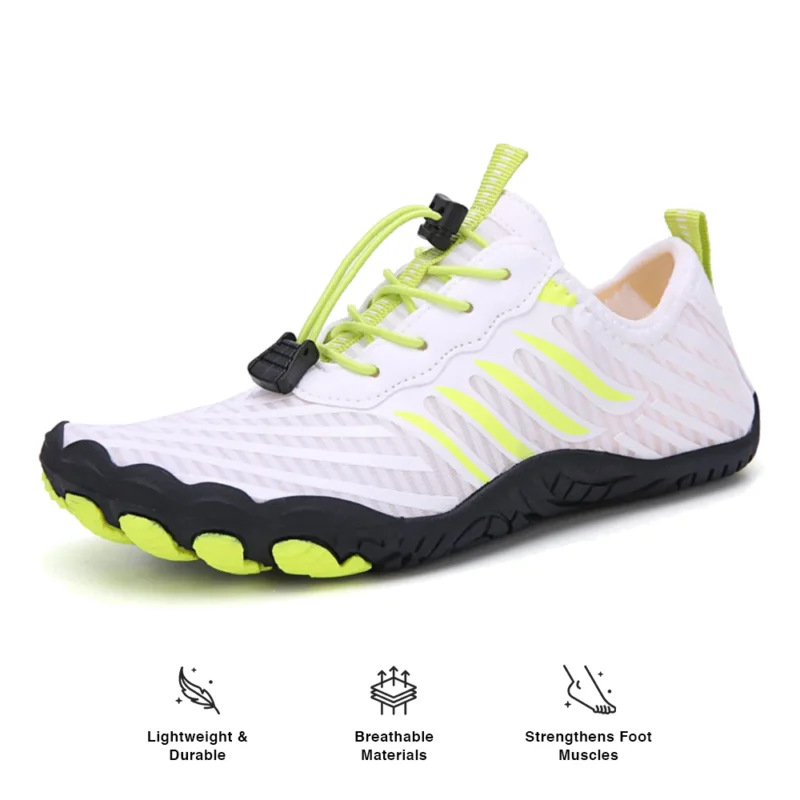
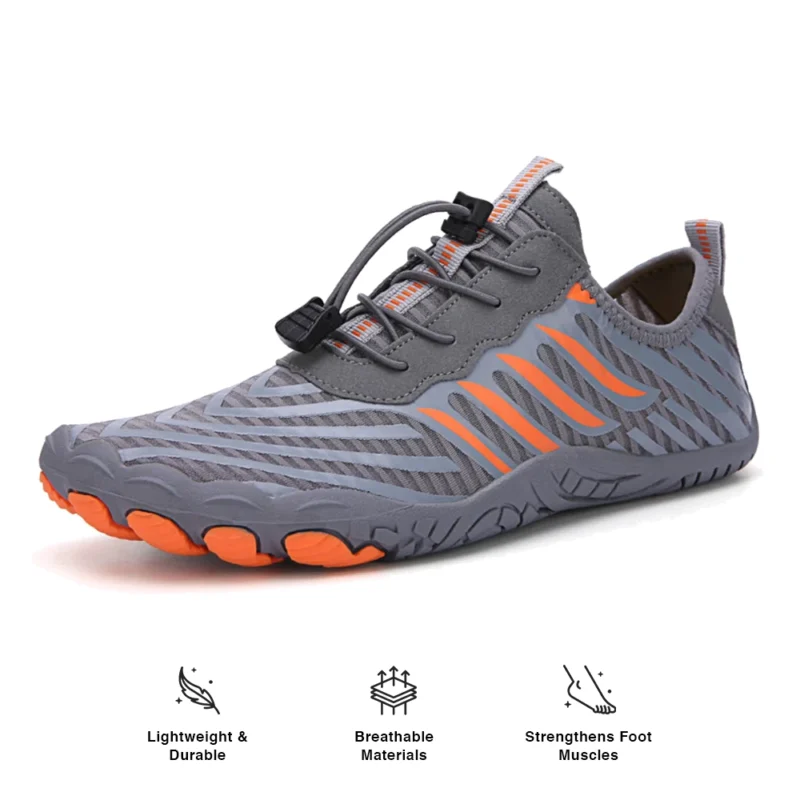
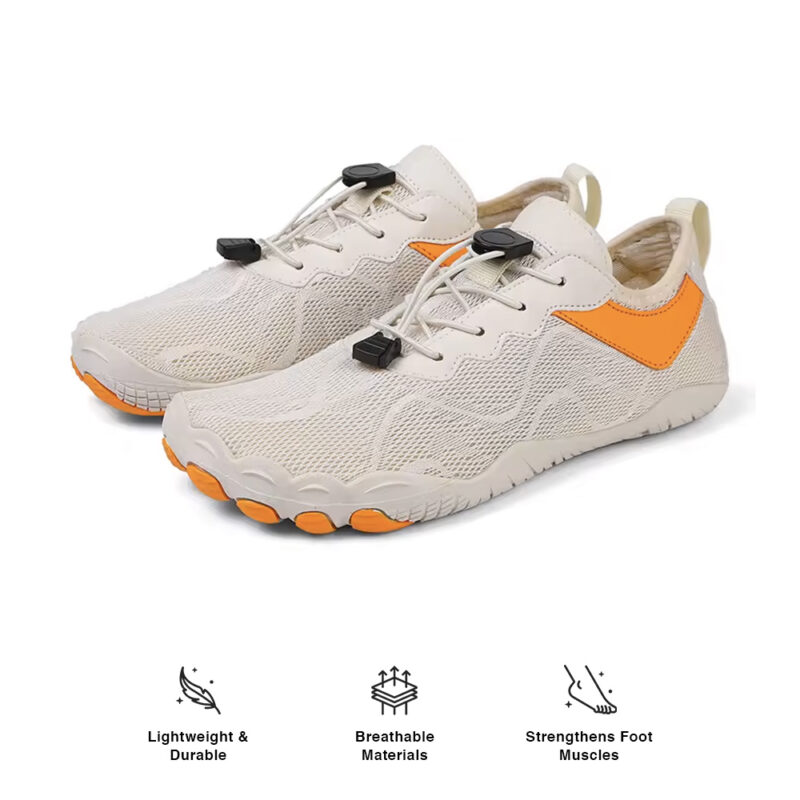
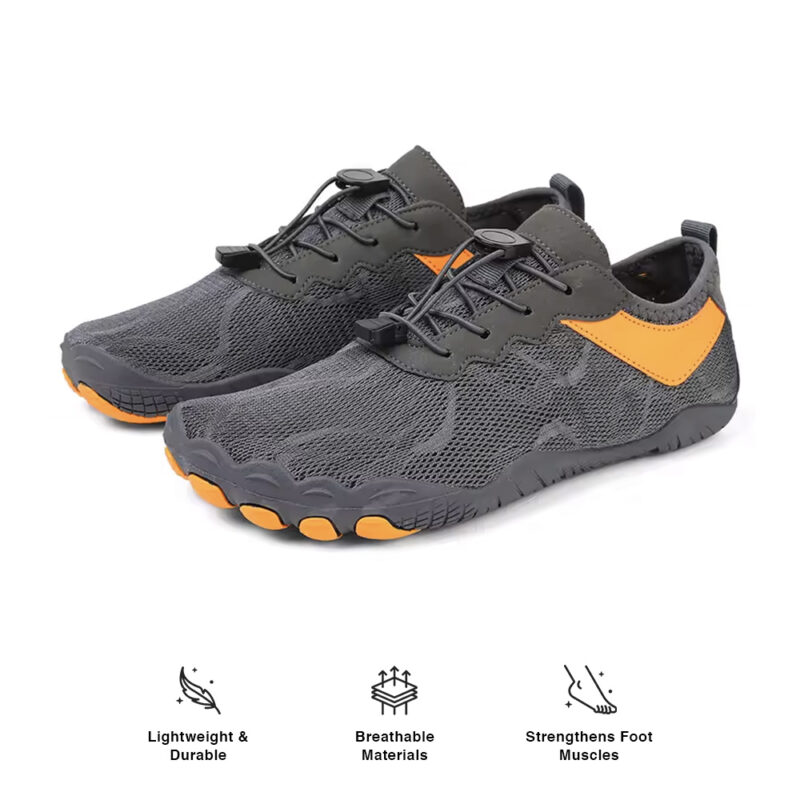
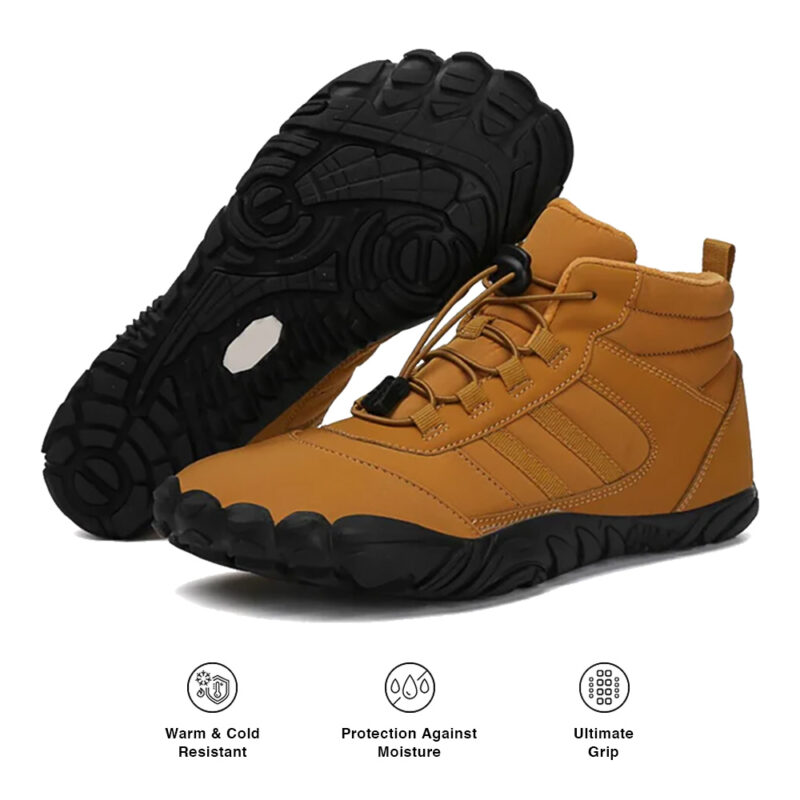
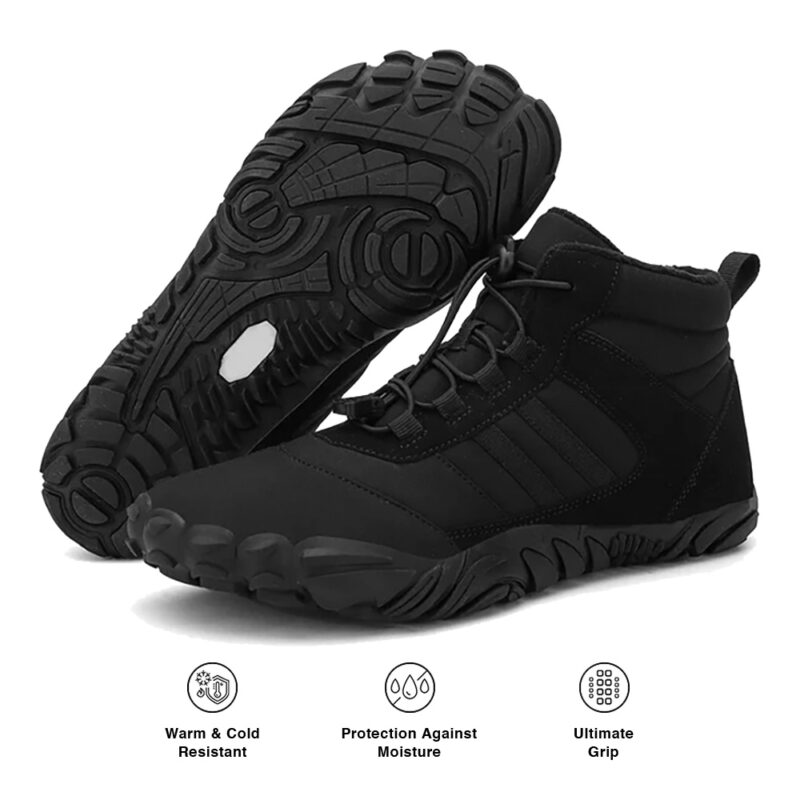
Hykes is a direct-to-consumer barefoot footwear brand covering everyday shoes, athletic trainers, and winter boots. Every model in their lineup shares a 4mm ultra-thin sole, a zero-drop platform, and a wide toe box developed with input from orthopedic specialists. Key models include the Pinnacle, Stride, Escapes, Sport, Element Ultralight, and the Summit and Trailmaster winter boots.
Where Hykes Matches Vivobarefoot Spec for Spec
Both brands deliver the three non-negotiables of genuine barefoot footwear:
4mm sole thickness — identical between Hykes models and Vivobarefoot's flagship Primus Lite line
Zero-drop platform — no heel elevation on any model in either range
Wide toe box — both brands build around a foot-shaped last rather than a conventional shoe-shaped last
Both brands are orthopedic-category aligned. Both offer shoes, boots, and athletic silhouettes. Both target buyers who are moving away from conventional cushioned footwear toward natural movement.
Where Hykes Differs from Vivobarefoot
Price. Hykes sits at a more accessible price point than Vivobarefoot's $130–$240 range. This makes the full barefoot spec — 4mm sole, zero drop, wide toe box — available to buyers who find Vivobarefoot's pricing prohibitive.
Payment flexibility. Hykes accepts installment payments through Sezzle with no interest, spreading the cost across billing cycles. Vivobarefoot does not widely offer this.
Foot health focus. Hykes positions its footwear explicitly for buyers managing foot conditions including plantar fasciitis, neuropathy, and arthritis. Their products carry orthopedist and podiatrist endorsements. Vivobarefoot emphasizes natural movement and biomechanics but does not make the same clinical positioning.
Orthotic compatibility. Hykes toe boxes are spacious enough to accommodate custom orthotics without compressing the foot. Users report no fit compromise when using inserts.
Winter range with waterproofing. Hykes offers the Summit and Trailmaster — barefoot boots rated for winter conditions with waterproofing and non-slip outsoles. Vivobarefoot has a comparable winter boot line, but Hykes' winter options come in at a lower price tier.
Social impact. For every pair purchased, Hykes donates a pair to a child in need. Vivobarefoot does not operate a comparable buy-one-give-one program, though they do offer a resole service as a sustainability measure.
Return policy. Hykes offers a 30-day money-back guarantee covering personal dissatisfaction, not just defects. Vivobarefoot offers a 100-day trial period — longer, though their return conditions vary by purchase type.
Shipping. Hykes provides free insured worldwide delivery with Track & Trace included. Vivobarefoot's shipping terms vary by region.
Head-to-Head Comparison Table
Feature
Hykes
Vivobarefoot
Sole thickness
4mm
3–4mm (model dependent)
Drop
Zero
Zero
Toe box
Wide
Wide (European fit, snug midfoot)
Price range
Lower tier
$130–$240
Installment payment
Yes (Sezzle, interest-free)
Not widely available
Orthopedist-endorsed
Yes
Not explicitly
Orthotic compatible
Yes
Varies by model
Winter / waterproof option
Yes (Summit, Trailmaster)
Yes (Tundra ESC and others)
Return window
30-day money-back
100-day trial
Worldwide free shipping
Yes (insured, tracked)
Varies by region
Social impact program
Buy-one-give-one
Resole service
Kids' line
Yes (Active)
Yes
Price ranges are approximate USD. Specs reflect general brand positioning; exact figures vary by model.
Barefoot Shoe Care and Maintenance Tips
Minimalist shoes wear differently than conventional footwear. Thin soles and flexible construction require specific care to extend lifespan.
Rotate pairs. Wearing the same minimalist shoe daily compresses the sole faster. Alternating between two pairs extends both.
Air dry only. Heat damages thin rubber soles and adhesive bonds. Remove insoles and dry at room temperature after wet use.
Inspect the sole regularly. Check for tread wear at the forefoot and heel, where ground contact is heaviest.
Clean mesh uppers gently. Use a soft brush and mild soap with cold water. Machine washing can distort the shoe's shape.
Store flat or upright. Stacking flexible shoes can crease or warp the upper over time.
How to Choose Between Hykes and Vivobarefoot: A Numbered Guide
Start with price. If Vivobarefoot's $130–$240 range exceeds your budget, Hykes delivers the same core spec — 4mm sole, zero drop, wide toe box — at a lower cost.
Assess your foot health needs. If you have plantar fasciitis, neuropathy, arthritis, or bunion concerns, Hykes' explicit orthopedist-endorsed positioning is the stronger fit. Vivobarefoot is biomechanics-focused but does not make the same clinical claims.
Check fit width and volume. Vivobarefoot's European last fits standard to medium-wide feet well but can feel snug through the midfoot. Hykes' wide toe box accommodates higher-volume feet and fits custom orthotics without compromise.
Match the shoe to your conditions. For winter and wet-weather barefoot use, both brands have options. Hykes Summit and Trailmaster are waterproof and non-slip. Compare these directly against Vivobarefoot's Tundra ESC before deciding.
Factor in payment and delivery. If budget management matters, Hykes' installment option and free insured worldwide shipping reduce upfront commitment. Vivobarefoot's 100-day trial is a longer return window but requires meeting their return terms.
Consider social impact. If charitable impact factors into your purchase decisions, Hykes' buy-one-give-one model directly delivers footwear to children in need with every transaction.
Evaluate transition stage. Both brands suit intermediate and experienced barefoot wearers. Hykes' 4mm sole with orthopedic input makes it a sound choice for first-time barefoot adopters with existing foot conditions.
Vivobarefoot established the benchmark this category measures against. Hykes matches that benchmark on the critical technical specs while offering a distinct set of advantages on price, clinical positioning, payment terms, and social impact. For most buyers comparing the two, the decision comes down to which of those secondary factors carries the most weight.