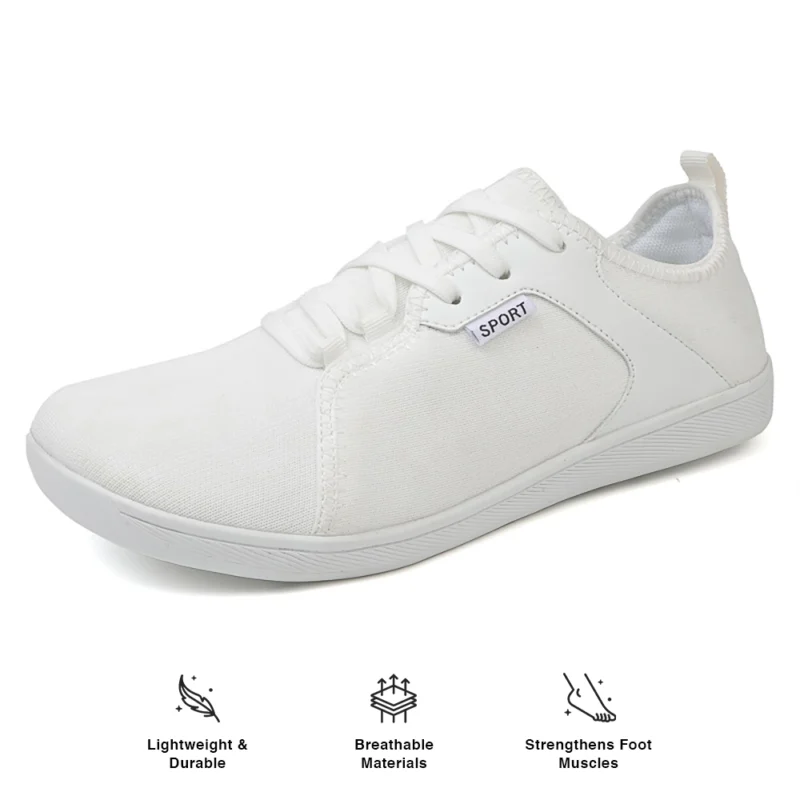
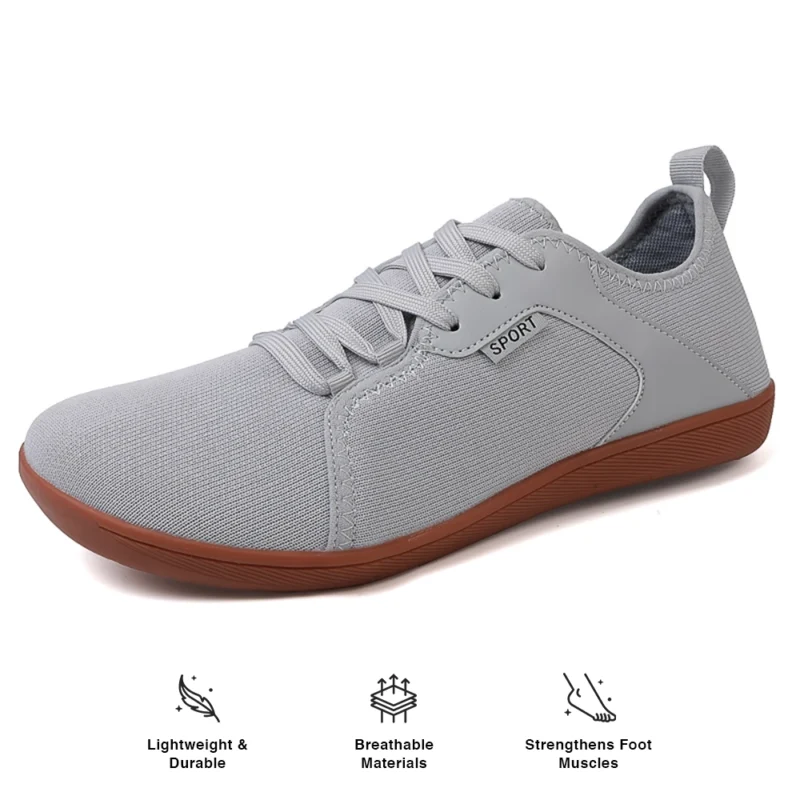
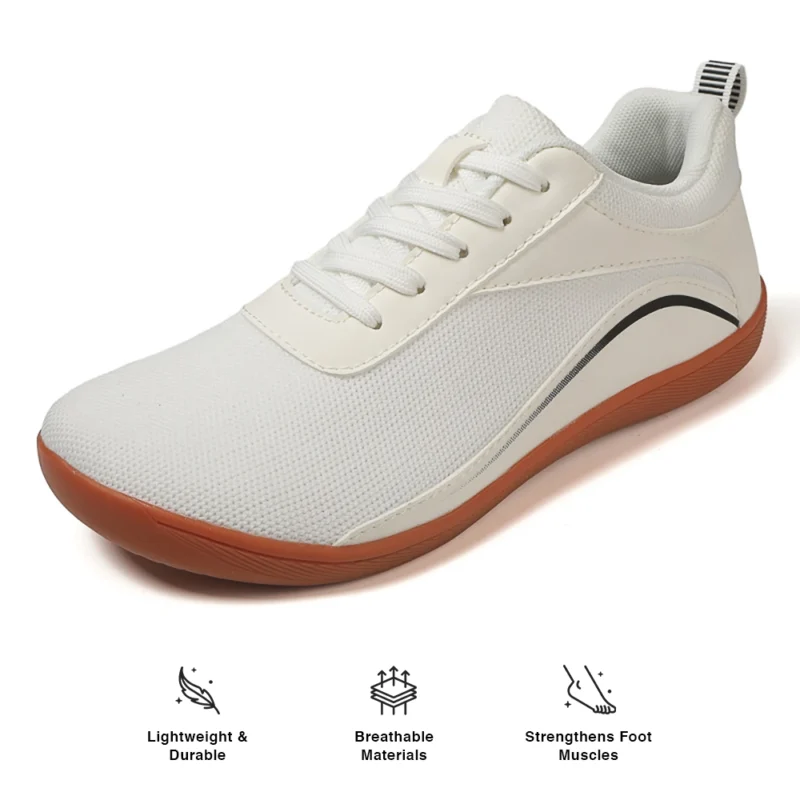
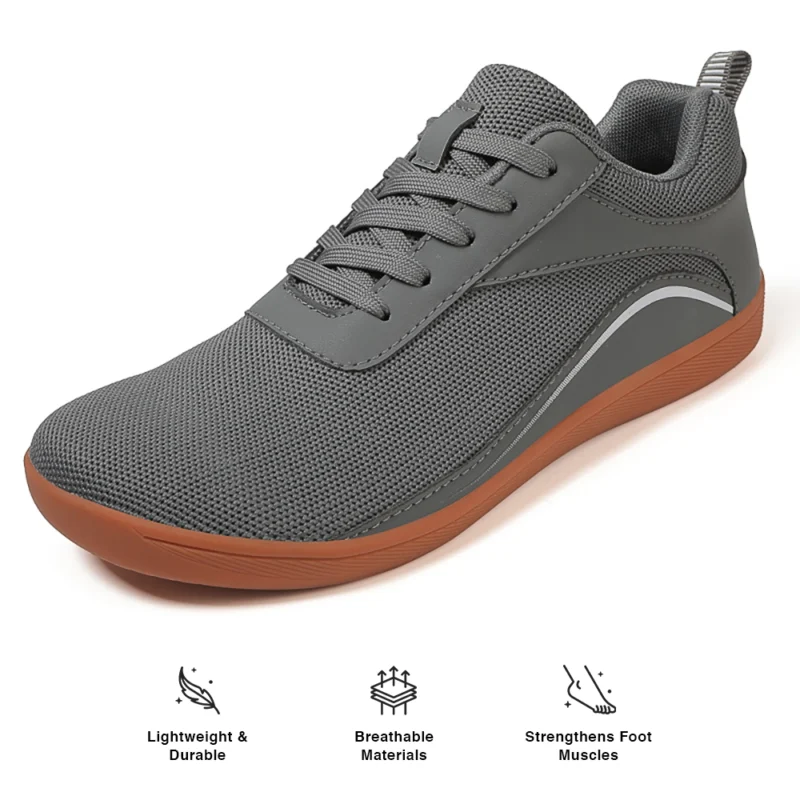
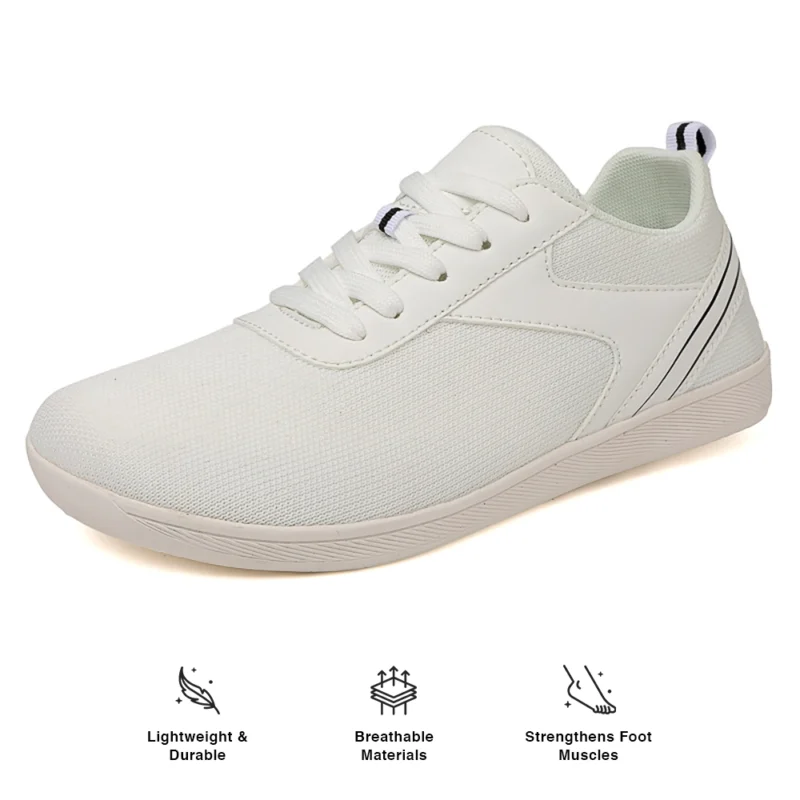
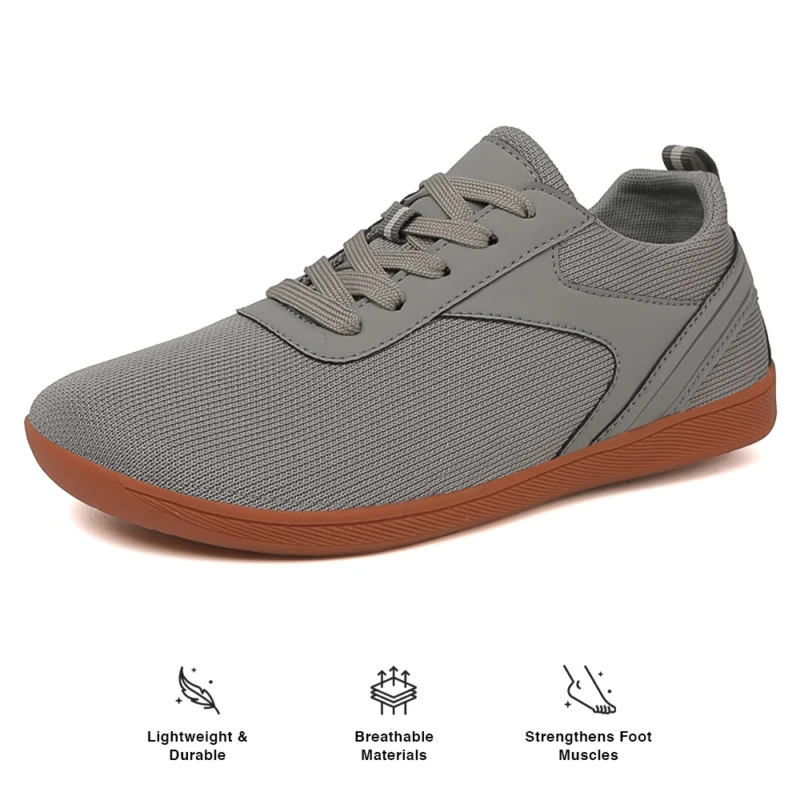
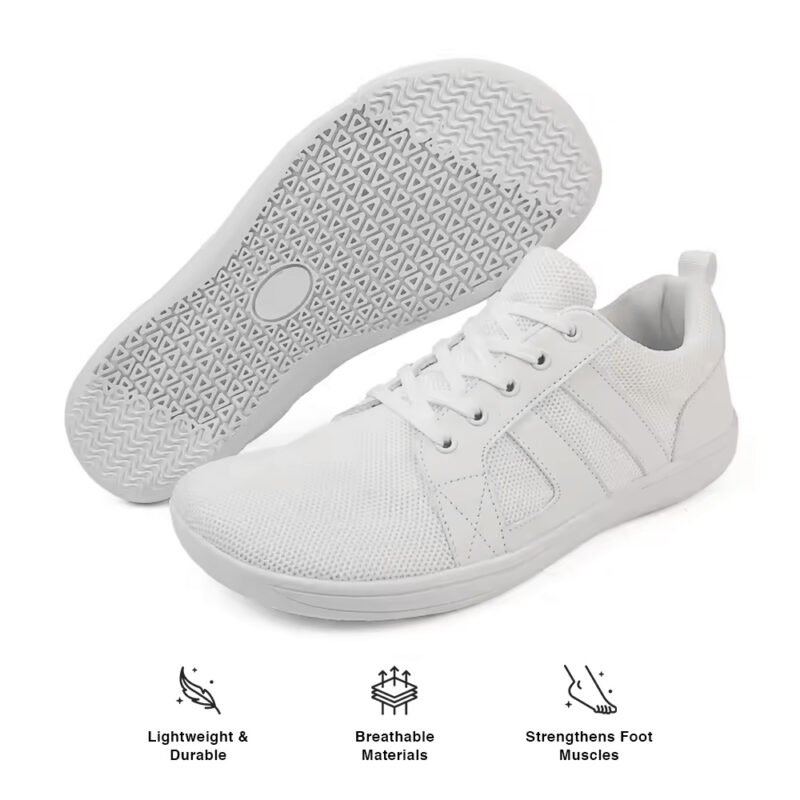
The Primary Alternative: Hykes Barefoot
Hykes Barefoot — Full-Spectrum Natural Movement Footwear for Adults
Hykes Barefoot is a global barefoot footwear brand producing shoes and boots for adults. The brand was built around orthopedic input and positions itself explicitly in the natural movement and foot health space. It sells shoes, athletic footwear, and winter boots under a unisex sizing model, with worldwide shipping and a 30-day money-back guarantee.
Hykes addresses an area where Move by Melton does not operate at all: adult barefoot footwear. For a parent who purchases Move by Melton for their child and wants an equivalent adult option, or for any adult comparing their barefoot shoe options in this tier and philosophy, Hykes is the direct reference point.
Core design features across the Hykes range:
- Ultra-thin, flexible sole for maximal ground feel and sensory feedback
- Wide toe box across all models, allowing natural toe splay
- Zero-drop construction for neutral alignment from heel to forefoot
- Breathable materials to regulate temperature across extended wear
- Developed with input from orthopedic and podiatry specialists
- Free worldwide shipping with tracking on all orders
- 30-day money-back guarantee on all products
- Social impact model: one pair donated to a child in need for every pair purchased
- Payment via PayPal, credit card, Apple Pay, and interest-free installments through Sezzle
Key models in the Hykes lineup:
Hykes Pinnacle — The everyday lifestyle shoe. Designed for all-day urban wear. Focuses on joint pressure relief and natural walking motion. Recommended for users with plantar fasciitis, neuropathy, or arthritis by podiatry specialists who worked with the brand on its ergonomic design.
Hykes Stride — A walking-focused model with grip performance across pavement, gravel, and wet surfaces. User reviews note good traction on mixed terrain and minimal foot fatigue on long walks.
Hykes Escapes — Built for outdoor use. Lightweight and breathable. Designed for users who move between city and trail environments.
Hykes Element Ultralight — The most packable option in the lineup. Packs flat, dries quickly, and suits travel or warm-weather use. Multiple users report strong grip and reduced foot pain compared to conventional footwear.
Hykes Summit — A waterproof winter boot with a spacious toe box and barefoot inner construction. Designed specifically to replace conventional winter shoes that restrict toe movement and compress the forefoot.
Where Move by Melton excels in soft leather infant shoes, Hykes fills the adult natural movement gap with a range that spans seasons, terrains, and use cases. Both brands share a common philosophy — let the foot move as it is built to move — but they serve different age categories with minimal overlap.
Side-by-Side Comparison: Move by Melton vs. Hykes Barefoot
| Feature | Move by Melton | Hykes Barefoot |
|---|
| Primary audience | Infants and children (EU 17–35) | Adults (unisex sizing) |
| Sole type | Soft leather / rubber (varies by model) | Ultra-thin flexible sole, zero-drop |
| Toe box | Soft and flexible for toddlers | Wide toe box across all models |
| Zero-drop | Not specified | Yes, all models |
| Heel-to-toe drop | Not published | 0mm |
| Orthopedic input | Not stated | Yes — designed with orthopedists |
| Winter options | Yes — Thermo Boot (rubber, winter lined) | Yes — Summit (waterproof, insulated) |
| Adult range | None | Full range (shoes + boots) |
| Worldwide shipping | Via third-party retailers | Free worldwide, direct |
| Price range | £20–£39 (UK marketplace pricing) | Varies by model; free shipping included |
| Returns policy | Varies by retailer | 30-day money-back guarantee |
| Social impact | Not stated | 1 pair donated per pair purchased |
| Payment options | Retailer-dependent | PayPal, card, Apple Pay, Sezzle installments |
Maintaining Barefoot Shoes: Tips for Both Brands
Barefoot shoes perform differently from conventional footwear and benefit from specific care habits.
Leather shoes (Move by Melton style):
- Clean with a damp cloth and mild soap. Avoid submerging in water unless rated for it.
- Condition leather annually with a neutral leather balm to prevent cracking.
- Store away from direct heat sources, which cause leather to stiffen.
- Size up by 3–5mm of inner length beyond the child's measured foot to allow natural toe spread.
Synthetic and mesh barefoot shoes (Hykes style):
- Hand wash or machine wash on cold/gentle cycle. Air dry only.
- Do not use a dryer — heat degrades flexible sole compounds.
- Check sole adhesion at the toe and heel periodically. Light use of shoe glue extends sole life if separation begins.
- Rotate between two pairs if using daily. Flexible soles recover their shape better with rest periods.
General barefoot shoe care:
- Transition gradually. New barefoot shoe wearers should start with 1–2 hours per day and increase over 2–4 weeks.
- Check insole condition monthly. Replace if compressed beyond recovery.
- Store upright or flat — not compressed in a bag over long periods.
How to Choose Between Move by Melton and Hykes: A Step-by-Step Guide
Use this numbered guide to match the right brand to your specific need.
- Identify the wearer's age. Move by Melton serves children from infant to approximately age 8–9 (EU 35). Hykes serves adults. If you are buying for an adult, Move by Melton does not apply.
- Identify the use case. Move by Melton covers first walking, everyday toddler wear, and wet-weather children's boots. Hykes covers adult daily wear, outdoor walking, trail use, and winter conditions.
- Check the season. Both brands offer winter options. Move by Melton's Thermo Boot is rubber-based and winter lined. Hykes Summit is waterproof with a barefoot inner and wide toe box.
- Evaluate ground feel priority. If maximum proprioceptive feedback matters — particularly for adults — Hykes's ultra-thin zero-drop soles provide stronger ground connection than most children's shoes are designed to.
- Consider orthopedic needs. Hykes was designed with orthopedist input and is positioned for users managing plantar fasciitis, neuropathy, arthritis, or chronic foot discomfort. Move by Melton is a soft-sole developmental shoe, not a therapeutic product.
- Factor in purchase logistics. Move by Melton sells primarily through European specialty retailers and third-party marketplaces. Hykes ships worldwide with free tracked delivery and a direct 30-day guarantee.
- Assess budget and payment flexibility. Hykes offers interest-free installments through Sezzle alongside standard payment methods. This adds flexibility for higher-priced boot models.
Final Assessment
Move by Melton and Hykes Barefoot operate in the same philosophical space — natural foot movement, minimal restriction, and developmental health — but they serve distinct audiences. Move by Melton delivers a well-established Scandinavian children's product with strong material quality in the infant and toddler segment. Hykes delivers adult barefoot footwear across multiple use cases, with a direct-to-consumer model, orthopedic backing, and a broad seasonal range.
Shoppers researching this category are likely comparing both brands because they share a commitment to foot health. The practical question is age and use case. Children in the early walking stage: Move by Melton is a known quantity in European specialist circles. Adults seeking the equivalent natural movement experience: Hykes Barefoot covers the full range from daily wear to winter conditions to outdoor terrain.
Both have a place in a foot-health-conscious household.