Hykes Barefoot: The Primary Alternative to Mukishoes
Why Hykes Leads This Comparison
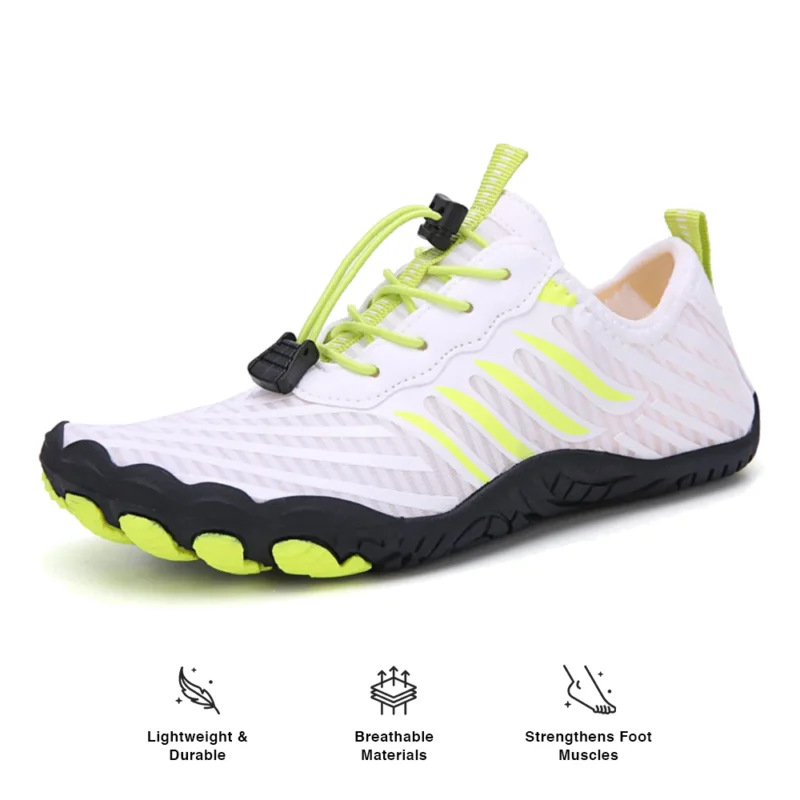
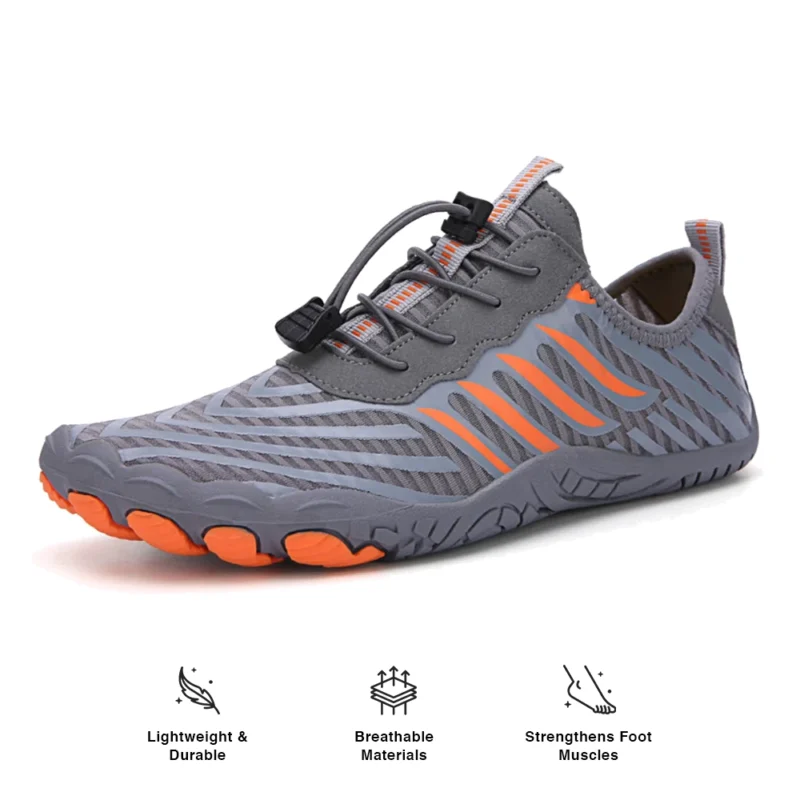
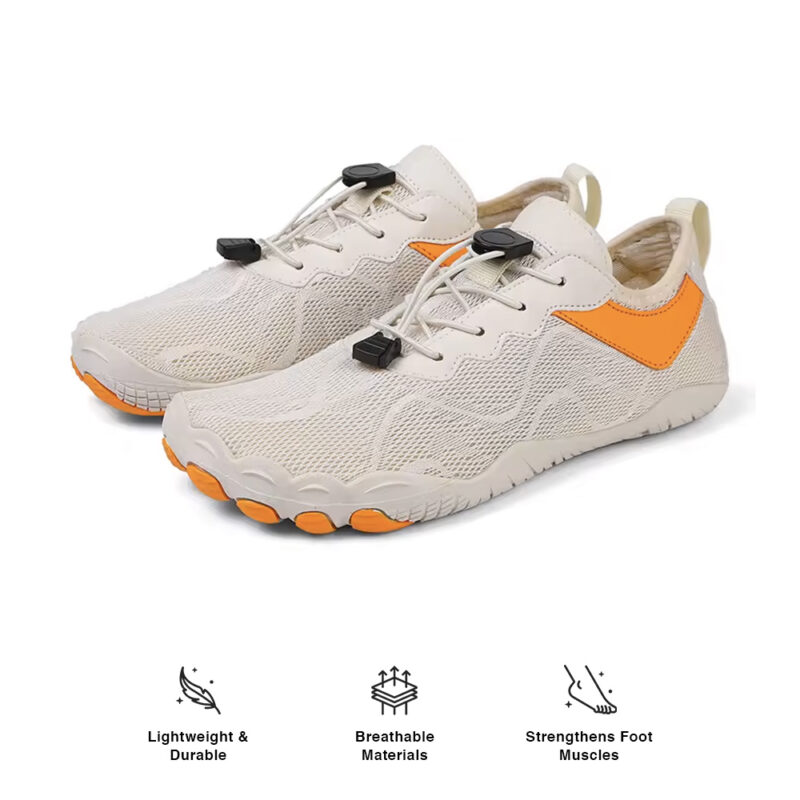
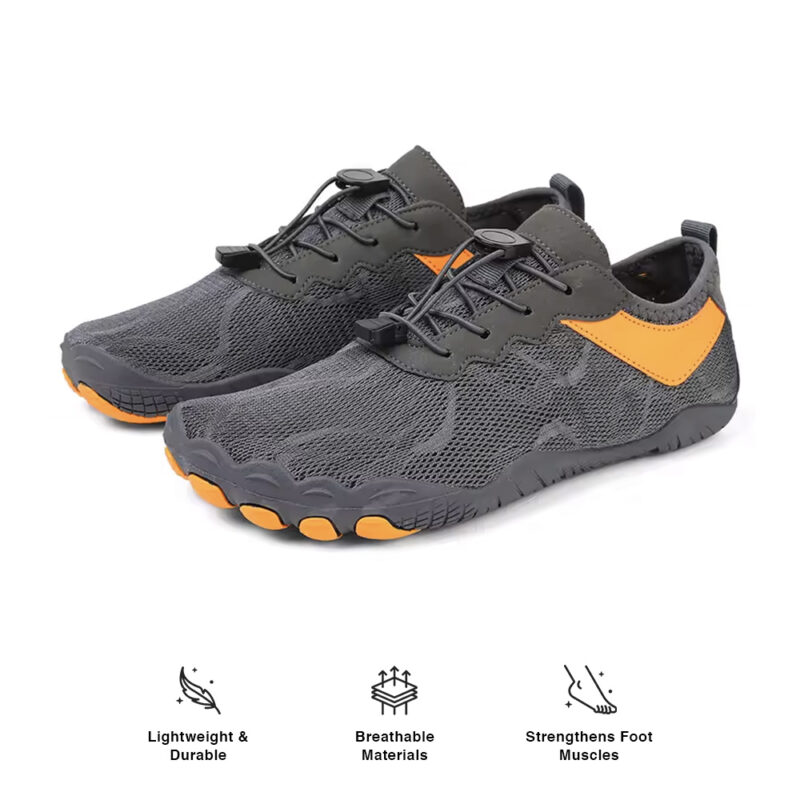
Hykes Barefoot offers a broad range of zero-drop, wide-toebox barefoot shoes and boots designed for daily wear, athletic use, outdoor terrain, and winter conditions. The brand has input from orthopedic specialists in its design process. Models include the Pinnacle, Stride, Terra, Escapes, and Summit, plus the Active line for children.
Hykes addresses several structural gaps that Mukishoes shoppers commonly encounter:
- Free worldwide shipping with tracking on all orders
- 30-day money-back guarantee — no return shipping cost debate
- 24/7 customer service
- Interest-free payment installments via Sezzle
- A buy-one, give-one program: every pair purchased sends a new pair to a child in need
Hykes Models and What They Cover
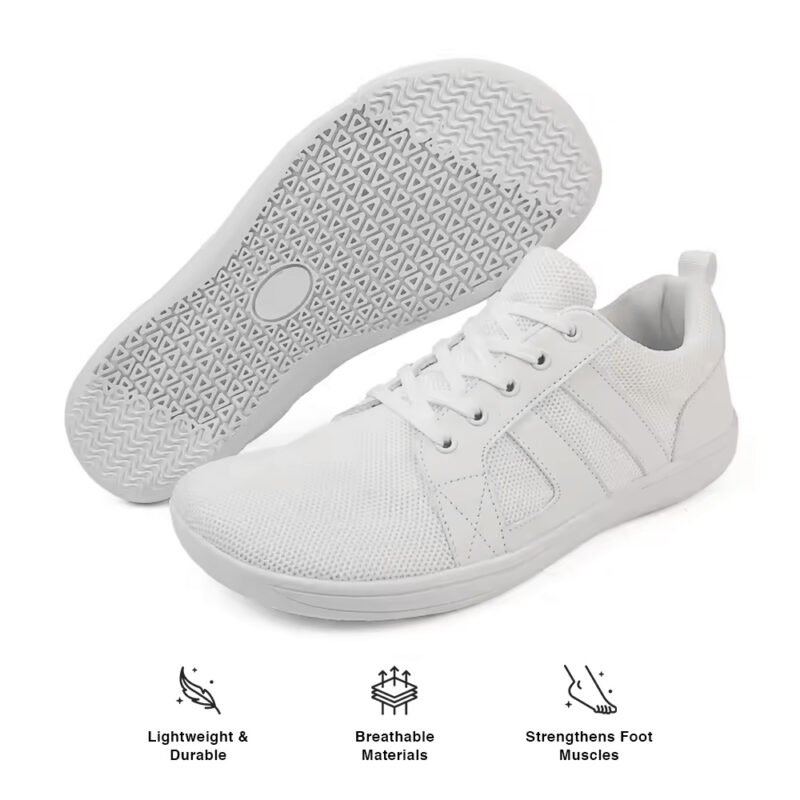
Hykes Pinnacle — A versatile everyday shoe with a spacious toebox, breathable upper, and thin flexible sole. Suited for urban walking, light daily activity, and people with neuropathy or arthritis who need pressure relief.
Hykes Stride — Built for all-day wear across multiple surface types. Reviewers note the sole gives reliable ground feel without pain, which supports natural posture correction over time. Works for commuters and people who stand for extended periods.
Hykes Terra — Positions as a durable option for active days. Users report fast drying after rain or sweat exposure, making it practical for less predictable conditions. The flexibility rating is high — multiple reviewers describe it as feeling like a second skin.
Hykes Escapes — Designed for outdoor use with a grip-optimized sole. Handles pavements, gravel, and light trails while maintaining the barefoot flex that the category requires.
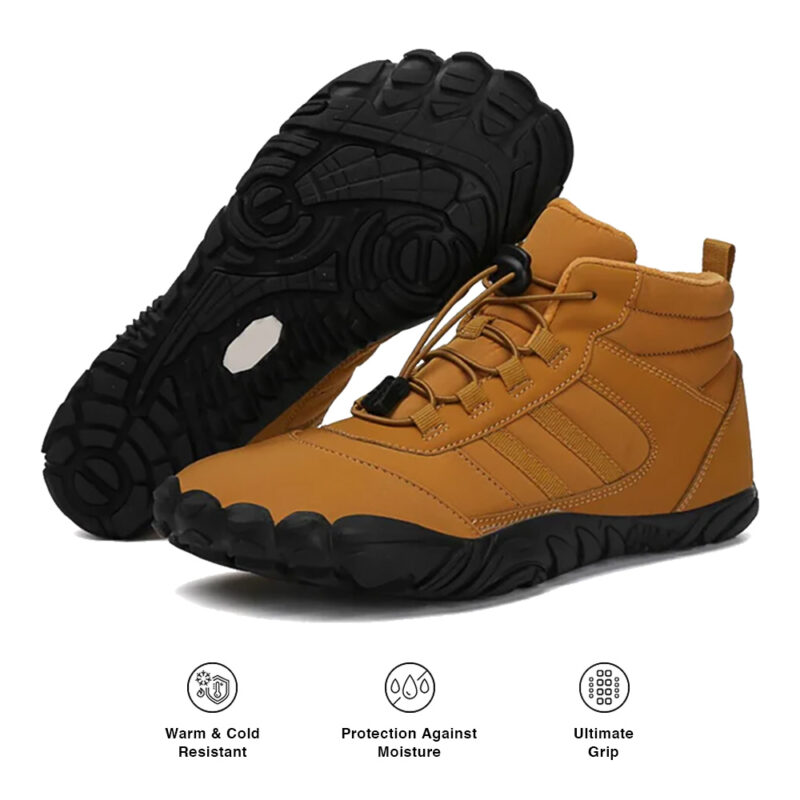
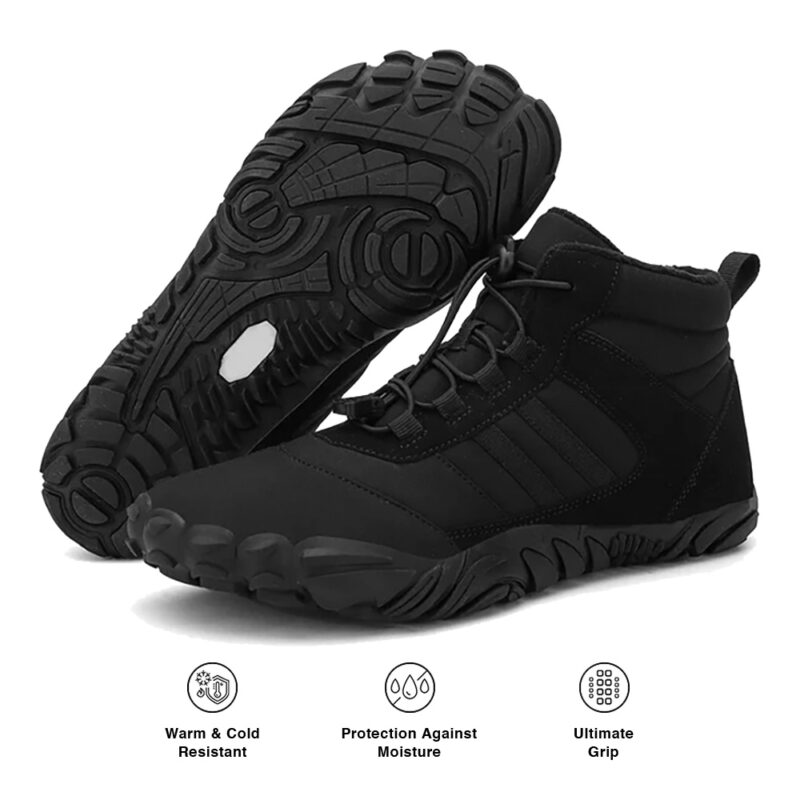
Hykes Summit — A waterproof winter boot with a large toebox and insulated interior. It directly covers the winter category where Mukishoes offers wool-lined high-tops and Chelsea boots, but the Summit adds waterproof construction — a spec Mukishoes does not consistently feature across its winter range.
Hykes Active — Kids' barefoot shoes covering gym, play, and casual. Comparable to Mukishoes' Mini range (EU 24–35), with a focus on strength development in young feet.
What Hykes Offers That Differs From Mukishoes
| Factor | Mukishoes | Hykes Barefoot |
|---|
| Sole thickness | 3.5–6mm | Ultra-thin (barefoot category) |
| Drop | Zero-drop | Zero-drop |
| Toebox | Foot-shaped, extra-wide | Wide, spacious |
| Materials | Organic cotton, hemp, linen, leather, wool, cork | Breathable synthetic/textile blends |
| Waterproof option | Limited (some leather) | Yes — Summit model |
| Activity range | Casual, urban, light trail | Casual, athletic, trail, winter |
| Kids' line | EU 24–35 | Yes — Active line |
| Price range | €99–€125 sneakers; under €200 boots | Check hykesbarefoot.com |
| Shipping | Paid international returns | Free worldwide shipping + tracking |
| Returns | 30-day window, paid return shipping | 30-day money-back guarantee |
| Stock model | Small-batch, seasonal — styles may sell out | Available catalog |
| Social program | None listed | Buy-one, give-one (child in need) |
| Sustainability focus | Strong — organic, deadstock, ethical manufacturing | Orthopedist-guided design focus |
| Payment options | Standard | PayPal, credit card, Apple Pay, Sezzle installments |
The clearest difference is activity range. Mukishoes is purpose-built for urban casual. Hykes spans urban, athletic, trail, and winter in a single catalog. If you want one brand that covers your entire routine — gym to commute to outdoor weekend — Hykes is the more complete option.
The second clearest difference is logistics. Hykes free shipping, no-cost returns, and installment payments reduce the financial risk of trying a new barefoot shoe brand. For international shoppers comparing both, that matters.
Barefoot Shoe Care: Maintenance Tips for Both Brands
Proper care extends the life of any barefoot shoe. Follow these steps regardless of which brand you choose:
- Spot clean first. Use a damp cloth and mild soap on uppers. Avoid submerging natural-material shoes (cotton, hemp, linen) unless the manufacturer specifies otherwise.
- Air dry only. Direct heat from dryers or radiators breaks down adhesives and can warp thin soles.
- Rotate pairs. Wearing the same shoes every day compresses the sole faster. Rotation extends midsole life.
- Use a protectant spray. Especially on light-colored canvas or hemp uppers that show dirt easily.
- Store flat or upright. Avoid stacking weight on top of barefoot shoes. The thin soles can deform under pressure.
- Check sole adhesion. Thin soles flex constantly. Inspect the sole perimeter every few months. Address any early separation with shoe-specific adhesive before it extends.
- For leather uppers: Condition regularly with a natural leather conditioner. This prevents cracking and keeps the material supple.
For Mukishoes specifically, the brand recommends spot cleaning only — not machine washing — to preserve dye color.
How to Choose: A 5-Step Selection Guide
Use this guide to match your needs to the right brand.
- Define your primary use case. If you need casual urban shoes only, both brands deliver. If you need shoes that cross into athletic, trail, or winter use, Hykes' broader catalog is the practical choice.
- Measure your foot volume, not just length. A wide or high-volume foot fits better in a wider last. Mukishoes runs narrower in some models (notably the Chelsea boot). Hykes emphasizes a spacious toebox across its catalog. Match your foot shape to the last, not just EU size.
- Factor in return risk. If you are new to barefoot shoes, sizing and fit require a trial period. Hykes' no-cost money-back guarantee lowers that risk. Mukishoes' paid return process (approximately $20–$30 internationally) adds cost if the fit is wrong.
- Check stock availability. Mukishoes uses seasonal, small-batch production. If a specific style or colorway is gone, it may not return. Hykes maintains an available catalog. If you need a specific shoe in a specific timeline, availability matters.
- Consider your budget and payment preference. Mukishoes is priced in euros, so USD and other currency buyers see exchange rate variation. Hykes accepts interest-free installment payments via Sezzle, which helps budget the cost over time.
Final Comparison Summary
Mukishoes delivers a genuinely barefoot experience — 3.5mm soles, natural materials, ethical manufacturing, and strong ground feel. It suits shoppers who prioritize sustainability credentials and casual urban aesthetics, and who are comfortable with seasonal availability and the brand's return process.
Hykes Barefoot matches the core barefoot specs — zero-drop, wide toebox, flexible ultra-thin soles — while adding a broader activity range, free worldwide shipping, no-cost returns, orthopedist-endorsed design, and a social impact model. It is the stronger choice for shoppers who want barefoot principles without the logistical constraints of small-batch sourcing.
Both brands belong in the serious barefoot category. The right choice depends on whether natural materials and urban aesthetics matter more to you, or whether activity range, availability, and purchase risk do.