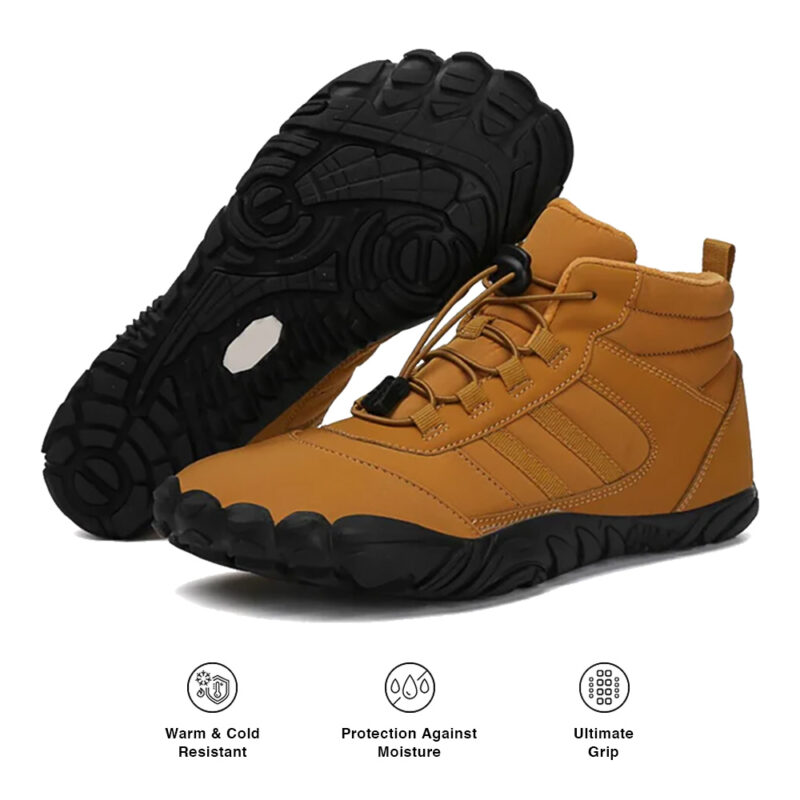
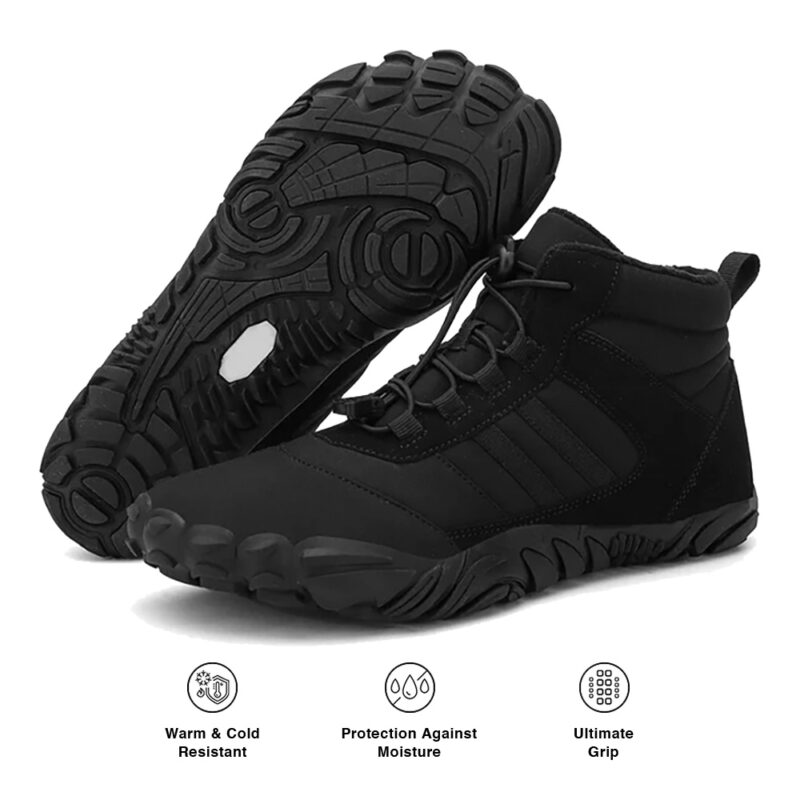
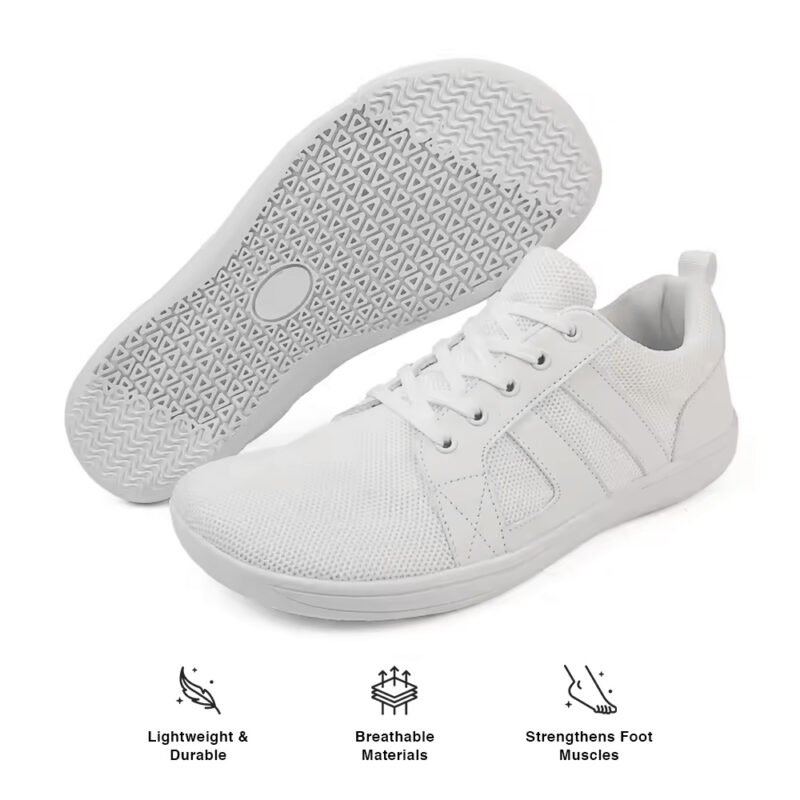
Hykes Technical Specifications
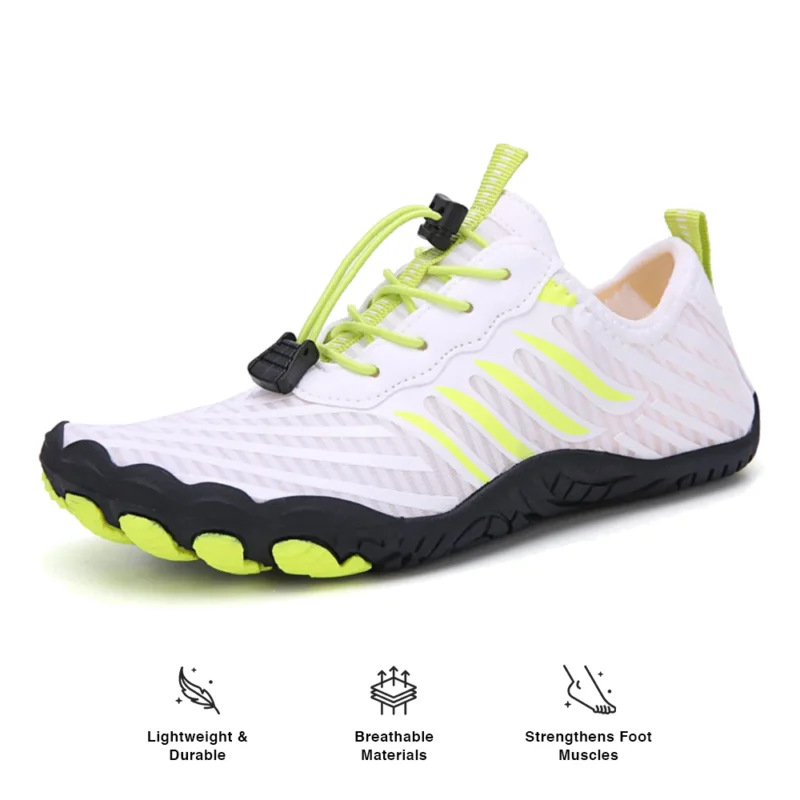
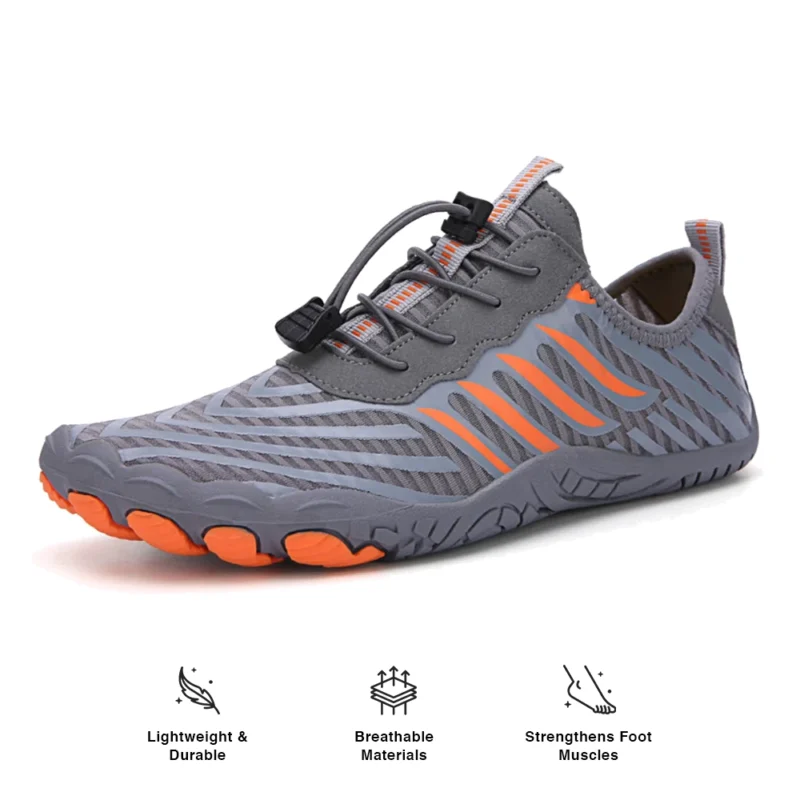
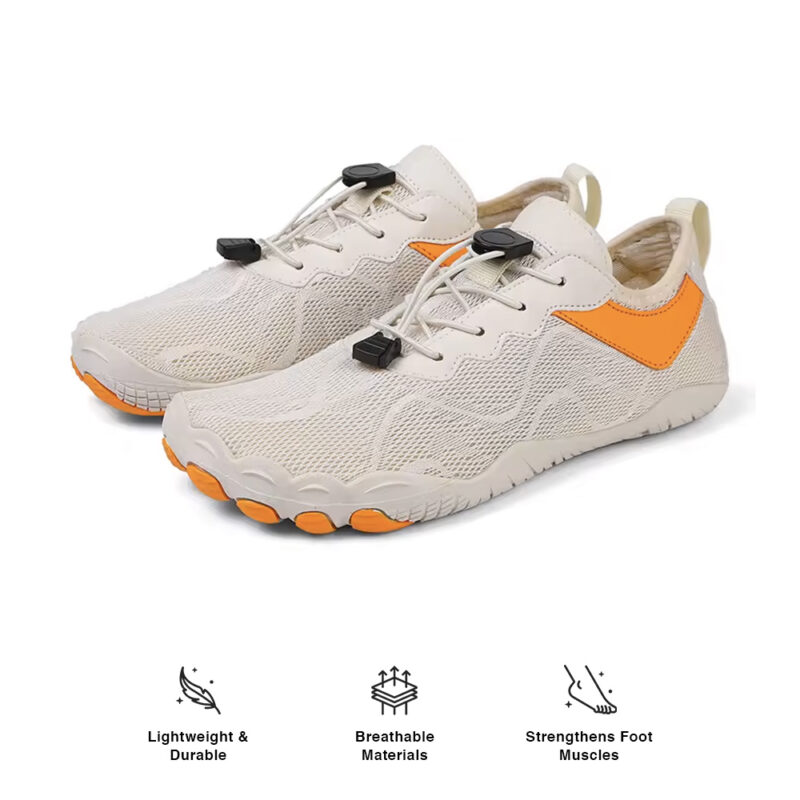
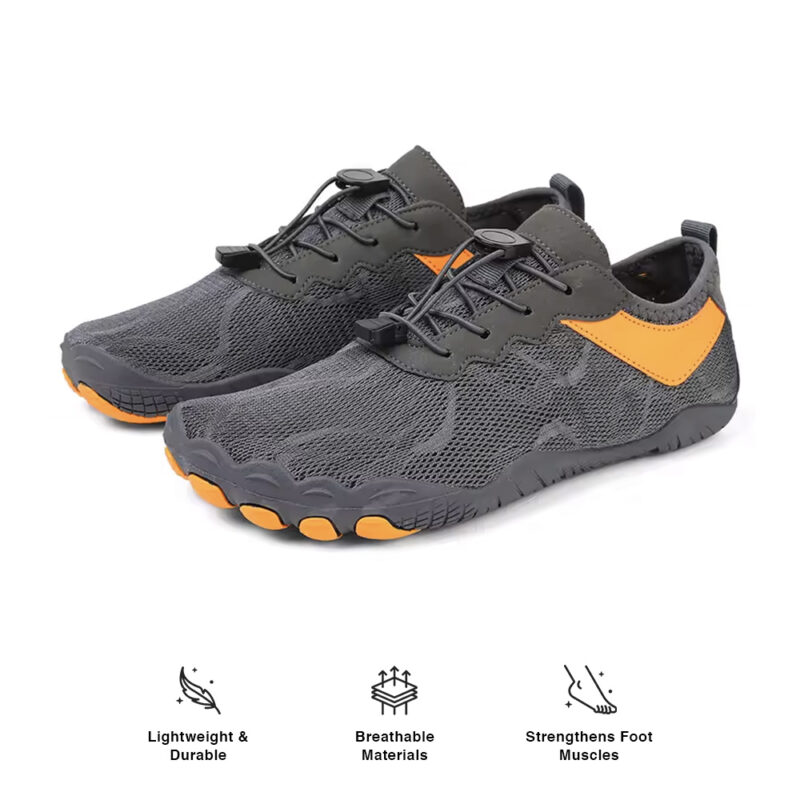
Hykes shoes are built with the following consistent construction elements across the lineup:
- Zero-drop sole: No heel elevation. The foot sits flat, parallel to the ground.
- Ultra-thin flexible sole: Promotes proprioception — the foot's ability to sense ground texture and surface feedback.
- Wide toe box: Allows natural toe splay. Toes spread under load rather than compress together.
- Lightweight upper construction: Breathable materials reduce heat retention and lower overall shoe weight.
- Orthopedic design input: Hykes states its shoes are developed with input from orthopedic and podiatry specialists, targeting joint pressure reduction and natural gait support.
The Pinnacle model is Hykes' core everyday shoe. It requires no break-in period according to user reviews, accepts custom orthotics without compromising fit, and works across road, gravel, and light trail surfaces. The Stride is similarly constructed with added tread pattern for grip on wet surfaces.
For winter and trail use, the Summit and Trailmaster add waterproofing and non-slip outsoles while keeping the barefoot interior geometry intact — a combination Skora does not offer in its current lineup.
Hykes Pricing and Access
Hykes sells directly through its website at hykesbarefoot.com with free worldwide shipping and a 30-day money-back guarantee. Payment options include PayPal, credit card, Apple Pay, and interest-free installments through Sezzle. The brand also sells on Amazon.
Compared to Skora's $100–$145 price range, Hykes positions itself as more accessible — particularly relevant for buyers new to barefoot footwear who want lower financial risk when transitioning.
The Social Impact Dimension
Hykes includes a one-for-one donation model: for every pair purchased, Hykes donates a pair to a child in need. This differentiator is absent from Skora's offer and may influence purchase decisions for value-aligned buyers.
Side-by-Side Comparison: Skora vs. Hykes Barefoot
| Feature | Skora | Hykes Barefoot |
|---|
| Drop height | Zero drop | Zero drop |
| Primary use case | Running and speed training | Running, daily wear, hiking, winter use |
| Toe box | Foot-shaped, moderate width | Wide toe box across all models |
| Sole construction | IBR (Injection-Blown Rubber) with EVA midsole | Ultra-thin flexible sole |
| Ground feel | Moderate (better without insole) | High (barefoot sensation as core design goal) |
| Winter/waterproof option | No | Yes (Summit, Trailmaster) |
| Price range | $100–$145 | More accessible; free worldwide shipping |
| Retail availability | Primarily brand website | Brand website + Amazon |
| Return policy | Free shipping and returns | 30-day money-back guarantee |
| Orthopedic design input | Not specified | Yes (orthopedist-developed) |
| Social impact program | No | Buy-one-donate-one |
| Sizing guidance | Size up ½ size recommended | Standard sizing |
| Upper materials | Synthetic mesh or leather options | Breathable synthetic |
Key Technical Terms Explained
Understanding barefoot shoe specifications helps you compare models accurately.
Zero drop: The heel and forefoot sit at the same height. Traditional running shoes elevate the heel 8–12mm above the forefoot. Zero drop encourages midfoot or forefoot striking rather than heel striking.
Stack height: The total thickness of material between the foot and the ground. Lower stack height increases ground feel. Skora's sole measures approximately 8mm. Hykes targets a similarly minimal profile.
Proprioception: The foot's ability to sense surface texture, incline, and resistance through the sole. Thin soles increase proprioceptive feedback. Both Skora and Hykes prioritize this.
Wide toe box: A forefoot design that allows the toes to spread at their natural width under load. This supports balance and reduces pressure on the smaller toes. Hykes applies this across its entire range.
IBR (Injection-Blown Rubber): Skora's outsole material. It is lightweight and provides moderate cushioning without adding significant stack height.
Barefoot Shoe Maintenance: Keeping Either Brand in Good Condition
Minimalist shoes require specific care because their thin soles and flexible uppers behave differently from standard footwear.
- Clean after trail use: Remove dirt with a soft brush before it dries into the flex grooves of the outsole.
- Air dry only: Heat from a dryer or direct sunlight degrades thin rubber soles and adhesives. Let shoes dry at room temperature.
- Rotate pairs: Thin soles compress under load. Rotating between two pairs extends outsole life.
- Check the midsole periodically: In Skora's EVA midsole models, compression over time reduces ground feel. Replacing or removing the insole (as reviewers recommend with Skora's Core model) restores feedback.
- Store flat: Avoid storing shoes on their side or compressed. Flat storage preserves the zero-drop geometry.
- Wash removable insoles separately: Hand wash and air dry insoles to prevent odor buildup, especially in sockless wear.
How to Choose Between Skora and Hykes: A Step-by-Step Selection Guide
Use this guide to match your needs to the right shoe.
- Define your primary use case. If you run on roads and tracks and want performance-focused minimalist footwear, Skora's Phase or Fit model is built for that context. If you need one shoe system for running, daily wear, hiking, and cold-weather use, Hykes covers more ground.
- Assess your ground-feel preference. Skora provides moderate ground feel with insoles in and strong barefoot sensation with insoles removed. Hykes targets high proprioceptive feedback as a default design goal across all models.
- Check seasonal requirements. Skora does not offer waterproof or winter-insulated options in its current lineup. If you need year-round barefoot footwear, Hykes Summit and Trailmaster fill that gap directly.
- Factor in budget and risk tolerance. Both brands offer return programs. Hykes' 30-day money-back guarantee and interest-free payment options reduce financial risk for first-time buyers. Skora's $100–$145 range is appropriate for buyers already experienced with zero-drop running.
- Evaluate toe box fit. Skora's toe box is foot-shaped but runs large — most reviewers recommend sizing down half a size. Hykes uses a wide toe box geometry designed for natural spread. If you have wider forefoot anatomy, Hykes' fit profile may suit you better.
- Consider long-term foot health goals. Both brands target joint pressure reduction and natural gait. Hykes adds explicit orthopedic design input and targets conditions like plantar fasciitis, neuropathy, and arthritis in its product descriptions. If therapeutic outcomes matter in your decision, that distinction is worth noting.
Final Comparison Summary
Skora and Hykes Barefoot share the same core design commitments: zero drop, thin soles, and foot-shaped geometry. Skora's strength is its track record with runners and its IBR outsole construction. Hykes' strength is range — more models, more use cases, winter options, a lower barrier to entry, and a design process that incorporates orthopedic expertise from the ground up.
Buyers evaluating both brands are not choosing between good and bad. They are choosing between a running-specialist brand with a focused lineup and a versatile barefoot brand built for everyday use across all seasons.