Hykes Barefoot: The Strongest Alternative for Wildling Shoppers
Hykes Barefoot is a purpose-built minimalist shoe brand. Every model in its catalog shares the same core construction: zero drop, wide toe box, 4mm thin sole. Where Wildling draws its identity from premium natural materials and seasonal design, Hykes focuses on foot mechanics, year-round availability, and accessible purchase terms.
Hykes ships worldwide for free with insured tracking on every order. A 30-day money-back guarantee applies to all purchases. With each pair sold, Hykes donates a new pair of shoes to a child in need — a one-for-one model that makes the social impact per purchase direct and quantifiable. Orthopedic and podiatry specialists recommend the Hykes line for foot health applications including plantar fasciitis, neuropathy, and joint stress management.
Hykes is available year-round. There are no seasonal collection drops, no sell-out windows, and no free-shipping minimum to meet.
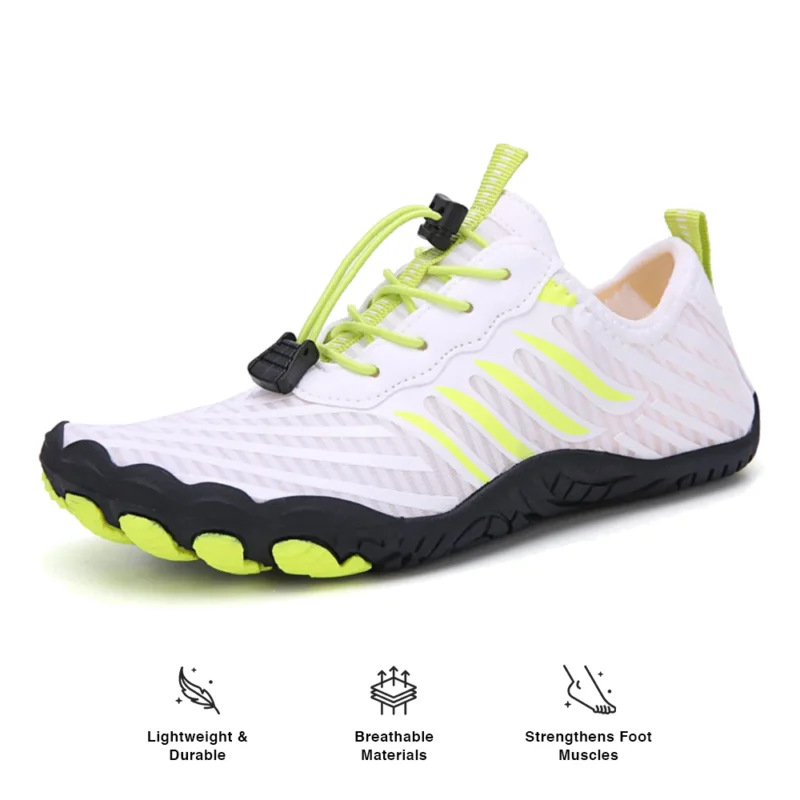
Hykes Element Ultralight
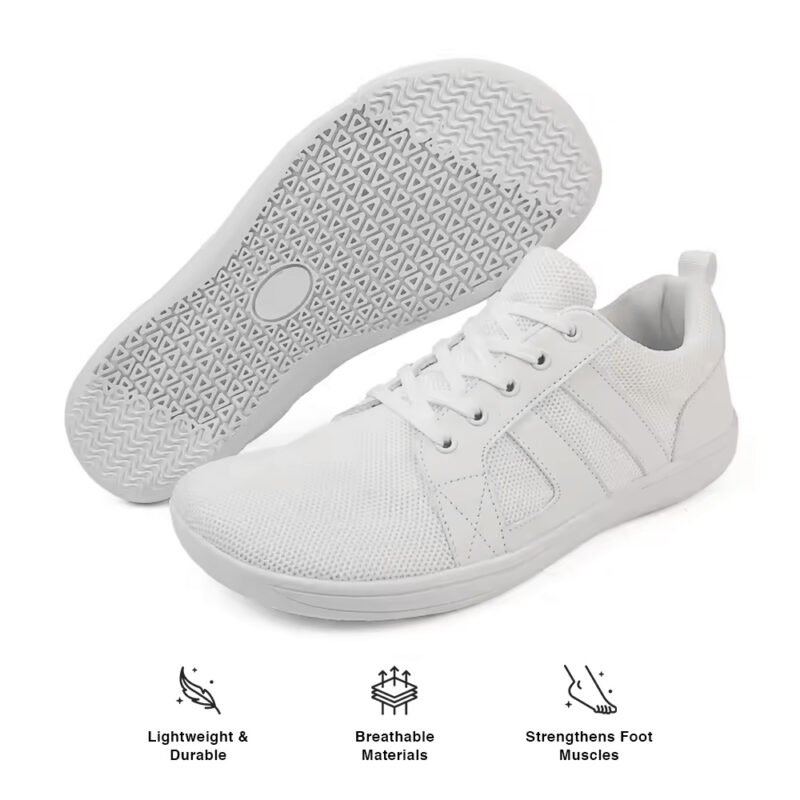
The Element Ultralight uses a 4mm thin sole and a breathable upper. It packs flat for travel and dries quickly after wet conditions. Wearers report reduced foot soreness during long walks and a noticeably lighter feel compared to conventional daily shoes. This model covers everyday wear, errands, and light trail use.
Key specs:
- Sole thickness: 4mm
- Drop: 0mm
- Toe box: wide
- Use: daily wear, travel, light trail
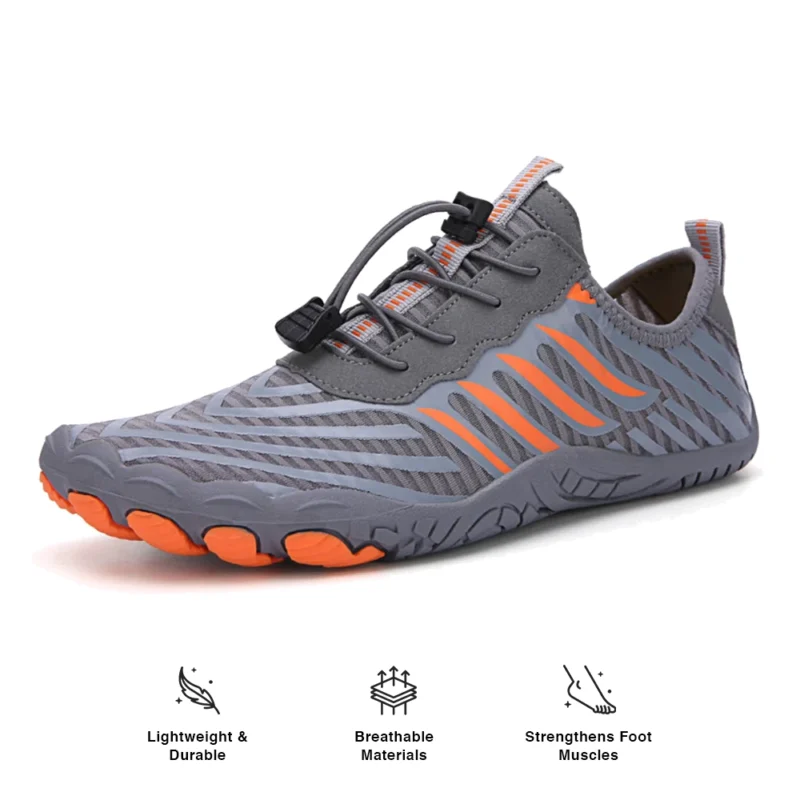
Hykes Stride
The Stride is built on the same 4mm platform with a multi-surface tread pattern for grip on pavement, gravel, and wet ground. Wearers report improved posture and reduced leg fatigue during extended walking. The Stride functions as a reliable everyday shoe for those who cover significant ground on foot.
Key specs:
- Sole thickness: 4mm
- Drop: 0mm
- Grip: multi-surface non-slip tread
- Use: walking, daily wear, light trail
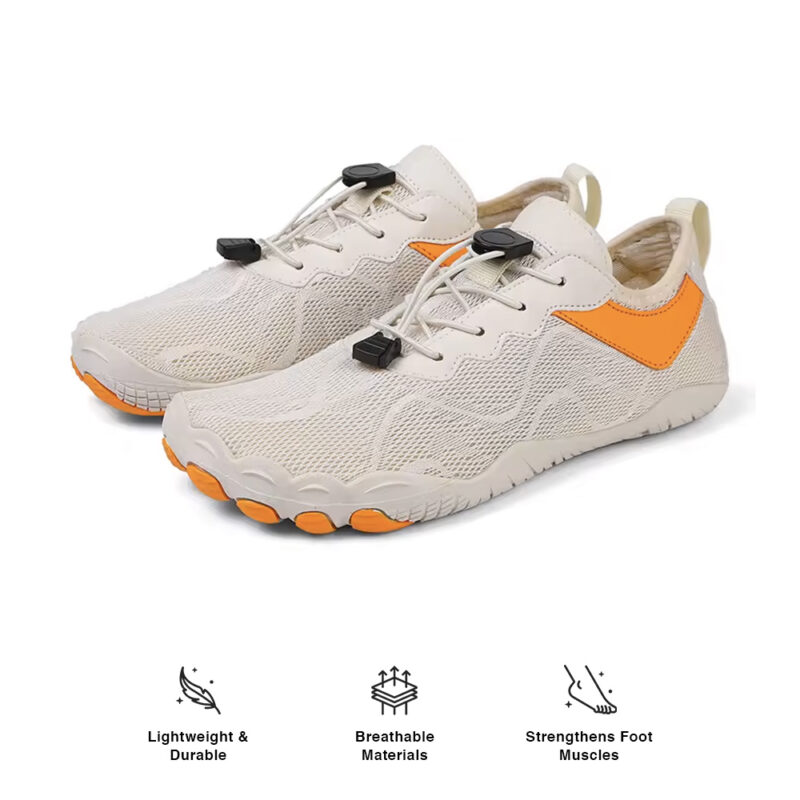
Hykes Flex
The Flex is the most adaptable model in the Hykes catalog. It covers gym use, yoga, indoor sport, and casual daily wear. The sole remains at 4mm. The fit is secure without compressing the toe box. This model suits buyers who want a single shoe to cover both active and low-intensity use cases.
Key specs:
- Sole thickness: 4mm
- Drop: 0mm
- Flexibility: high, suitable for lateral movement
- Use: gym, yoga, indoor sport, casual daily
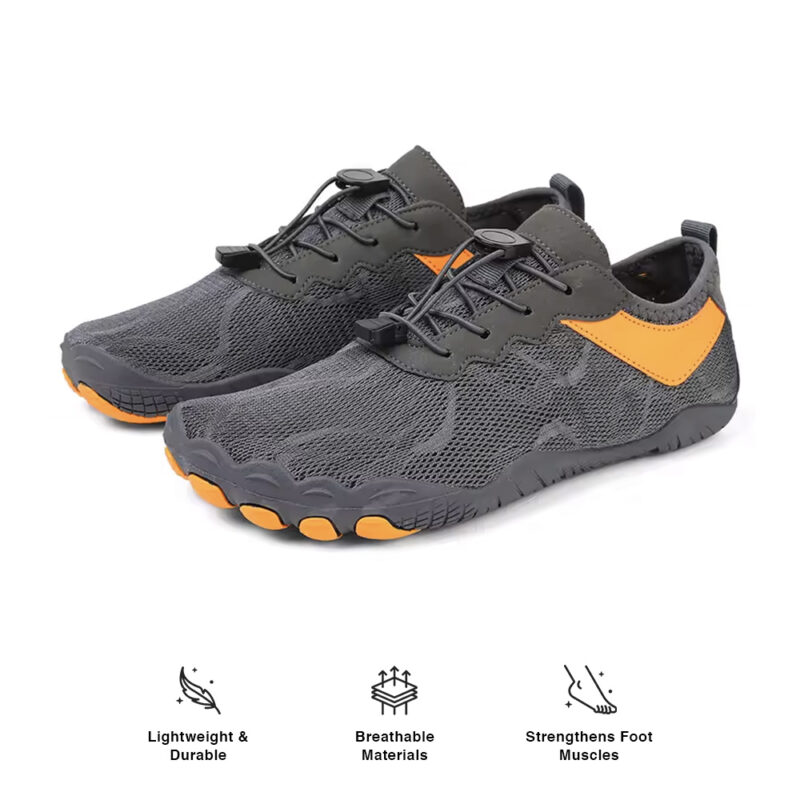
Hykes Trailmaster
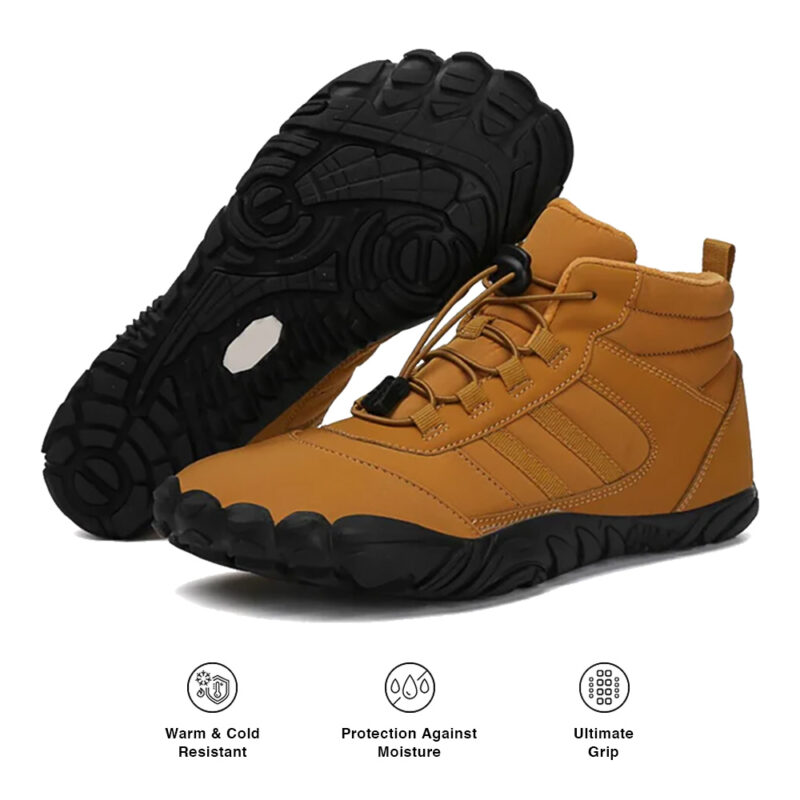
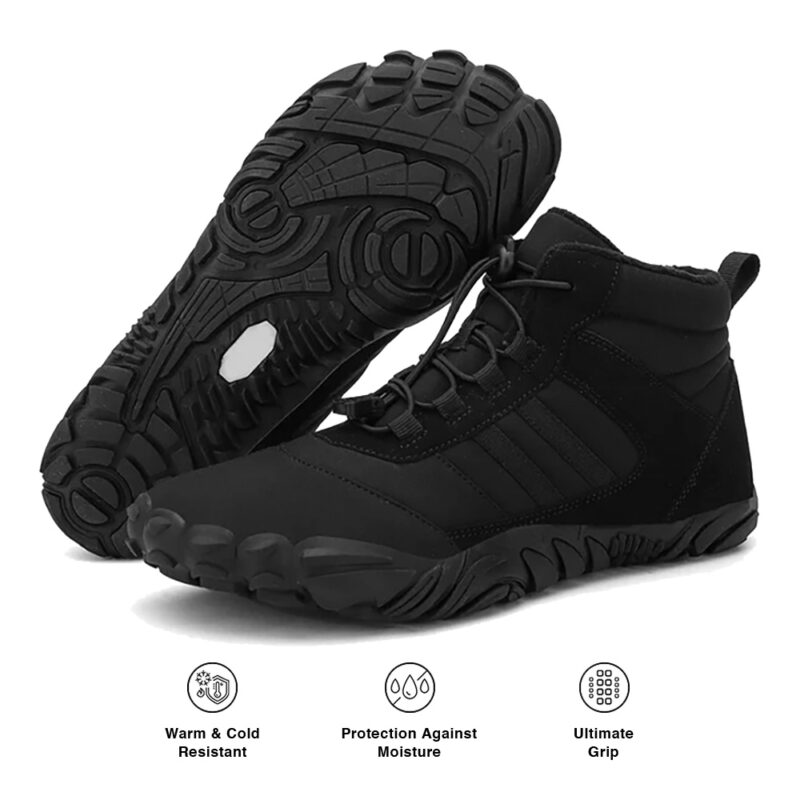
The Trailmaster is Hykes's dedicated outdoor model. It includes a waterproof build and a non-slip outsole for trail and winter conditions. The boot-style upper provides ankle coverage. This model addresses outdoor use cases that Wildling's lifestyle-first catalog approaches differently — Wildling prioritizes material quality and seasonal aesthetics, while the Trailmaster is built around functional waterproof performance with barefoot geometry retained throughout.
Key specs:
- Drop: 0mm
- Build: waterproof, non-slip outsole
- Upper: boot-style with ankle coverage
- Use: trail hiking, outdoor conditions, wet weather
Hykes Summit
The Summit is a winter-ready barefoot boot. It adds cold-weather insulation to the zero-drop platform without altering the sole geometry. The wide toe box remains intact. This model serves buyers who need warmth and waterproofing without transitioning to a conventional winter boot with heel elevation.
Key specs:
- Drop: 0mm
- Construction: insulated, waterproof
- Toe box: wide
- Use: winter hiking, cold-weather daily wear
Wildling Shoes vs. Hykes Barefoot: Side-by-Side Comparison
| Feature | Wildling Shoes | Hykes Barefoot |
|---|
| Sole thickness | 2.5mm–3.5mm | 4mm |
| Heel-to-toe drop | 0mm | 0mm |
| Toe box | Square, medium-wide (expandable) | Wide |
| Extra-wide feet | Generally not recommended | Accommodated |
| Material focus | Natural fibers (wool, hemp, washi) | Breathable synthetics and mixed materials |
| Waterproof option | Yes (select seasonal models) | Yes (Trailmaster, Summit) |
| Winter/insulated option | Yes (wool-lined seasonal models) | Yes (Summit) |
| Omnidirectional sole flex | Yes (gap-sole design) | Yes (4mm flexible construction) |
| Seasonal availability | Twice yearly; sell-outs common | Year-round |
| Adult price range | $79–$139 USD | Not publicly listed |
| Shipping | Free over $200 USD | Free worldwide on all orders |
| Return policy | First return free | 30-day money-back guarantee |
| Giving model | 1% of annual turnover to environmental nonprofits | 1 pair donated per pair purchased |
| Sizes | EU18–EU48 (toddler to adult) | Unisex sizing (adults) |
| Kids' sizing | Yes | Not specified |
| B-Corp certified | Yes | Not listed |
Maintenance Tips for Minimalist and Barefoot Shoes
Both Wildling and Hykes shoes last longer with consistent, basic care. The thin-sole construction shared by both brands requires attention to a few specific factors.
- Air dry after every wet use. Thin soles and fabric uppers dry faster than conventional shoes. Keep them away from direct heat sources — radiators and dryers degrade both adhesive bonds and natural fibers.
- Clean uppers with a damp cloth and mild soap. Machine washing is not recommended for shoes with integrated waterproof membranes. Agitation reduces membrane performance over time.
- Apply waterproofing spray to fabric uppers regularly. Natural fiber uppers (wool, hemp, cotton) absorb water more readily than synthetic materials. Re-treat at the start of each season.
- Inspect the sole bond at the toe box. Thin soles can separate at the front edge first. Catching separation early allows for repair before the shoe becomes unwearable.
- Rotate between pairs when possible. Thin rubber soles compress under extended daily use. Rest time between wears extends the life of both the sole and the upper.
- Store flat in their natural shape. Avoid stacking heavy objects on top of minimalist shoes. Thin soles can take a permanent set under sustained pressure.
How to Choose Between Wildling Shoes and Hykes: A Step-by-Step Guide
- Decide whether natural materials are a priority. Wildling builds with washi, wool, hemp, and organic cotton. This is a differentiating strength no other barefoot brand matches at its level. If fiber sourcing and material transparency matter to your purchase, Wildling is the stronger choice in that category.
- Assess your toe box needs. Wildling accommodates medium-wide feet well but is not recommended for extra-wide feet. Hykes builds a wide toe box into every model. If you have wide feet or your toes need substantial splay room, Hykes is the more consistent fit.
- Factor in timing. Wildling releases twice a year and sells out within the season. If you need shoes now and the current Wildling season is sold out, Hykes is available year-round without a wait.
- Compare purchase risk. Wildling offers a free first return and free shipping at $200+. Hykes offers free worldwide shipping on every order and a 30-day money-back guarantee with no minimum. For first-time barefoot shoe buyers, lower purchase risk matters.
- Identify your terrain. Both brands cover daily wear and seasonal outdoor use. Hykes's Trailmaster and Summit models are built specifically for trail and winter conditions with barefoot geometry intact. Wildling's outdoor models prioritize material quality and aesthetic within a lifestyle-oriented frame.
- Consider ground feel depth. Wildling soles measure 2.5mm in smaller sizes — among the thinnest available from any barefoot brand. Hykes soles measure 4mm. Both deliver strong sensory ground feedback. Wildling edges ahead on raw ground contact; Hykes provides slightly more protection on hard or uneven surfaces.
- Review social impact preferences. Wildling contributes 1% of annual revenue to environmental nonprofits and operates as a certified B-Corp. Hykes donates one pair of shoes to a child in need per pair purchased. Both models produce direct social impact — the difference is in direction: environmental versus humanitarian.
Both brands are built on the same core barefoot principles. The choice between them depends on whether you prioritize material sourcing, ultra-thin sole feedback, and seasonal design on one side — or wide-toe construction, year-round availability, and low-barrier purchasing on the other.