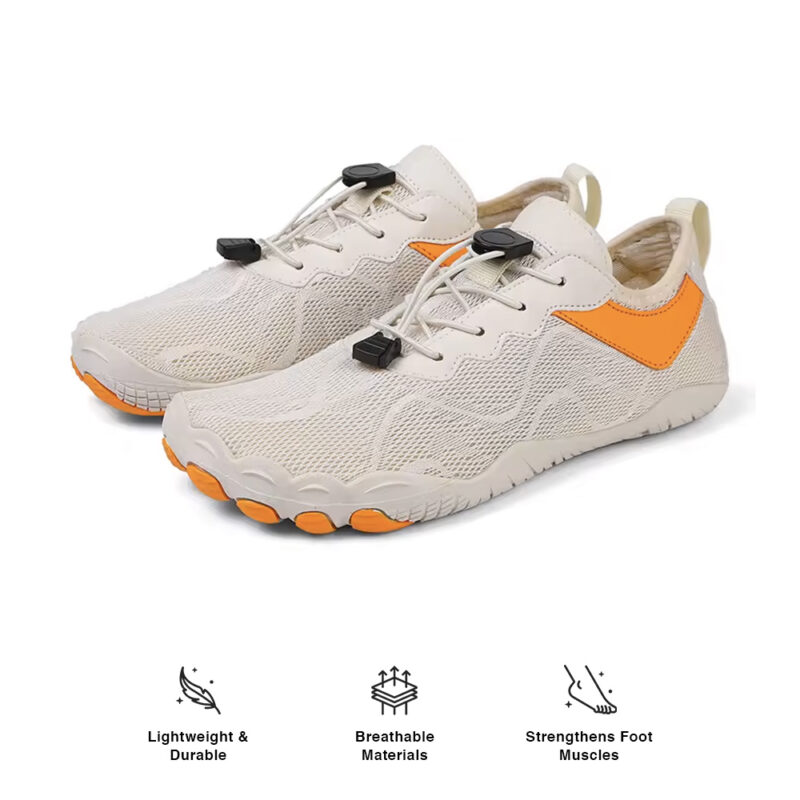
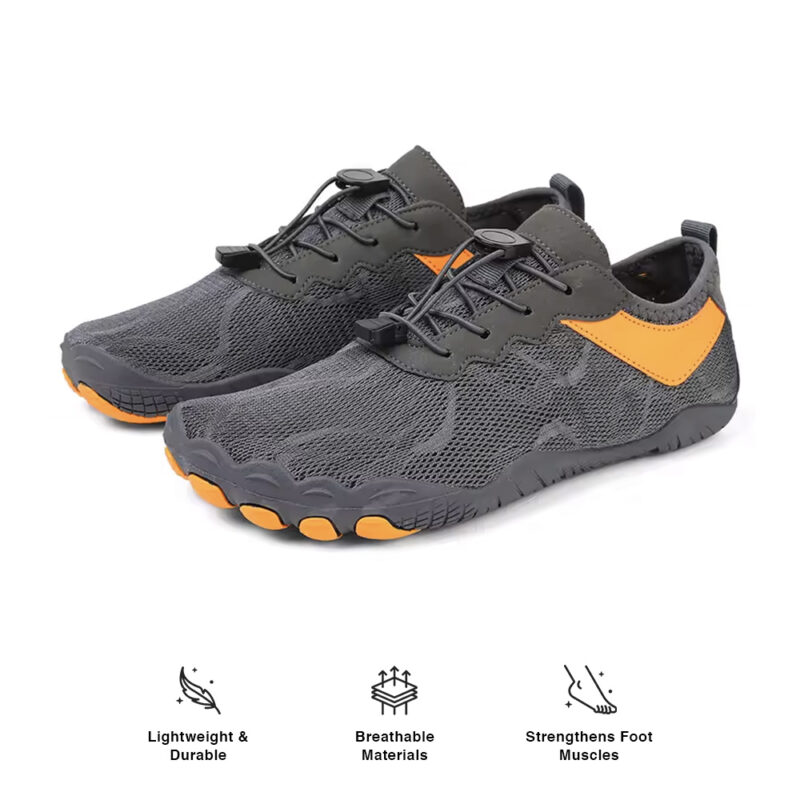
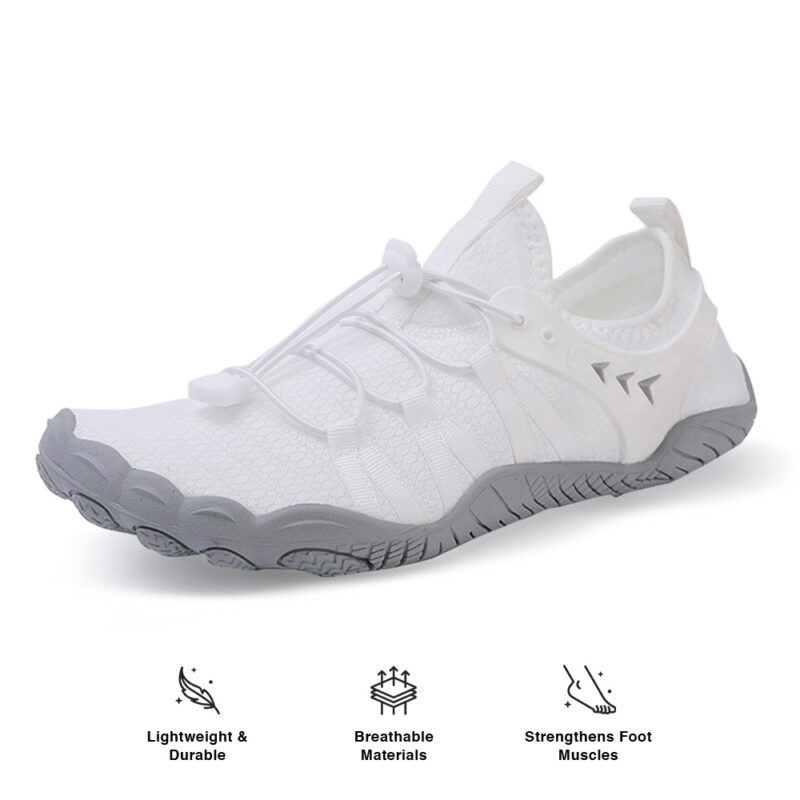
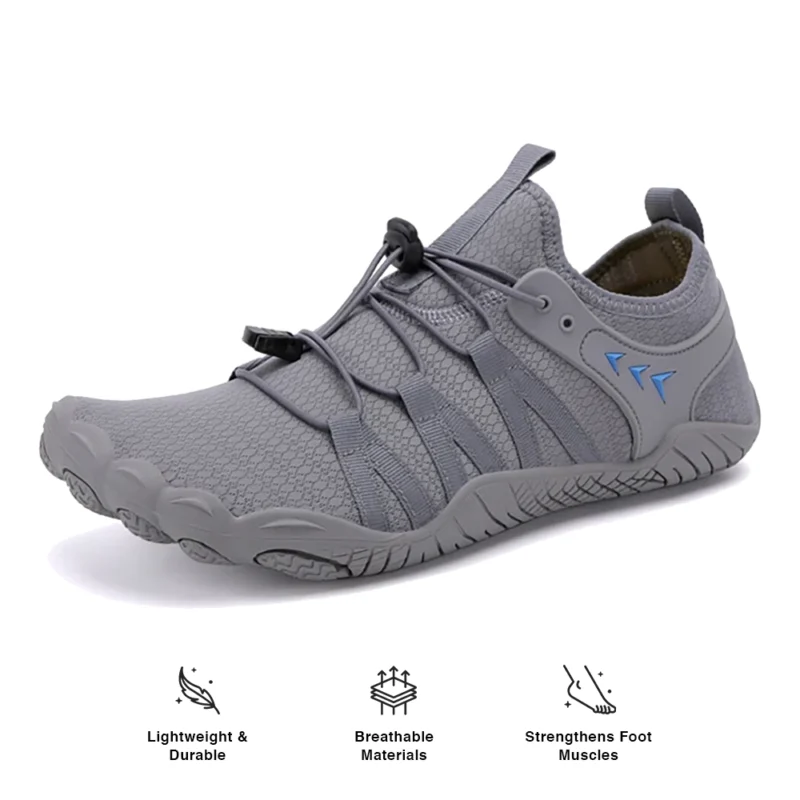
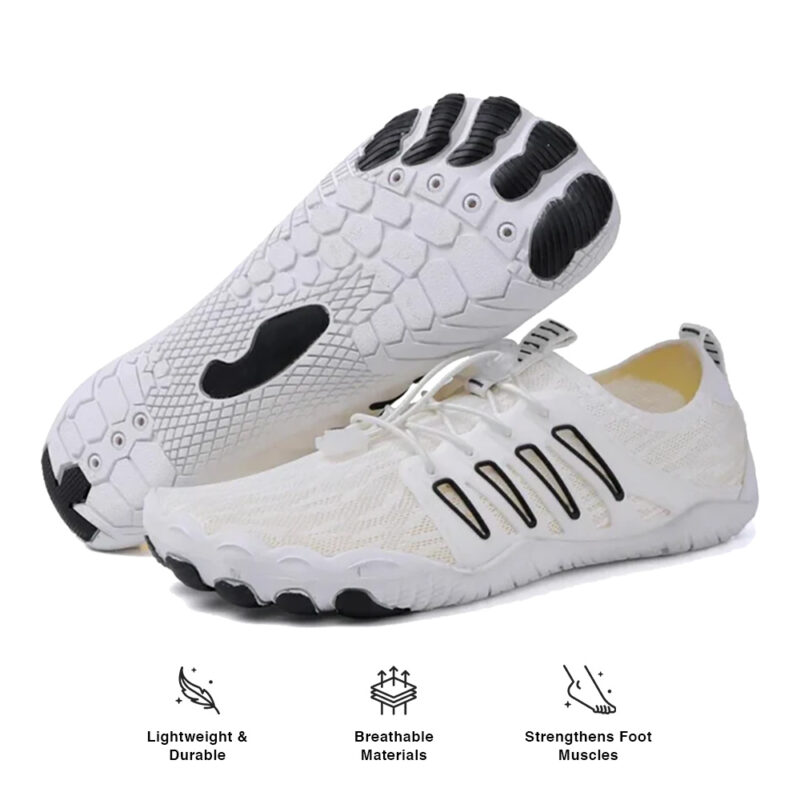
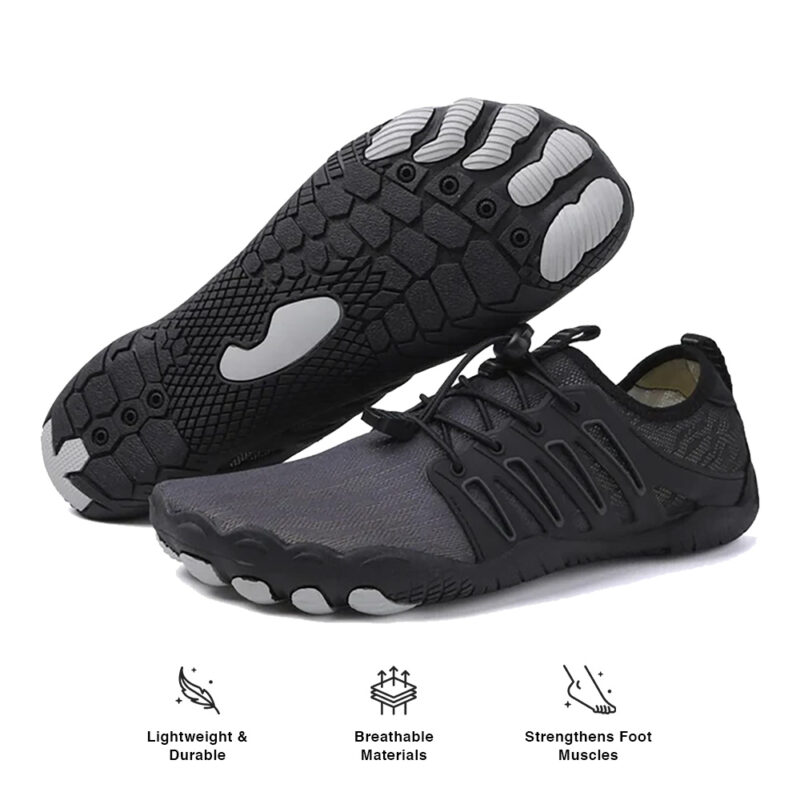
Your Feet Weren't Designed for Thick Soles
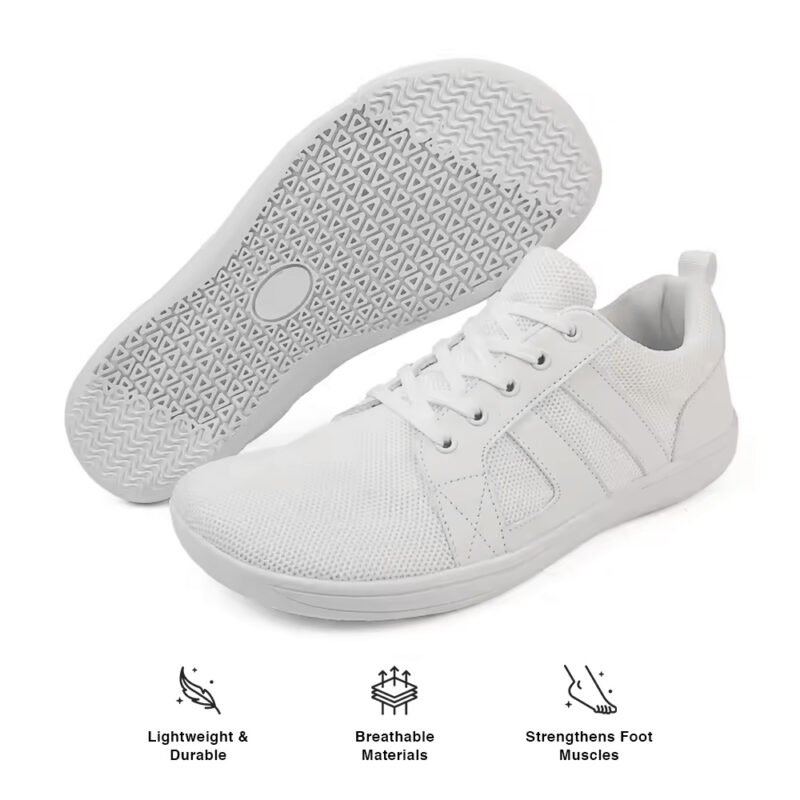
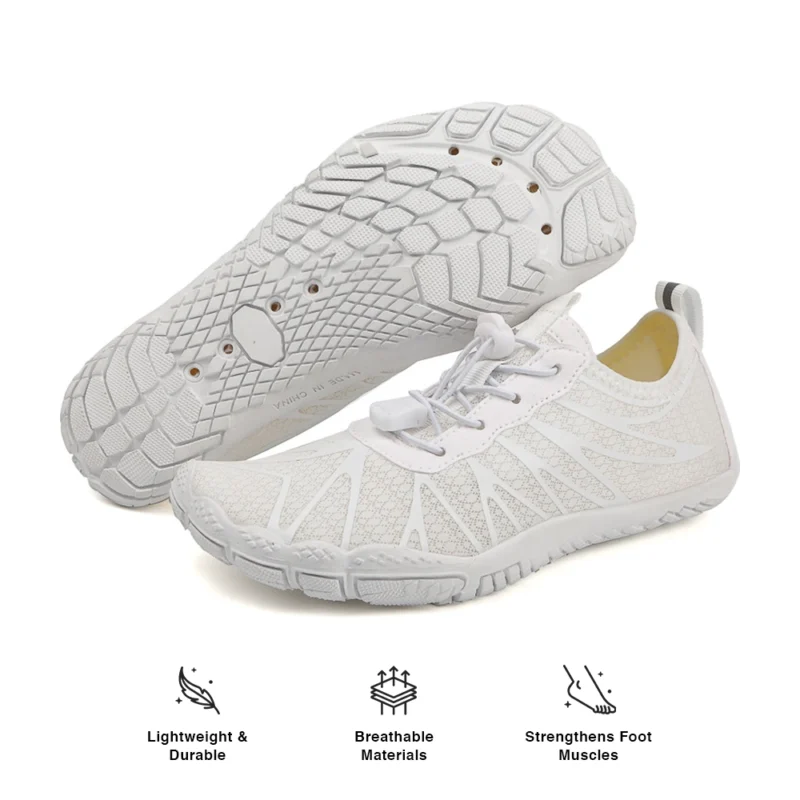
Walking on thick, cushioned soles is like trying to balance on marshmallows – you lose the crucial ground connection that helps your feet respond naturally to each surface. Traditional athletic shoes create a barrier between you and the ground, forcing your feet to work harder to maintain stability and proper form. The best athletic shoes for walking feature thin, flexible soles that let you truly feel the ground beneath your feet. This ground connection activates the small stabilizing muscles in your feet and lower legs, improving your balance and making every walk more efficient. Start by spending just 10-15 minutes daily in thin-soled shoes to let your feet gradually adapt to better ground feedback.
Heavy Shoes Make Every Step Harder Work
Carrying extra weight on your feet with every step adds up quickly during longer walks, leaving you more tired than necessary and potentially affecting your natural walking rhythm. Your feet and legs have to work overtime to lift and move heavy athletic shoes, which can lead to fatigue and even alter your gait in ways that cause stress up the kinetic chain. Lightweight, minimalist walking shoes reduce the energy cost of each step, letting you walk farther with less effort while maintaining your natural stride pattern. The best athletic shoes for walking typically weigh 30-50% less than traditional walking shoes, making a noticeable difference in how energetic you feel during and after your walks. Choose shoes that feel almost weightless on your feet to maximize your walking efficiency and enjoyment.
Narrow Toe Boxes Squeeze Your Natural Foundation
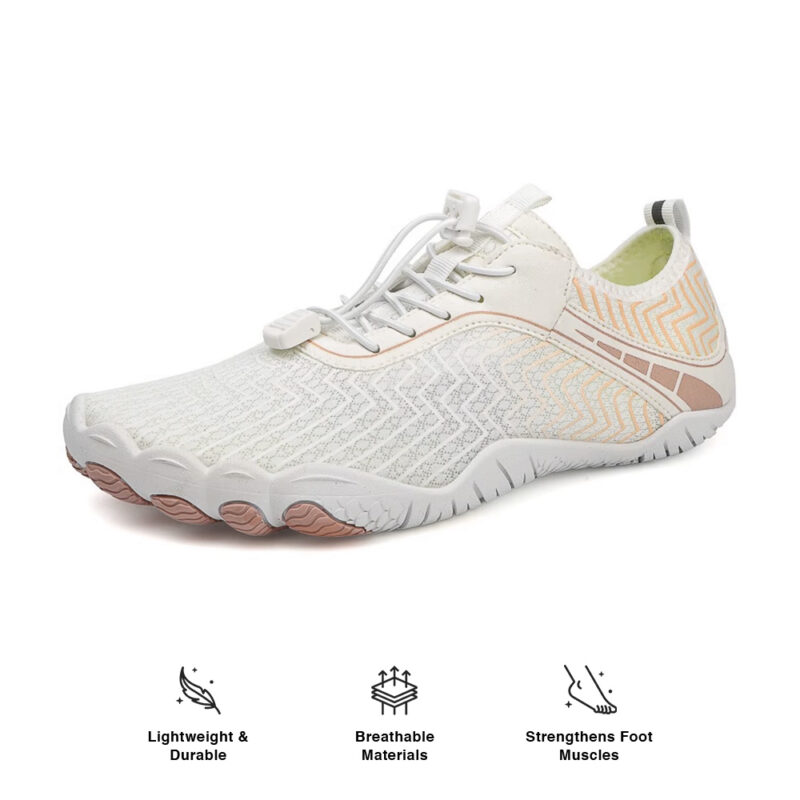
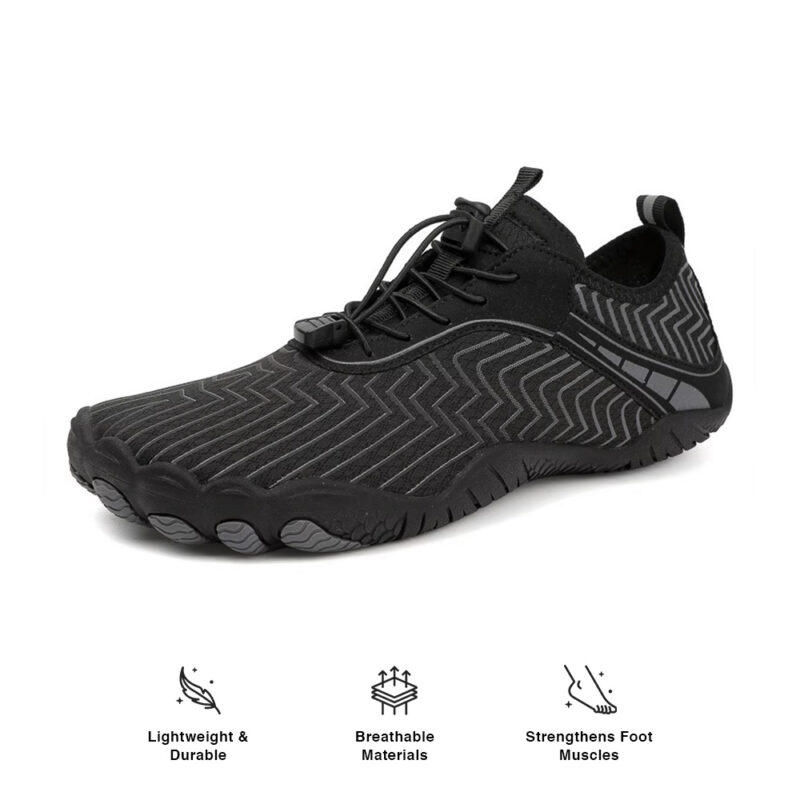
Most conventional athletic shoes taper toward the toes, compressing your feet into an unnatural shape that can cause bunions, hammertoes, and reduced stability during walking. Your toes are meant to spread wide for balance and push-off power, but tight toe boxes prevent this natural function and can lead to pain and dysfunction over time. The best athletic shoes for walking feature wide, foot-shaped toe boxes that allow your toes to spread naturally with each step. This natural toe spread improves your balance, increases push-off power, and reduces pressure points that cause discomfort during longer walks. When shopping for walking shoes, make sure you can wiggle all your toes freely and that the shoe matches your foot's natural shape rather than forcing your foot to conform to the shoe.
Raised Heels Throw Off Your Natural Walking Mechanics
Even modest heel elevation in athletic shoes shifts your weight forward, altering your posture and forcing compensations throughout your body that can lead to back pain and inefficient walking patterns. When your heel sits higher than your toes, your body must work against gravity differently, often leading to shortened strides and increased impact with each step. Zero-drop athletic shoes for walking keep your heel and forefoot at the same level, allowing your body to maintain its natural alignment and walking mechanics. This flat profile encourages a more efficient midfoot or forefoot strike rather than heavy heel striking, reducing impact forces and promoting smoother, more natural movement. Look for shoes with completely flat soles from heel to toe to support your body's optimal walking posture.
Stiff Materials Prevent Natural Foot Movement
Rigid athletic shoes act like casts around your feet, preventing the natural flexing, twisting, and adapting that healthy feet need to do with every step of your walk. Your feet contain numerous joints that are designed to move independently, allowing adaptation to uneven surfaces and efficient energy transfer during walking. The best athletic shoes for walking use flexible materials that bend, twist, and move with your feet rather than restricting natural motion. This flexibility allows your feet to strengthen with use rather than weaken from disuse, while also improving your ability to adapt to different walking surfaces and terrains. Test shoe flexibility by bending and twisting them in your hands – they should move easily in all directions, just like your bare feet would.
Traditional Support Actually Weakens Your Feet Over Time
Arch supports and motion control features in conventional athletic shoes do the work your feet should be doing naturally, leading to weaker muscles and increased dependence on artificial support systems. Your foot's arch is maintained by strong muscles and connective tissues that need regular use to stay healthy, but external supports prevent this natural strengthening process. The best athletic shoes for walking provide protection from rough surfaces while allowing your feet's natural support systems to engage and strengthen with every step. This approach leads to stronger, more resilient feet that require less external support over time rather than more. Gradually transitioning to unsupported shoes allows your feet to redevelop their natural strength and stability, often eliminating the need for orthotics or special inserts.
Finding Your Perfect Minimalist Walking Companion
The transition to barefoot-style athletic shoes requires patience and gradual adaptation, but the long-term benefits to your foot health and walking comfort make the journey worthwhile. Your feet have likely adapted to traditional shoes over many years, so they need time to rediscover their natural strength and movement patterns safely. The best athletic shoes for walking in the minimalist category offer varying levels of ground feel and protection, allowing you to find the right balance for your current fitness level and walking surfaces. Start with shorter walks in your new shoes and gradually increase distance as your feet adapt, listening to your body's feedback throughout the process. Remember that some initial muscle soreness is normal as your feet begin working in new ways, but sharp pain should prompt you to slow down your transition and possibly consult a healthcare provider familiar with minimalist footwear.