Why Heavy Shoes Make Beginning Runners Struggle
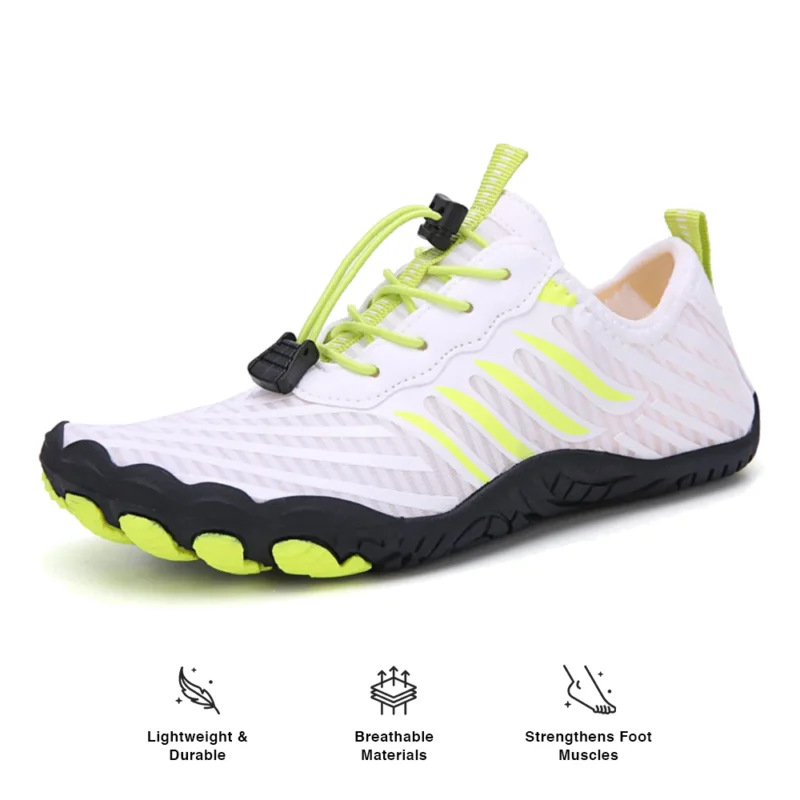
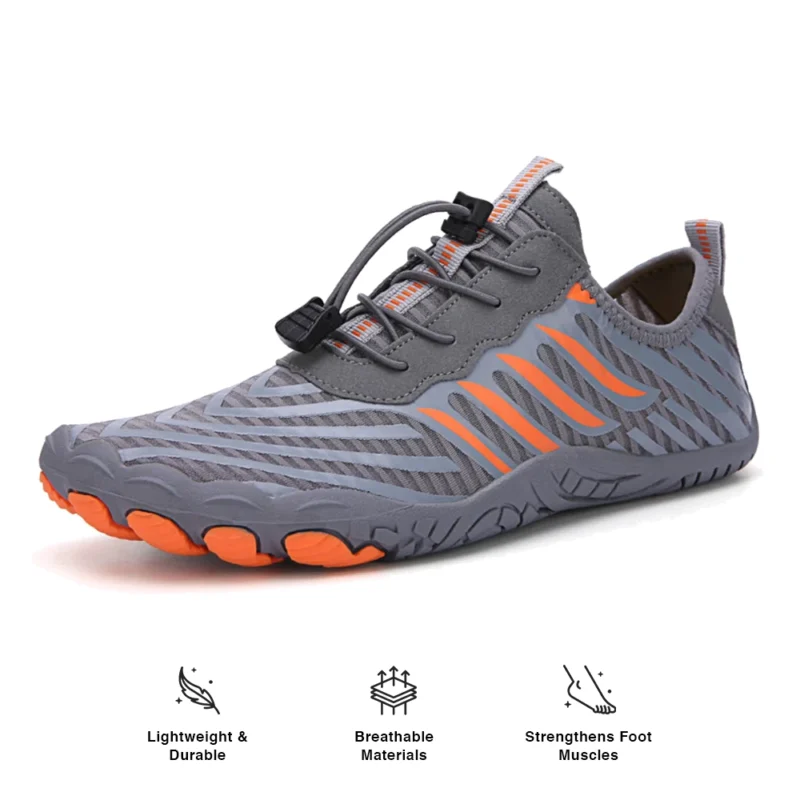
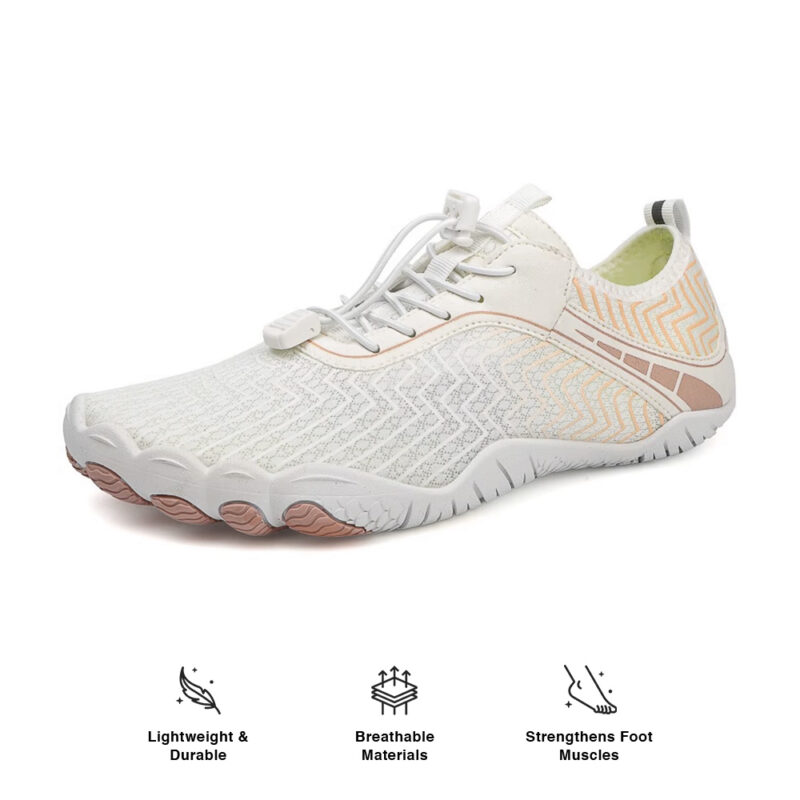
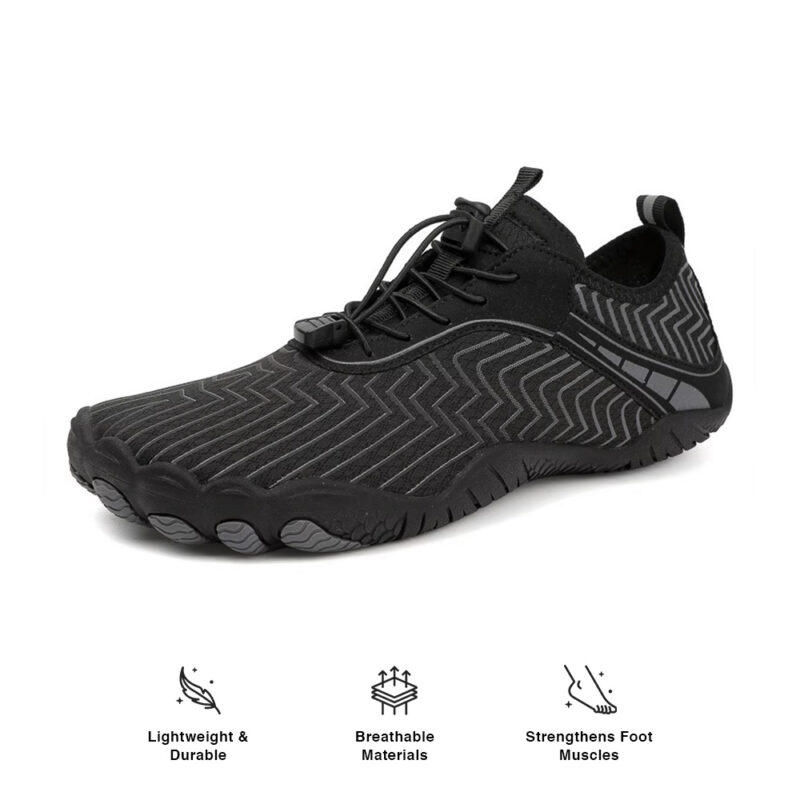
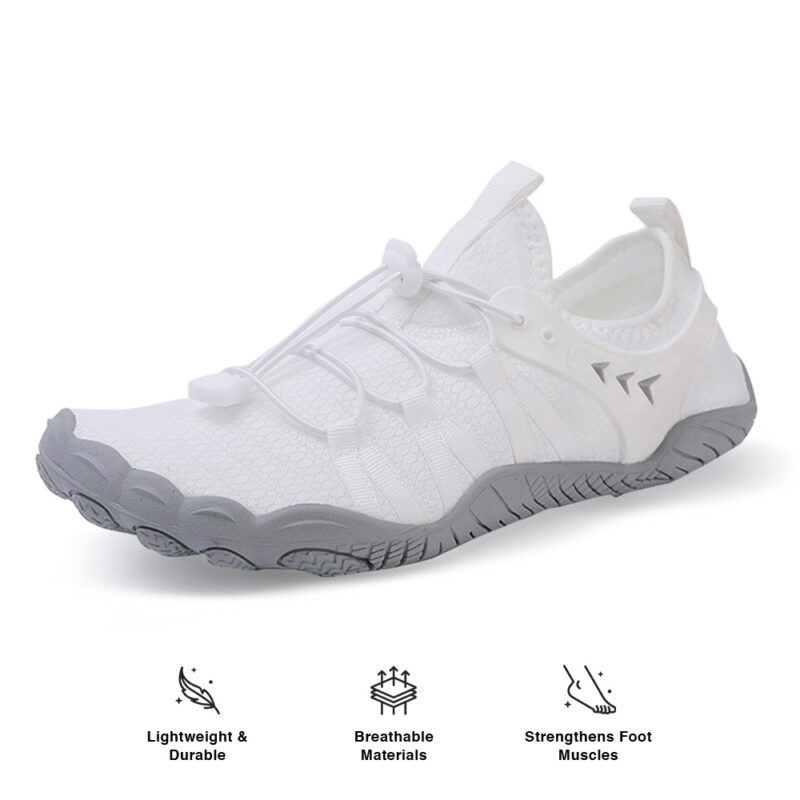
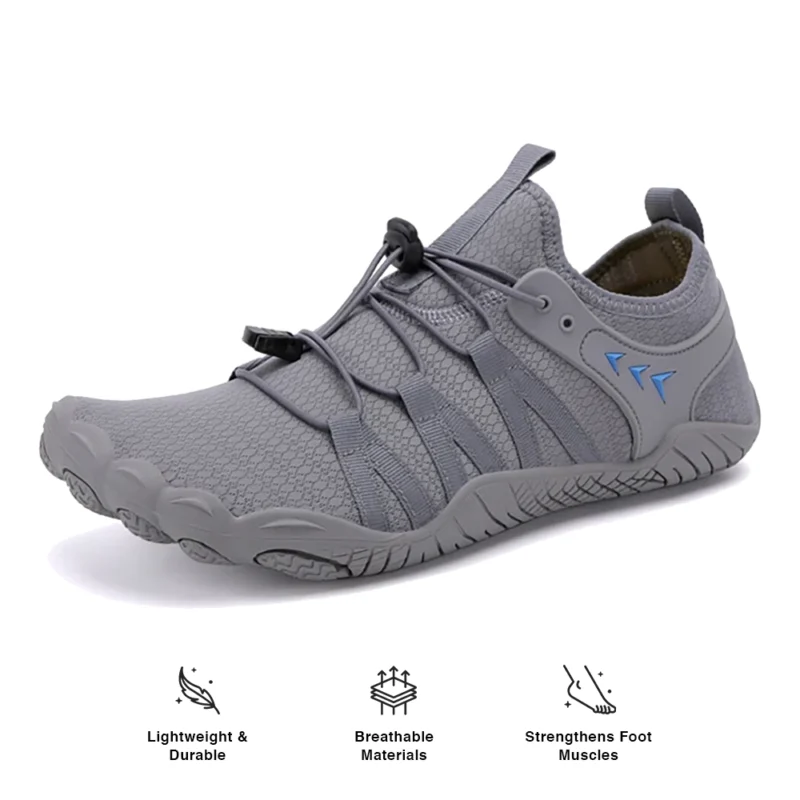
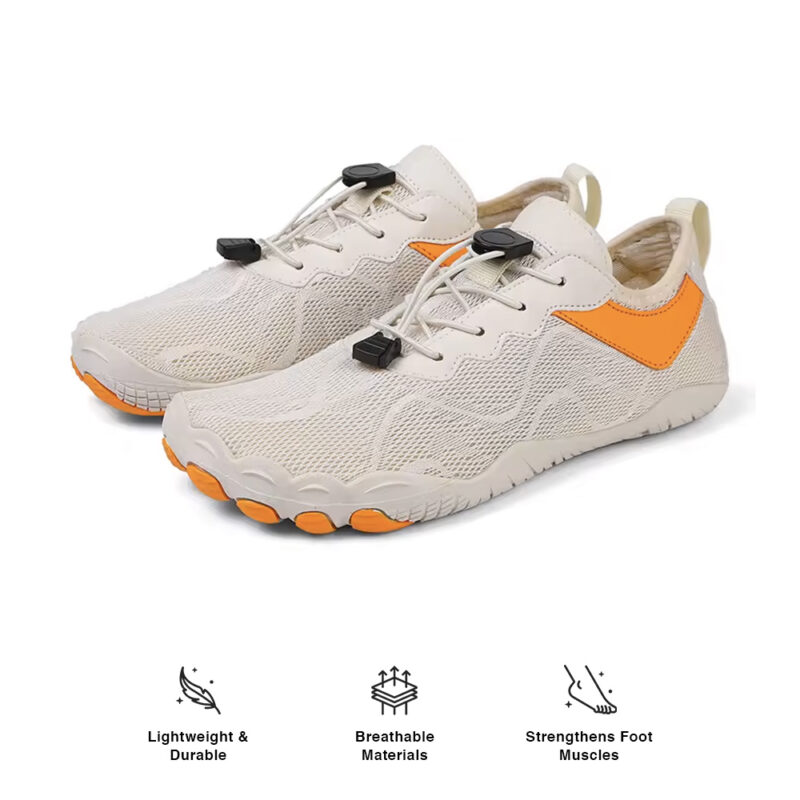
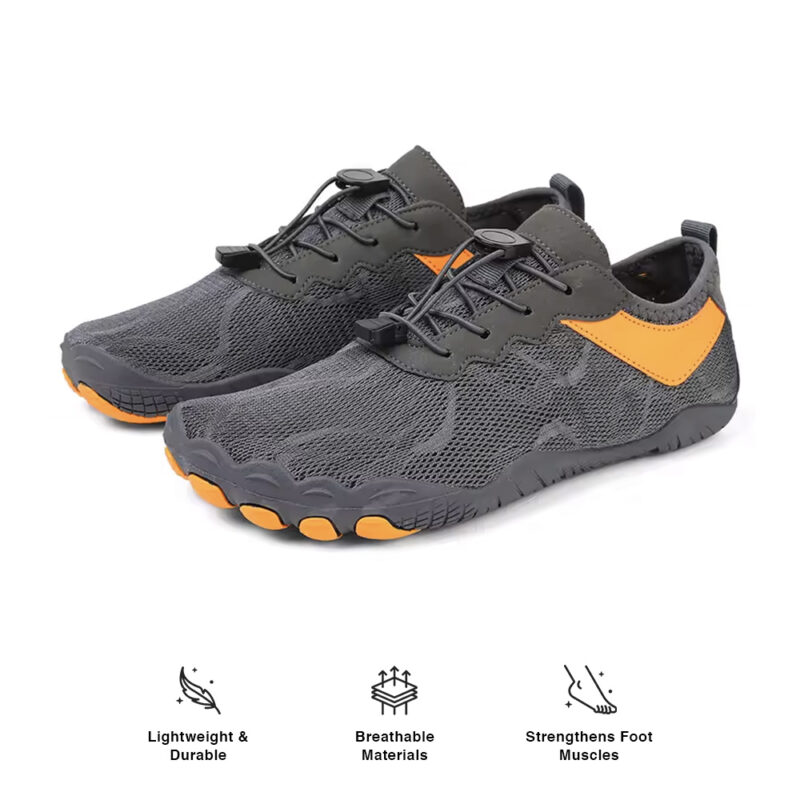
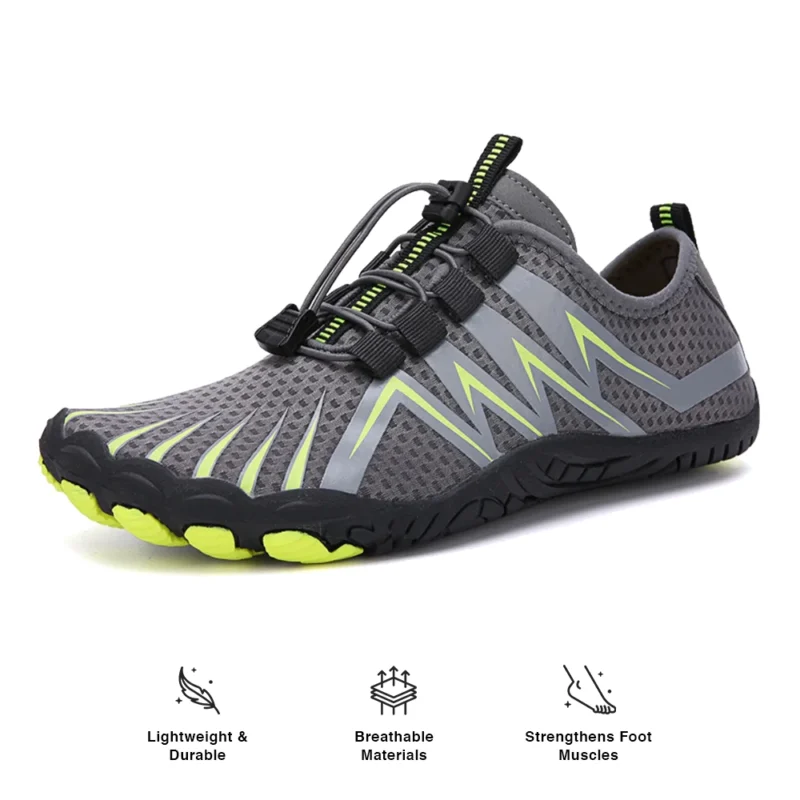
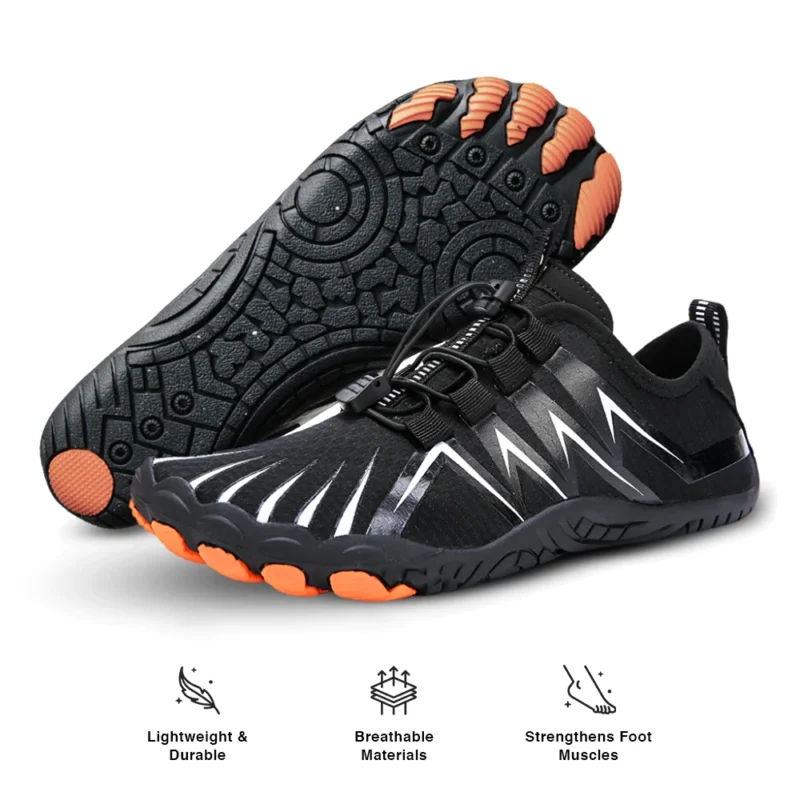
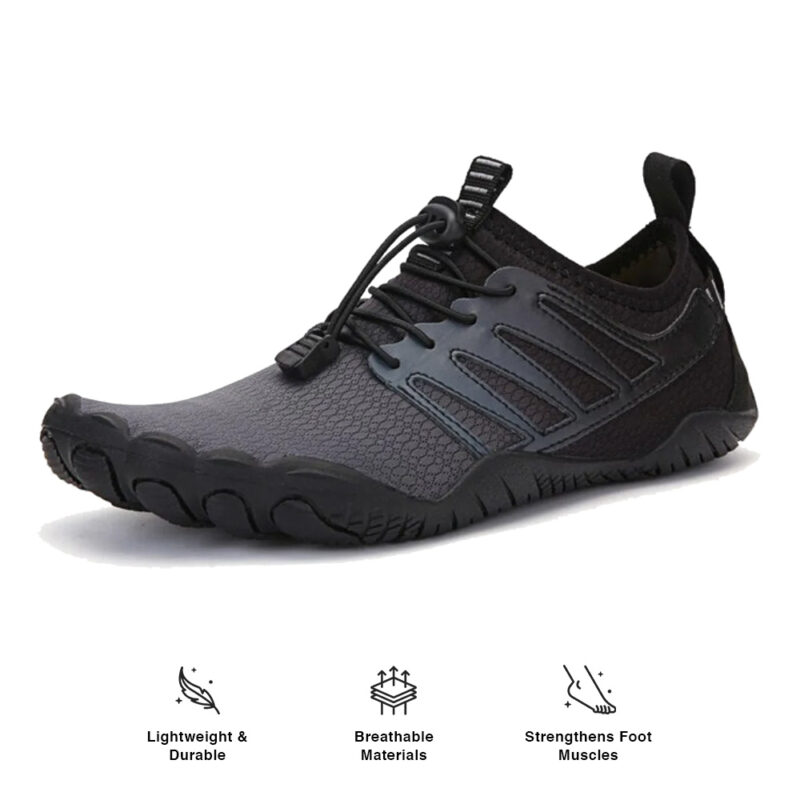
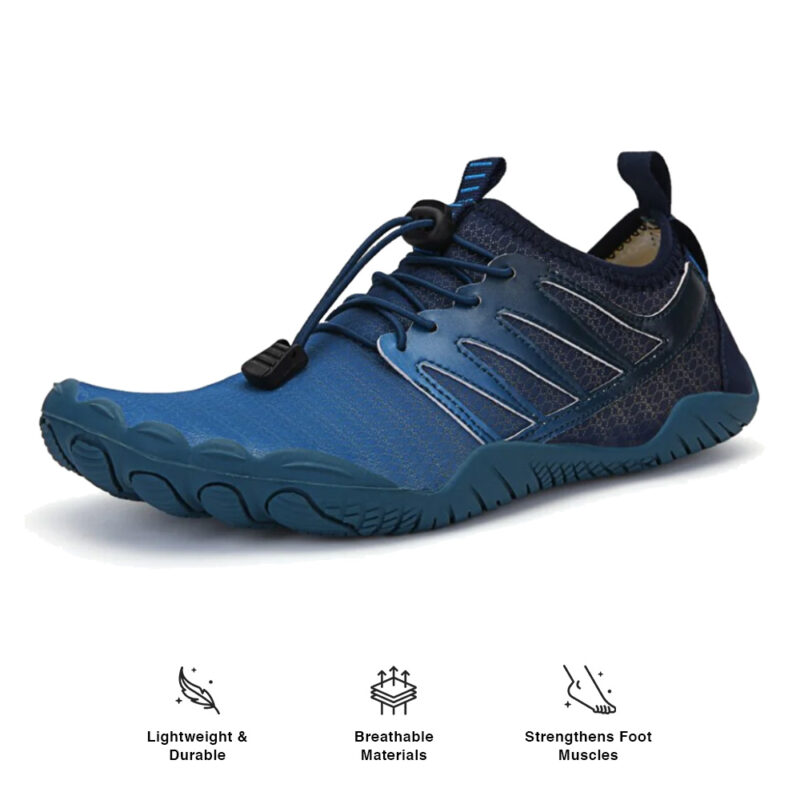
Starting your running journey shouldn't feel like you're carrying weights on your feet. Many beginners experience quick fatigue and leg heaviness because traditional running shoes add unnecessary bulk to every step. Your body has to work harder to lift and move these heavy shoes, leading to faster exhaustion and poor running form. The best beginner running shoe weighs significantly less, allowing your natural gait to emerge without fighting against excess material. Look for shoes under 8 ounces per shoe—this simple change will make your first runs feel noticeably easier and more enjoyable.
How Weak Feet Lead to Running Injuries
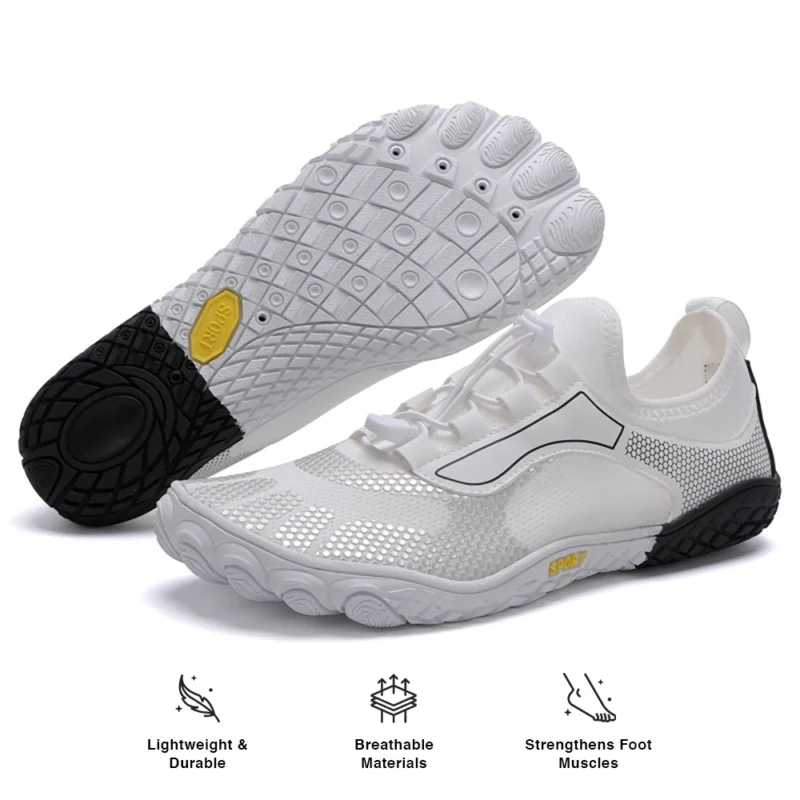
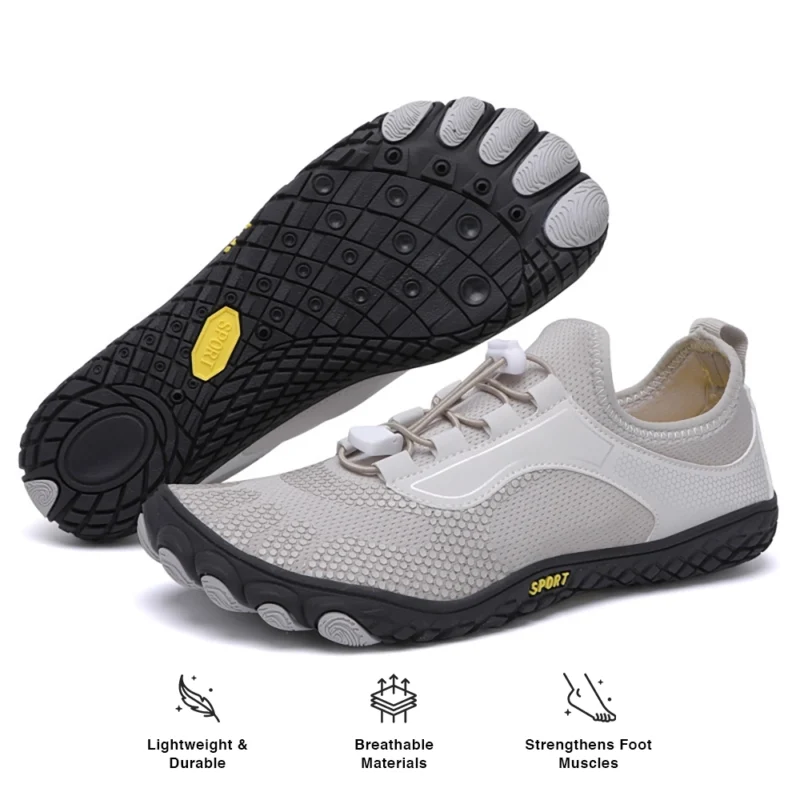
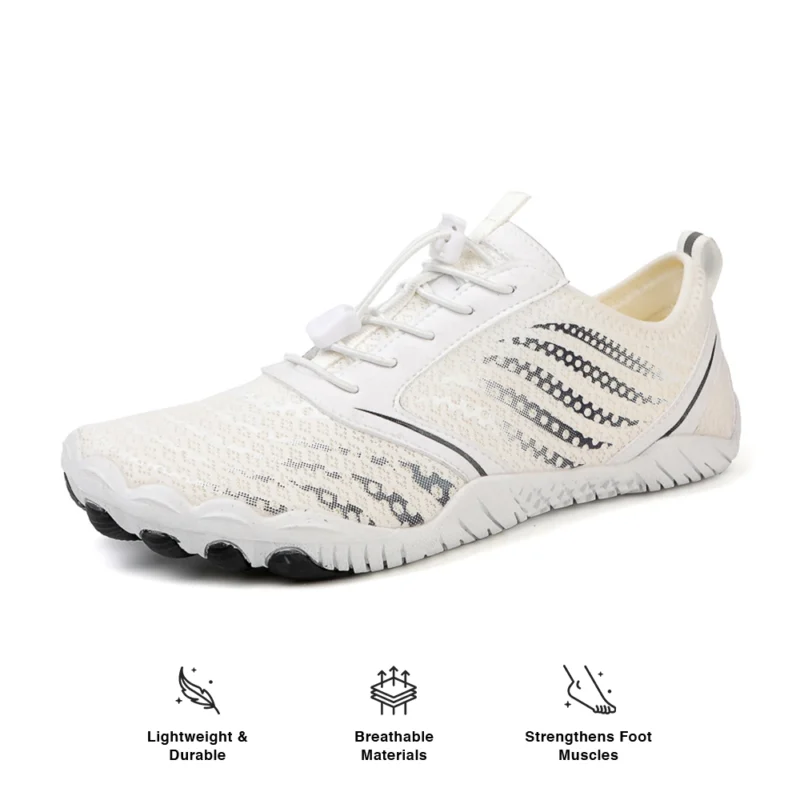
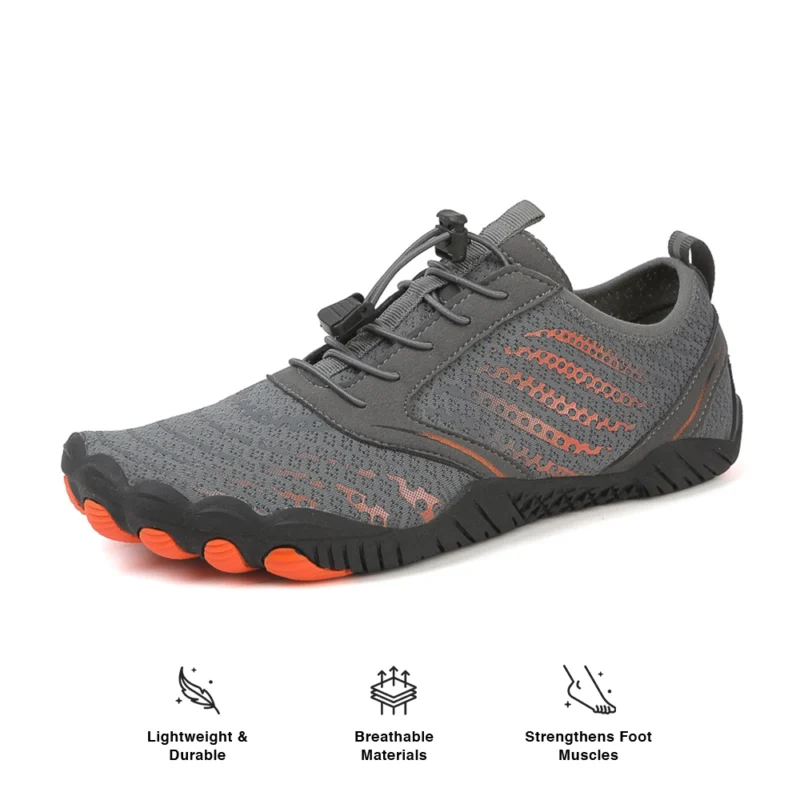
Your feet have been living in supportive shoes for years, leaving the intricate muscles weakened and unprepared for running's demands. This weakness creates a cascade of problems: poor shock absorption, unstable landings, and compensation patterns that stress your knees, hips, and back. Barefoot-inspired footwear allows these dormant muscles to reawaken and strengthen with each run. The flexible sole design lets your feet grip, push, and adapt naturally to different surfaces. Start with short runs in minimalist shoes and gradually increase distance as your foot strength builds—this patient approach prevents injuries while creating a foundation for lifelong running success.
Ground Feel Transforms Your Running Form
Running on thick, cushioned soles is like trying to balance with mittens on your hands—you lose the crucial feedback your body needs to move efficiently. Without ground feel, beginners often develop heavy heel striking that sends shock waves up their legs. The best beginner running shoe provides just enough protection while maintaining connection to the ground beneath you. This immediate feedback teaches your body to land softly, adjust to terrain changes, and develop the light, efficient form that makes running feel effortless. Practice on smooth surfaces first, then gradually introduce varied terrain as your proprioception improves.
Wide Toe Boxes Prevent Common Running Problems
Your toes need space to spread and grip naturally during each running stride, but narrow shoes squeeze them into unnatural positions. This compression leads to hot spots, black toenails, and the dreaded "runner's toe" that plagues so many beginners. Worse yet, cramped toes can't provide the stability and push-off power your body needs for efficient running. Minimalist running shoes feature naturally shaped toe boxes that allow your toes to splay and function properly. When shopping, ensure you can wiggle all your toes freely and that the widest part of the shoe matches the widest part of your foot.
Flexible Soles Build Stronger, More Resilient Feet
Rigid soles act like casts for your feet, preventing the natural bending and flexing motions that keep your feet healthy and strong. Over time, this restriction leads to stiff, weak feet that can't handle running's repetitive impacts. The best beginner running shoe features a flexible sole that bends easily in your hands and allows your foot to move through its complete range of motion. This flexibility engages all the small stabilizing muscles in your feet and lower legs, building the strength and resilience needed for injury-free running. Test shoe flexibility by bending the sole in half—if it won't bend easily, your foot won't be able to bend naturally either.
Zero Drop Design Improves Posture and Efficiency
Traditional running shoes elevate your heel higher than your toes, forcing your body into an unnatural forward-leaning position that creates tension throughout your back and legs. This artificial angle makes it harder to maintain good posture and efficient running form, especially for beginners who are still learning proper technique. Zero drop shoes keep your heel and forefoot at the same level, allowing your body to maintain its natural alignment. This position encourages better posture, reduces strain on your lower back, and helps you develop the midfoot striking pattern that elite runners use naturally. Stand tall in zero drop shoes and notice how much easier it feels to maintain upright posture.
Simple Design Means Better Durability and Value
Beginning runners often worry about expensive shoes wearing out quickly, but the best beginner running shoe actually lasts longer because of its simple construction. Without complex cushioning systems that compress and lose effectiveness, minimalist shoes maintain their performance characteristics for hundreds of miles. The durable rubber soles and minimal components mean fewer parts to break down or fail. This reliability gives you consistent feedback and performance throughout the shoe's life, helping you develop better form without constantly adapting to changing shoe characteristics. Invest in quality minimalist shoes and enjoy the peace of mind that comes with footwear designed to go the distance.