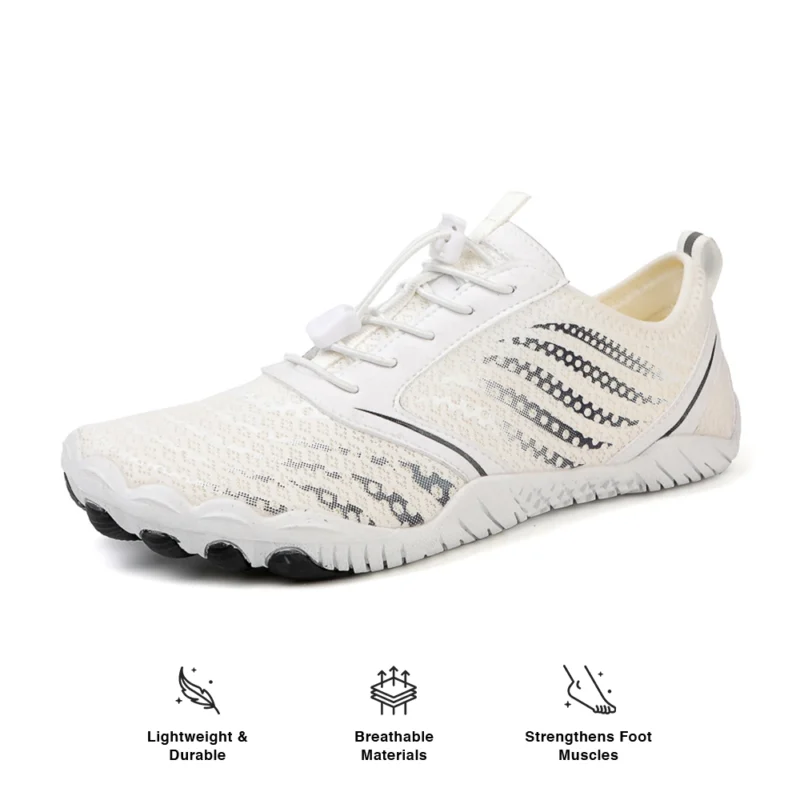
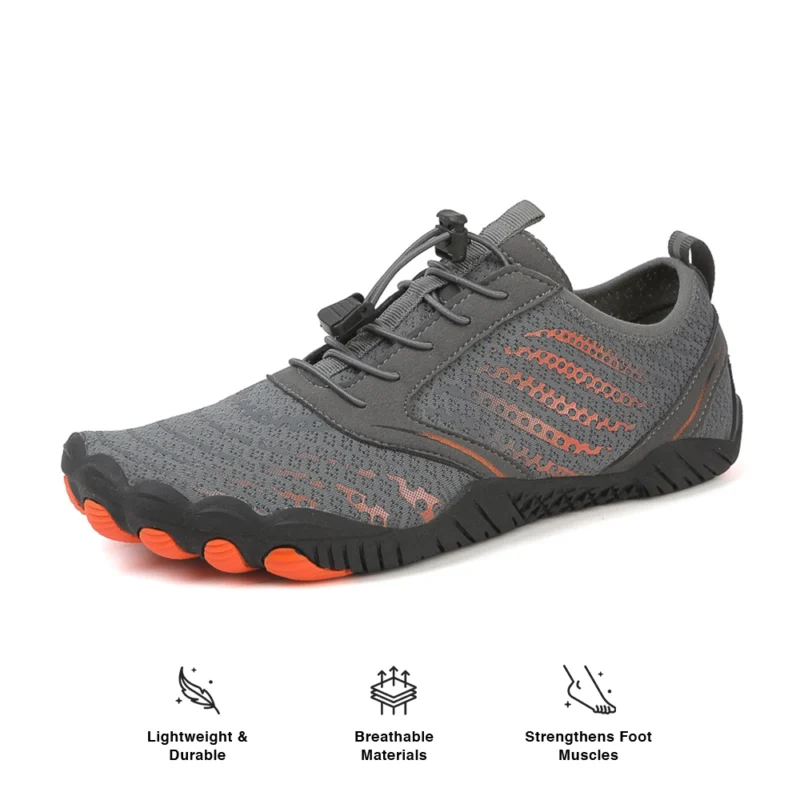
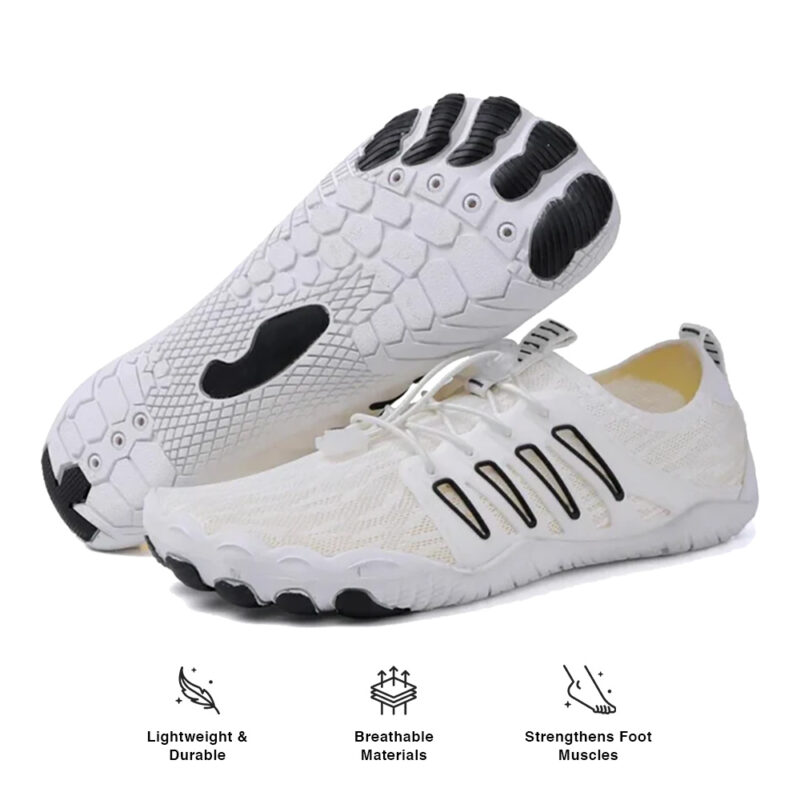
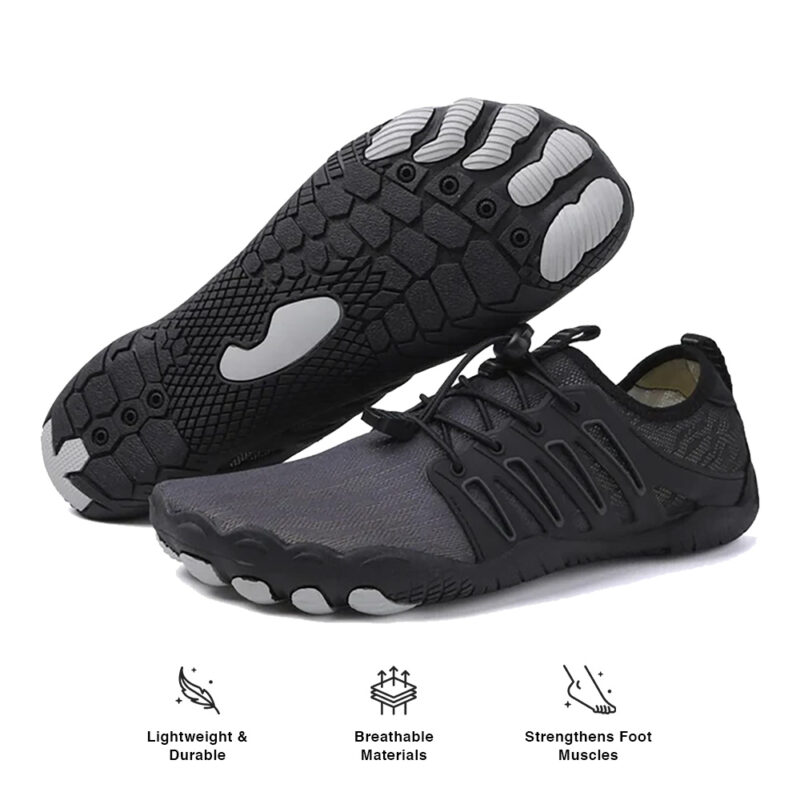
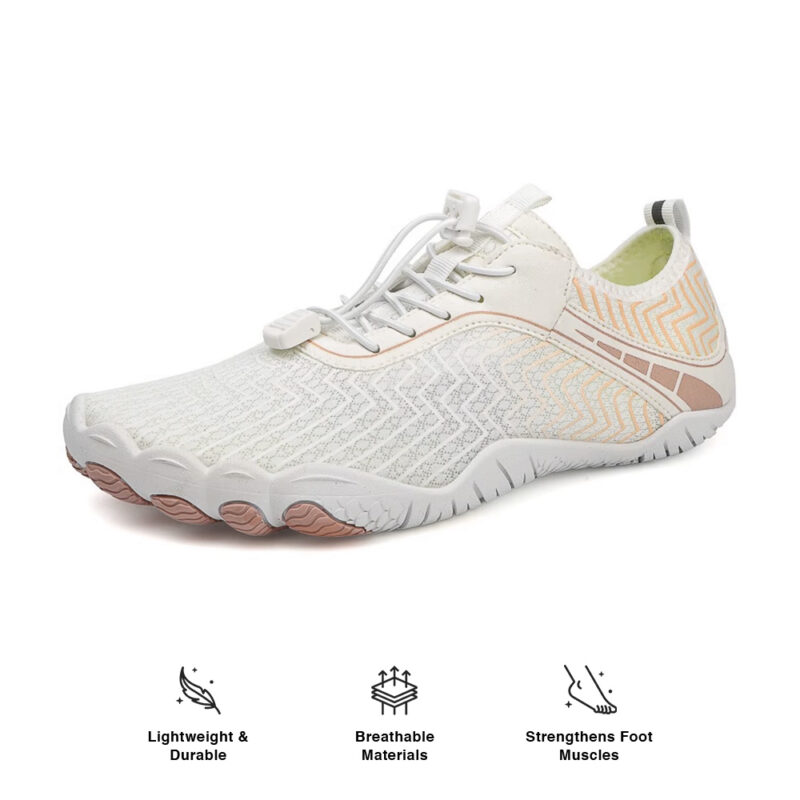
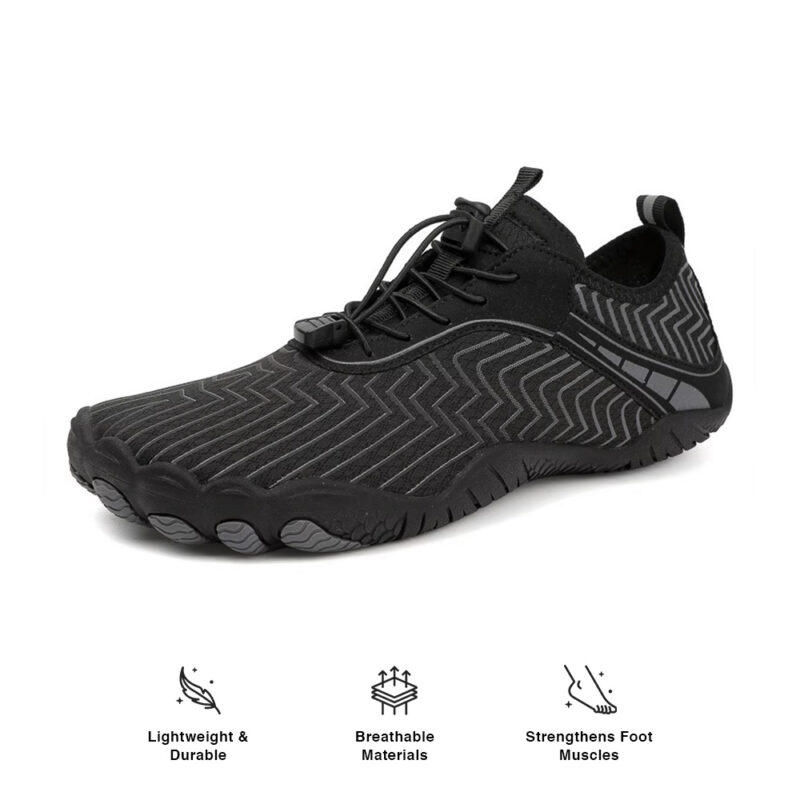
Why Most Men's Everyday Shoes Fail Your Feet
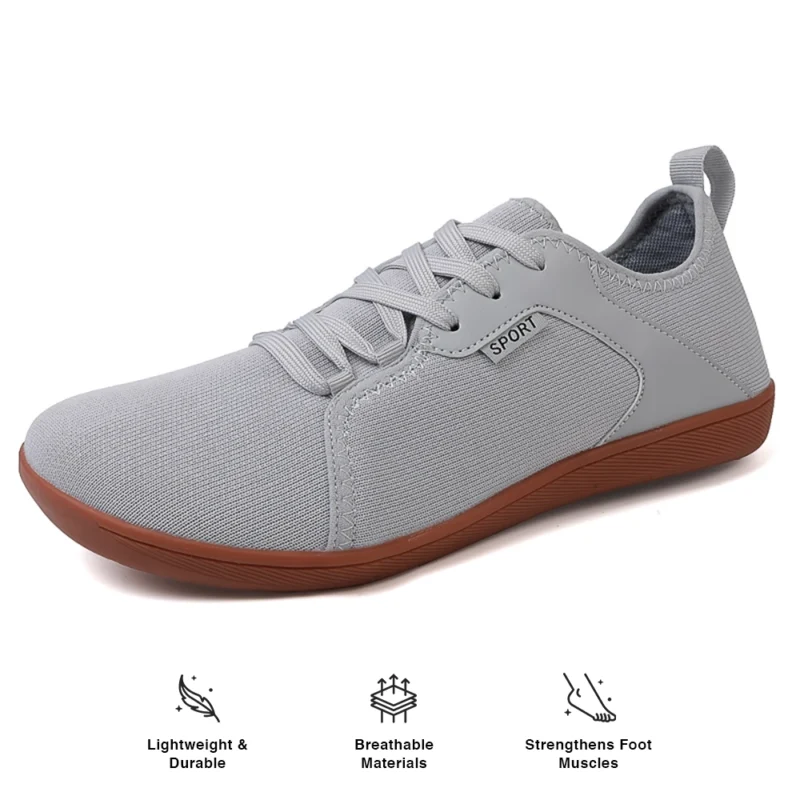
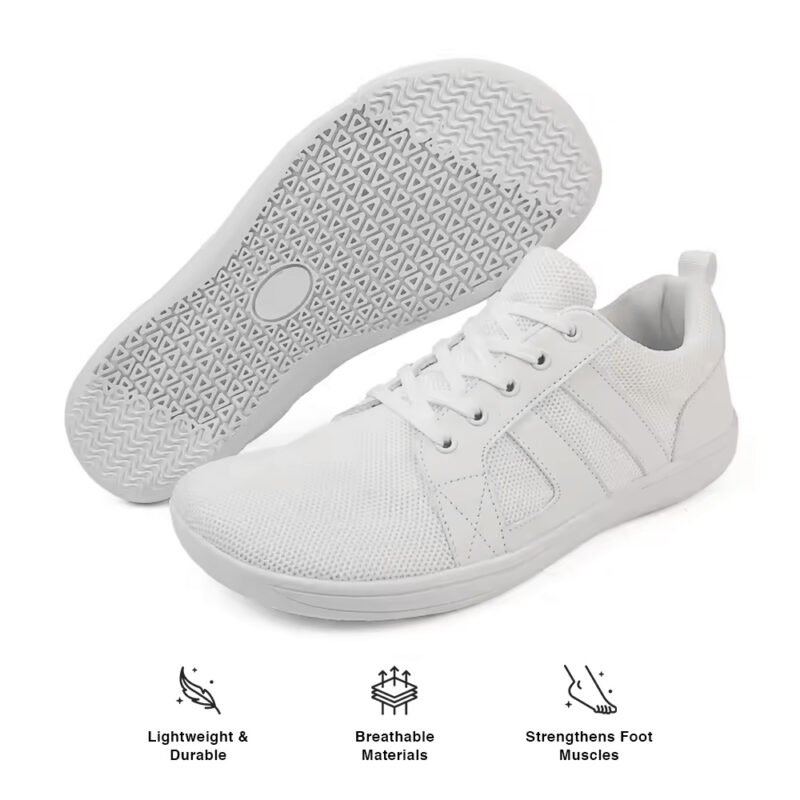
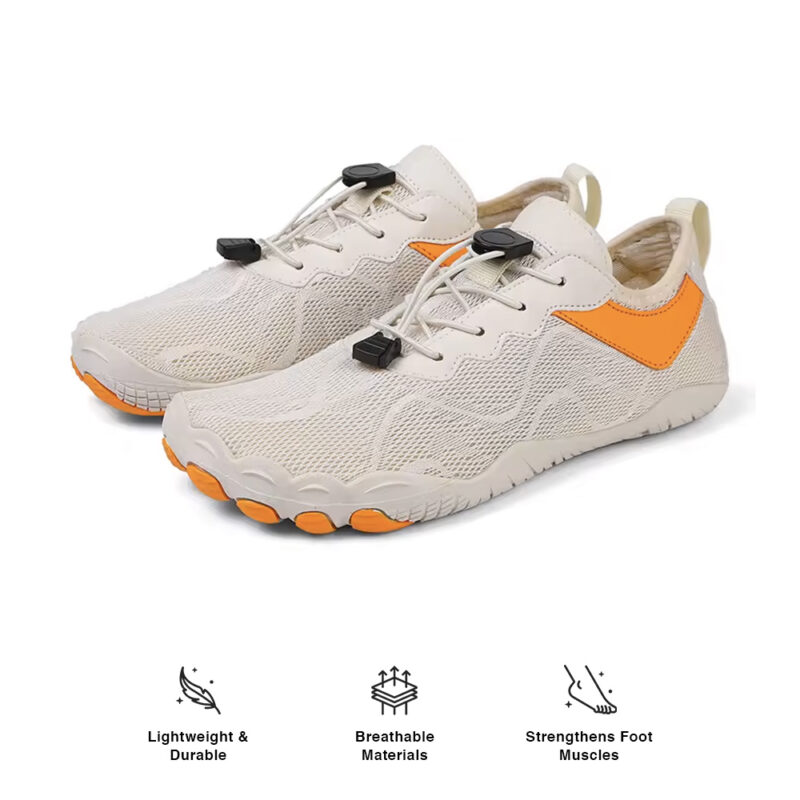
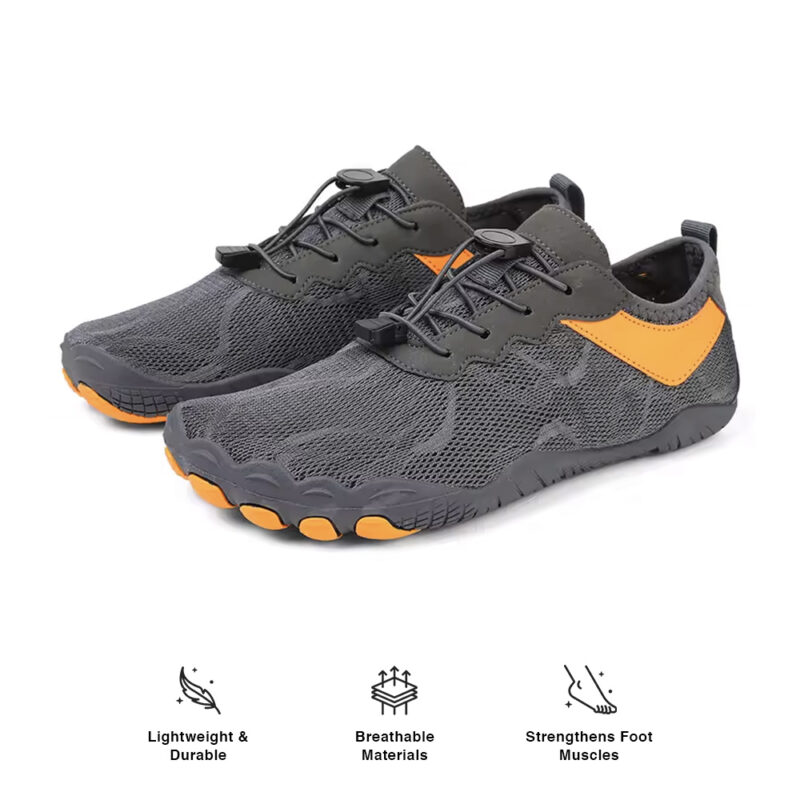
Walking into any shoe store, you're bombarded with thick-soled sneakers and dress shoes that promise all-day comfort through layers of foam and gel. The reality hits when your feet start aching halfway through your workday, leaving you wondering why expensive footwear feels so uncomfortable. Traditional shoes force your feet into unnatural positions with narrow toe boxes and elevated heels that throw off your entire body alignment. The best everyday shoes for men should allow your feet to function as nature designed them, with room to spread and flex naturally throughout your day.
The Hidden Cost of Conventional Comfort Technology
You've probably noticed how your "comfortable" shoes seem to lose their magic after a few months of wear, leaving you shopping for replacements again and again. Thick padding and gel inserts actually weaken your feet by doing all the work your muscles should be doing, creating dependence on artificial support. When you walk on unnaturally soft surfaces all day, your feet lose their natural strength and proprioception—your body's ability to sense where you are in space. The best everyday shoes for men build strength rather than dependence, using your foot's natural design to create sustainable comfort that improves with time.
How Ground Connection Transforms Your Daily Experience
Your feet contain over 200,000 nerve endings designed to give you detailed information about the terrain beneath you, but thick soles block this crucial sensory feedback. When you can't feel the ground properly, your body compensates with tension in your calves, hips, and lower back, leading to that end-of-day stiffness you know too well. Minimalist design allows these nerve endings to do their job, improving your balance, coordination, and overall body awareness throughout your daily activities. Start by wearing your thin-soled shoes for short periods and gradually increase the time as your feet adapt to processing more ground information.
Breaking Free from the Narrow Toe Box Trap
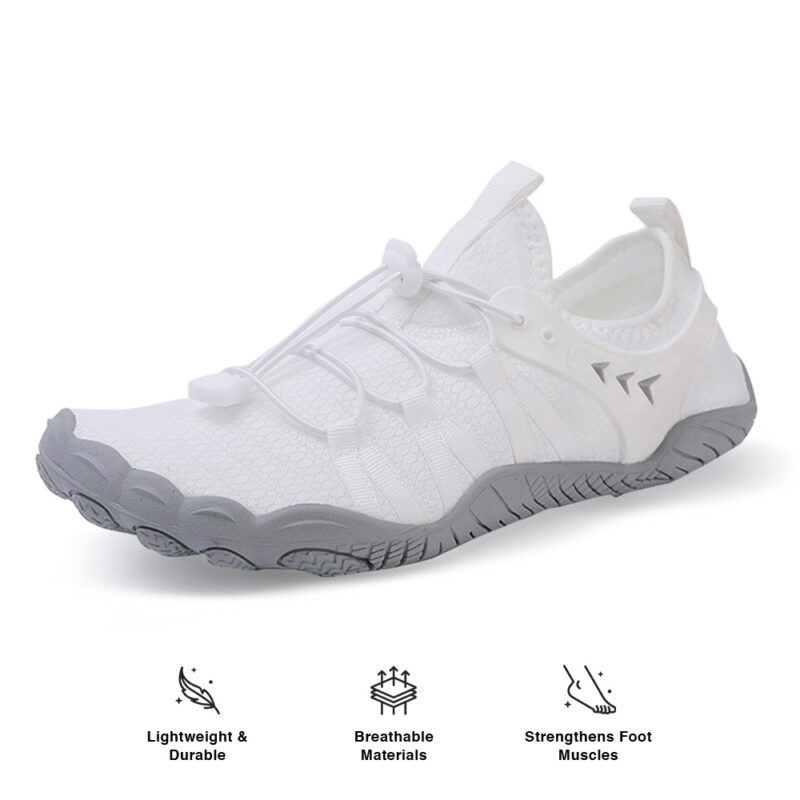
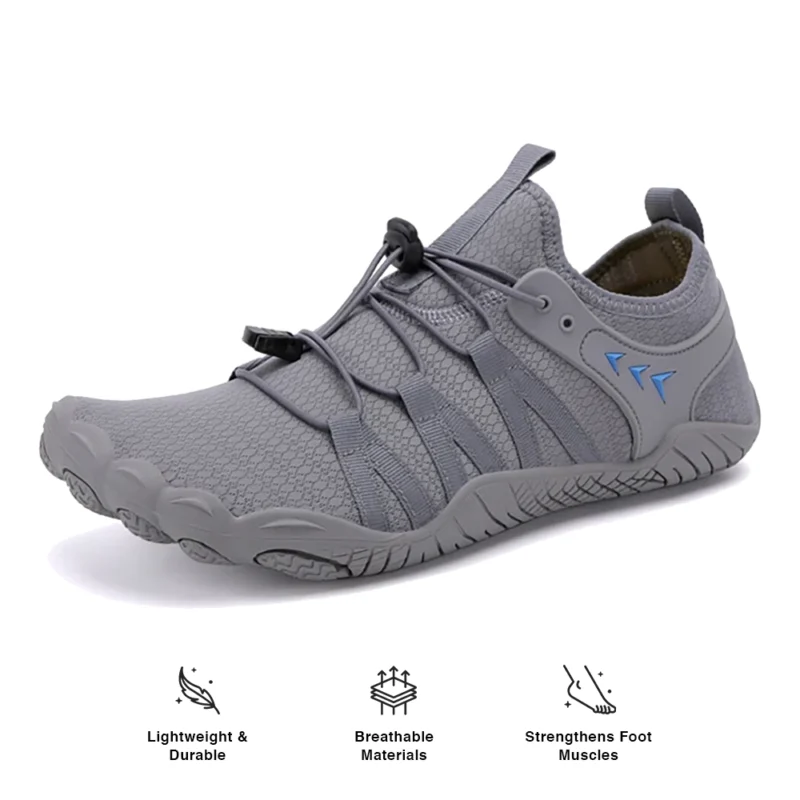
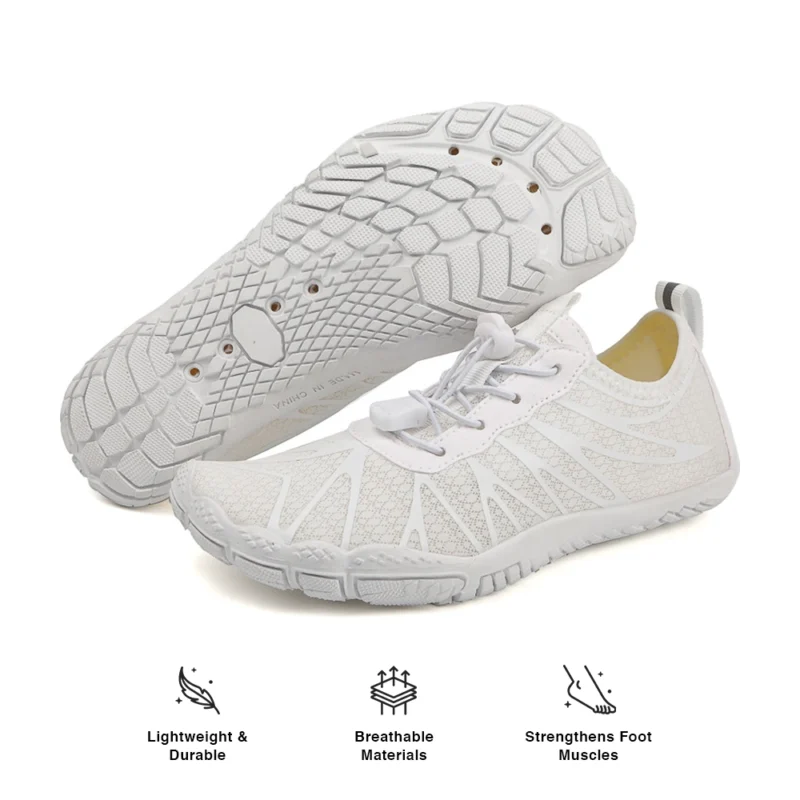
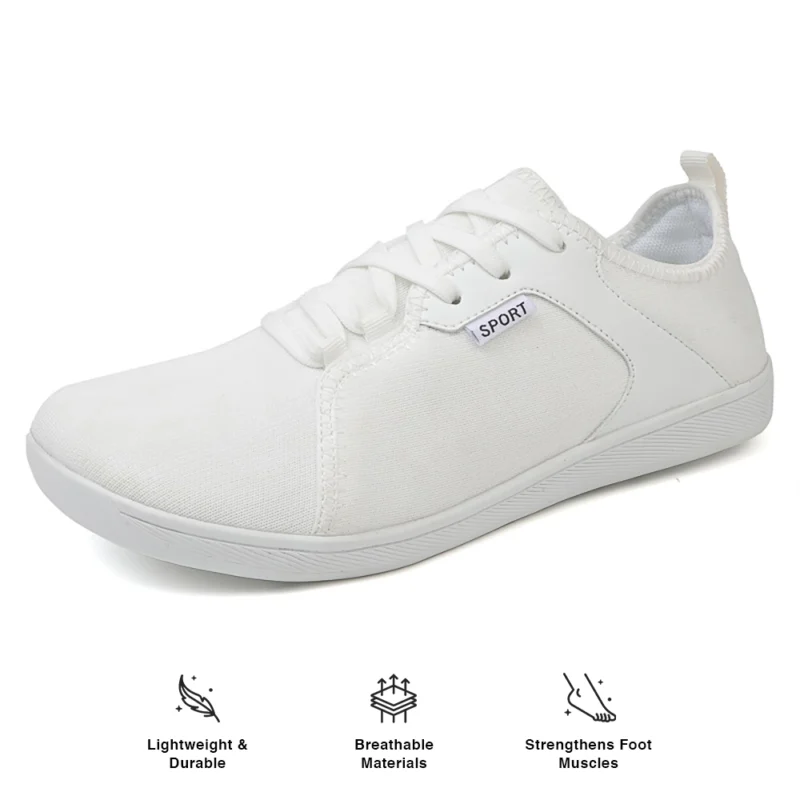
Look down at your bare feet and notice how your toes naturally spread wide for balance and stability—now look at how most shoes squeeze them into a triangle shape that would never occur in nature. This chronic compression leads to bunions, hammertoes, and weakened foot muscles that can't perform their stabilizing function properly. Your feet need room to splay and grip naturally with each step, especially during the push-off phase of walking when toe spread becomes crucial for power and balance. Choose footwear with toe boxes that match your actual foot shape, allowing your toes to move freely and work as the important balance tools they were designed to be.
Why Heel-to-Toe Drop Matters More Than You Think
Most men's shoes place your heel significantly higher than your toes, forcing your body to constantly work against this artificial incline throughout the day. This unnatural positioning shortens your calf muscles, tilts your pelvis forward, and creates a cascade of compensation patterns that contribute to lower back pain and poor posture. When the best everyday shoes for men keep your heel and forefoot at the same level, your body can maintain its natural alignment without fighting against your footwear. Practice standing barefoot on flat ground to feel how your body naturally aligns when not fighting against an artificial heel lift.
The Durability Advantage of Simple Design
You've probably experienced the frustration of watching expensive athletic shoes break down after just a few months, with foam compressing and complex components failing under daily wear. Minimalist construction uses fewer materials and simpler designs that actually get more durable over time as they mold to your unique foot shape. Quality leather, canvas, or synthetic materials without layers of foam and gel maintain their integrity through thousands of miles while developing a custom fit that improves with age. Look for shoes with solid construction and minimal components—they'll serve you better and longer than complex designs with multiple failure points.
Making the Transition Work for Your Lifestyle
Your feet have likely spent years or decades in traditional footwear, so jumping immediately into zero-drop, thin-soled shoes can lead to soreness and frustration that derails your transition. The key is starting with shoes that have some minimal cushioning and gradually working toward thinner, more flexible options as your feet strengthen and adapt. Begin by wearing your new best everyday shoes for men for short periods during low-impact activities, then gradually increase both duration and intensity as your feet develop the strength they were meant to have. Listen to your body during this process—some mild muscle fatigue is normal, but sharp pain means you need to slow down the transition.