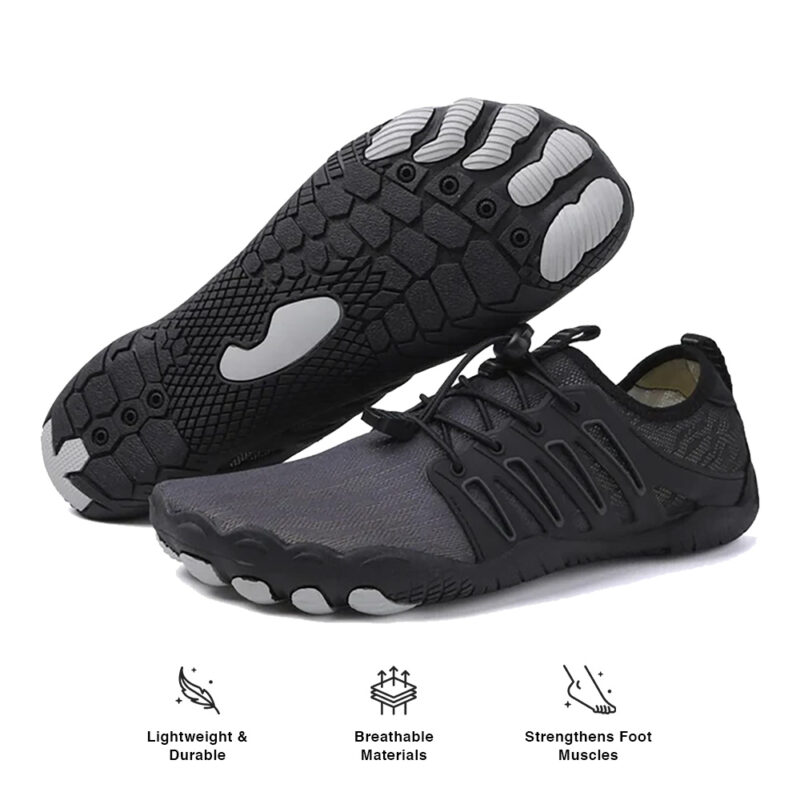
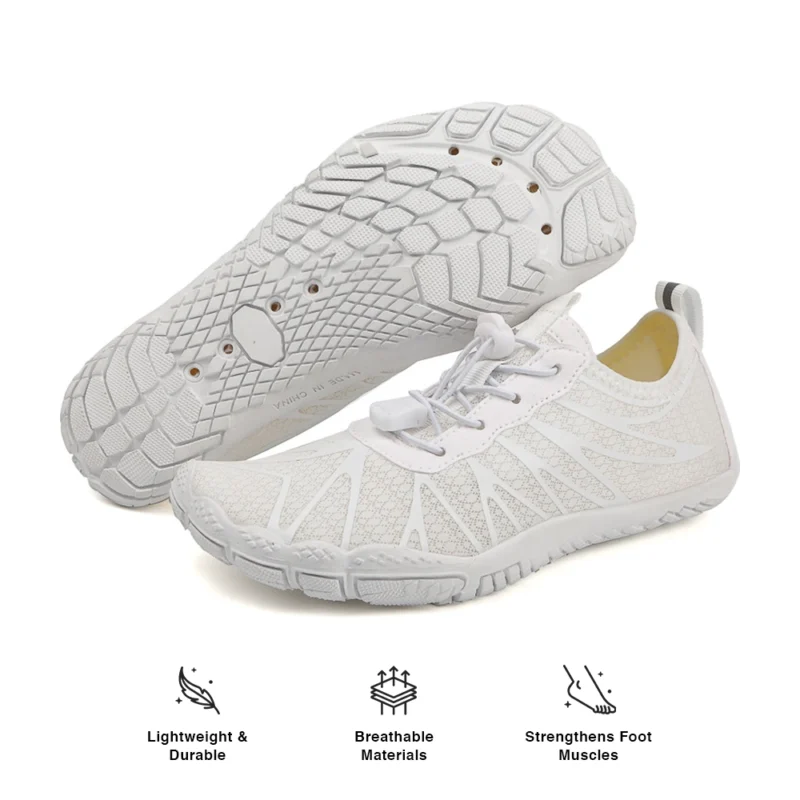
Why Your Current Workout Shoes Keep Letting You Down
You've probably noticed that even the most expensive athletic shoes seem to lose their magic after a few weeks of regular training. This frustration stems from a fundamental mismatch between what your feet need and what conventional fitness footwear provides. Your feet contain thousands of nerve endings designed to sense ground texture, pressure changes, and movement patterns. When the best fitness shoes allow this natural feedback system to function, your body automatically adjusts its movement for optimal performance and injury prevention. Look for shoes with thin, flexible soles that let you feel the ground beneath your feet during every exercise.
The Hidden Cost of Thick Soles and Heavy Construction
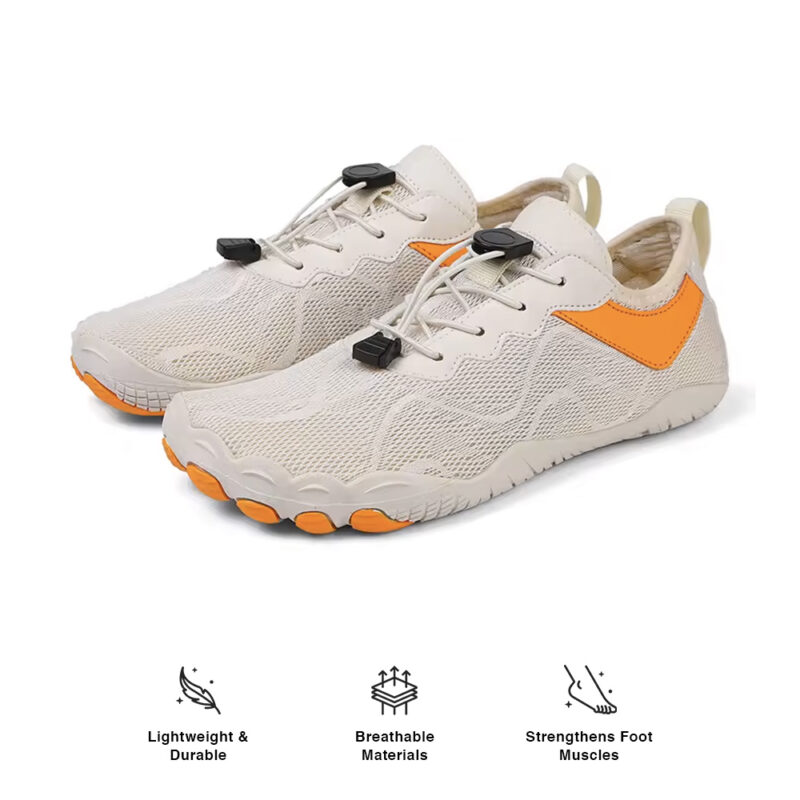
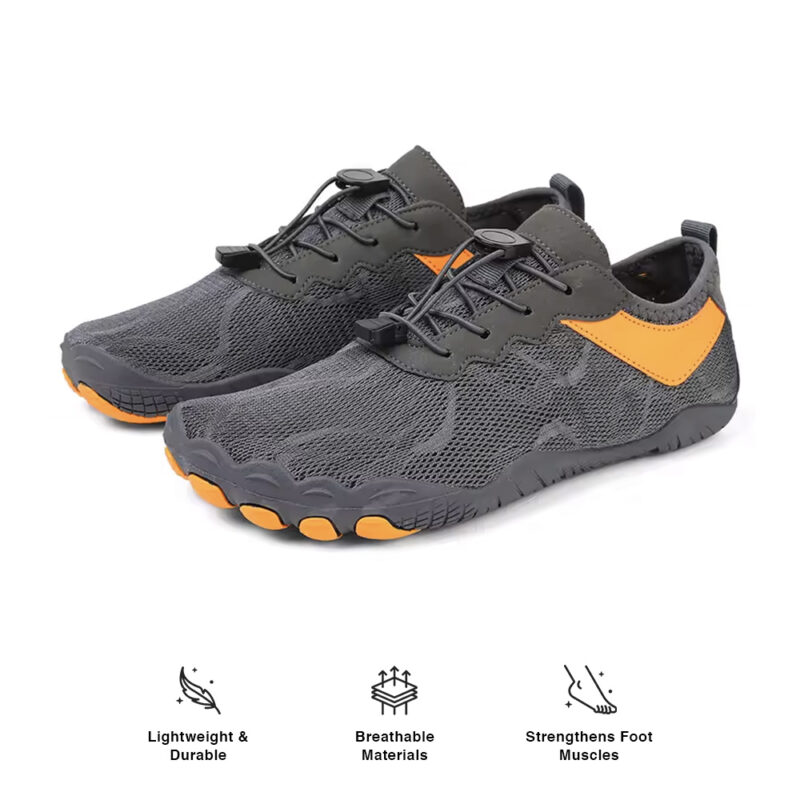
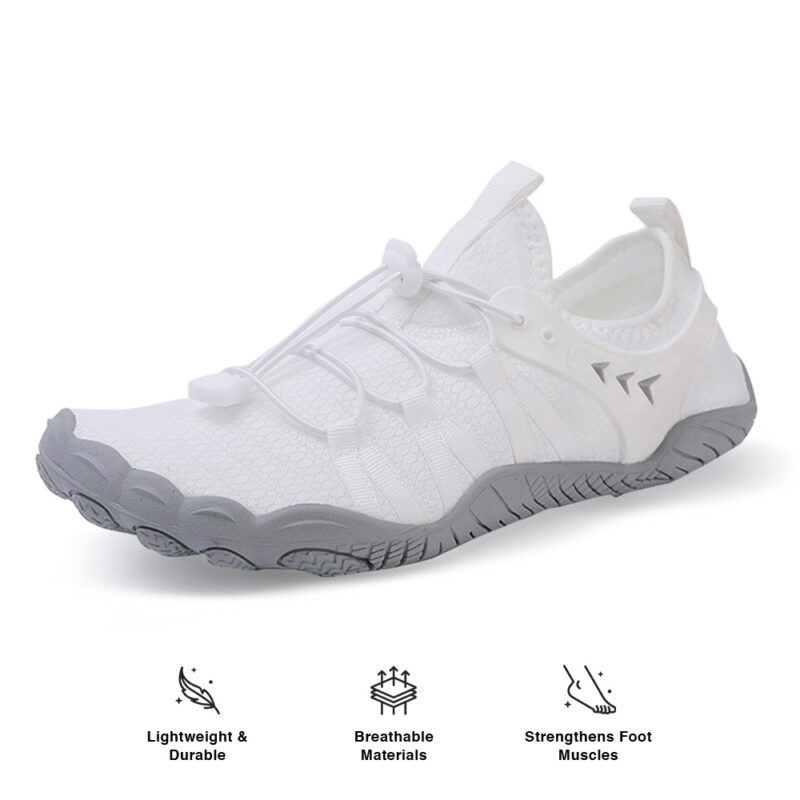
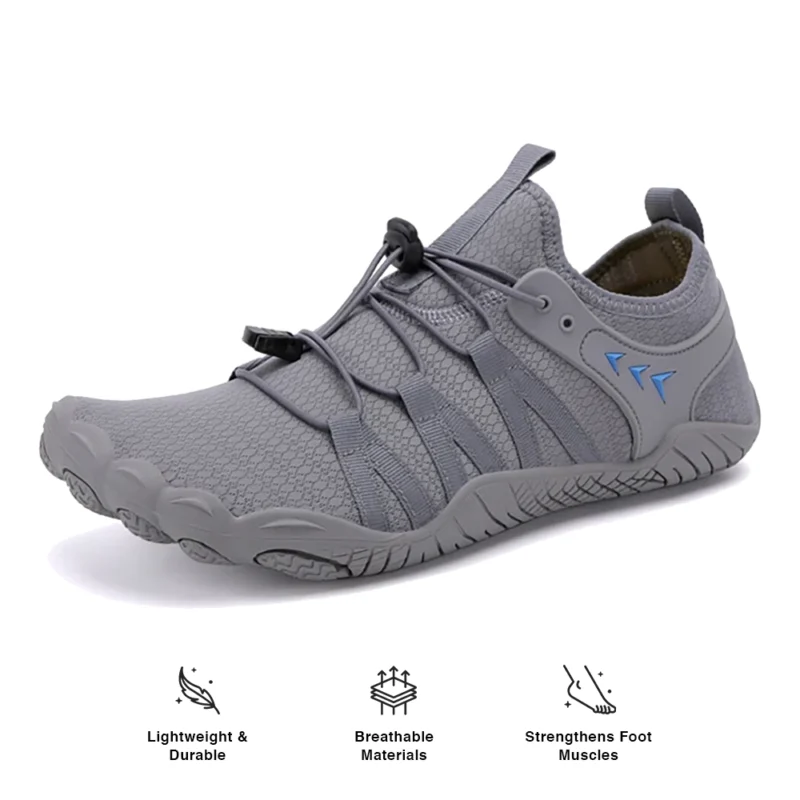
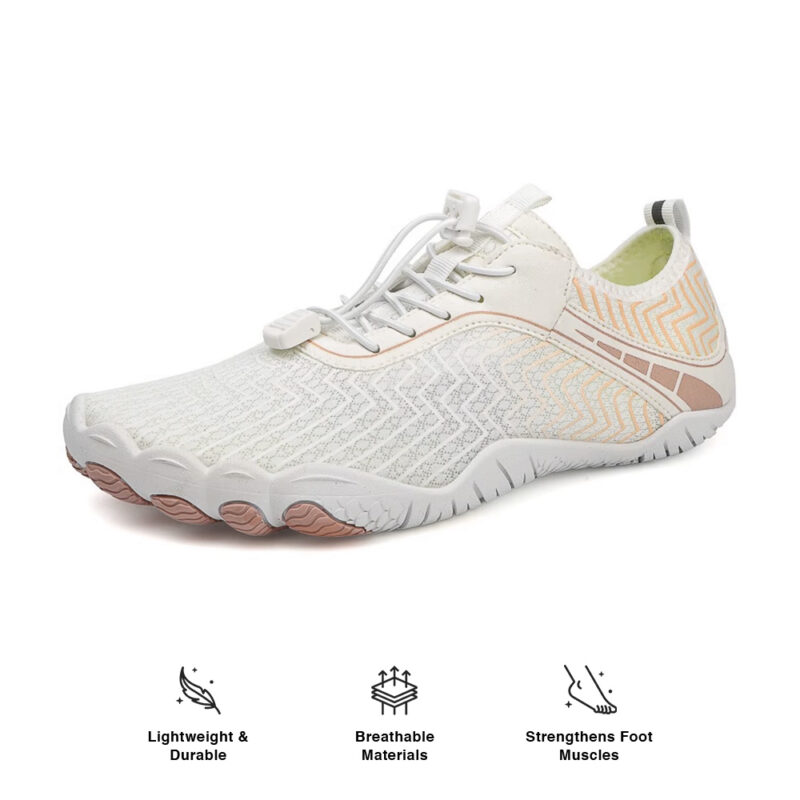
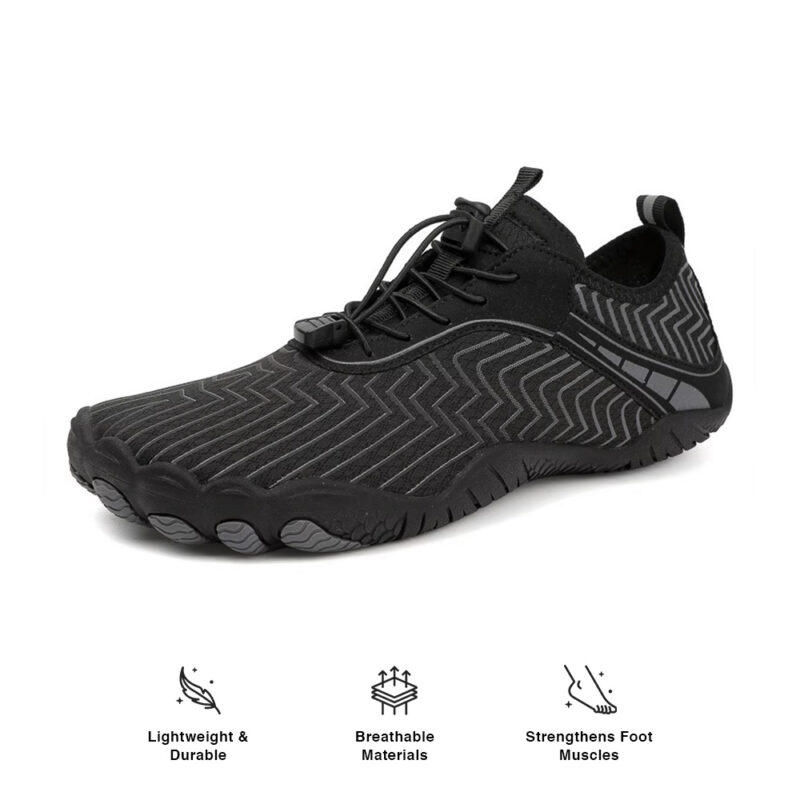
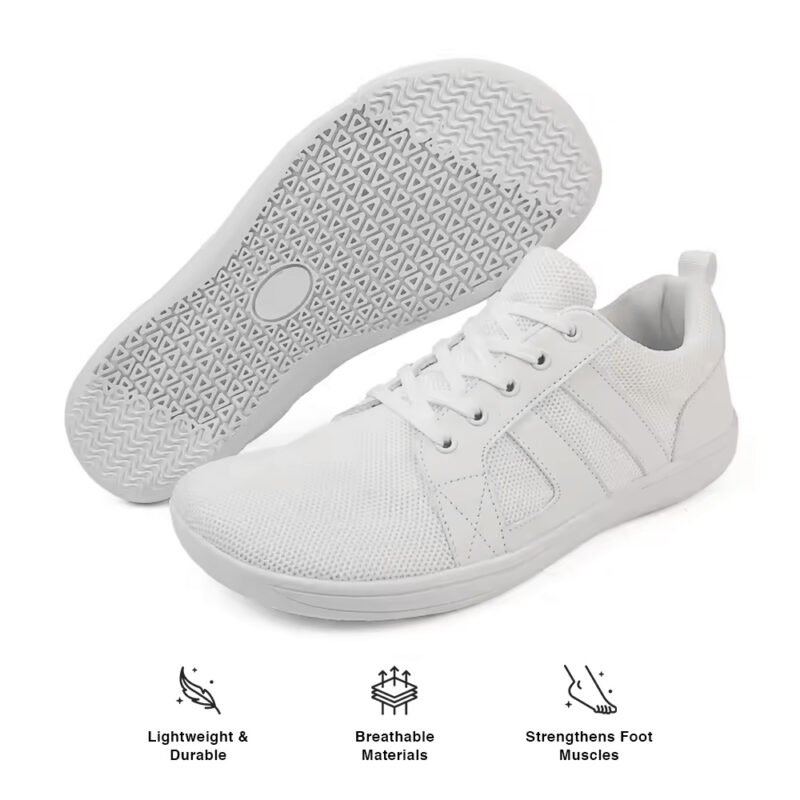
Heavy, bulky trainers might feel protective, but they're actually working against your body's natural movement patterns during every workout. When you can't feel the ground properly, your brain has to guess where your feet are in space, leading to compensatory movements that stress your knees, hips, and back. The best fitness shoes eliminate this problem by providing just enough protection while maintaining ground connection. Your proprioception improves dramatically when your feet can sense surface changes, helping you maintain better form during squats, lunges, and agility drills. Choose lightweight shoes that feel almost like going barefoot while still protecting your feet from rough surfaces.
Breaking Free from the Arch Support Trap
You've been told that good athletic shoes need built-in arch support, but this conventional wisdom might be sabotaging your foot health and workout performance. Your foot's arch is a dynamic structure meant to flex and adapt with each step, not remain rigid in a predetermined position. When the best fitness shoes allow natural arch movement, the muscles in your feet gradually strengthen and learn to support themselves properly. This natural strengthening process reduces fatigue during long training sessions and helps prevent the plantar fasciitis that often plagues active people. Start gradually with minimalist shoes, allowing your feet time to redevelop their natural strength and flexibility.
How Toe Box Design Affects Your Entire Workout
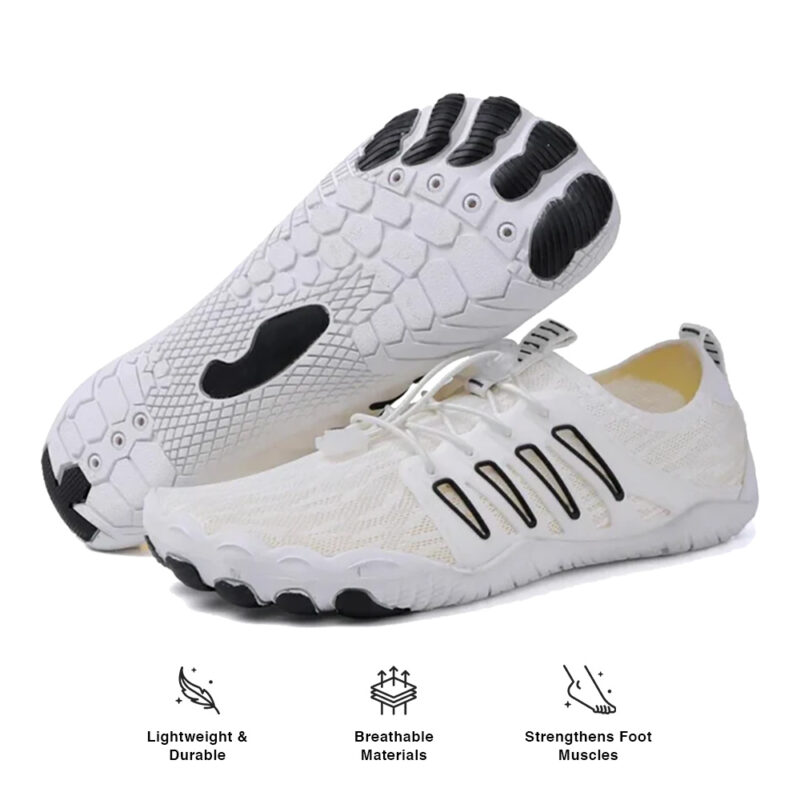
Cramped toe boxes in traditional athletic shoes don't just cause discomfort – they actively undermine your stability and power generation during exercise. Your toes are meant to spread wide for balance during dynamic movements like burpees, box jumps, and lateral shuffles. The best fitness shoes feature wide, anatomically shaped toe boxes that let your toes function as natural stabilizers. When your toes can move freely, you'll notice improved balance during single-leg exercises and better push-off power during sprints and jumps. Look for shoes where you can wiggle your toes comfortably and feel them actively gripping the ground during challenging movements.
The Flexibility Factor That Changes Everything
Stiff, rigid shoes force your feet to work harder during every step of your workout, leading to earlier fatigue and reduced performance in the latter half of your training sessions. Your feet are designed to flex, twist, and adapt to different movement patterns, but traditional athletic shoes often restrict this natural mobility. The best fitness shoes bend and flex with your feet, allowing the natural shock absorption system in your legs to function properly. This flexibility reduces the jarring impact that travels up through your joints and helps maintain energy throughout longer workouts. Test shoe flexibility by trying to fold them in half – if they resist, they're probably too rigid for optimal foot function.
Temperature Regulation and Foot Health During Intense Training
Synthetic materials and thick cushioning in conventional trainers create a hot, humid environment that promotes blisters, fungal growth, and general discomfort during intense workouts. Your feet have evolved sophisticated temperature regulation through natural breathing and moisture management. The best fitness shoes use breathable materials and simple construction that allows air circulation and moisture escape. When your feet stay cool and dry, you can focus entirely on your training without the distraction of hot, sweaty, uncomfortable feet. This improved foot climate also reduces the bacterial growth that causes persistent odor problems in traditional athletic shoes. Choose shoes made from natural materials like leather or hemp that breathe naturally and improve with age.