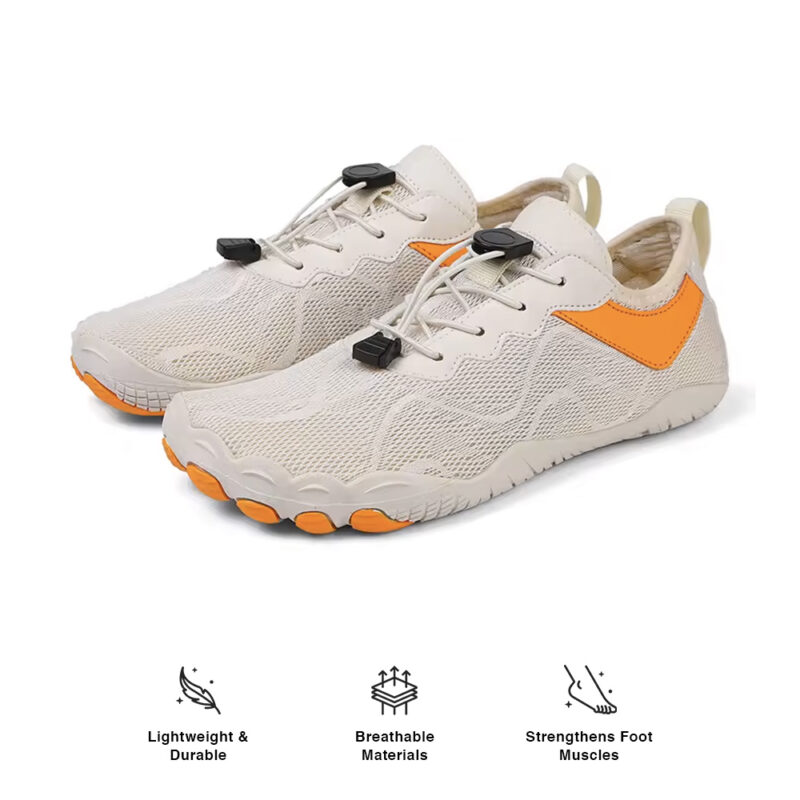
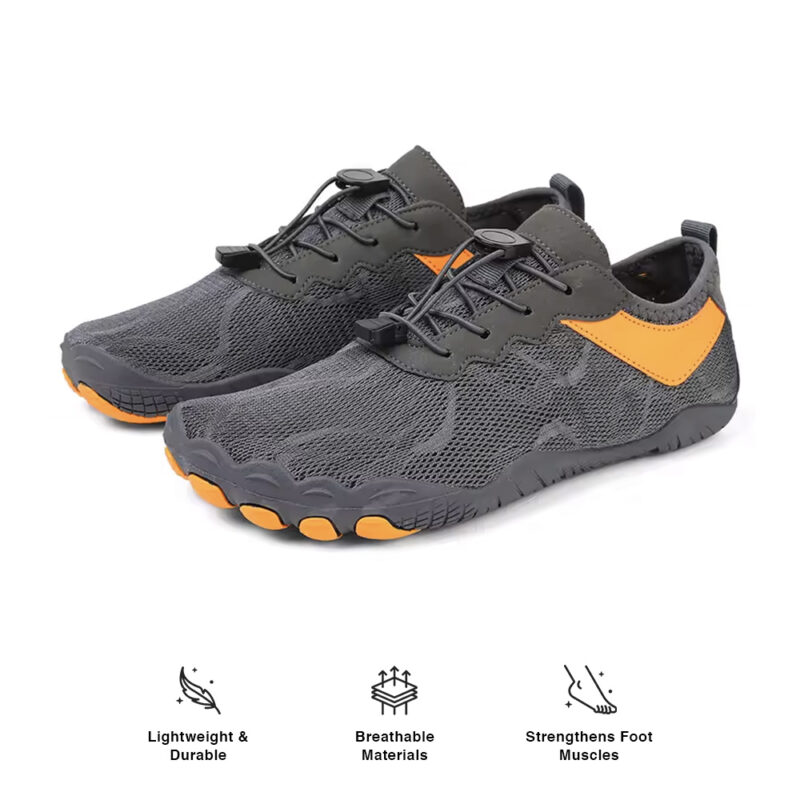
Why Your Current Shoes Might Be Making Things Worse
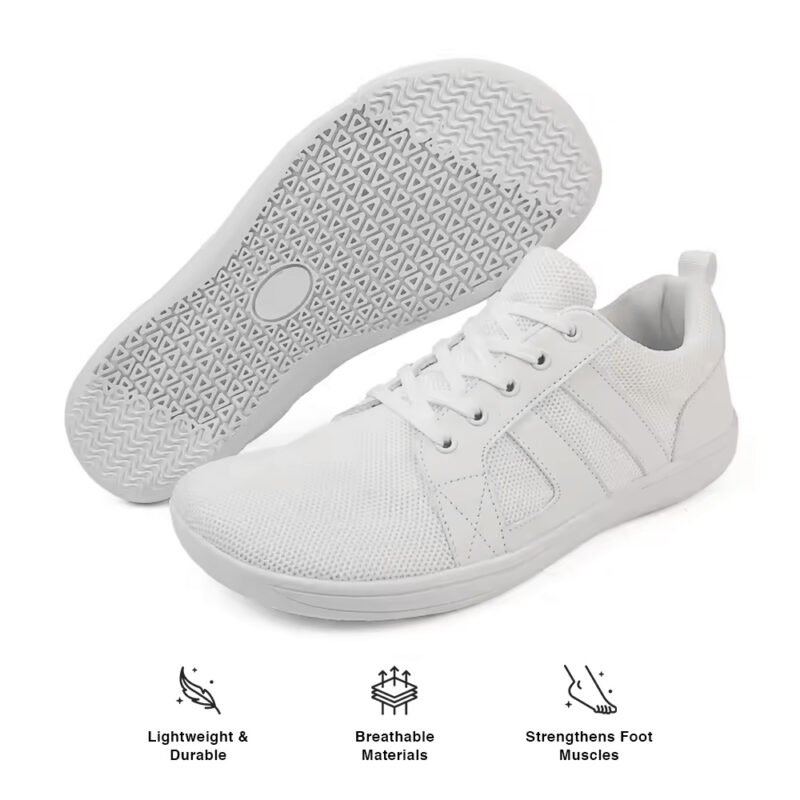
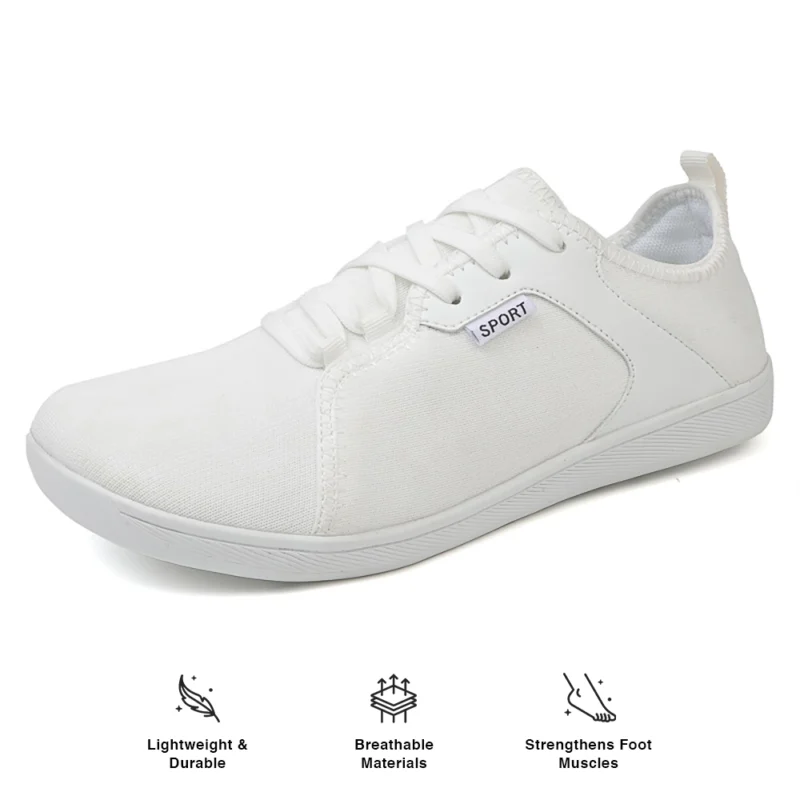
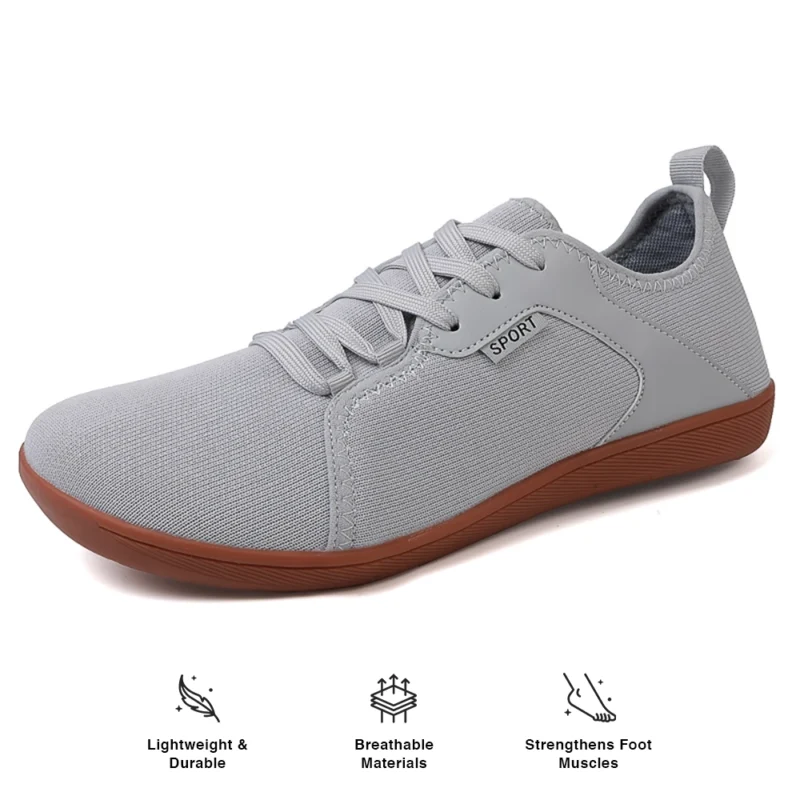
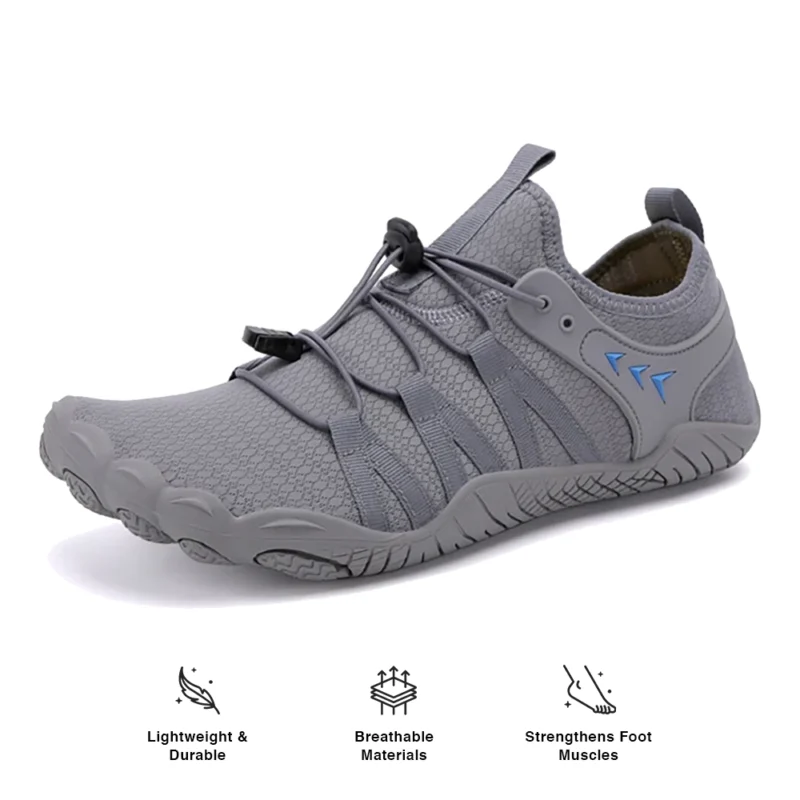
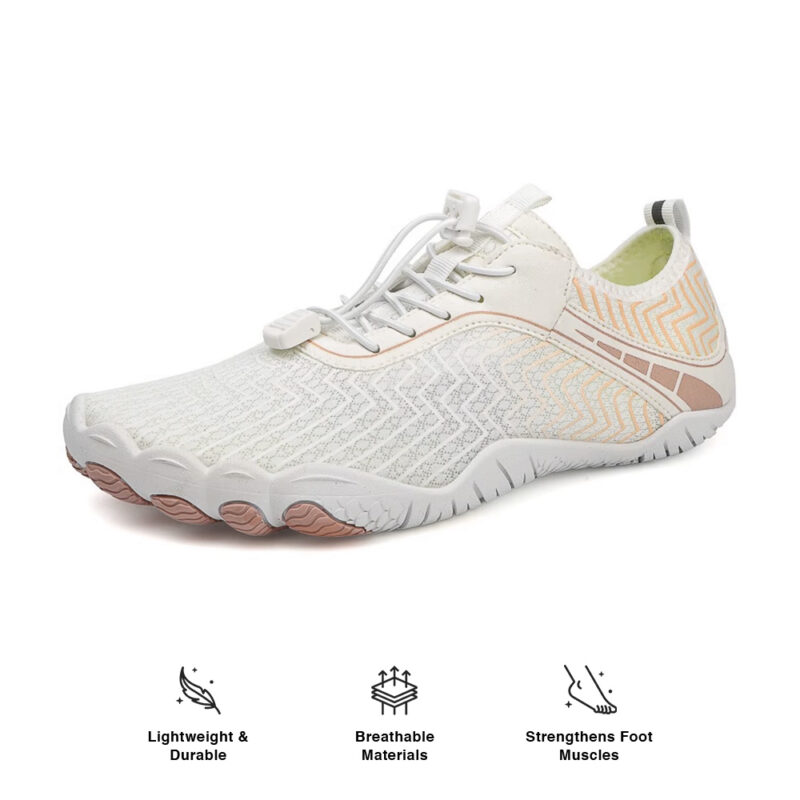
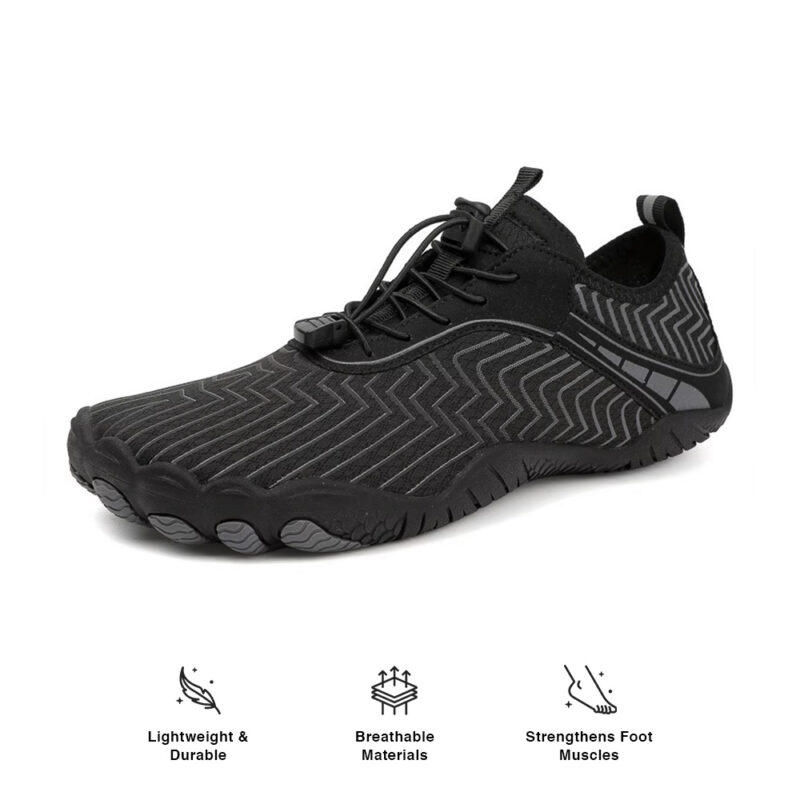
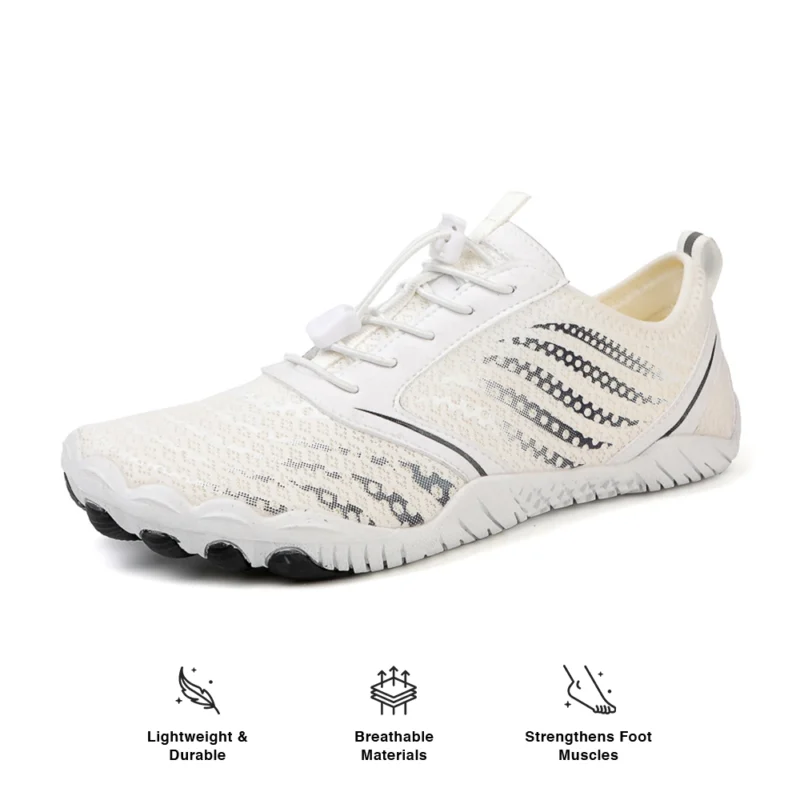
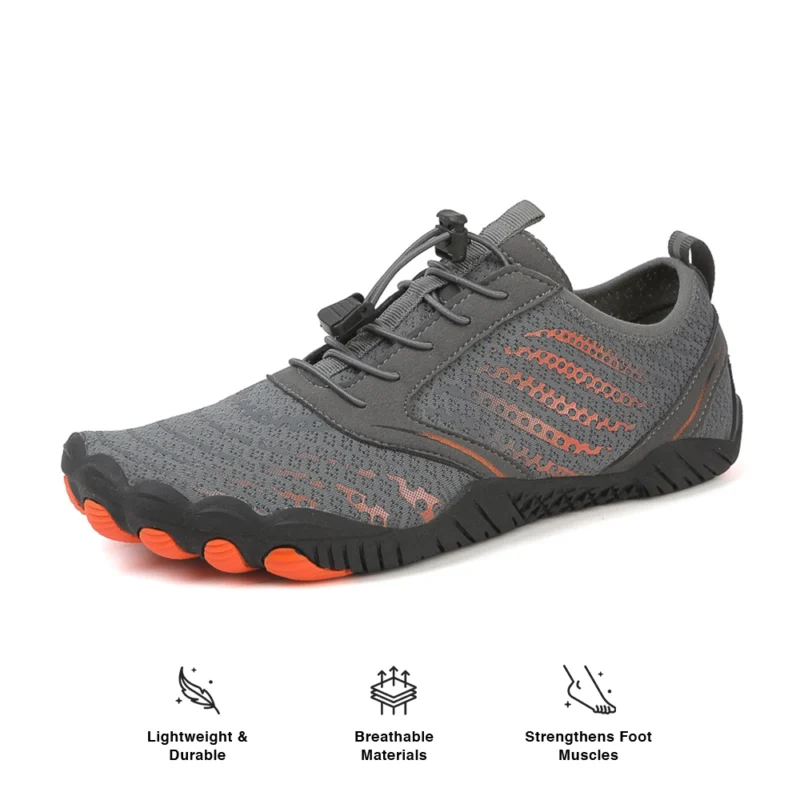
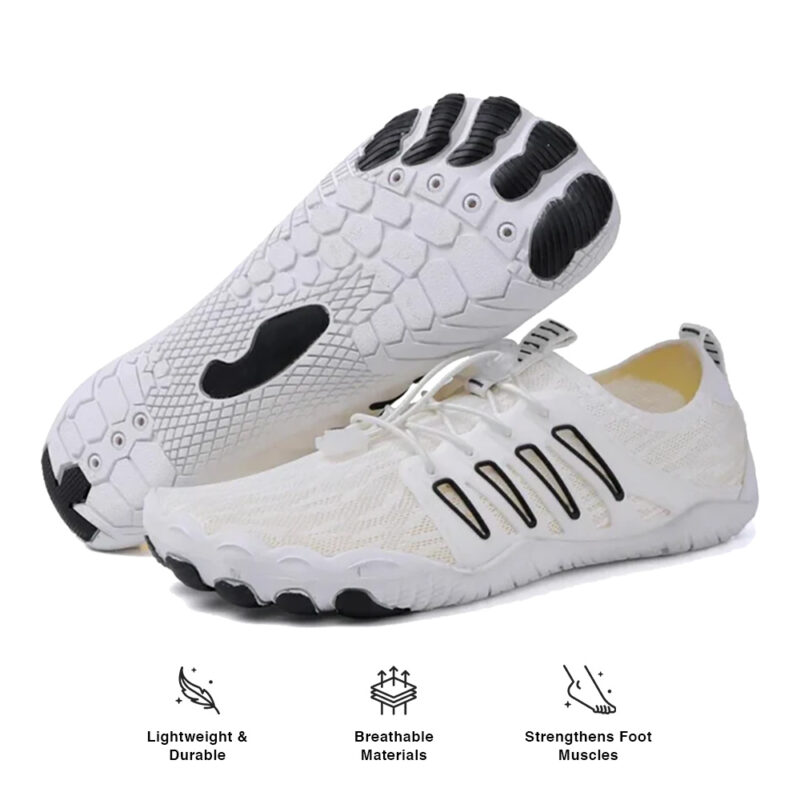
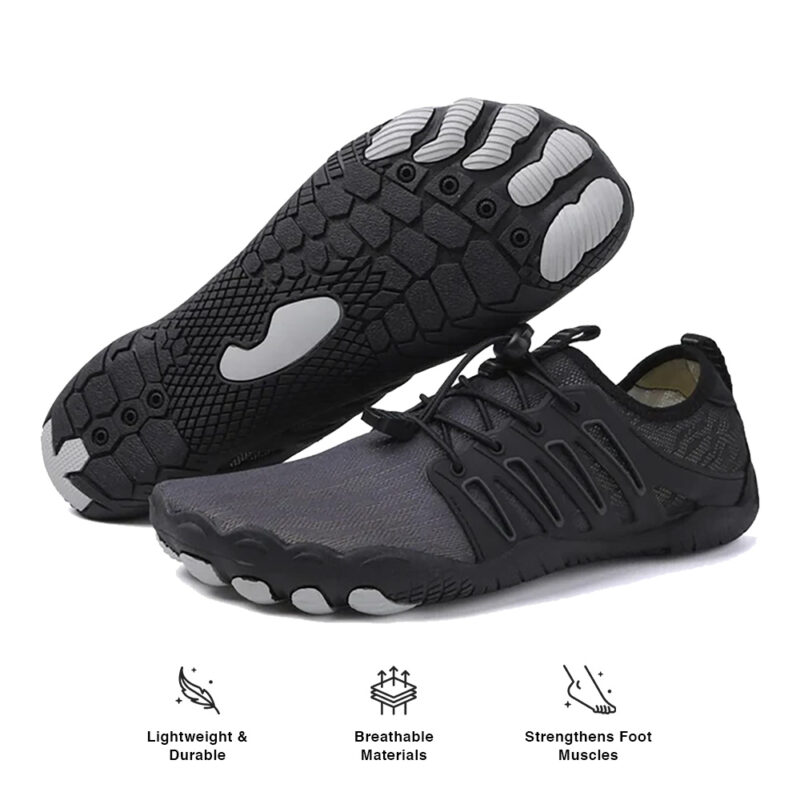
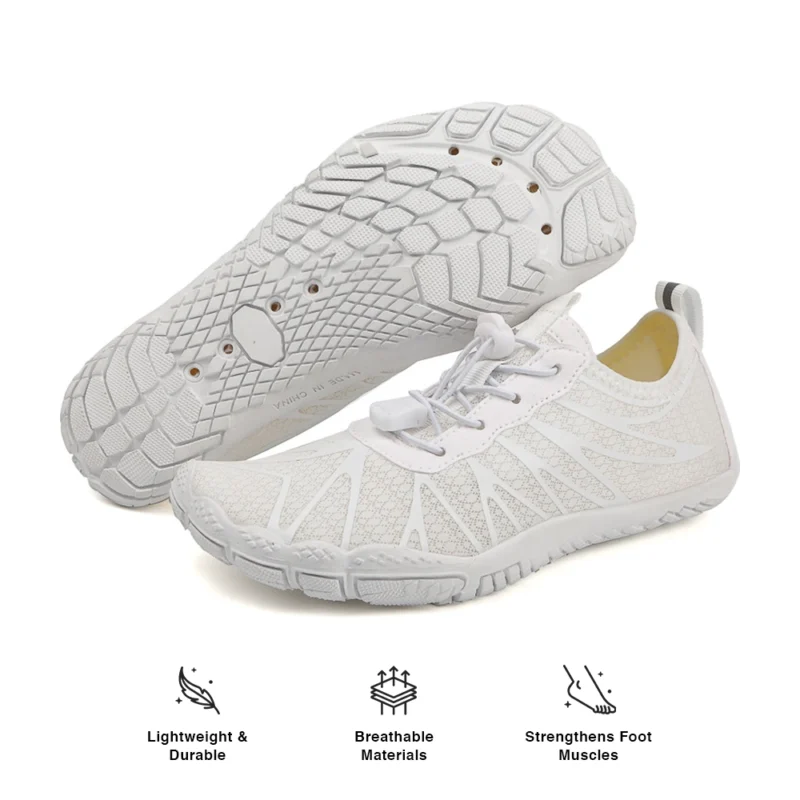
You've probably noticed that despite wearing "supportive" shoes, your foot pain persists or even worsens throughout the day. This happens because rigid arch supports create dependency rather than strength. Your foot muscles, including the intrinsic muscles that naturally support your arch, become weaker when they're not allowed to engage. The best shoes for fallen arches work differently – they provide a flexible foundation that encourages your feet to activate their natural support systems. Start your transition gradually by wearing minimalist shoes for short periods and slowly increasing the duration as your feet adapt.
Ground Connection: Why Feeling the Earth Matters
When you can't feel the ground beneath your feet, your body loses valuable sensory information that helps with balance and proper movement patterns. Thick, cushioned soles disconnect you from this essential feedback, making your gait less efficient and potentially contributing to the collapse of your arch structure. Barefoot-style shoes maintain this crucial ground connection through thin, flexible soles that let you feel texture and terrain. This sensory input helps your nervous system make micro-adjustments that support better foot mechanics. Practice walking barefoot at home for a few minutes each day to reawaken this natural connection.
The Strength-Building Secret Hidden in Minimalist Design
Your fallen arches developed partly because the muscles supporting your foot structure haven't been challenged to work properly. Traditional shoes with built-in arch support essentially put these muscles to sleep, creating a cycle of weakness and dependence. The best shoes for fallen arches feature zero-drop designs and flexible construction that require your foot muscles to engage with every step. This natural strengthening process happens gradually and safely when you allow your feet to move through their full range of motion. Begin this strengthening journey by doing simple toe exercises and calf raises while barefoot.
Toe Freedom: The Foundation of Healthy Foot Function
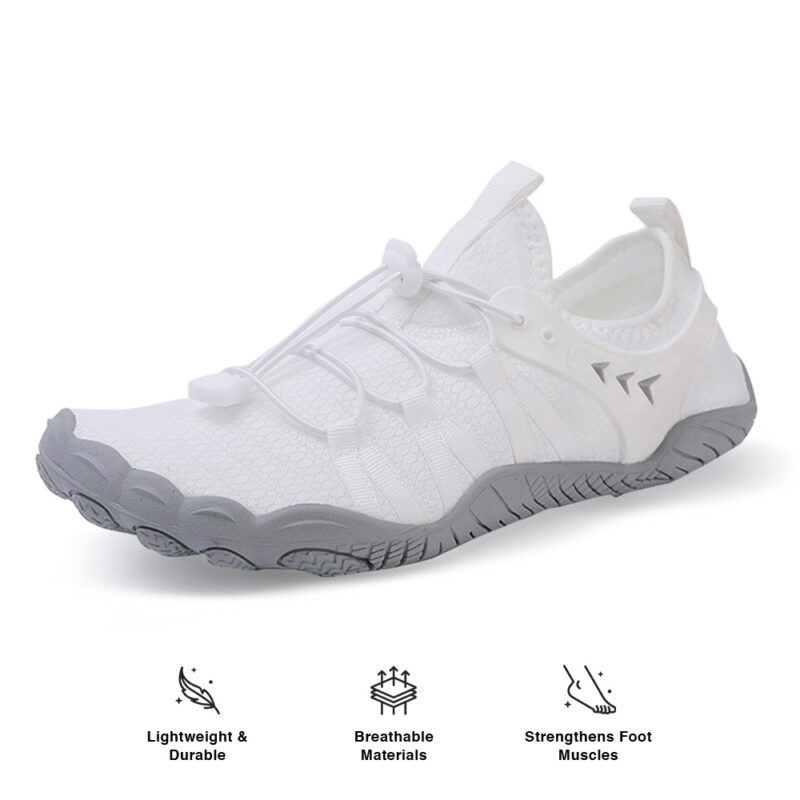
Cramped toes in narrow shoe boxes directly impact your arch health because your toes play a crucial role in weight distribution and balance. When your toes can't spread naturally, the entire kinetic chain of your foot becomes compromised, often contributing to arch collapse. Minimalist shoes feature wide toe boxes that allow your toes to splay and grip the ground as they're designed to do. This natural toe positioning helps redistribute pressure across your entire foot, reducing the strain on your arch area. Look for shoes with toe boxes that are widest at the tips of your toes, not at the ball of your foot.
Movement Patterns That Support Natural Arch Function
The way you walk and move directly influences the health of your foot arches, and restrictive footwear often promotes movement patterns that work against your natural biomechanics. Shoes with elevated heels or rigid soles force your body to compensate in ways that can stress your arch structure. The best shoes for fallen arches maintain a zero-drop profile, keeping your heel and forefoot at the same level to encourage optimal posture and gait patterns. This natural positioning allows your entire body to work in harmony, from your feet all the way up to your spine. Focus on taking shorter, softer steps when transitioning to minimize impact while your movement patterns adjust.
Flexibility as Medicine: How Bendable Shoes Heal Your Feet
Stiff, inflexible shoes essentially cast your feet in a fixed position, preventing the natural flexion and extension that keeps your foot joints healthy and mobile. This restriction can contribute to the weakening of your arch structure over time because your feet aren't getting the movement they need to maintain strength and flexibility. Shoes designed for fallen arches should bend and flex with your foot's natural motion, allowing your arch to compress and rebound with each step. This dynamic movement pattern helps maintain the elasticity and strength of the tissues that support your arch. Test shoe flexibility by trying to bend it in half – if you can't easily fold it, it's too rigid for optimal foot health.
Building Confidence in Your Body's Natural Design
You might feel hesitant about trusting your feet to support you without traditional arch supports, especially if you've been told your fallen arches require constant intervention. This fear is understandable, but your feet are incredibly adaptable structures capable of remarkable healing when given the right environment. The transition to the best shoes for fallen arches should be gradual and respectful of your body's need to adjust slowly. Many people discover that their "fallen arches" were simply feet that had been weakened by over-supportive footwear, not permanently damaged structures. Listen to your body during the transition and celebrate small improvements rather than expecting overnight changes.