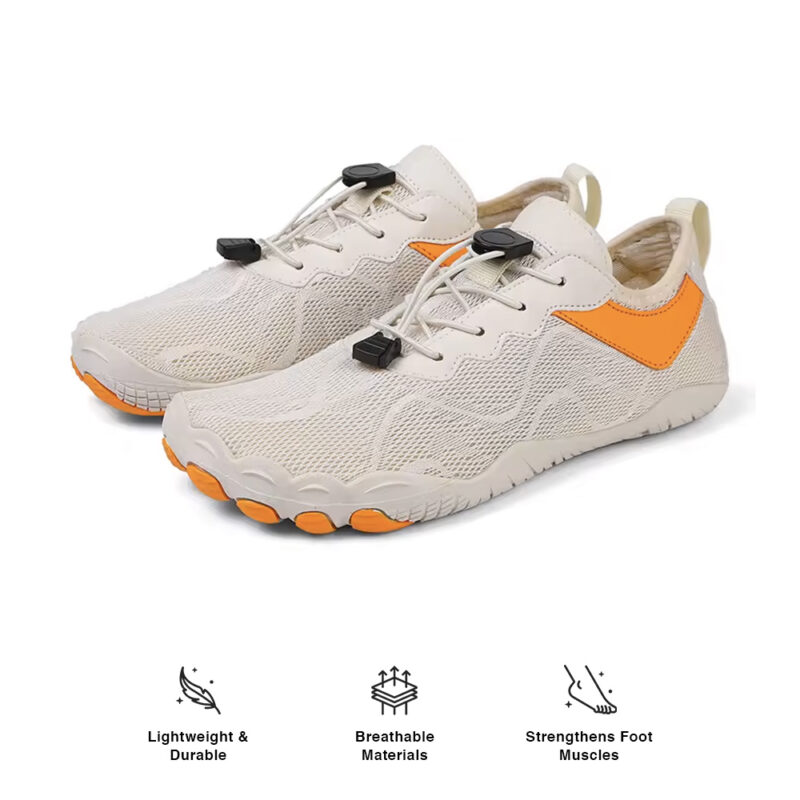
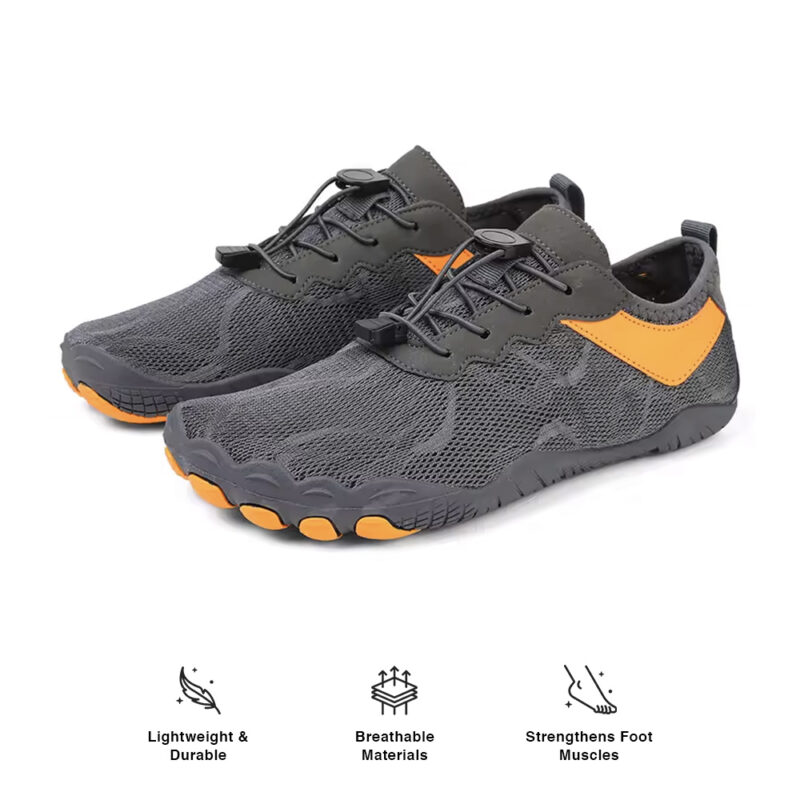
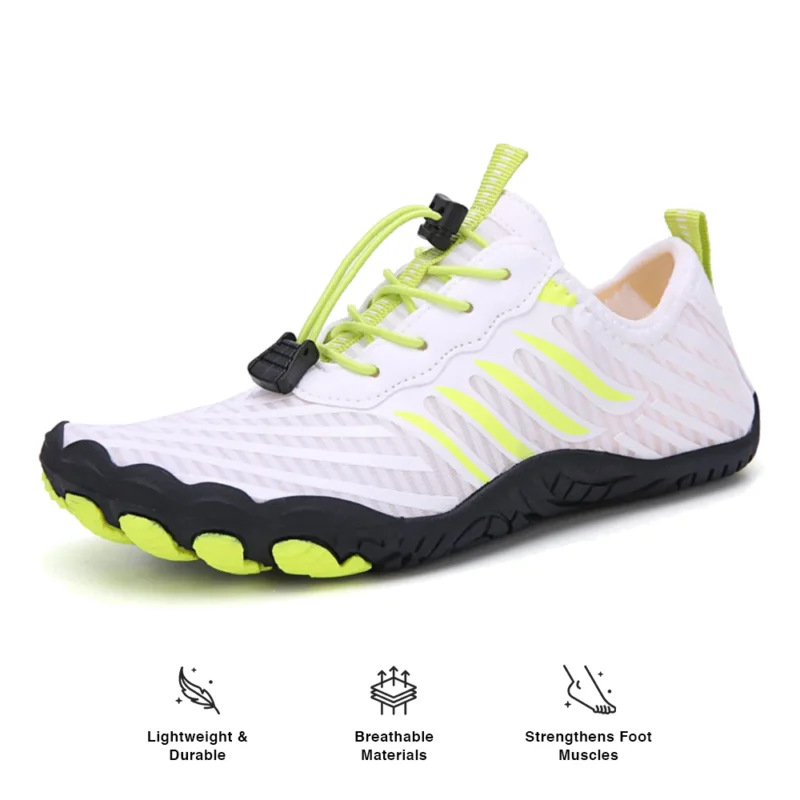
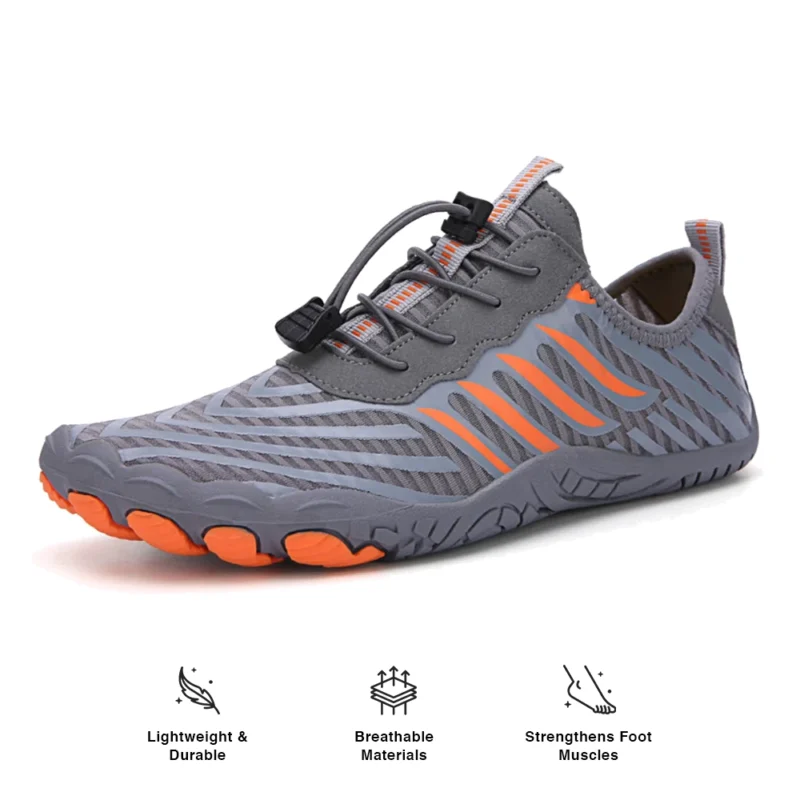
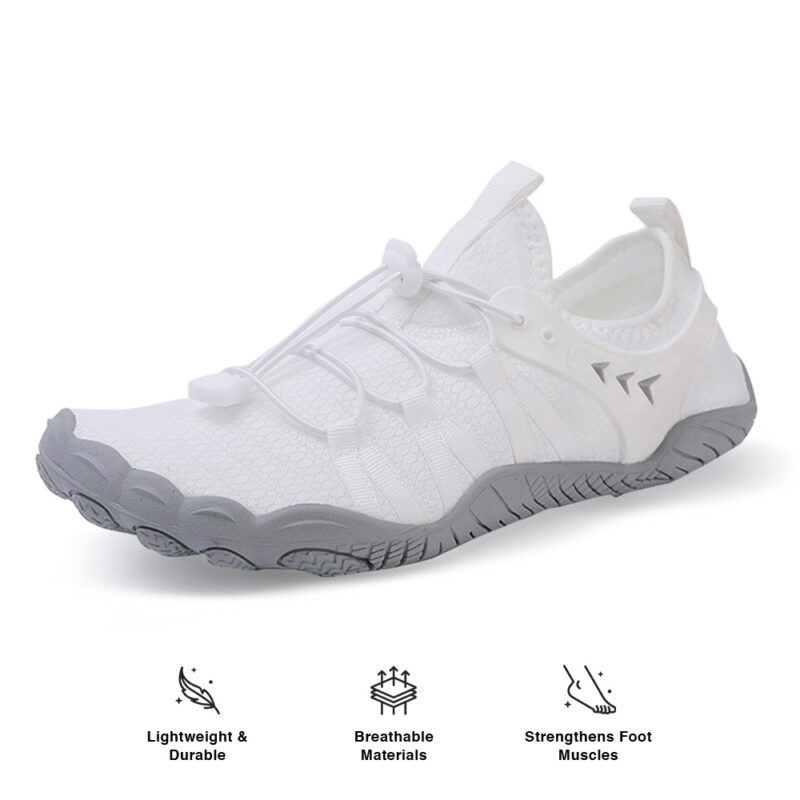
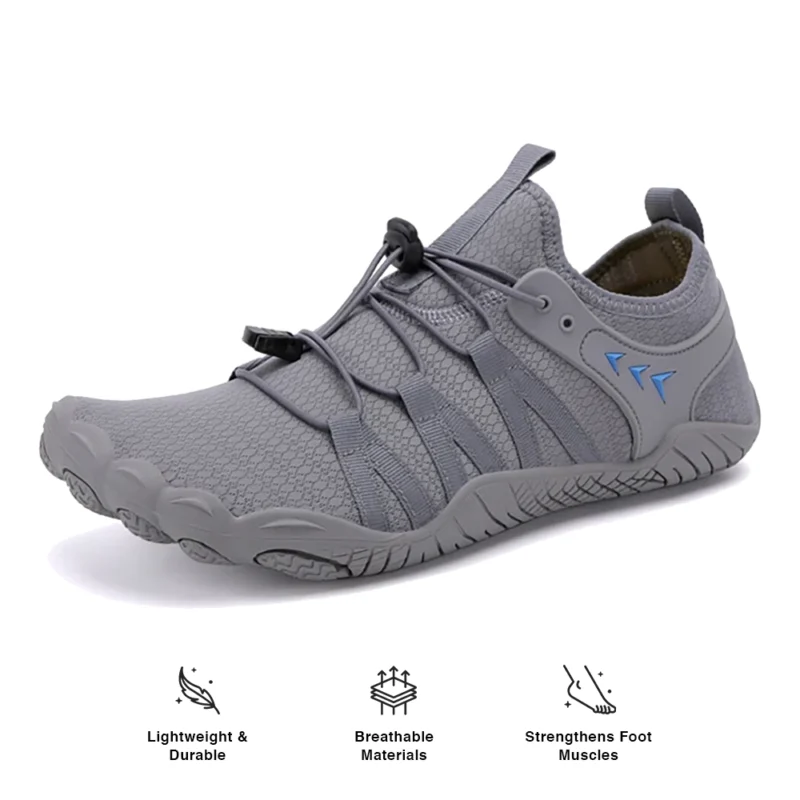
Your Feet Are Getting Weaker, Not Stronger
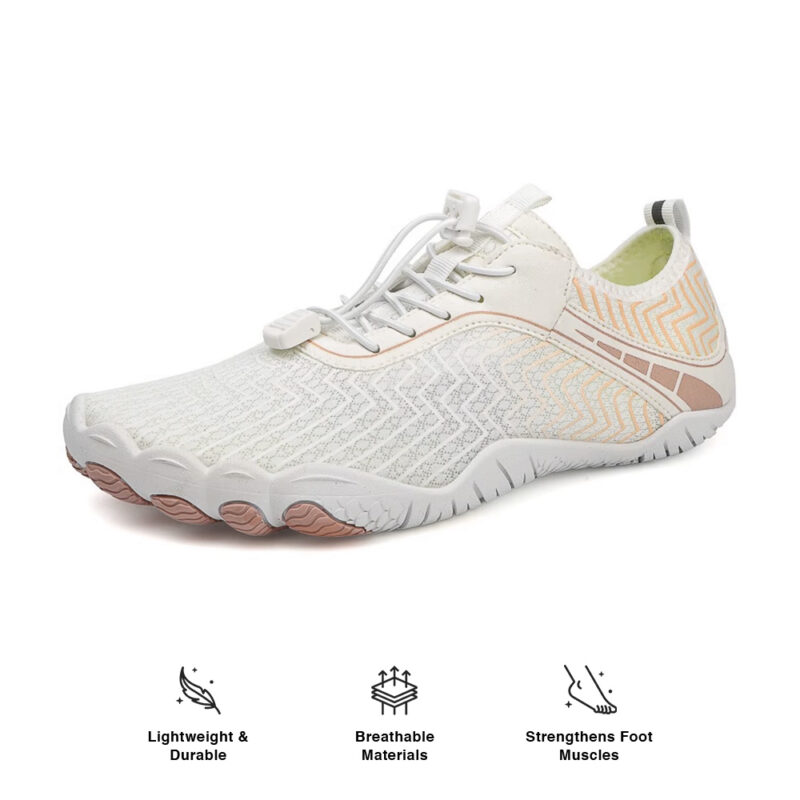
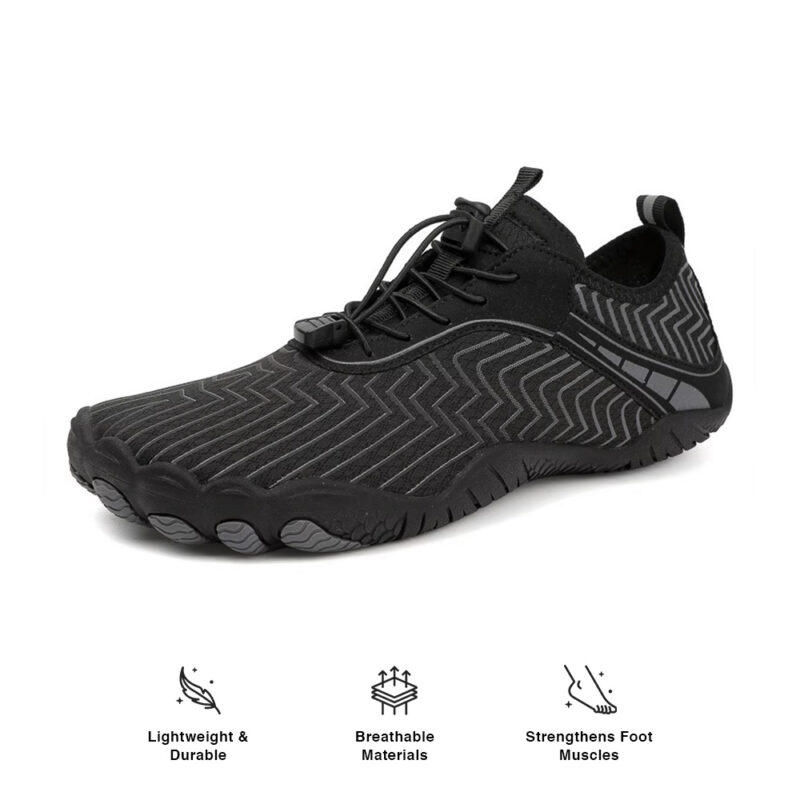
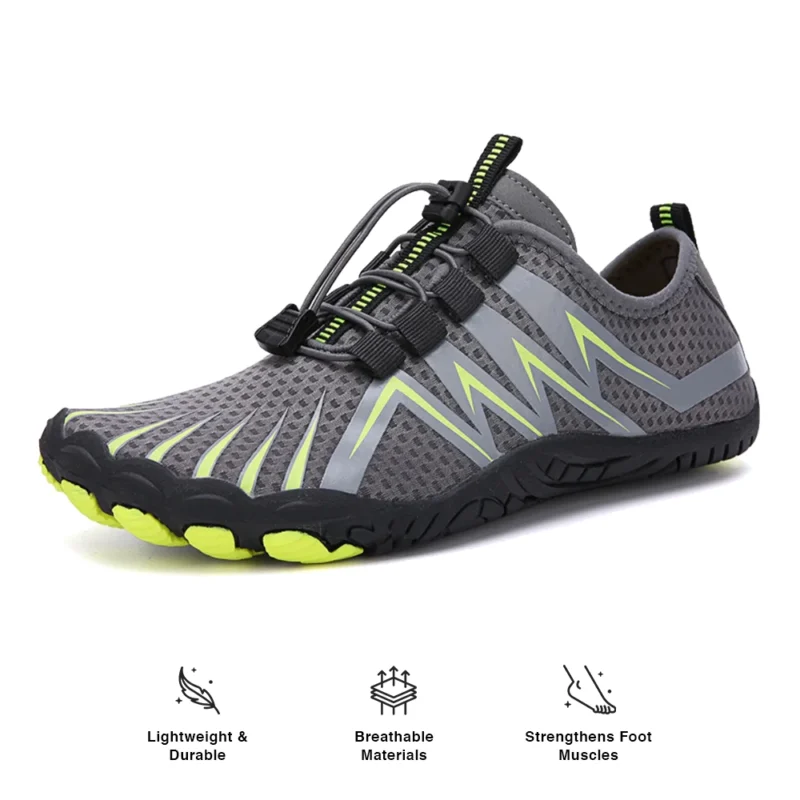
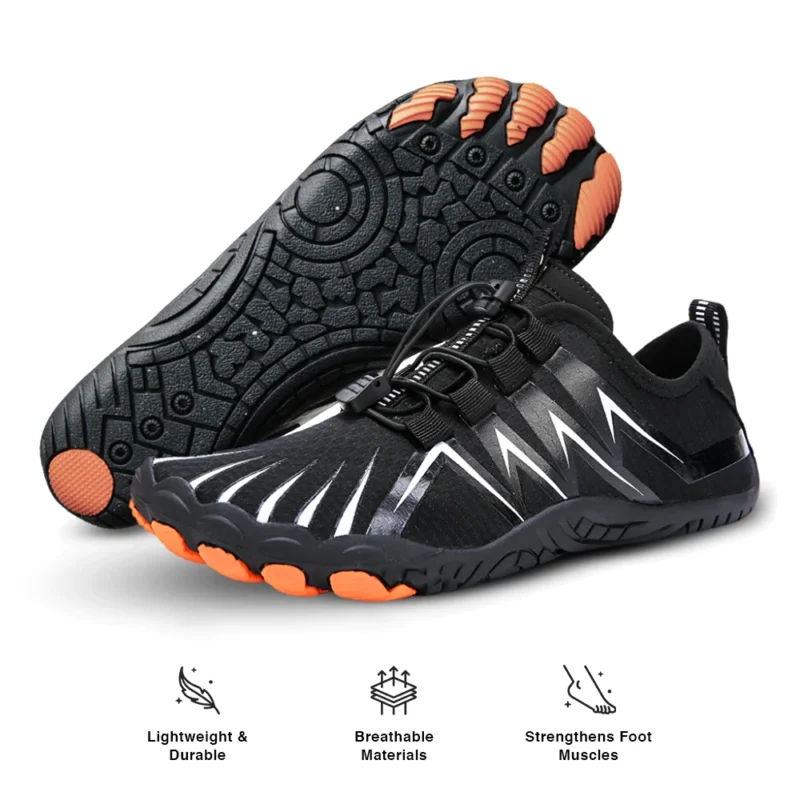
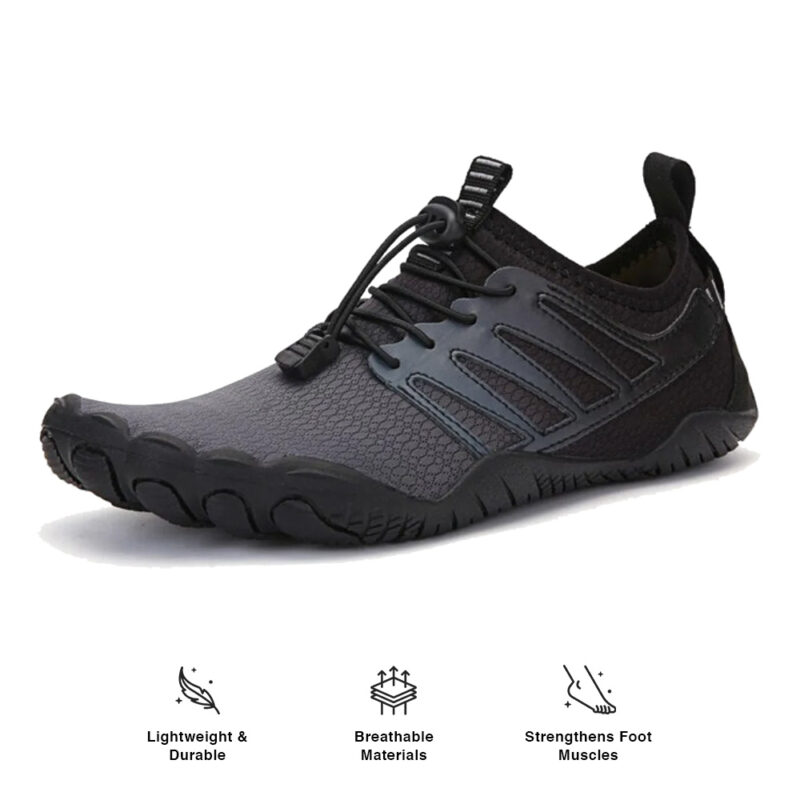
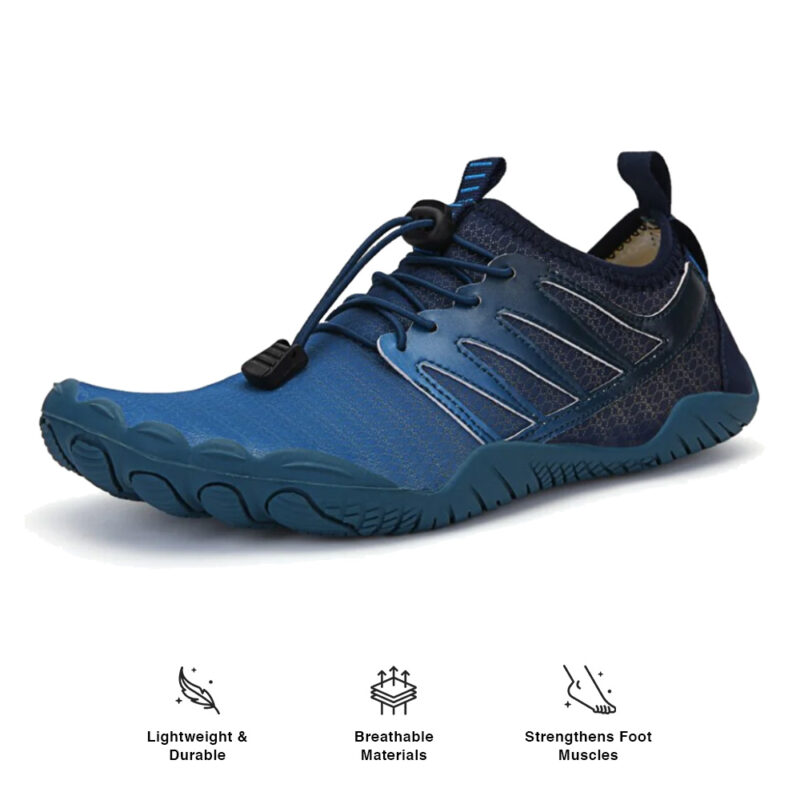
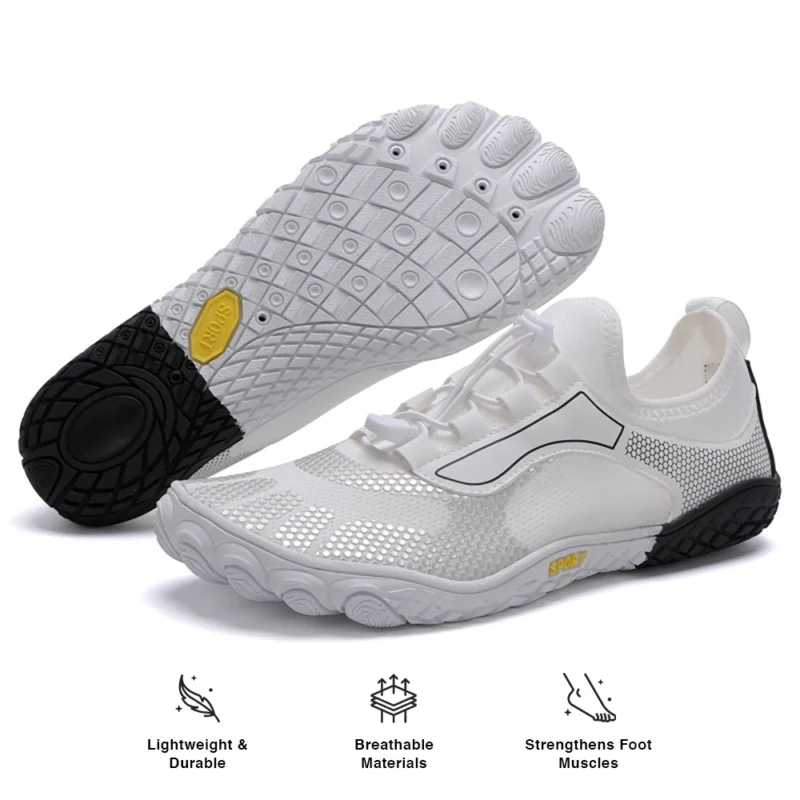
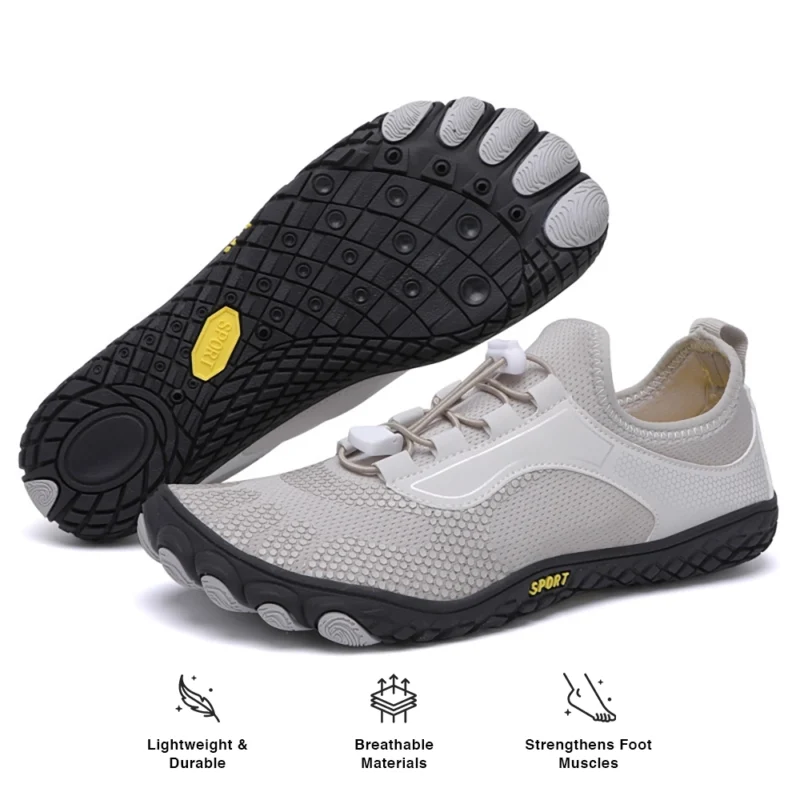
Every time you lace up those traditional athletic shoes, you're essentially putting your feet in a cast. The excessive padding and rigid structure do the work your foot muscles should be doing, leading to gradual weakening over months and years of training. Your feet contain 26 bones, 33 joints, and over 100 muscles, tendons, and ligaments—all designed to work together as a sophisticated shock absorption and propulsion system. When you search for the best shoes for gym workouts, you need footwear that activates this natural system rather than replacing it. Minimalist gym shoes with thin, flexible soles force your feet to engage properly, gradually building the intrinsic strength that translates to better performance in every lift and movement. Start your transition slowly, beginning with just 20-30 minutes of gym time in minimalist shoes and gradually increasing as your feet adapt and grow stronger.
You're Losing Balance and Stability on Thick Soles
That unstable feeling during heavy squats or single-leg exercises isn't in your head—it's your thick-soled shoes creating distance between you and the ground. Traditional athletic shoes can have soles up to 30mm thick, essentially forcing you to balance on small platforms while trying to move heavy weight. This disconnect reduces proprioception, your body's ability to sense position and movement, which is crucial for proper form and injury prevention. The best shoes for gym training provide a low-to-ground feel that maximizes your connection to the floor. Zero-drop minimalist shoes eliminate the artificial heel elevation that throws off your natural movement patterns, allowing you to feel every subtle shift in weight distribution. When selecting minimalist gym footwear, look for sole thickness under 10mm to maintain that essential ground connection while still protecting your feet from rough surfaces.
Your Toes Are Cramped and Your Power Is Compromised
Most athletic shoes force your toes into a narrow, pointed shape that bears no resemblance to your natural foot outline—and this toe crowding directly impacts your gym performance. When your toes can't spread naturally, you lose a significant amount of stability and power transfer through the kinetic chain. Your big toe, in particular, plays a crucial role in balance and push-off during explosive movements like box jumps or sprint intervals. Finding the best shoes for gym activities means prioritizing a wide toe box that allows your toes to splay naturally, creating a broader, more stable base for all your movements. Barefoot-style gym shoes typically feature foot-shaped toe boxes rather than shoe-shaped ones, giving your toes the space they need to function properly. Before purchasing, trace your foot on paper while standing and compare it to the shoe's outline—your foot should fit comfortably within the shoe's shape without any squeezing or overlap.
You're Missing Crucial Sensory Feedback
Traditional gym shoes with thick, soft midsoles act like sensory barriers, preventing your feet from receiving important feedback about ground texture, angle, and stability. This sensory information travels up through your nervous system, helping your body make micro-adjustments for optimal performance and injury prevention. When you can't feel the ground properly, your body compensates by tensing up and relying more heavily on visual cues, which slows reaction time and reduces movement efficiency. The best shoes for gym training maintain sensory connection through thin, firm soles that protect without numbing. Minimalist designs allow your feet to feel variations in surface texture and firmness, improving your body's ability to adapt quickly to different movements and equipment. Practice barefoot exercises at home when possible to retrain your feet's sensitivity, then look for gym shoes that preserve as much of that natural feedback as possible.
You're Fighting Against Your Natural Movement Patterns
Every time you step into elevated-heel athletic shoes, you're artificially shortening your calf muscles and shifting your body's natural alignment forward. This heel-to-toe drop, often 10-12mm in traditional athletic shoes, forces compensatory changes throughout your entire kinetic chain during gym movements. Your ankles lose mobility, your glutes become less active, and your spine takes on unnatural curves to maintain balance. Zero-drop minimalist shoes restore your natural posture by keeping your heel and forefoot at the same level, allowing your body to move as it was designed. The best shoes for gym workouts respect your natural biomechanics rather than forcing adaptation to artificial geometry. When transitioning to zero-drop shoes, pay attention to how your movement patterns change—many people find their squats feel deeper and more natural, and their deadlifts feel more connected to the ground.
You're Choosing Durability Over Foot Health
The irony of traditional athletic shoe construction is that the very features marketed for durability—thick rubber soles, rigid heel counters, and dense foam—are often what prevent your feet from developing their own natural durability. Your feet are remarkably adaptable and become stronger when challenged appropriately, but this only happens when they're allowed to move and respond naturally. Minimalist gym shoes prioritize functional durability over cosmetic longevity, using flexible materials that move with your feet rather than restricting them. The best shoes for gym use may not last as long in terms of cosmetic appearance, but they'll help your feet last longer by keeping them healthy and strong. Look for shoes with flexible uppers, minimal heel counters, and thin soles that bend easily in your hands—these design choices support long-term foot health even if they require more frequent replacement.
You're Ready to Experience True Foot Freedom
The transition to minimalist gym footwear isn't just about changing shoes—it's about rediscovering what your feet are capable of when freed from artificial constraints. Once you experience the ground connection, natural stability, and authentic strength that comes from proper foot function, traditional athletic shoes will feel like clunky obstacles to your performance. Your feet will gradually become stronger, more sensitive, and more capable of supporting your entire body through complex movements. The best shoes for gym training are ultimately the ones that disappear from your awareness, allowing you to focus entirely on your workout rather than fighting against restrictive footwear. Start your journey gradually, listen to your body's feedback, and be patient as your feet rediscover their natural strength and capability—the investment in foot health will pay dividends in every aspect of your fitness journey.